Understand dog bloat (gastric dilatation) vs life-threatening GDV. Learn key symptoms like unproductive retching, who’s at risk, what to do fast, vet treat...
Article
•
Designer Mixes
Bloat in Dogs: Symptoms, Causes, and Emergency Treatment

Shari Shidate
Designer Mixes contributor
Bloat is one of those words that can sound harmless, like a little extra gas. But in dogs, “bloat” can also mean a true emergency called gastric dilatation-volvulus (GDV) , where the stomach fills with gas and may twist. That twist can cut off blood flow and quickly become life-threatening.
If you take only one thing from this article, let it be this: suspected bloat is an emergency. If your dog has retching, restlessness, weakness, sudden discomfort, or a swollen belly, do not wait it out. Call an emergency vet and go in right away.
What “bloat” means
People use “bloat” to describe a few different situations:
- Simple stomach upset or gas : uncomfortable, sometimes noisy, but usually not life-threatening.
- Gastric dilatation (GD): the stomach can become enlarged with gas or fluid. This can be serious and can progress to GDV.
- Gastric dilatation-volvulus (GDV): the stomach enlarges and then twists, trapping gas and compromising circulation. This is the classic “bloat” emergency.
Unfortunately, it is hard to tell at home whether your dog has simple gas, GD, or GDV. Only a veterinary exam, often with imaging like X-rays, can confirm GDV. That is why vets advise treating suspicious signs as urgent.
Symptoms
Common warning signs
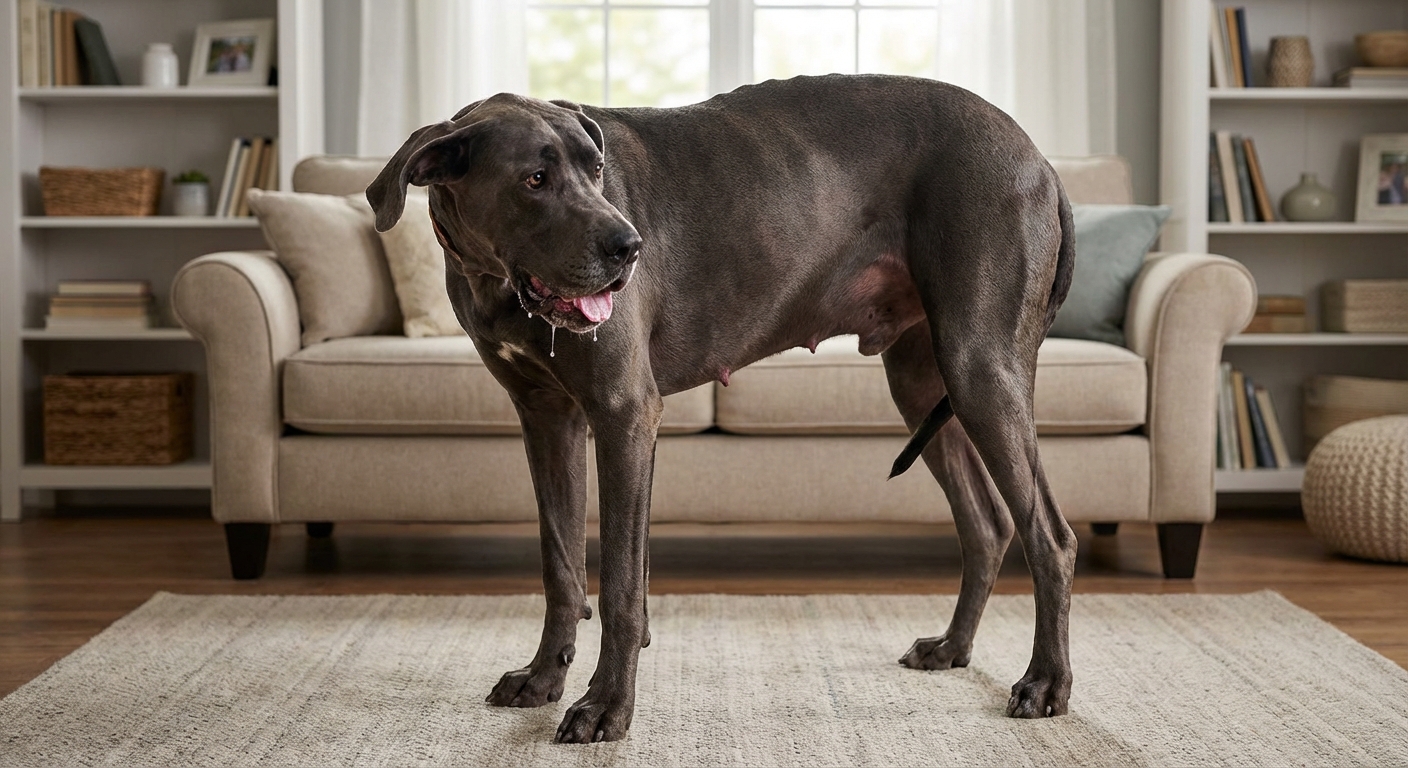
- Unproductive retching or repeated attempts to vomit with little or nothing coming up. This can happen because the stomach is distended or twisted, making it hard or impossible for contents to come back up.
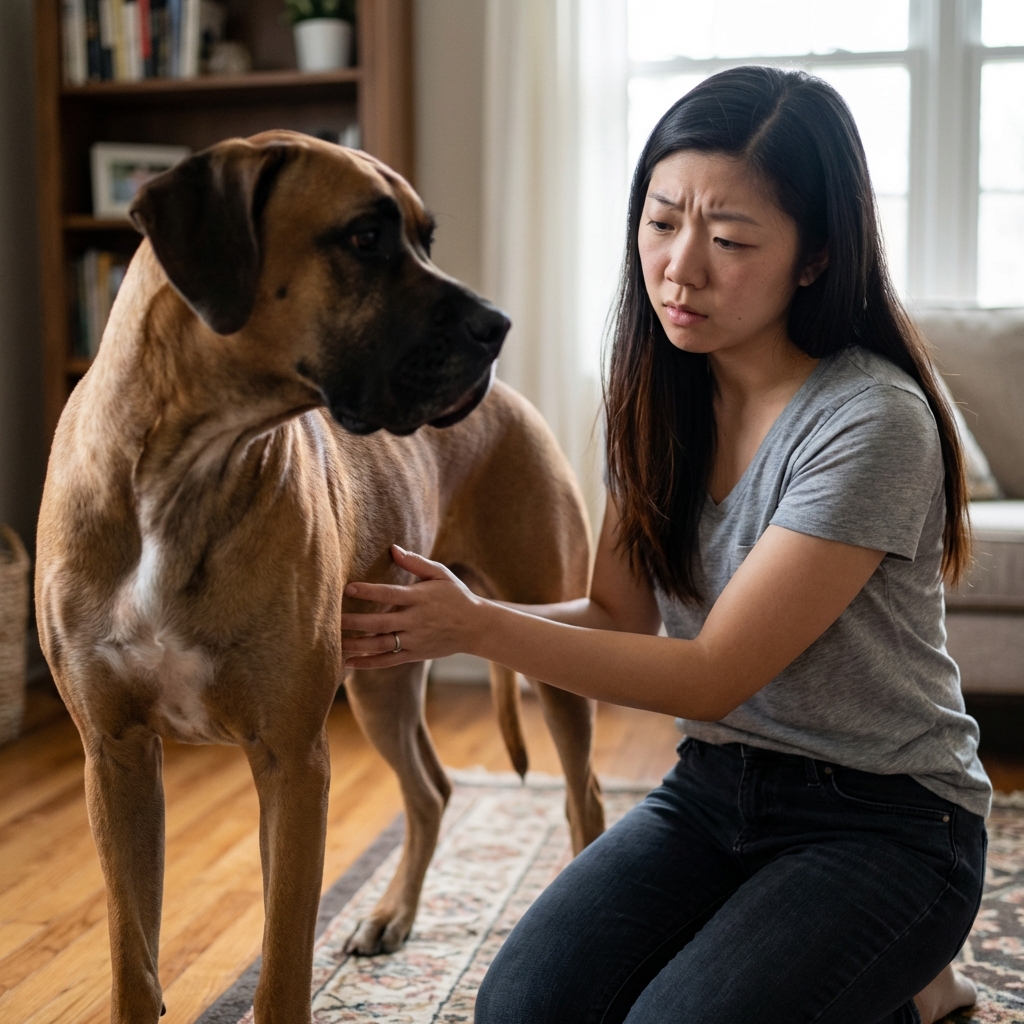
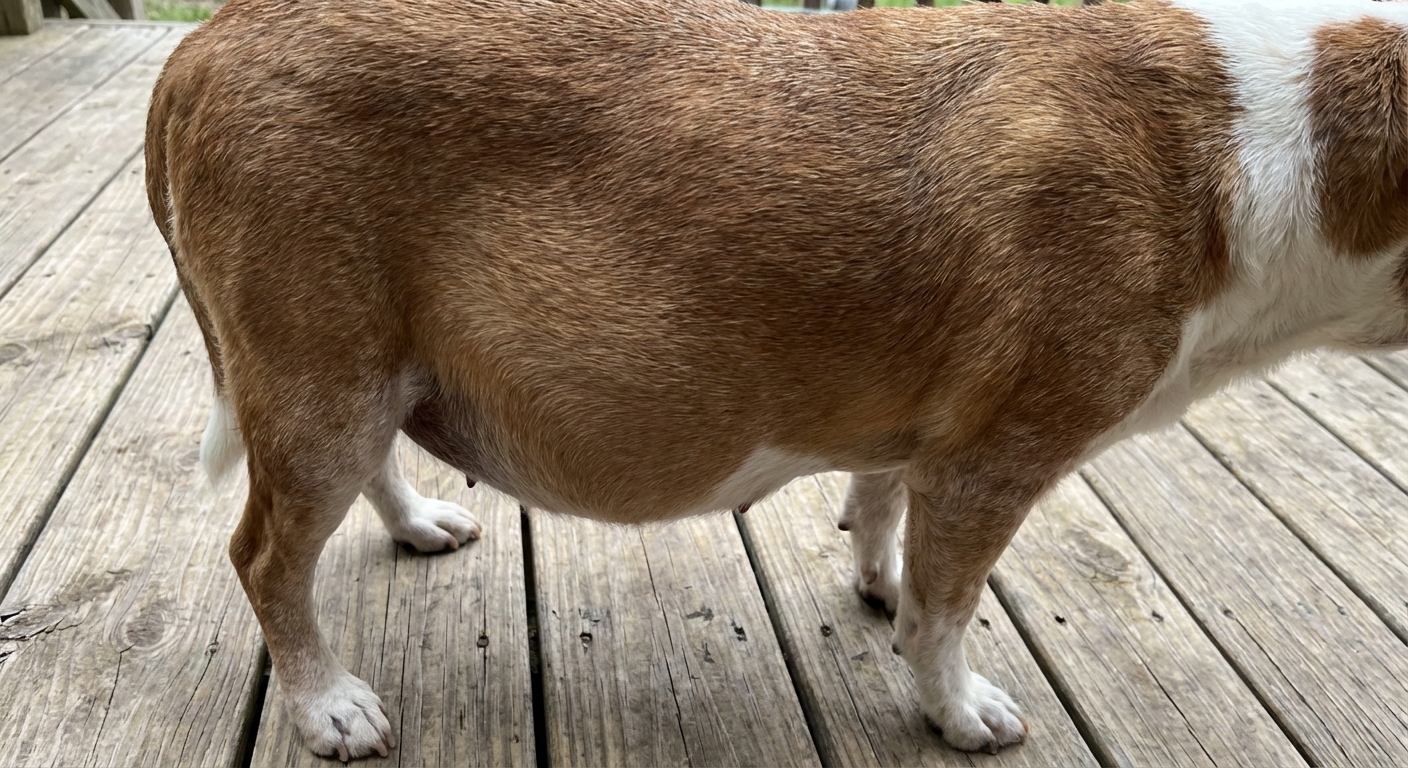
- Distended abdomen that looks suddenly enlarged or tight. Note: distension is not always obvious early, especially in some dogs.
- Restlessness, pacing, inability to get comfortable
- Excess drooling or foamy saliva
- Signs of pain like whining, guarding the belly, reluctance to lie down
- Rapid breathing or panting that seems out of proportion to activity
Late or severe signs
These can indicate shock and require immediate emergency care:
- Weakness, collapse, or inability to stand
- Pale gums
- Fast heart rate
- Cold extremities
Practical rule: If your dog is retching without producing vomit and looks uncomfortable, treat it as bloat and seek emergency care until a veterinarian rules it out.
Causes and risk
Vets do not always know exactly why GDV happens in a particular dog on a particular day, but several factors raise risk.
Higher-risk dogs
- Deep-chested breeds such as Great Danes, Standard Poodles, Weimaraners, German Shepherds, Dobermans, and many large mixed breeds with a deep chest
- Large and giant breeds
- Middle-aged and older dogs (though it can happen at any age)
- Dogs with a family history of GDV
Common contributors
- Eating large meals, especially one big meal per day
- Eating rapidly (gulping air while eating)
- Heavy activity right before or after meals may increase risk. Evidence is mixed, but many vets still recommend avoiding vigorous exercise around mealtimes.
- Stress or anxiety, including changes in routine or environment
- Overeating or scavenging, including getting into food bins
It is worth noting that bloat can still occur even if you do “everything right.” The goal is risk reduction, not perfection.
Emergency treatment
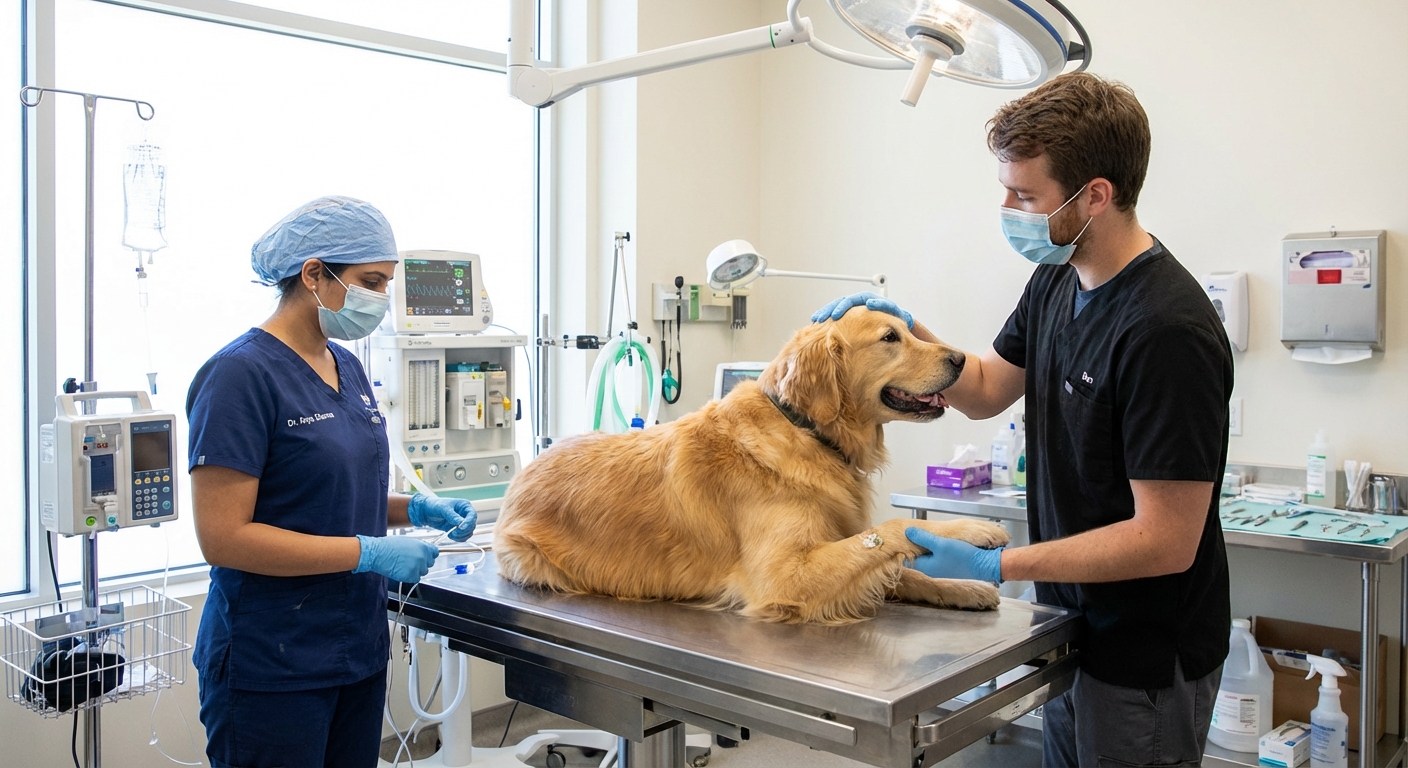
At the clinic, the veterinary team moves fast because GDV can progress quickly. Treatment often includes:
- Stabilization: oxygen, IV fluids, pain control, and medications to support circulation
- Decompression: relieving pressure by passing a stomach tube or using a needle/trocar in specific cases
- X-rays: to confirm whether the stomach has twisted
- Surgery: if GDV is present, surgery is typically required to untwist the stomach, evaluate the stomach and spleen for damage, and perform a gastropexy (tacking the stomach to help prevent future twisting)
- Monitoring: heart rhythm monitoring and ongoing support during recovery
Time matters. The sooner your dog is treated, the better the chances of survival and a smoother recovery. Prognosis depends on how quickly care starts and whether complications occur (such as heart rhythm issues or damage to the stomach).
What to do now
As a nutrition and lifestyle practitioner, I love practical steps people can take at home. With suspected bloat, though, this is outside the scope of home care. Your dog needs urgent veterinary assessment.
Do this now
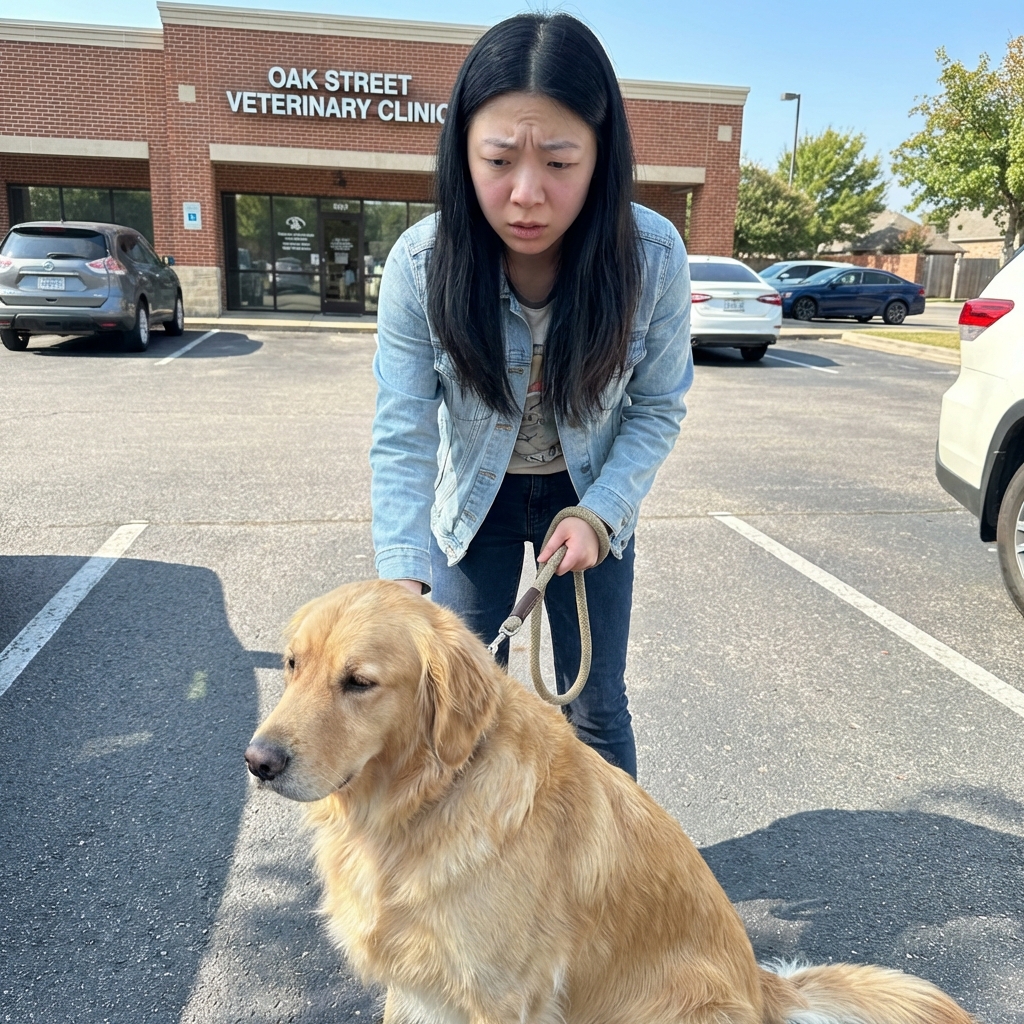
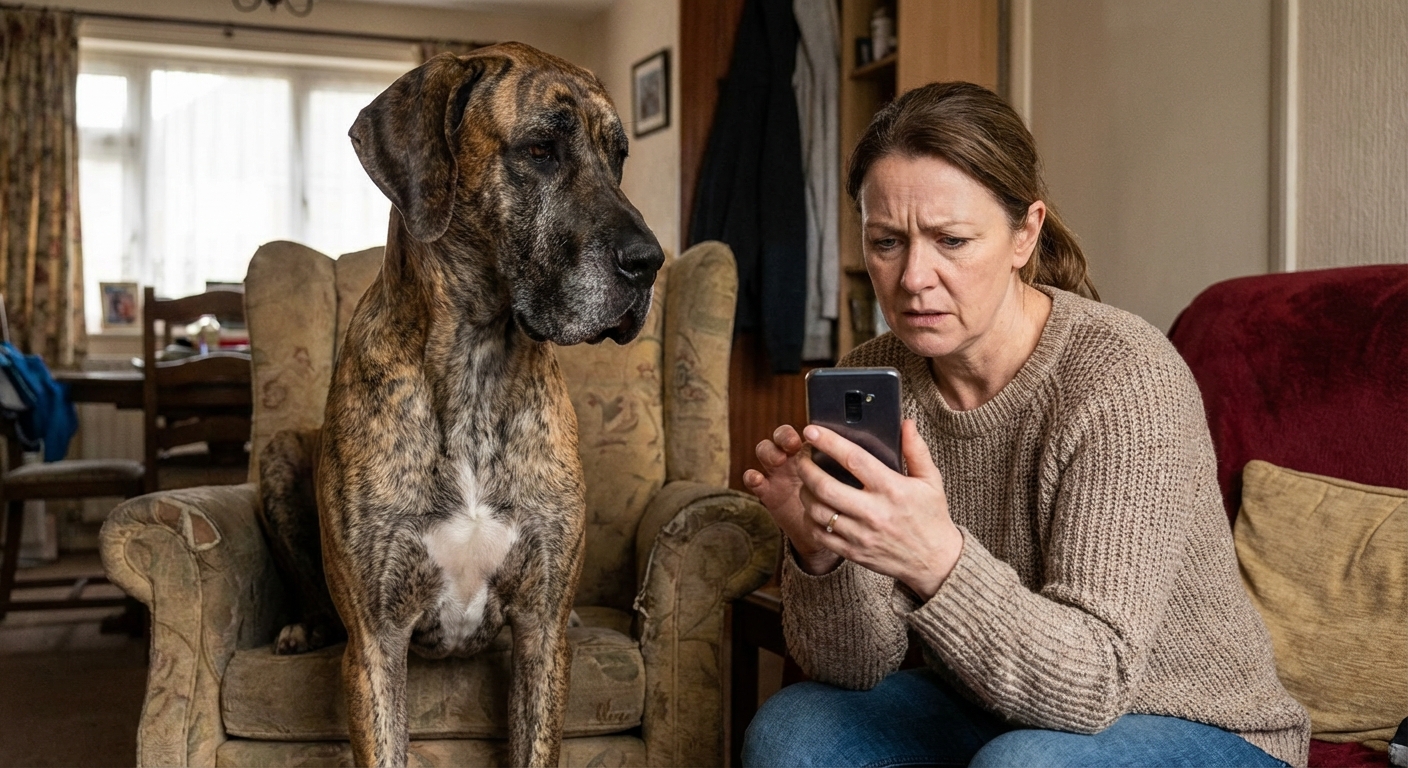
- Call an emergency veterinarian immediately. Say you are concerned about bloat or GDV and describe the symptoms.
- Go in right away. Do not wait to “see if it passes.”
- Call ahead and go to the nearest open ER if your regular clinic is closed.
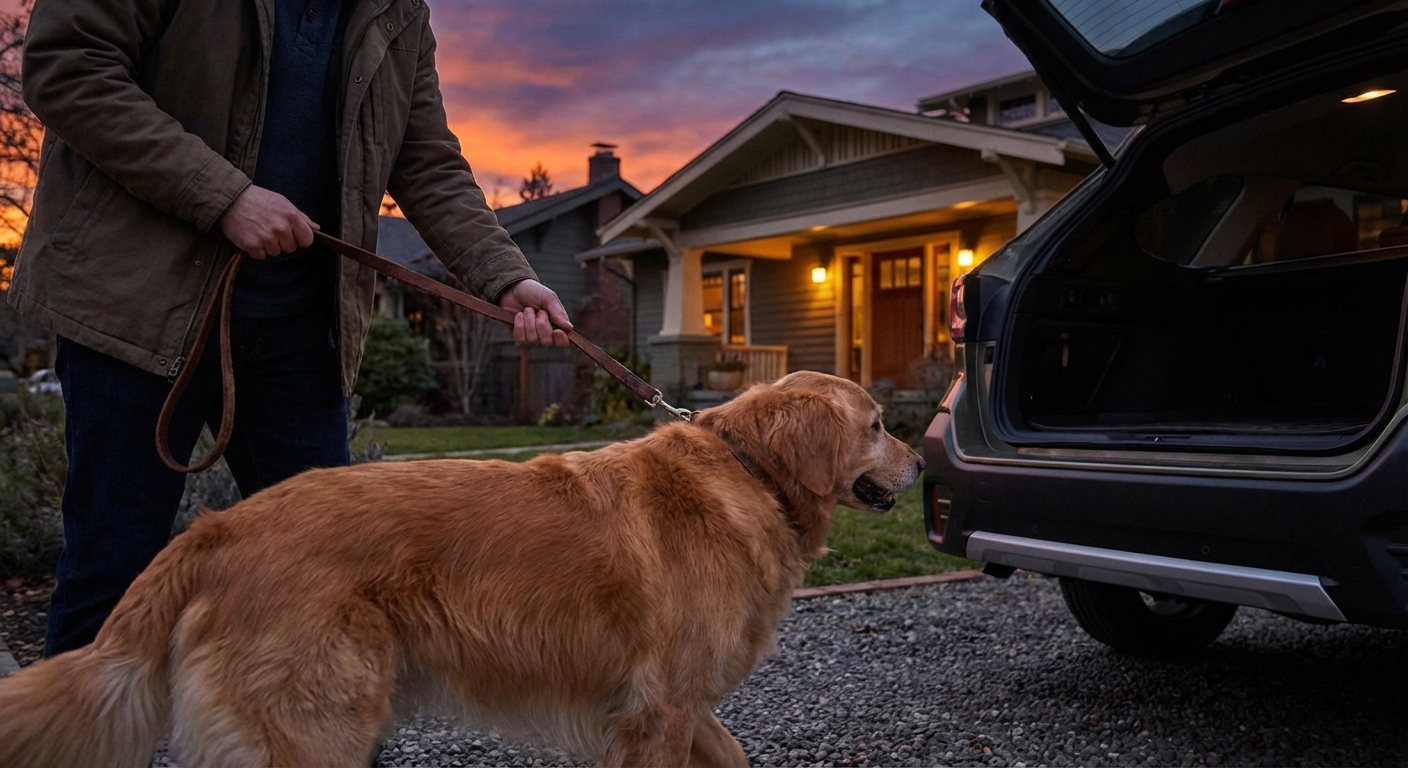
- Keep your dog calm and limit movement as much as possible while you prepare to leave.
- If possible, have someone ride with you to monitor your dog on the way.
- If your dog collapses or has trouble breathing, head to the closest ER immediately and tell them you are coming.
Do not do this
- Do not try to treat it at home with gas relief products, exercise, massage, or waiting.
- Do not force food or water.
- Do not attempt to make your dog vomit.
If you are unsure whether it is bloat or “just gas,” let the veterinarian make that call. Your job is to get your dog evaluated quickly.
Prevention
While no strategy eliminates risk completely, these habits can meaningfully reduce the odds of a dangerous episode.
Feeding habits
- Feed smaller, more frequent meals instead of one large meal.
- Slow down fast eaters using a slow-feeder bowl or puzzle feeder.
- Avoid vigorous exercise for about 1 to 2 hours after meals. Many vets also suggest avoiding intense activity right before eating.
- Reduce stress around mealtimes with a calm feeding space and consistent schedule.
- Keep trash and food storage secure to prevent scavenging and overeating.
Preventive gastropexy
If you have a high-risk dog, ask your veterinarian about a preventive gastropexy, often done at the same time as spay or neuter. It does not prevent the stomach from filling with gas, but it can significantly reduce the chance of the stomach twisting, which is the most dangerous part of GDV. It is not a guarantee, and dogs can still experience dilatation (and, rarely, volvulus depending on the case and technique), so any suspicious signs still deserve urgent evaluation.
Bloat vs. upset stomach
Many dogs get mild stomach upset now and then. What makes bloat different is the combination of rapid onset plus retching without vomiting , escalating discomfort, and sometimes visible distension.
- More consistent with mild gas: passing gas, mild discomfort, normal energy, normal gum color, able to settle
- More concerning for bloat: repeated retching, sudden distress, drooling, pacing, weakness, pale gums. A tight or enlarged belly may appear, but it may not be obvious early.
When in doubt, treat it as urgent. It is always better to leave the clinic with reassurance than to arrive too late.
Call the vet today
Contact a veterinarian immediately if your dog has any of the following:
- Unproductive retching or repeated gagging
- A suddenly enlarged or tight abdomen
- Rapid worsening discomfort, restlessness, or drooling
- Weakness, collapse, pale gums, or trouble breathing
We care deeply about helping you make informed choices. Still, bloat is not a condition to research for hours before acting. If your instincts say something is off, trust that signal and get help.