
Bloat and GDV in Dogs

Bloat is one of those words that makes dog people pause, and for good reason. In the veterinary world, we see two very different situations that often get lumped together: a dog that is uncomfortably gassy or “bloated,” and a true emergency called GDV, short for gastric dilatation-volvulus, where the stomach dilates and then twists.
This page is focused on what you can actually do at home to lower risk, what to watch for when something feels “off,” and which dogs deserve extra caution. If you ever suspect GDV, skip the internet and head straight to an emergency vet.
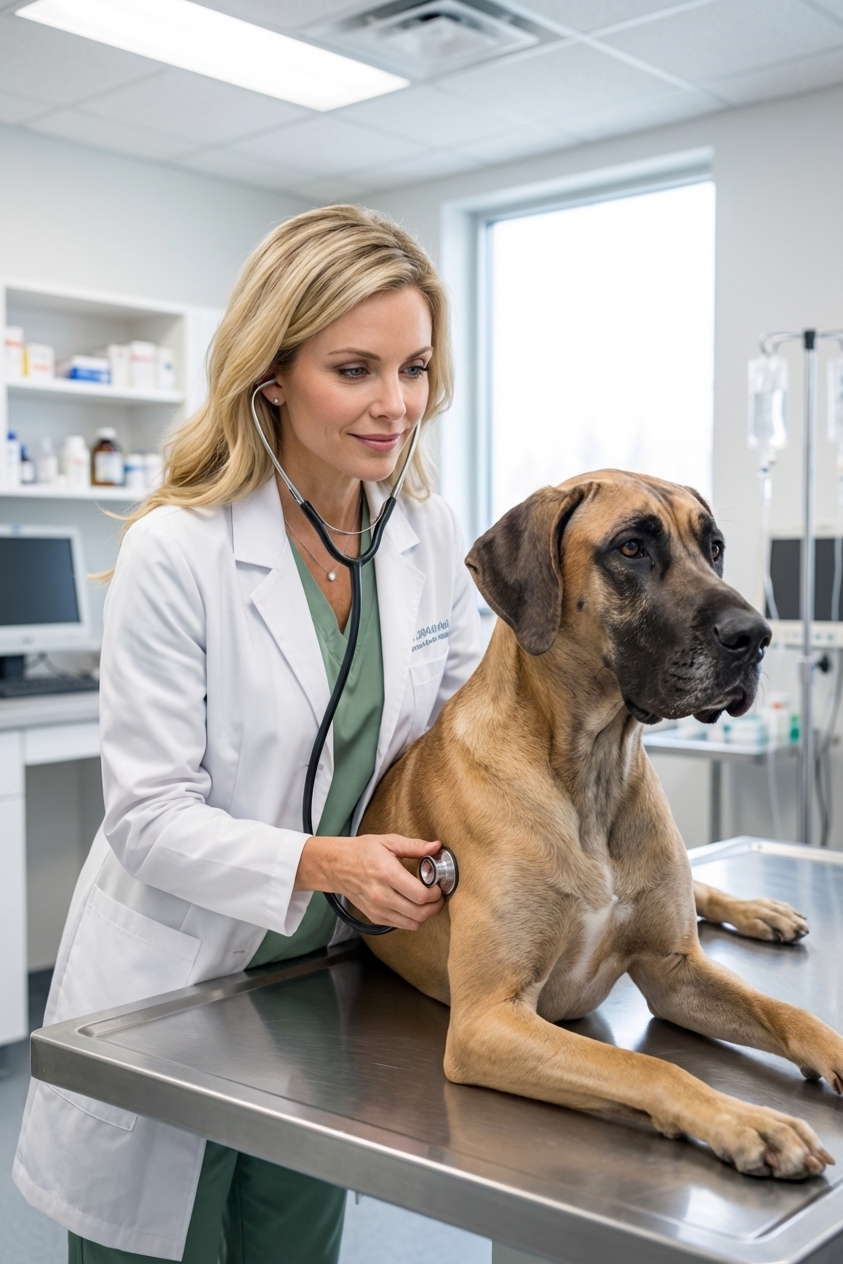
Bloat vs. GDV
Simple stomach distension can happen when a dog has excess gas, eats too fast, or has mild stomach upset. The stomach is stretched, but it has not twisted.
However, this is the tricky part: at home you cannot reliably tell whether you are looking at “just gas” or the beginning of GDV. If your dog has notable abdominal swelling, repeated retching, restlessness, or seems painful, it is safest to get a veterinary exam quickly.
GDV is different because the stomach rotates. That twist can trap gas and fluid, cut off blood supply, and put extreme pressure on major blood vessels. Without rapid treatment, shock can develop quickly.
A helpful way to think about it
- Bloat (distension): the stomach is inflated.
- GDV: the stomach is inflated and twisted, making it much harder to relieve and far more dangerous.
Because you cannot confirm the twist at home, prevention and fast decision-making are your best tools.
Who is most at risk?
Any dog can bloat, but GDV risk rises in certain body types and family lines. If your dog is large, deep-chested, or has a close relative who had GDV, it is worth building a prevention routine now.
High-risk traits
- Deep chest shape (more “tall and narrow” than “round”).
- Large and giant breeds, especially as they age.
- Family history of bloat or GDV.
- Fast eaters and dogs that eat huge meals in one sitting.
- Anxious or stress-prone dogs may have higher risk in some studies and clinical observations, especially if they gulp air when eating.
Breeds often considered higher risk
This is not a complete list, and mixes can absolutely be at risk too, especially if they inherit the deep-chested build.
- Great Dane
- German Shepherd Dog
- Weimaraner
- Standard Poodle
- Doberman Pinscher
- Giant Schnauzer
- Irish Setter
- Rottweiler
- Saint Bernard
- Akita
- Bloodhound
- Greyhound and other deep-chested sighthounds
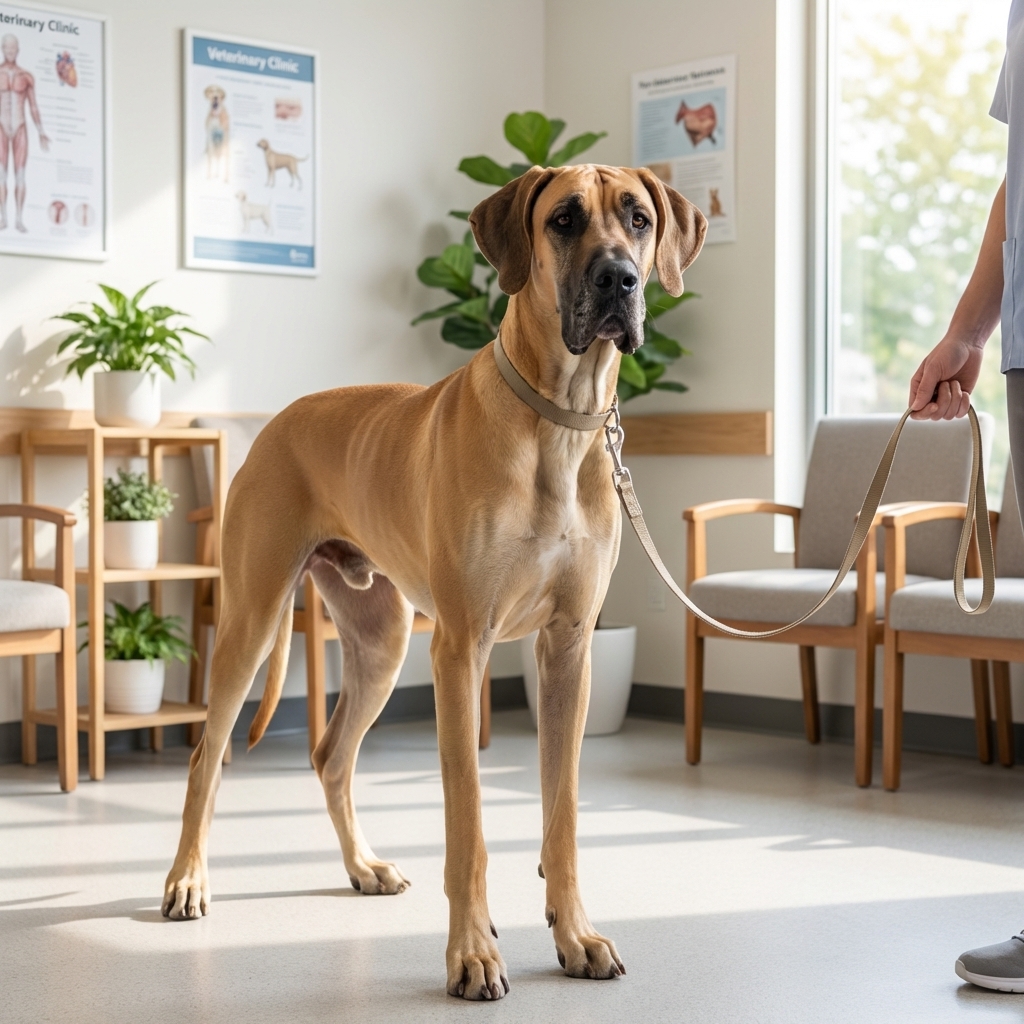
Feeding habits that may lower risk
No prevention plan is perfect, but the daily routine you choose can stack the odds in your dog’s favor. The goal is to reduce rapid stomach expansion, excessive swallowed air, and extreme activity around meal times.
1) Split meals
For many higher-risk dogs, two to three smaller meals are preferred over one large meal. Smaller meals mean less stomach stretching at once, and that matters.
2) Slow down fast eaters
Dogs that inhale food often swallow extra air. Simple changes can help:
- Use a slow feeder bowl or puzzle feeder.
- Scatter feeding in a snuffle mat for dry food.
- For multi-dog homes, feed separately to reduce competition and gulping.
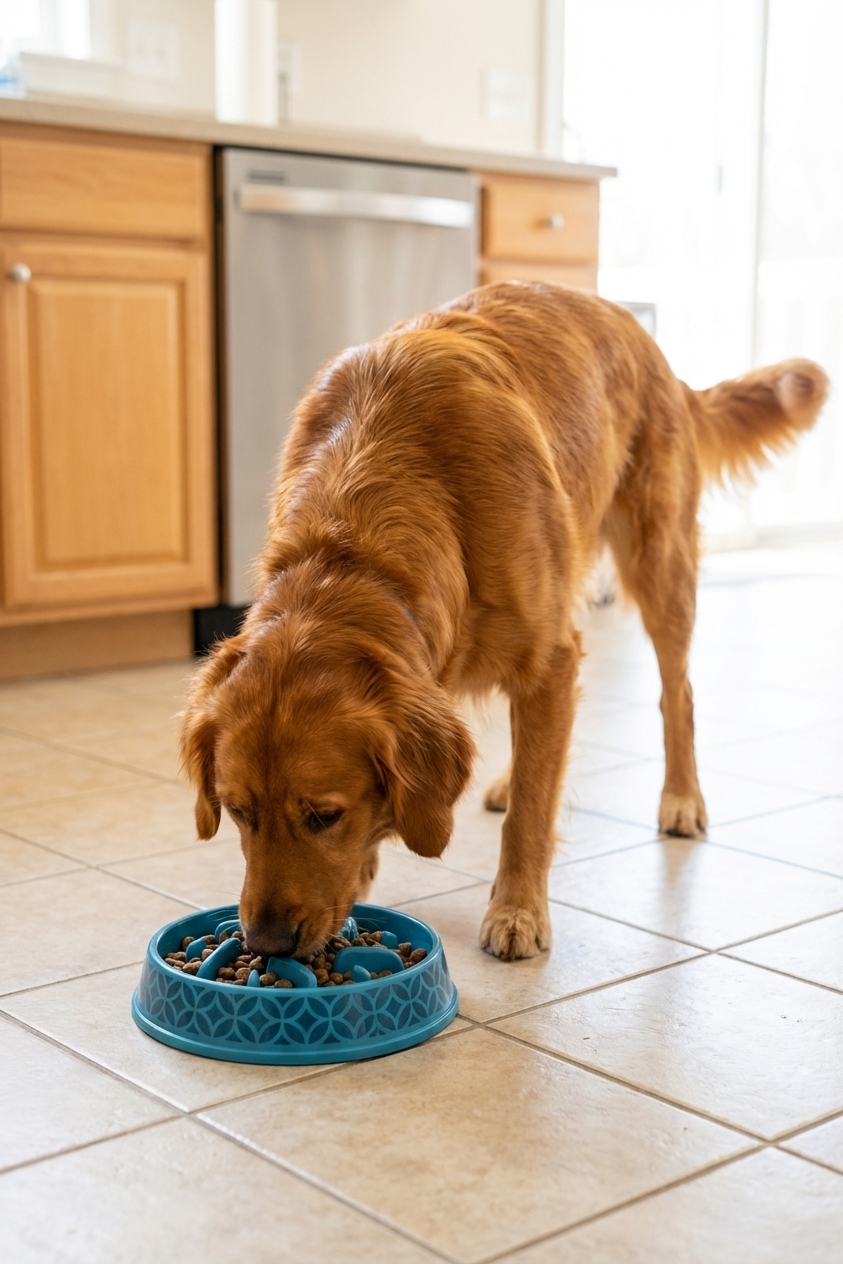
3) Keep meal times calm
Stress can change breathing patterns and swallowing. For anxious dogs, create a quiet feeding area and avoid high excitement right before the bowl goes down.
4) Wet food and kibble
Feeding is not one-size-fits-all, but it is worth knowing that some studies have found a lower GDV risk in dogs that receive some canned or wet food compared with dogs fed strictly dry kibble. If you are considering adding wet food, do it in a way that still fits your dog’s overall nutrition plan, calories, and stomach sensitivity.
5) Water
Fresh water should always be available. Some clinicians advise avoiding a dog rapidly draining the bowl right after intense activity or immediately after finishing a large meal, especially in higher-risk dogs. If your dog tends to gulp water, ask your vet for strategies that protect hydration while reducing “speed drinking.”
6) Be thoughtful about diet changes and gulpable foods
Sudden diet changes can cause gas. Transition foods slowly over 7 to 10 days. Also consider whether your dog is swallowing large chunks, especially with certain treats or chews. The less gulping, the better.
If you have a deep-chested dog, your goal is simple: smaller meals, slower eating, calmer routines.
Exercise around meals
This is one of the most practical prevention levers you can control.
Before meals
Avoid intense exercise that leaves your dog panting hard and then immediately offer a full meal. Let them cool down first.
After meals
Many veterinarians recommend rest after meals, especially for higher-risk dogs. A common rule of thumb is keeping activity gentle for at least 1 to 2 hours after eating.
- Potty walk is fine.
- Skip wrestling, fetch, sprinting, and rough play right after meals.
Raised bowls
You will hear conflicting advice about elevated food bowls. Here is the honest summary: the evidence is mixed and limited, and much of the concern traces back to older observational research that found an association in some populations. That does not prove raised bowls cause GDV, and later interpretations have questioned how broadly those findings apply.
Why people use raised bowls
- Comfort for very tall dogs.
- Support for dogs with arthritis or neck issues.
- Cleaner, easier feeding setup.
Why some vets avoid them for high-risk dogs
Because causation is not established, this is not a blanket rule. Still, for a dog that is already high risk, some veterinarians prefer to remove any potentially modifiable factor and focus on slowing eating and reducing air swallowing.
Practical approach
If your dog is high risk for GDV and does not medically need an elevated bowl, consider feeding at floor level and focusing on slow eating. If your dog needs a raised bowl for orthopedic comfort, talk with your veterinarian about the full risk picture and ways to reduce gulping. In many cases, the best plan is individualized.
Concern vs. emergency
I do not love symptom listicles because they can make people freeze, second-guess, or wait too long. Instead, I want to give you a decision framework.
When to be concerned
Be on alert if something is clearly unusual after eating, drinking, or activity. Trust your gut if your dog seems panicky, cannot get comfortable, or keeps trying to vomit with little coming up. Also remember that GDV can happen even if it has been hours since a meal.
When to treat it like GDV
If your dog is deep-chested or otherwise high risk and you notice rapid worsening, a tight or enlarging abdomen, repeated unproductive retching, excessive drooling, pacing or restlessness, weakness, pale gums, or collapse, assume it could be GDV and go to an emergency hospital immediately. This is not a “wait and see” moment.
What not to do at home
- Do not delay care by trying gas meds or supplements if GDV is possible.
- Do not try to “walk it off” if your dog is worsening, retching, or looks distended.
- Do not wait for your regular vet to open if you suspect GDV. Go to the ER.
Practical tip: Save the nearest 24-hour emergency vet number and address in your phone now. In a true emergency, you do not want to be searching while your dog is deteriorating.
What the ER does
For suspected GDV, veterinary teams typically move fast to stabilize your dog. That often includes IV fluids, pain control, stomach decompression when possible, and imaging to confirm whether the stomach has rotated.
When surgery is needed
If the stomach has twisted, surgery is the definitive treatment. During surgery, the vet untwists the stomach, evaluates stomach and spleen tissue, and typically performs a procedure called a gastropexy, which tacks the stomach to the body wall to reduce the chance of future twisting.
Preventive gastropexy
For very high-risk dogs, some owners choose a preventive gastropexy, often done at the same time as spay or neuter. It does not prevent the stomach from filling with gas, but it can greatly reduce the chance of the dangerous twist component. Depending on the practice and the dog, gastropexy may be done with traditional surgery or laparoscopic techniques.
At-home checklist
- Feed 2 to 3 smaller meals instead of one large meal when possible.
- Use a slow feeder if your dog gulps food.
- Keep meal times calm, especially in multi-dog homes.
- Avoid hard exercise right before meals, and enforce rest for 1 to 2 hours after meals.
- Keep water available. If your dog tends to drink extremely fast, ask your vet about safer ways to manage speed drinking.
- Transition diets slowly and avoid gulpable treats that encourage swallowing air.
- If your dog is high risk, ask your vet about preventive gastropexy.
Most importantly, if your dog’s behavior feels suddenly wrong after eating or at any point in the day, do not worry about overreacting. With GDV, minutes matter, and it is always okay to get professional eyes on your dog.