Dog UTI symptoms can mimic stones or other issues. Learn the full treatment plan: urinalysis and culture, correct antibiotics, pain control, hydration, home ...
Article
•
Designer Mixes
Bladder Stones in Dogs: Care and Training Tips

Shari Shidate
Designer Mixes contributor
Bladder stones in dogs can feel scary at first, especially when your sweet pup suddenly has accidents, strains to urinate, or seems uncomfortable. The good news is that many dogs do very well with the right mix of veterinary care, nutrition, and a few smart training adjustments at home.
As a veterinary assistant in Frisco, Texas, I have seen how fast dogs can bounce back when families learn what to watch for and how to support healing day to day. Let’s walk through what bladder stones are, what care really helps, and how to adjust your routine so your dog stays comfortable and confident.
What bladder stones are
Bladder stones are hard mineral formations that develop in the urinary bladder. They can be tiny like sand or large enough to block urine flow. Stones form when urine becomes oversaturated with certain minerals, often influenced by:
- Diet and urine pH (how acidic or alkaline the urine is)
- Low water intake and concentrated urine
- Urinary tract infections, especially with certain bacteria
- Breed and genetics (some mixes inherit tendencies from parent breeds)
- Underlying medical issues like liver shunts or metabolic conditions
Different stone types behave differently. The most common include:
- Struvite: in dogs, most are linked to UTIs and are often dissolvable with a therapeutic diet plus appropriate antibiotics. Sterile struvite is less common.
- Calcium oxalate: usually not dissolvable; often requires removal and prevention strategies
- Urate: associated with certain breeds and liver issues; may be managed with diet and medication
- Cystine: less common; related to genetic amino acid transport problems
The most important takeaway is this: prevention and treatment depend on the stone type. That is why testing matters, and why your vet will tailor the plan to your dog’s overall health.
Symptoms to act on
Some dogs show mild signs at first, and others worsen quickly. Contact your veterinarian if you notice:
- Straining to urinate or taking a long time to urinate
- Frequent small urinations
- Blood in the urine
- Accidents in a previously housetrained dog
- Licking at the genital area more than usual
- Strong urine odor or cloudy urine
Emergency warning: If your dog is trying to urinate and nothing (or just drops) come out, this can be a life-threatening blockage, especially in male dogs because their urethra is narrower. Go to an emergency vet right away.

How vets diagnose stones
To treat bladder stones correctly, your vet needs to confirm what is happening, whether an infection is present, and what the stones are made of. Common diagnostics include:
- Urinalysis to look for crystals, blood, infection signs, and urine pH
- Urine culture to identify bacteria and select the right antibiotic
- X-rays because many stones (like struvite and calcium oxalate) show up clearly, but some (like urate and cystine) can be hard to see
- Ultrasound which can detect stones and bladder inflammation, including stones that do not show well on X-ray
- Stone analysis after removal or passage, which guides long-term prevention
If your dog has recurring stones, your vet may also recommend bloodwork and a more detailed evaluation to look for underlying causes.
Treatment options
Once the stone type and any infection are identified, your veterinarian can recommend the safest and most effective next step.
1) Dissolving stones
Some stones, especially most infection-induced struvite stones, may be dissolved with a prescription diet and appropriate antibiotics when a UTI is present. This process can take weeks to months and requires rechecks to confirm the stones are shrinking.
- Pros: avoids surgery in many cases
- Cons: requires strict diet compliance and careful monitoring; not all stone types dissolve
2) Surgery
Surgery (cystotomy) is commonly recommended when stones are too large, causing repeated problems, or are a type that cannot dissolve (like calcium oxalate). Dogs generally recover well with pain control, rest, and follow-up checks.
3) Non-surgical removal
Depending on your dog’s size, stone location, and the equipment your vet has, options may include:
- Urohydropropulsion (flushing small stones out under anesthesia)
- Cystoscopy (using a scope to visualize and sometimes remove stones)
- Lithotripsy (breaking stones into smaller pieces in select cases, usually through specialty or referral hospitals)
4) Treating infection and pain
If infection is involved, your vet will likely prescribe antibiotics based on culture results. Pain relief and bladder-support medications may also be included to reduce spasms and discomfort.
At-home care that helps
Once you have a diagnosis and plan from your veterinarian, home care is where you can make a big difference. Here are the essentials I recommend most often.
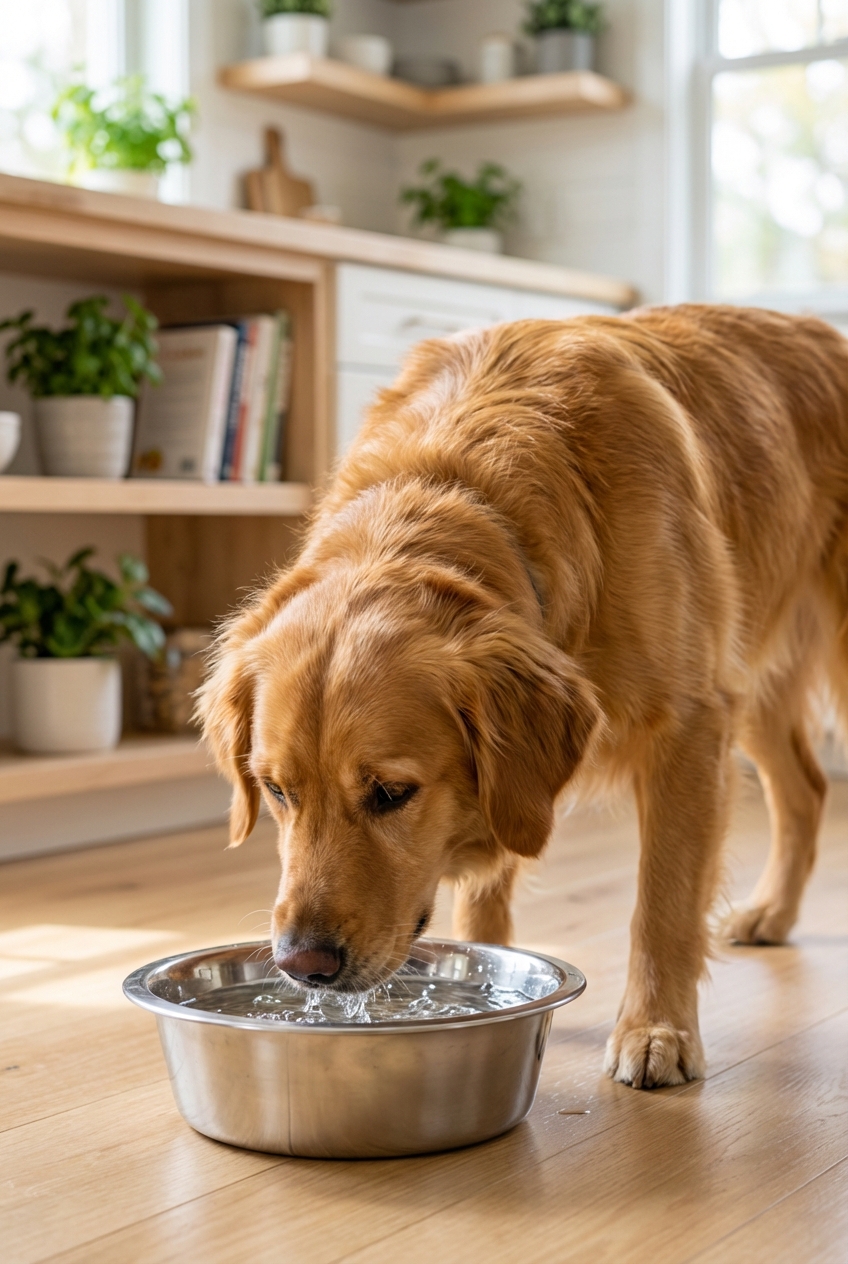
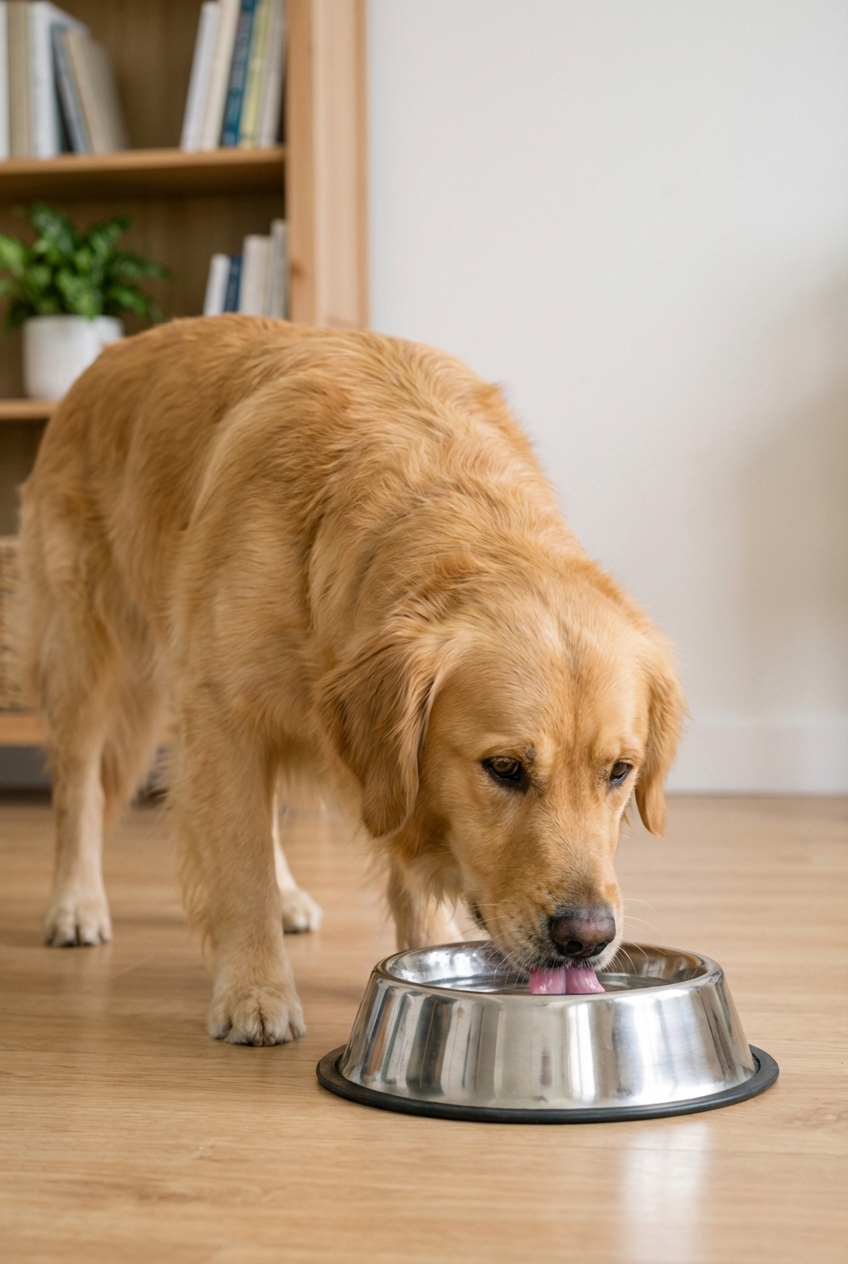
Boost water intake
More water means more dilute urine, and that means fewer opportunities for minerals to clump together.
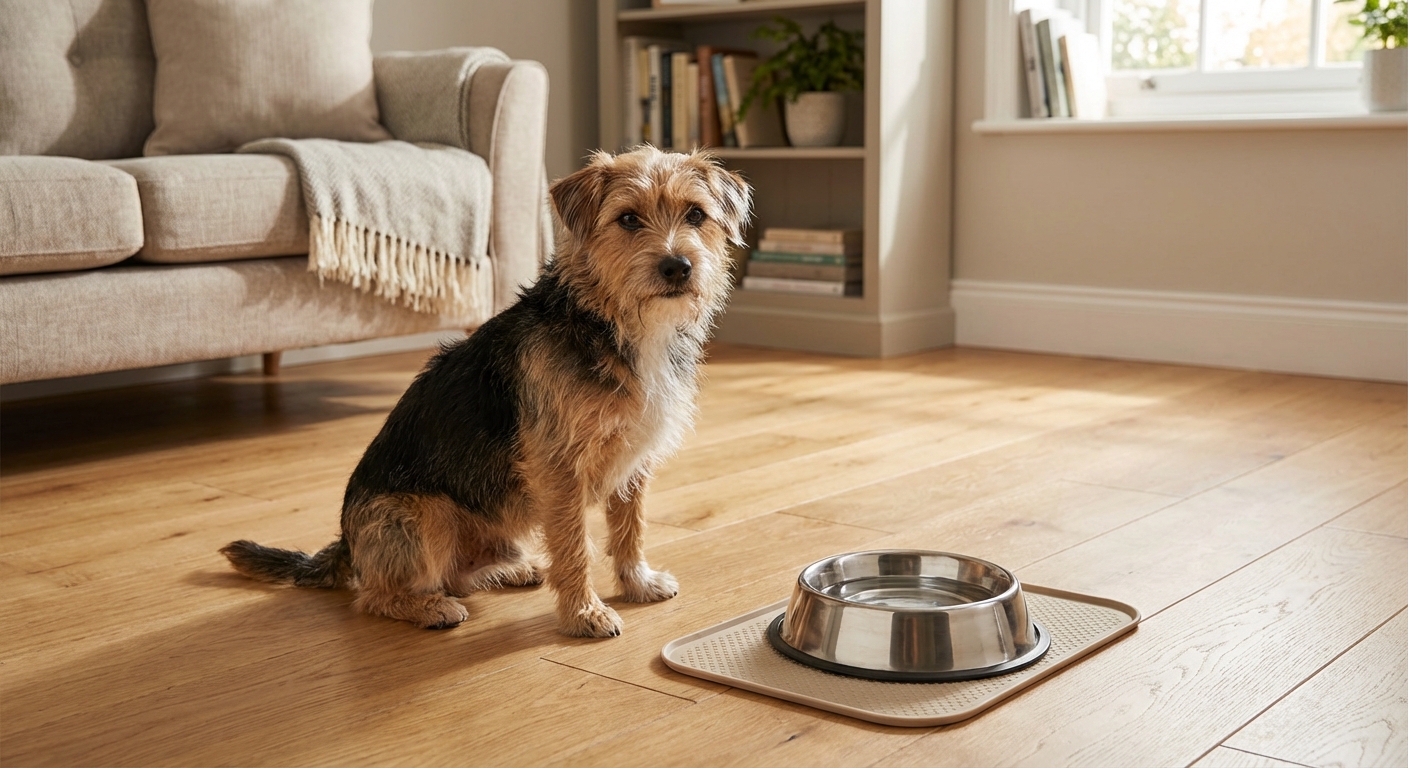
- Offer multiple clean water stations
- Use a pet water fountain if your dog prefers moving water
- Add water or low-sodium broth to meals (ask your vet if your dog has other conditions)
- Feed canned or moist food if it fits your vet’s plan
Stick to the diet plan
If your veterinarian prescribes a urinary diet, consistency matters. Mixing in extra treats or switching foods often changes urine chemistry and can undo progress.
If you prefer fresh food or homemade approaches, discuss it with your vet or a board-certified veterinary nutritionist. Homemade can be wonderful, but with bladder stones it must be targeted to the stone type, urine pH goals, and mineral balance.
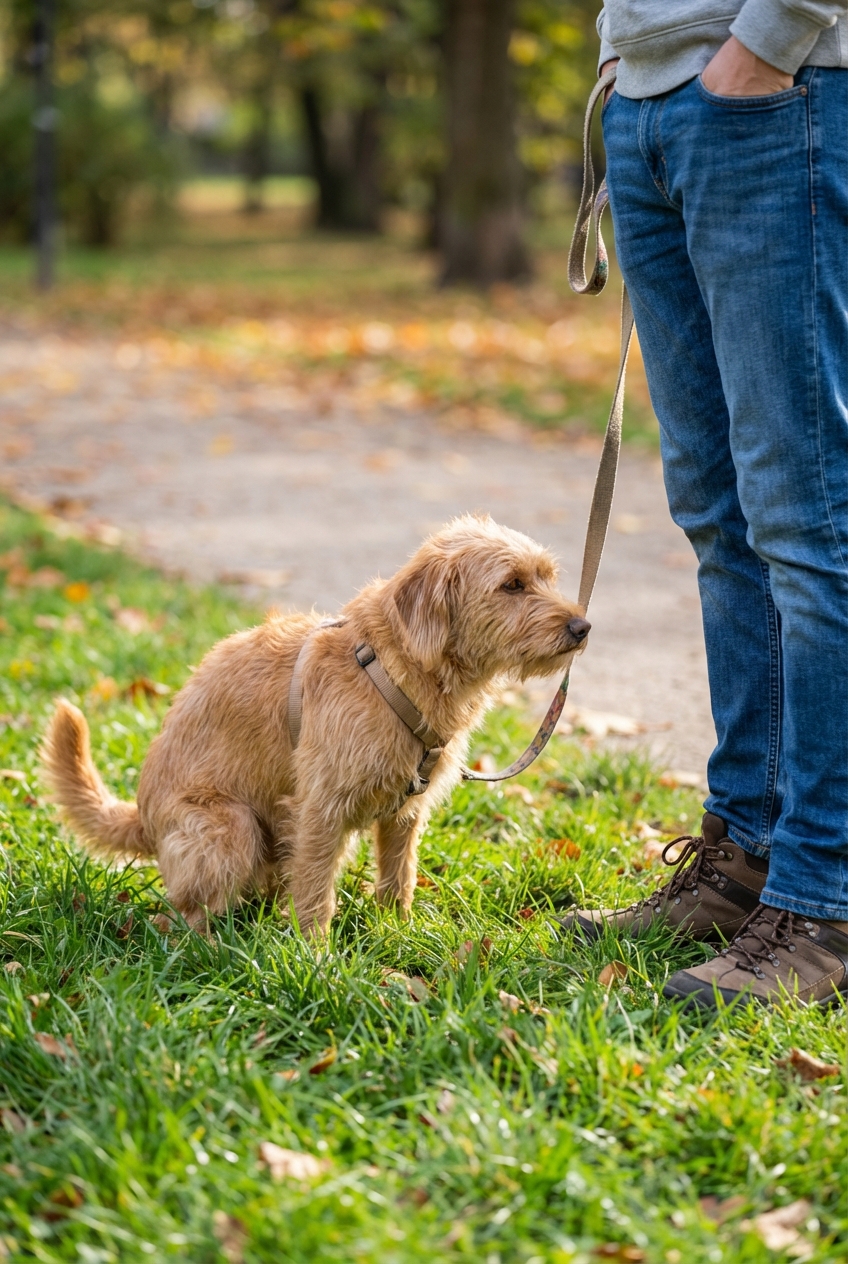
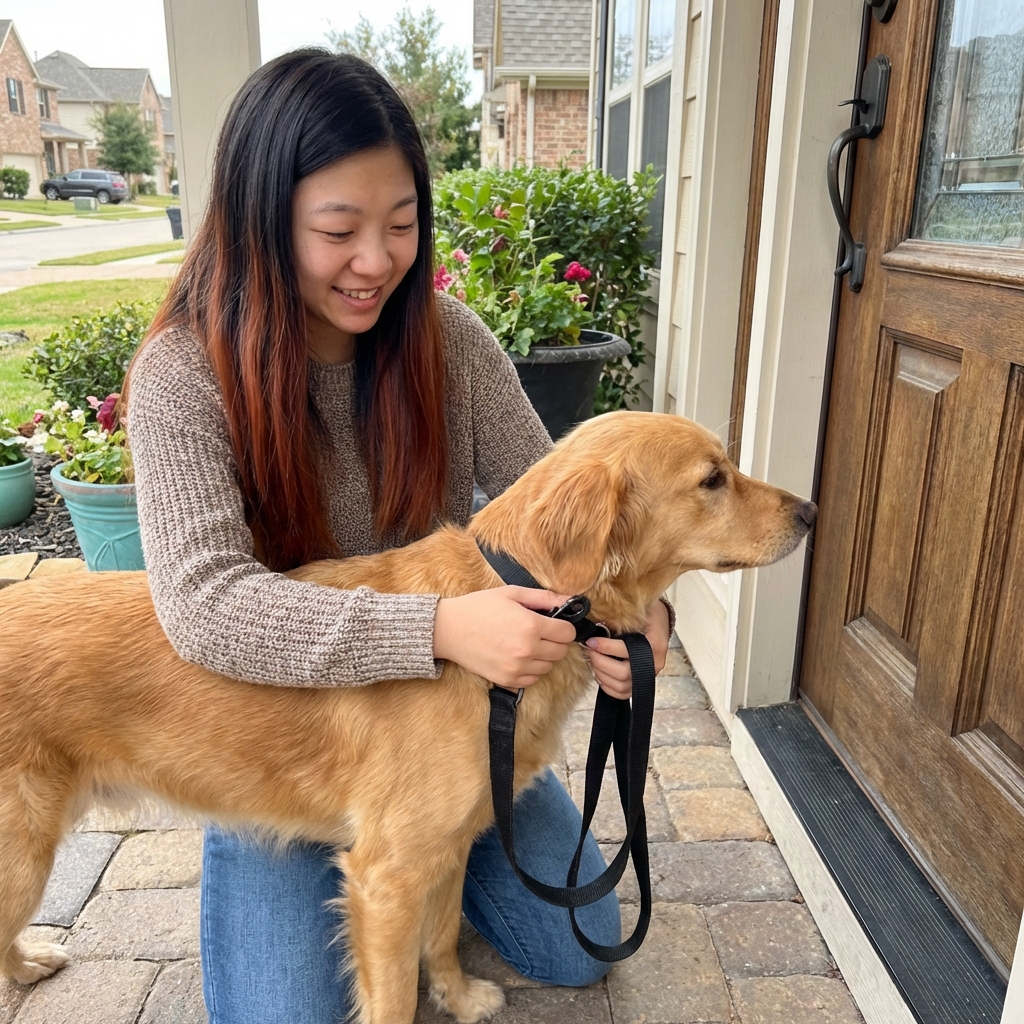
Offer more potty breaks
Frequent opportunities can reduce discomfort and urgency, and it can help keep urine from becoming too concentrated. Aim for:
- A morning potty break soon after waking
- Midday opportunities when possible
- Evening and right-before-bed potty breaks
Monitor urine and behavior
- Note straining, dribbling, or repeated squatting
- Watch for blood, cloudiness, or strong odor
- Track appetite and energy
- Keep follow-up appointments, even if your dog seems fine
Potty training tips
Bladder stones can cause urgency, discomfort, and accidents. This is not stubbornness or disobedience. Your dog is responding to irritation and pressure in the bladder.
Protect the bond
Try to think of accidents as a medical symptom, not a training failure. Punishment can increase anxiety and make potty habits worse.
Use a temporary plan
- Take your dog out more often, even if that means setting timers for a few weeks
- Choose easy-to-clean spaces and consider baby gates to limit roaming
- Use enzymatic cleaners to remove odor cues completely
- Consider washable belly bands for males or protective pads in a pinch, but keep the skin clean and dry
Reward the right moments
When your dog urinates outside, quietly praise and offer a small treat that fits your vet-approved diet plan. You are teaching, “This is safe, this is successful,” even during medical recovery.
Watch for pain signals
If your dog hesitates at the door, seems tense while urinating, or suddenly refuses walks, it can be discomfort rather than attitude. Loop your vet in so pain control is adequate.
Preventing repeat stones
Some dogs get one episode and never have another. Others are prone to recurrence. Prevention is specific to stone type, but these strategies are commonly helpful:
- Regular rechecks with urinalysis and imaging when advised
- Maintain a healthy body weight to support overall urinary health
- Consistent hydration routines
- Prompt UTI treatment and follow-up cultures when needed
- Long-term diet strategy tailored to the stone analysis
One of the kindest things you can do is become a calm observer. Your daily notes about water intake, potty habits, and comfort help your vet make smarter adjustments.
Follow-up and rechecks
Follow-up is not just a formality with bladder stones. It is how your vet confirms the stones are gone, the infection is truly cleared, and the prevention plan is working.
Recheck timing varies based on stone type, treatment choice (diet dissolution vs. removal), and whether a UTI was involved. Your vet may recommend repeat urinalysis, urine culture, and imaging on a schedule that fits your dog’s case.
What not to do
- Do not use leftover antibiotics or stop antibiotics early without your vet’s direction
- Do not change a prescription urinary diet or add supplements without checking with your vet first
- Do not wait and see if your dog is straining to urinate or producing little to no urine
Questions to ask your vet
If you want to feel more confident and informed, these questions help clarify the plan:
- What stone type do you suspect, and why?
- Can we send stones for analysis if removed or passed?
- Do we need a urine culture, or just a urinalysis?
- Is a prescription urinary diet necessary, and for how long?
- What signs mean I should go to the ER?
- How often should we recheck urine and imaging?
When to seek urgent help
Please treat these as urgent, same-day concerns:
- Repeated attempts to urinate with little or no urine produced
- Vomiting, severe lethargy, or a painful, tense abdomen
- Crying out while trying to urinate
- Sudden collapse
Urinary blockage can progress quickly. When in doubt, it is always safer to be seen.
Closing thought
If your dog is dealing with bladder stones, you are already doing something powerful by learning and taking action. With the right diagnosis, the right diet plan, and a few temporary training adjustments, most dogs regain comfort and confidence. Step by step, you will get your normal routine back.