Learn how to support dogs with bladder stones using hydration-first homemade meals, low-purine protein options, urine pH basics, treat pitfalls, and foods to...
Article
•
Designer Mixes
Bladder Stones in Dogs

Shari Shidate
Designer Mixes contributor
When a dog is straining to urinate, having accidents, or licking their genital area nonstop, it is easy to feel worried and helpless. As a veterinary assistant, I can tell you this with confidence: bladder stones are fairly common in small animal practice (especially in certain breeds and life stages), treatable, and often preventable once you know what you are dealing with.
This article will walk you through what bladder stones are, what signs to watch for, how vets diagnose and treat them, and what you can do at home to reduce the odds of a painful repeat.
What bladder stones are
Bladder stones, also called uroliths, are mineral formations that develop in the urinary bladder. Think of them like little rocks that form when certain minerals become too concentrated in the urine and start to crystallize.
Some stones stay tiny like grains of sand. Others grow large, take on rough edges, and irritate the bladder wall. The biggest emergency risk is when a stone or clump of crystals blocks urine flow. Complete obstruction is most common in male dogs because their urethra is narrower, and it is a true emergency.
One quick clarification: bladder stones form in the bladder (lower urinary tract). Kidney stones can happen too, but they are a different issue with different risks and treatment plans.
Common types of stones
- Struvite: Often associated with urinary tract infections in dogs. Many struvite stones can be dissolved with a prescription diet plus antibiotics if a UTI is present. Less commonly, sterile struvite can occur.
- Calcium oxalate: These cannot be dissolved with diet and usually require removal. Prevention focuses on urine dilution and a vet-guided nutrition plan.
- Urate: More common in Dalmatians and in dogs with liver shunts or certain metabolic issues. Some dogs benefit from targeted diet changes and sometimes medication like allopurinol when appropriate (always under veterinary direction).
- Cystine: Less common, often related to a genetic issue affecting how certain amino acids are handled.
The important takeaway is this: the best prevention plan depends on the stone type. That is why stone analysis matters so much after removal.
Also, try not to panic if your vet mentions crystals in the urine. Crystals are not the same as stones, and they do not always mean stones are present. They are one piece of the overall picture.
Signs dog parents notice first
Many bladder stone symptoms look like a urinary tract infection. If you are seeing any of these, it is a good idea to get your dog checked promptly.
- Straining to urinate or taking a long time to pee
- Frequent small urinations, including asking to go out more often
- Blood in the urine
- Accidents in a previously house-trained dog
- Excessive licking of the genital area
- Urine that may smell unusually strong
- Restlessness, discomfort, or a “tight” belly
Emergency signs
If your dog cannot pass urine, is producing only drops while straining, or seems painful and lethargic, treat it as an emergency. A urinary blockage can become life-threatening. Do not wait until morning or the next day.
Why bladder stones happen
Bladder stones usually form when urine becomes a “perfect storm” for crystal formation. Factors that can contribute include:
- Urinary tract infections (especially with struvite stones)
- Urine concentration from not drinking enough water
- Urine pH (how acidic or alkaline the urine is)
- Diet mineral balance and overall formulation
- Genetics and breed predisposition
- Underlying conditions like liver disease, endocrine issues, or congenital abnormalities
For many dog parents, the most practical prevention levers are: increase water intake, support regular potty breaks, and feed the right diet for the stone type. Potty breaks help by encouraging regular bladder emptying, but stone formation is still multifactorial, so think of this as one supportive habit among several.
How vets diagnose bladder stones
A good workup is not just about finding stones. It is also about figuring out what kind they are and whether there is an infection or another cause behind them.
Tests you can expect
- Urinalysis: Checks pH, concentration (specific gravity), blood, protein, and crystals.
- Urine culture: Looks for bacterial infection and identifies the best antibiotic.
- X-rays: Many stones show up clearly on radiographs, especially radiopaque stones like struvite and calcium oxalate.
- Ultrasound: Helpful for stones that are harder to see on x-ray and for checking the bladder wall. Some stone types (including many urate and cystine stones) can be radiolucent or poorly visible on plain x-rays, so ultrasound or other imaging may be needed.
- Bloodwork: Evaluates kidney values, hydration, and possible contributing issues.
If stones are removed, your vet may send them to a lab for stone analysis. This is one of the most valuable steps for prevention.
Treatment options
Treatment depends on stone type, size, symptoms, infection status, and whether there is any blockage risk.
1) Diet dissolution (for some struvite stones)
Some struvite stones can be dissolved using a prescription diet designed to change urine pH and reduce the minerals that form the stone. If a UTI is present, antibiotics are usually required during the dissolution process.
Dissolution is not a “set it and forget it” plan. Your vet will typically recommend rechecks (often urinalysis, urine culture, and periodic imaging) to confirm the stones are shrinking and the infection is truly gone.
Not every “struvite-looking” situation should be treated as struvite without proof, though. Calcium oxalate stones can look similar symptom-wise but will not dissolve. Your vet will guide the safest plan.
2) Surgical removal (cystotomy)
Surgery is often recommended when stones are large, causing significant symptoms, likely to block, or are not dissolvable. A cystotomy allows the vet to remove stones and often provides quick relief.
Recovery after cystotomy
Most dogs feel noticeably more comfortable once the stones are out, but recovery still takes some care at home. Many vets recommend a short period of activity restriction (often around 10 to 14 days), keeping the incision clean and dry, using pain medication as prescribed, and returning for recheck exams. Follow-up imaging or urine testing may be recommended to confirm the bladder is clear and to help prevent recurrence.
3) Non-surgical removal methods
- Urohydropropulsion: Flushing small stones out, typically under sedation, in specific candidates.
- Cystoscopy retrieval: In some cases, stones can be removed using a scope, depending on the dog’s size and stone characteristics.
4) Treat the infection and inflammation
Pain control, anti-inflammatory medication when appropriate, and antibiotics (only when indicated by culture or strong suspicion) can help your dog feel better while the underlying problem is addressed.
Home care and prevention that help
The most loving thing you can do after a bladder stone diagnosis is build a prevention routine that is realistic for your household. Consistency matters more than perfection.
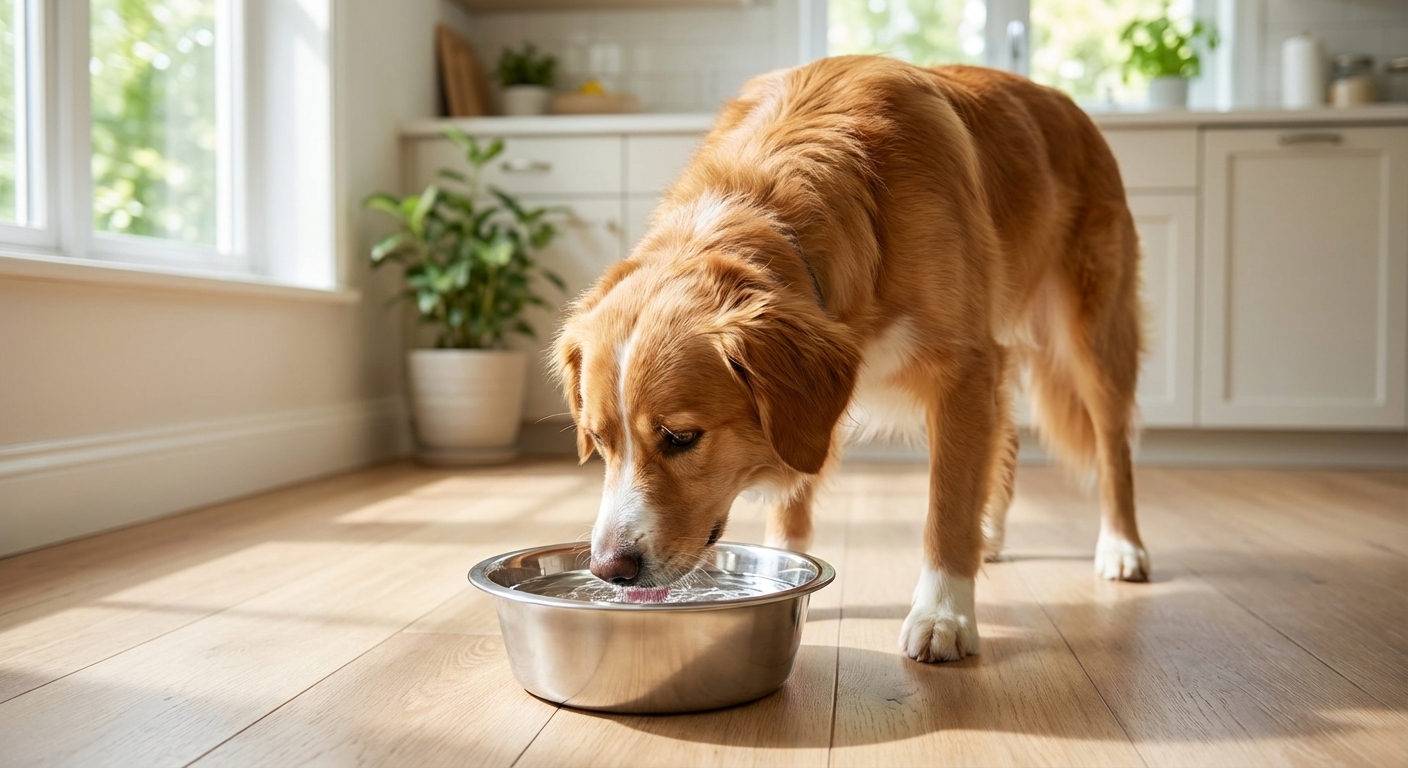
Increase water intake (your number one tool)
- Feed canned food or add warm water to meals if your vet approves.
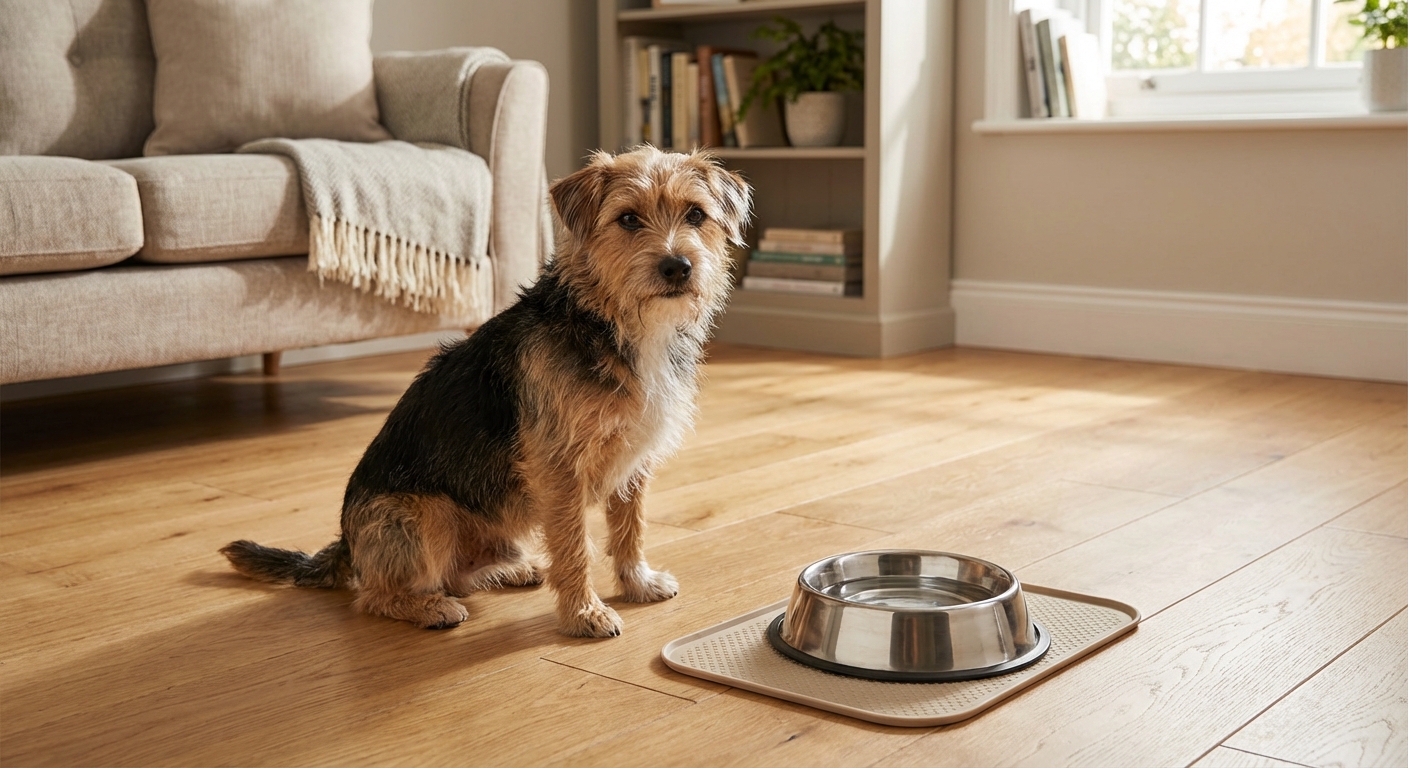
- Offer multiple fresh water bowls and wash them daily.
- Try a pet water fountain if your dog prefers moving water.
- Flavor water lightly with a splash of low-sodium broth (only if your vet says it is appropriate for your dog’s condition).
Support regular potty breaks
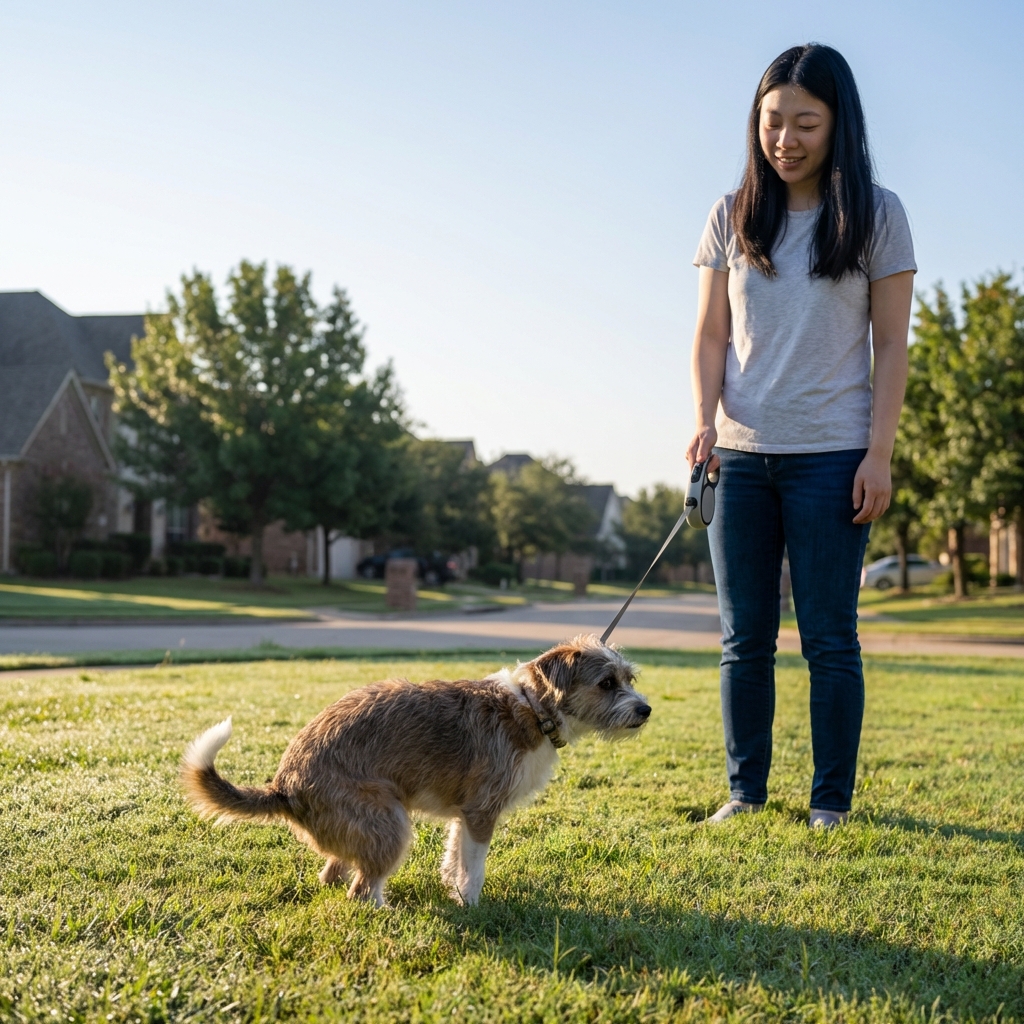
More frequent opportunities to urinate can help support urinary health by encouraging regular bladder emptying. Aim for consistent potty breaks, especially for small dogs and seniors. Many dogs do better with a mid-day break.
Do not guess on diet or supplements
This is the spot where loving intentions can accidentally backfire. Different stone types need different strategies, and it is easy to create a new problem by trying to “fix” urine pH or minerals at home.
Avoid using urinary acidifiers, alkalinizers, or mineral supplements unless your veterinarian specifically recommends them.
- Struvite: Often tied to infection. Long-term prevention may focus on UTI control plus keeping urine appropriately dilute.
- Calcium oxalate: Prevention often includes increasing moisture and following a vet-prescribed diet. Avoid unbalanced calcium or vitamin supplementation, and do not try to restrict calcium on your own unless directed by your vet.
- Urate: Often requires targeted diet changes, and some dogs need medication like allopurinol with the right diet alongside it.
If you want to feed homemade food, talk with your veterinarian and ideally a board-certified veterinary nutritionist. “Healthy” for one stone type might be risky for another.
Follow-up testing is part of prevention
Many dogs need rechecks even after successful treatment. Your vet may recommend periodic urinalysis, urine cultures, or imaging based on your dog’s history.
If your dog has had bladder stones once, the goal is not just getting through the episode. The goal is reducing the chance you ever have to see your dog strain and hurt like that again.
Frequently asked questions
Can bladder stones go away on their own?
Some stones can be dissolved under veterinary supervision, but “wait and see” is risky. Stones can irritate the bladder, cause infections, and potentially block urine flow.
Is blood in the urine always bladder stones?
No. Blood can come from infection, inflammation, trauma, tumors, prostate issues, or kidney problems. It always deserves a veterinary evaluation.
Will my dog get stones again?
Recurrence is possible, especially with calcium oxalate stones. The best way to lower the risk is a prevention plan tailored to your dog’s stone type, urine results, and lifestyle.
When to call your veterinarian
Call your veterinarian promptly if you notice urinary changes, straining, or blood in the urine. Seek emergency care right away if your dog cannot urinate or seems painful, weak, or vomiting.
You do not have to figure this out alone. With the right diagnosis and a targeted plan, most dogs go on to live comfortable, active lives after bladder stones.