Dog UTI symptoms can mimic stones or other issues. Learn the full treatment plan: urinalysis and culture, correct antibiotics, pain control, hydration, home ...
Article
•
Designer Mixes
Bladder Infections in Dogs

Shari Shidate
Designer Mixes contributor
Bladder infections in dogs are common, uncomfortable, and usually very treatable. I know the word infection sounds scary, but most pups bounce back quickly once your vet figures out what is going on and chooses the right plan. The good news is that you can learn the signs early, act fast, and often prevent repeat episodes with a few simple habits at home.

What it is
A bladder infection is usually a urinary tract infection (UTI) involving the lower urinary tract, mainly the bladder. Most canine UTIs are caused by bacteria that travel up the urethra into the bladder, where they irritate the bladder lining and trigger inflammation.
Sometimes people say “UTI” when they mean a lot of different urinary problems. A dog can have similar symptoms from:
- Bladder stones (uroliths) that irritate the bladder wall
- Crystals in the urine
- Vaginitis in young female dogs
- Prostate disease in intact males
- Hormonal issues (like Cushing’s) that predispose to infection
- Kidney infection (more serious, often with whole-body signs)
That is why a urine test matters. The symptoms can look the same, but the treatment can be very different.
Common signs (and sneaky ones)
Some dogs make it obvious they feel miserable. Others just seem “off.” Watch for:
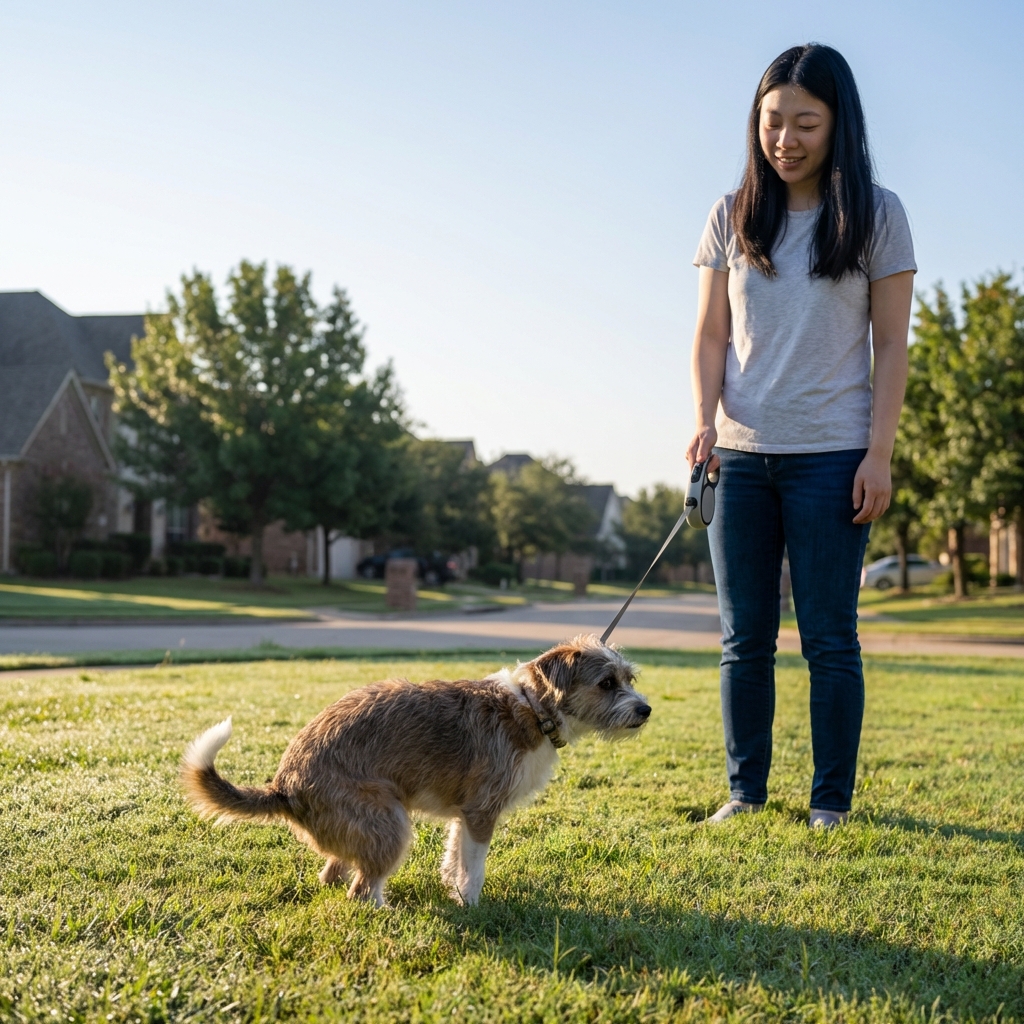
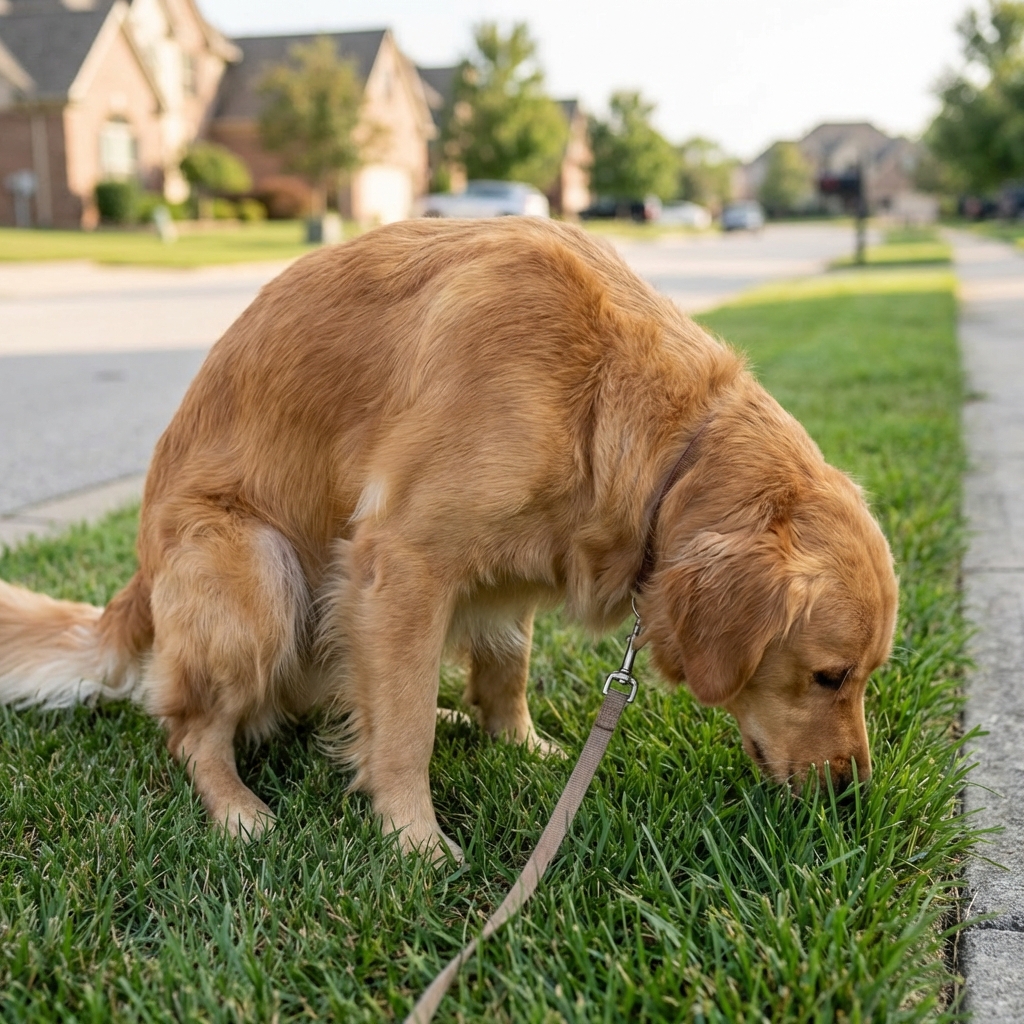
- Frequent attempts to pee, often producing only small amounts
- Straining or looking uncomfortable while urinating
- Accidents in the house in a previously potty-trained dog
- Blood in the urine or urine that looks darker than usual
- Strong or unusual odor
- Excessive licking of the genital area
- Increased thirst (possible, but not specific, and it more often points to another issue like diabetes, kidney disease, Cushing’s, or a more complicated infection)
Sneaky signs can include restlessness at night, asking to go out more often, suddenly drinking more than usual, or refusing longer walks because they need a potty break every few minutes.
When it is an emergency
A simple bladder infection is uncomfortable, but usually not an emergency. However, go to an emergency vet right away if you notice:
- Repeated straining with little to no urine coming out
- Crying out while trying to pee
- Vomiting, lethargy, fever, or acting very ill
- A hard or painful abdomen
In male dogs especially, a urinary blockage can look like “a UTI” at first. A blockage is life-threatening and needs immediate care.
Causes and risk factors
Most bladder infections are bacterial. The bacteria are often normal organisms from the skin or GI tract that get into the urinary tract. Some dogs are simply more prone than others.
Risk factors vets see a lot
- Female anatomy: females tend to get UTIs more often because the urethra is shorter
- Vulvar skin folds or a recessed (hooded) vulva that can trap moisture and bacteria
- Not emptying the bladder often (holding urine for long periods)
- Bladder stones or crystals
- Diabetes or other metabolic or hormonal disease
- Cushing’s disease or steroid medication use
- Obesity (often tied to skin fold irritation and inflammation)
- Older age and reduced immune defense
If UTIs keep happening, it is a clue to look for an underlying cause. Many vets consider UTIs recurrent if there are multiple episodes, such as 2 or more in 6 months or 3 or more in a year.
How vets diagnose it
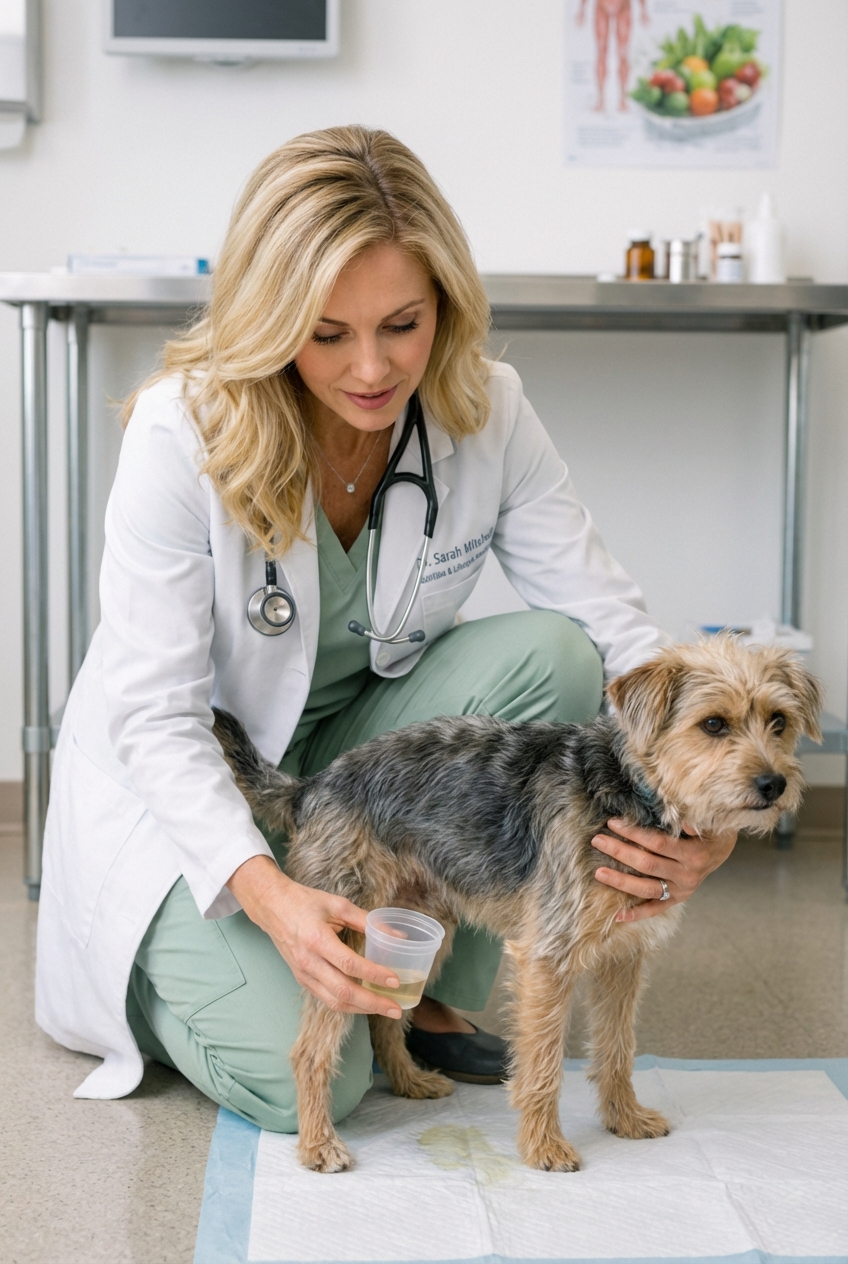
Urine testing is the foundation for diagnosis. In most clinics, vets typically start with:
- Urinalysis: checks for white blood cells, blood, bacteria, crystals, pH, and concentration
- Urine culture and sensitivity: the gold standard to confirm a bacterial UTI and guide the best antibiotic choice
There are a few ways to collect urine, and the “best” method depends on what your vet is trying to learn:
- Free-catch (caught while your dog pees): easy, but more likely to be contaminated
- Catheter sample: sometimes used, especially in certain situations, but can still introduce contamination
- Cystocentesis (a small needle directly into the bladder): often preferred for culture because it reduces contamination and gives the cleanest sample
Cystocentesis sounds intense, but it is usually quick and well tolerated.
If infections are recurring or symptoms are severe, your veterinarian may also recommend:
- X-rays or ultrasound to look for stones or anatomical issues
- Bloodwork to evaluate kidney function, diabetes, or inflammation
Treatment basics
Treatment depends on what the urine tests show and whether the infection is uncomplicated or complicated. Many uncomplicated UTIs are treated with:
- Antibiotics (ideally chosen based on culture results)
- Pain relief if your dog is uncomfortable, as directed by your vet
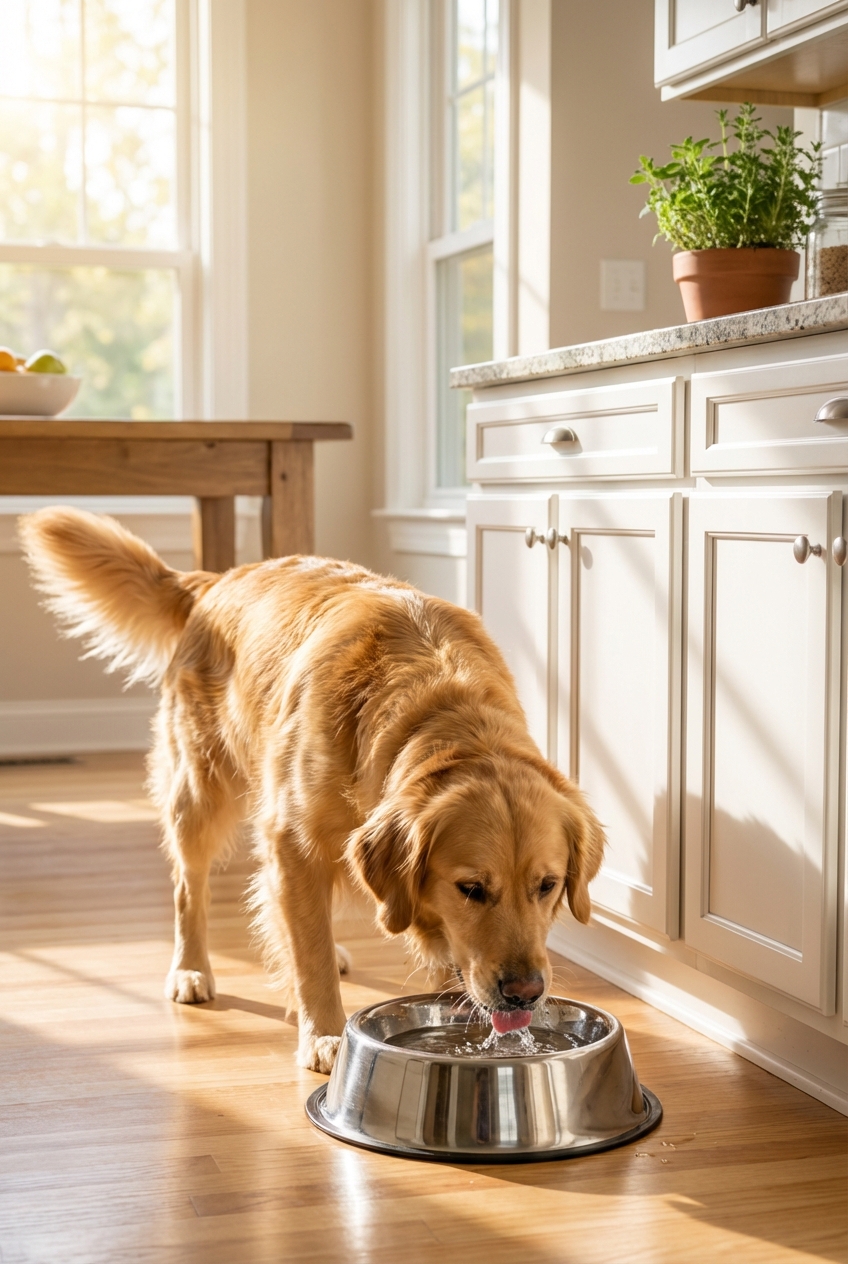
- Increased water intake to help flush the bladder
Complicated infections (for example, those tied to stones, diabetes, immune suppression, or recurring episodes) may require a different plan, a longer course of medication, and follow-up testing.
It is very important to finish the full course of medication, even if your dog seems better in two days. Stopping early can allow bacteria to come right back and can contribute to antibiotic resistance.
If your dog has recurring UTIs, ask your veterinarian whether a culture is recommended before starting antibiotics. Targeted treatment is often more effective and can be easier on your dog’s gut.
Important safety note: Do not give human urinary pain medications (such as phenazopyridine or other OTC UTI products) unless your veterinarian specifically tells you to. Some can be dangerous for dogs or mask symptoms that need urgent care.
Home care you can do today
At home, your goal is comfort plus prevention. Here are practical, vet-friendly steps that help many dogs:
Help your dog pee more often
- Offer more potty breaks, especially first thing in the morning and before bed
- On workdays, consider a dog walker or daycare if your dog holds urine for long stretches
Boost hydration (without forcing it)
- Provide multiple bowls of fresh water
- Add a little water or low-sodium broth to food if your vet says it is appropriate
- Try a pet fountain if your dog loves running water
Keep the area clean
- For long-coated dogs, ask your groomer about a sanitary trim
- Gently wipe the vulva area in female dogs if they get messy after potty breaks, especially after diarrhea
A quick note on supplements: Cranberry products and D-mannose get talked about a lot online. Evidence in dogs is mixed and they are not a substitute for diagnosis and proper treatment. Check with your vet before adding anything, especially if your dog has a history of stones or crystals, since urine chemistry matters.
Preventing repeat infections
If your dog gets frequent UTIs, prevention becomes a team effort between you and your veterinarian. The long-term fix is often finding and addressing the underlying trigger.
Prevention checklist
- Recheck urine if your vet recommends it after treatment, especially for complicated infections
- Discuss screening for stones, diabetes, Cushing’s, or anatomical issues if UTIs recur
- Keep your dog at a healthy weight to reduce skin fold irritation and inflammation
- Feed a balanced diet that supports hydration and urinary health, based on your vet’s guidance
Questions to ask your vet
- Should we do a urine culture before choosing an antibiotic?
- Is my dog at risk for bladder stones or crystals?
- Do you recommend a follow-up urinalysis to confirm the infection is gone?
- Are there any medications or health conditions that could be making UTIs more likely?
- What signs would mean I should come back sooner?
Bladder infections are no fun, but you are not powerless here. If you spot the signs early and get urine tested, most dogs feel relief quickly. And with a few daily habits, many dogs have fewer repeat episodes over time.