Compare wet vs dry cat food with vet-informed pros and cons. Learn how moisture affects urinary and kidney health, how carbs and calories differ, and when co...
Article
•
Designer Mixes
Bladder Infections in Cats

Shari Shidate
Designer Mixes contributor
Why “UTI” is not always a simple UTI in cats
As a veterinary assistant, one of the most common panicked calls I get is: “My cat keeps running to the litter box and crying. It has to be a bladder infection.” Sometimes it is a true bacterial bladder infection, but in cats, urinary signs often come from other issues that look identical at home.
Here is the big, clinic-tested takeaway: in young to middle-aged cats, lower urinary tract signs are often not caused by bacteria. Many cases are feline idiopathic cystitis (FIC), urinary crystals, bladder stones, or inflammation triggered by stress. Bacterial infections become more common in older cats or cats with other medical problems. A urine culture is the way to confirm what you are dealing with.
That is why testing matters. The right diagnosis prevents unnecessary antibiotics and helps your cat feel better faster.
Signs you might notice at home
“Bladder infection” symptoms overlap with several urinary conditions. Call your vet if you notice any of the following:
- Frequent litter box trips with only a few drops of urine
- Straining, crying, or seeming painful while urinating
- Blood in the urine or pink-tinged clumps
- Urinating outside the litter box (often a pain signal, not “spite”)
- Excessive licking of the genital area
- Urine that seems more concentrated or has a stronger smell than usual (not specific to infection, but worth noting)
- Lethargy, hiding, decreased appetite
Emergency warning: Repeated straining with little to no urine can mean a urinary blockage. This is life-threatening and needs urgent care the same day. It is especially common in male cats, but any cat can obstruct.
What causes urinary signs in cats
1) True bacterial bladder infection (UTI)
A bacterial UTI means bacteria are present in the bladder and causing inflammation. In cats, this is more likely when something makes the bladder less able to defend itself, such as:
- Older age
- Diabetes mellitus
- Kidney disease
- Other chronic illness or immunosuppression
- Certain medications (your vet will review risk factors)
2) Feline idiopathic cystitis (FIC)
FIC is inflammation of the bladder with no infection found on testing. Stress, routine changes, indoor-only lifestyle, pain sensitivity, and reduced water intake can all play a role. This is extremely common, especially in indoor cats.
3) Crystals and stones
Struvite crystals, calcium oxalate crystals, and bladder stones can irritate the bladder lining and cause blood, pain, and urgency. Some cats also develop urethral plugs, especially male cats.
One nuance that surprises many owners: crystals seen on a urinalysis do not always mean they are the main cause of your cat’s signs. Your vet will interpret results alongside symptoms and may recommend imaging to look for stones or obstruction risk.
4) Other less common causes
- Anatomical issues
- Bladder polyps
- Bladder tumors (more often in older cats)
How vets confirm a UTI
Because the symptoms overlap, the gold standard is not guessing. The gold standard is testing, starting with urinalysis and, when indicated, a urine culture.
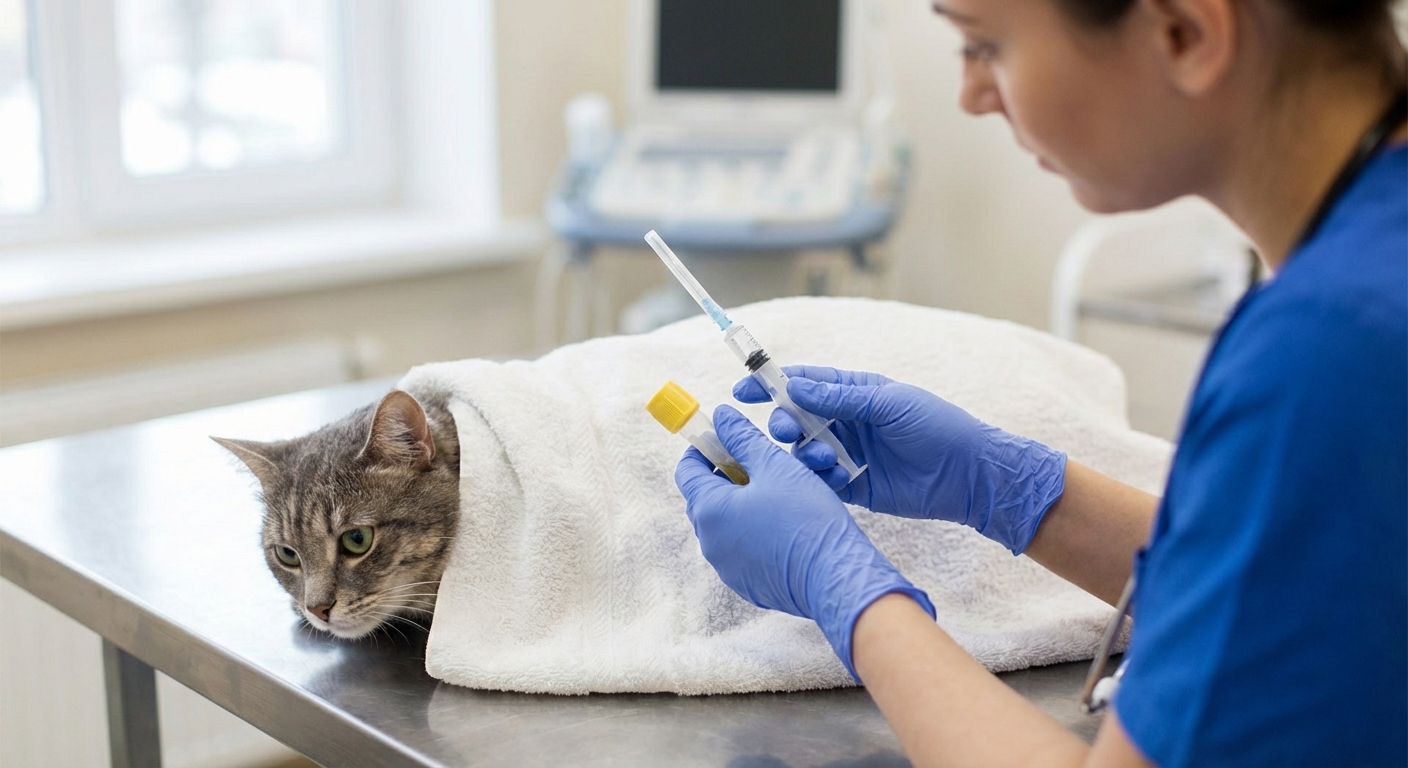
Urinalysis
A urinalysis looks for blood, inflammation, crystals, urine concentration (specific gravity), and other clues. It helps your vet tell whether infection is possible and whether crystals might be contributing.
Important detail: urinalysis alone cannot confirm a bacterial infection. Even if bacteria are seen under the microscope, it can be contamination depending on how the sample was collected. That is why culture matters when infection is suspected.
Urine culture and sensitivity
This is the most important test to prove a bacterial infection. A culture identifies the bacteria and shows which antibiotics work best. This matters because giving the wrong antibiotic, or giving antibiotics when there is no infection, will not help and can cause side effects, contribute to antibiotic resistance, and delay the right treatment plan.
How urine is collected
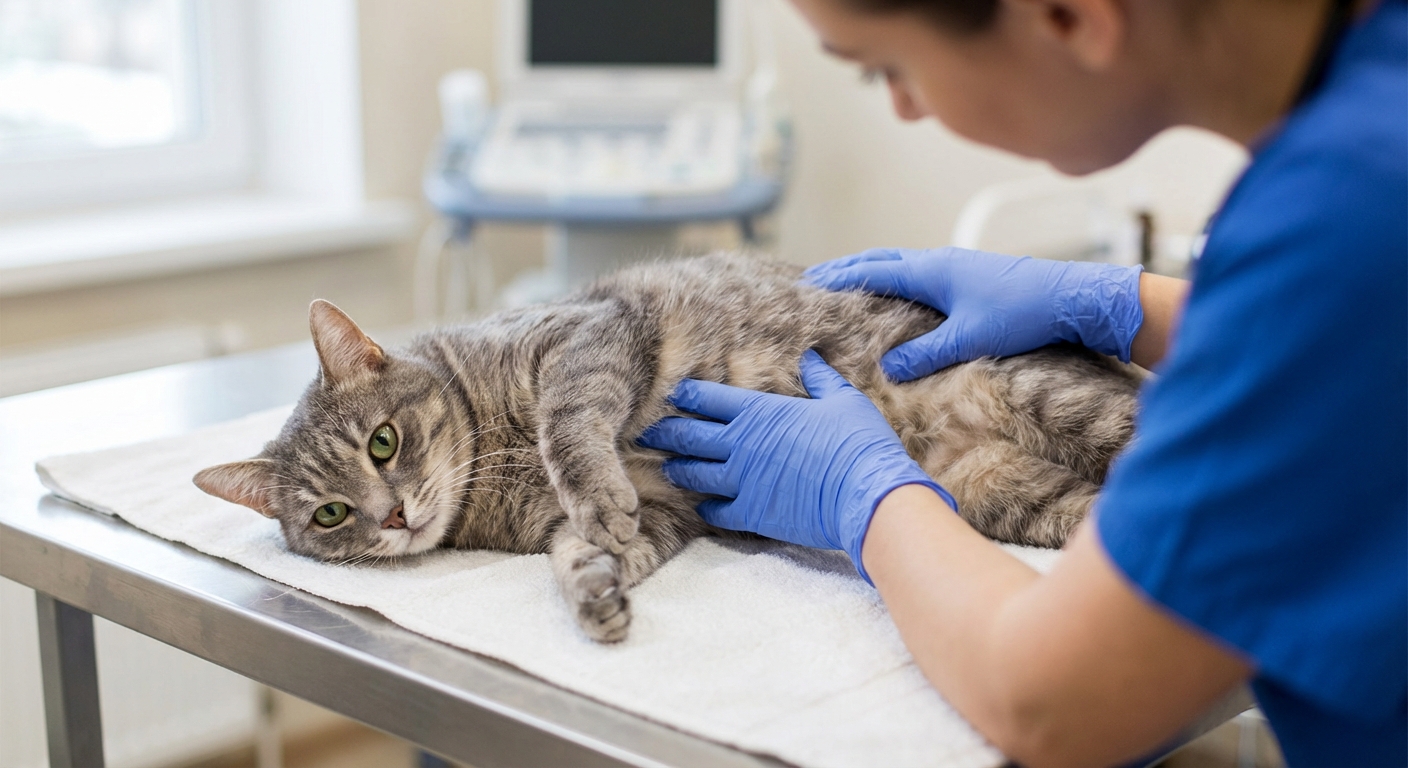
Your vet may collect urine in a few ways: from a clean litter box sample, by expressing the bladder, with a urinary catheter, or by cystocentesis (a needle into the bladder). When a culture is needed, cystocentesis is often preferred because it provides the most sterile sample and reduces contamination.
Imaging when needed
If stones, recurrent signs, or blockage risk are suspected, your vet may recommend X-rays or an ultrasound.
Treatment: what helps and what to expect
If it is a confirmed bacterial UTI
- Antibiotics chosen based on culture are ideal. Your vet will also choose an appropriate length of treatment.
- Pain control may be prescribed because bladder inflammation hurts.
- Recheck testing may be recommended, especially for complicated or recurrent cases.
Most cats start feeling better within a couple of days, but you should still give the full medication course exactly as prescribed.
If it is FIC (not bacterial)
Antibiotics usually do not help FIC. The focus is on pain relief, calming the bladder, and lowering recurrence risk:
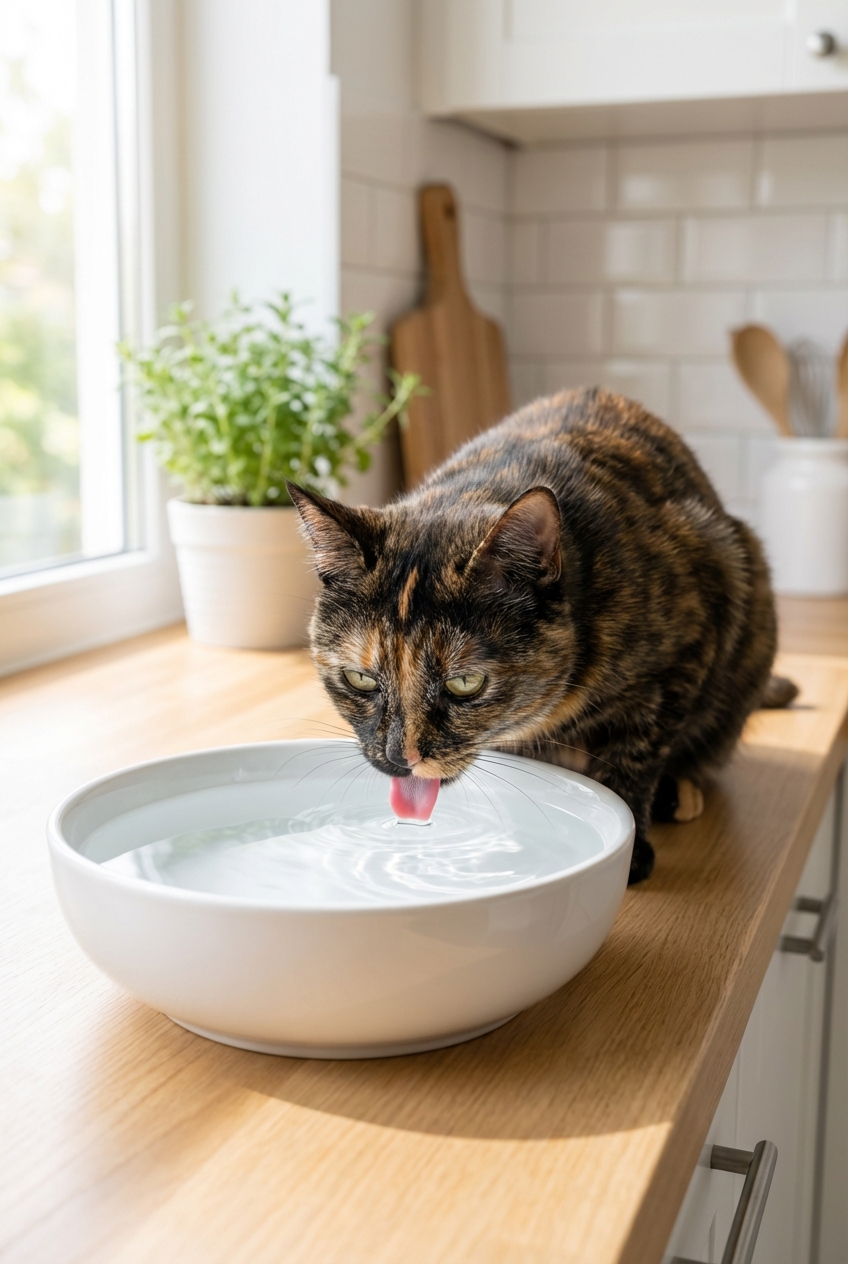
- Increase water intake (wet food, water fountains, extra bowls)
- Stress reduction (predictable routine, safe hiding spaces, play)
- Environmental enrichment (vertical space, scratching posts, puzzle feeders)
- Medication for pain (for example, your vet may prescribe an analgesic like buprenorphine), and sometimes additional support based on your cat’s history
If crystals or stones are involved
Treatment depends on the type and the situation. Some struvite stone issues can improve with a specific veterinary diet that changes urine pH and mineral balance. Calcium oxalate stones do not dissolve with diet and may require different management. Your vet may also prioritize obstruction prevention, especially in male cats.
At-home support that helps
You do not have to wait helplessly while your cat is uncomfortable. These steps support bladder health and are widely recommended in practice.
Boost hydration
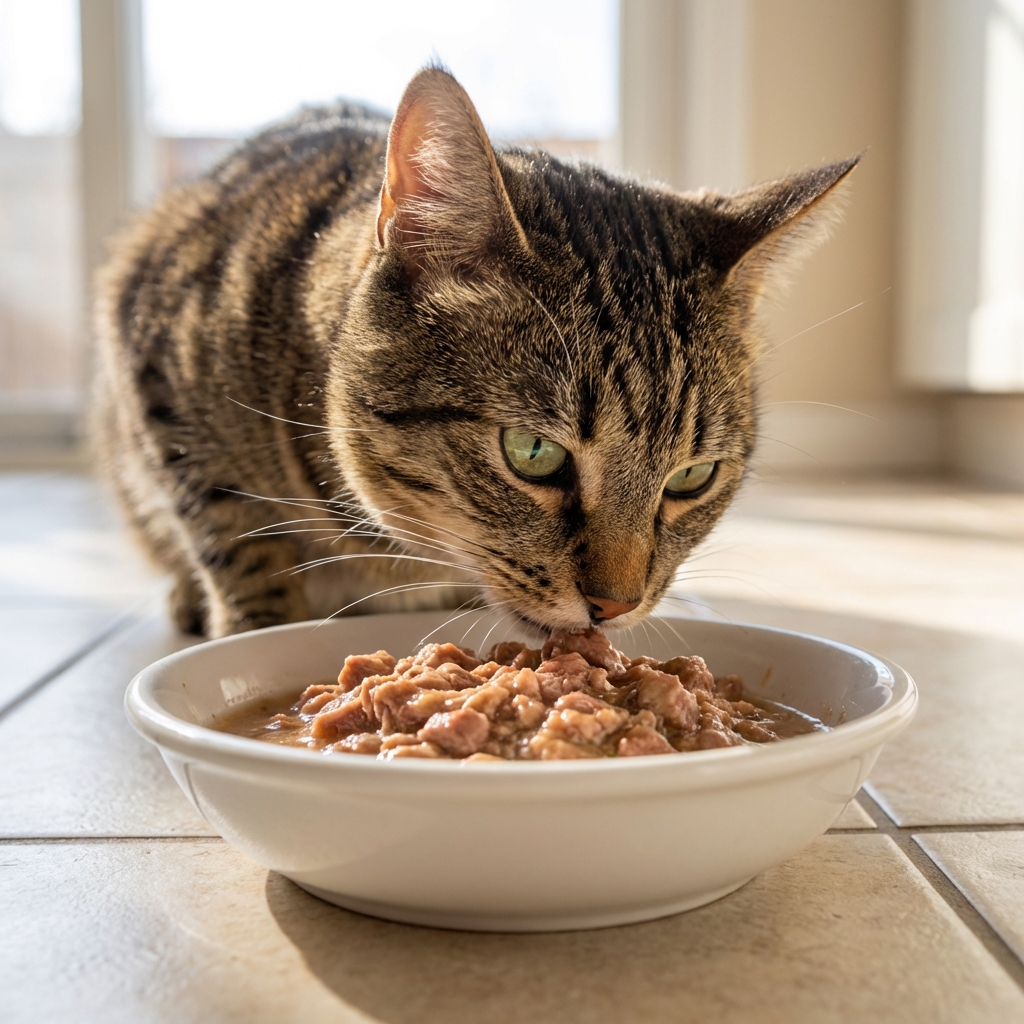
- Switch to canned food or add canned food daily if medically appropriate and your vet agrees (some cats with kidney or heart disease need a tailored plan)
- Add a small amount of water to wet food to make a “gravy” consistency
- Try a pet water fountain if your cat likes moving water
- Offer multiple water stations, especially away from the litter box
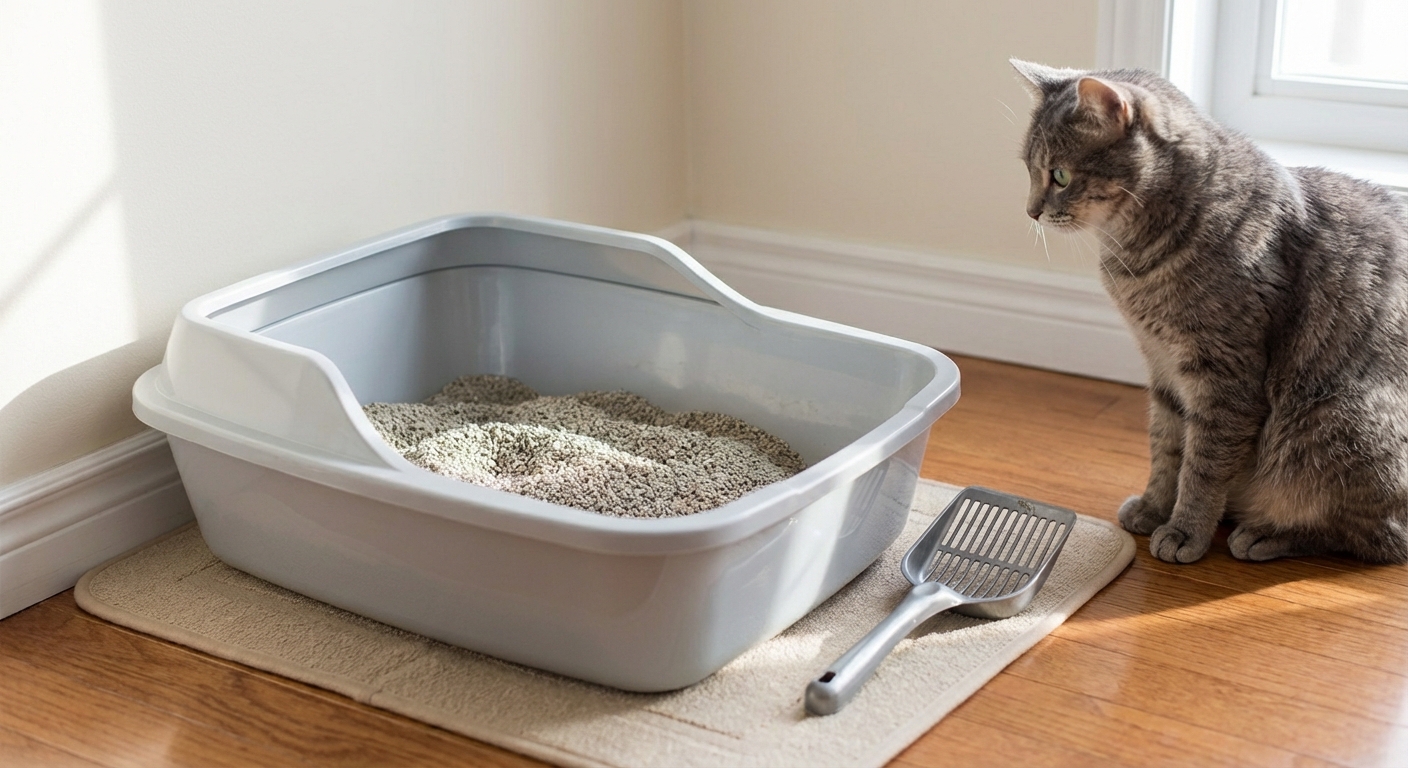
Improve litter box setup
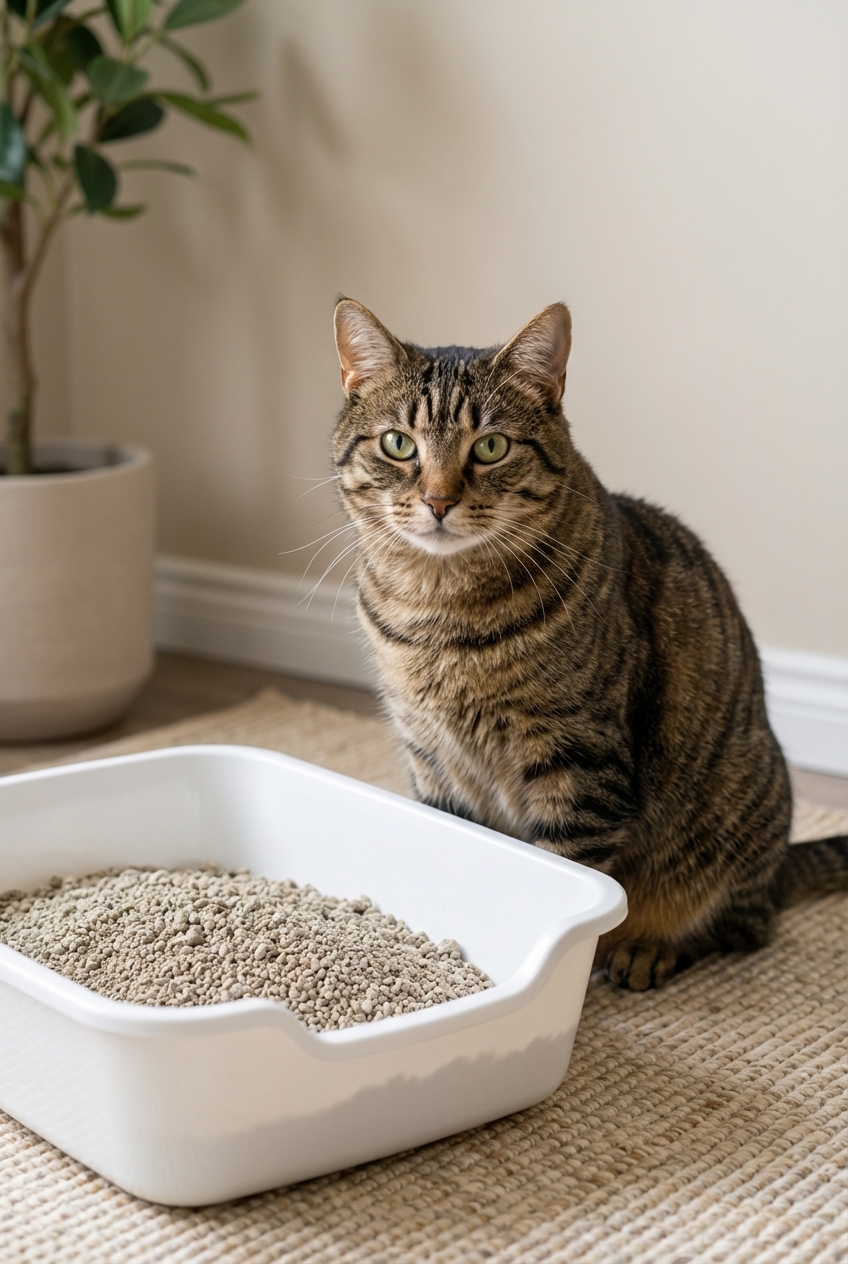
- General rule: one box per cat, plus one extra
- Scoop daily, wash boxes regularly
- Choose an unscented litter if your cat is sensitive
- Provide easy access for senior cats (lower sides, quiet location)
Reduce stress triggers
Stress sounds vague, but cats experience it very physically, especially in the bladder. Common triggers include moving, visitors, new pets, conflict between cats, and even boredom. Daily play sessions and consistent routines can make a real difference.
What not to do
- Do not give leftover antibiotics or share meds between pets.
- Do not delay care if a cat is straining with minimal urine output, especially male cats.
- Do not rely on cranberry as a primary treatment. Cat urinary disease is often not bacterial, and supplements are not a substitute for diagnosis.
- Do not punish “accidents”. Urinating outside the box is usually pain, urgency, fear, or box aversion.
Prevention: simple habits
Prevention is not about being perfect. It is about stacking small wins that keep the bladder calm.
- Prioritize moisture in the diet when possible
- Keep weight healthy since obesity is linked to urinary issues and lower activity
- Maintain predictable routines and create safe, quiet resting spots
- Schedule checkups, especially for senior cats who are more prone to true UTIs
- Ask about prescription urinary diets if your cat has crystal or stone history
When to call the vet right away
Please do not “wait and see” if you notice any of the following:
- Straining with little or no urine output
- Repeated trips to the box every few minutes
- Vomiting, collapse, severe lethargy
- Crying in pain, rigid belly, or hiding and refusing food
- Known history of urinary blockage
Extra blockage tip: If your cat is acting like they need to pee but nothing is coming out, or you see vomiting plus painful straining, treat it like an emergency.
Cat urinary problems can look mild at first, but a blockage can become critical fast. If you are unsure, it is always safer to call your vet or an emergency clinic.