Dog UTI symptoms can mimic stones or other issues. Learn the full treatment plan: urinalysis and culture, correct antibiotics, pain control, hydration, home ...
Article
•
Designer Mixes
Bladder Infection in Dogs: Symptoms, Care, and Training Tips

Shari Shidate
Designer Mixes contributor
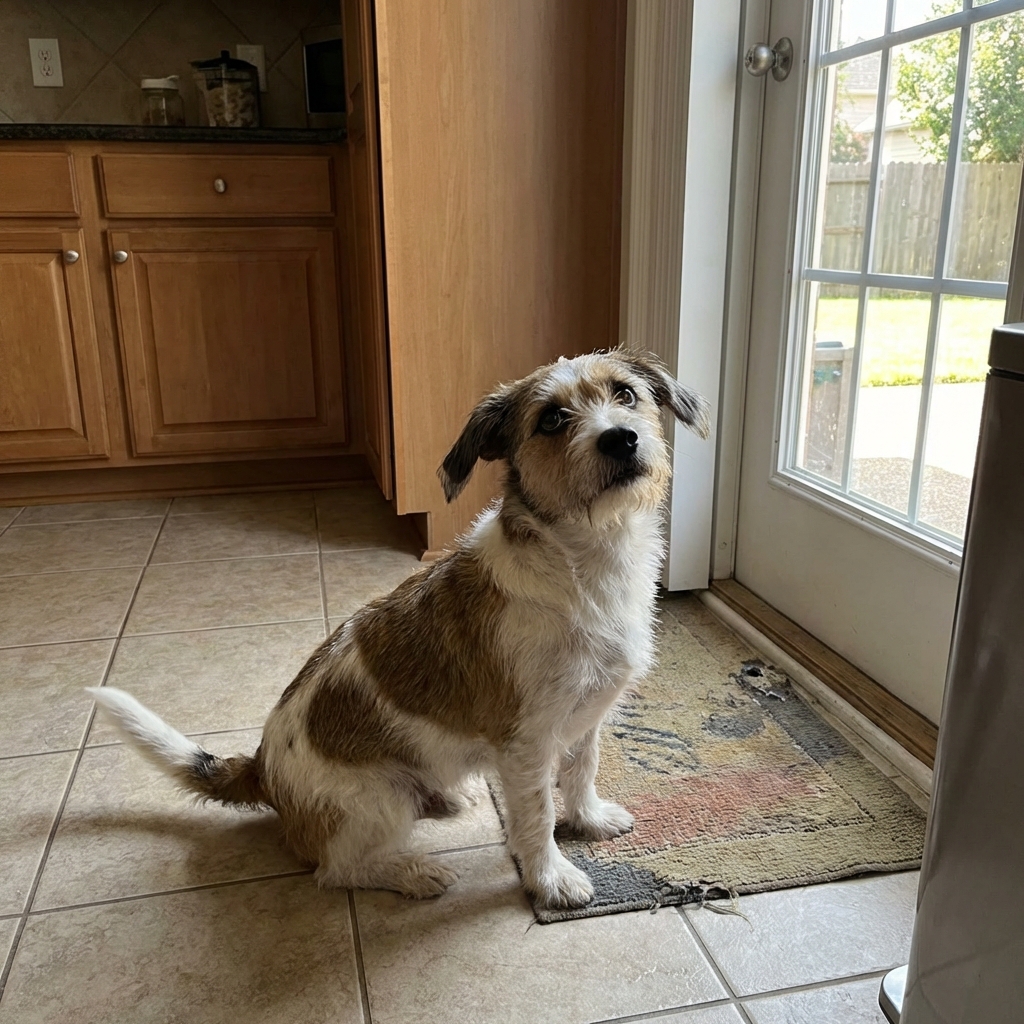
When a dog starts having accidents, asking to go out constantly, or licking the genital area more than usual, it can feel like a training setback. But very often, it is a medical issue, not a behavior issue. One common culprit is a bladder infection, also called a lower urinary tract infection (lower UTI).
As a veterinary assistant, I want you to know three reassuring things: lower UTIs are common, they are usually very treatable, and your dog is not being “bad.” Your dog is uncomfortable, not stubborn.
What a bladder infection is
A bladder infection happens when bacteria (most commonly from the skin or GI tract) travel up the urethra and multiply in the bladder. This causes inflammation and that classic urge to pee frequently, even when there is very little urine to pass.
Some dogs get a simple, uncomplicated lower UTI once in a while. Others have recurrent infections because there is an underlying issue such as bladder stones, anatomical differences, prostate disease, diabetes, Cushing’s disease, or vulvar conformation that traps moisture and bacteria.
Common bladder infection symptoms in dogs
Dogs cannot tell us, “It burns,” so you have to watch for clues. These are the symptoms pet parents most often notice:
- Frequent urination or asking to go outside more often
- Passing only small amounts of urine
- Straining to pee or taking a long time to urinate
- Accidents in a previously house-trained dog
- Pink or red urine, obvious blood, or urine that looks darker than usual
- Strong or unusual urine odor
- Licking the genital area more than normal
- Tenderness in the lower belly
- Restlessness, pacing, or seeming “off”
Some dogs also have decreased appetite or low energy, especially if the infection is worsening or moving beyond the bladder.
Important note: Some of these same signs can happen with bladder stones, urinary incontinence, or urinary blockage. If something feels suddenly “not like your dog,” it is worth a prompt vet check.
When this is an emergency
Most lower UTIs are not emergencies, but certain situations should be treated urgently.
Go to an emergency vet now if:
- Your dog cannot urinate at all, or strains to urinate without producing urine (a possible blockage)
- Your dog is vomiting, extremely lethargic, collapses, or seems very ill
- You see a lot of blood in the urine or your dog is crying out in pain
- Your dog has a known history of urinary blockage or stones, especially in male dogs
- Your dog’s belly looks swollen or feels hard and painful
Inability to urinate can indicate an obstruction, which can become life-threatening.
How vets diagnose a UTI
A proper diagnosis matters because UTI-like symptoms can also happen with bladder stones, sterile inflammation, tumors, urinary incontinence, or anatomical problems.
Tests your vet may recommend:
- Urinalysis: checks for blood, white blood cells, bacteria, crystals, and urine concentration
- Urine culture and sensitivity: identifies the bacteria and the most effective antibiotic
- Imaging: X-rays or ultrasound if stones, masses, or recurrent infections are suspected
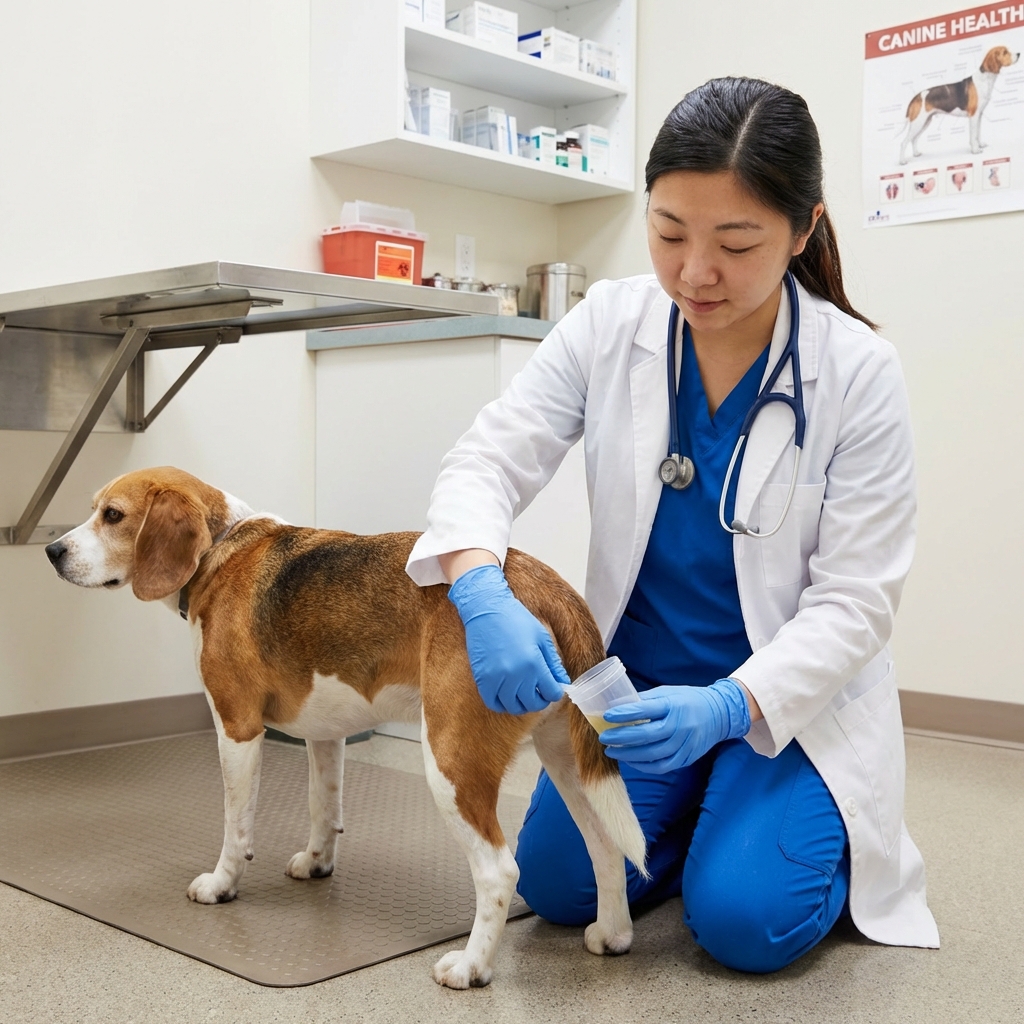
Many clinics prefer collecting urine via cystocentesis, which is a sterile needle sample from the bladder. It sounds scary, but it helps avoid contamination and improves culture accuracy.
In some situations, your vet may also discuss a free-catch sample (caught midstream) or a catheter sample. Each method has pros and cons, and culture results are generally most reliable when contamination is minimized.
Treatment and home care that actually helps
Most bacterial lower UTIs are treated with an appropriate antibiotic, and sometimes pain relief as well. Your job at home is to support comfort and help your vet get clean follow-up information.
Do these at home:
- Give all medication exactly as prescribed. Stopping early can lead to relapse and resistant bacteria.
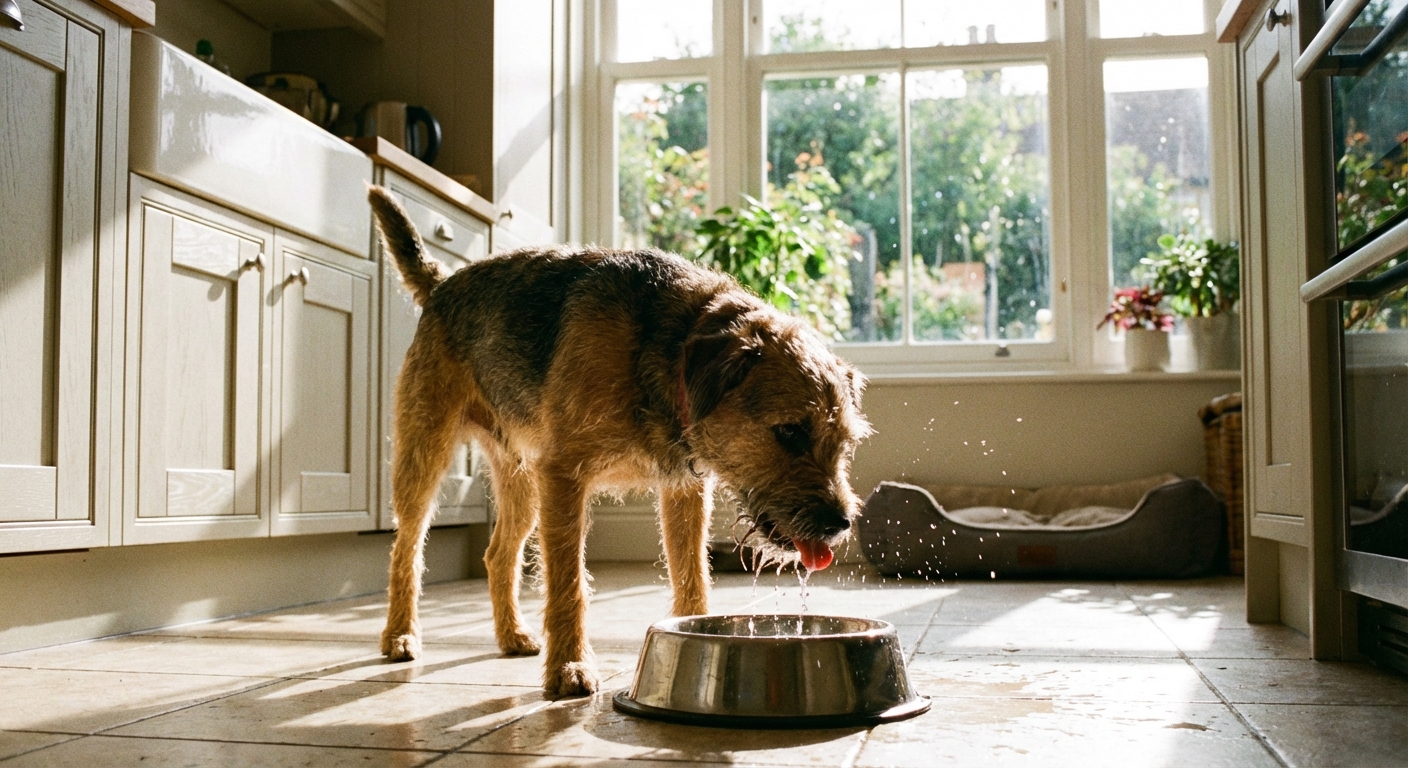
- Offer more water. More hydration helps flush the bladder. Add a second water bowl, a pet fountain, or offer ice cubes if your dog likes them.
- Take more potty breaks. Holding urine can worsen irritation, and frequent emptying can reduce discomfort.
- Keep the area clean and dry. Especially for fluffy mixes and dogs with skin folds around the vulva.
- Ask your vet about recheck testing. For recurrent infections or complicated cases, a repeat urinalysis or culture after treatment is often the safest plan.
Safety reminder: Do not give human pain medications unless your veterinarian specifically directs you to. Some common human meds can be dangerous for dogs.
Call your vet if you are not seeing improvement within 48 to 72 hours, or if symptoms return soon after antibiotics. That can mean the bacteria are resistant, the infection is more complicated, or something else (like stones) is going on.
A note on “natural remedies”
Cranberry products and urinary supplements are sometimes used as prevention support, but evidence in dogs is limited and mixed. They should not replace antibiotics when your dog has an active bacterial infection. If you want to use supplements, ask your veterinarian first, especially if your dog has stones or is on other medications.
Training tips: handling accidents without breaking trust
UTI accidents are one of the most common reasons I hear “my dog is suddenly not potty trained.” This is the moment to protect your relationship and your dog’s confidence.
What to do instead of punishment
- Assume it is medical first. If a house-trained dog has sudden accidents, schedule a vet visit.
- Clean with an enzymatic cleaner. Regular cleaners can leave scent cues that draw dogs back to the same spot.
- Go back to basics temporarily. More frequent potty trips, especially after waking, eating, drinking, and play.
- Reward outdoor potty. Quiet praise and a small treat rebuild the habit fast.
- Use management tools. Baby gates, a crate (if your dog is crate trained), or keeping your dog in the same room with you reduces surprise accidents.
Potty schedule you can use during recovery
- First thing in the morning
- After breakfast
- Mid-morning
- Early afternoon
- After dinner
- Before bed
- One extra late-night trip if your dog is having frequent urges
This is not forever. It is short-term support while the bladder heals.
Prevention for dogs prone to UTIs
Some designer mixes can be prone to skin irritation, allergies, or anatomy-related moisture trapping, which can raise lower UTI risk. Prevention is about reducing bacterial opportunity and supporting a healthy urinary tract.
Prevention checklist
- Hydration: keep fresh water available and encourage drinking
- More bathroom breaks: especially for dogs left alone for long workdays
- Weight management: extra weight can worsen hygiene and inflammation
- Grooming: keep hair trimmed around the genital area to reduce urine scald and bacteria buildup
- Wipe-downs: a gentle pet wipe after potty can help some dogs, especially females with recurrent issues
- Address allergies: itchy skin and chronic licking can disrupt normal barriers
- Vet-guided nutrition: if stones or crystals are present, diet becomes very important
Questions to ask your vet
Bring this list to your appointment to help you get clear answers and a solid plan:
- Should we run a urine culture, or is this an uncomplicated first-time infection?
- Do you suspect bladder stones or another cause for the symptoms?
- Do we need a recheck urinalysis or culture after finishing antibiotics?
- Are there supplements you recommend for prevention in my dog’s specific case?
- Could there be an underlying condition causing recurrent infections?
The bottom line
Bladder infections are uncomfortable, common, and usually very treatable with the right diagnosis and medication. If your dog is having accidents, straining, or asking to go out nonstop, it is not a training failure. It is a health signal.
Trust your instincts, get the urine checked, and give your dog a little extra grace while they heal. Many dogs feel noticeably better within a couple of days of the correct treatment. If your dog is not improving, or if symptoms worsen, follow up right away.