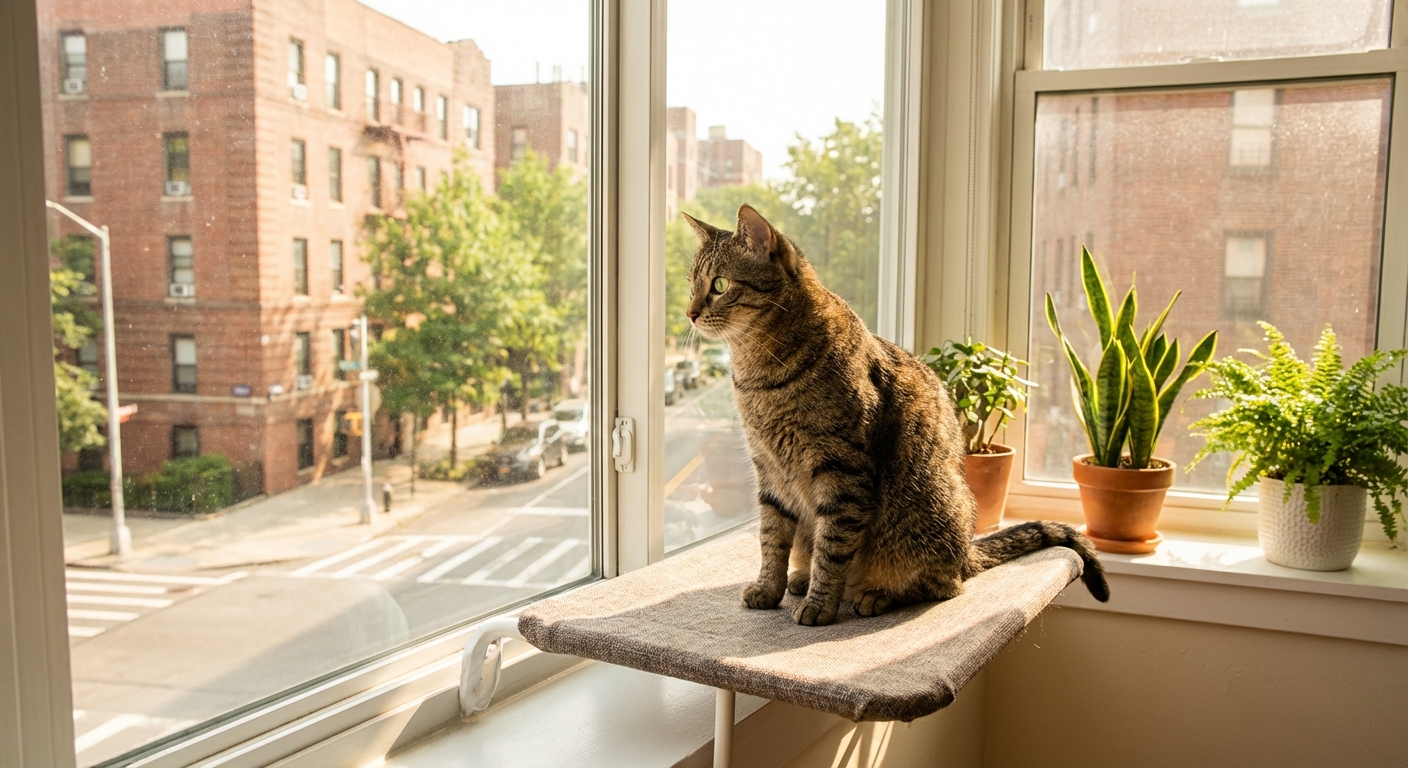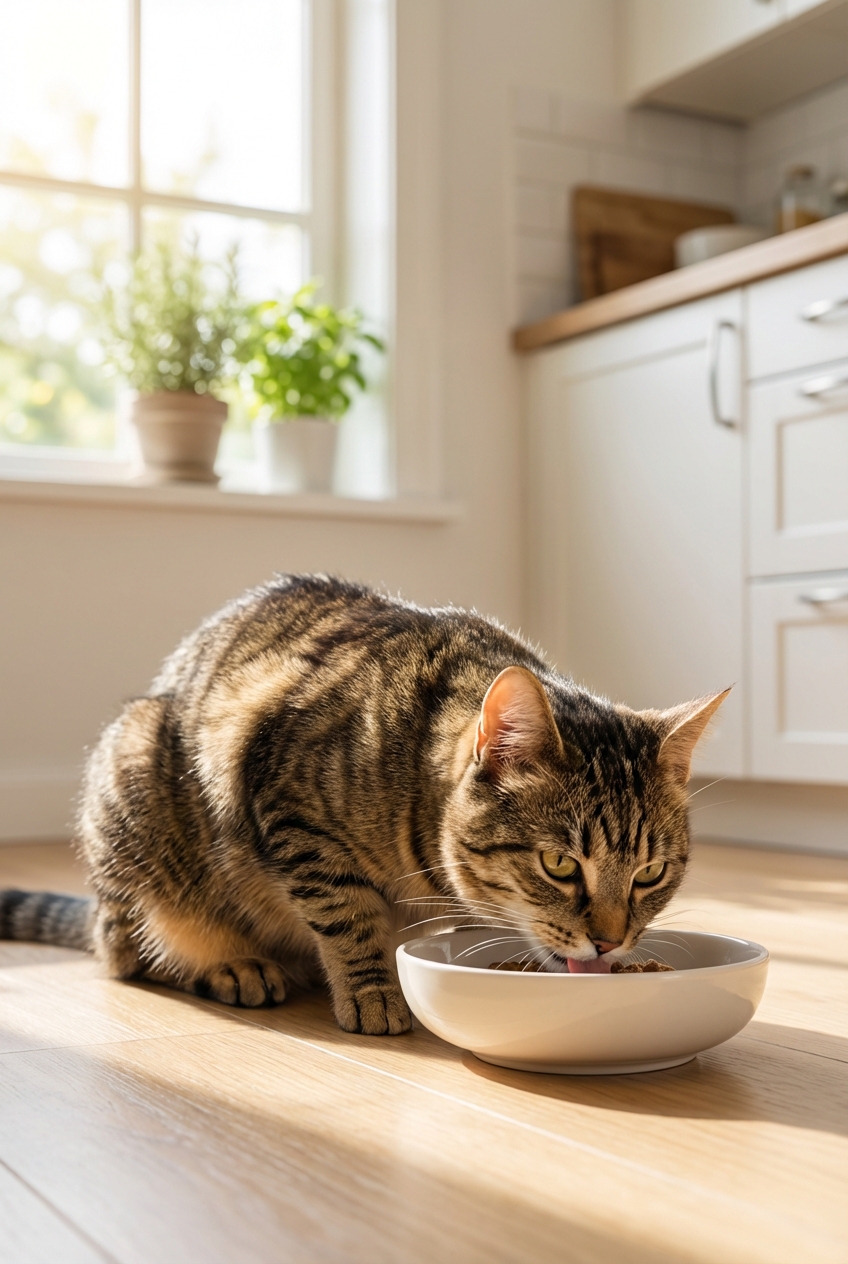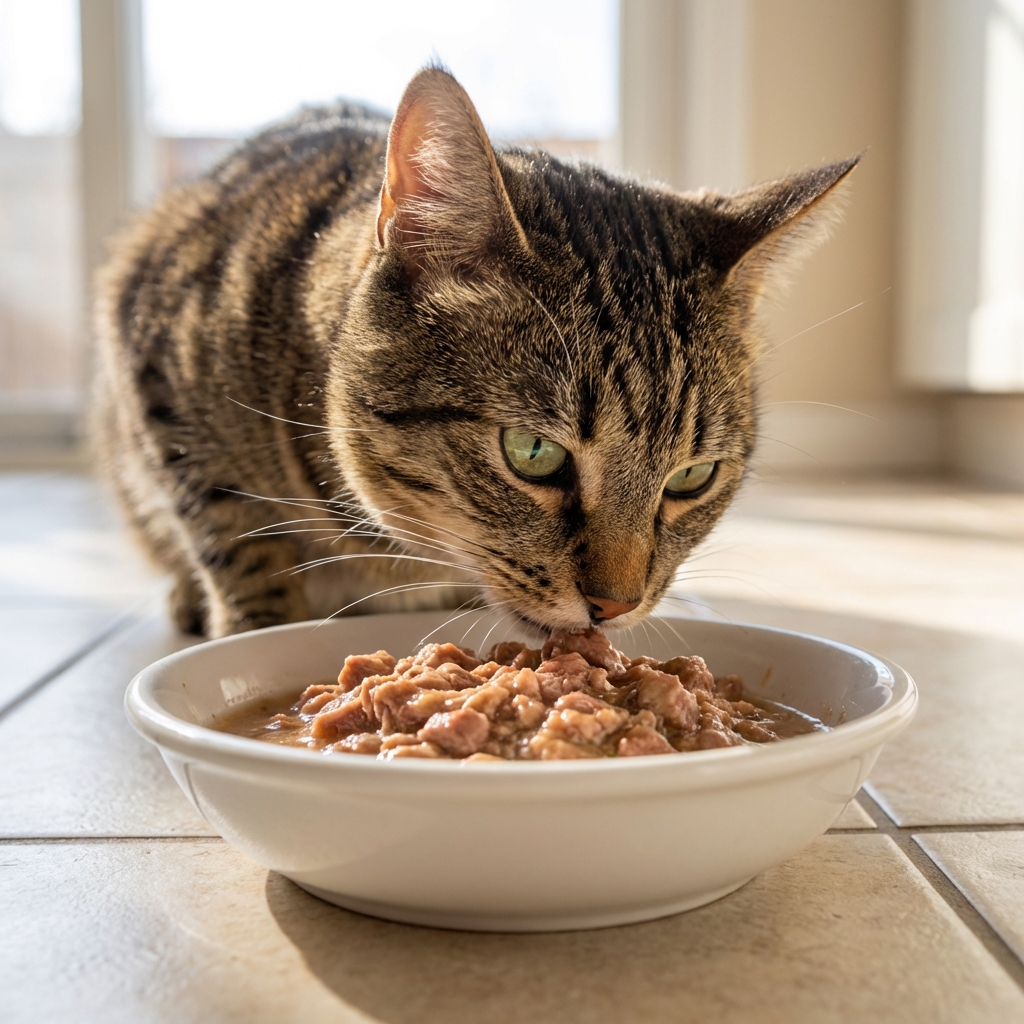
Compare wet vs dry cat food with vet-informed pros and cons. Learn how moisture affects urinary and kidney health, how carbs and calories differ, and when co...
Article
•
Designer Mixes
Birman Cat Breed

Shari Shidate
Designer Mixes contributor
Meet the Birman
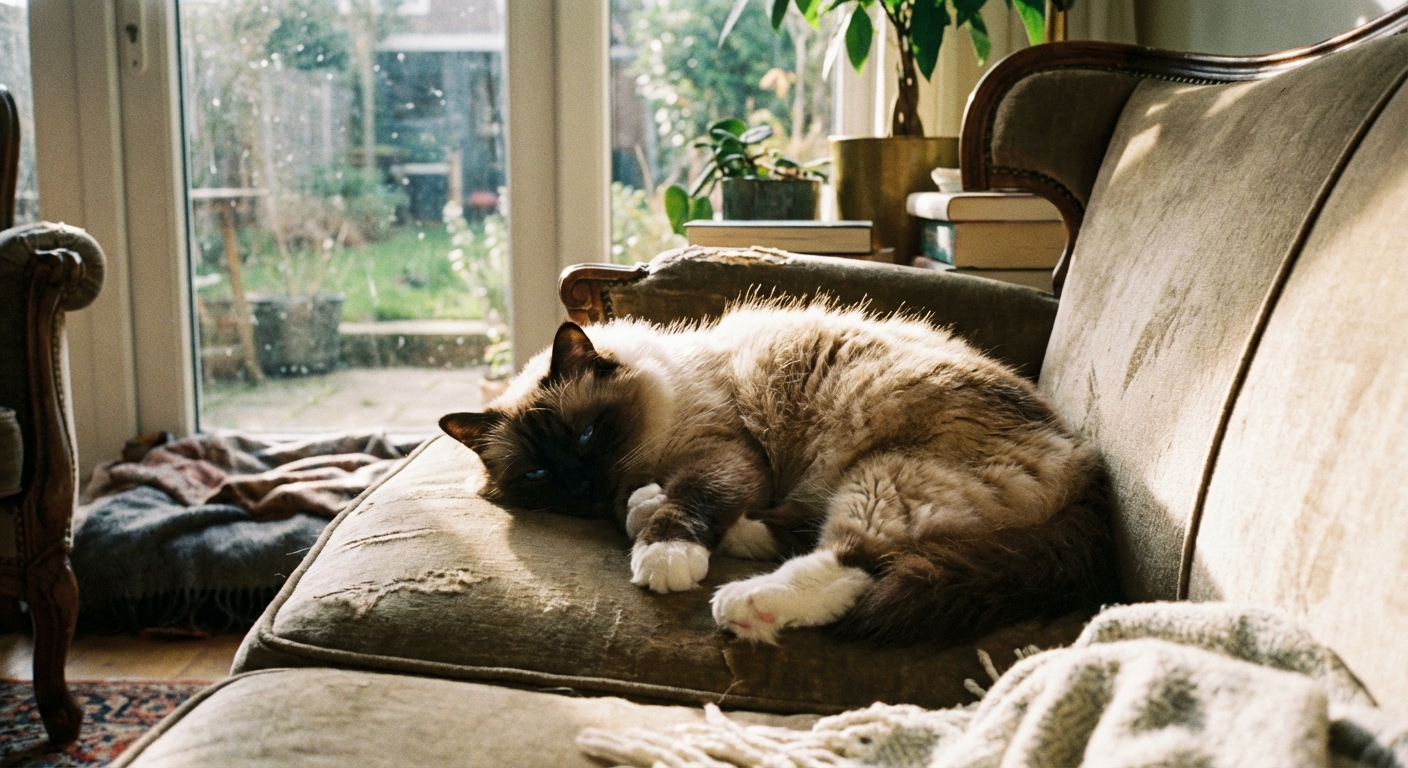
The Birman is one of those cat breeds that tends to win people over quietly and completely. With deep blue eyes, a silky coat, and their signature white “gloves” on the paws, Birmans look elegant, but their personality is usually the real reason families fall in love. They are affectionate without being overly demanding, social without being frantic, and typically happiest when they can be near their people.
If you want a cat that feels like a calm companion, one that follows you from room to room and settles in close during downtime, the Birman is a wonderful breed to consider.
Origin and Breed History
Birmans are often associated with charming legends, but their documented history is more practical. The breed we know today was developed in Europe, particularly France, in the early 20th century. Birmans likely arose from crosses between longhaired cats and Siamese-type cats, which helps explain their colorpoint pattern and striking blue eyes.
After population setbacks during World War II, dedicated breeders rebuilt the Birman lines. Modern Birmans are now recognized by major cat registries and are well-loved for their consistent temperament and distinctive markings.
Appearance: What Makes a Birman Unique
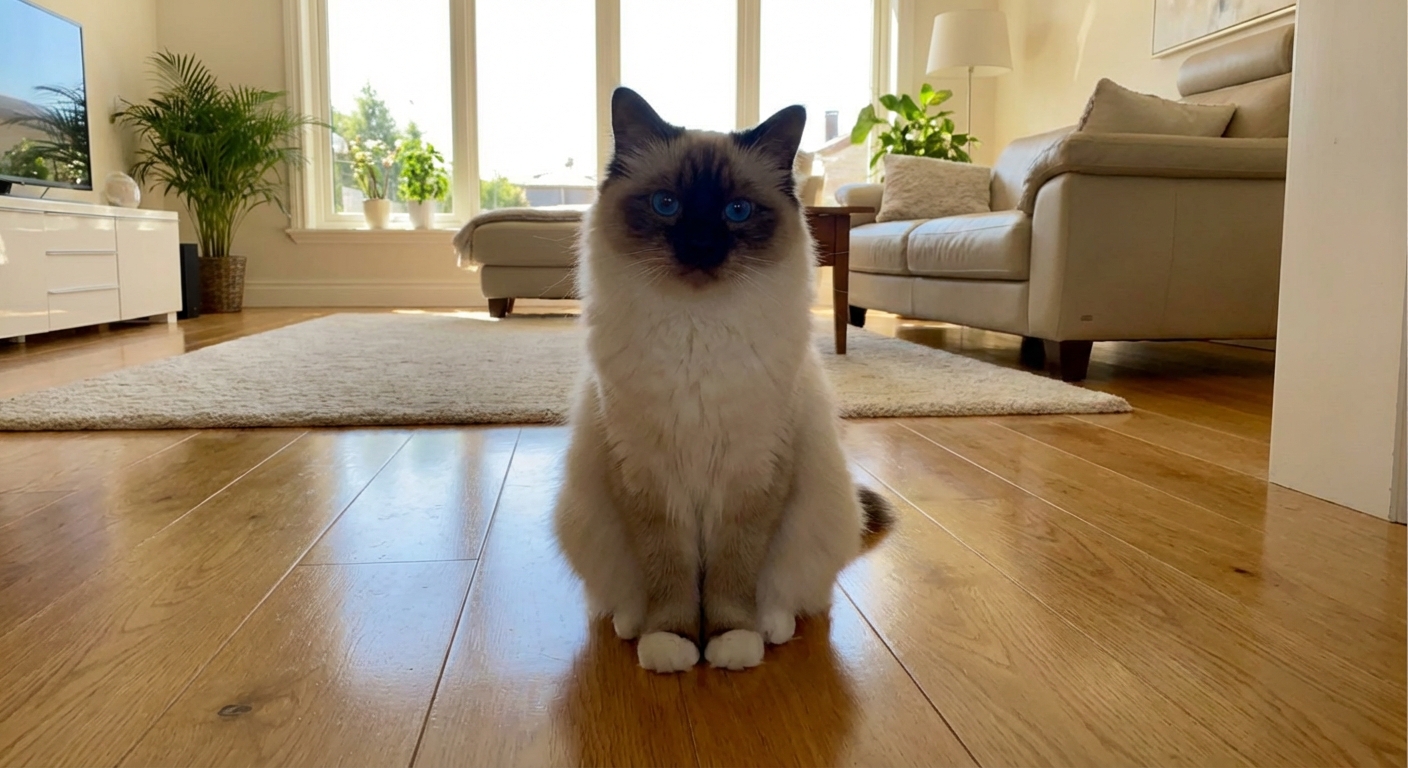
At a glance, many people notice the Birman’s colorpoint pattern, similar to a Siamese or Ragdoll. But there are key differences that give the Birman a look all its own.
- Coat: Medium-long, silky, and typically less prone to matting than some heavier-coated longhair breeds. Birmans have a soft ruff around the neck and a plume-like tail.
- Colorpoints: Darker coloration on the face, ears, legs, and tail, with a lighter body. Common point colors include seal, blue, chocolate, and lilac, along with variations like tabby or tortie points.
- Signature white gloves: Even, white paws are part of the breed standard and are a hallmark feature. On the hind legs, the white ideally extends up the back of the leg in a neat inverted V, often called “laces” or “gauntlets,” which is a classic Birman detail that helps distinguish them from other mitted cats.
- Eyes: Clear blue eyes are a defining trait.
- Size: Medium to medium-large, with a sturdy but not bulky build.
One interesting detail is that kittens are born very light, and their points deepen over time. Full coloration can take a couple of years to fully develop.
Temperament: The Birman Personality
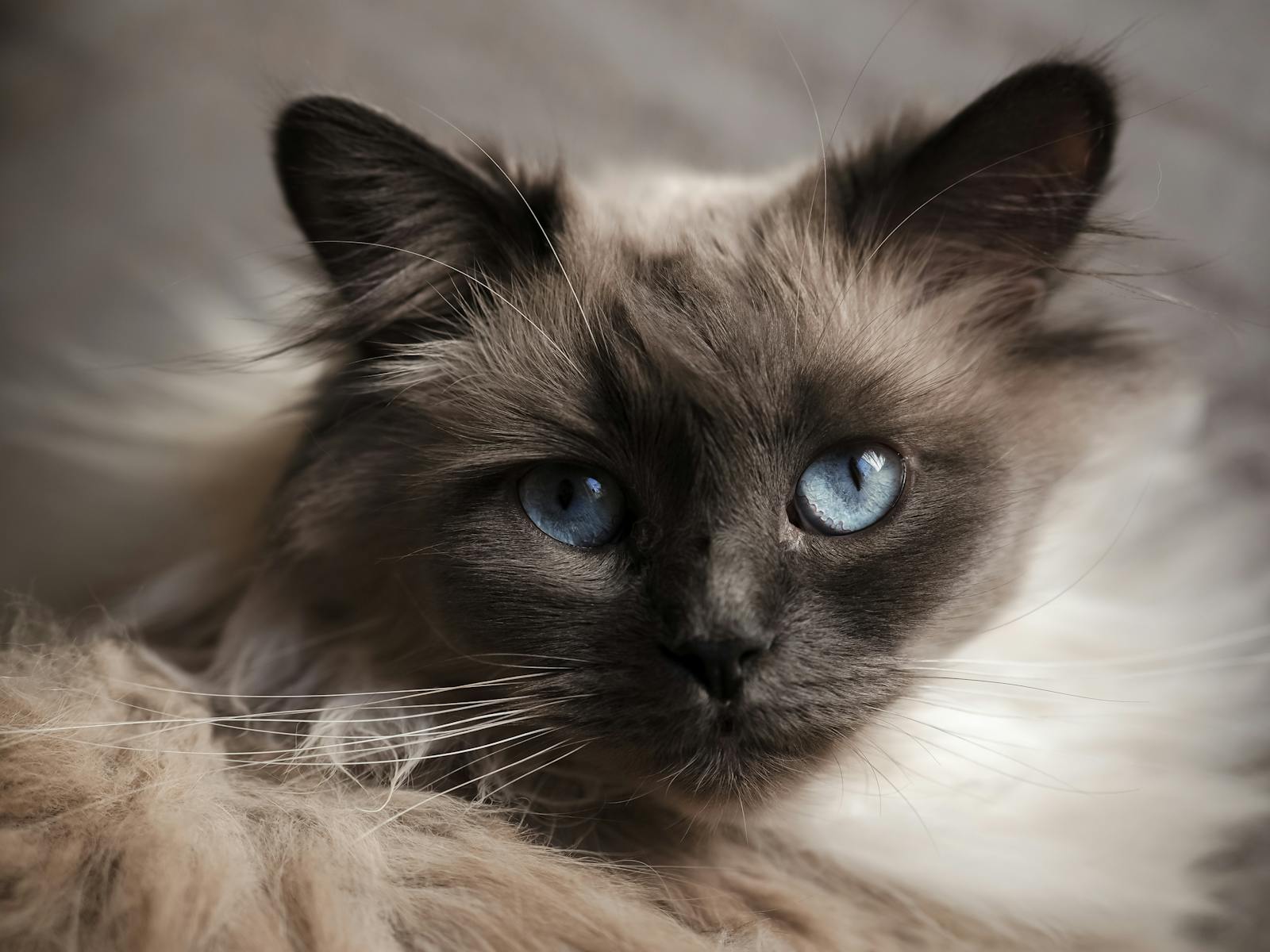
Choosing a pet is a bit like choosing a roommate. The best fit is a temperament that matches your day-to-day life. Birmans tend to be gentle, people-oriented cats who enjoy connection and routine.
Common personality traits
- Affectionate: Many Birmans enjoy cuddling and will seek out a lap or a spot beside you on the sofa.
- Social: They typically prefer not to be left alone for long stretches and often do well with another friendly pet.
- Calm but playful: Expect bursts of play, then long, cozy rest periods.
- Soft-spoken: Their voices are usually quieter than some other point-colored breeds.
- Adaptable: With gentle introductions, they often adjust well to new homes and family members.
Many Birman owners describe them as “present” cats. They may not demand attention every minute, but they like to be near whatever you are doing.
Is the Birman a Good Pet for You?
The Birman is a strong match for people who want companionship and a calm home presence. They often do well in a variety of households, as long as their social needs are met.
Great fit for
- Families with respectful children who can handle a cat gently
- Singles or couples who want an affectionate, steady companion
- Homes with another friendly cat or cat-safe dog
- People who work from home or have predictable schedules
May be challenging for
- Homes where the cat will be alone most of the day, every day
- People who want a very independent cat
- Busy households with constant noise and little quiet downtime
If you travel frequently or have long workdays away from home, consider adopting two compatible pets or building enrichment into your cat’s day. Small, consistent habits compound into remarkable results over time, and that is true for pet wellbeing too.
Health: What to Know Before You Bring One Home
Overall, Birmans are considered a generally healthy breed, especially when sourced from responsible breeders who prioritize health screening and genetic diversity. Still, like many purebred cats, they can have predispositions worth understanding.
Potential health considerations
- Hypertrophic cardiomyopathy (HCM): A heart condition seen in multiple cat breeds. Ask breeders about heart screening in their lines.
- Kidney concerns: Chronic kidney disease can occur in cats as they age. Routine veterinary monitoring helps catch changes early.
- Dental disease: Like many cats, Birmans benefit from regular dental care and professional cleanings as recommended by your veterinarian.
- Weight gain: Their calm nature can make them prone to extra pounds if treats and portions creep up.
Life expectancy: Many Birmans live into their mid-teens, and some live longer with good preventive care, nutrition, and a low-stress indoor lifestyle.
A practical tip: When choosing a kitten, look for a breeder who provides veterinary records, transparent health history, and clear guidance on feeding and socialization. If you are adopting an adult Birman or Birman mix, schedule a baseline exam soon after bringing your cat home.
Care and Grooming
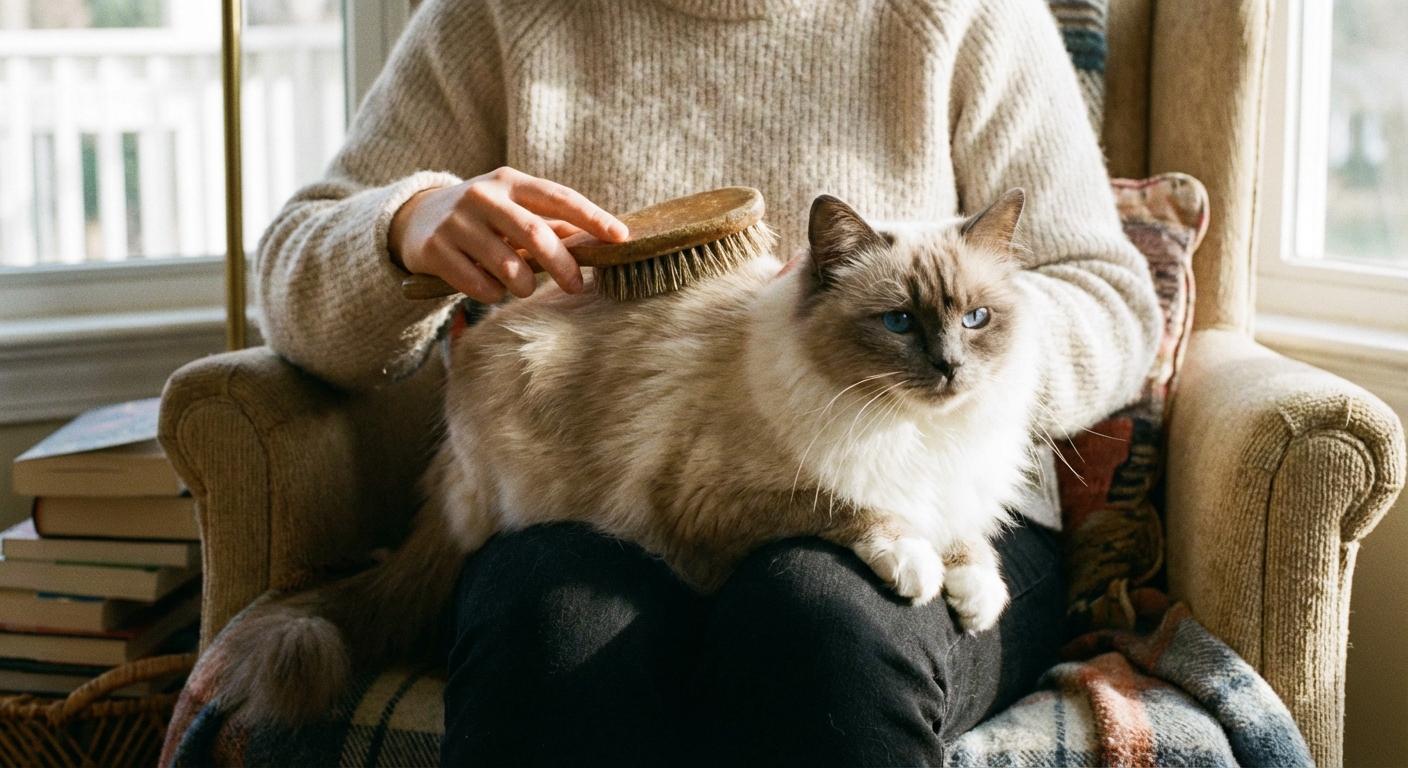
Despite their plush look, Birmans are often easier to maintain than people expect. Their coat is silky and tends to mat less than dense, woolly longhair coats, but regular grooming still matters for comfort and hairball control.
Grooming basics
- Brushing: Aim for 2 to 3 times per week, more during seasonal shedding.
- Hairballs: Regular brushing, adequate hydration, and vet-approved hairball strategies can help.
- Nails: Trim every 2 to 4 weeks.
- Ears and eyes: Check weekly for debris or irritation. Use only veterinarian-recommended products.
Litter and home setup
Choose a litter box that is large enough for a medium-sized cat and keep it in a quiet, consistent location. Many Birmans appreciate predictable routines, including where their food, water, and box are placed.
Nutrition and Healthy Weight
Nutrition is one of the simplest ways to support a Birman’s long-term wellbeing. A high-quality, complete and balanced diet supports muscle, coat quality, and energy level.
- Prioritize protein: Cats are obligate carnivores, so protein-forward diets are typically appropriate.
- Watch portions: Measure food rather than free-pouring, especially if your Birman is less active.
- Encourage hydration: Many cats drink more with a water fountain, and wet food can support fluid intake.
- Treats: Keep treats modest and use play and affection as rewards too.
If your cat is gaining weight, talk with your veterinarian about a safe plan. Rapid dieting is not appropriate for cats and can be dangerous.
Exercise, Enrichment, and Lifestyle
Birmans are not usually hyper-athletes, but they do enjoy play and mental stimulation. A little daily enrichment goes a long way in preventing boredom-related behaviors.
Simple enrichment ideas
- Interactive wand toy sessions once or twice daily
- Food puzzles or treat balls for mental engagement
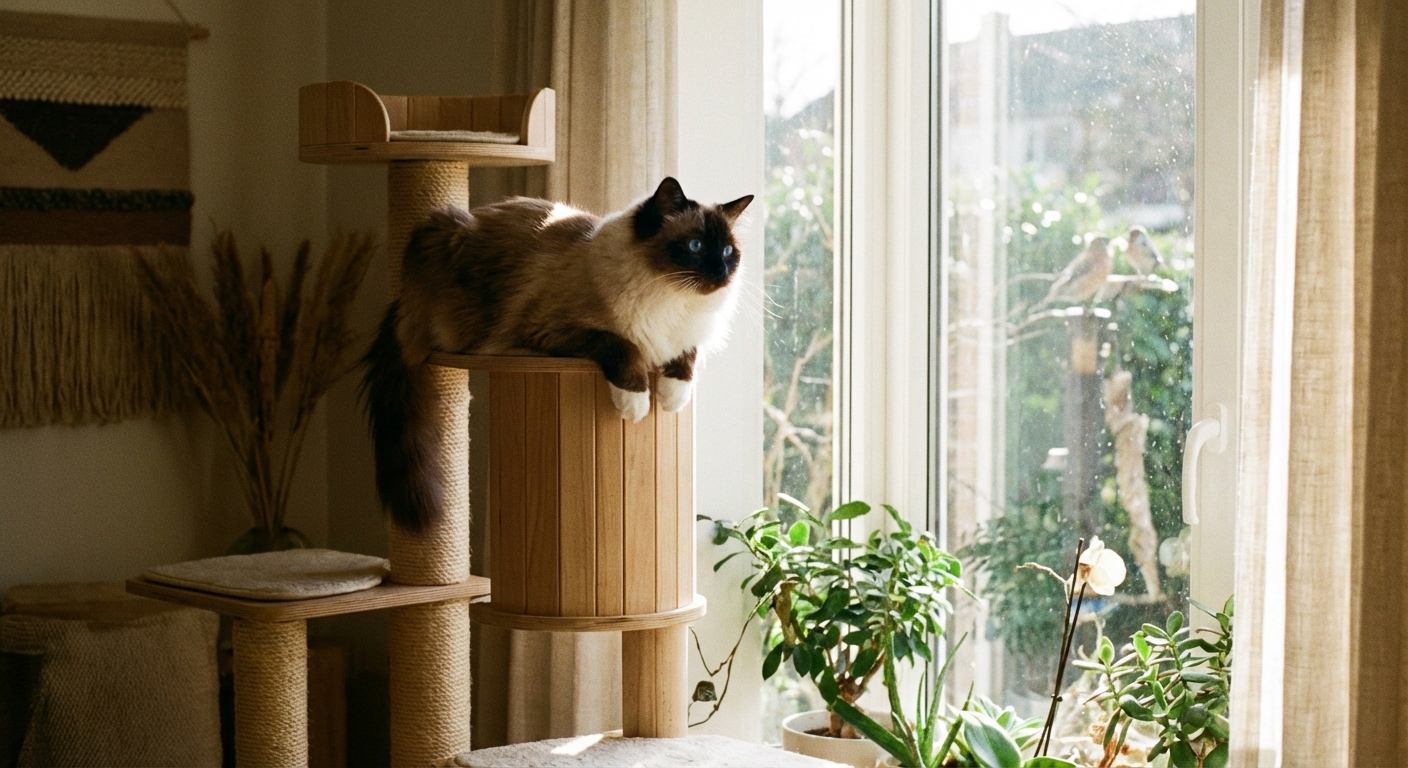
- Cat trees and window perches for climbing and observation
- Scratching posts in more than one room
- Rotate toys weekly to keep interest high
Birmans are typically best kept indoors, where you can reduce risk from traffic, predators, parasites, and infectious diseases. If you want outdoor time, consider supervised leash training or a secure catio.
How Birmans Get Along With Kids and Other Pets
When properly introduced, Birmans often do beautifully in multi-pet homes. Their calm, friendly nature can make them more flexible than many people expect.
- With children: They tend to tolerate gentle handling well, but children should be taught to respect boundaries and avoid chasing or rough play.
- With cats: Slow introductions and separate resources at first reduce stress.
- With dogs: Many Birmans can live with calm, cat-safe dogs, especially when the dog is trained not to chase.
To support harmony, provide multiple feeding stations, multiple litter boxes, and vertical space. Those basics can prevent a lot of tension.
Choosing a Birman: Breeder, Rescue, and What to Ask
Whether you choose a reputable breeder or adopt through a rescue, the goal is the same: a healthy cat with a stable temperament.
Questions worth asking
- What health screenings are done for the parents, especially for heart health?
- How are kittens socialized, and what is their typical temperament?
- What food is the cat currently eating, and what transition plan do you recommend?
- Is the cat vaccinated, dewormed, and examined by a veterinarian?
- What support do you offer after adoption?
If you adopt a Birman or Birman mix, ask about the cat’s history and any known sensitivities. Adult cats can be a wonderful choice if you want a more predictable personality.
Quick Birman Breed Snapshot
- Best known for: Blue eyes, colorpoint coat, white-gloved paws
- Temperament: Gentle, affectionate, social, calm
- Grooming: Moderate, brushing a few times per week
- Activity level: Moderate, enjoys daily play
- Good for: Families, companions, multi-pet homes with good introductions
If you are looking for a cat that blends beauty with an easygoing, connected personality, the Birman is a timeless choice. With consistent care, a nourishing diet, and a little daily play, most Birmans thrive and become the kind of companion that truly feels like part of the family.