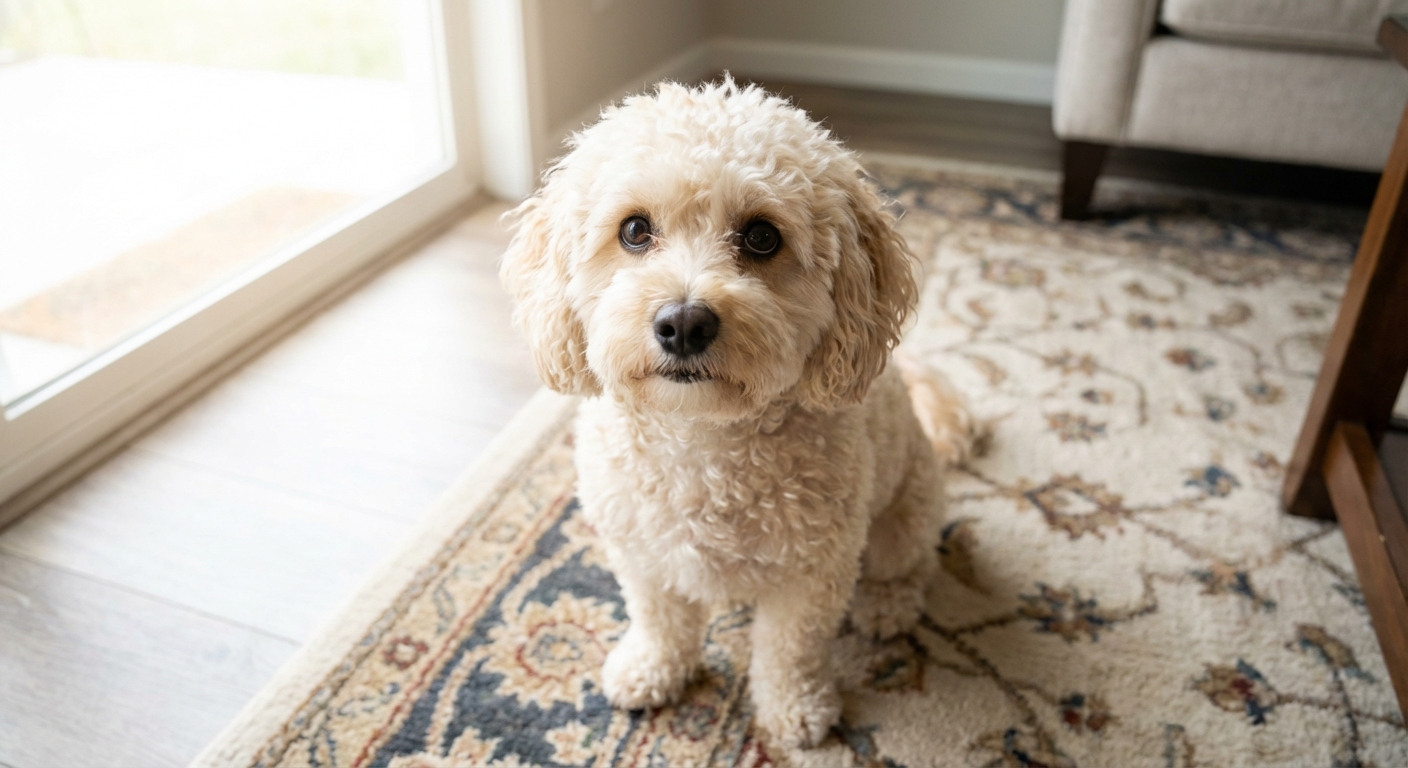
The Bichon Frise is one of those dogs that seems to come preloaded with charm. They are cheerful, people-focused, and often great in apartments and family homes alike. But that adorable white “cotton ball” coat comes with real maintenance, and the term hypoallergenic deserves a reality check.
As a veterinary assistant, I love helping families match the right dog to the right lifestyle. So let’s talk honestly about what it’s like to live with a Bichon Frise: temperament, grooming, allergy expectations, separation anxiety tendencies, daily exercise needs, and the dental care that so many small dogs truly need.
Breed Stats
If you like having the basics upfront, here are the typical ranges you will see for a Bichon Frise. Individual dogs vary, and mixes vary even more.
- Height: About 9.5 to 11.5 inches at the shoulder
- Weight: Commonly 12 to 18 pounds
- Lifespan: Often 12 to 15 years
- Daily exercise: Usually 30 to 60 minutes total, split into short walks and play
Temperament
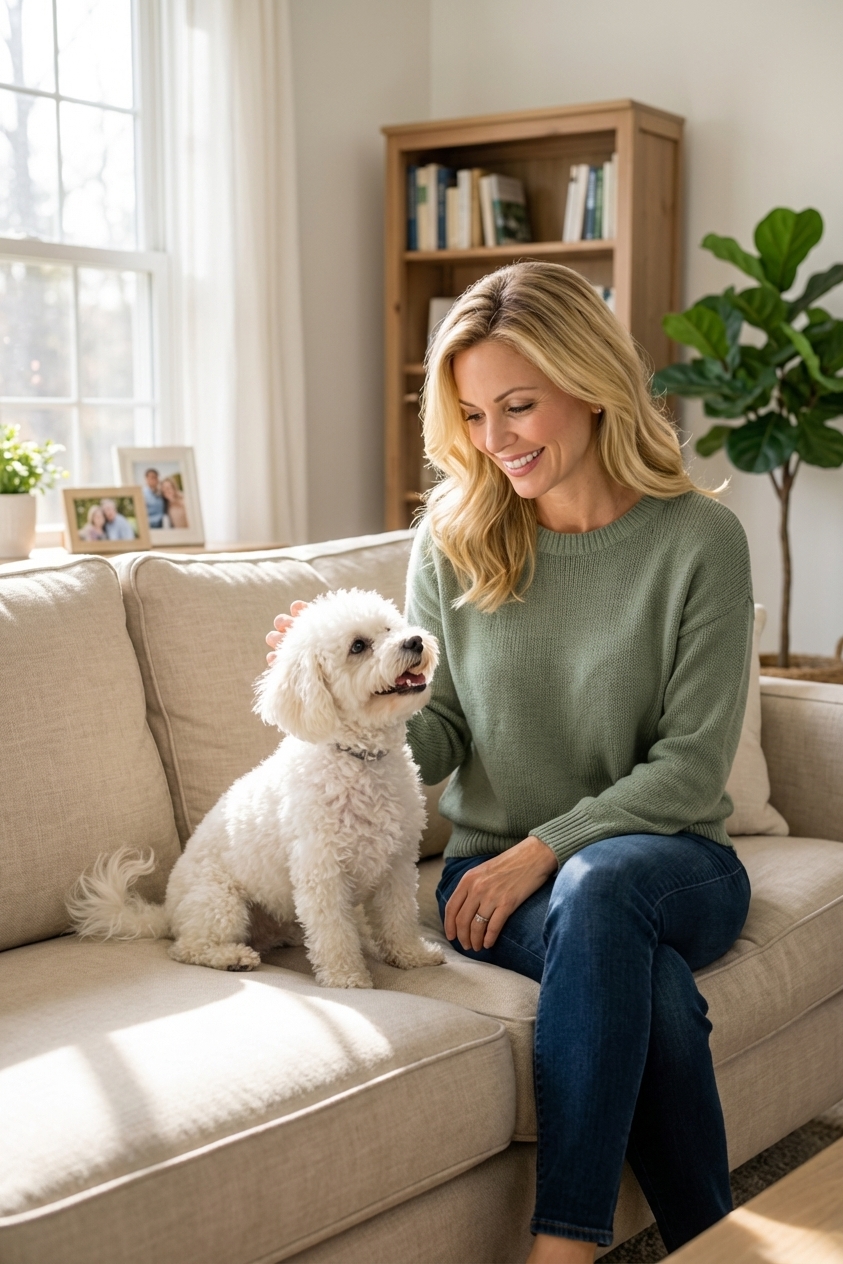
Bichons were bred as companion dogs, and it shows. In most homes, they thrive on closeness, routine, and positive attention. They are typically social with visitors and can do well with respectful kids and other pets when properly introduced.
What many people love
- Friendly and outgoing: Many Bichons greet the world like it is their job.
- Playful but manageable: They often enjoy bursts of play followed by cuddle time.
- Trainable with kindness: They tend to respond best to rewards, short sessions, and consistency.
Common challenges
- Barking: Some Bichons become alert barkers, especially if they are bored or under-exercised.
- Potty training takes patience: Small dogs sometimes take longer to housetrain. Frequent breaks and a predictable schedule help.
- Clinginess: Their companion nature can slide into anxiety if alone time is not trained gently.
If you want a dog that quietly “does their own thing” most of the day, a Bichon may frustrate you. If you want a happy little shadow who loves being part of everything, they can be a fantastic fit.
Exercise
Most Bichons do best with a consistent daily routine, not marathon workouts. Think steady, doable exercise plus a little mental work to keep that bright little brain busy.
What daily exercise can look like
- Walks: One to two short walks per day
- Play: 10 to 15 minutes of fetch, tug, or indoor games (often more than once)
- Brain work: Food puzzles, sniff walks, or a few minutes of training
A lot of nuisance barking and “busy” behavior in small companion dogs improves when you add predictable exercise and enrichment.
Allergies
Bichon Frises are often described as hypoallergenic because they shed less than many breeds and have hair that tends to hold loose strands in the coat rather than dropping them all over your home. But here is the important reality: no dog is truly 100% hypoallergenic.
What triggers allergies
Most dog allergies are triggered by proteins found in dander (skin flakes), saliva, and urine, not just the hair you see on the floor. A lower-shedding coat can reduce how much allergen spreads around the house, but it does not eliminate allergens.
How to test your reaction
- Spend time with the breed: Visit a friend’s Bichon, a reputable breeder, or a rescue meet-and-greet.
- Test real-life exposure: Hold the dog, and if you are comfortable, allow a little face contact, then see how your symptoms respond.
- Talk to your allergist: Especially if asthma is involved, it is worth planning ahead.
If allergies are a major concern, your management plan matters as much as the breed. Regular grooming, HEPA filtration, frequent washing of bedding, and keeping the dog off certain furniture can make a noticeable difference for many families.
Grooming
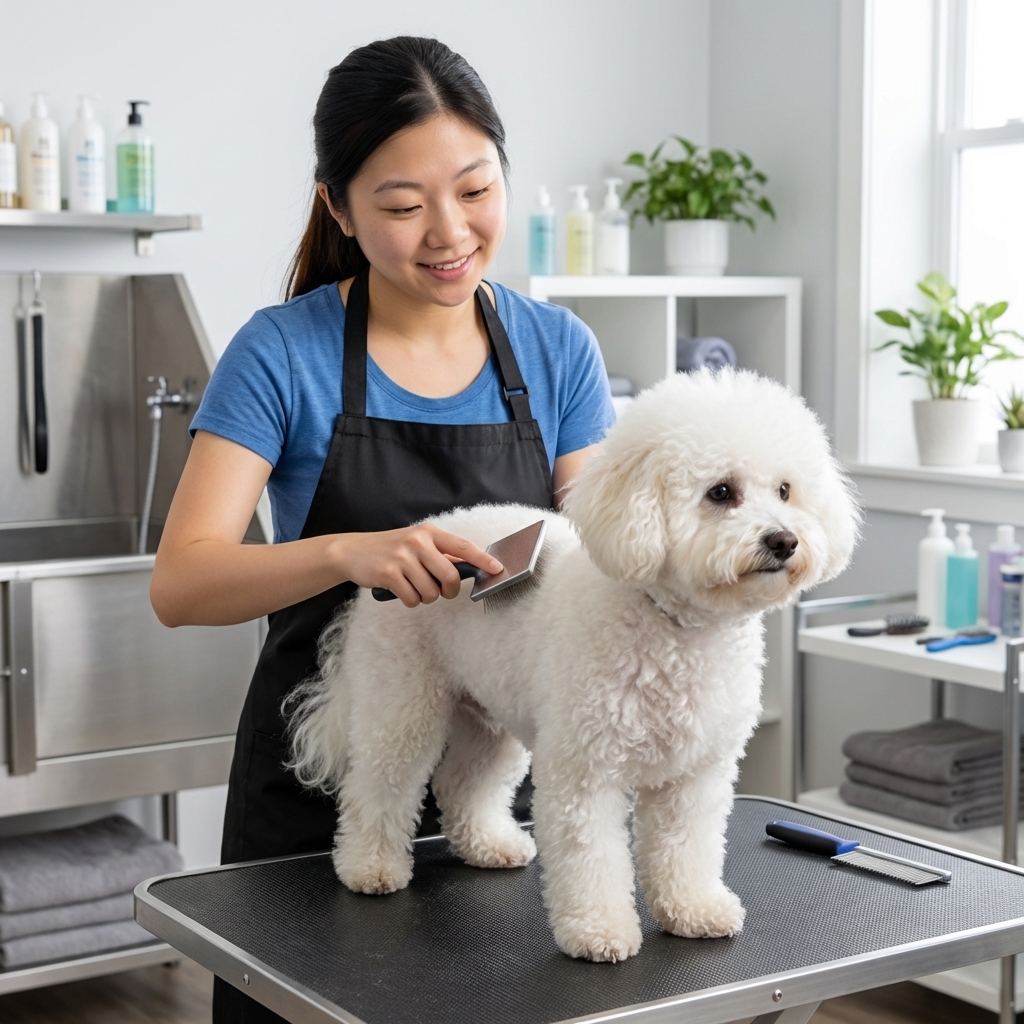
The Bichon’s coat is beautiful, but it is not “wash and wear.” It is a dense, curly, continuously growing coat that can mat easily. When mats tighten, they can pull on the skin and cause discomfort, hotspots, and even hidden skin infections.
At-home basics
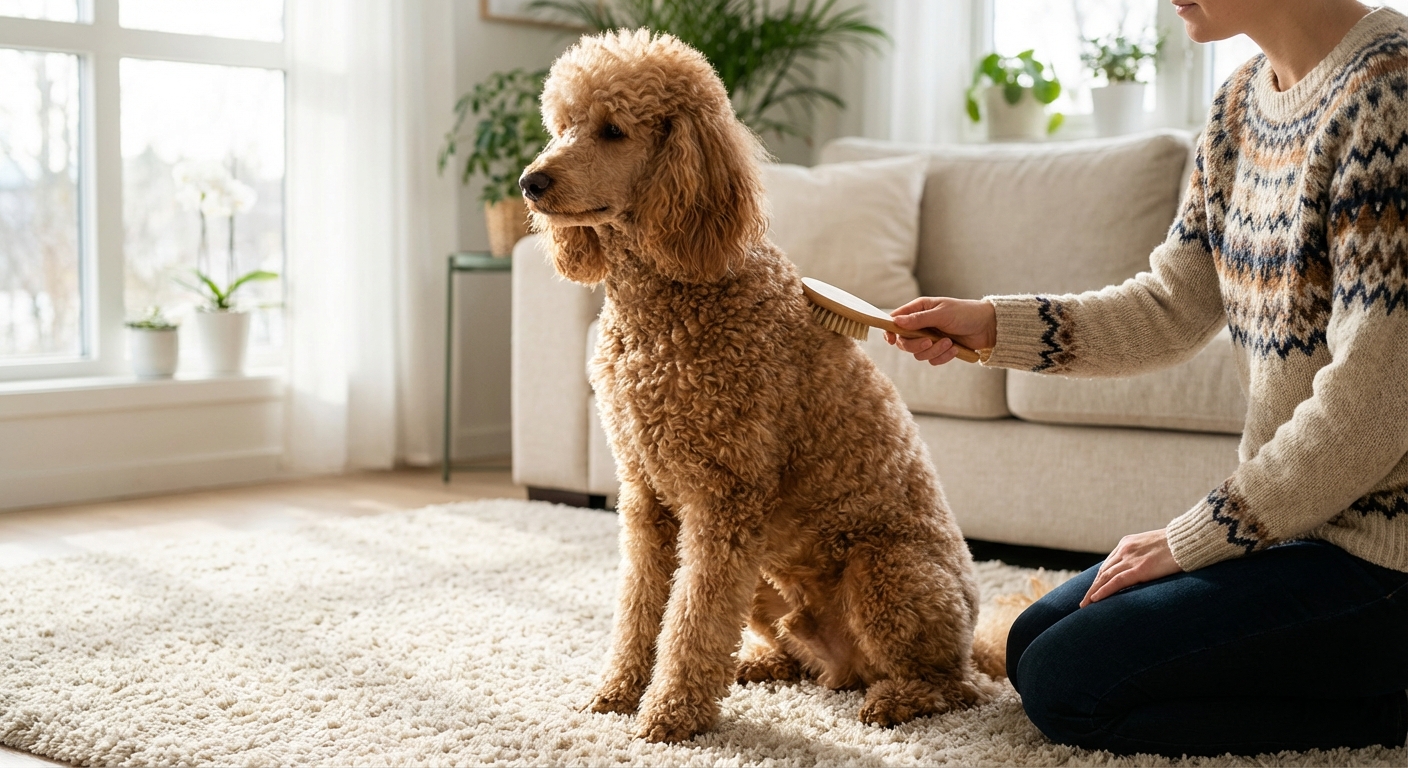
- Brush: Plan on brushing several times per week, and daily if your dog’s coat mats easily.
- Comb check: A metal greyhound comb helps you find tangles the brush can miss, especially behind ears, armpits, and around the collar area.
- Bathing: Many Bichons do well with regular baths, but frequency depends on lifestyle and skin sensitivity. Use a dog-specific shampoo.
- Eye staining: Many white-coated dogs develop tear staining. Ask your veterinarian to rule out causes like allergies, blocked tear ducts, or eye irritation.
Pro grooming schedule
Most Bichons need professional grooming every 4 to 8 weeks depending on the haircut, coat density, and how diligent home brushing is. A shorter, more practical trim can reduce matting and make daily care easier.
Skin and ears
Bichons can be prone to skin allergies and ear issues, especially if hair growth in the ear canal traps moisture. If you notice head shaking, ear odor, redness, or frequent scratching, schedule a vet visit. Early treatment is much easier on your dog and your wallet.
Separation Anxiety
Bichons bond closely, which is wonderful until it is not. Some individuals develop separation-related behaviors like barking, pacing, scratching at doors, or bathroom accidents when alone.
Prevention tips
- Practice alone time early: Start with minutes, not hours. Build up gradually.
- Keep departures calm: Low-key exits and returns reduce the “big event” feeling.
- Use enrichment: Food puzzles, sniffing games, and safe chews can help your dog settle.
- Train a settle: Reward calm on a mat or bed, especially when you move around the house.
- Get help if needed: For true separation anxiety, a qualified trainer and your veterinarian can create a plan that may include medication support.
If your schedule involves long workdays away from home, plan ahead. A midday dog walker, doggy daycare a couple days a week, or a neighbor check-in can be a game changer for Bichons who struggle alone.
Dental Care
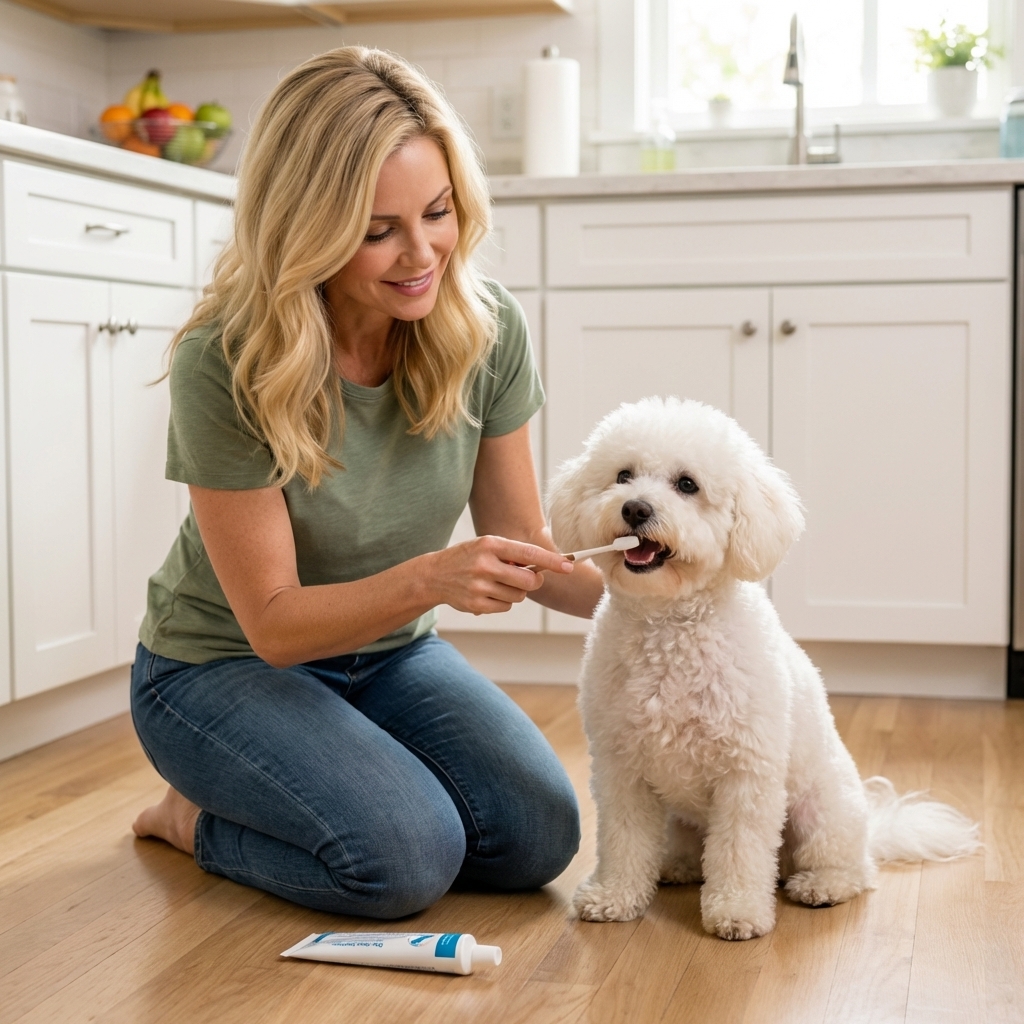
Small dogs, including Bichon Frises, are at higher risk for dental disease. Plaque becomes tartar, tartar irritates gums, and gum disease can lead to pain, tooth loss, and chronic inflammation. In veterinary clinics, we often see dental issues in little dogs that seemed “fine” at home because pets hide discomfort so well.
At-home habits
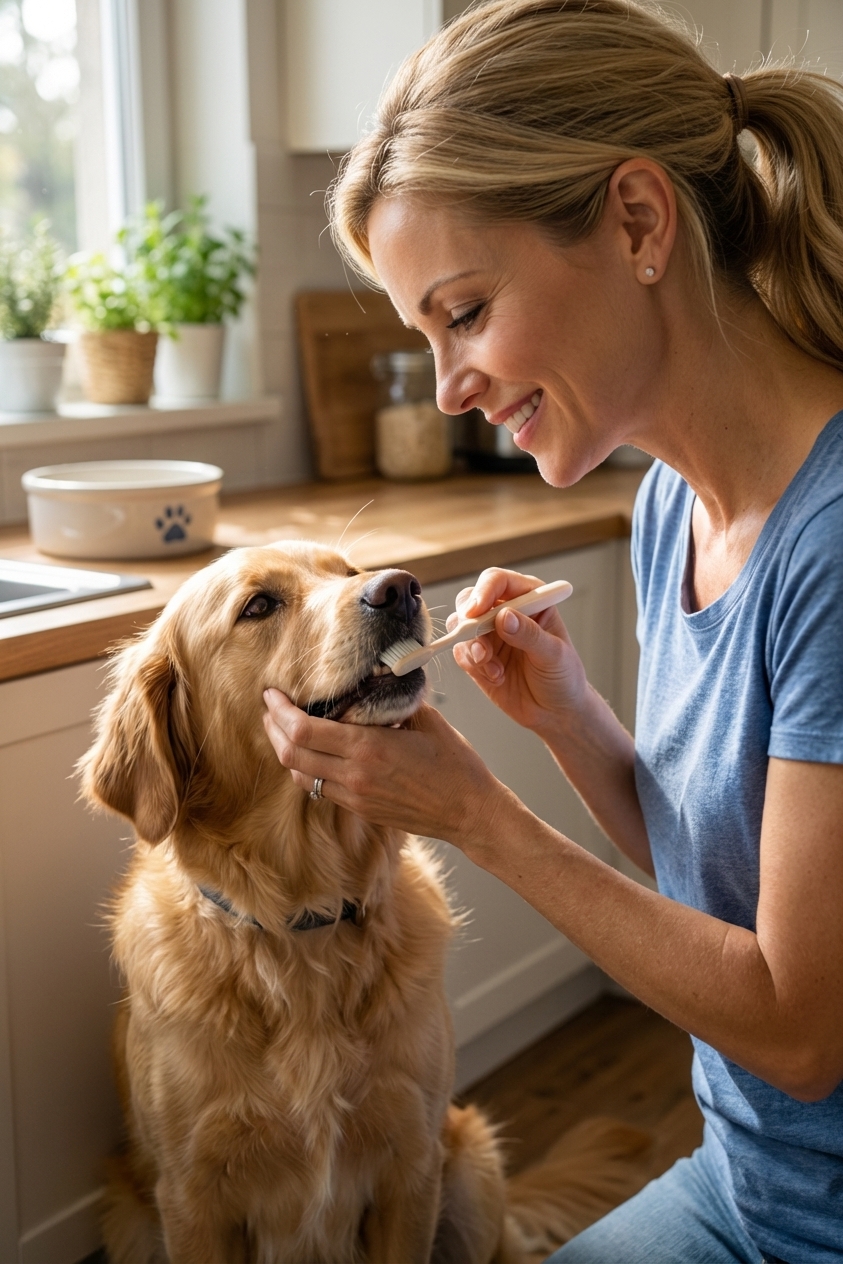
- Brush teeth: Ideally daily, realistically as often as you can. Use dog toothpaste only.
- Choose dental chews wisely: Look for options designed for dental health, and supervise chewing.
- Ask about dental diets and additives: Some can help reduce plaque in dogs who tolerate them well.
Cleanings still matter
Home care is powerful, but it does not replace professional cleanings when tartar builds up under the gumline. Ask your veterinarian how often your individual dog may need a dental cleaning and what signs to watch for, like bad breath, red gums, dropping food, or pawing at the mouth.
Quick Fit Check
Here is a simple way to decide if a Bichon Frise fits your life right now.
Great match if you want
- A friendly, companion-focused dog
- A small breed that loves family life
- A lower-shedding coat and you are willing to groom regularly
- A dog you can train with positive methods and consistency
Look elsewhere if you need
- A very low-maintenance coat with minimal brushing and trimming
- A dog that is comfortable being alone for long stretches without training and support
- A guarantee that allergies will not flare (no breed can promise this)
The good news is that with a realistic grooming plan, early alone-time training, daily exercise, and strong dental habits, many Bichon Frises live long, happy lives as joyful little companions.
Call the Vet
If any of these pop up, it is worth scheduling a check-up:
- Persistent itching, chewing paws, recurrent ear infections, or ongoing tear staining
- Bad breath, red gums, drooling, or trouble chewing
- Sudden behavior changes, hiding, irritability, or decreased appetite
- Escalating panic when left alone, including destructive behavior or self-injury
Early support is kinder and usually simpler than waiting until a small problem becomes a big one.