As a veterinary assistant here in Frisco, Texas, I have watched feline diabetes go from “rare” to something we talk about all the time. The newest question I hear is completely understandable: “Can my cat take a pill instead of insulin?”
Two newer oral medications, Bexacat and Senvelgo, are in a class called SGLT2 inhibitors. They can be life-changing for the right cat, but they can be dangerous for the wrong cat. This article will help you understand who may be a candidate, how these drugs work differently than insulin, and the warning signs that mean you need to call your veterinarian the same day.
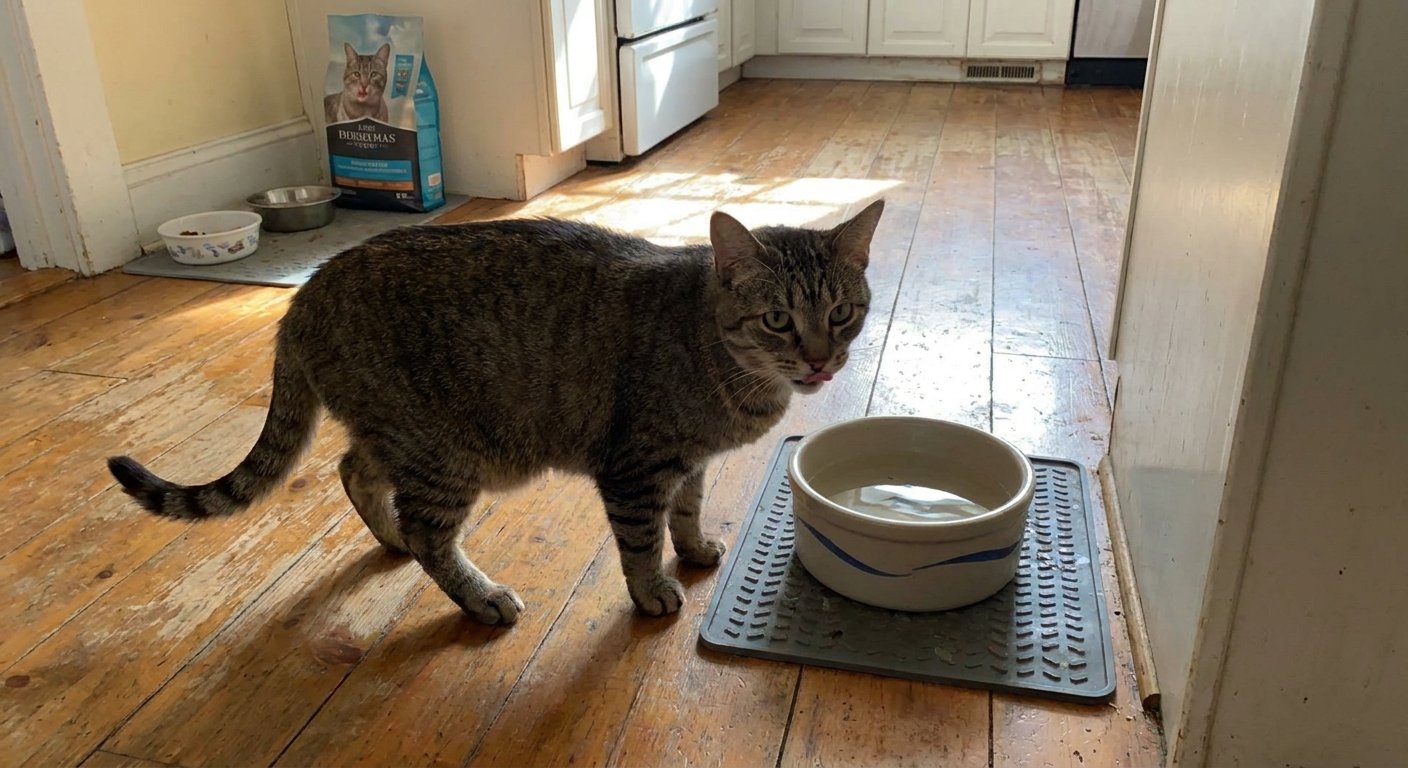
Quick basics: what are Bexacat and Senvelgo?
Bexacat (bexagliflozin) and Senvelgo (velagliflozin) are oral medications designed for some cats with diabetes mellitus. They work by helping the body remove glucose through the urine.
They are not “diet pills,” and they are not insulin in a tablet form. They change how the kidneys handle glucose. That different mechanism is exactly why they can be helpful, and also why the risk profile is different from insulin therapy.
How SGLT2 inhibitors differ from insulin
Insulin treats the core problem
Most diabetic cats have a type of diabetes similar to type 2 diabetes in people. Their bodies do not respond to insulin normally, and over time they may not produce enough insulin. Injectable insulin helps move glucose from the bloodstream into the body’s cells where it can be used.
Bexacat and Senvelgo lower blood sugar by “spilling” glucose
SGLT2 inhibitors reduce blood glucose by blocking glucose reabsorption in the kidneys. More glucose leaves the body in urine, which can lower the number on the glucose meter.
Why that difference matters
- Insulin dosing is adjustable and has decades of feline experience behind it.
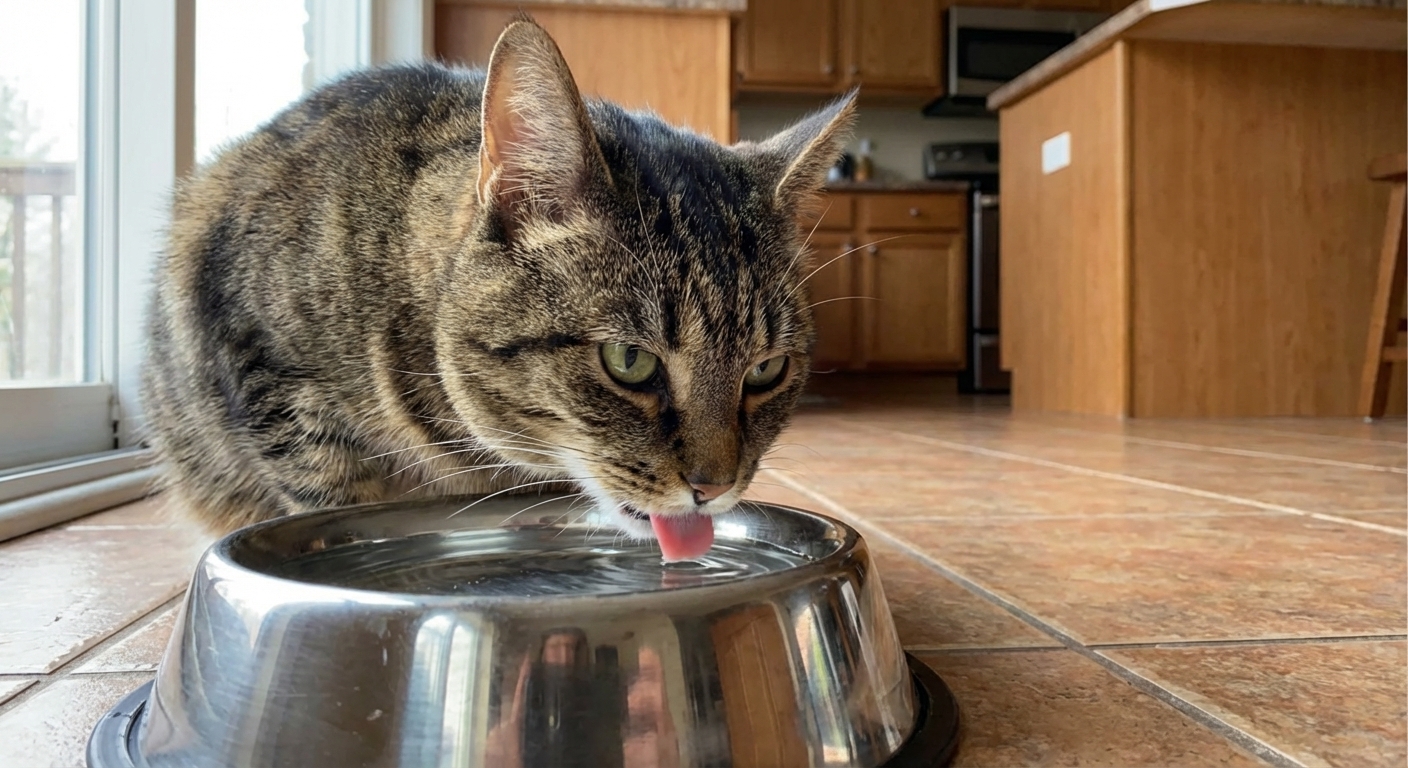
- SGLT2 inhibitors can increase urination and fluid loss, which raises concerns about dehydration in some cats.
- SGLT2 inhibitors can be associated with euglycemic ketoacidosis, a dangerous state where ketones rise even when glucose is not extremely high.
That last point is the one I want cat families to truly understand: a cat can look “sort of off,” have a glucose reading that does not look terrifying, and still be in a medical emergency.
Which diabetic cats may be candidates?
Your veterinarian will decide candidacy based on lab work, exam findings, and your cat’s overall stability. In general, these medications are considered for some newly diagnosed diabetic cats where insulin therapy is not ideal or is not possible for the household, and where screening suggests the cat is a safe candidate.
Cats that may be considered include those who:
- Are newly diagnosed and clinically stable.
- Are eating and drinking reasonably well and not actively vomiting.
- Have no evidence of ketoacidosis and are not ketone-positive on screening beyond what your vet is comfortable with.
- Have kidney and hydration status that your veterinarian feels can handle the medication’s effects.
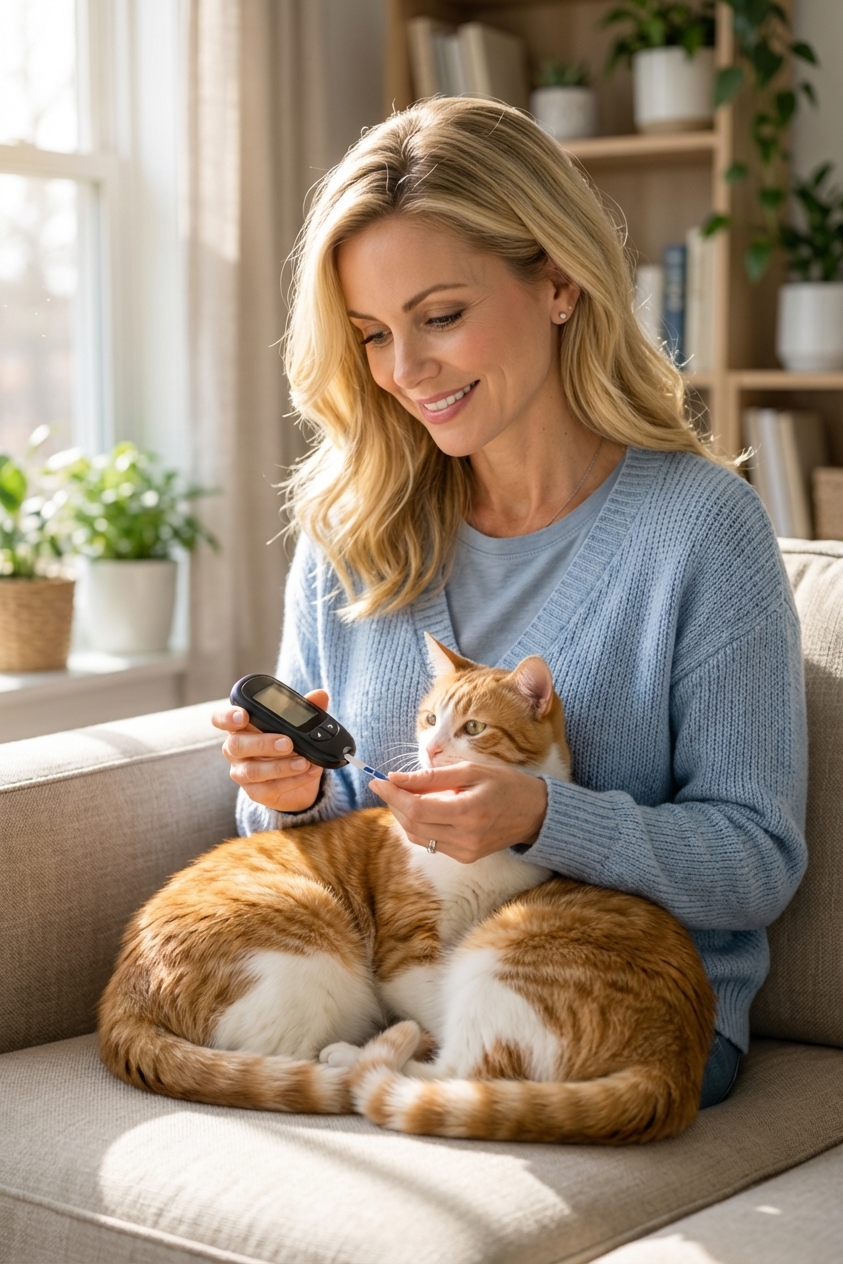
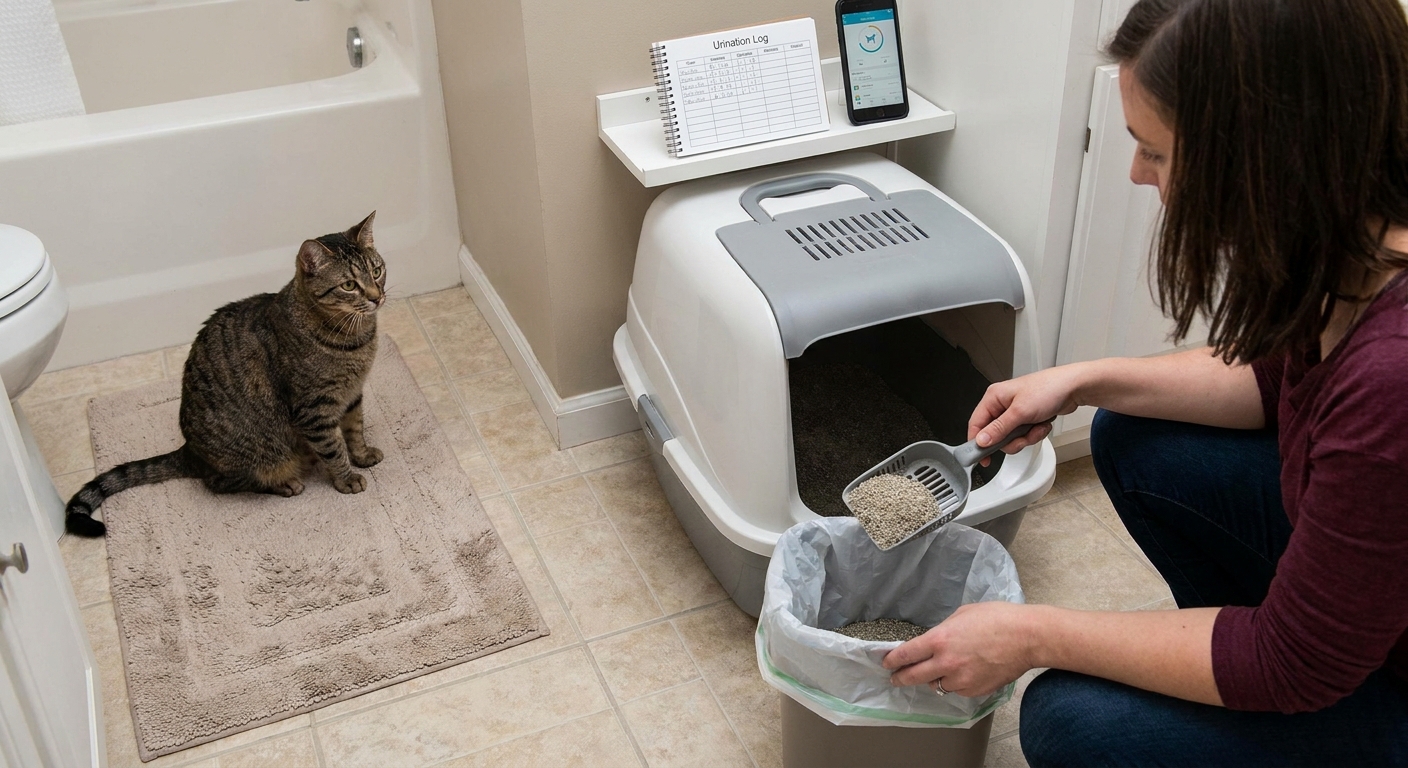
- Have caregivers who can monitor at home as directed, including watching appetite, water intake, litter box output, and ketones if your veterinarian recommends it.
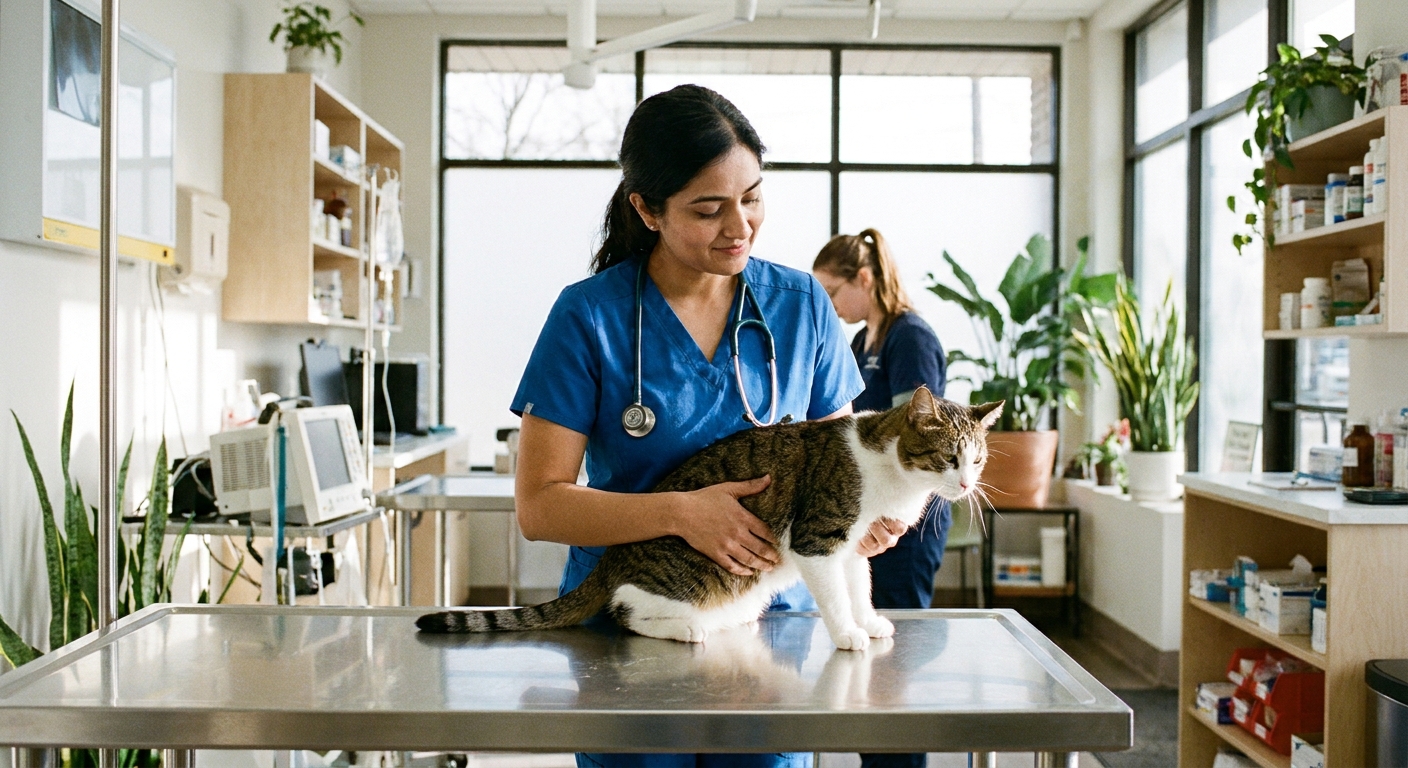
Important: These drugs are not “set it and forget it.” They require careful selection and follow-up, especially in the first days to weeks.
Which cats should not take these meds?
This is where I see the most confusion online. A pill option sounds easier, but not every diabetic cat is a safe candidate.
In general, these medications are not appropriate for cats who:
- Have diabetic ketoacidosis (DKA) or suspected DKA.
- Are dehydrated, severely lethargic, or not eating.
- Are currently vomiting repeatedly or have significant GI upset.
- Have serious concurrent illness that makes them unstable (your vet will judge this case by case).
- Have diabetes from conditions that typically require insulin support, such as some cases associated with pancreatitis or certain hormone disorders.
Your veterinarian may recommend insulin first in many scenarios because it is predictable, titratable, and the standard of care for a lot of cats.
Why vomiting and dehydration matter
Vomiting and dehydration are always concerning in a diabetic cat. With SGLT2 inhibitors, they carry extra weight because:
- These drugs increase glucose in the urine, which can increase urination.
- More urination can mean more fluid loss.
- If a cat feels nauseated and eats less, the body may shift toward fat breakdown, which can contribute to ketone production.
The goal is not to make you anxious. It is to help you act early. Early treatment can prevent a crisis.
Euglycemic ketoacidosis
Euglycemic ketoacidosis means a cat can develop dangerous levels of ketones and metabolic imbalance without sky-high blood glucose numbers. It is one of the reasons veterinarians are careful about which cats receive SGLT2 inhibitors and how closely they are monitored.
Same-day signs that need a vet visit
If your cat is taking Bexacat or Senvelgo and you notice any of the following, call your veterinarian right away and expect to be seen the same day:
- Vomiting (especially more than once, or vomiting plus lethargy)
- Not eating or a sudden major drop in appetite
- Marked lethargy, weakness, or hiding behavior that is unusual
- Dehydration (tacky gums, sunken eyes, skin that does not spring back well)
- Rapid breathing or breathing that seems deep or labored
- Bad breath that smells unusual, sweet, or like chemicals
- Ketones detected on urine or blood ketone testing if your veterinarian has you monitoring at home
Do not wait for a “worse” glucose number. With ketoacidosis, the cat’s overall clinical signs matter more than one single home reading.
What monitoring looks like
Every clinic has its own protocol. But if your cat is started on an SGLT2 inhibitor, your veterinarian will typically discuss a monitoring plan that may include:
- Recheck exams and lab work to assess hydration, kidney values, electrolytes, and overall response.
- Guidance on watching water intake and urination patterns.
- At-home monitoring for ketones in urine or blood, especially early on or if your cat becomes ill.
- Clear instructions on what to do if your cat skips meals, vomits, or seems “off.”
If you are already feeling overwhelmed, tell your vet. A plan that works for your real life is safer than a perfect plan that no one can maintain.
Can these meds replace insulin?
Sometimes, for some cats, an oral SGLT2 inhibitor may reduce the need for insulin or delay insulin use. But it is not accurate to think of these medications as a universal replacement for insulin.
Here is the gentle truth I share with families in the exam room: the safest treatment is the one that matches your cat’s medical situation. For many cats, insulin remains the best and safest choice. For others, these newer oral medications may be appropriate when carefully selected and closely monitored.
What to do if your cat gets sick
If your cat is on Bexacat or Senvelgo and has vomiting, refuses food, seems dehydrated, or is suddenly lethargic, treat it as urgent.
- Call your veterinarian the same day.
- Do not force food or fluids if your cat is vomiting.
- Follow your clinic’s guidance about whether to give or hold the medication until your cat is evaluated.
- If you have been instructed to check ketones at home and they are elevated, mention that immediately.
Diabetes care can feel like a tightrope. When a diabetic cat becomes ill, early intervention is what keeps it from turning into a crisis.
FAQ
Are these medications approved for all diabetic cats?
No. They are intended for specific situations and require your veterinarian to confirm that your cat is an appropriate candidate. Never start or switch diabetes medications without veterinary guidance.
Will my cat still need a special diet?
Usually, yes. Most diabetic cats do best on a consistent feeding routine and a diet your veterinarian recommends, often one that is lower in carbohydrates and supports weight management if needed. Even if an oral medication helps lower blood glucose, diet still plays a big role in keeping your cat stable, reducing glucose swings, and supporting the chance of remission in some cats. Make diet changes with your veterinarian, especially if your cat is also on insulin or has other health issues.
What is the biggest safety message to remember?
Vomiting, poor appetite, dehydration, or sudden lethargy on these drugs needs same-day veterinary attention, even if a glucose number at home does not look extreme.
A final word
I love that veterinary medicine keeps evolving, and for some cats, Bexacat or Senvelgo can be a real breakthrough. But “new” never means “risk-free,” especially in diabetic cats where appetite and hydration can change quickly.
If you are curious whether your cat could be a candidate, ask your veterinarian what screening they recommend and what emergency plan they want you to follow if your cat stops eating or starts vomiting. Having that plan ahead of time is one of the kindest things you can do for your cat and for yourself.