Learn which betta fish tank mates are safest, which are “it depends,” and which to avoid. Includes tank size tips, setup essentials, and introduction ste...
Article
•
Designer Mixes
Betta Fish Tank Mates: Safe and Unsafe Options
Designer Mixes contributor
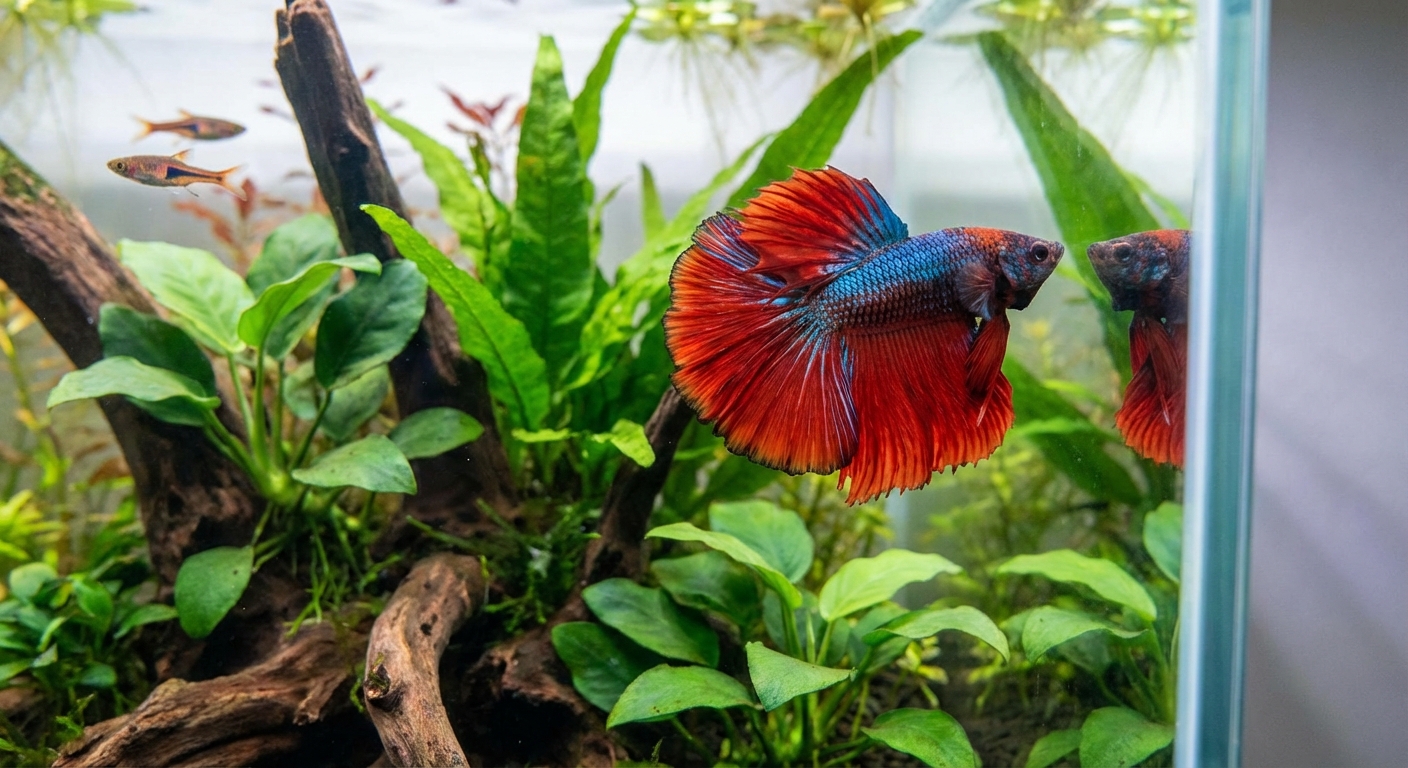
Starting your betta’s setup right sets the tone for everything that follows. I always tell people that small, consistent choices add up, especially in a home aquarium where stress can quietly build over time. Bettas are stunning, curious fish, but they are also territorial by nature. The good news is that many bettas can live peacefully with the right tank mates when you match temperament, tank size, and habitat needs.
This guide walks you through safer options, common “maybe” species, and tank mates that are typically a hard no. You will also learn how to introduce new fish in a way that protects your betta’s health and keeps the whole tank stable.

Before you pick tank mates
Compatibility is less about a single species being “good” or “bad” and more about meeting a few non-negotiables. Bettas vary, but their instincts are consistent: they defend territory and may chase anything that looks like a rival or a tasty snack.
Tank size matters
- For a solo betta, 5 gallons or larger is widely recommended.
- For tank mates, 10 gallons or larger is a practical recommendation for most community attempts. Smaller tanks force everyone into the same “personal space,” which increases chasing and fin damage.
- More space is better, especially if you want multiple tank mates. A 15 to 20 gallon tank opens up safer options.
Start with a stable tank
- Make sure the tank is fully cycled before adding a betta or tank mates. “New tank” swings can stress fish and make minor compatibility issues much worse.
- Keep parameters steady. Community success depends on stability more than chasing a perfect number.
- Match temperature and water needs. Most bettas do best in warm tropical water (often around 76 to 80°F / 24 to 27°C). Choose tank mates that thrive in the same range and do not require cooler water.
- Plan for bioload. Every added animal increases waste. That may mean extra filtration capacity and more frequent water changes.
Build the environment for low stress
- Plant cover (live or silk) breaks up sightlines so the betta cannot patrol the entire tank at once.
- Hiding spots like caves, driftwood, and dense plants give shy fish a place to retreat.
- Gentle flow helps most bettas thrive. Strong currents can stress long-finned varieties. Short-finned (plakat) bettas often handle flow better, but they can also be more assertive, so watch behavior either way.
Know the “fin and food” rules
- Avoid fin nippers. Bettas have delicate fins, and repeated nipping leads to chronic stress and infections.
- Avoid flashy, betta-like fish. Anything with long fins or bright coloration can trigger aggression.
- Watch feeding. Fast fish can steal food, leaving the betta underfed or forcing it to overeat in competition.
Generally safe betta tank mates
These options tend to work best because they are peaceful, occupy different areas of the tank, and are less likely to provoke your betta. Even with “safe” choices, individual bettas can be unpredictable, so you still need a backup plan.
Snails
- Nerite snails: Excellent algae grazers. They may lay eggs, but the eggs will not hatch in freshwater. Usually ignored by bettas.
- Mystery snails: Larger and often hardy, but some bettas may peck at antennae. Provide hiding areas and monitor closely.
Tip: If your betta repeatedly harasses a snail at the glass, the tank may be too bare or too small, or the betta may simply be incompatible.
Shrimp (with realistic expectations)
- Amano shrimp: Often the most successful shrimp option because they are larger and less “snack-sized.”
- Cherry shrimp: Beautiful but commonly hunted, especially in smaller tanks. Dense plants are essential if you try them.
Think of shrimp as “possible enrichment” rather than guaranteed companions. Some bettas ignore them, others treat them like live food.
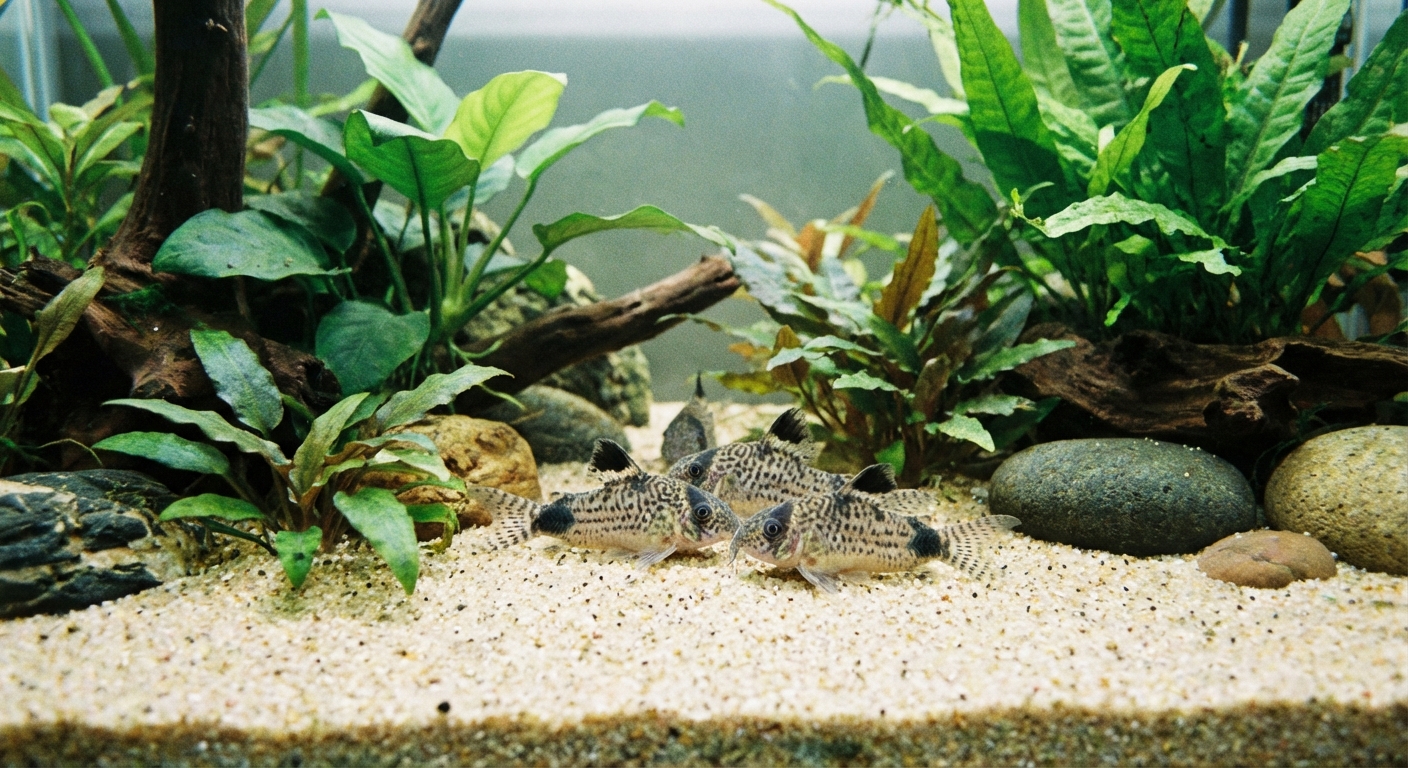
Corydoras catfish (choose species carefully)
Corydoras are peaceful bottom dwellers that usually avoid betta drama. Keep them in a proper group (often 6 or more, depending on species) so they feel secure.
- Tank size and footprint matter. Many corydoras species are active and do better with a larger footprint, often 20 gallons or more. In smaller community tanks, stick to true small species like pygmy corydoras, and avoid packing the floor with decor.
- Pick warm-tolerant corys if you are running typical betta temperatures. Some cory species prefer cooler water, so confirm the range for the exact species you buy. Warm-tolerant options commonly recommended include panda and sterbai corys (with appropriate tank size).
- Provide soft substrate and hiding spots.
Otocinclus catfish
Otos are small algae eaters that can work well with calm bettas in mature tanks. They do best in groups and require stable water parameters and enough natural biofilm or supplemental feeding.
- Important: Otos are frequently wild-caught and may arrive underfed. Do not rely on them as “algae control” without targeted feeding (like blanched veggies and quality wafers) and close monitoring.
Small, peaceful schooling fish (in larger tanks)
In a 15 to 20 gallon tank or larger, some calm schooling fish can be successful because they spread attention and reduce one-on-one conflict.
- Ember tetras: Often calmer than many other tetras.
- Harlequin rasboras: Generally peaceful and mid-water oriented.
- Chili rasboras: Tiny and shy, better in very well-planted tanks with gentle tank mates.
Key point: Always keep schooling fish in appropriate group sizes. A small group can create anxious, nippy behavior.
Use caution: hit or miss
These species sometimes work, but they carry a higher risk of stress, fin nipping, or competition at feeding time. If you choose any of these, be prepared to separate fish quickly if behavior changes.
Guppies
Guppies are a common suggestion, but many male guppies have showy tails that can trigger a betta. Some bettas tolerate them, many do not. If attempted, choose less flashy individuals and monitor closely.
Some tetras
Species like serpae tetras and black skirt tetras are more likely to nip fins. Even “peaceful” tetras can become nippy in cramped tanks or small schools.
Bottom feeders that compete aggressively for food
Some loaches and larger catfish can outcompete a betta at mealtime or create too much activity. Bettas often prefer calm tank dynamics.
Practical rule: If you see repeated chasing, flared gills for long periods, torn fins, or a tank mate hiding constantly, the setup is not working even if nobody looks injured yet.
Unsafe tank mates to avoid
These are the combinations most likely to end in injury or chronic stress. Avoiding them protects your betta’s immune system, fins, and overall quality of life.
Other bettas
- Two males: Almost always fight.
- Male and female: Breeding attempts require specialized setup and close supervision. Not a community plan.
- Female sororities: Possible only for advanced keepers with large, heavily planted tanks, careful selection, and constant monitoring. Not recommended for most home aquariums.
Fin nippers
- Tiger barbs
- Serpae tetras (often)
- Other aggressive or semi-aggressive schooling fish
Large or aggressive fish
- Cichlids (most community setups are a poor fit)
- Angelfish (can be aggressive and may be mistaken for a rival, and they can also nip)
- Goldfish (different temperature needs and waste output, poor match)
Known troublemakers for many bettas
- Crayfish: Can pinch fins and hunt fish, especially at night.
- Frogs (such as African dwarf frogs): Different feeding methods and routines often cause problems. Common issues include feeding competition and frogs grabbing at fish during feeding. They typically do best in species-appropriate setups.
How to introduce tank mates
Even the “right” species can fail if the introduction is stressful. Take it slow and set the tank up so no one feels cornered.
Step by step
- Quarantine new arrivals when possible to reduce the risk of parasites and bacterial disease.
- Rearrange decor just before adding tank mates. This disrupts the betta’s established territory.
- Add tank mates first if you are building a new tank. Then add the betta last so it is less likely to claim the entire tank as its own.
- Feed before introductions. A slightly satisfied betta is often less reactive.
- Observe for the first hour, then continue close checks for the first week.
Have a backup plan
Keep a divider, spare tank, or rehoming plan ready. “Trying it and seeing” is only fair to the fish if you can separate them quickly.
Signs it is not working
Bettas are hardy, but chronic stress can quietly wear them down. Watch for these red flags:
- Persistent flaring and chasing that does not decrease after a day or two
- Clamped fins, hiding, or reduced activity
- Torn fins or missing scales on any fish
- Refusing food or spitting food repeatedly
- Rapid breathing, especially near the surface
- Tank mates hiding constantly or hovering in corners
If you notice these signs, separate first and troubleshoot second. In fishkeeping, early action prevents most serious problems.
Quick compatibility checklist
- Tank is fully cycled and stable
- Tank is 5+ gallons for a solo betta, and 10+ gallons recommended if adding tank mates (bigger is safer for communities)
- Plenty of plants and hiding places
- Tank mates are peaceful and not fin nippers
- Tank mates do not look like bright, long-finned rivals
- Everyone has compatible temperature and water needs (warm tropical range for most betta setups)
- You have a backup plan if behavior shifts
The bottom line
Bettas can absolutely live with tank mates, but they do best when you plan for calm: more space, more cover, and companions that mind their own business. If you want the safest starting point, consider a betta with nerite snails or, in an appropriately sized and well-planted tank, a properly sized group of warm-compatible corydoras. From there, you can expand carefully, always letting your betta’s behavior guide the final decision.
Note: This content is for general pet education and is not veterinary advice. If your fish shows signs of illness, severe stress, or injury, consult an aquatic veterinarian or an experienced aquatic professional.