Stop fleas for good with a proven 3-part plan: treat your cat with vet-grade prevention, treat every pet the same day, and clean your home long enough to bre...
Article
•
Designer Mixes
Best Way to Treat Fleas on Cats

Shari Shidate
Designer Mixes contributor
As a veterinary assistant here in Frisco, Texas, I can tell you one thing with confidence: fleas are not just an itchy nuisance. They can cause skin infections, trigger allergies, pass tapeworms (when a cat swallows an infected flea while grooming), and make life miserable for your cat and your family. The good news is that the best way to treat fleas on cats is straightforward when you focus on the right three-part plan: treat your cat, treat your home, and prevent re-infestation.
This article is family-friendly and based on common veterinary guidance, so you can take action without guessing, over-treating, or mixing products that should never be combined.
Flea facts every cat owner should know
1) Much of the flea problem is not on your cat
Adult fleas are only part of the story. Flea eggs, larvae, and pupae live in carpets, bedding, couch cushions, and along baseboards. That is why treating only your cat often leads to the frustrating cycle of “they keep coming back.”
2) Fleas can make cats sick fast
- Flea allergy dermatitis: Some cats react strongly to flea saliva and itch intensely from just a few bites.
- Tapeworms: Cats can get tapeworms from swallowing an infected flea while grooming.
- Anemia: Kittens and small cats can become weak or pale if flea numbers are high.
3) Indoor cats can still get fleas
Fleas hitchhike on people, dogs, and even wildlife around entry points. In multi-pet homes, dogs often bring fleas in first, then cats suffer next. In North Texas, fleas can be a persistent problem for much of the year, so staying consistent matters.
The best way to treat fleas on cats
Part 1: Treat your cat with a cat-safe product
The cornerstone of flea control is using a reliable, cat-specific flea medication at the correct dose for your cat’s weight and age. In clinics, we typically recommend products with strong safety records and consistent performance.
Common vet-recommended options include:
- Topical “spot-on” preventives applied monthly (examples of active ingredients you may hear about include selamectin, imidacloprid, or fluralaner). Not every product is right for every cat, so read labels and confirm with your veterinarian.
- Oral flea medications (your veterinarian may recommend an isoxazoline class product such as sarolaner, lotilaner, or a fast-acting option like nitenpyram for active infestations).
- Prescription products when over-the-counter options have failed, or when your veterinarian suspects reduced effectiveness in your area.
Family-friendly safety tip: After applying a topical product, keep kids from hugging or touching the application site until it is fully dry. Wash hands after handling any medication.
Quick note about baths (including “Dawn baths”): A bath may remove some fleas, but it does not provide lasting control. Frequent bathing can also dry out or irritate skin, especially in cats with allergies. Use bathing only if your veterinarian recommends it, and do not rely on it as your main plan.
Part 2: Treat your home to stop the life cycle
If fleas are present, assume there are eggs in the environment. Your goal is to physically remove as many stages as possible and reduce the number that can mature.
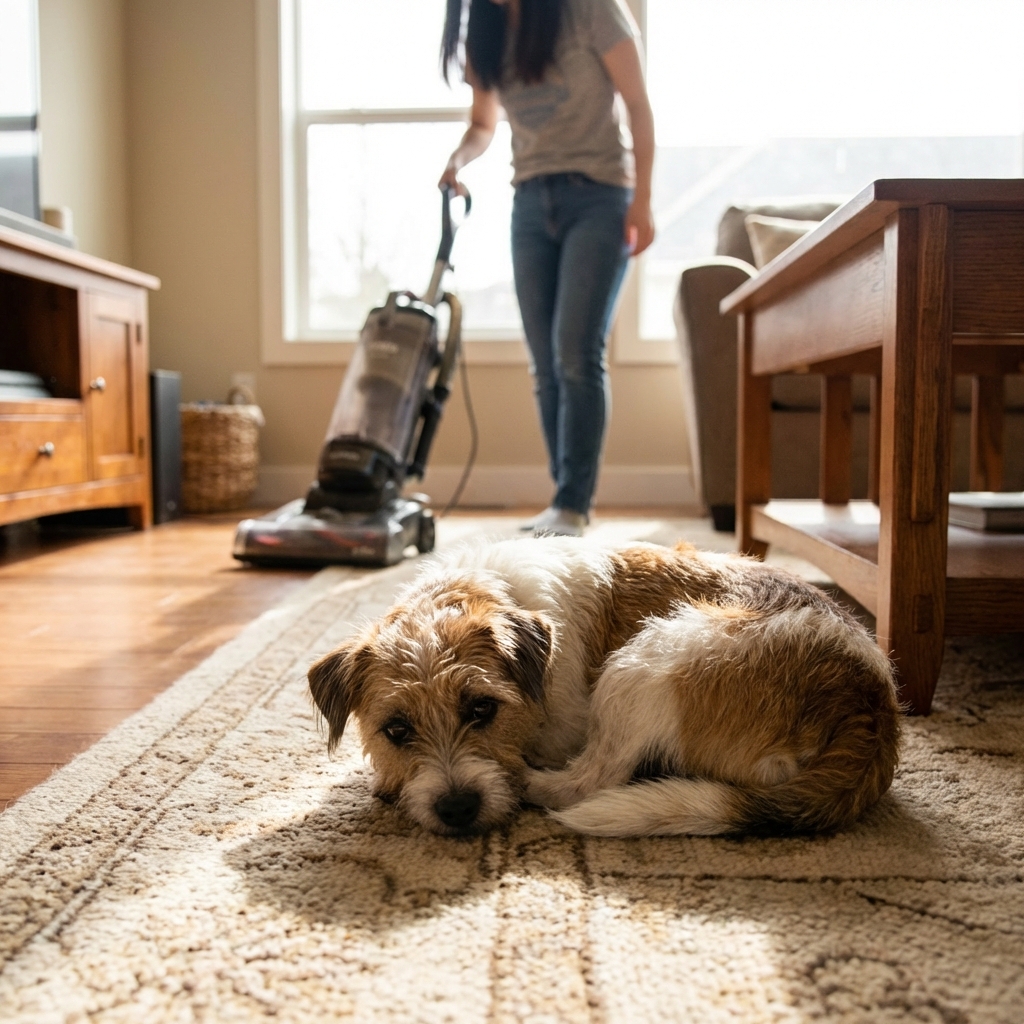
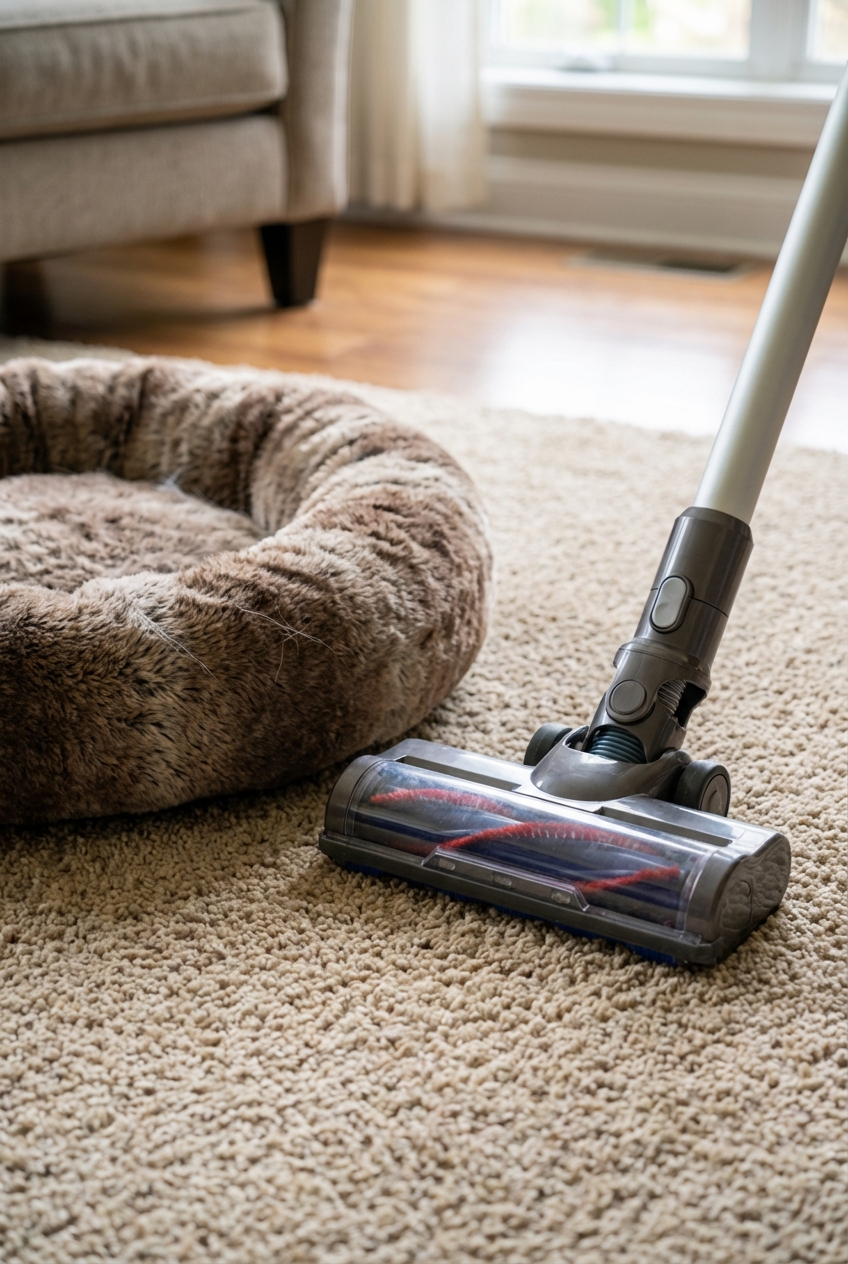
- Vacuum daily for 1 to 2 weeks (carpet, rugs, baseboards, couch seams), then vacuum several times weekly until you stop seeing flea dirt and new bites. Vacuuming helps stimulate pupae to emerge, where they are easier to kill.
- Wash bedding weekly in hot water: cat beds, throw blankets, your bedding if your cat sleeps with you.
- Dry on high heat when fabrics allow. Heat helps kill immature stages.
- Do not forget small “hot spots”: upholstered furniture, pet carriers, and even the car if your cat rides with you. A quick vacuum in these areas can make a real difference.
- Use targeted home treatments only if needed. If you use a spray, choose one labeled for fleas and follow the label exactly. Keep cats, children, and pregnant family members out of treated areas until fully dry and ventilated.
Part 3: Prevent re-infestation for multiple months
Even with perfect cleaning, fleas can continue emerging from pupae for weeks. Pupae can be especially stubborn because they are protected in a cocoon and may wait to emerge until they sense vibration, heat, or a nearby host.
Most households need at least 3 consecutive months of effective flea control on all pets to fully break the cycle, and some need longer depending on climate, home conditions, and exposure.
What about the yard? For many families, treating pets plus indoor cleaning is enough. If you have heavy wildlife traffic (raccoons, feral cats, opossums) or pets spending lots of time outdoors, ask your veterinarian or a pest professional whether a targeted outdoor plan is worth it.
What not to do
Never use dog flea products on cats
This is one of the most dangerous mistakes I see. Some dog products contain ingredients (like certain pyrethroids, including permethrin) that can be toxic to cats and may cause tremors, seizures, or worse. Only use medications that state for cats and match your cat’s weight range.
Do not mix flea treatments
Using a flea collar plus a topical plus a spray can lead to overdosing or chemical interactions. If the product is not working, the fix is usually switching to a better option, not layering more. Your veterinarian can help you choose a safe combination if more than one product is truly needed.
Be cautious with essential oils and “natural” treatments
Many essential oils are irritating or toxic to cats because cats metabolize certain compounds differently than people and dogs. “Natural” does not automatically mean safe, especially for kittens, seniors, or cats with asthma.
How to check your cat for fleas
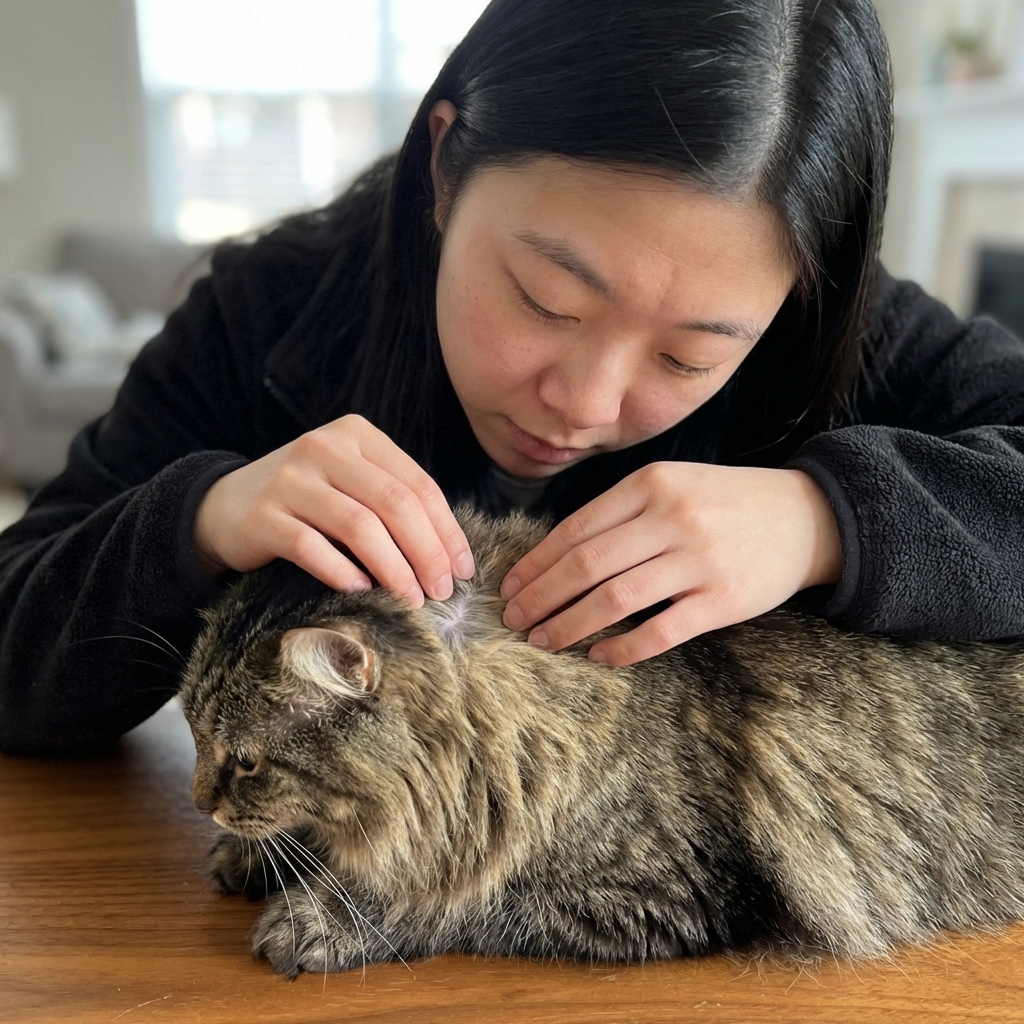
If your cat is itchy, has scabs along the back, or over-grooms the belly and legs, fleas may be involved even if you do not see them immediately.
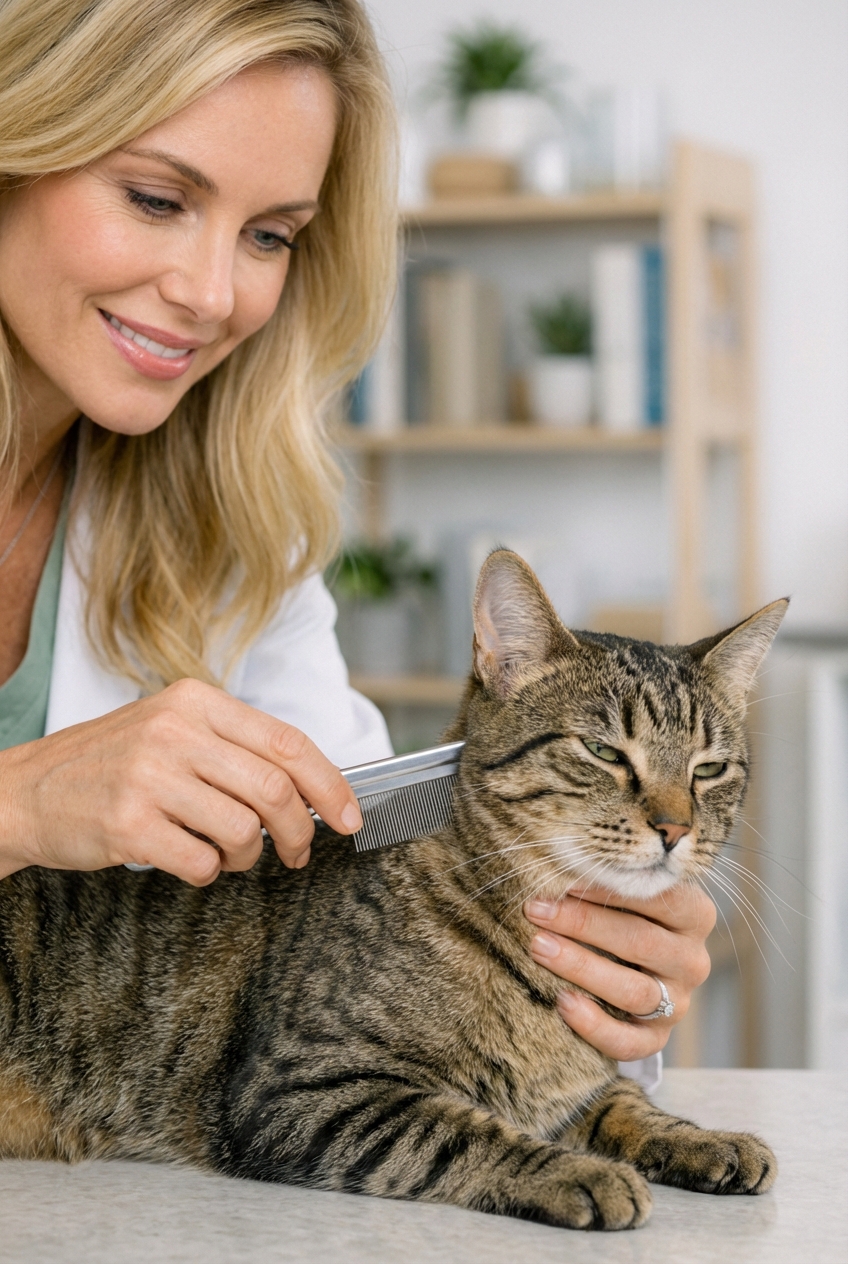
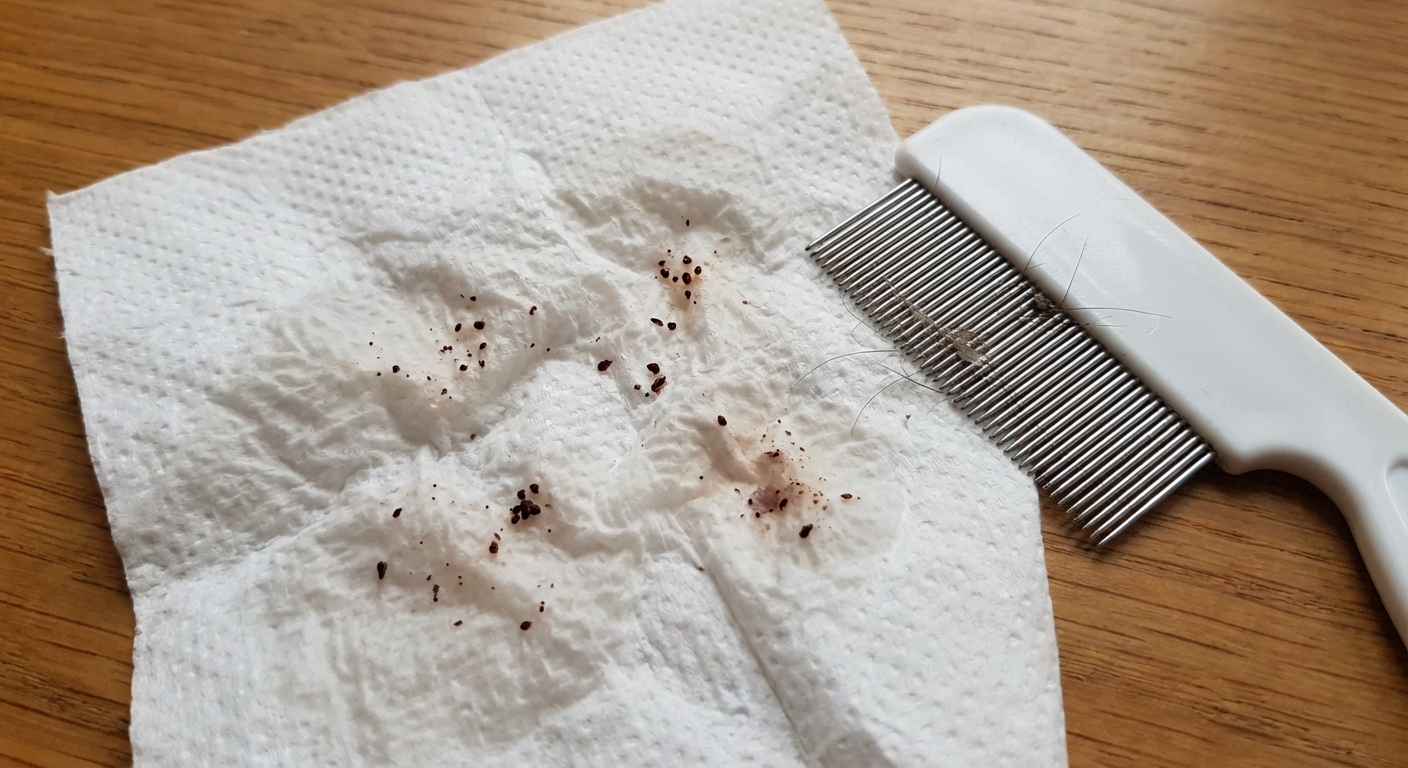
- Use a flea comb around the neck, base of the tail, and lower back.
- Look for flea dirt (tiny black specks). Place the specks on a damp paper towel. If they turn reddish-brown, that is digested blood and strongly suggests fleas.
Special situations
Kittens
Kittens need extra caution. Many flea products have minimum age and weight requirements. For very young kittens, your veterinarian may recommend a flea comb routine and specific kitten-safe treatments. Avoid experimenting with random over-the-counter products.
Senior cats or cats with chronic illness
Choose products with your vet’s guidance if your cat has kidney disease, liver disease, is underweight, or takes other medications. The “best” product is the one that is both effective and appropriate for your cat’s health profile.
Multi-pet homes
To truly win, treat every cat and dog in the household with compatible flea prevention. If one pet is untreated, fleas have a safe place to live and reproduce.
When to call the veterinarian
Please reach out to your vet if you notice any of the following:
- Your cat seems weak, gums look pale, or your kitten is lethargic
- Severe itching, hair loss, open sores, or signs of skin infection
- You keep seeing fleas after 4 weeks of consistent treatment
- Your cat drools, vomits, tremors, or acts “off” after any flea product
Flea control should not feel like a battle you fight alone. Your veterinarian can help you choose an effective product for your region and your cat’s age, weight, and lifestyle.
The simple takeaway
The family-friendly best way to treat fleas on cats is to use a proven cat-safe medication, clean the environment to break the flea life cycle, and stay consistent for multiple months. When you do those three things together, most homes see a major improvement quickly and lasting relief over time.
If you want a gentle place to start today: comb your cat, wash bedding, vacuum thoroughly, and schedule the right flea preventive for your cat. Small steps, done consistently, make a big difference.