Potty training a kitten made simple: when to start, how to set up a low-entry litter box, pick safe unscented litter, prevent accidents, and troubleshoot com...
Article
•
Designer Mixes
Best Way to Litter Train a Kitten

Shari Shidate
Designer Mixes contributor
Bringing home a kitten is pure joy, until you find that first surprise “puddle” behind the couch. The good news is that many kittens learn litter box habits quickly because digging and burying are instinctive. Some kittens need more guidance, especially orphans, bottle babies, and kittens who are stressed, ill, or newly adopted. Your job is to make the right option the easy option, then gently reinforce it every single day.
As a veterinary assistant, I have seen that litter training success usually comes down to a few simple factors: box setup, litter type, location, cleanliness, and knowing when an accident is actually a medical problem. Let’s walk through the must-know facts that help kittens learn fast and help owners stay sane.
Know what’s normal (and what’s not)
Most kittens begin using a litter box with minimal teaching, especially if they were with their mother and littermates long enough to observe the routine. Kittens often start learning elimination habits around 3 to 4 weeks of age, and many may be fairly reliable by 6 to 8 weeks, but it varies.
If your kitten is very young, newly weaned, recently adopted, or stressed from a move, a few accidents can happen even with perfect setup. The key is not punishment, but prevention and consistency.
If a kitten suddenly stops using the box after using it well, treat it like a red flag. Sudden changes often point to stress, pain, or illness, not “bad behavior.”
Note: This is general guidance. Your veterinarian can tailor advice based on your kitten’s age, health history, and household setup.
Step-by-step litter training
1) Choose the right litter box
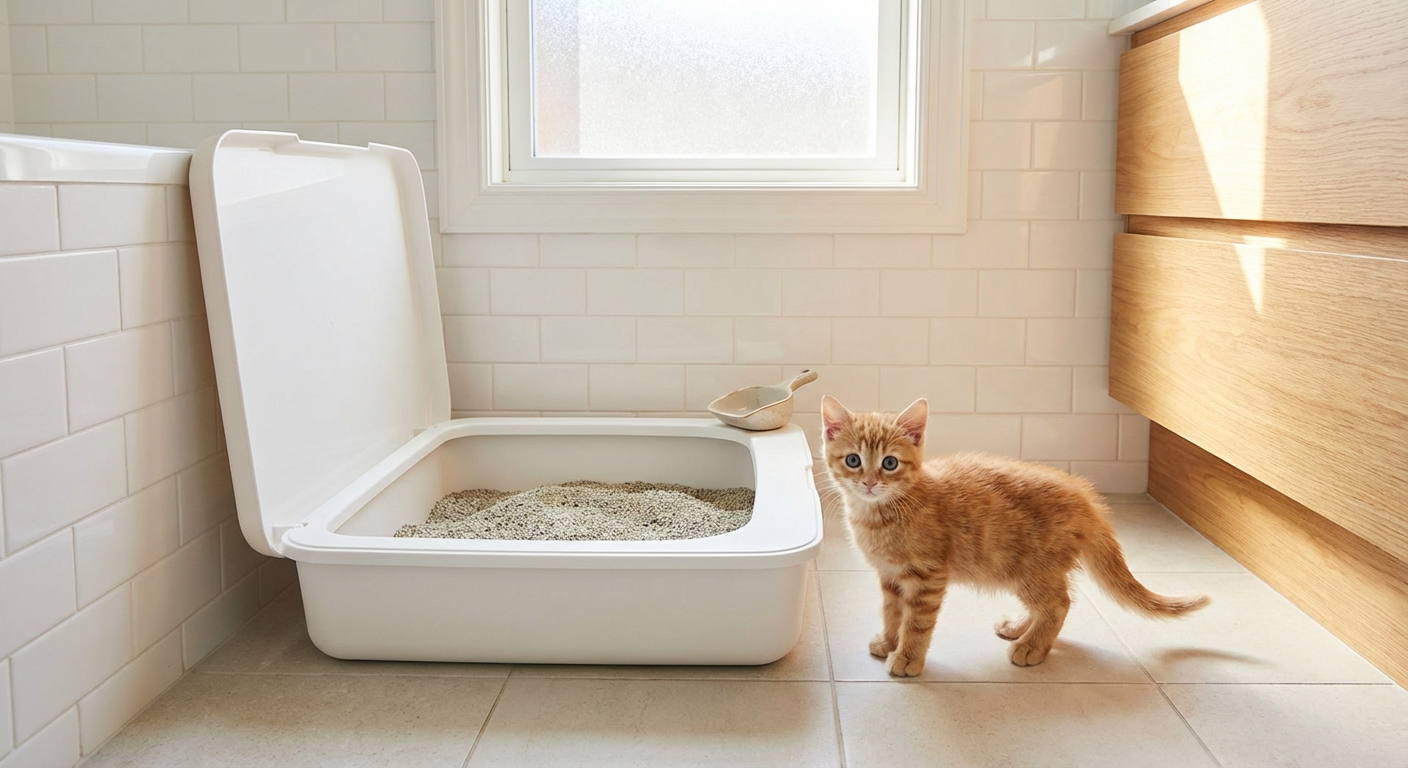
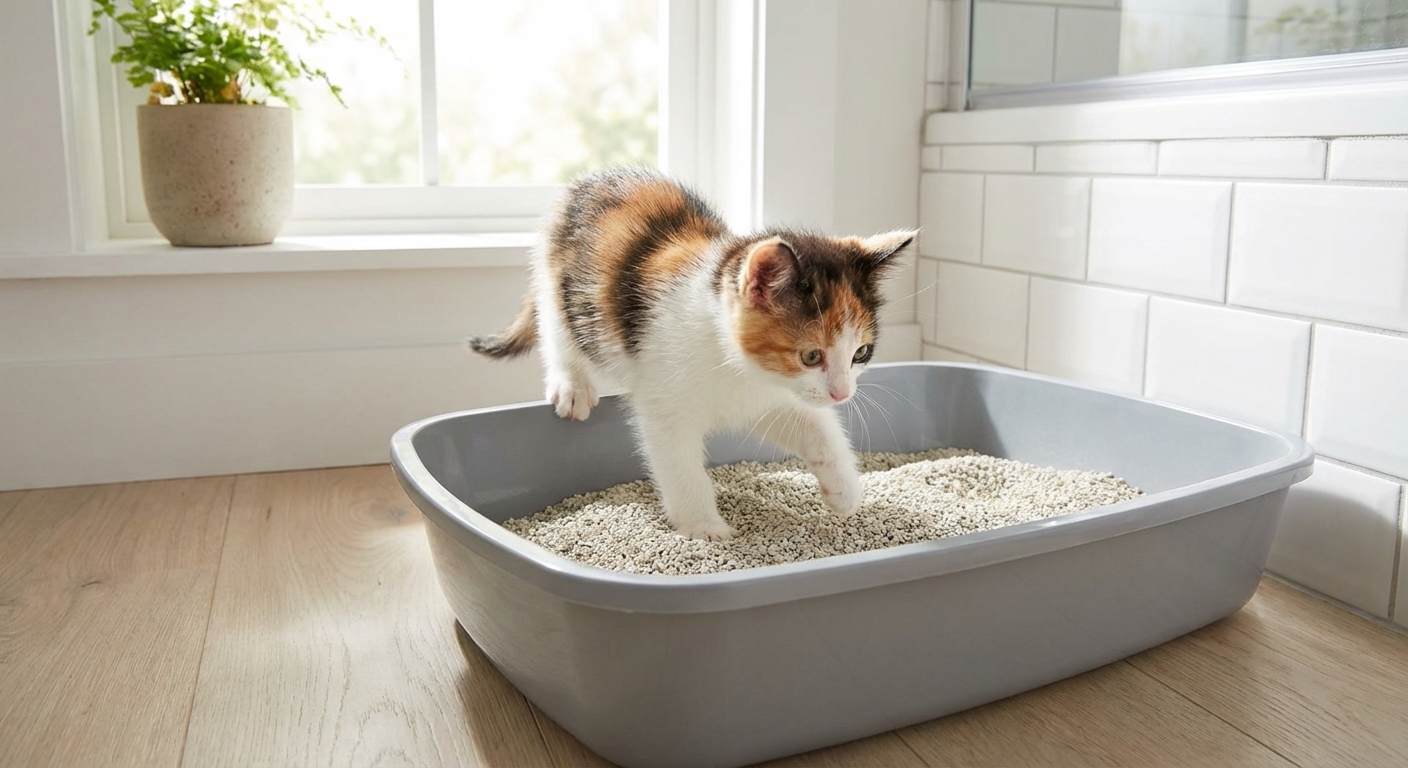
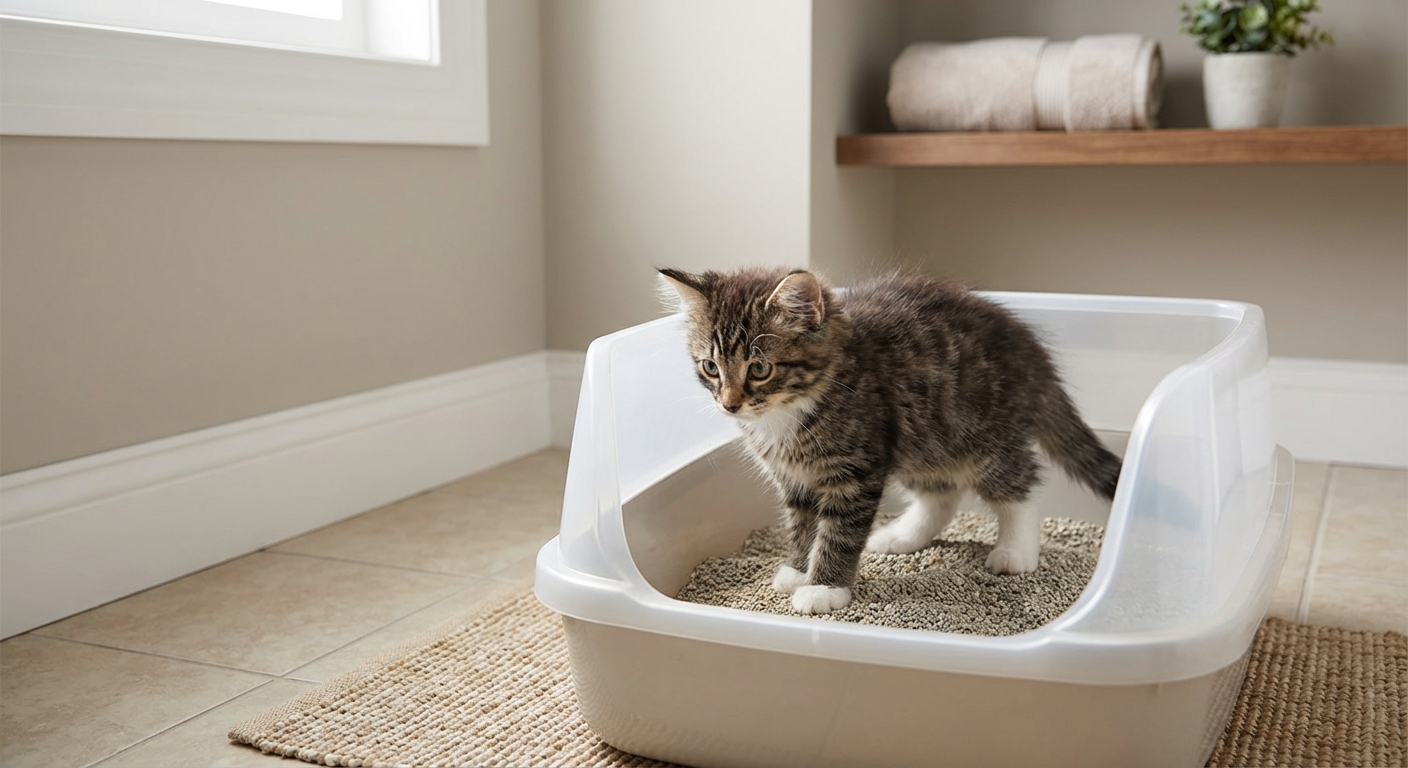
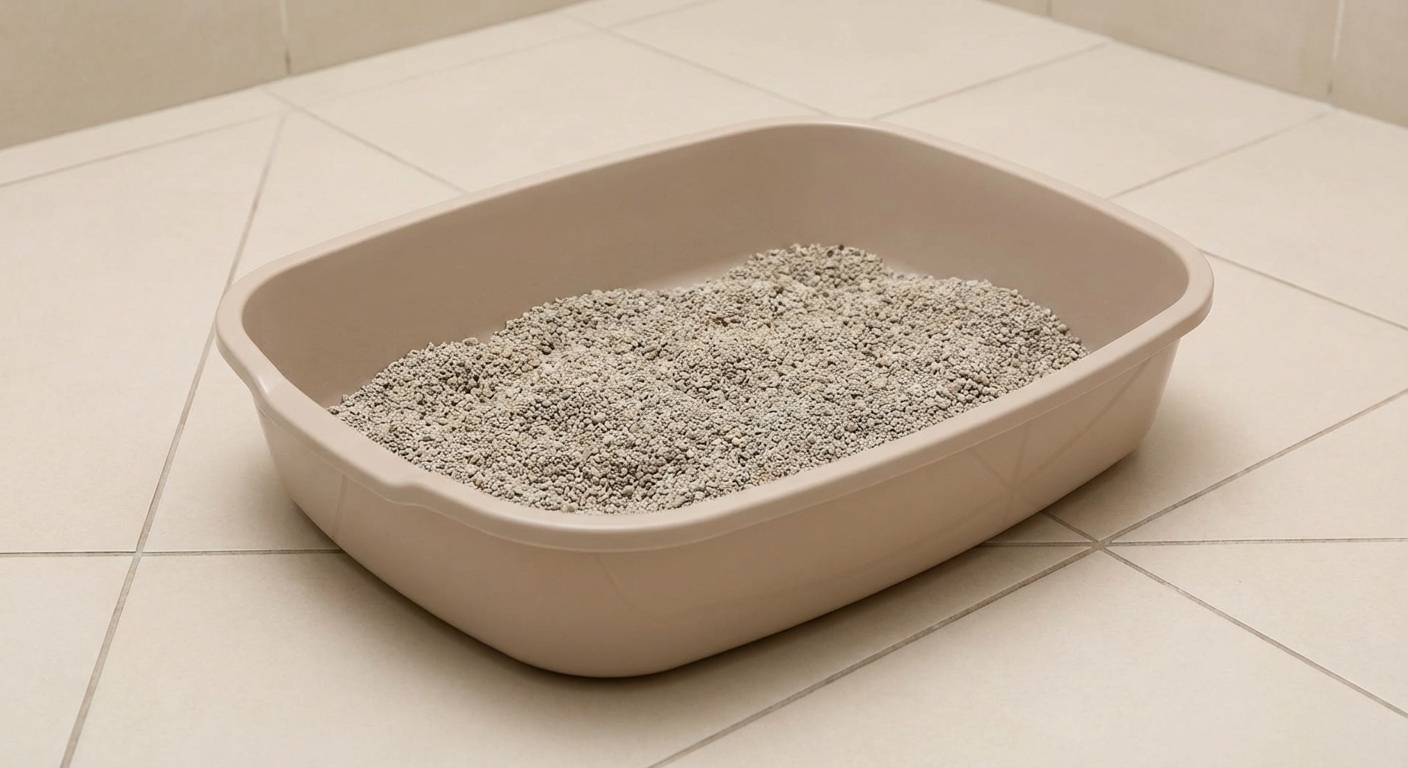
For kittens, smaller and lower is better. If the sides are too tall, a kitten may avoid the box simply because it feels hard to climb into, especially right after waking up.
- Size: A small box is fine at first, but plan to size up as your kitten grows.
- Entry: Low entry or a cut-out front is ideal.
- Covered vs. uncovered: Start uncovered. Covered boxes can feel confining for some kittens and may retain odors if they are not cleaned frequently or well ventilated.
2) Pick a kitten-friendly litter
Litter choice is not one-size-fits-all, and age matters.
- Very young kittens or “tasters”: Many rescues and veterinary teams prefer non-clumping litter for very young kittens (often under about 8 to 10 weeks, or any kitten that tries to eat litter) to reduce risk if swallowed.
- Older kittens: Once your kitten reliably stops tasting litter, many households do well with unscented clumping litter for easier scooping.
If you are unsure what is safest for your kitten’s age and habits, ask your veterinarian. When in doubt, choose unscented and low-dust.
- Avoid strong fragrances: A kitten’s nose is sensitive, and scented litter can be a deal-breaker.
- Go soft on paws: Fine-grain litter often feels more comfortable for kittens.
- Watch the dust: Dusty litter can irritate eyes and airways.
3) Put the box in the right location
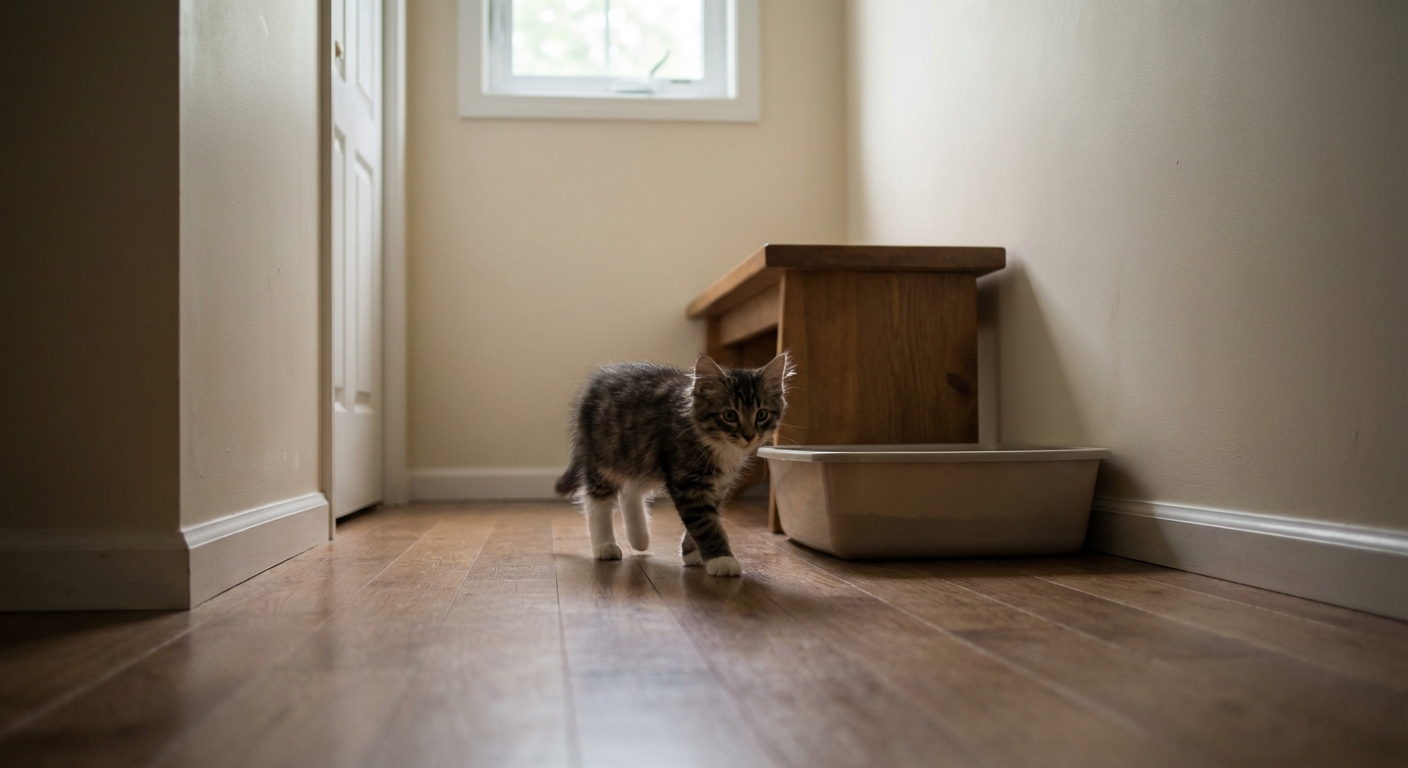
Location can make or break training. Think quiet, easy access, and low stress.
- Choose a calm spot away from loud appliances.
- Keep it away from food and water bowls.
- Avoid dead ends where another pet can “ambush” a kitten.
- Make sure your kitten can reach it quickly, especially after naps.
- Ensure 24/7 access (for example, do not put it behind a door that might be closed).
- Avoid tight, poorly ventilated spots like cramped closets.
4) Use the “after meals, after naps” routine
Kittens often need to go soon after eating and after waking up. For the first week, gently place your kitten in the litter box:
- right after meals
- right after naps
- after energetic play
Let them sniff and step around. If they hop out, calmly return them once or twice. If they still want out, do not force them. Try again later.
5) Reward immediately and quietly
When your kitten uses the box, reward them right away. This can be a tiny treat, gentle praise, or a quick play session. Keep it calm. You want “box use” to feel safe and positive, not like a big event that startles them mid-squat.
6) Clean accidents the right way
Accidents happen. How you clean matters because lingering scent can invite repeat offenses.
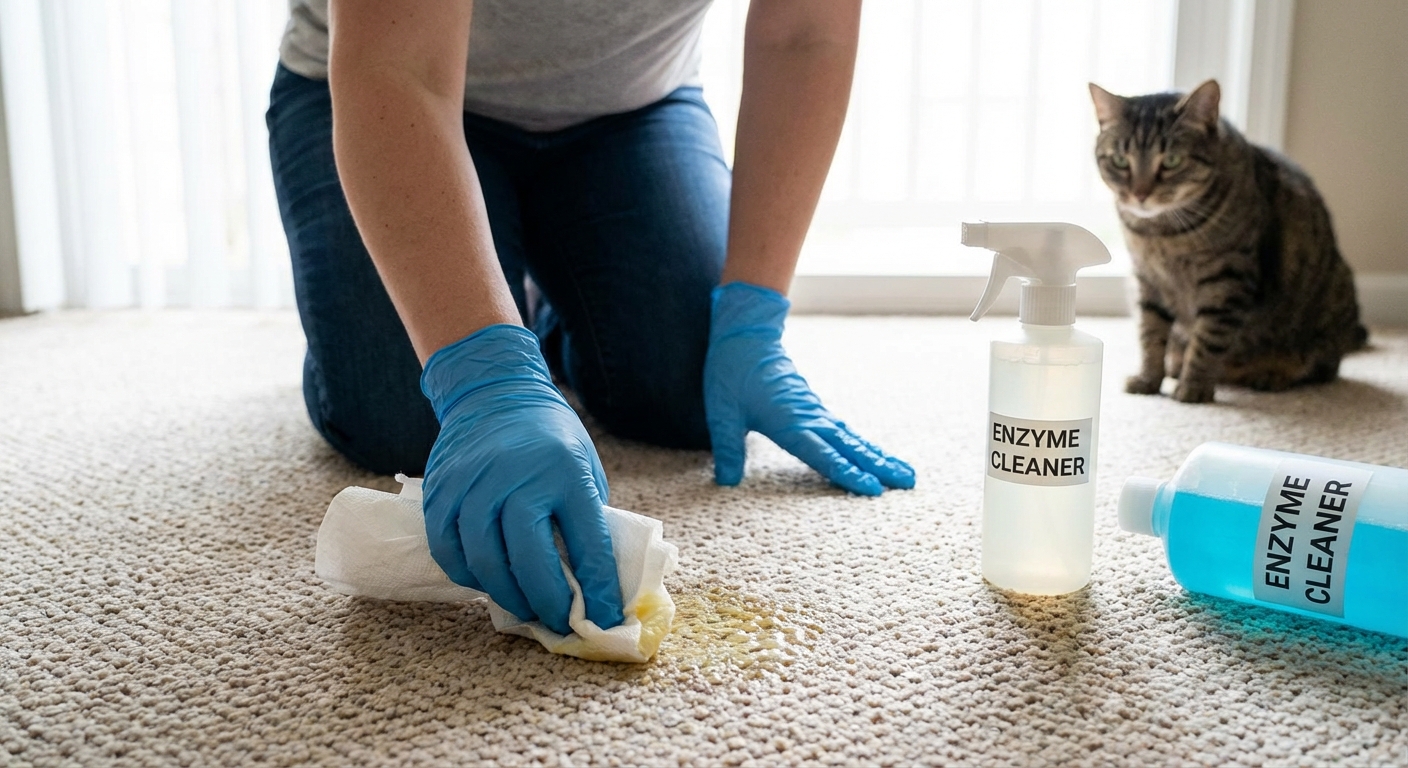
- Blot urine first (do not rub it deeper).
- Use an enzymatic cleaner designed for pet urine.
- Avoid ammonia-based cleaners since they can smell like urine to pets.
If your kitten has an accident in a specific area, a helpful short-term fix is to place a litter box near that spot while they relearn the routine. You can also temporarily go back to a smaller “kitten zone” for a day or two to rebuild consistency.
Never rub your kitten’s nose in it and never punish. Punishment increases fear and can create avoidance, making litter training harder.
How many litter boxes?
A widely recommended guideline among feline professionals is one box per cat, plus one extra. Even for a single kitten, having two boxes (especially in a larger home) can prevent accidents while they are learning.
- In a multi-level home, add a box on each level.
- In a multi-pet home, offer boxes in more than one location to reduce stress and guarding.
Keep it clean
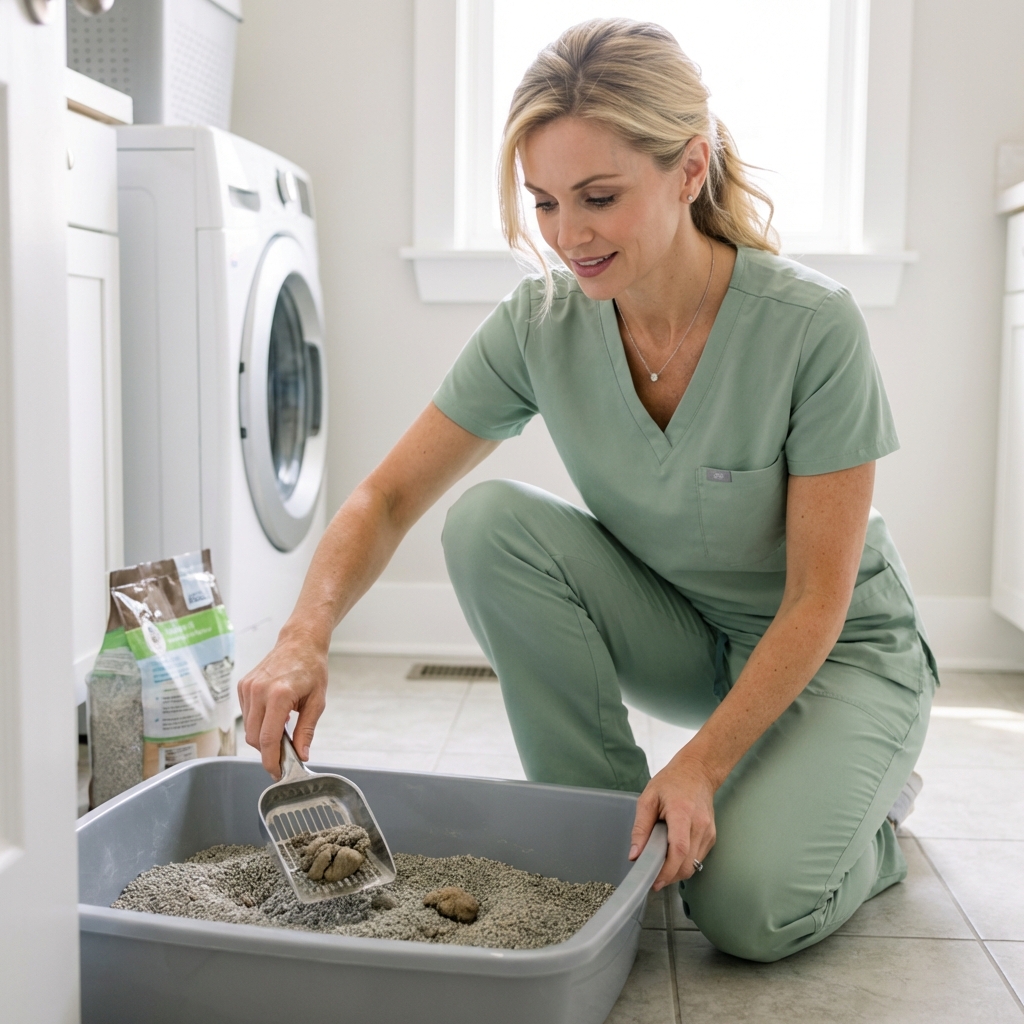
Kittens may refuse a dirty box, and frankly, most adult cats will too. Keeping the box clean is one of the fastest ways to build good habits without doing anything fancy.
- Scoop: 1 to 2 times daily (more is even better during training).
- Litter depth: Keep enough for digging, usually about 2 to 3 inches.
- Wash the box: About weekly, or every 2 weeks depending on your litter type and how well it controls odor.
When you wash, use mild soap and rinse well. Avoid strong-smelling cleaners that can linger. If a box seems “impossible” to deodorize even with good cleaning, it may be time to replace it.
Why kittens avoid the box
If your kitten is missing the box, try to think like a detective. The “why” is usually fixable.
Box issues
- Box too tall or too small
- Box placed in a noisy or high-traffic area
- Covered box feels confining
- Not enough boxes, especially in a bigger home
Litter issues
- Strong scent or deodorizer
- Texture feels uncomfortable
- Too much litter dust
Stress and environment
- New home or recent move
- Conflict with another cat or dog
- Kids accidentally cornering or carrying the kitten too much
- Resource tension in multi-cat homes (not enough boxes, feeding stations, or quiet resting spots)
Medical problems (important)
If accidents continue beyond the first adjustment period, or if you notice any of the signs below, contact your veterinarian promptly:
- Frequent trips to the box with little output
- Crying, straining, or discomfort
- Blood in urine or stool
- Diarrhea or very soft stool
- Urinating outside the box suddenly after doing well
- Lethargy, poor appetite, vomiting
Kittens can develop parasites, diarrhea from diet changes, and urinary issues. Any kitten can become sick quickly. Urinary blockage is an emergency and is more common in males overall, even though true blockage is less common in very young kittens than in adult male cats.
Tips that make it easier
Start with a small “kitten zone”
For the first few days, set up a small safe room (like a bathroom or spare bedroom) with:
- litter box
- food and water (far from the box)
- bed
- scratch pad
Once litter box use is consistent, gradually expand access to the rest of the home.
Try a gentle attractant if needed
If your kitten is confused, a commercial litter attractant can help. It is not magic, but it can speed up learning for some kittens, especially those who were raised without a stable litter routine.
Keep routines predictable
Kittens thrive on consistency. Feeding on a regular schedule often leads to more predictable bathroom timing, which makes training easier.
Quick checklist
- Low-sided, easy-entry box
- Unscented litter with a comfortable texture (age-appropriate)
- Quiet location with easy access and 24/7 availability
- Scooped daily (at minimum)
- Two boxes if your home is large or multi-level
- Positive reinforcement, no punishment
- Vet check if accidents are frequent or sudden
When to call the vet
If your kitten is not improving within a week of consistent setup, or if there are any signs of pain, diarrhea, or urinary straining, it is time to call. Litter box avoidance is one of the most common ways cats tell us something is wrong, and catching health problems early is always kinder and easier.
With a clean box, the right litter, and a calm routine, most kittens settle into solid litter habits quickly. You do not need harsh training. You just need a setup your kitten understands and wants to use.