Get rid of cat fleas safely with a proven plan: confirm flea dirt, comb effectively, use vet-recommended preventives, and clean your home for 2–8 weeks to ...
Article
•
Designer Mixes
Best Way To Get Fleas Off A Cat

Shari Shidate
Designer Mixes contributor
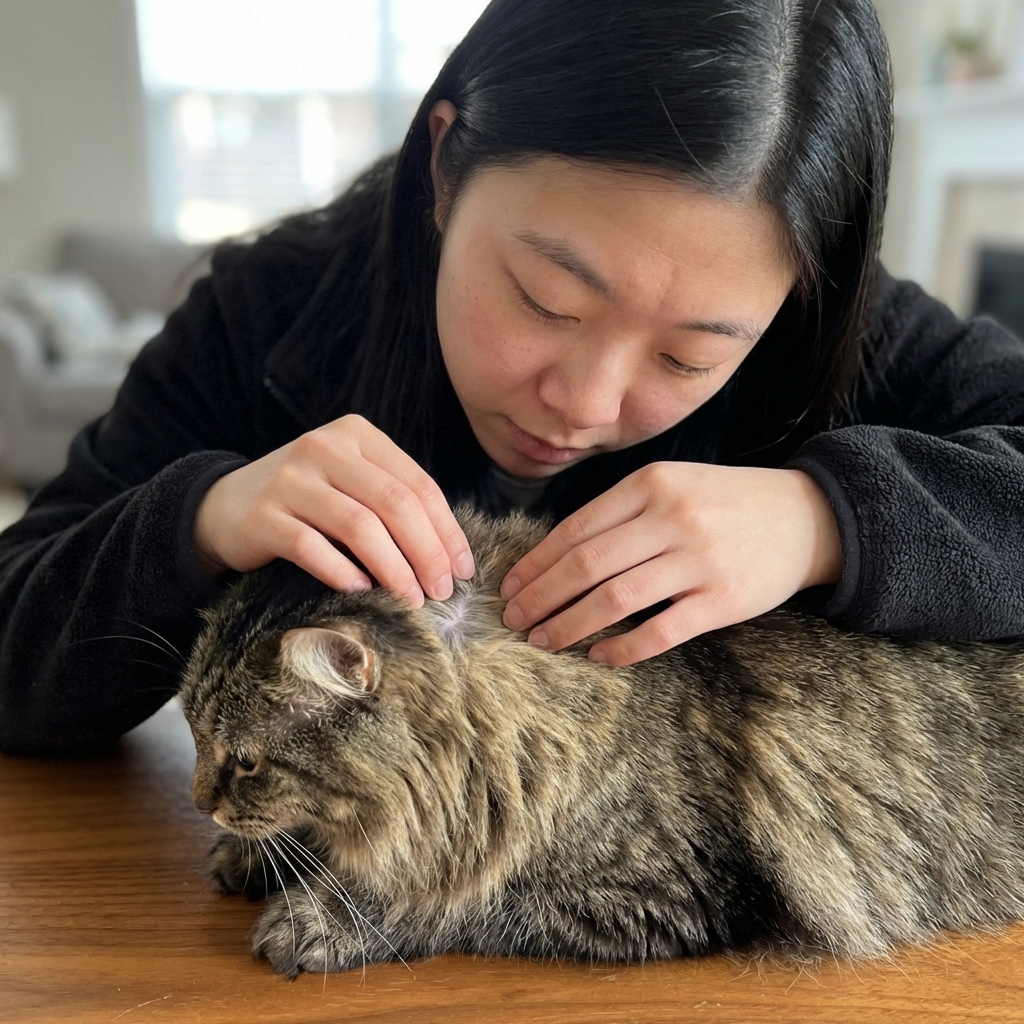
Fleas can turn even the sweetest cat into an itchy, stressed-out pet fast. And because cats are expert groomers, you might not see many adult fleas at all. What you will see is scratching, scabs around the neck and lower back, “flea dirt” (tiny black specks), and sometimes hair loss. The good news is that the best way to get fleas off a cat is not a single trick. It is a simple, evidence-based plan that treats your cat and your home at the same time.
Quick check: Is it really fleas?
Before you start treating, confirm what you are dealing with. Fleas can be obvious, but many cats swallow them while grooming. Also, a cat can be very itchy from flea allergy dermatitis, where even a few bites trigger major scabbing and over-grooming.
Look for these signs
- Flea dirt: pepper-like black specks near the tail base, belly, or neck.
- Red bumps or scabs: often around the neck and along the back.
- Excessive grooming or sudden sensitivity when you touch certain areas.
The wet paper towel test
Comb your cat over a white paper towel, then add a few drops of water. If the black specks turn reddish-brown, that is digested blood and strongly suggests fleas.
If you never find fleas or flea dirt and your cat stays itchy, talk with your veterinarian. Mites, ringworm, skin infections, and allergies can look similar.
The best way to get fleas off a cat
In veterinary practice, the most reliable approach is a three-part combo: (1) safe flea removal now, (2) a vet-approved flea preventive, and (3) environmental cleanup. Doing only one piece usually leads to a repeat infestation.
Step 1: Remove fleas right away
If your cat seems otherwise well, start with hands-on removal. This helps immediately, even before preventive medication fully kicks in.
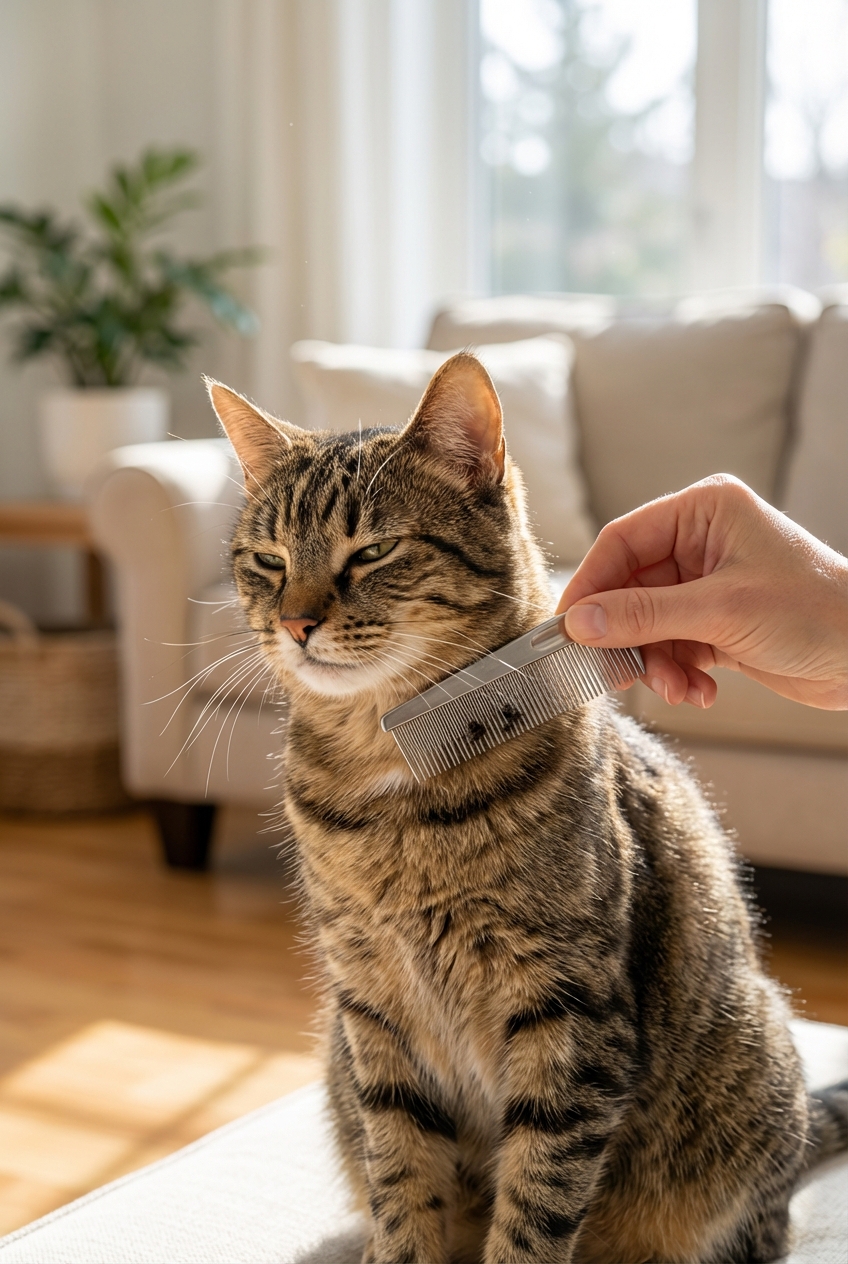
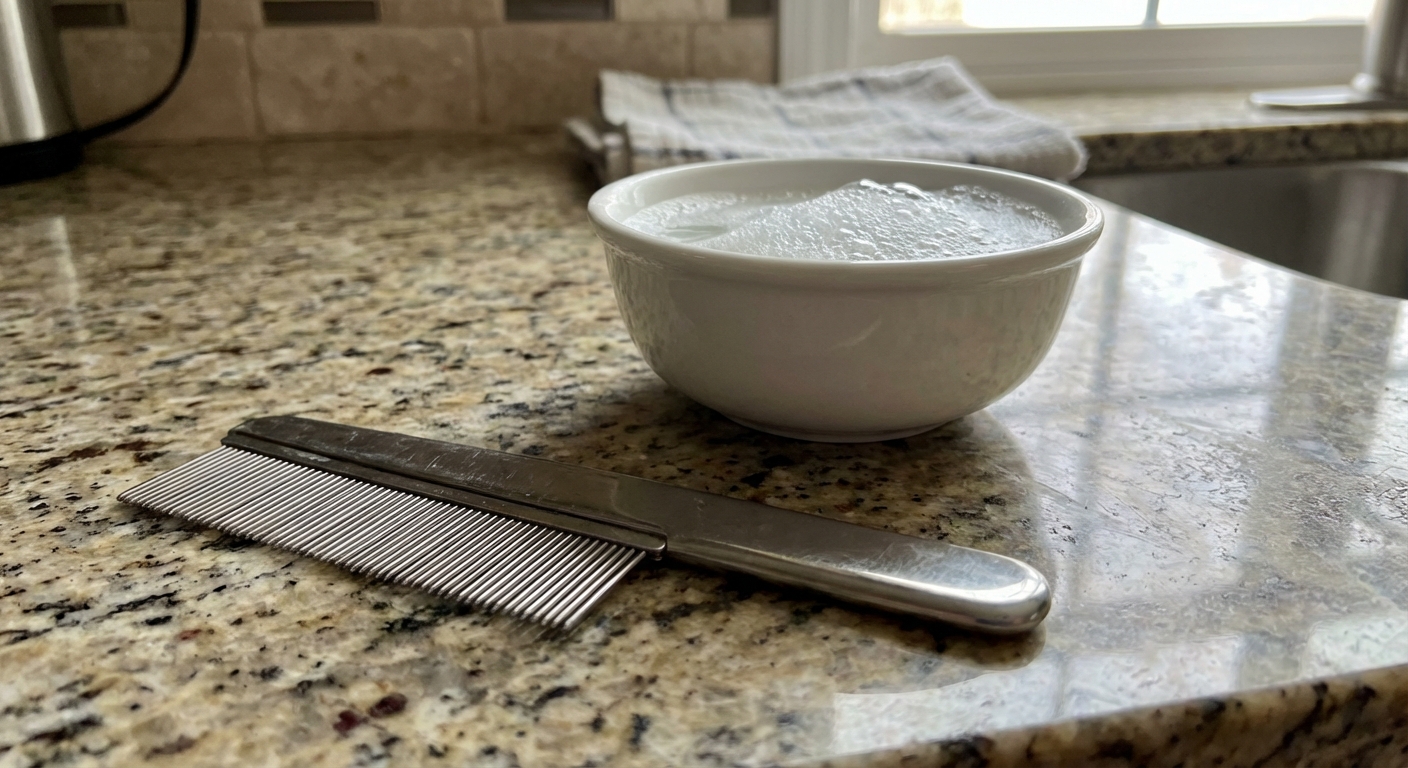
- Use a flea comb (fine-toothed). Focus on the neck, under the chin, armpits, groin, and base of the tail.
- Dunk the comb into a bowl of warm water with a small amount of dish soap to kill fleas you catch.
- Keep sessions short and offer a treat afterward to reduce stress.
- Repeat daily for several days, especially if you are seeing flea dirt.
Step 2: Start a proven flea medication
Flea combing helps, but it is not enough by itself. The most effective flea control comes from cat-specific preventives that kill adult fleas and help stop the life cycle. Many modern products start killing quickly and keep working for weeks.
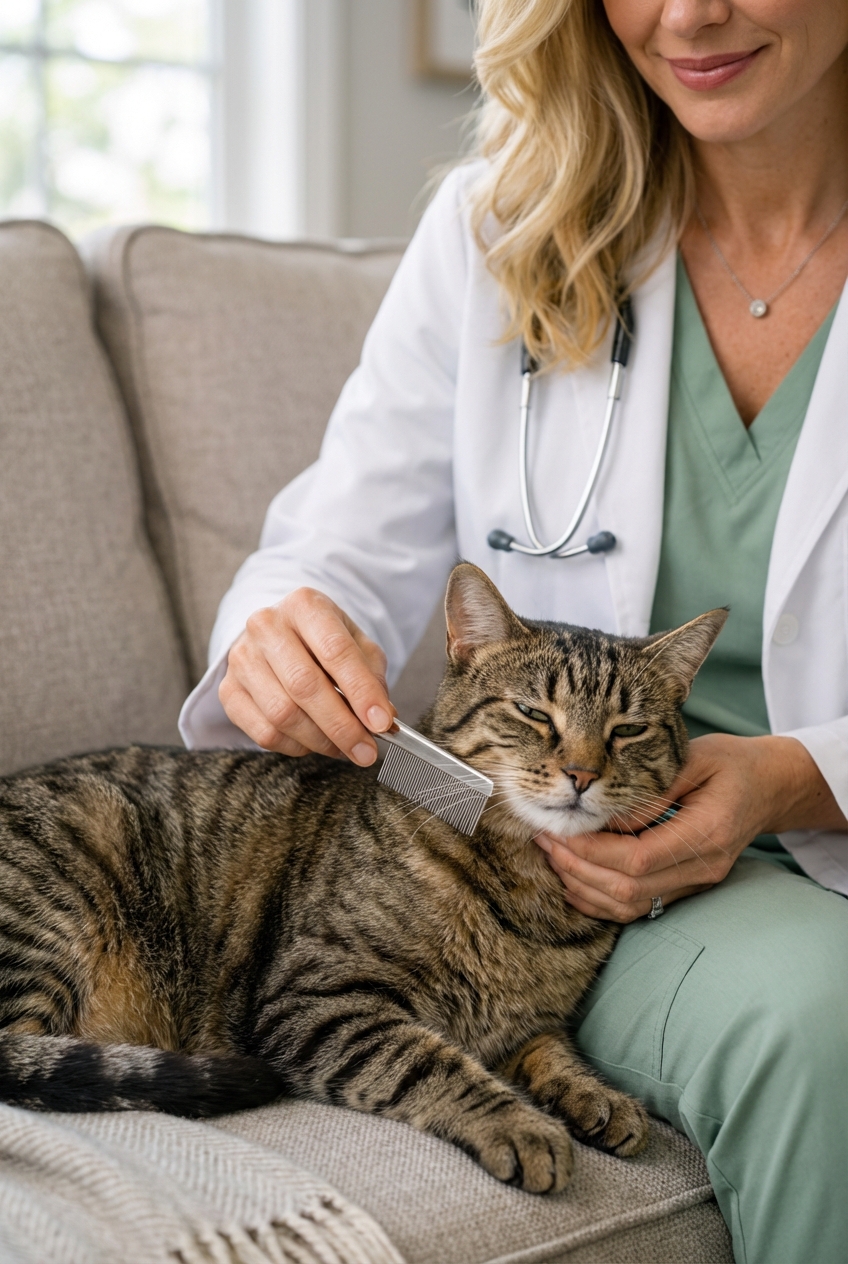
Best practice: call your veterinarian for a recommendation based on your cat’s age, weight, health history, and household needs. If you have multiple pets, treat every cat and dog in the home with an appropriate product, even if only one pet seems itchy.
- Topical monthly treatments are common and easy.
- Oral options may be available for some cats and can work fast. Some oral adult flea killers work quickly but may not cover every life stage, so environmental cleanup and consistent prevention still matter.
- Prescription products are often the most dependable, especially if over-the-counter options have failed.
Tip: Follow label directions closely. Bathing too soon before or after some topical products can reduce effectiveness, and timing varies by brand.
Step 3: Clean the environment
Fleas are not just on your cat. Much of the flea population is in your home as eggs, larvae, and pupae. That is why infestations come back even when it feels like you “got them all.”
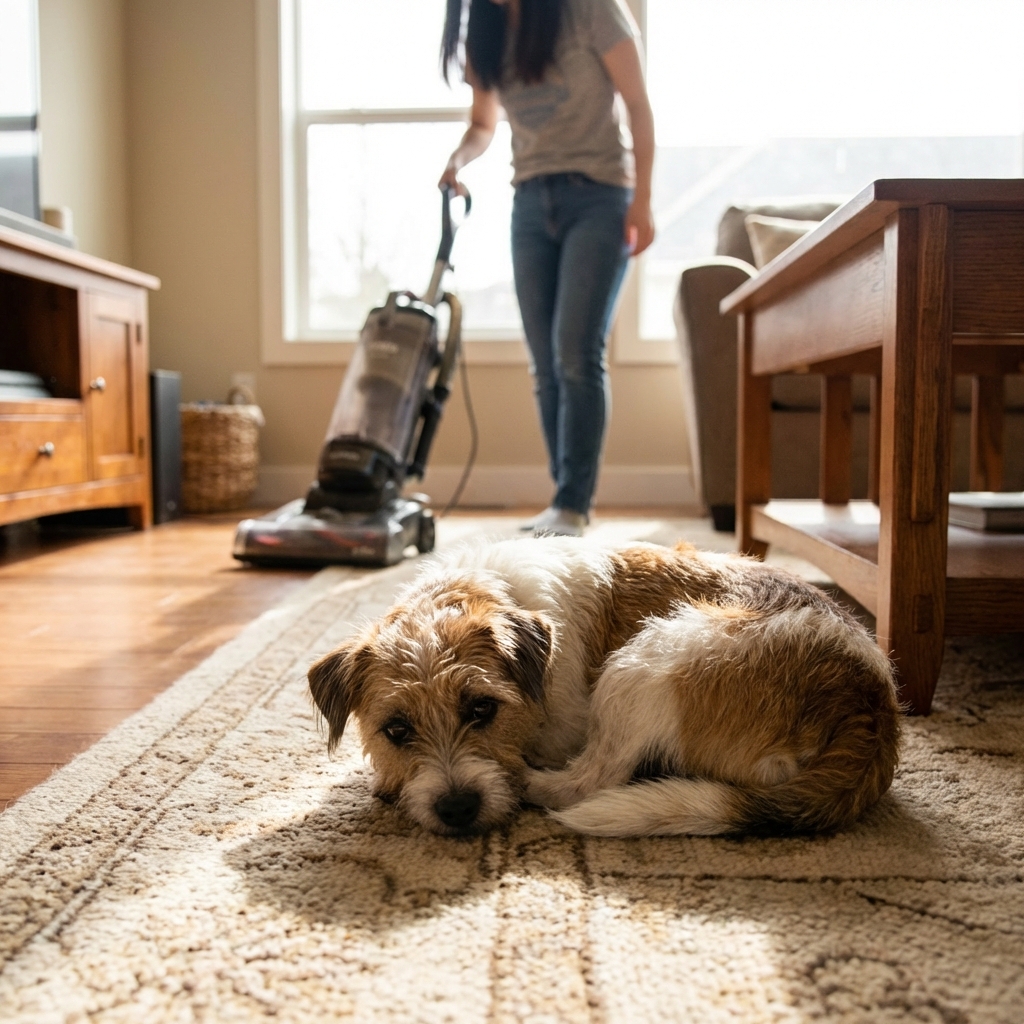
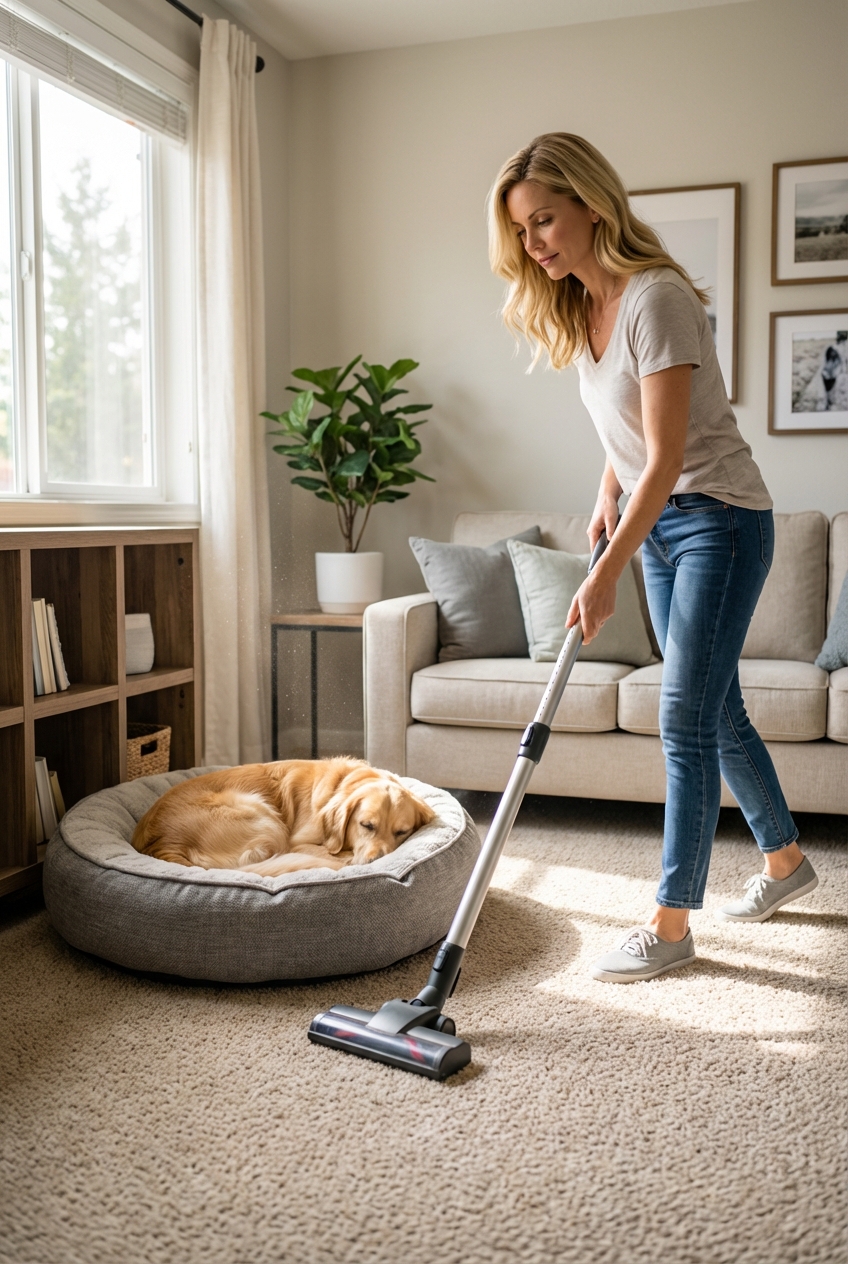
- Vacuum daily for 1 to 2 weeks (carpet, rugs, baseboards, couch cushions, under furniture), then vacuum several times weekly until you have no signs for a few weeks. Empty the canister immediately, or seal the vacuum bag, and put the waste in an outdoor trash bin.
- Wash bedding (pet beds, blankets, your bedding if your cat sleeps with you) in hot water and dry on high heat.
- Focus on favorite nap spots. That is where flea eggs fall off the coat.
If the infestation is heavy or keeps coming back, ask your veterinarian about pet-safe environmental options (for example, an insect growth regulator) or consider professional pest control. Always keep cats away from treated areas until everything is fully dry and safe, and follow product directions closely.
What to avoid
It can be tempting to reach for whatever is on the shelf, but cats are sensitive to many chemicals. A few missteps can cause serious harm.
- Never use dog flea products on cats. Some contain permethrin and can be life-threatening to cats.
- Avoid essential oils for flea control. Many are irritating or toxic to cats, even when “diluted.”
- Be cautious with flea shampoos. Shampoo can remove fleas you see, but it rarely provides lasting control and can stress cats out.
- Collars are product-dependent. Some modern flea collars can be effective, but safety and results depend on the active ingredient, proper fit, and whether your cat tolerates wearing a collar. Ask your vet which options make sense for your household.
Special situations
Fleas are more than a nuisance for certain cats.
Kittens
Young kittens can become anemic quickly from flea feeding. If you see lots of fleas on a kitten, or pale gums, weakness, or lethargy, contact a veterinarian urgently. Ask before using any medication because age and weight minimums matter.
Seniors and sick cats
Use extra caution with any treatment, including baths, because stress and temperature changes can hit seniors harder. Your veterinarian can help you choose the safest product and timing.
Call a vet right away
- Pale gums, weakness, or rapid breathing
- Open sores, severe scabbing, or facial swelling
- Vomiting, drooling, tremors, or wobbliness after any flea product
How long it takes
With a good preventive and consistent cleaning, most households improve quickly, but full control often takes several weeks. Flea pupae can stay protected in the environment, then hatch later. That does not mean the treatment failed. It means the life cycle is catching up.
If you are doing consistent, correct flea control (treating all pets plus cleaning) and your cat is still itchy after about 4 to 6 weeks, schedule a vet visit to check for other causes and secondary skin infections.
Stick with the plan and keep your cat on a veterinarian-recommended preventive during flea season, and often year-round in warm climates.
At-home checklist
- Confirm fleas using a flea comb and the wet paper towel test
- Comb daily and dispose of fleas in soapy water
- Start a cat-safe flea preventive (treat all pets in the home)
- Vacuum daily for 1 to 2 weeks, then several times weekly until resolved
- Wash bedding weekly until you have no signs for a few weeks
- Call your vet if your cat is a kitten, seems weak, reacts to a product, or stays itchy after 4 to 6 weeks
Flea control works best when you treat the pet and the home together. That is the difference between short-term relief and long-term success.