Make meals more tempting and nutritious with simple dog food toppers: bone broth, cooked eggs, sardines, pumpkin, and steamed veggies—plus portions, storag...
Article
•
Designer Mixes
Best Vegetables for Dogs

Shari Shidate
Designer Mixes contributor
As a veterinary assistant here in Frisco, Texas, I hear this all the time: “I want to add healthier foods, but I’m not sure what vegetables are actually safe for my dog.” You’re not alone. The good news is that the right veggies can be a simple, budget-friendly way to support digestion, weight management, and long-term health. The key is choosing dog-safe vegetables and preparing them in a way your dog can actually use (think steamed, finely chopped, or pureed instead of big raw chunks).
Why vegetables matter for dogs
Dogs are omnivores, meaning they can benefit from a variety of foods. Vegetables are not meant to replace protein, but they can add fiber, phytonutrients, and key vitamins and minerals. And while veggies are not “magic,” some studies suggest dogs may benefit when certain vegetables are included regularly as part of a balanced diet.
- Fiber supports healthy stools and can help some dogs feel fuller between meals.
- Antioxidants help reduce oxidative stress, which matters for aging and immune support.
- Low-calorie, high-volume foods can help dogs feel satisfied with fewer calories.
Practical rule of thumb for most healthy dogs: keep all extras (treats, toppers, and table foods including vegetables) to no more than 10% of total daily calories so you do not unbalance a complete diet. If your vet has your dog on a therapeutic plan, follow that guidance instead.
Must-know rules before you add veggies
1) Cooked usually beats raw
Most dogs digest lightly cooked, steamed, or pureed vegetables better than raw. Cooking breaks down tough plant cell walls so your dog can absorb more nutrients. Raw is not “bad,” but it is often less useful and may cause gas or loose stool in sensitive pups.
2) Keep it plain
Skip butter, salt, garlic powder, onion powder, sauces, and seasoning blends. Many spice mixes contain onion or garlic, and onions are toxic to dogs. Also go easy on oils and fatty add-ins since rich foods can trigger stomach upset in some dogs.
3) Start small and go slow
When introducing any new food, start with a teaspoon or two (for small dogs) or a tablespoon (for larger dogs), then increase gradually over a week while watching stool quality and comfort.
4) Cut it small for safety
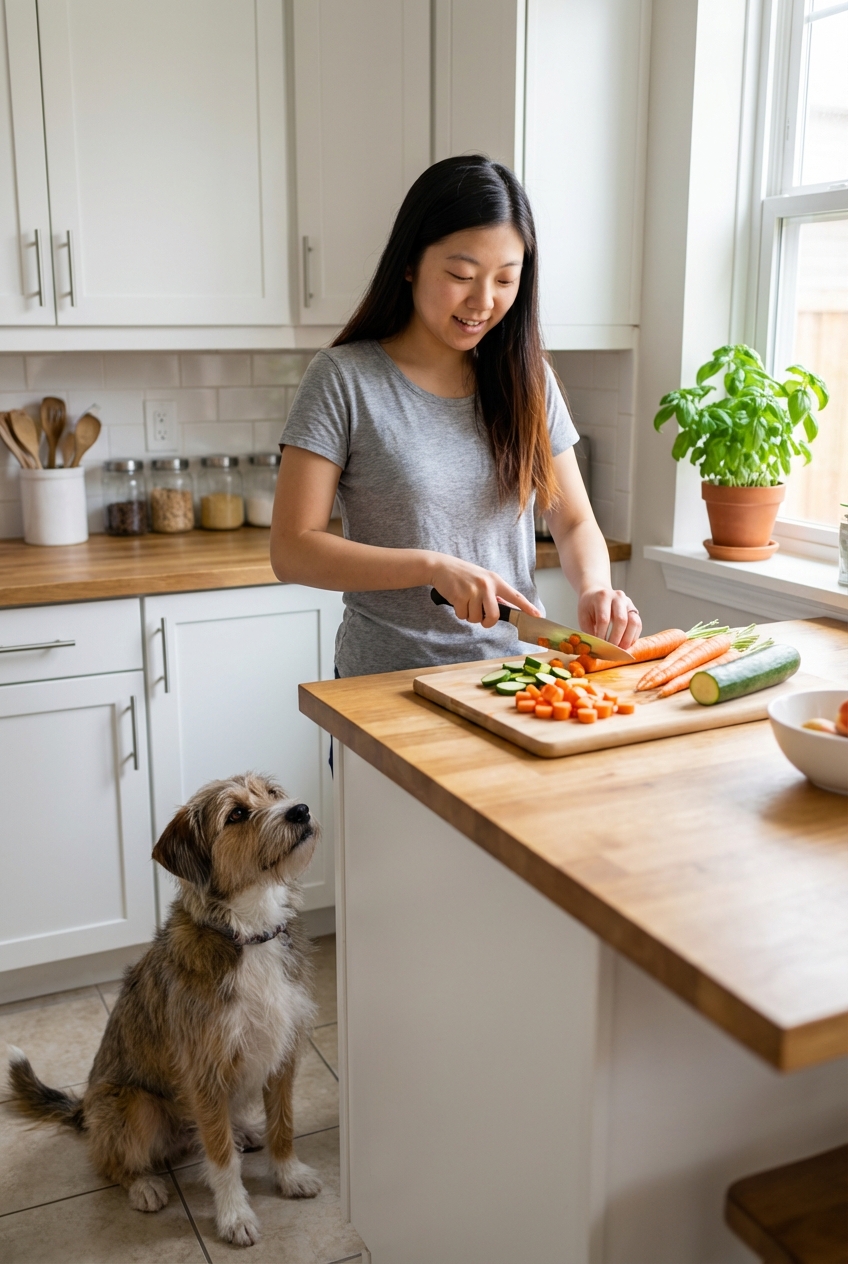
Chop vegetables into bite-sized pieces for your dog’s mouth, especially for small dogs and enthusiastic gulpers. Hard raw chunks (like big carrot coins) can be a choking risk if your dog tries to swallow without chewing.
5) Balance matters
Vegetables are supportive, but they do not make a diet “complete.” If you are feeding homemade meals regularly, ask your veterinarian about meeting essential needs like calcium, essential fatty acids, and key vitamins.
Best vegetables for dogs
These options are widely considered dog-safe when prepared plainly and served in appropriate portions. This list is not exhaustive. If your dog has a medical condition (kidney disease, diabetes, bladder stones, pancreatitis, GI disease), check with your veterinarian first because “healthy” can look different depending on the diagnosis.
1) Carrots
Carrots are crunchy, mildly sweet, and easy to portion. They are a great training treat alternative for many dogs.
- Benefits: fiber, beta-carotene (vitamin A precursor)
- Best prep: steamed slices, shredded raw (if tolerated), or frozen carrot sticks for supervised chewing
- Watch-outs: still contains natural sugars, so portion matters for dogs with weight or blood sugar concerns
2) Green beans
Green beans are a classic “volume” veggie for weight support and can be very gentle on the digestive system.
- Benefits: fiber, low calorie
- Best prep: steamed or canned no-salt-added, chopped for small dogs
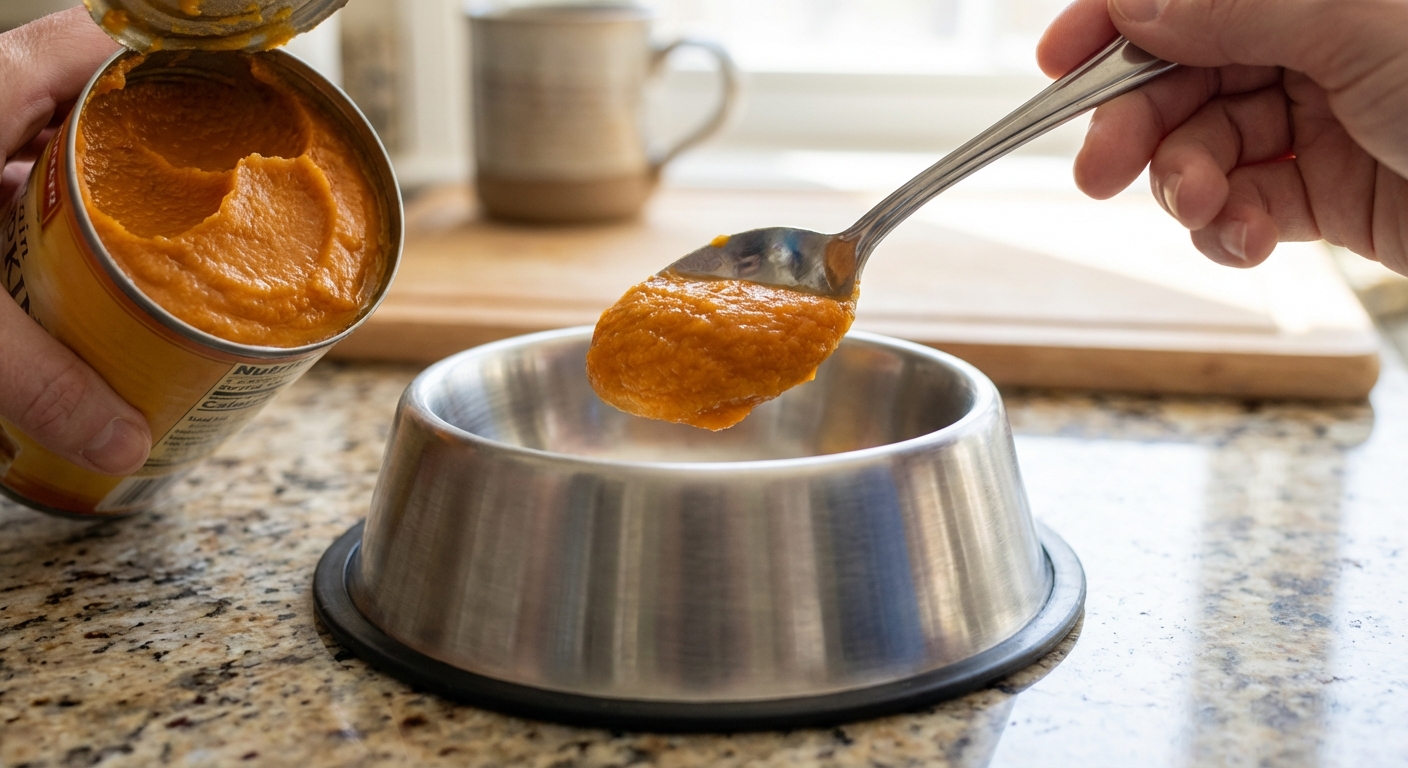
3) Pumpkin (plain)
Plain pumpkin is one of my go-to suggestions for mild stool issues because it adds soluble fiber. Choose 100% pumpkin, not pumpkin pie filling.
- Benefits: soluble fiber for stool consistency
- Best prep: canned plain pumpkin or cooked fresh pumpkin, mashed
4) Sweet potato
Sweet potato is nutrient-dense and many dogs love it, but it is higher in carbs than green veggies, so portion matters.
- Benefits: fiber, beta-carotene
- Best prep: baked or steamed, mashed; avoid sugary toppings
- Watch-outs: go smaller for dogs with diabetes or those trying to lose weight
5) Broccoli (small amounts)
Broccoli offers great nutrients, but too much can cause gas or tummy upset in some dogs.
- Benefits: vitamin C, vitamin K, antioxidants
- Best prep: lightly steamed florets, finely chopped
- Watch-outs: stems can be tougher to digest, so chop well and keep servings modest
6) Cauliflower (small amounts)
Like broccoli, cauliflower can be gassy for some dogs, so keep servings modest and introduce slowly.
- Benefits: fiber, antioxidants
- Best prep: steamed and chopped; “riced” cauliflower mixed into meals
7) Zucchini
Zucchini is mild, hydrating, and generally easy for dogs to tolerate.
- Benefits: hydration, fiber
- Best prep: lightly steamed or sautéed in water (no oil), chopped
8) Spinach (small amounts)
Spinach contains helpful nutrients, but it is not a veggie to overdo, especially for dogs prone to certain urinary issues.
- Benefits: vitamins and antioxidants
- Best prep: lightly cooked and finely chopped, mixed into protein
- Watch-outs: limit in dogs prone to calcium oxalate bladder stones and discuss with your vet if your dog has kidney or urinary concerns
9) Peas
Peas can add fiber and protein, but they should be one ingredient among many, not a major diet foundation.
- Benefits: fiber, plant protein
- Best prep: steamed peas, mashed for small dogs
- Watch-outs: if your dog eats a boutique or grain-free diet that is heavy in legumes (peas, lentils, chickpeas), ask your veterinarian if it is a good fit for your dog
10) Cucumber
For dogs who love a crisp snack, cucumber can be a refreshing, low-calorie option.
- Benefits: hydration, low calorie
- Best prep: raw slices, supervised to prevent gulping
11) Bell pepper
Bell peppers are a common kitchen veggie and a nice crunchy option for many dogs.
- Benefits: vitamin C and antioxidants
- Best prep: raw or lightly cooked strips, seeds removed, chopped
12) Celery
Celery can be a low-calorie snack with a satisfying crunch.
- Benefits: hydration, fiber
- Best prep: thin slices to reduce stringy chewing, supervised for gulpers
Vegetables to avoid
Some vegetables are unsafe, and a few are “sometimes foods” that can cause issues depending on the dog.
- Onions (including onion powder): toxic and can damage red blood cells.
- Garlic: part of the Allium family (like onions) and can cause oxidative damage to red blood cells. Toxicity is dose-dependent, but for most households it is safest to avoid unless your veterinarian gives specific guidance.
- Chives and leeks: same toxin family as onions.
- Wild mushrooms: potentially deadly. Store-bought culinary mushrooms are sometimes tolerated, but do not feed foraged mushrooms.
- Raw potatoes: can contain solanine. Cooked potato is generally safer, but it is starchy, so keep portions small.
- Corn on the cob: the cob is a serious blockage risk.
Quick fruit safety note
Even though they are fruits, grapes and raisins are a common salad and snack ingredient and they can be dangerous for dogs. Keep them completely off the menu and call your vet right away if your dog gets into them.
How much vegetable should a dog eat?
A simple, practical guideline for healthy adult dogs is to start small and keep total extras (including vegetables) under 10% of daily calories. The ranges below are a common starting point per meal (for dogs fed about two meals per day). If your dog eats more frequent meals, divide these amounts up accordingly.
- Small dogs: 1 to 2 teaspoons per meal to start, building to 1 to 2 tablespoons if tolerated.
- Medium dogs: 1 to 2 tablespoons per meal to start, building to 1/8 to 1/4 cup.
- Large dogs: 2 tablespoons per meal to start, building to 1/4 to 1/2 cup.
These are general ranges, not medical dosing. If your dog gets loose stool, scale back and try a different veggie or a cooked puree. And remember, veggies are a topper, not a substitute for a complete and balanced dog food.
Easy ways to add veggies
Option A: The one veggie method
Pick one veggie (like steamed carrots) and add a small amount to your dog’s current food for 3 to 5 days. If stools stay normal, introduce a second veggie.
Option B: Simple weekly batch prep
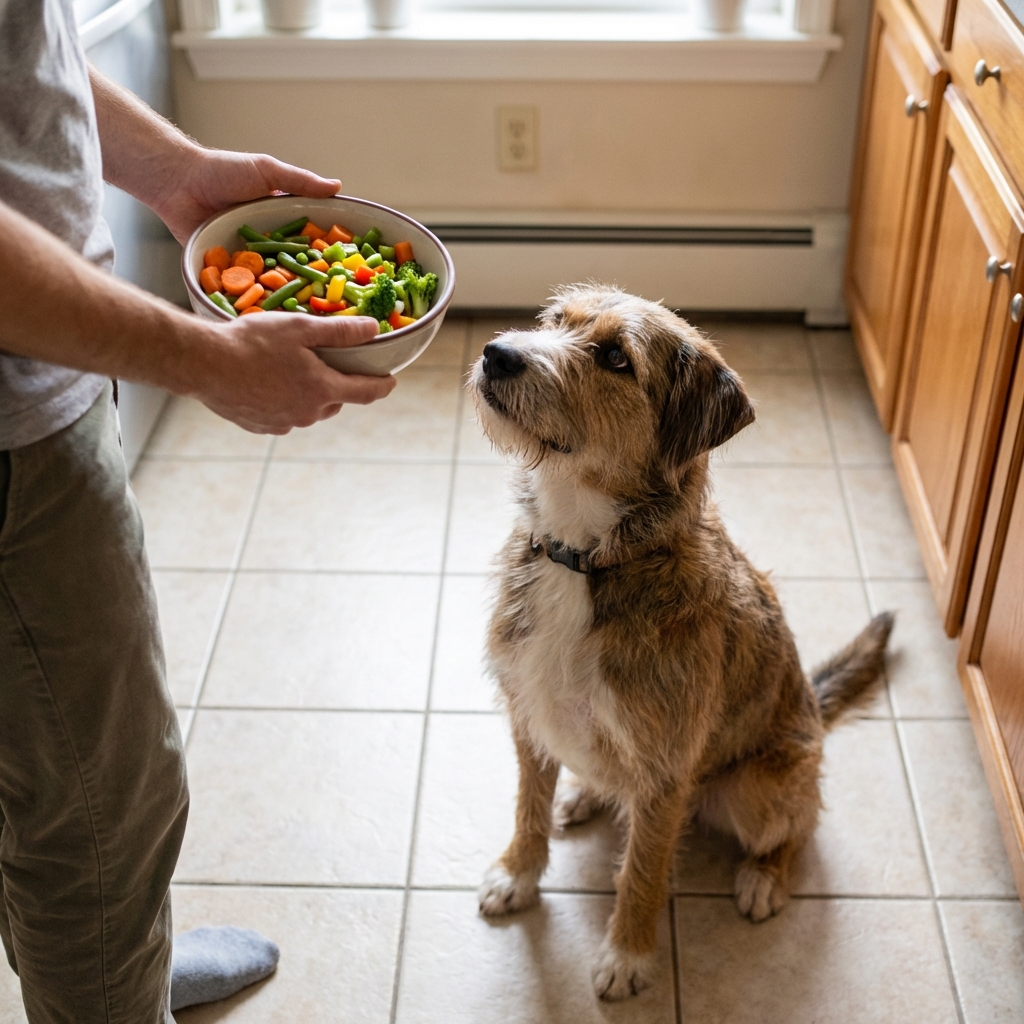
- Steam a mix of green beans, carrots, and zucchini.
- Puree or finely chop.
- Freeze in an ice cube tray.
- Thaw one cube and mix into meals.
Option C: High-value topper
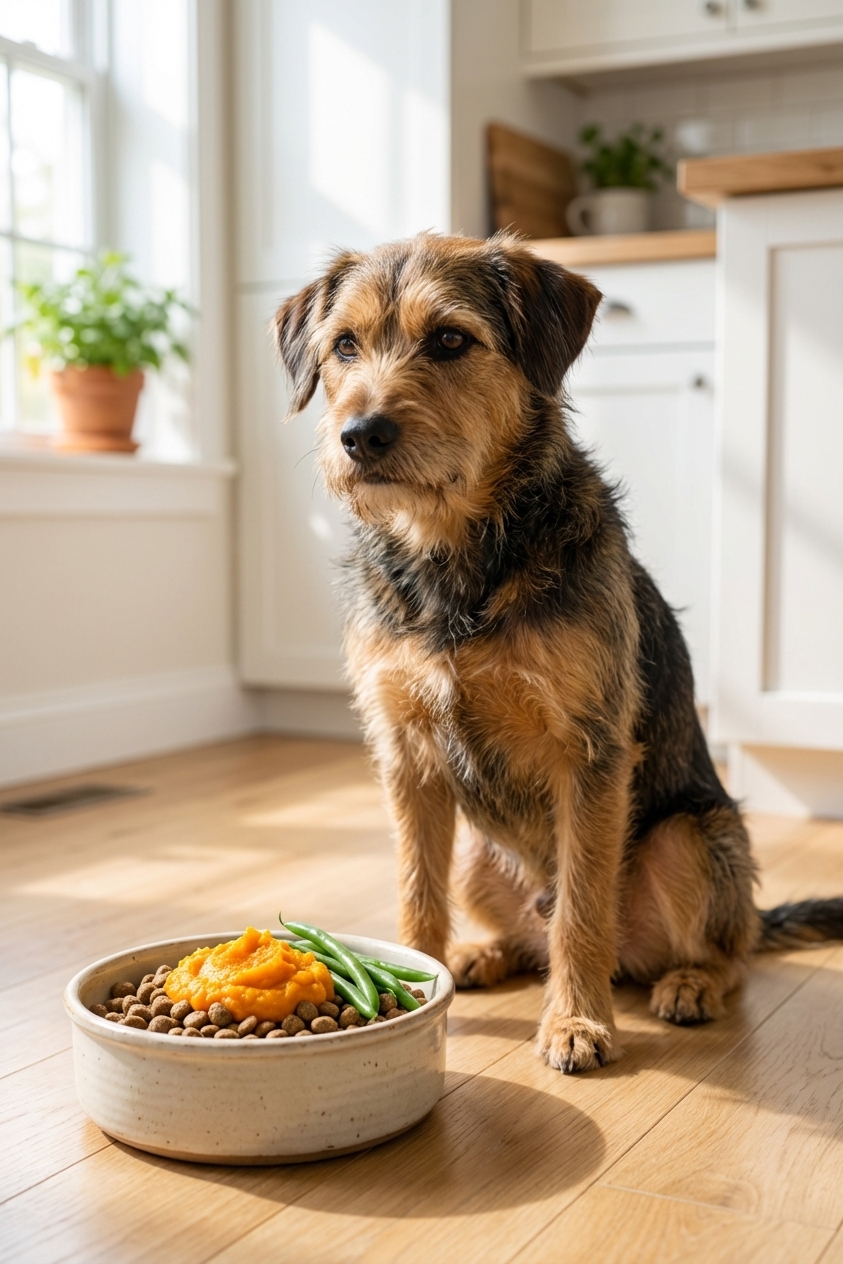
Warm a spoonful of plain pumpkin or mashed sweet potato and stir into kibble. Many picky eaters respond well to the aroma and texture.
When to call your vet
Most dogs do great with slow, simple veggie additions. Stop the new food and call your veterinarian if you see:
- Vomiting or diarrhea lasting more than 24 hours
- Bloated abdomen, repeated unproductive gagging, or signs of pain
- Hives, facial swelling, intense itching, or sudden ear inflammation
- Weakness, pale gums, or unusual lethargy
A gentle bottom line
Vegetables can be a wonderful upgrade to your dog’s routine, especially when you keep them plain, cooked, and introduced slowly. Start with dependable favorites like green beans, carrots, pumpkin, and zucchini, and think of veggies as a supportive part of a bigger nutrition picture: quality protein first, then smart add-ins, with extras kept under 10% of daily calories.
Small changes done consistently are often what make the biggest difference in your dog’s comfort, energy, and long-term health.