Choosing a senior-friendly pet is about matching energy, mobility, budget, and space. Explore the best dogs, cats, birds, fish, and low-maintenance options�...
Article
•
Designer Mixes
Best Small Dogs for Seniors Over 70

Shari Shidate
Designer Mixes contributor
When you are over 70, the “best” dog usually is not the one with the flashiest coat or the biggest personality. It is the one who fits your energy level, your home, and your day-to-day routines. As a veterinary assistant in Frisco, Texas, I have seen how the right small, calm companion can bring structure, comfort, and joy, while the wrong match can feel overwhelming.
This guide focuses on very small, gentle, low-energy breeds that tend to do well with limited mobility, smaller living spaces, or reduced physical stamina. I will also share practical tips for grooming, vet care, being alone, and safe adoption choices.
Quick note: I am sharing general guidance from clinic and day-to-day experience, not replacing individualized veterinary or behavior advice. Your own veterinarian (and a qualified trainer, if needed) can help you choose the safest match.
What makes a great dog for seniors over 70
Many seniors want the same thing: a loving companion that is easy to handle, predictable, and not physically demanding. Here are the traits I recommend prioritizing.
- Calm temperament: Less jumping, less barking, fewer “zoomies” in tight spaces.
- Low exercise needs: Happy with short walks and indoor play.
- Small and easy to lift: Helpful for stairs, car rides, and vet visits.
- Low trip risk: A dog that does not weave through your legs or bolt suddenly.
- Manageable grooming: Either low-maintenance coats or realistic grooming plans.
- Comfortable with alone time: Many seniors have appointments or social activities, so a dog should tolerate some quiet hours.
- Trainability: Even a calm dog benefits from simple cues like “sit,” “stay,” and “off.”
One more helpful reminder: adult mixed-breed dogs can be just as perfect as purebreds. In fact, a calm adult rescue with foster notes is often more predictable than a puppy with an unknown future energy level.
Best calm, small dog breeds for seniors
Every dog is an individual, but these breeds are known for gentle, companion-focused temperaments and moderate to low energy. Whenever possible, meet the specific dog you are considering and ask about their daily routine, noise sensitivity, and how they behave when left alone. Temperament can vary by line, upbringing, and past experiences, even within the same breed.
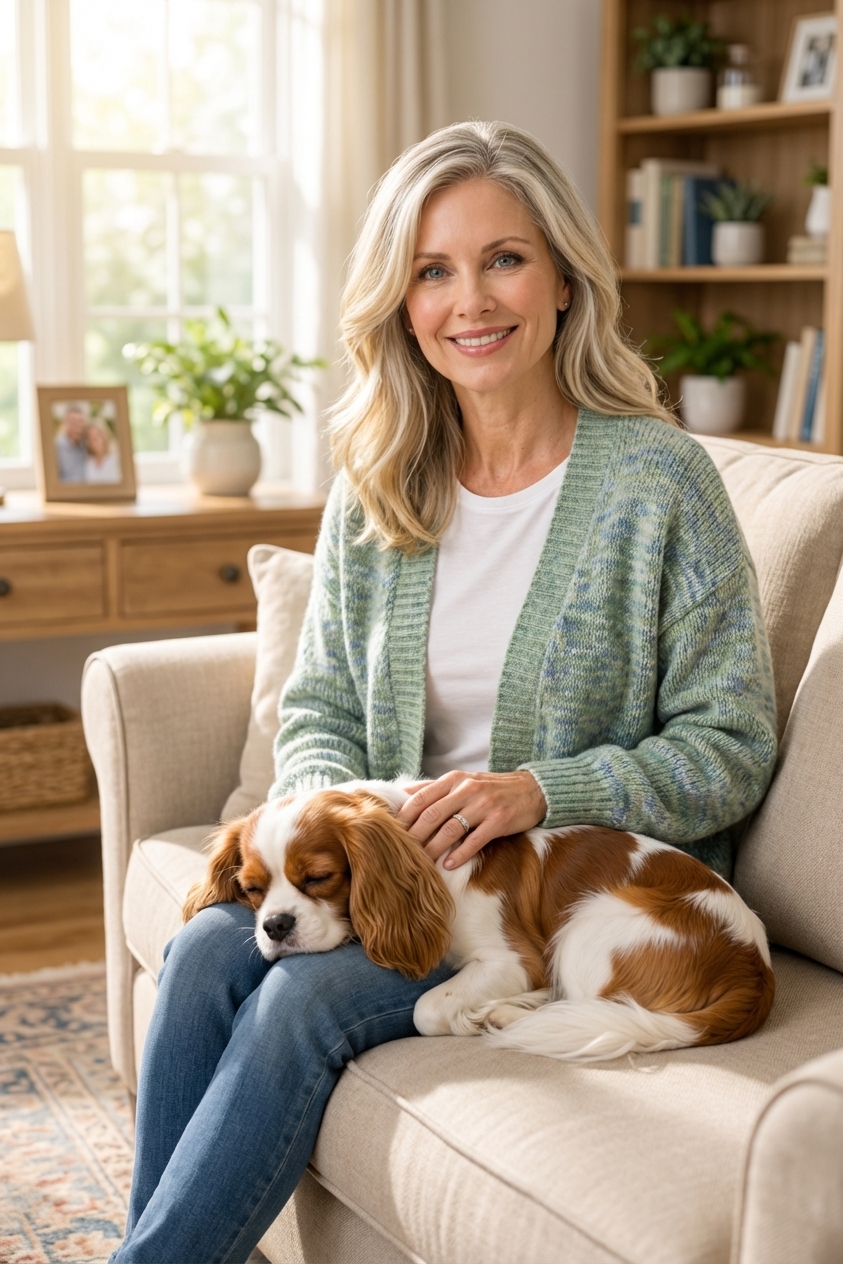
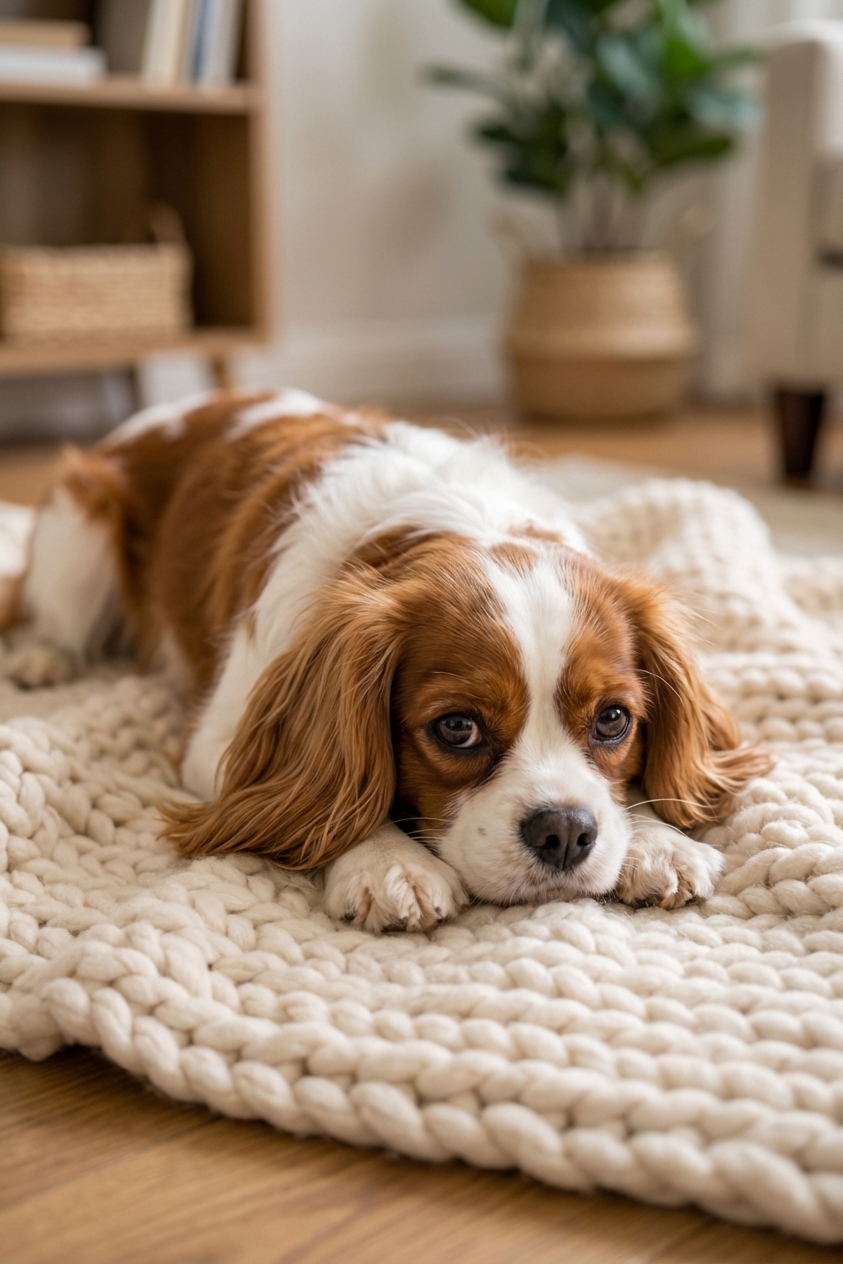
Cavalier King Charles Spaniel
Cavaliers are classic lap dogs with a soft, affectionate nature. In my experience, they are often content to follow you from room to room and then settle in close. Their exercise needs are usually modest, although they enjoy short daily walks.
- Why seniors love them: Gentle, people-oriented, easy to cuddle and carry.
- Exercise: Short walks plus indoor play typically works well.
- Grooming: Moderate brushing several times a week; feathering can mat if neglected.
- Being alone: Can be prone to separation anxiety. A calm routine, puzzle toys, and gradual alone-time training help.
- Vet considerations: Cavaliers can be predisposed to mitral valve disease (MVD) and some eye issues. Plan for regular wellness exams and ask your vet about heart monitoring as they age.
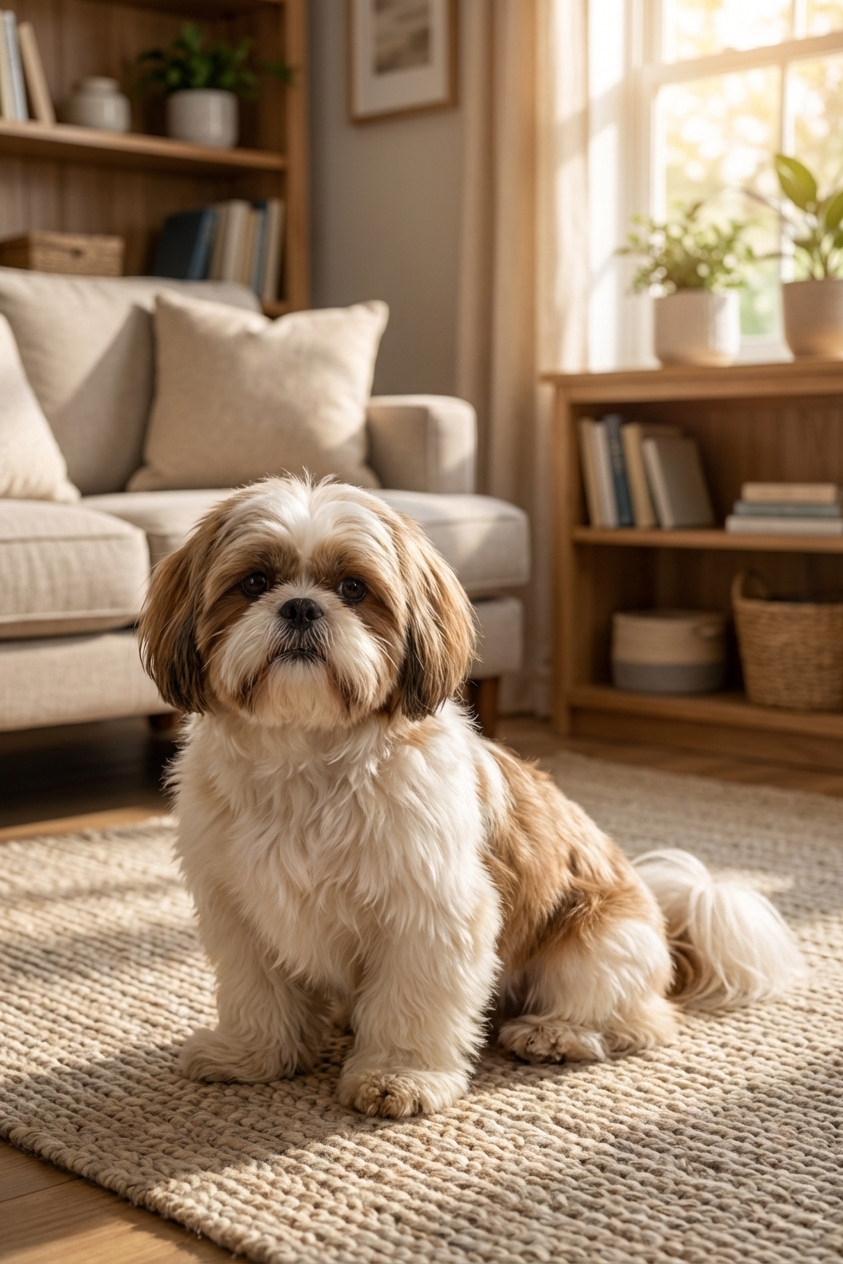
Shih Tzu
Shih Tzus are sturdy little companions who tend to be happy in apartments and smaller homes. Many are low to moderate energy and enjoy short strolls, then they are ready to relax. They can be a wonderful choice for seniors who want a small dog with a steady temperament.
- Why seniors love them: Friendly, adaptable, typically not demanding athletes.
- Exercise: Short walks and gentle play are usually enough.
- Grooming: High-maintenance if kept long. Many seniors prefer a short “puppy cut” maintained by a groomer every 6 to 8 weeks.
- Being alone: Many tolerate alone time fairly well if they have a predictable routine.
- Vet considerations: As a flat-faced (brachycephalic) breed, heat sensitivity and breathing issues can happen. Keep walks cooler, avoid overexertion, and ask your vet about airway health.
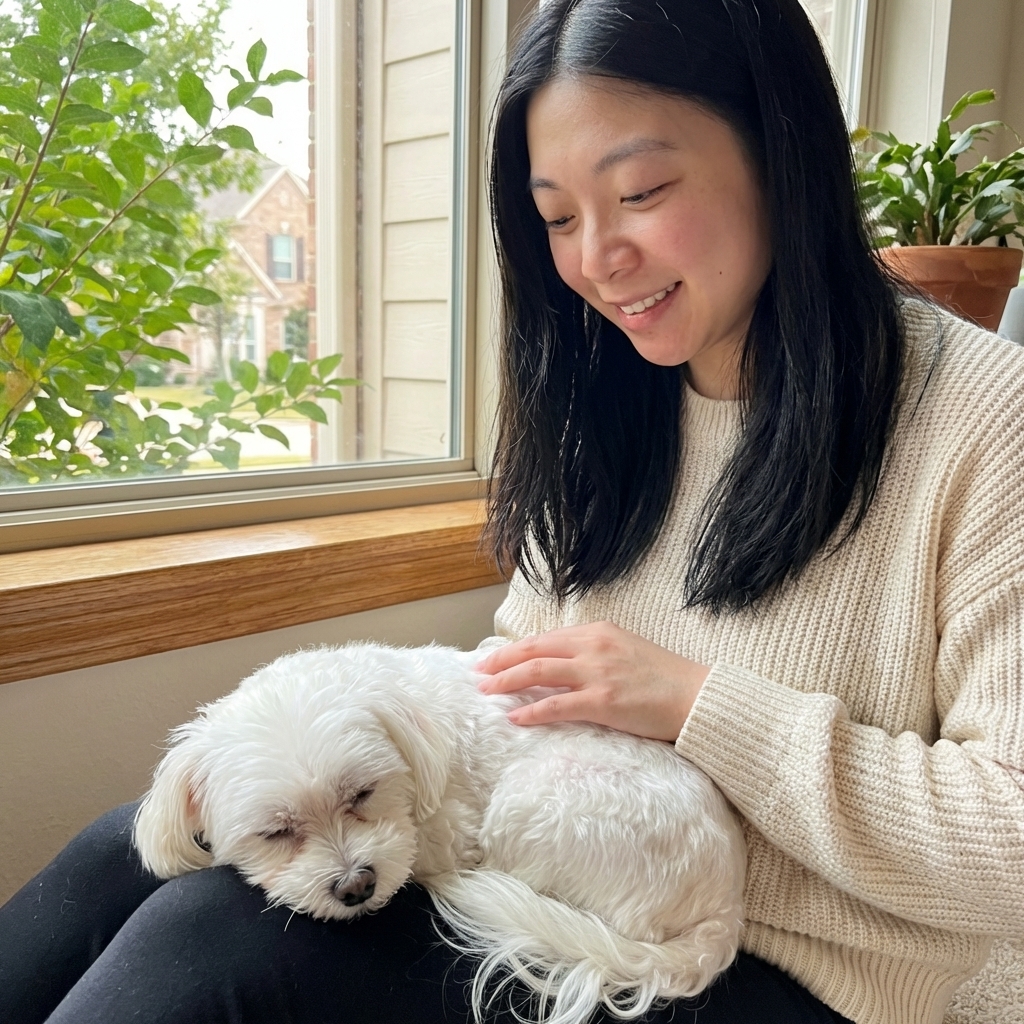
Maltese
Maltese dogs are small, affectionate, and often quite gentle. They are usually easy to pick up and carry, which can be helpful for seniors managing stairs or longer distances. They also tend to enjoy calm indoor time.
- Why seniors love them: Very small, sweet, and devoted.
- Exercise: Low to moderate. Many do well with short walks and indoor games.
- Grooming: Their coat is low-shedding, but it can mat. Regular brushing and professional grooming makes life easier.
- Being alone: Some develop clinginess. Early routine-building matters.
- Vet considerations: Small breeds can be prone to dental disease. At-home dental care and regular cleanings are often needed.
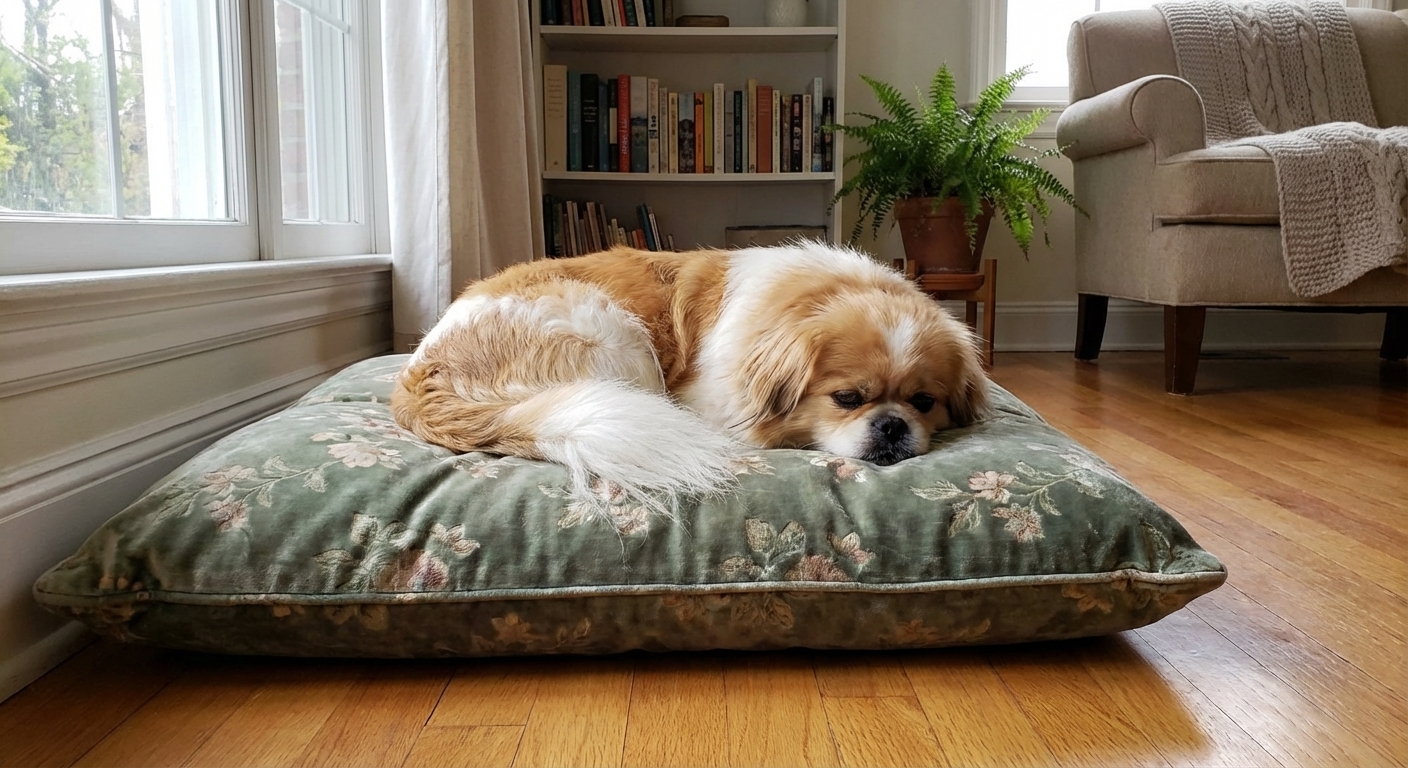
Pekingese
Pekingese are often calm, independent, and happy to lounge. They tend to be lower energy and can do well in smaller spaces. They also may be less “needy” than some lap breeds, which is helpful if you want a companion that can relax while you handle errands.
- Why seniors love them: Low-energy, dignified, content at home.
- Exercise: Short, easy walks.
- Grooming: Thick coat needs frequent brushing, or plan routine grooming appointments.
- Being alone: Many do fine with quiet alone time once settled, but individual dogs can still develop separation-related behaviors. A gradual routine and calm departures help.
- Vet considerations: Flat-faced (brachycephalic). Heat and breathing precautions are important.
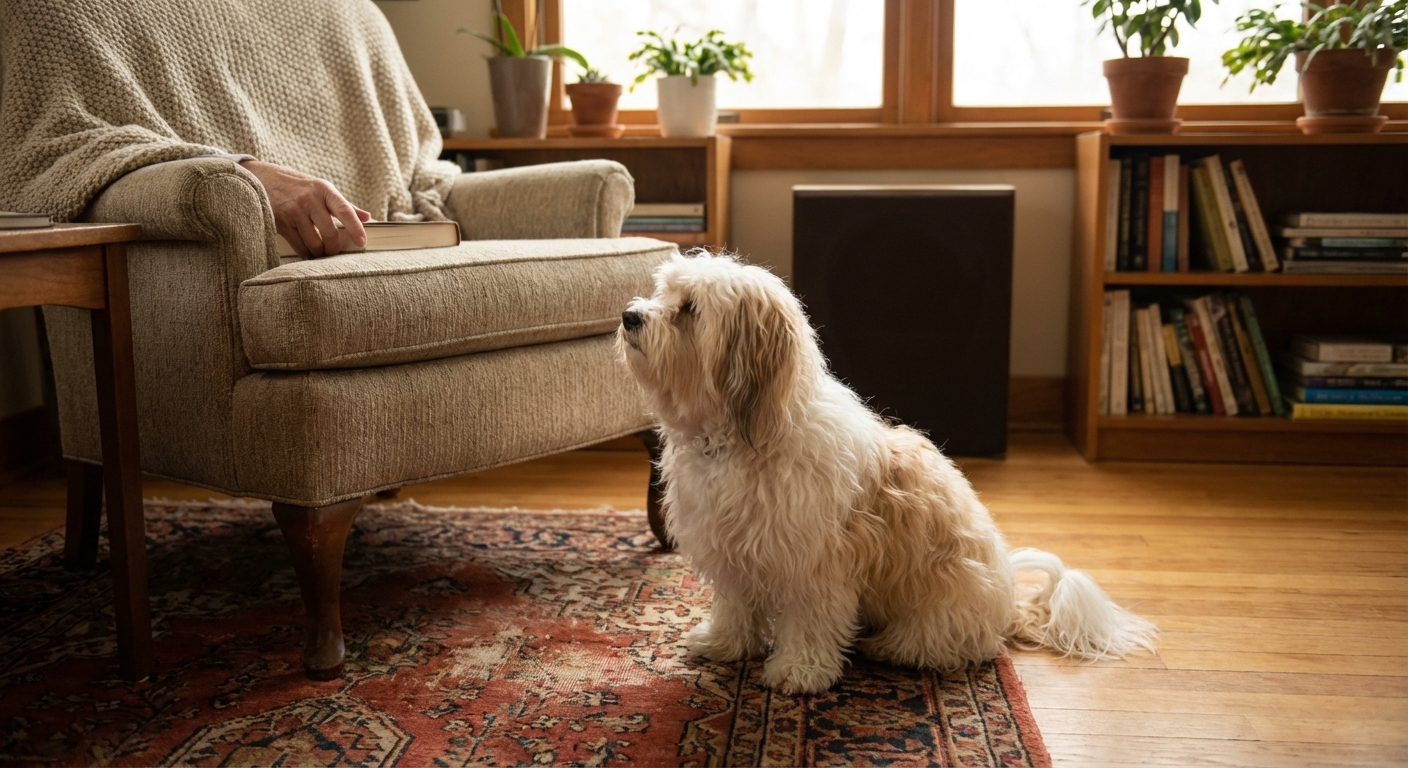
Havanese
Havanese are cheerful companion dogs that often have a softer, gentler energy than many toy breeds. They are typically friendly and trainable, and many enjoy short walks and then quiet time near their person.
- Why seniors love them: Affectionate, trainable, usually not intense.
- Exercise: Moderate but manageable.
- Grooming: Low-shedding coat that needs regular brushing and grooming.
- Being alone: Many are very people-focused and can struggle with separation. A gradual training plan helps.
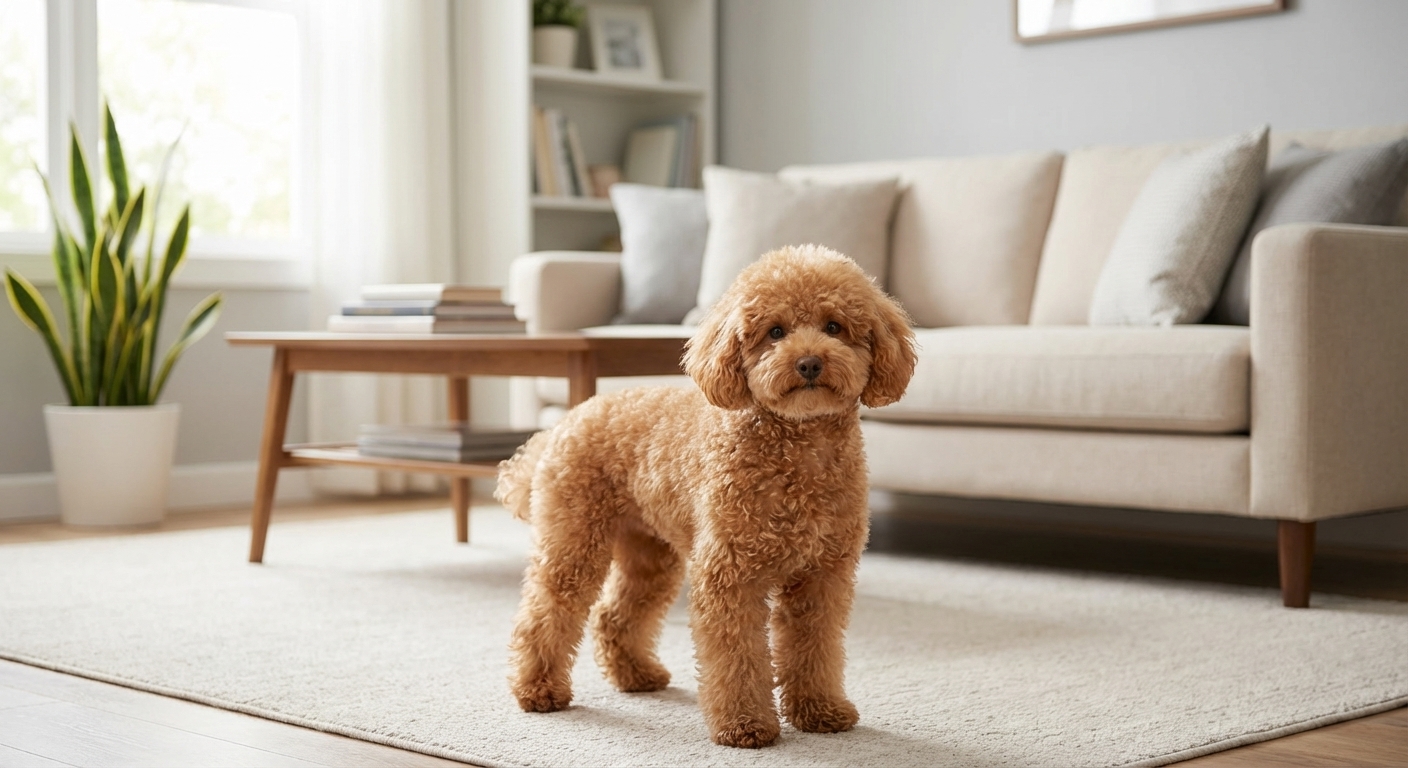
Poodle (Toy or Miniature)
If you want a small dog that is smart and often low-shedding, Toy and Miniature Poodles are worth considering. Energy varies by individual, but many can be calm in the home when their mental needs are met. They are also often easier to train, which reduces stress long term.
- Why seniors love them: Intelligent, trainable, low-shedding coat.
- Exercise: Moderate. Short walks plus brain games can satisfy them.
- Grooming: Professional grooming every 4 to 8 weeks, depending on clip length.
- Being alone: Many do fine with routine, especially if you provide enrichment.
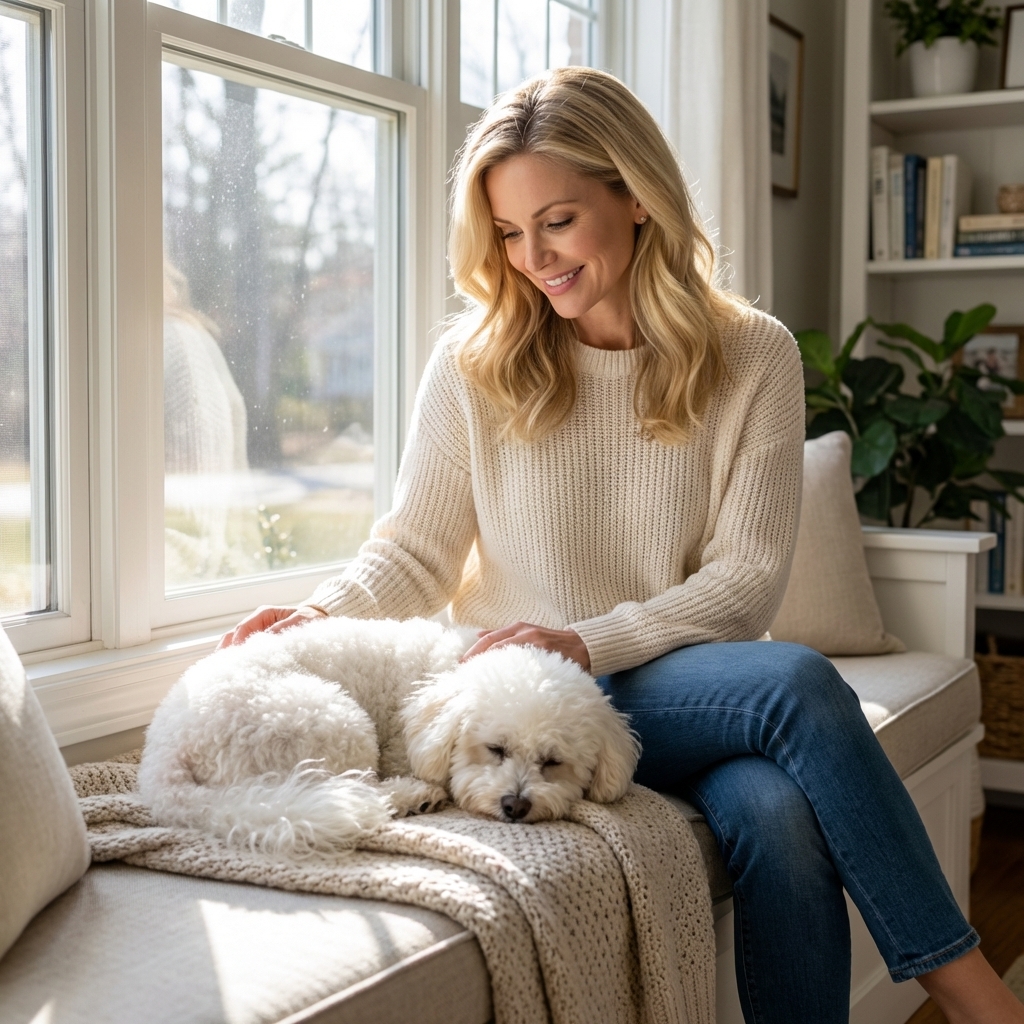
Bichon Frise
Bichons are friendly, gentle, and often a great “happy little shadow.” Their energy is usually moderate, and many are satisfied with short walks and indoor play. They can be excellent companions if grooming is manageable for you.
- Why seniors love them: Social, sweet, and generally sturdy for a small dog.
- Exercise: Moderate but usually easy to meet.
- Grooming: Regular grooming required; brushing helps prevent mats.
- Being alone: Many prefer company but can learn a routine.
Small non-shedding options: what it really means
Many seniors search for “small non-shedding dogs” because they want less mess, fewer allergens, and easier cleanup. The truth is that no dog is 100% non-shedding, but some shed much less and are often more allergy-friendly for some people.
It also helps to know that allergies are complex. Sensitivity can relate to dander and saliva as well as hair, and reactions vary widely from person to person. If allergies are a concern, spend time with the specific dog before committing.
Breeds like the Maltese, Poodle, Bichon Frise, and Havanese are often good candidates. Just remember: lower shedding usually means more grooming. That can be a great tradeoff if you plan for a consistent groomer schedule.
Breeds that tolerate being alone
Many older adults have doctor appointments, church, family visits, and errands. While every dog needs companionship, some breeds and individual dogs handle quiet alone time better.
- Often better with alone time: Pekingese, some Shih Tzus, and many adult or senior dogs with an established routine.
- Often more prone to separation anxiety: Cavaliers and some Maltese or Havanese, especially if they have been undersocialized or rehomed multiple times.
If being alone is a must, consider adopting a calm adult dog that is already proven to settle quietly during the day. Ask foster families or shelter staff for honest details about barking, pacing, and crate comfort.
Practical care for seniors
Vet visits and budgeting
For most healthy adult dogs, a yearly wellness exam is the minimum. Once a dog becomes a senior, many veterinarians recommend every 6 months so problems are caught early. That can be especially important for small breeds prone to dental disease, heart concerns, or arthritis.
- Ask about: senior bloodwork, heart screening if recommended, weight checks, and dental evaluations.
- Plan ahead: Set aside funds for grooming, dental cleanings, and routine medications.
Grooming plans that are realistic
Grooming is one of the biggest day-to-day factors that determines whether a dog feels easy or stressful. If brushing is difficult for your hands or shoulders, choose either a shorter haircut schedule or a breed with lower grooming demands.
- Lower grooming burden: Some Cavaliers (still need brushing), short-coated mixes.
- Higher grooming burden: Shih Tzu, Maltese, Poodle, Havanese, Bichon (unless kept in a short cut and groomed regularly).
Dental care matters in small dogs
In the clinic, dental disease is one of the most common issues we see in toy breeds. It can cause pain, infections, and has been associated with broader health issues over time. The most senior-friendly approach is to build simple habits.
- Brush teeth a few times a week if possible, daily is ideal.
- Ask your vet which dental chews are safe for your dog’s teeth and stomach.
- Schedule professional cleanings when recommended.
Home safety to reduce falls
Even tiny dogs can be a trip hazard. A few simple home changes can make a huge difference.
- Use night lights in hallways.
- Choose a short leash and teach “wait” at doorways.
- Consider a harness instead of a collar for better control and comfort.
- Keep a consistent walking path clear of toys and bowls.
- Add non-slip rugs or runners if floors are slick.
- Consider pet steps or ramps for couches and beds to protect both your dog’s joints and your balance.
Emergency planning
This is easy to overlook, but important: have a backup caregiver plan. Choose a trusted family member, friend, or neighbor who can step in if you get sick or need a hospital stay. Keep written feeding instructions and your vet’s phone number in an easy-to-find spot.
Senior-friendly adoption tips
If you want calm and predictable, adopting an adult or senior dog can be one of the best choices. Puppies are adorable, but they are also a lot of work: house training, chewing, nighttime wakeups, and higher activity needs. Also, keep in mind that small adult dogs can still be high-energy, so it helps to look for foster notes and a true meet-and-greet, not just a cute photo.
Green flags to look for
- The dog has lived in a foster home and has notes about routine and temperament.
- The dog is described as “couch potato,” “easygoing,” or “content to nap.”
- The dog walks politely on leash and does not lunge.
- The dog enjoys handling and gentle brushing.
Questions to ask
- How does the dog do when left alone for 3 to 5 hours?
- Do they bark at noises or visitors?
- Any history of biting, snapping, or guarding food or toys?
- How are they with nail trims, grooming, and being picked up?
- What is their current diet and potty schedule?
Helpful supports
- Pet insurance for unexpected illness or injury, especially for breeds predisposed to heart or dental problems.
- Mobile groomers or vet clinics with curbside assistance if lifting and transport is difficult.
- Dog walkers for days when mobility or weather makes walks harder.
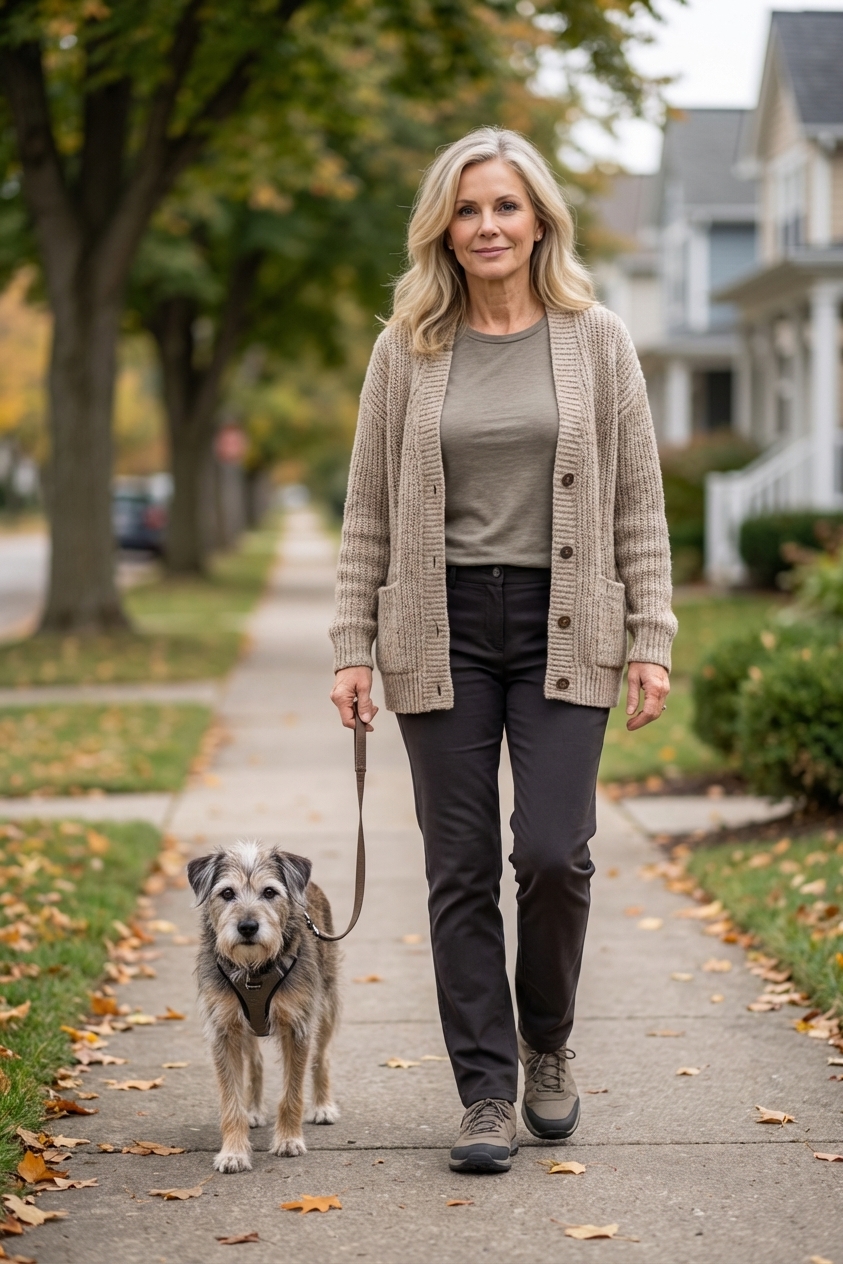
Quick checklist: good fit
- Under 15 pounds and easy to lift if needed
- Comfortable with short walks and lots of rest
- Not a frequent jumper or door-dasher
- Grooming needs match your budget and ability
- Temperament is calm in the home
- Can tolerate quiet alone time with training and routine
A small caution from what I see in the clinic: ultra-tiny dogs (around 5 pounds and under) can be more fragile and easier to injure in a fall or accidental step. They can still be wonderful companions, but it is worth thinking about safety and handling.
If you want the calmest path, consider adopting a mellow adult dog and ask for a trial period if the rescue offers one. The right match should feel like a relief, not another job.
If you can, meet a few candidates and prioritize temperament over the breed label. The best match is often the dog who settles easily in your presence.
My gentle reminder
Before bringing any dog home, especially if you have health conditions or limited mobility, talk with your veterinarian. A quick conversation about breed tendencies, realistic care needs, and preventive plans can save you stress and protect your new companion’s wellbeing.
The best small dog for seniors over 70 is the one that fits your life with ease. Calm company, a manageable routine, and lots of quiet affection can be a beautiful combination.