Looking for an easygoing companion? Learn what “low maintenance” really means, the calm breeds that often suit seniors best, and practical tips on groomi...
Article
•
Designer Mixes
Best Pets for Seniors

Shari Shidate
Designer Mixes contributor

Choosing the right pet as you age
As a veterinary assistant in Frisco, Texas, I have seen firsthand how the right pet can bring structure, comfort, and a sense of purpose to daily life. The key is matching a pet’s needs to your energy level, mobility, budget, and living space, not simply choosing what is cutest or most popular.
This guide walks through the best pet options for seniors across dogs, cats, birds, fish, and other low-maintenance companions. I will also share the practical factors that matter most: exercise requirements, grooming demands, typical veterinary costs, and what to consider if you live alone or in a smaller home.
A great senior pet match feels easy on most days. If it feels like a constant struggle, it is usually a mismatch in needs, not a personal failure.
Quick decision checklist
Before you pick a pet, take two minutes to answer these questions. Your honest answers will lead you to the happiest match.
- Activity level: Do you prefer short daily walks, or do you enjoy longer outdoor time?
- Mobility and fall risk: Would a pet that pulls on leash or weaves around your feet be a safety concern?
- Allergies or asthma: Would dander or litter dust be a problem?
- Grooming tolerance: Are you comfortable brushing daily, or do you need a low-groom pet?
- Budget: Can you cover routine care plus an unexpected illness or emergency?
- Travel and support: Do you have a neighbor, friend, or family member who can help with care when you are away or unwell?
- Housing rules: Any weight limits, breed restrictions, or pet deposits?
Dogs: best for active companionship
Dogs can be wonderful for seniors who want daily connection and a reason to move. Studies consistently link dog ownership with increased physical activity, and many people find that a dog’s routine supports their own routine too. The tradeoff is that dogs generally require more daily hands-on care than most other pets.
What makes a dog senior-friendly?
- Moderate energy: Enjoys walks and play, but does not require intense exercise.
- Stable temperament: Not overly mouthy, jumpy, or reactive.
- Comfortable being alone: Less likely to develop separation-related behaviors.
- Manageable size and strength: Large dogs can be gentle, but strength matters on a leash.
- Low grooming needs: Shorter coats often mean easier upkeep.
Great dog options for seniors
Adult and senior rescue dogs are often the best choice. Their personality is already clear, many are house-trained, and you can select a dog that fits your pace. Puppies are adorable, but they require intensive training and can increase fall risk due to nipping and unpredictable movement.
- Small to medium companion breeds: Cavalier King Charles Spaniel, Shih Tzu, Pug, Bichon Frise, Havanese.
- Calm medium breeds: Greyhound (often surprisingly low-energy indoors), Whippet, some well-socialized Labrador Retrievers.
- Senior-friendly mixed breeds: Many rescues can help match you with a mellow adult dog.

Exercise and safety tips
- Choose a harness over a collar to reduce pulling pressure and improve control.
- Look for loose-leash skills in an adopted dog, or budget for a positive-reinforcement trainer.
- Keep nails trimmed to reduce slipping on tile or hardwood floors.
- Use non-slip rugs in high-traffic areas to protect both you and your dog.
Grooming demands
Short-coated dogs still shed, but they are often easier to maintain with weekly brushing. Dogs with continuously growing hair coats may need professional grooming every 4 to 8 weeks. If you want low maintenance, ask about coat type before adopting.
Veterinary cost realities
Dogs typically cost more than cats to care for, especially as they age. Plan for annual wellness exams, vaccines where appropriate, parasite prevention, dental cleanings, and age-related conditions like arthritis. If budgeting is a concern, ask your veterinarian about preventive priorities and consider pet insurance or a dedicated pet savings fund.
Cats: low-maintenance affection with big benefits
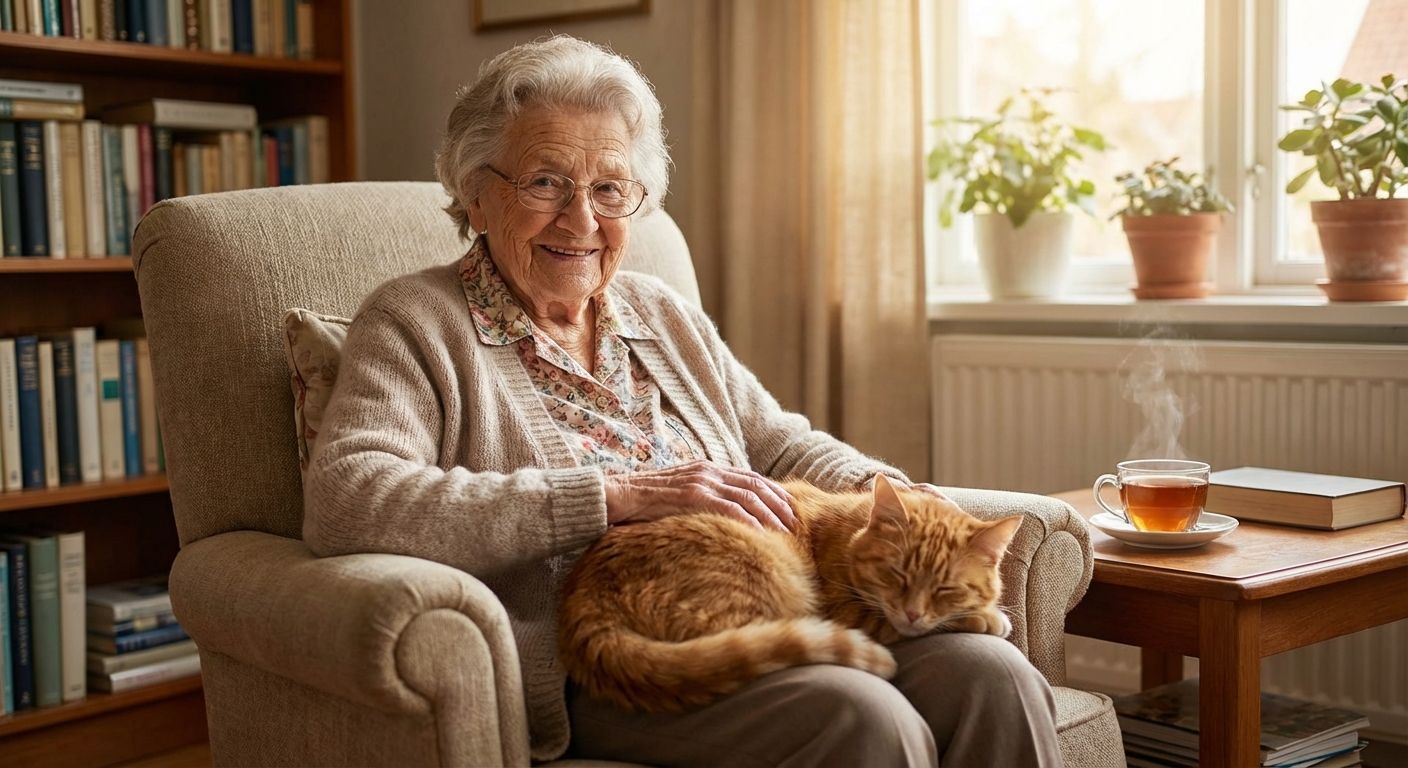
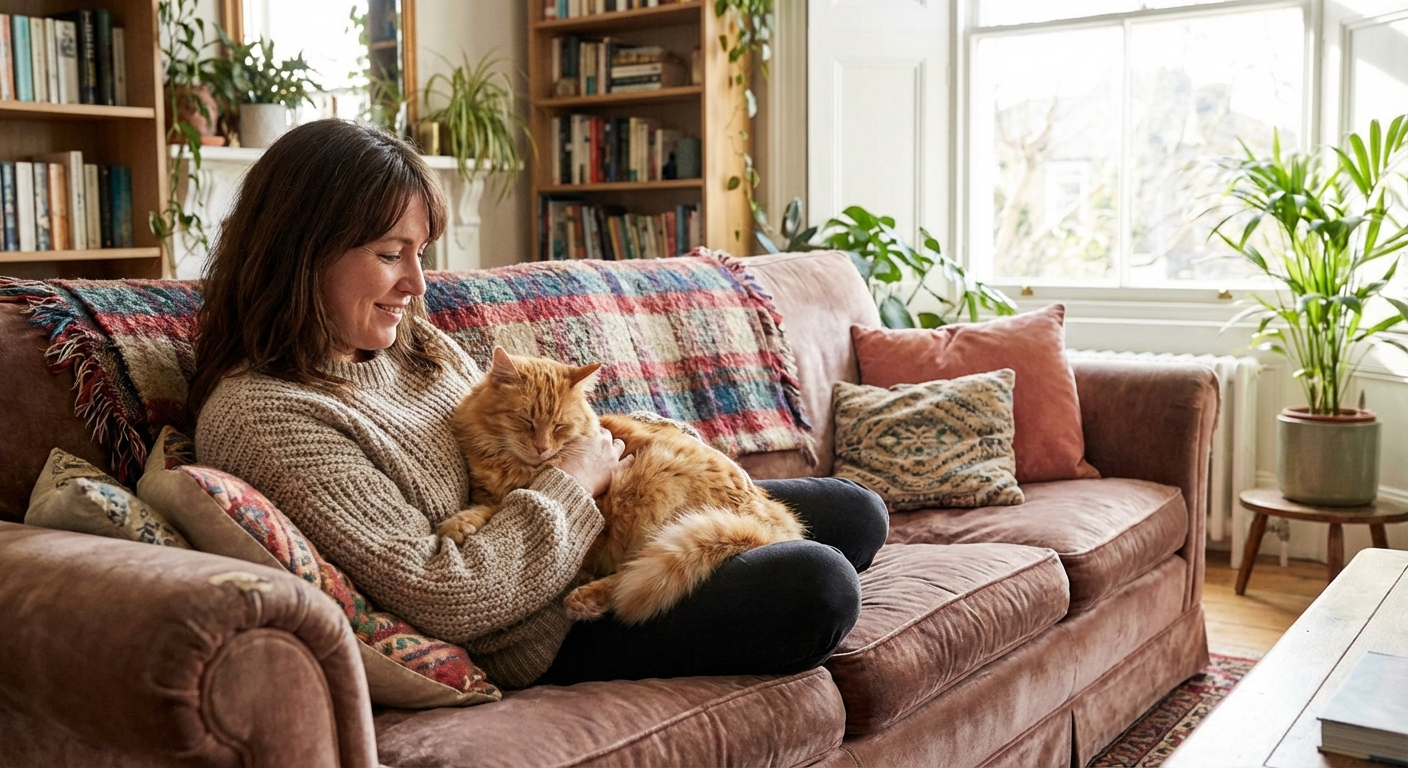
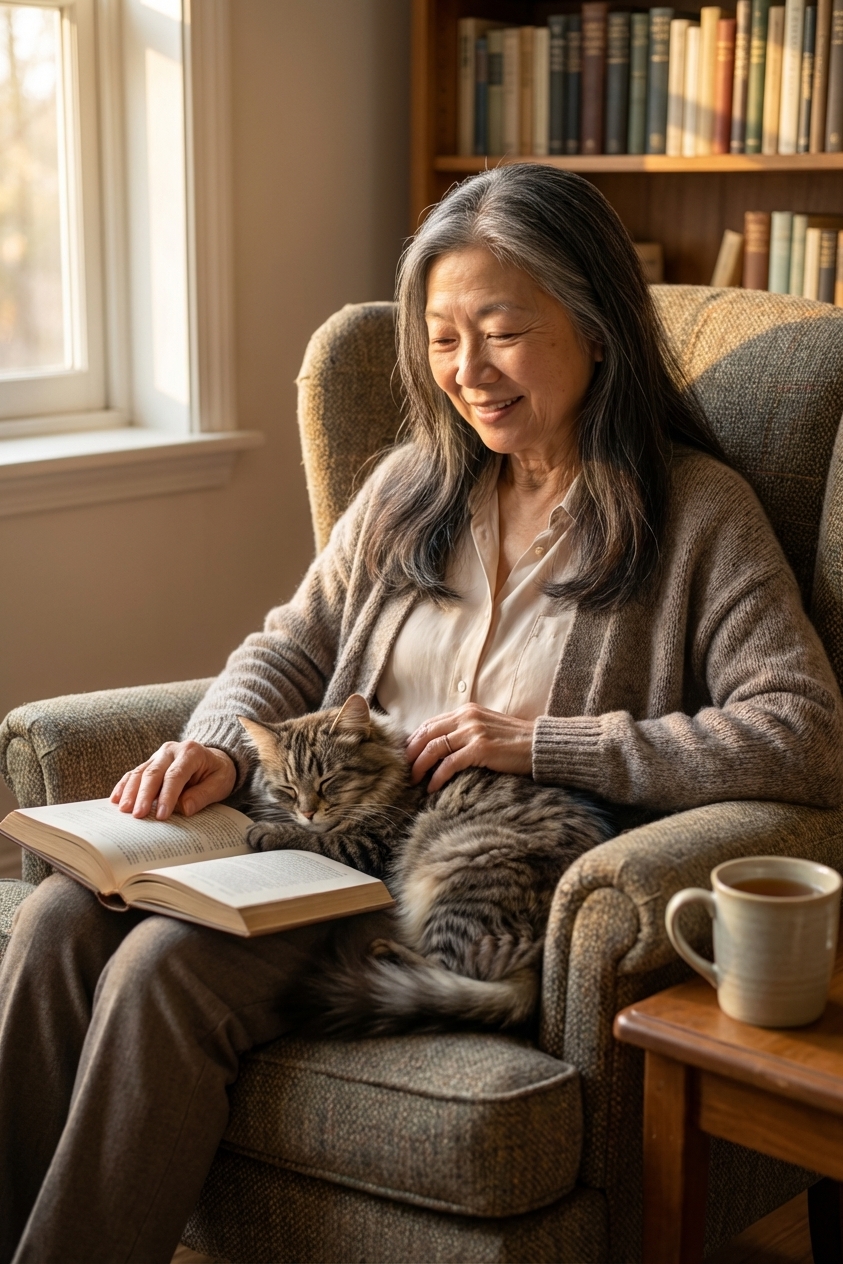
Cats are often an ideal fit for seniors, especially those in apartments or smaller homes. They are generally quieter than dogs, do not need walks, and can be deeply affectionate. Many older adults love that cats offer companionship without requiring constant scheduling.
What makes a cat senior-friendly?
- Calm temperament: Enjoys being near you without constant high-speed play.
- Good litter box habits: Especially important for peace of mind in smaller spaces.
- Lower grooming needs: Short-haired cats are often simplest.
Great cat options for seniors
- Adult or senior cats (5+ years): Often more settled and easier to match to your lifestyle.
- Gentle breeds: Ragdoll, British Shorthair, Persian (beautiful but higher grooming), American Shorthair.
- Shelter cats with known personalities: Staff can often recommend lap cats or quieter companions.
Easy ways to make cat care even easier
- Use a large, low-entry litter box for easier access and less mess.
- Place litter and food on the same floor if stairs are difficult.
- Consider a second litter box to reduce accidents, especially in larger homes.
- Schedule short play sessions with a wand toy to support healthy weight and joint health.
Veterinary cost realities
Cats can be cost-effective, but they still need preventive care. Dental disease and kidney issues are common as cats age. Routine wellness visits can catch problems early when they are easier and less expensive to manage.
Birds: social, bright, and rewarding
Birds can be wonderful companions for seniors who enjoy interactive pets but prefer not to manage daily walks. Many birds are highly social and bond closely with their people. The biggest surprises are noise level, mess level, and lifespan. Some parrots can live for decades, so long-term planning matters.
Best bird options for many seniors
- Budgies (parakeets): Small, engaging, and often easier for first-time bird owners.
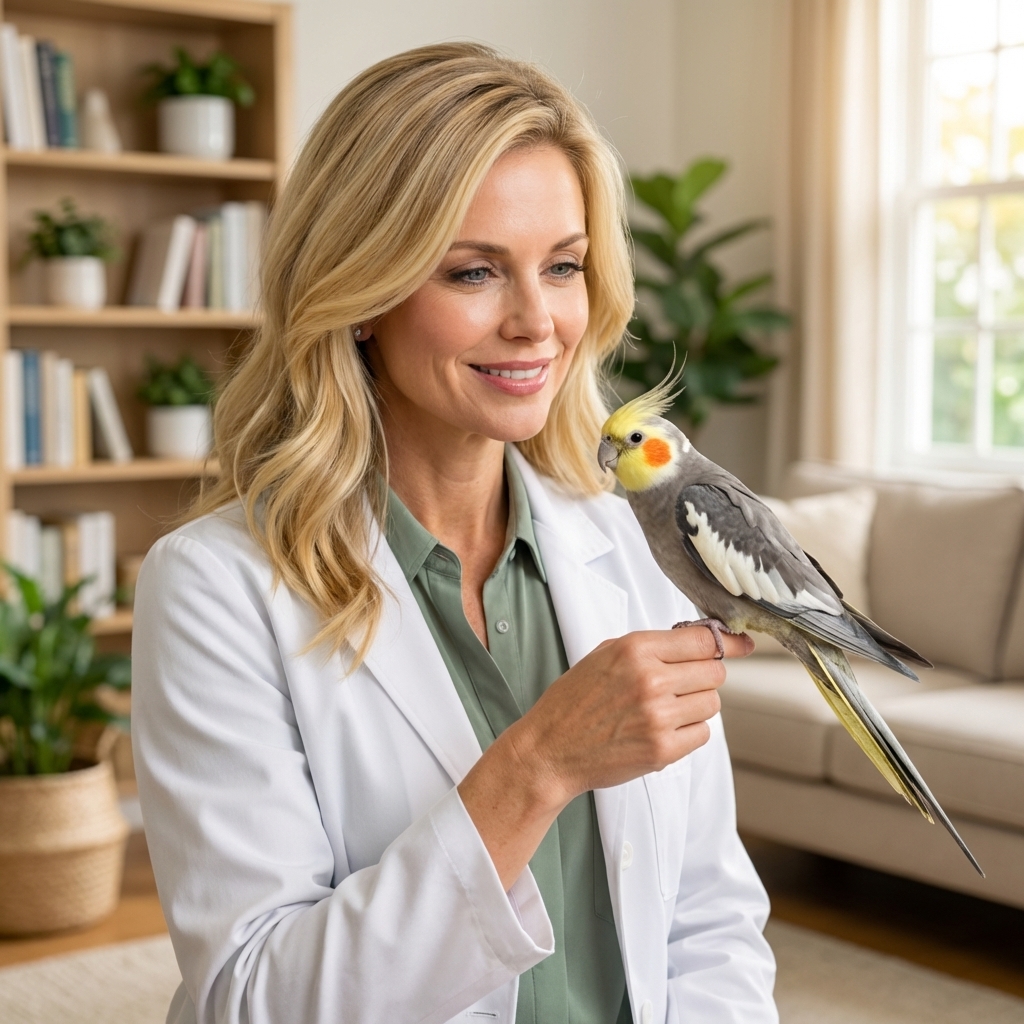
- Cockatiels: Friendly and expressive, typically manageable in many homes.
- Canaries and finches: Less hands-on interaction, but lovely to watch and listen to.
Care factors to consider
- Daily cage cleaning: Birds are not “set and forget.” Expect frequent upkeep.
- Air quality: Avoid fumes from nonstick cookware, aerosols, and smoke. Birds have sensitive respiratory systems.
- Diet: Many birds do best with a quality pellet base plus fresh vegetables, not seed-only diets.
- Specialized veterinary care: Avian vets can be less common, so check local availability.
Fish: peaceful, low-contact companionship
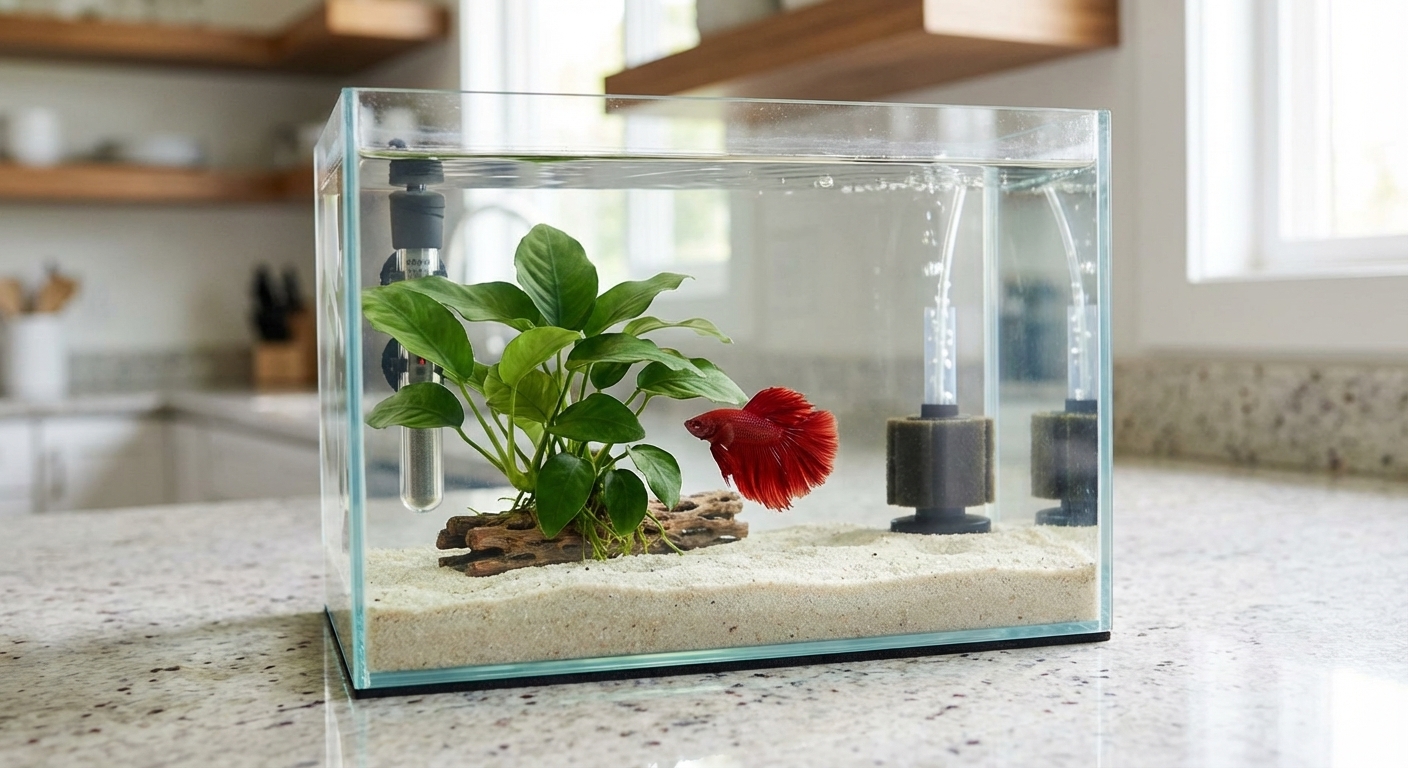
Fish can be a soothing presence, especially for seniors who want a pet without physical handling, barking, or litter boxes. Watching a well-kept aquarium can be genuinely relaxing. The main “gotcha” is setup. A healthy tank requires proper cycling, filtration, and regular water testing.
Simple fish setups
- Betta fish: Often a great choice when housed properly in a heated, filtered tank.
- Small community tanks: Enjoyable, but require more equipment and consistency.
Maintenance expectations
- Weekly water changes are typically needed, even for small tanks.
- Water testing helps prevent common problems like ammonia spikes.
- Feeding is easy but overfeeding is one of the most common mistakes.
Other low-maintenance pets (with honest pros and cons)
If you want companionship but need a simpler routine than dogs and cats, there are a few options that can work well. The key is being realistic about handling, housing, and lifespan.
Rabbits
Rabbits can be gentle and affectionate, and many can be litter-trained. They require daily care, a safe exercise area, and routine nail trims. Veterinary care should be with an exotic-experienced vet.
Guinea pigs
Guinea pigs are social and often happiest in pairs. They need a roomy habitat, fresh hay, vitamin C in their diet, and regular cage cleaning. They can be a sweet option for quieter homes.
Reptiles
Some reptiles can be lower interaction, but they are not always low maintenance. Proper heat, UVB lighting, and diet are essential and can raise both cost and complexity. If you are interested, get species-specific guidance before you buy.

Best pets for seniors who live alone
If you live alone, companionship and routine can be huge benefits. I also recommend planning for “what if” moments. Even the healthiest person can get a stomach bug or need to travel unexpectedly.
- Best overall for many seniors living alone: An adult cat or a calm adult dog that is comfortable with alone time.
- Best if you want minimal daily physical demands: A cat, fish tank, or canary/finch.
- Plan your backup care: Choose one or two people who can step in, and write down feeding and medication instructions.
- Use helpful tools: Auto-ship food, pill organizers for pets, and a pet sitter you trust.
Space, noise, and neighbor-friendly choices
Smaller spaces can absolutely work for pet ownership. What matters most is matching your pet’s activity level and vocal habits to your home and your neighbors.
- Best for apartments: Cats, small calm dogs, budgies, canaries, fish.
- Potentially challenging: High-energy dogs without outdoor access, loud parrot species, large aquariums that are hard to maintain.
- Tip: If you are worried about barking, ask a shelter about dogs who are described as quiet in foster homes.
Health and happiness tips for senior pet owners
A pet should support your wellbeing, not stress you out. These simple steps can make pet ownership safer and more enjoyable.
- Pick an adult pet when possible: More predictable behavior, often easier training.
- Choose preventive care: Routine checkups, dental care, and parasite prevention can prevent bigger problems later.
- Keep routines simple: Same feeding times, same walking routes, same litter setup.
- Make the home safer: Night lights, non-slip mats, and keeping pet toys picked up reduces fall risk.
- Ask for help early: A dog walker, groomer, or mobile vet can be a game changer.
Important note: If you have a medical condition, immune compromise, or balance concerns, talk with your healthcare provider and your veterinarian before adopting. A little planning upfront can prevent a lot of worry later.
FAQ
Is a puppy a good idea for a senior?
Sometimes, but often an adult dog is a better fit. Puppies require intensive training, frequent potty breaks, and can be a tripping hazard. If you love the idea of a younger dog, consider an adult dog around 2 to 5 years old with a known temperament.
What is the lowest-maintenance pet?
Most truly low-maintenance options are observational companions like fish. Cats are often the lowest-maintenance furry pet, especially adult cats with good litter box habits.
Are birds low maintenance?
Many people are surprised to learn birds are not low maintenance. They often need daily cleaning, social time, and specific diets. They can be wonderful, but they are not hands-off.
How do I keep costs manageable?
Adopt an adult pet with a known history when possible, prioritize preventive care, and ask your veterinarian about budgeting for likely age-related needs. Consider pet insurance or set aside a monthly amount for veterinary expenses.
Bottom line
The best pet for a senior is the one that fits your real life. If you want daily activity and companionship, a calm adult dog can be an incredible match. If you want steady affection with fewer physical demands, an adult cat is hard to beat. If you want a peaceful presence or a pet you can enjoy without handling, fish or certain birds may be a wonderful choice.
If you are considering adoption, I encourage you to talk with the shelter about foster-based placements. Foster families can often tell you exactly how a pet behaves in a home, which is gold when you want a gentle, senior-friendly companion.