Looking for a calm, senior-friendly cat? Compare gentle, low-maintenance breeds like British Shorthair, Ragdoll, American Shorthair, and Russian Blue—plus ...
Article
•
Designer Mixes
Best Gentle Cat Breeds for Retirees

Shari Shidate
Designer Mixes contributor
There is something deeply comforting about sharing your home with a mellow, affectionate cat, especially in retirement when you finally have the time to truly enjoy the little moments. The best “retiree-friendly” cats tend to have three things in common: a gentle temperament, predictable energy levels, and a love of companionship without constant chaos.
As a veterinary assistant, I always remind people that breed can influence personality, but it is never a guarantee. Early socialization, individual temperament, and health matter just as much. Still, if you are hoping to stack the odds in your favor, the breeds below are often described as particularly sweet and easy to live with.
One more practical note: if you have fall risk concerns, allergies, or a health condition that affects your immune system, it is worth talking with your veterinarian (and your own doctor, if needed) about the best fit for your home. It does not have to be complicated, just personalized.
What “gentle” means at home
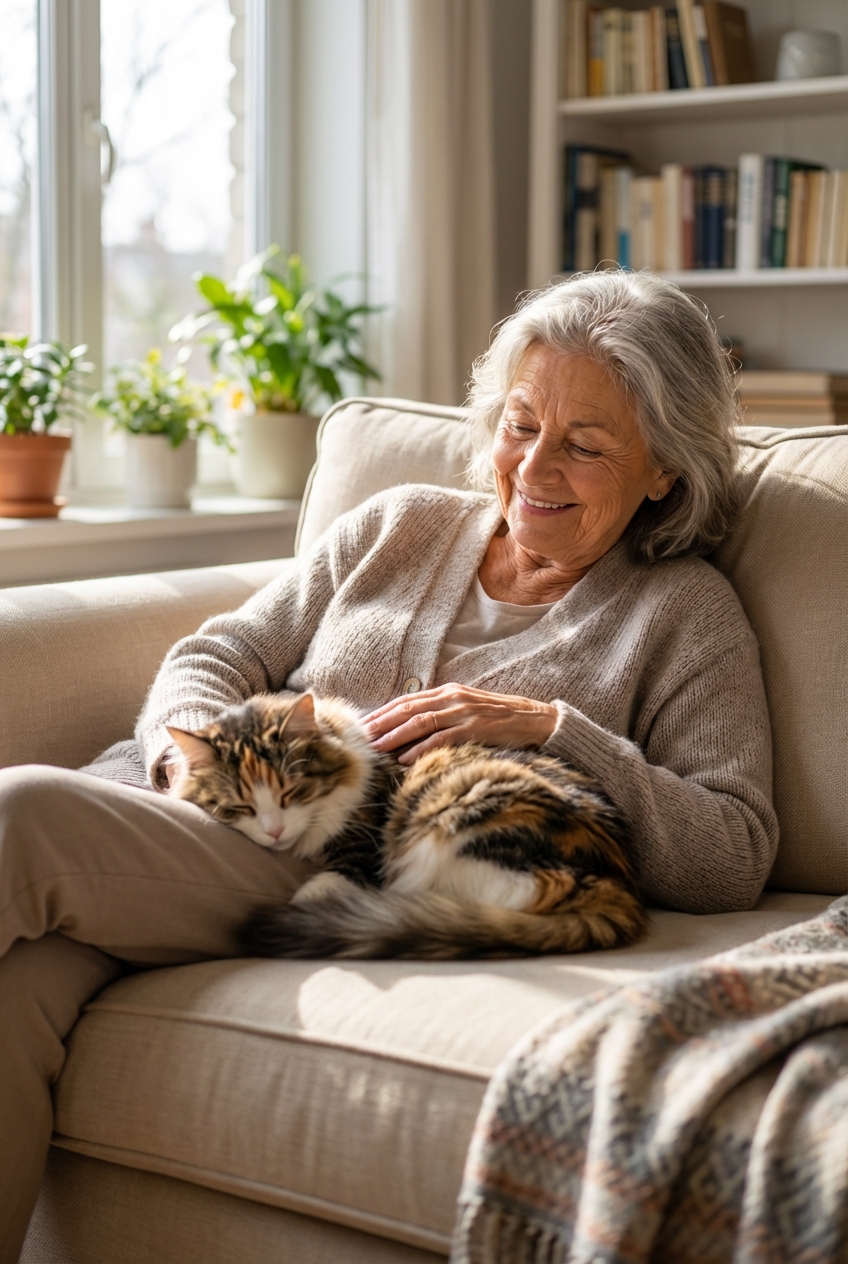
When most retirees tell me they want a gentle cat, they are usually describing a cat who:
- Enjoys quiet companionship and will sit near you or on your lap.
- Is less likely to bite or scratch when handled respectfully.
- Has moderate energy and is less likely to bounce off the walls at 2 a.m.
- Adapts well to routines, which can make care more relaxing.
- Is comfortable with guests and does not hide for days.
If you have arthritis, balance concerns, or you simply want an easier day-to-day experience, temperament is only part of the equation. You will also want to consider coat care, activity needs, and overall health risks.
Top gentle breeds
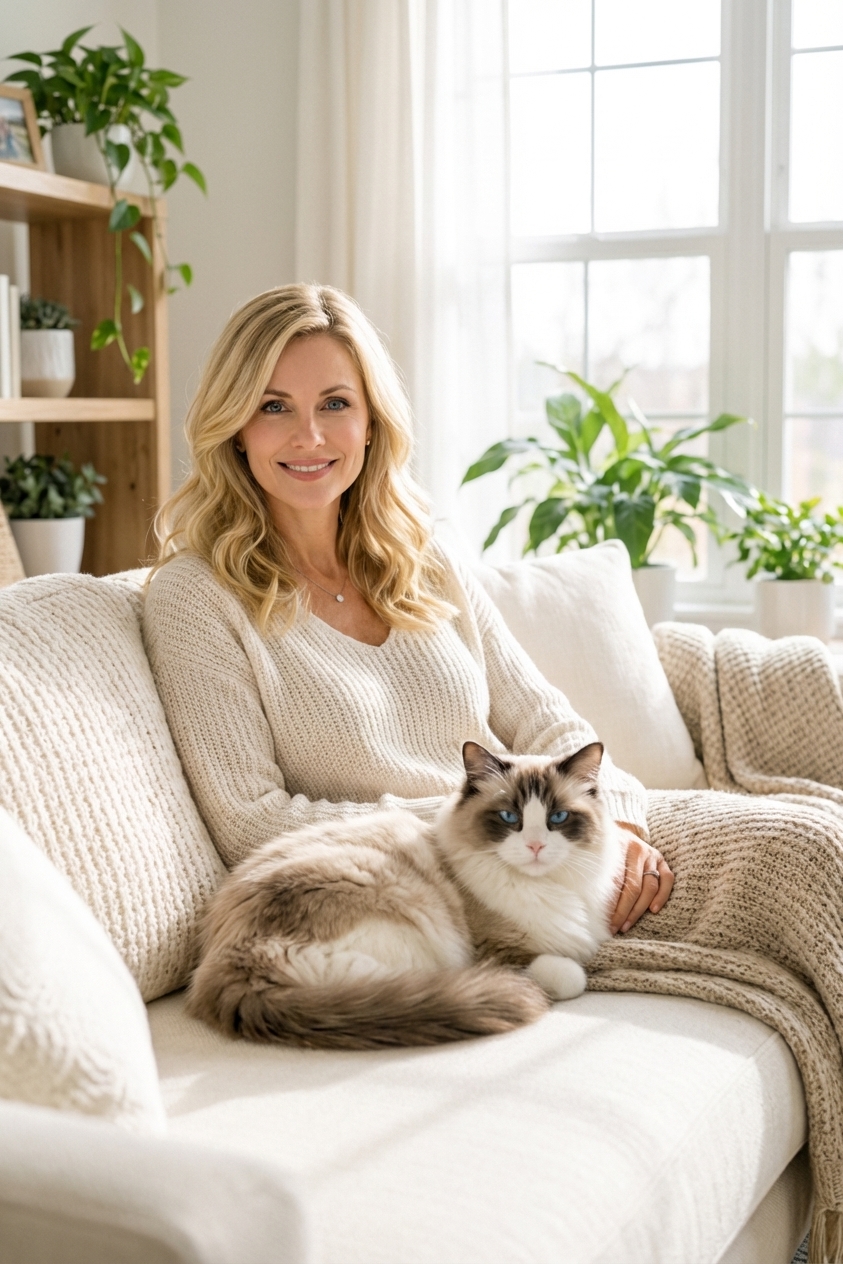
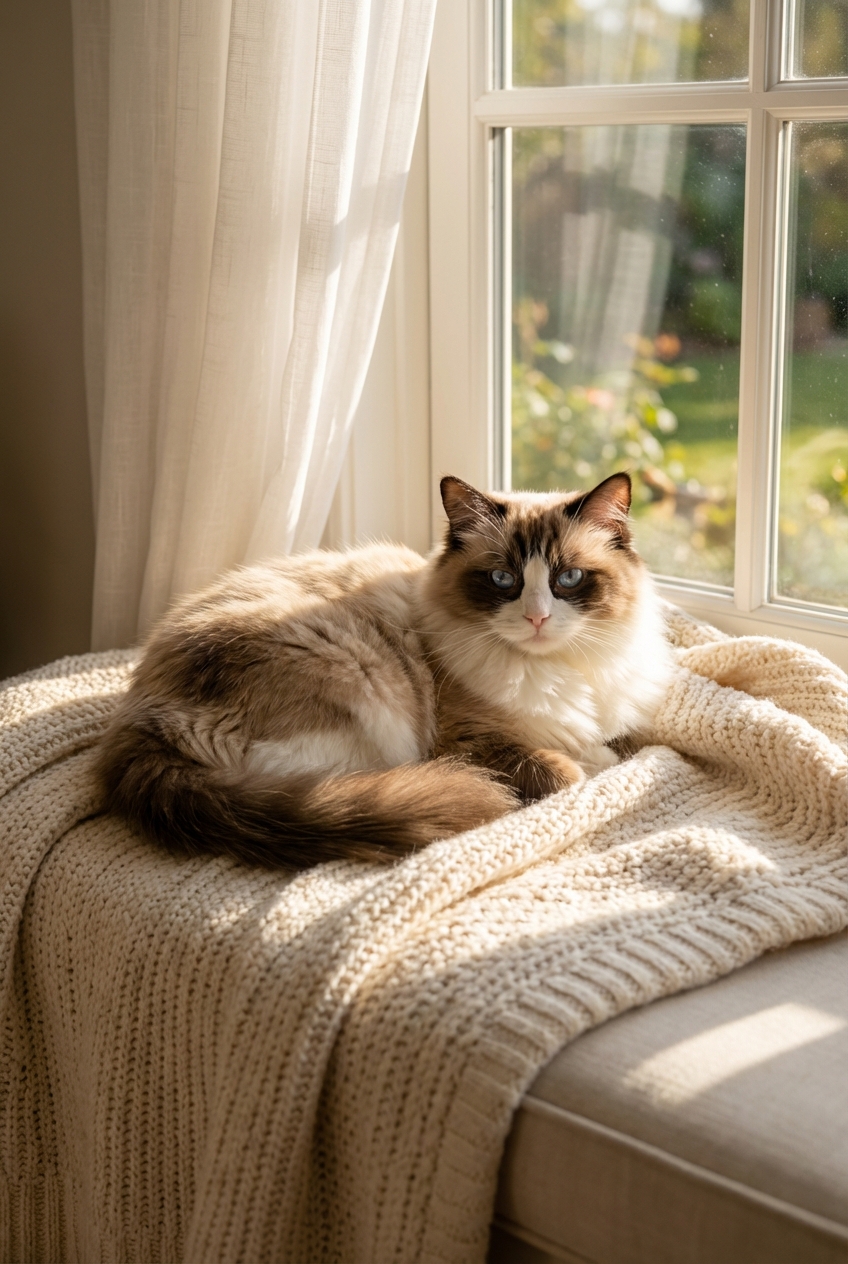
Ragdoll
Ragdolls are famous for their calm, affectionate nature. Many enjoy being held and will happily follow you from room to room. They often prefer being with their people rather than entertaining themselves across the house.
- Why retirees love them: Very people-oriented, typically quiet, often enjoys lap time.
- Keep in mind: They are large cats and need regular grooming. Also, because they can be so trusting, many do best as indoor-only cats for safety.
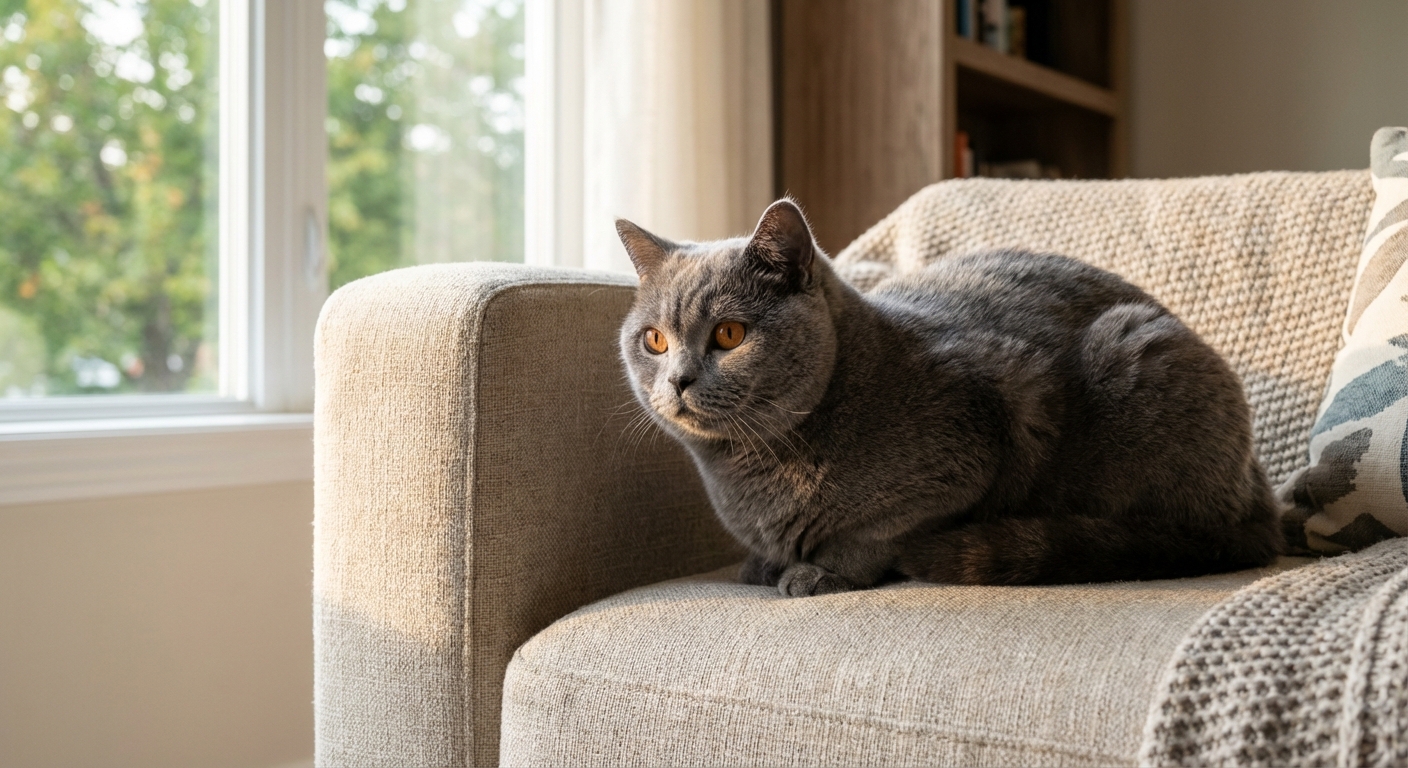
British Shorthair
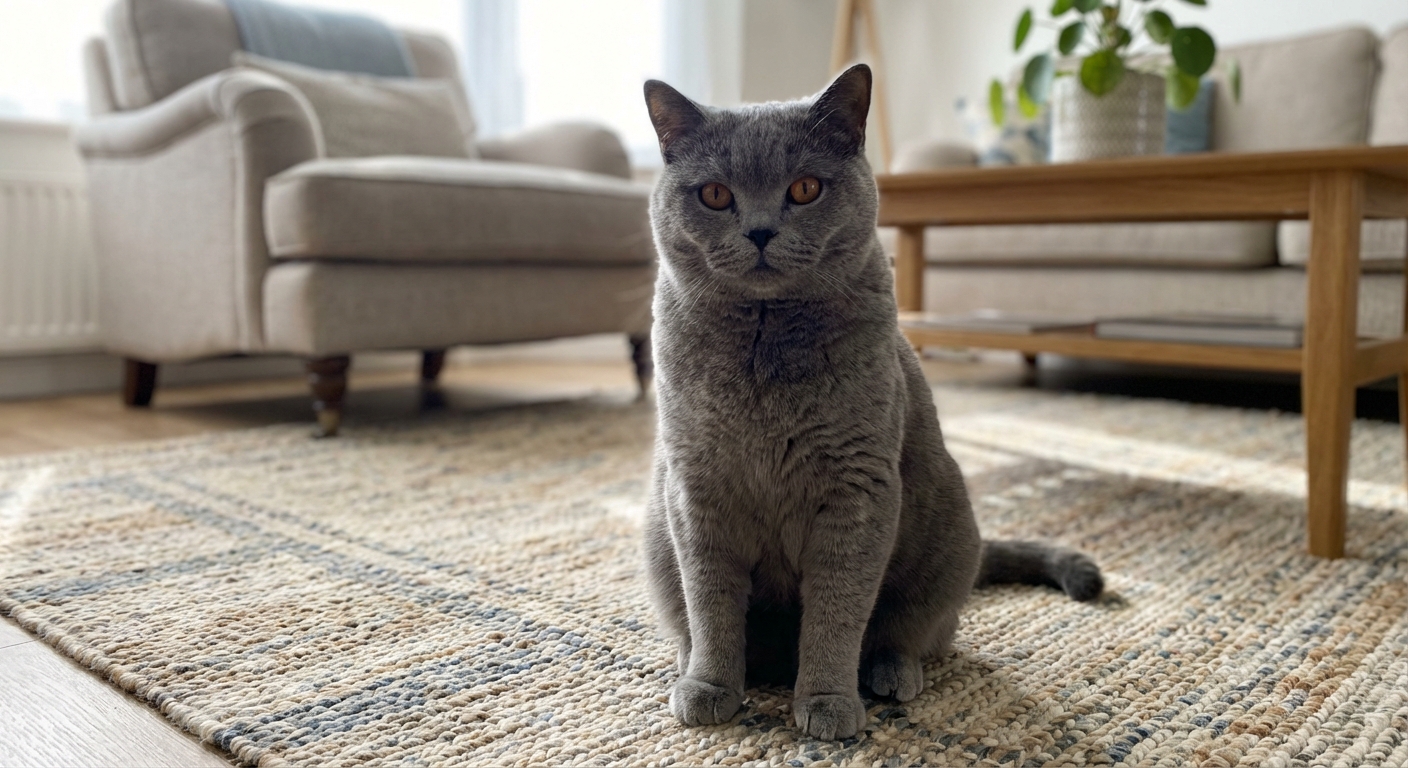
The British Shorthair is a steady, easygoing companion. They are affectionate without being overly demanding and tend to be content with calm households.
- Why retirees love them: Quiet, independent but loving, not usually “needy.”
- Keep in mind: They can gain weight easily. Gentle daily play and weight management support long-term joint comfort and overall cardiovascular health.
Persian
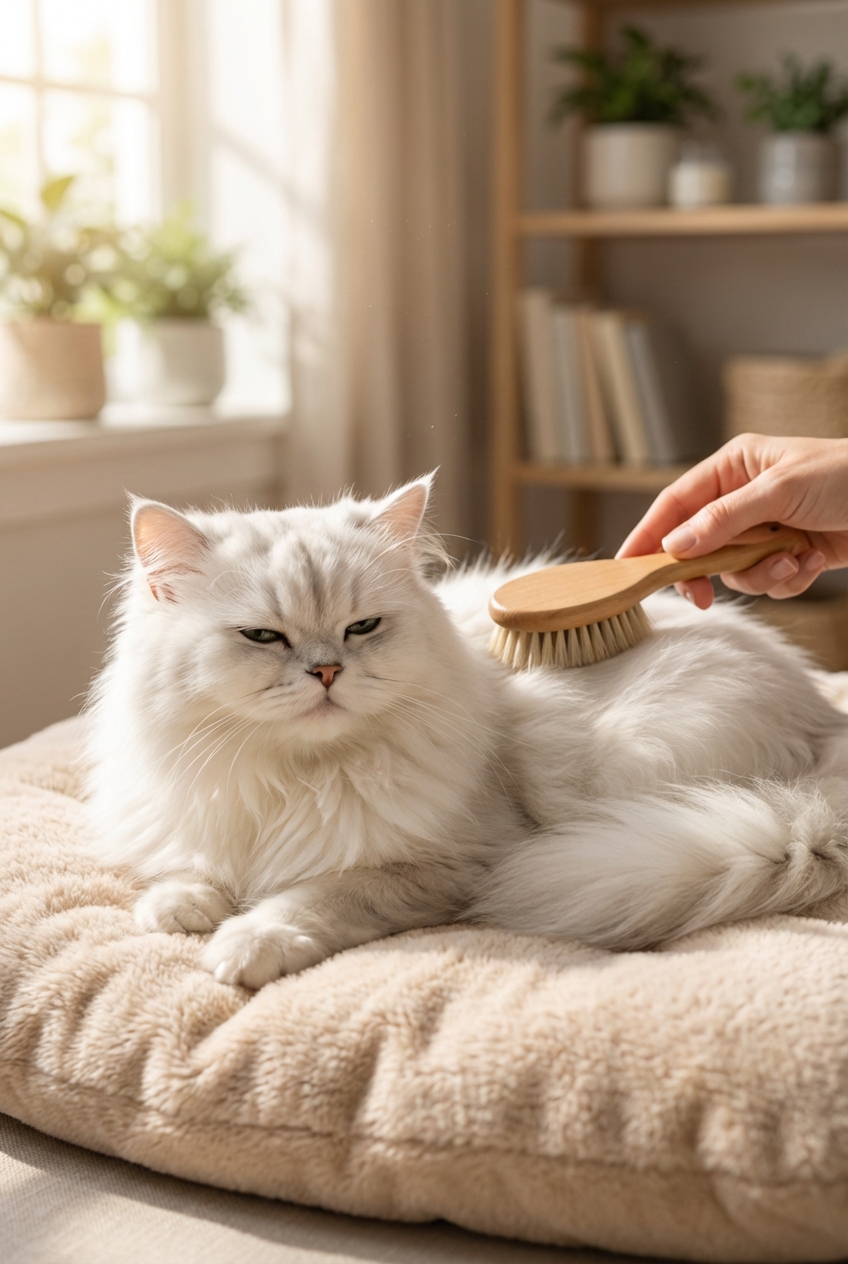
Persians are known for their laid-back personalities. Many are happiest in peaceful homes with consistent routines, soft voices, and cozy naps.
- Why retirees love them: Low activity, sweet temperament, thrives in quieter homes.
- Keep in mind: Grooming is a real commitment. Daily brushing helps prevent matting, and many Persians need regular eye cleaning. Flat-faced (brachycephalic) cats can also be prone to breathing and eye issues, so choosing an ethical breeder and scheduling routine veterinary care is important.
Maine Coon
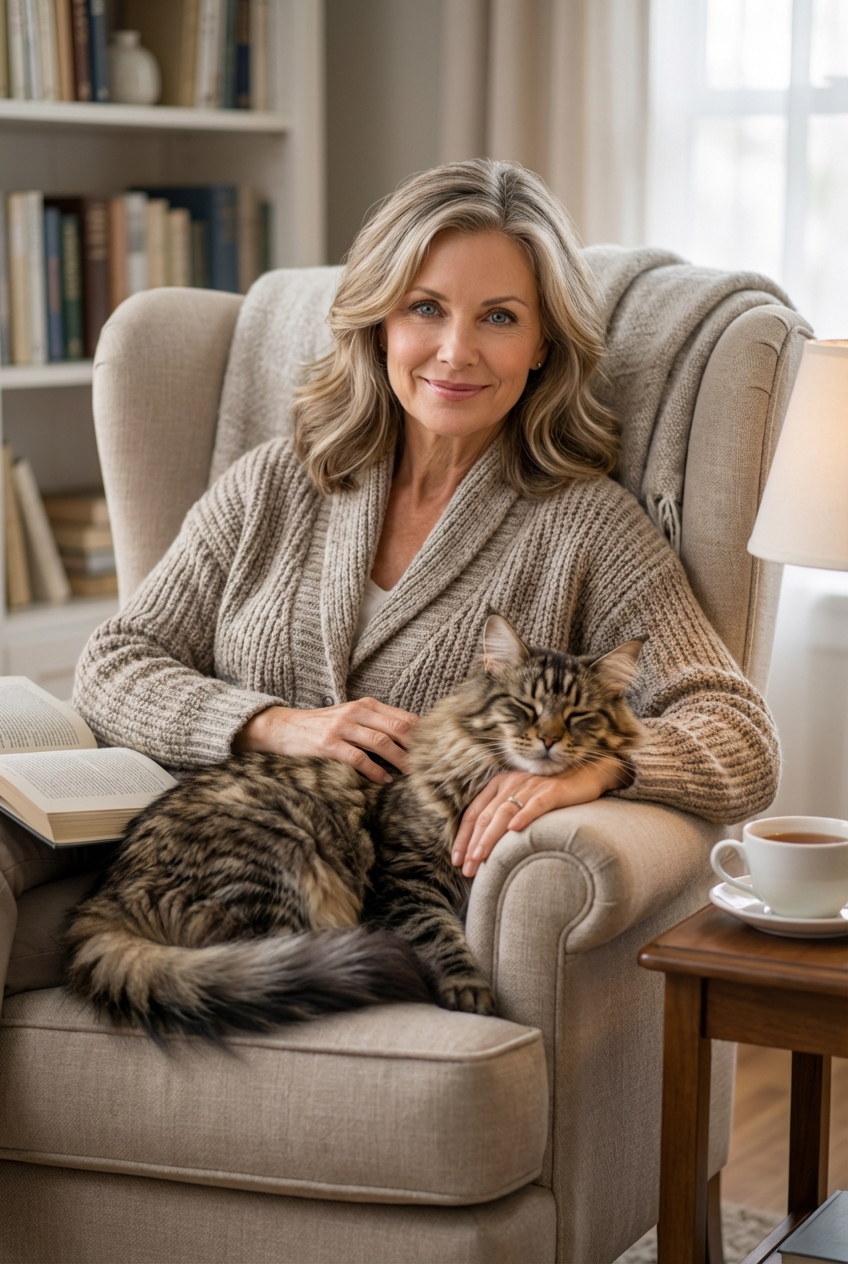
Maine Coons are often called “gentle giants.” They tend to be friendly, tolerant, and social with family and visitors. Many enjoy being near their people, even if they are not always true lap cats.
- Why retirees love them: Friendly and sociable, playful but not usually frantic, great companionship.
- Keep in mind: Their size means larger litter boxes and more food costs. They also need regular grooming, and some lines have a higher risk of hypertrophic cardiomyopathy (HCM). Routine veterinary checkups matter.
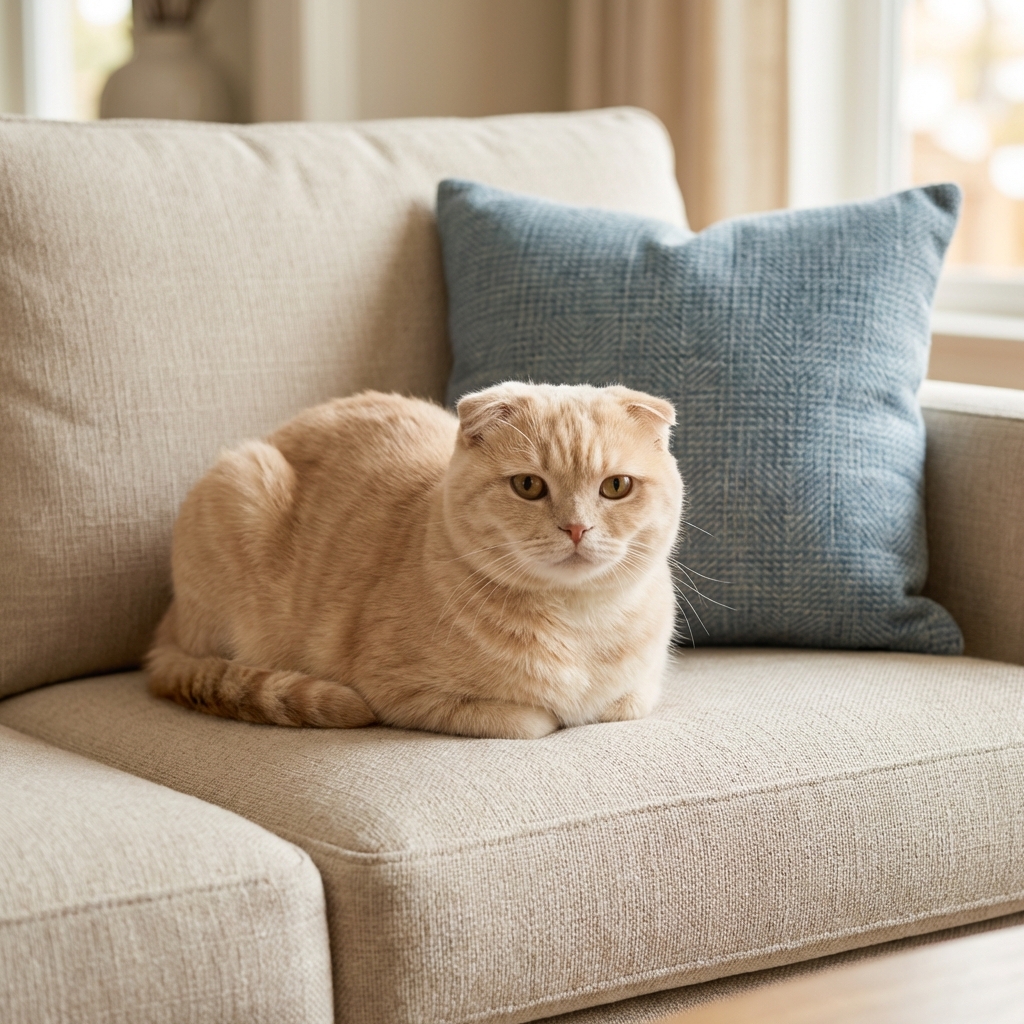
Scottish Fold (important caution)
Scottish Folds can be gentle, affectionate, and calm. Many do well in relaxed households and enjoy quiet interaction.
- Why retirees love them: Sweet disposition, enjoys company, often adaptable.
- Keep in mind: The signature folded ears are linked to a cartilage disorder called osteochondrodysplasia, which can cause painful, progressive joint disease. Because the welfare concern involves predictable pain in some cats, some veterinary and animal welfare organizations discourage breeding Scottish Folds. If you are considering this breed, speak with a veterinarian first and research ethical practices very carefully.
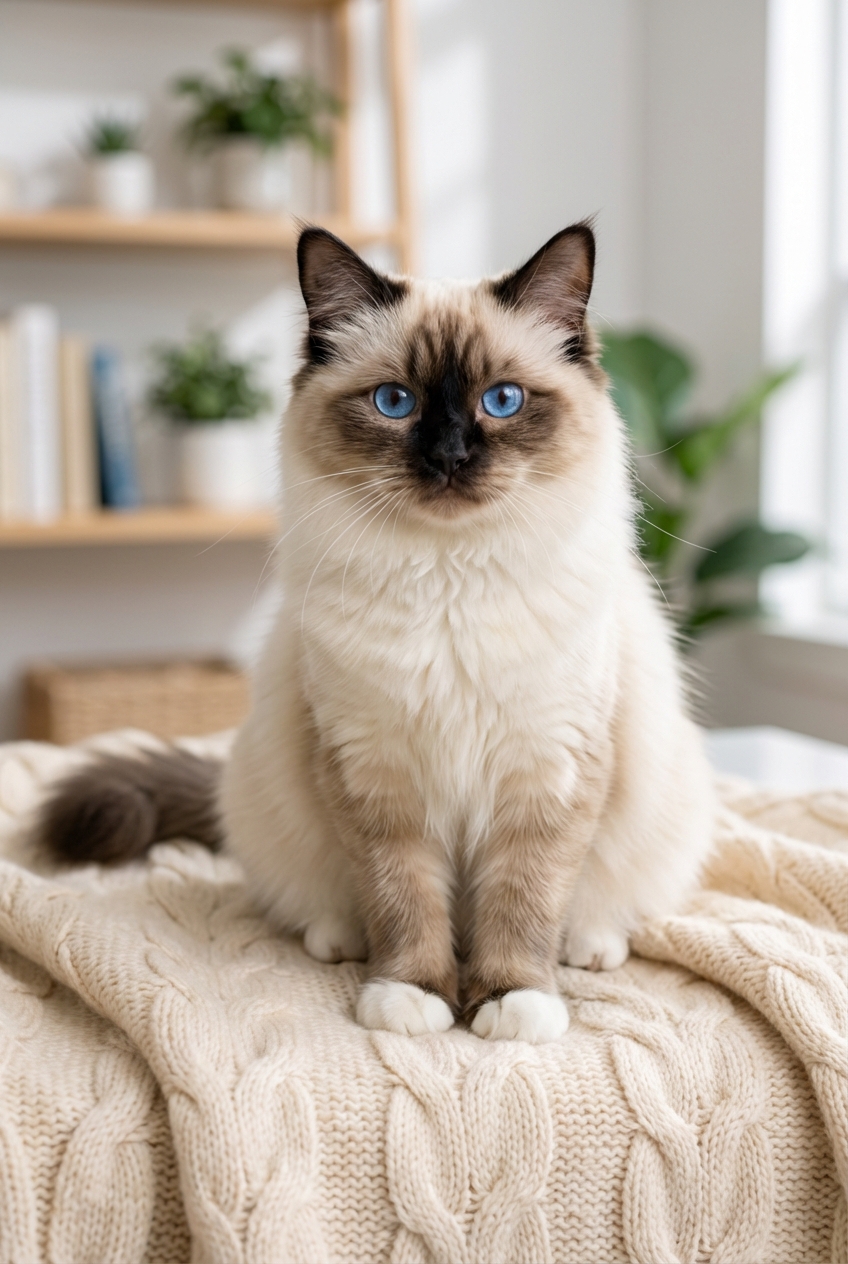
Birman
Birmans are gentle, affectionate cats who tend to bond closely with their people. They often enjoy being part of the household routine and can be a wonderful match for someone who wants a sweet companion with moderate energy.
- Why retirees love them: Friendly and social, typically not overly loud, enjoys interactive play in short sessions.
- Keep in mind: Their coat is silky but still needs consistent brushing to prevent tangles.
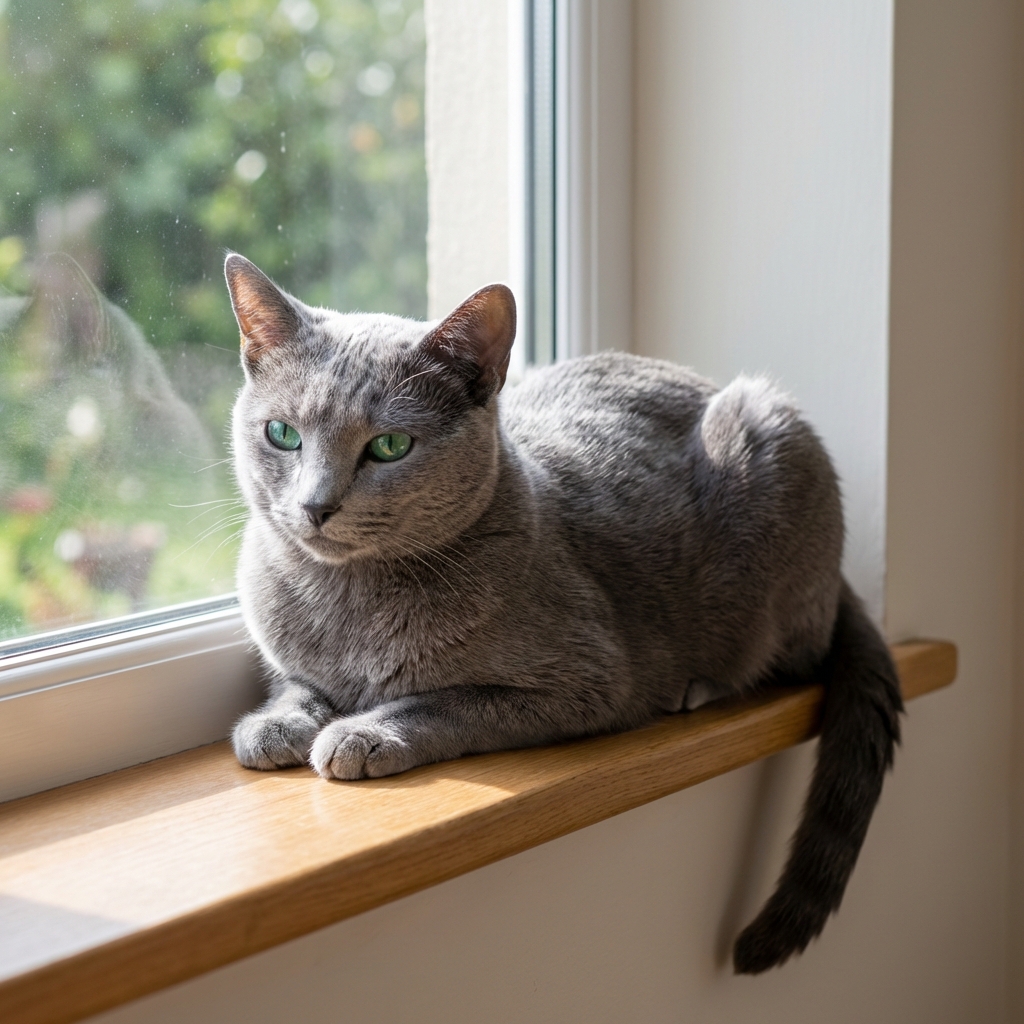
Russian Blue
Russian Blues are known for being calm and loyal. Many are affectionate with their family and a bit more reserved with strangers, which can be a plus if you prefer a quieter pet who does not rush the door with every visitor.
- Why retirees love them: Gentle, often described as tidy and fastidious, enjoys predictable routines.
- Keep in mind: They can be shy at first. A calm introduction and giving them “safe spaces” usually helps.
Consider adopting an adult cat
Here is a little insider tip from the veterinary world: if your number one goal is a gentle, predictable temperament, an adult or senior shelter cat can be the best choice. With kittens, you are guessing. With an adult cat, many rescues can tell you who is:
- Truly cuddly and people-focused
- Comfortable being brushed and handled
- Often quiet at night
- Content in a smaller home or apartment
Look for shelters that place cats in foster homes, because foster caregivers can give very accurate day-to-day personality notes. And as a bonus, adult cats are often less intense than kittens, which can make life feel more peaceful.
Pick the right match
Ask yourself
- Do I want a lap cat, or a “same-room” companion?
- How much grooming can I realistically do? Daily, weekly, or minimal?
- Do I want one cat or a bonded pair? Two cats can be easier in some ways because they socialize with each other, but it is also double the care and cost.
- Do I have frequent visitors or grandchildren? If yes, ask for a confident, tolerant cat.
- Do I want a talker? Some breeds are chattier than others.
Easy home setup
A gentle cat still needs an environment that supports good behavior and low stress. A few small choices make a big difference:
- Litter boxes: As a starting point, many behavior pros recommend one box per cat, plus one extra, placed in easy-to-reach, quiet areas.
- Non-slip support: Non-slip mats under food bowls and near favorite sleeping spots, especially if you have slick floors.
- Safe climbing: A sturdy cat tree or window perch for safe climbing and lounging.
- Short daily play: Using a wand toy or soft kicker toy to keep joints and weight in a healthy range.
- Routine vet care: To catch dental disease, kidney issues, arthritis, and thyroid problems early.
Retiree-friendly tweaks
If comfort and safety are top priorities, these small adjustments can make daily care easier for you and your cat:
- Low-entry litter box for older cats and for anyone who prefers less bending and lifting.
- Raised food and water bowls (or a sturdy feeder stand) to reduce hunching.
- Night-light near the litter box to help you avoid trips and to make it easier for senior cats to navigate.
- Clear pathways by keeping toys, cords, and small rugs from becoming tripping hazards.
Health and safety notes
I like to keep this part practical and not scary. Most cats live wonderful lives with simple preventive care. Still, these points are worth knowing:
- Arthritis is common as cats age. Choose low-entry litter boxes and talk to your veterinarian if your cat hesitates to jump.
- Dental disease is extremely common and can affect appetite and overall health. Regular dental exams are your friend.
- Obesity sneaks up on indoor cats. Portion control and play protect joints and organs.
- Pet insurance or a “vet fund” reduces stress if an emergency happens.
- Cost and time vary by breed: Long-haired and large breeds can mean more grooming time and sometimes higher routine costs (grooming tools, food, and potentially more frequent coat care).
A gentle cat is not “low maintenance” so much as “low drama.” The best match is the cat whose needs fit comfortably into your everyday life.
Quick summary
- Most cuddly: Ragdoll, Birman
- Most steady: British Shorthair
- Most laid-back (with grooming commitment): Persian
- Friendly and social: Maine Coon
- Quiet and routine-oriented: Russian Blue
If you are still unsure, visit a local rescue and spend time in a quiet room with a few adult cats. The right one often makes itself known by simply choosing to sit near you and relax.