Help your dog feel better with gentle homemade meals for sensitive stomachs. Learn a 3-ingredient bland reset, easy recipes, transition steps, and what signs...
Article
•
Designer Mixes
Best Foods for Dogs With Cancer

Shari Shidate
Designer Mixes contributor
Feeding a dog with cancer: what nutrition can and cannot do
When a dog is diagnosed with cancer, it can feel like the ground shifts under your feet. As a veterinary assistant here in Frisco, Texas, I have seen how much good nutrition can support comfort, strength, and quality of life during treatment. But I also want to be crystal clear and evidence-based: food does not “cure” cancer on its own.
What nutrition can do is help your dog maintain lean muscle, keep weight on if appetite drops, support digestion, and make it easier to tolerate surgery, chemo, radiation, or medications. The goal is not perfection. The goal is steady, nourishing progress, one meal at a time.
Top priorities (in order): calories your dog will eat, adequate protein to protect muscle, then the right mix of fat and fiber your dog can tolerate.
Before making major diet changes, especially during chemo or with kidney, liver, pancreatitis, diabetes, or high calcium issues, talk with your veterinarian or a board-certified veterinary nutritionist (ACVN). Cancer nutrition is not one-size-fits-all.
Comments
Key goals of a cancer-supportive diet
1) Protect muscle and body weight
Many dogs with cancer are at risk of weight loss and muscle wasting. In practice, I focus on meals that are nutrient-dense, highly palatable, and built around high-quality protein and an amount of fat that is appropriate for that dog.
2) Keep energy steady
You may hear a lot about sugar and cancer (the “Warburg effect”). In real-life canine oncology, the evidence that low-carb diets improve outcomes is mixed and depends on the tumor type and the dog’s overall health. What is broadly helpful is avoiding big blood sugar spikes from large portions of refined starches, while still prioritizing total intake. This does not mean “no carbs ever.” It means choosing carbs carefully and keeping portions appropriate for your dog.
3) Support digestion and the gut
A healthy gut supports overall well-being, and gut support can help some dogs with diarrhea or appetite changes. That said, nausea in cancer patients is often medication- or chemo-related, and fiber or probiotics are not a perfect fit for every situation. Use these tools thoughtfully, and stop if stools worsen.
4) Reduce inflammation where possible
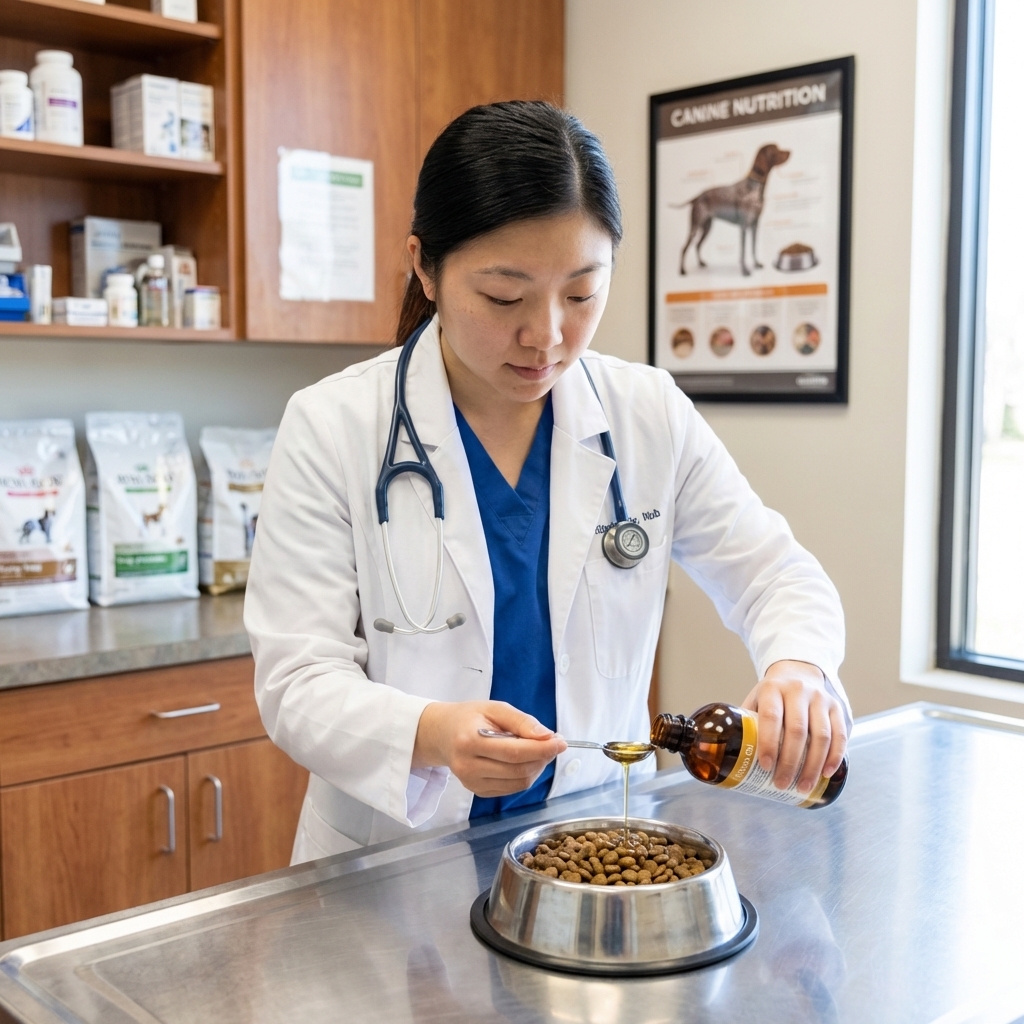
Omega-3 fatty acids (EPA and DHA) from fish oil are among the most studied nutrition tools for dogs with cancer. In some dogs, they may support appetite, lean body mass, and overall well-being, but effects are not guaranteed and dosing matters. Always dose with your veterinarian or veterinary oncologist because fish oil can add significant calories and may not be appropriate for every dog.
Best foods to include
Think of this as a “building blocks” list. Your dog may not need every item here, but these are common, practical choices that tend to work well.
High-quality protein (the foundation)
- Cooked lean meats: turkey, chicken, lean beef, pork loin
- Fish: salmon, sardines (in water, no salt added when possible)
- Eggs: hard-boiled or fully cooked
- Organ meats (small amounts): especially liver for micronutrients, but avoid overdoing it due to vitamin A excess
Protein needs can vary based on tumor type, kidney function, and overall health. If your dog has kidney disease, significant liver disease, or a history of pancreatitis, your protein and fat strategy may be different, so please get guidance.
Fats for calories and omega-3s
- Fish oil (EPA/DHA), as directed by your vet (ask for a target in mg of EPA + DHA per kg)
- Salmon or sardines as a whole-food omega-3 source
- Small amounts of olive oil for extra calories if weight is dropping (only if your vet says fat is appropriate)
If your dog has pancreatitis history or is prone to diarrhea, fat may need to be tightly controlled. Also ask your vet if fish oil is a good idea if your dog is on blood thinners, has a bleeding risk, or is scheduled for surgery.
Vegetables (lightly cooked)
Vegetables provide phytonutrients and gentle fiber. Dogs generally digest cooked and chopped or pureed veggies better than raw.
- Broccoli, cauliflower, Brussels sprouts (small portions, cooked)
- Kale, spinach (small portions, cooked)
- Carrots, green beans, zucchini
- Pumpkin (plain) for stool support
Smart carbohydrates (when appropriate)
Not every dog needs grains or starchy carbs during cancer care, but many dogs do well with measured portions of lower-glycemic options, especially if it helps them keep eating and maintain weight.
- Quinoa, oats, barley (well-cooked)
- Sweet potato (baked or steamed, not seasoned)
- Rice (white rice can be useful short term for stomach upset)
Gut-friendly extras (use case by case)
- Plain kefir or plain yogurt (if your dog tolerates dairy)
- Vet-approved probiotics (often helpful during antibiotics; ask your oncologist during chemo)
- Soluble fiber like pumpkin or psyllium, when recommended
Simple recipes to start
These are gentle, simple meals designed for many dogs, but they are not a substitute for a complete and balanced therapeutic plan. If you are feeding homemade long-term, ask your vet for a recipe that meets AAFCO nutrient profiles or request a custom recipe from an ACVN nutritionist.
Important: These recipes are best used short term (like during a rough appetite week) or as toppers unless a nutritionist has balanced them for long-term feeding.
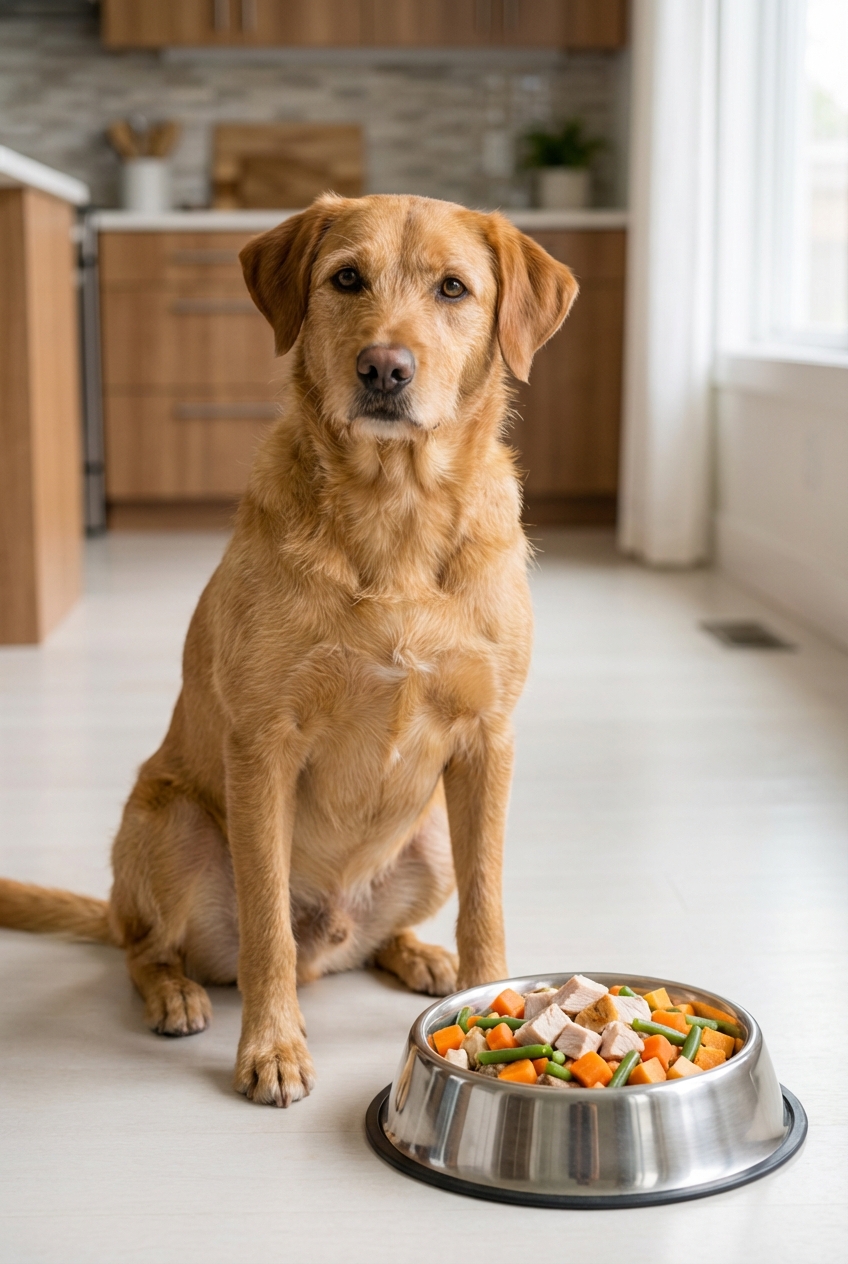
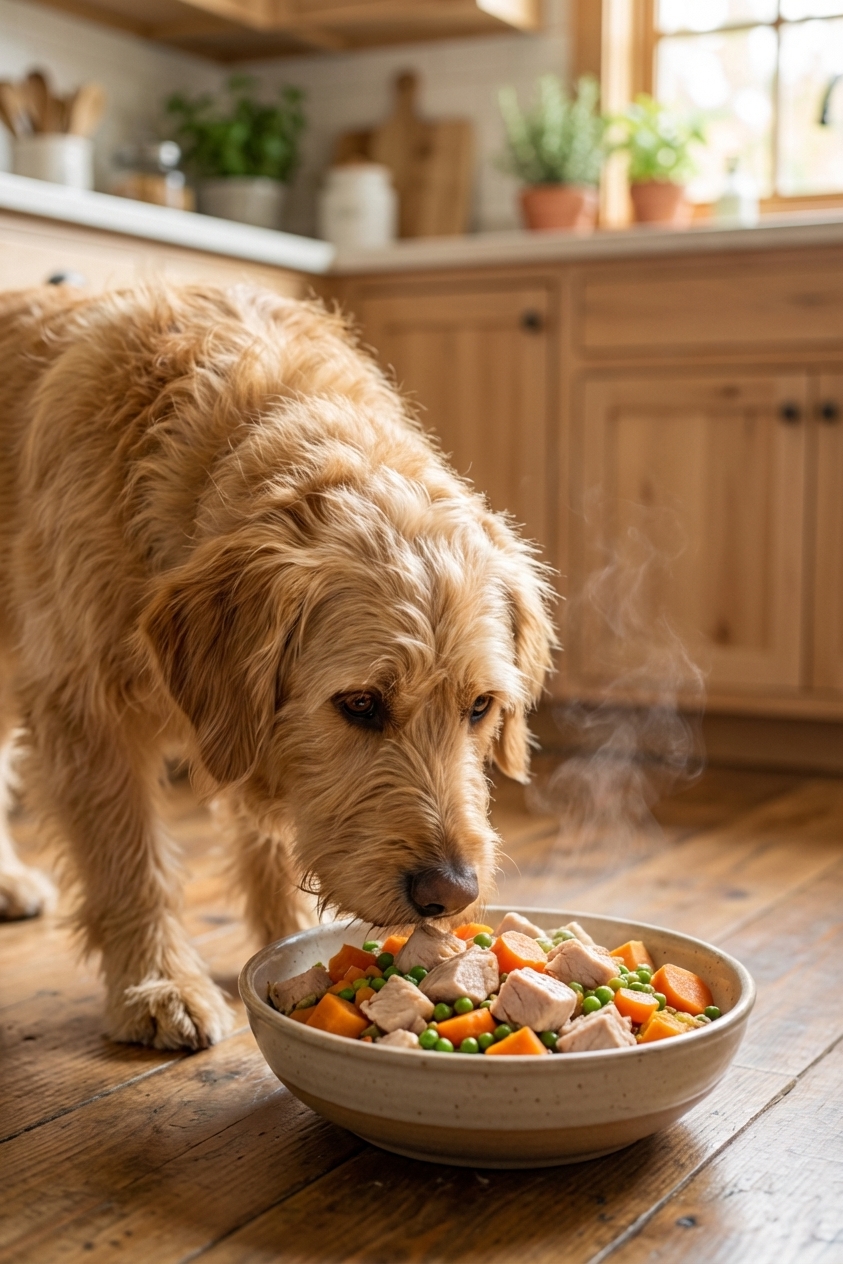
Recipe 1: Turkey, pumpkin, green beans
- Protein: cooked ground turkey (drained if needed)
- Veg: steamed green beans (chopped)
- Fiber: plain canned pumpkin (not pie filling)
- Optional: a small splash of warm broth for aroma
Safety note: Only use broth that is truly onion- and garlic-free, and not heavily salted. Many store-bought broths contain alliums.
Why it may help: easy to digest, appealing smell, pumpkin can help regulate stool.
Recipe 2: Salmon and quinoa
- Protein: cooked salmon (boneless, fully cooked)
- Carb: cooked quinoa
- Veg: lightly steamed zucchini (chopped or pureed)
Why it may help: omega-3 rich and calorie-dense for some dogs. If your dog has pancreatitis risk or is on a strict low-fat plan, skip this one unless your vet approves.
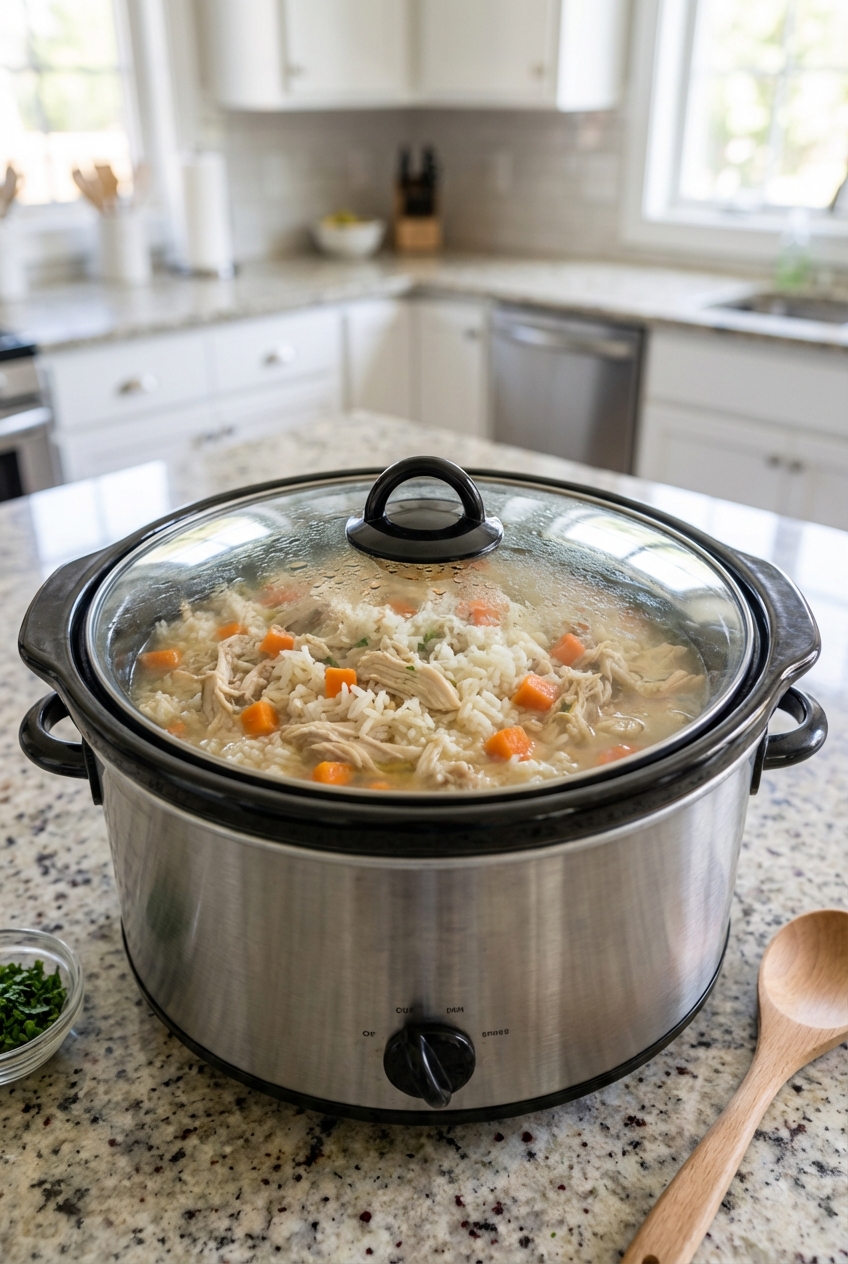
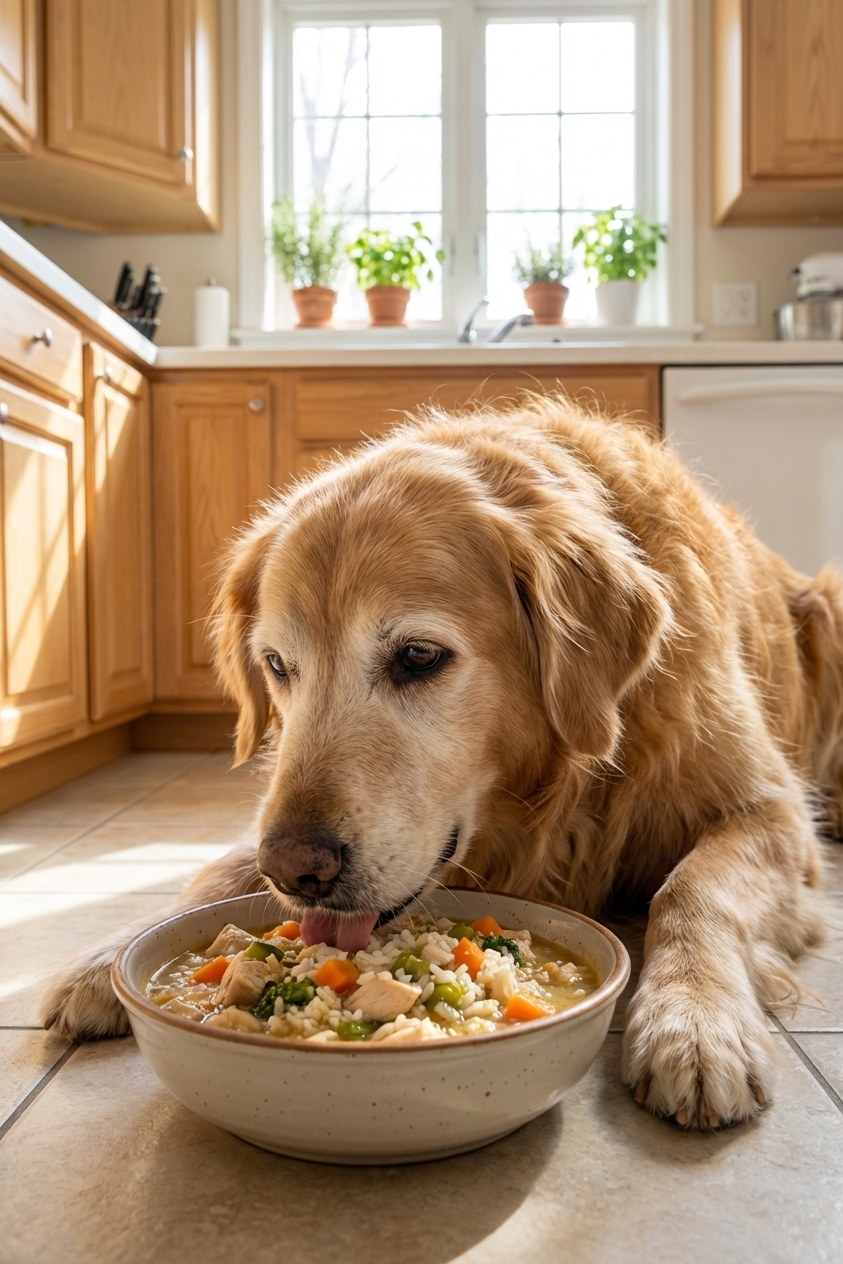
Recipe 3: Chicken and rice (nausea days)
- Protein: boiled chicken breast or thigh meat (skin removed)
- Carb: well-cooked white rice (short term)
- Optional: a little plain pumpkin or carrot puree
Why it may help: bland, familiar, and often easier during appetite dips. Use as a short-term bridge and transition back to a more nutrient-dense plan when your dog is ready.
How to transition (3 to 7 days)
If your dog is stable and not dealing with active vomiting or severe diarrhea, a slow transition is usually easiest on the gut. Start with about 10 to 20% of the meal as the new food for 2 to 3 days, then increase gradually if stools stay normal. If your dog is on a therapeutic or prescription diet, ask your vet before making changes.
Portion guidance (simple and safe)
Unless your vet gives you a calorie target, start small. For toppers, I typically start with 1 to 2 teaspoons for small dogs, 1 to 2 tablespoons for medium dogs, and 2 to 4 tablespoons for large dogs per meal, then adjust based on appetite and stool quality.
What to avoid (and limit)
Avoid completely
- Grapes and raisins (kidney toxicity)
- Onions and onion powder (can damage red blood cells)
- Garlic (can be toxic, especially in larger amounts)
- Xylitol (found in some peanut butters and sugar-free products)
- Alcohol, coffee, chocolate, macadamia nuts
- Cooked bones (splinter risk)
Limit or use only with veterinary guidance
- Ultra-processed treats high in sugar, refined starches, and artificial additives
- High-fat foods if your dog is pancreatitis-prone (bacon, greasy table scraps)
- Raw diets during cancer treatment: many oncology patients are immunocompromised and at higher risk from bacteria like Salmonella and Listeria
- Unvetted supplements: “anti-cancer” herbs can interfere with chemo drugs or cause liver issues
- High-dose antioxidants: may interfere with some chemo or radiation protocols depending on timing and dose
If you are considering supplements like turmeric, medicinal mushrooms, CBD, or antioxidants, please involve your veterinary oncologist. The right product, timing, and dose matter, and some supplements can work against the plan you are paying for.
Appetite support tips
- Warm the food slightly to boost aroma (not hot).
- Offer small meals 3 to 5 times per day instead of two large meals.
- Prioritize calories on low-appetite days. Getting your dog to eat something is often better than pushing a “perfect” meal.
- Keep a simple food journal noting appetite, stool quality, and any vomiting.
- Ask about prescription appetite support if needed. Many dogs benefit from medical help, and it can be a game-changer.
Homemade vs. commercial
I love homemade food because you control ingredient quality, freshness, and palatability. But I also know real life is busy and treatment schedules are exhausting. For many families, the safest balanced approach is to use a complete and balanced commercial diet (or a prescription diet when needed) and add small amounts of fresh food for joy and appetite.
As a general rule, keep toppers to 10% or less of daily calories unless your vet says it is okay to go higher. Larger percentages can unintentionally unbalance even excellent diets, especially therapeutic and prescription formulas.
If your dog is on a prescription oncology, kidney, GI, or recovery diet, talk with your vet before adding toppers because even healthy additions can change nutrient balance or upset the stomach.
When therapeutic diets help
Some dogs with cancer do best on veterinary “recovery” or critical care diets, GI diets, or other therapeutic options, especially if appetite is poor or digestion is sensitive. If your dog is losing weight, your vet may prioritize a diet that is simply easy to eat and calorie-dense.
Food safety basics
- Cook meat, fish, and eggs fully. Avoid raw or undercooked foods during treatment.
- Wash hands, bowls, and prep surfaces well, especially if anyone in the home is immunocompromised.
- Refrigerate leftovers promptly and discard if anything smells “off” or sits out too long.
- Introduce new foods one at a time so you can spot what helps and what upsets the stomach.
When to call your vet
- Not eating for 24 hours (or less for small dogs, seniors, or dogs on certain meds)
- Repeated vomiting, diarrhea, or black, tarry stool
- Rapid weight loss, weakness, or dehydration
- New trouble chewing or swallowing, drooling, or oral bleeding
You are not bothering your vet by checking in. Early support can prevent a small issue from becoming an emergency.
Bottom line
The best foods for dogs with cancer are the ones your dog will actually eat, that help protect muscle, support a steady energy level, and keep digestion as calm as possible. Start simple. Go slowly. And lean on your veterinary team, especially if your dog is in active treatment.
You do not have to do this perfectly. You just have to keep showing up, meal by meal, with love and good information.