Worried your cat is too skinny? Learn when weight loss needs a vet visit, top medical causes, and practical feeding strategies—calorie-dense diets, meal ro...
Article
•
Designer Mixes
Best Foods for Cats With Cancer

Shari Shidate
Designer Mixes contributor
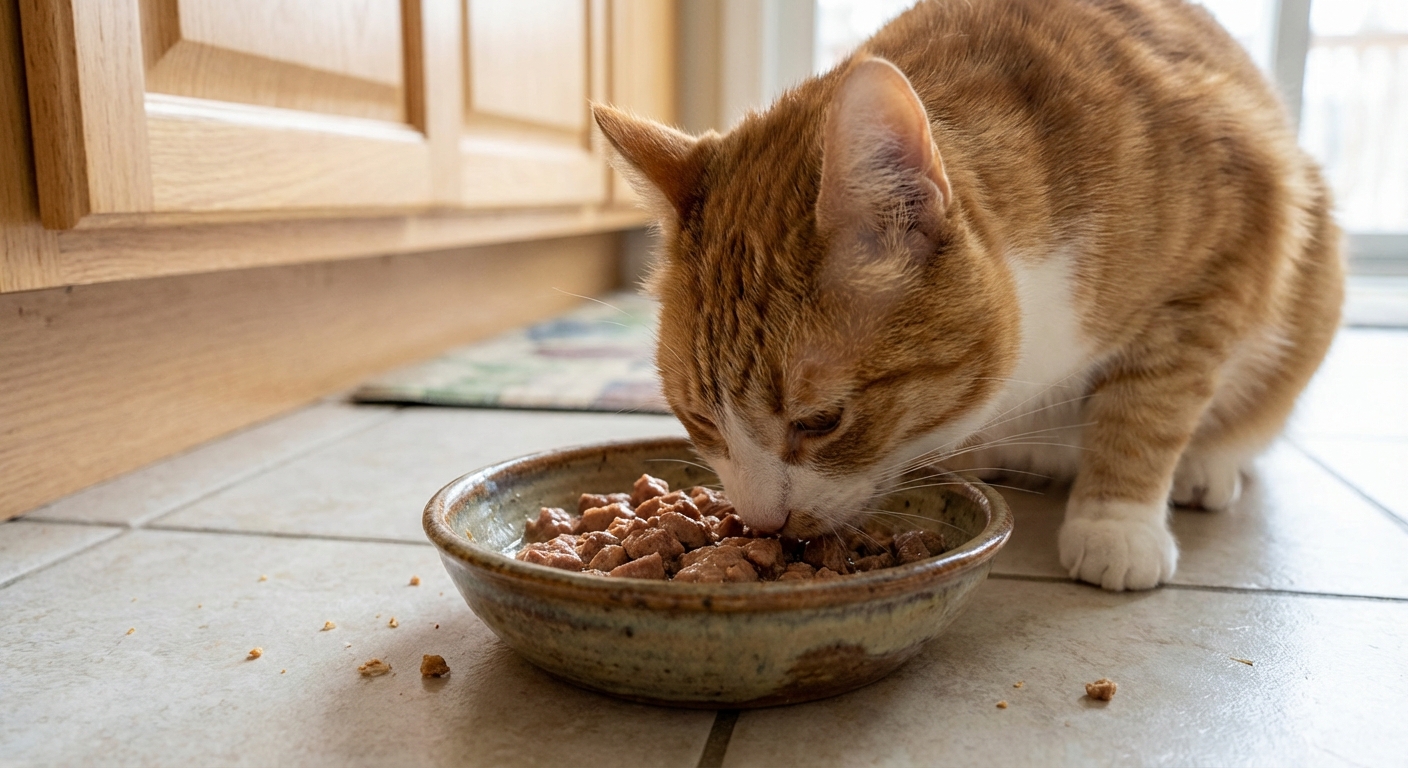
When a cat is diagnosed with cancer, food can start to feel like an emergency. I get it. As a veterinary assistant, I have seen how quickly appetite can change and how stressful it is when your cat turns away from the bowl.
The good news is that nutrition is one area where you can take meaningful, day-to-day action. The goal is not a perfect diet. The goal is to help your cat maintain weight and muscle, stay hydrated, and feel well enough to keep eating during treatment.
Start with the big goals
Cancer and some cancer treatments can sometimes increase calorie needs, but not every cat’s needs rise. What I see most often is that intake drops because nausea, pain, stress, and taste changes make eating harder. Weight loss is usually multi-factorial.
Cats are also uniquely prone to hepatic lipidosis (fatty liver) if they stop eating. The risk climbs after a few days of little or no food, especially in overweight cats, and it can become serious quickly.
Many vet-guided feeding plans for cats with cancer prioritize:
- High animal protein to help protect lean muscle and immune function
- Moderate to higher fat for calorie density and palatability (when appropriate)
- Lower carbohydrates since cats are obligate carnivores and many do best with fewer starches
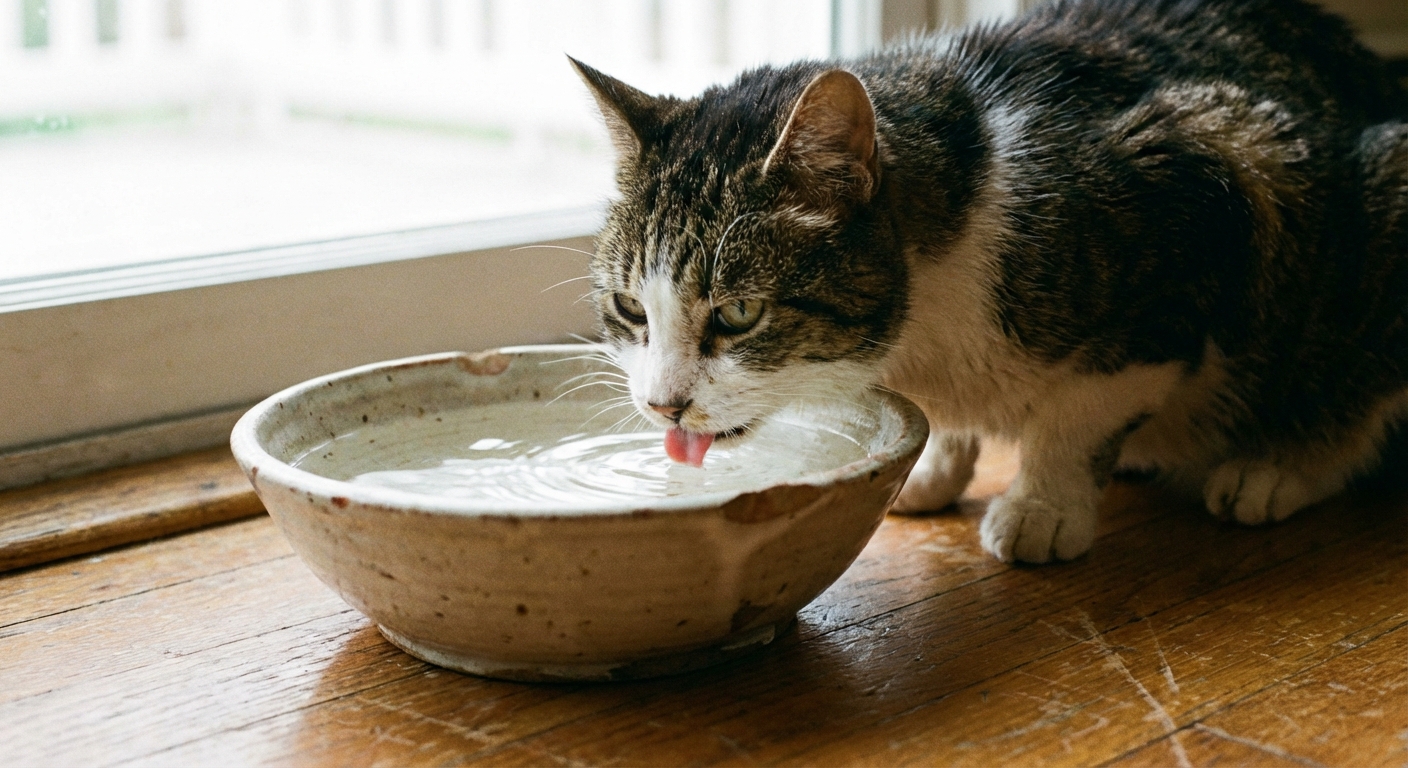
- Excellent hydration, usually by emphasizing wet food
Important: your veterinarian or veterinary oncologist should guide the plan, especially if your cat also has kidney disease, pancreatitis, diabetes, hyperlipidemia, or GI disease. For example, kidney disease may call for phosphorus management, and pancreatitis may mean you need a lower-fat approach.
Macronutrients: common goals
High protein (animal-based)
Protein helps maintain muscle, supports wound healing, and contributes to immune health. Many cats with cancer lose muscle even when they are still eating, so protein quality matters.
- Look for: named meats (chicken, turkey, beef, rabbit, salmon) and organ meats in appropriate amounts
- Aim for: meat-forward foods where animal ingredients dominate the label
Moderate to higher fat (if appropriate)
Fat is calorie-dense, which is helpful when your cat will only eat small amounts. It also improves taste and texture for many cats.
- Look for: poultry fat, salmon oil, sardine oil, fish oil (in controlled amounts)
- Use caution: if your cat has a history of pancreatitis, high triglycerides, or recurring GI upset, ask your vet what fat level is appropriate
Lower carbohydrates
Many dry foods rely on starches to form kibble. Wet foods typically run lower in carbs, which often aligns better with a cat’s natural metabolism. That said, the “best” carb level depends on the whole patient, especially if diabetes or GI disease is in the mix.
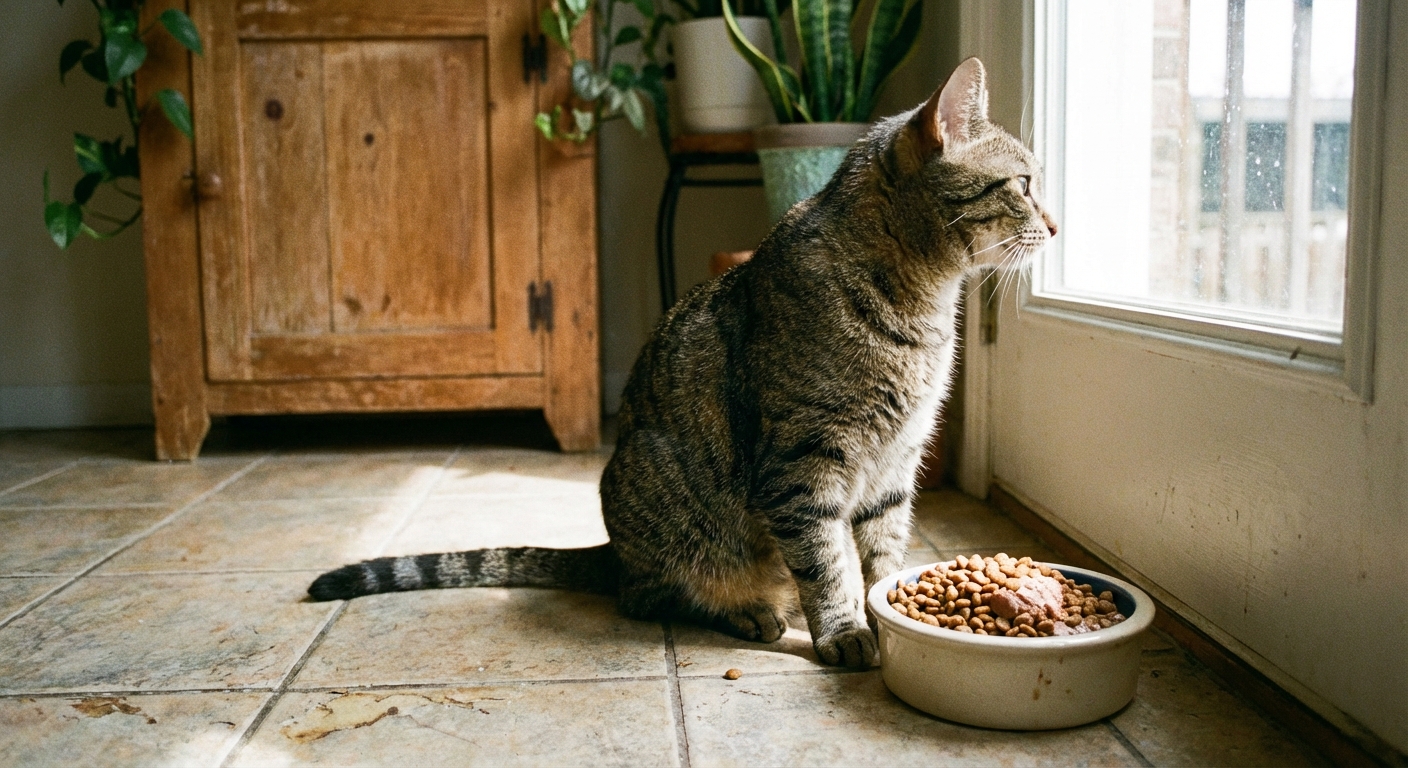
- Practical tip: if your cat is a kibble lover, even switching to a higher-protein dry option plus adding wet meals can be a meaningful step
How to read the label
When you are standing in the pet food aisle at 8 pm, a few quick checks can save you a lot of second-guessing:
- AAFCO statement: look for “complete and balanced” (or “formulated to meet AAFCO nutrient profiles”) unless your vet prescribes a therapeutic diet.
- Life stage: adult maintenance is common, but some cats who are losing weight do well on higher-calorie options like kitten foods or recovery diets, if your vet approves.
- Calories: check kcal per can or pouch. This is incredibly helpful for tracking intake and catching weight loss early.
Nutrients that can help support recovery
No food can cure cancer. But certain nutrients can support the body through inflammation, tissue repair, and immune demand. The safest approach is to focus on complete and balanced diets first, then add supplements only when your veterinarian (or oncologist) approves.
Omega-3 fatty acids (EPA and DHA)
Omega-3s from fish oil may support healthy inflammation balance and can be helpful for maintaining body condition in some cancer patients.
- Food sources: salmon, sardines, anchovy-based oils
- Safety note: the right dose matters. Too much can cause GI upset, affect blood clotting, and add excess calories. In cats prone to pancreatitis, the extra fat may be an issue. Ask your vet for a target dose and product.
B vitamins
B vitamins support appetite and energy metabolism, and they play a role in red blood cell health. Cats with poor appetite may not get enough consistently.
- Food sources: meat, liver in controlled amounts, complete wet foods
- Tip: if your vet recommends a B12 injection for GI disease or malabsorption that can accompany GI cancers (including GI lymphoma), it can be a simple, helpful intervention.
Antioxidants (whole-food first)
Antioxidants help the body manage oxidative stress. During some cancer therapies, high-dose antioxidant supplements are controversial. Evidence is mixed, and the safest move is to let your oncologist guide this.
- Better default: antioxidants that are naturally present in complete diets
- Avoid: starting high-dose antioxidant supplements (like high-dose vitamin E or concentrated extracts) without oncology guidance
Arginine and taurine (cat essentials)
Cats require taurine and rely heavily on arginine for normal metabolism. A complete commercial food will provide both. Homemade diets must be carefully formulated to avoid dangerous deficiencies.
Best food choices day to day
Wet food as the foundation
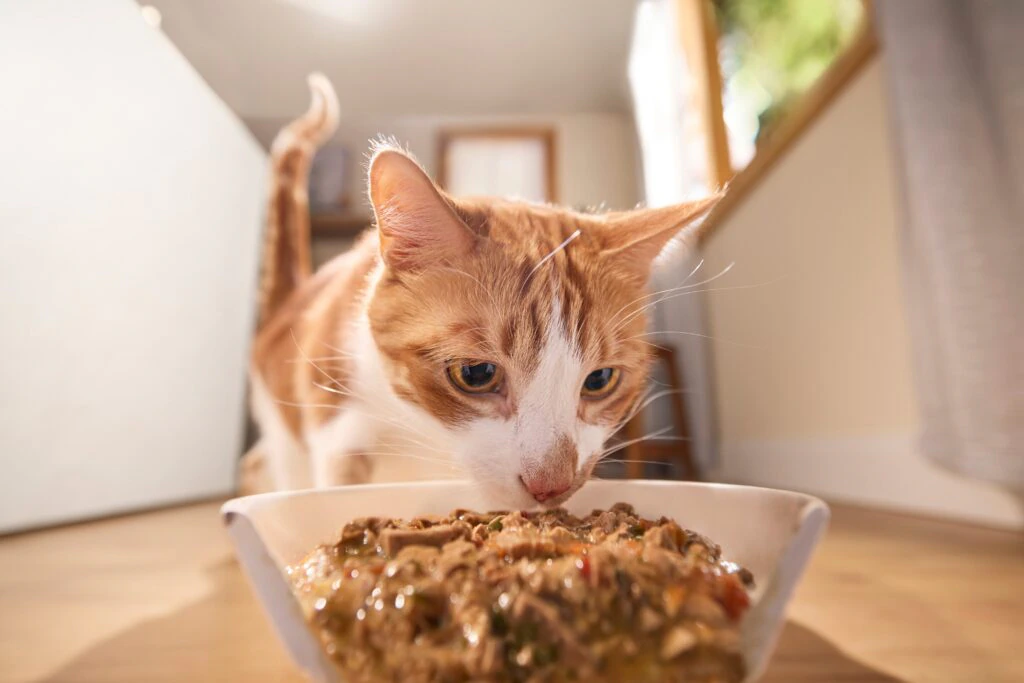
For many cats with cancer, a high-protein wet food is the simplest, most effective move. It helps with hydration and is usually easier to chew and smell, which matters when nausea or mouth pain shows up.
- Choose: pate or shredded styles depending on what your cat prefers
- Rotate textures: cats can develop aversions after nausea, so having options helps
Energy-dense options when weight is dropping
If your cat is losing weight, you often need more calories per bite.
- Try: kitten-labeled wet foods (often higher calorie) if your vet says it fits your cat’s needs
- Ask about: veterinary therapeutic recovery diets designed for poor appetite and weight loss
Gentle, simple proteins for sensitive stomachs
Some cats do best with fewer ingredients during GI upset.
- Try: single-protein wet foods, limited-ingredient diets, or novel proteins if food sensitivity is suspected
- Tip: any diet change should be gradual, unless your veterinarian instructs otherwise
Foods and ingredients to avoid
These are common “well-meaning” choices that can backfire during cancer care, especially if your cat is immunocompromised or nauseated.
Raw diets and raw milk
Raw meat and unpasteurized dairy can carry bacteria and parasites. During chemotherapy, radiation, or steroid therapy, the risk from foodborne illness can be higher.
- Safer option: fully cooked foods and reputable commercial wet diets
Meat-based baby food (check the label)
Plain meat baby food is a very common “sick cat” trick, and sometimes it can help short-term. But many varieties contain onion or garlic powder, which are toxic to cats. If you use baby food as an appetite rescue, read every ingredient carefully and keep it temporary unless your vet directs otherwise.
Onion, garlic, chives, leeks
Allium family foods can damage red blood cells in cats and should be avoided.
High-sodium, heavily seasoned people food
Deli meats, bacon, salty broths, and seasoned gravies add unnecessary sodium load and can worsen nausea or diarrhea. They may also be inappropriate for cats with heart disease, kidney disease, or high blood pressure.
Dry food only (if your cat is not drinking well)
Some cats do fine with kibble, but many cancer patients benefit from more moisture. If your cat eats mostly dry, talk to your vet about adding wet meals, water fountains, or safe broth strategies.
Unsupervised supplements
“Natural” does not always mean safe. Some supplements can interact with chemo drugs, affect bleeding risk, or irritate the stomach.
- Check first: CBD, turmeric or curcumin, high-dose antioxidants, herbal blends, essential oils, and mushrooms
Help a cat eat during treatment
Appetite support is often the difference between “we are getting through this” and a crisis. Here are practical steps I have seen help in real homes.
Make food smell stronger
- Warm wet food slightly so it is just above room temperature
- Add a spoonful of warm water to release aroma
- Offer strongly scented toppers your cat tolerates, like the juice from canned tuna packed in water (not oil) or a tiny bit of sardine (ask your vet if sodium is a concern)
Offer small, frequent meals
Many nauseated cats cannot handle a full portion at once. Think snack-sized servings, often.
Prevent food aversions
If your cat eats a certain food and then feels nauseated, they may refuse it later. Try offering a “new” or less-loved food on treatment days and saving favorites for better days.
Create a calm feeding setup
- Quiet room, away from other pets
- Shallow, wide bowls (some cats prefer these)
- Gentle encouragement without hovering
Hydration helpers (safely)
- Mix extra water into wet food
- Try a pet water fountain
- If using broth, make sure it is onion and garlic free and ideally low sodium. Many store-bought broths are unsafe for cats.
Ask your vet early about nausea and appetite meds
Do not wait until your cat has not eaten for days. Medications can be game-changers.
- Common nausea support: maropitant (Cerenia), ondansetron
- Common appetite stimulant: mirtazapine (often transdermal)
Assisted feeding safety note
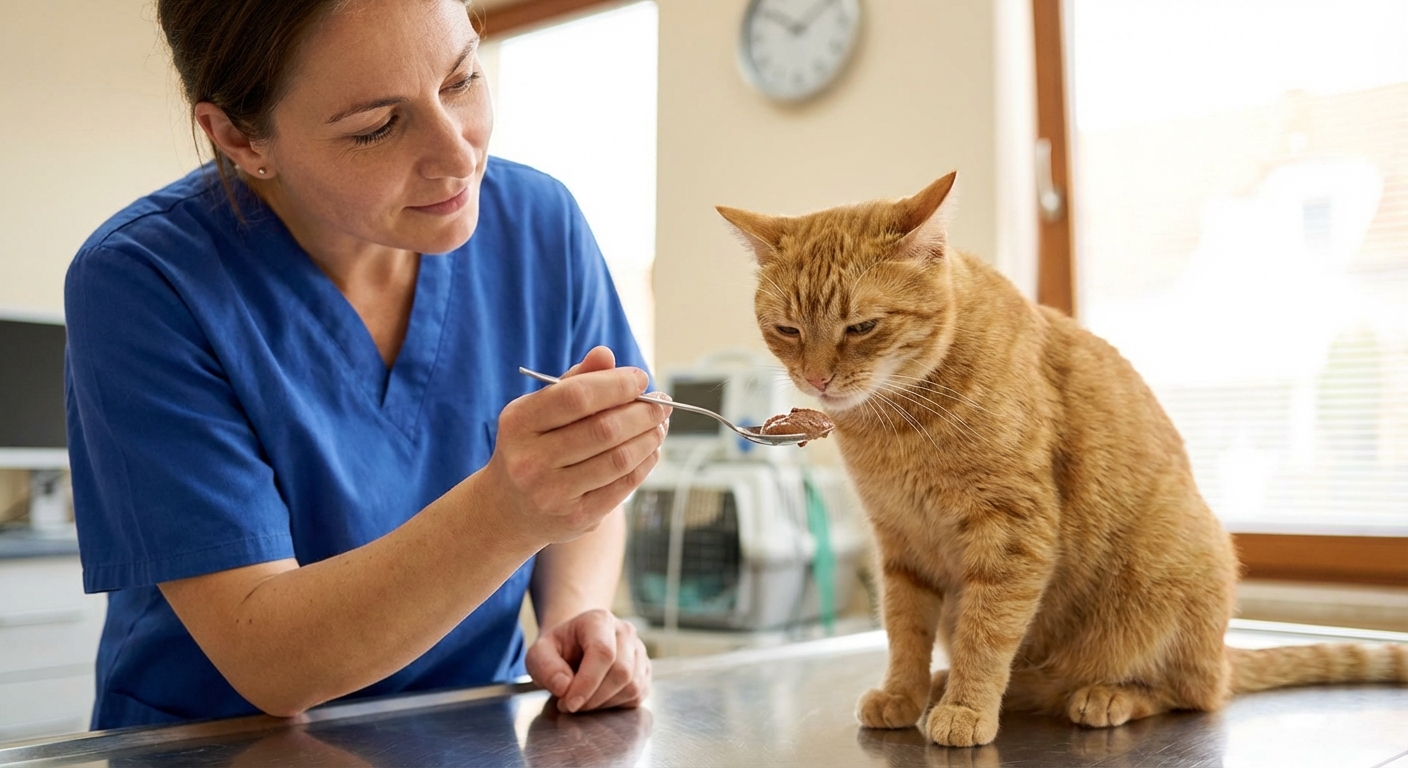
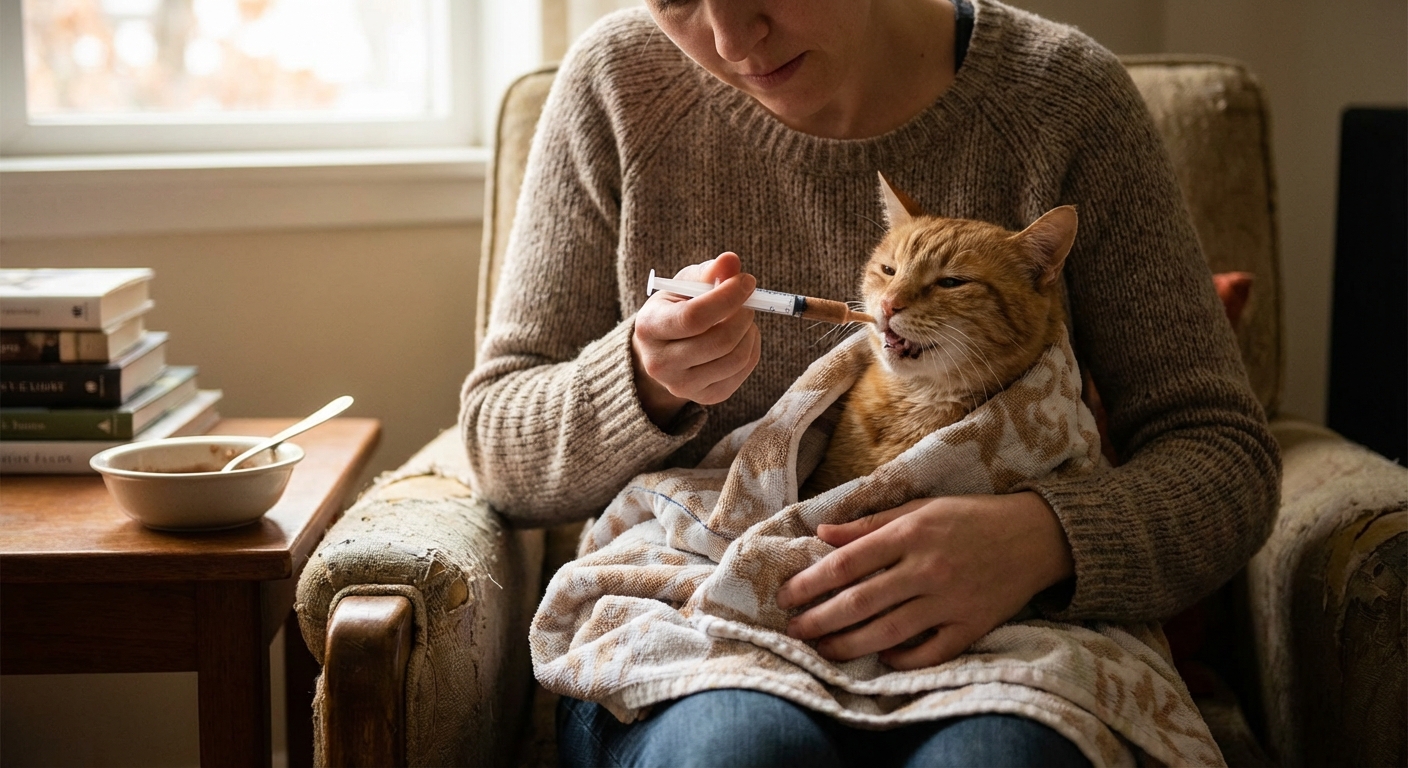
Syringe feeding can be helpful in specific situations, but it can also cause stress, food aversion, or aspiration if done incorrectly. Only do it if your vet has shown you how, go slowly, and stop if you see coughing, gagging, or distress. If your cat needs ongoing assisted feeding, ask about a feeding tube early.
If your cat has eaten nothing for 24 hours, or very little for 48 hours, contact your veterinarian promptly. Cats can get sick quickly when they stop eating.
Track calories, not just bites
One of the most helpful things you can do is ask your vet for a daily calorie target (kcal per day), then estimate how much your cat is actually taking in.
- Check the can or pouch: calories are often listed as kcal per can
- Keep a simple log: morning, afternoon, evening intake
- Weigh weekly: even small losses matter in cats
Common barriers and fixes
If eating suddenly gets harder, it helps to match the symptom to the most likely cause and the next step to try.
- Nausea (lip licking, drooling, walking away): ask about anti-nausea meds, offer smaller meals, warm food
- Mouth pain (pawing at mouth, bad breath, dropping food): switch to softer foods, ask for an oral exam and pain control
- Constipation (straining, no stool 48 to 72 hours): ask about hydration support and stool softeners, especially if on opioids
- Taste changes: rotate flavors and textures, try a different brand or protein
- Post-chemo appetite dip: ask your oncologist what timing is expected and when to start appetite or nausea support
Homemade vs commercial
Commercial diets (often the best start)
A complete and balanced commercial wet diet is usually the easiest and safest foundation because it reliably provides taurine, vitamins, and minerals in the right proportions. During cancer treatment, reliability matters.
- Best for: most cats, especially those with fluctuating appetite
- Ask your vet about: recovery diets or high-calorie veterinary options when weight loss is a concern
Homemade diets (specific situations)
Homemade meals can be useful when your cat refuses everything else or has complex GI sensitivity. But cats have very specific nutritional requirements, and “meat plus rice” is not complete for long-term feeding.
- Best for: short-term appetite rescue, or long-term only with a properly formulated recipe
- Must-haves: a recipe formulated for your cat’s diagnosis and labs, plus the right supplements (especially taurine, calcium balance, and trace minerals)
- Extra resource: ask your vet for a referral to a board-certified veterinary nutritionist (ACVN) for a recipe that is truly complete and balanced
Base diet plus topper
Many families succeed with a complete commercial wet food as the base, plus a small amount of vet-approved topper to boost calories and enthusiasm.
- Topper ideas (ask your vet): plain cooked chicken thigh, a small amount of canned sardine in water, a spoonful of kitten wet food, or a recovery diet blended into a gravy
Feeding tubes (less scary than they sound)
If your cat is not meeting calorie needs, a feeding tube can protect nutrition and reduce daily stress. In cats, an esophagostomy tube is commonly used for longer support. It does not mean “giving up,” and it usually does not prevent your cat from eating by mouth for pleasure when they feel up to it.
7-day feeding checklist
If you are overwhelmed, try this step-by-step plan:
- Day 1: Pick 2 to 3 wet foods with different textures and proteins.
- Day 2: Start weighing your cat (or use a baby scale) every few days.
- Day 3: Add one hydration helper: water fountain, extra water mixed into wet food, or onion and garlic free broth.
- Day 4: Ask your vet for a daily calorie goal and start a simple kcal log.
- Day 5: If appetite is poor, ask your vet about nausea control and an appetite stimulant.
- Day 6: Identify one “treatment day” food to reduce food aversion risk.
- Day 7: If weight is still falling, ask about high-calorie recovery diets or feeding tube support.
When to call your vet
Please contact your vet or oncologist promptly if you notice:
- No food intake for 24 hours, or very limited intake for 48 hours
- Repeated vomiting, severe diarrhea, or signs of dehydration
- Rapid weight loss, worsening weakness, or hiding more than usual
- Mouth sores, drooling, bad breath, or pawing at the mouth
- Constipation for more than 48 to 72 hours
Nutrition support is part of cancer care. You are not “overreacting” by asking for help early.