Find a pet that fits your schedule. This guide explains what “low maintenance” really means and compares adult cats, betta/community fish, geckos, and in...
Article
•
Designer Mixes
Best Dog Breeds for Seniors: Low Maintenance and Calm Companions

Shari Shidate
Designer Mixes contributor
Choosing the right dog as a senior is a little like choosing the right pair of walking shoes. Comfort matters, the fit matters, and the “best” option is the one that supports your daily life, not the one that looks good on paper. The good news is that many dog breeds are naturally calm, affectionate, and easier to care for, especially if you match them to your energy level and home setup.
Below, I will walk you through what “low maintenance” really means , which calm breeds tend to do best with seniors, and how to make a confident, kind choice for both you and your future companion.
Quick note: Breed tendencies are helpful, but they are not guarantees. A dog’s individual temperament, training history, health, and early socialization matter just as much.
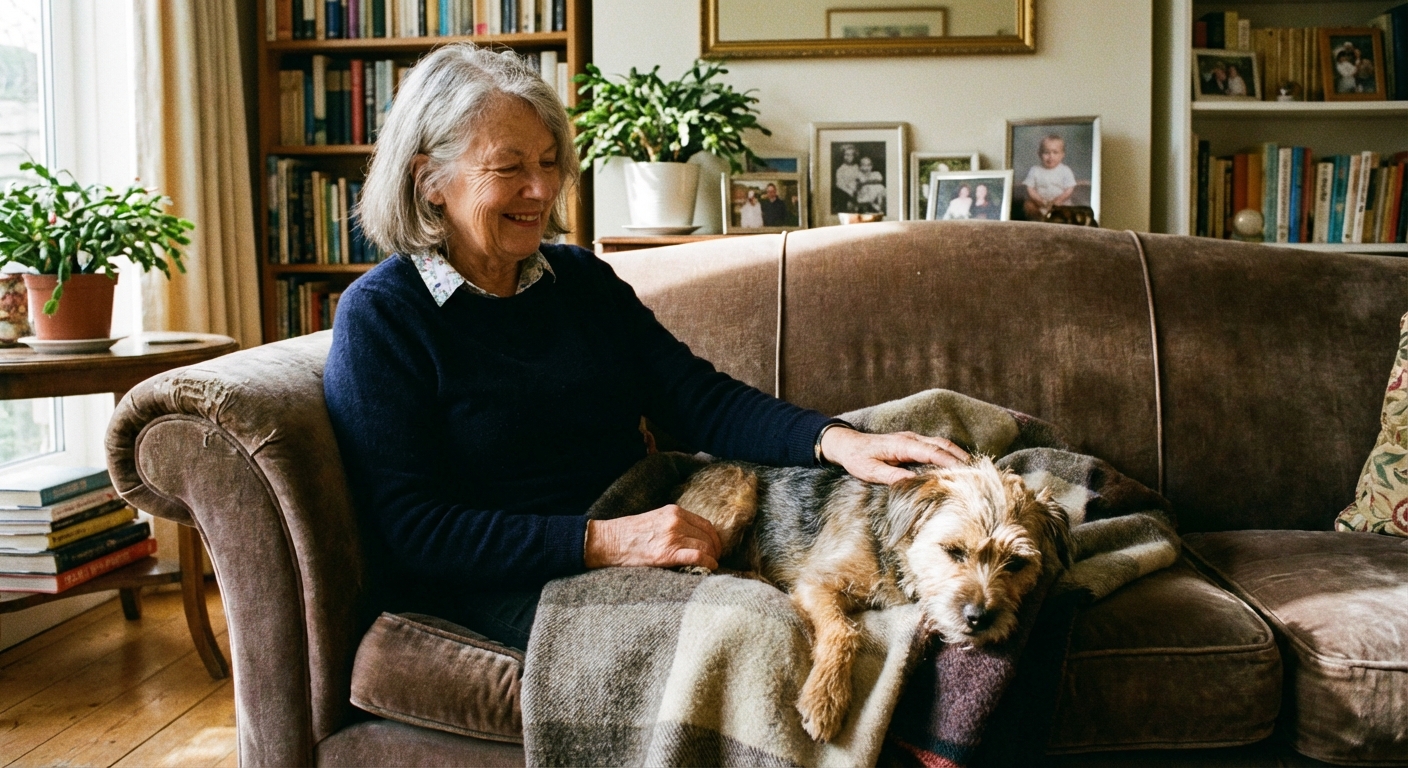
What “low maintenance” means
Low maintenance does not mean “no work.” Every dog needs food, fresh water, basic training, social connection, and veterinary care. But some dogs typically require less intense exercise, less grooming, and less hands-on management than others.
- Lower exercise needs: Happy with shorter, steady walks and indoor play.
- Calmer temperament: Less jumping, pulling, and frantic energy.
- Manageable grooming: Either a low-shedding coat that still needs professional grooming, or a short coat that is easy to brush at home.
- Size you can handle safely: A dog you can lift if needed or comfortably control on a leash.
- Trainability: Responds well to simple routines, which reduces stress for both of you.
- Noise and alone-time tolerance: A quieter dog and one that can handle short periods alone often feels “easier” day to day.
If balance, arthritis, or limited stamina is part of your reality, the “right dog” is often the one that reduces fall risk and fits your natural pace.
Best calm breeds for seniors
These breeds are commonly recommended for seniors because they tend to be gentle, adaptable, and content with moderate activity. Individual personality still matters, so think of this list as a strong starting point.
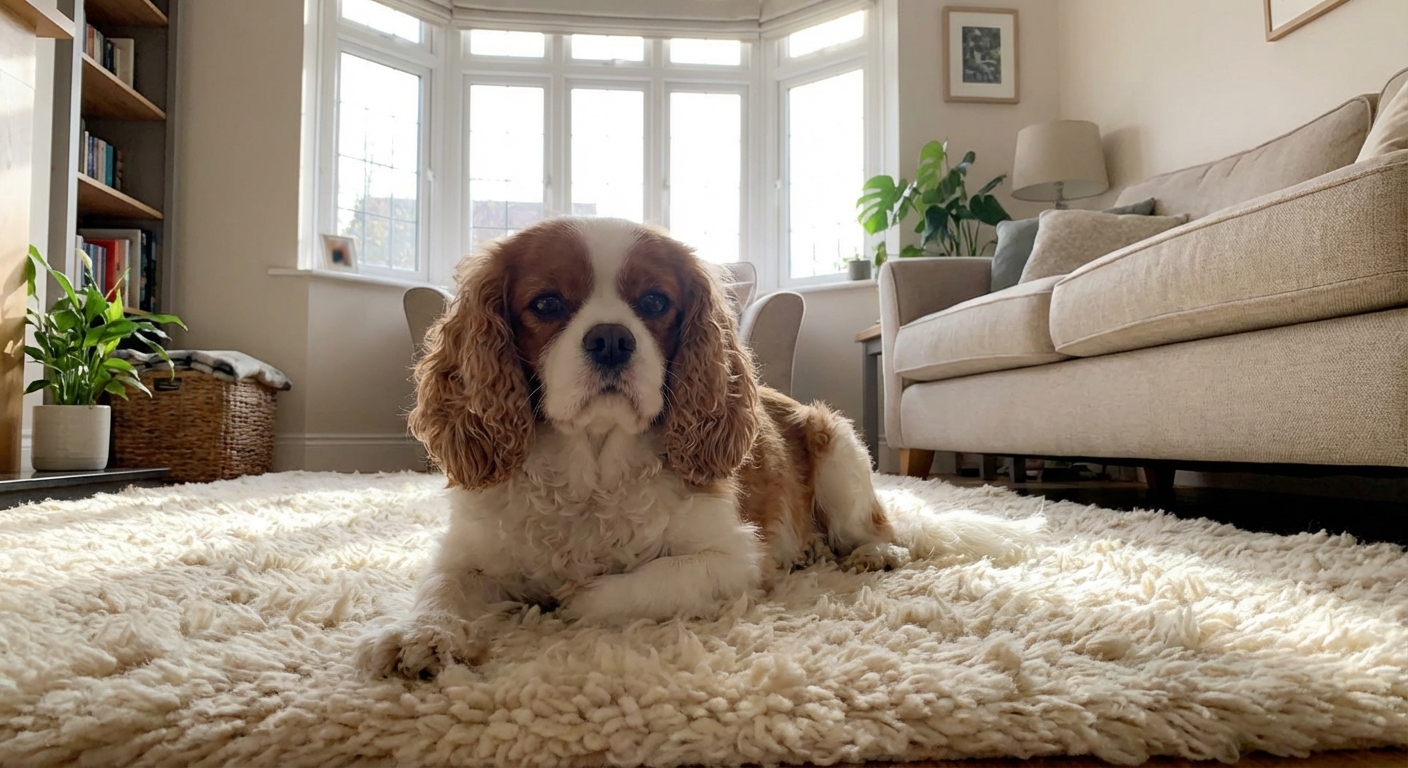
Cavalier King Charles Spaniel
Cavaliers are affectionate lap dogs with a sweet, people-focused nature. They usually enjoy a couple of short walks a day, then happily settle in for couch time.
- Why seniors love them: Calm companionship, easy to bond with, moderate exercise.
- Keep in mind: They have a higher risk for heart issues (commonly mitral valve disease). If you are choosing a puppy, look for a reputable breeder who does appropriate health screening. They can also be very people-oriented and may not love being alone for long stretches.
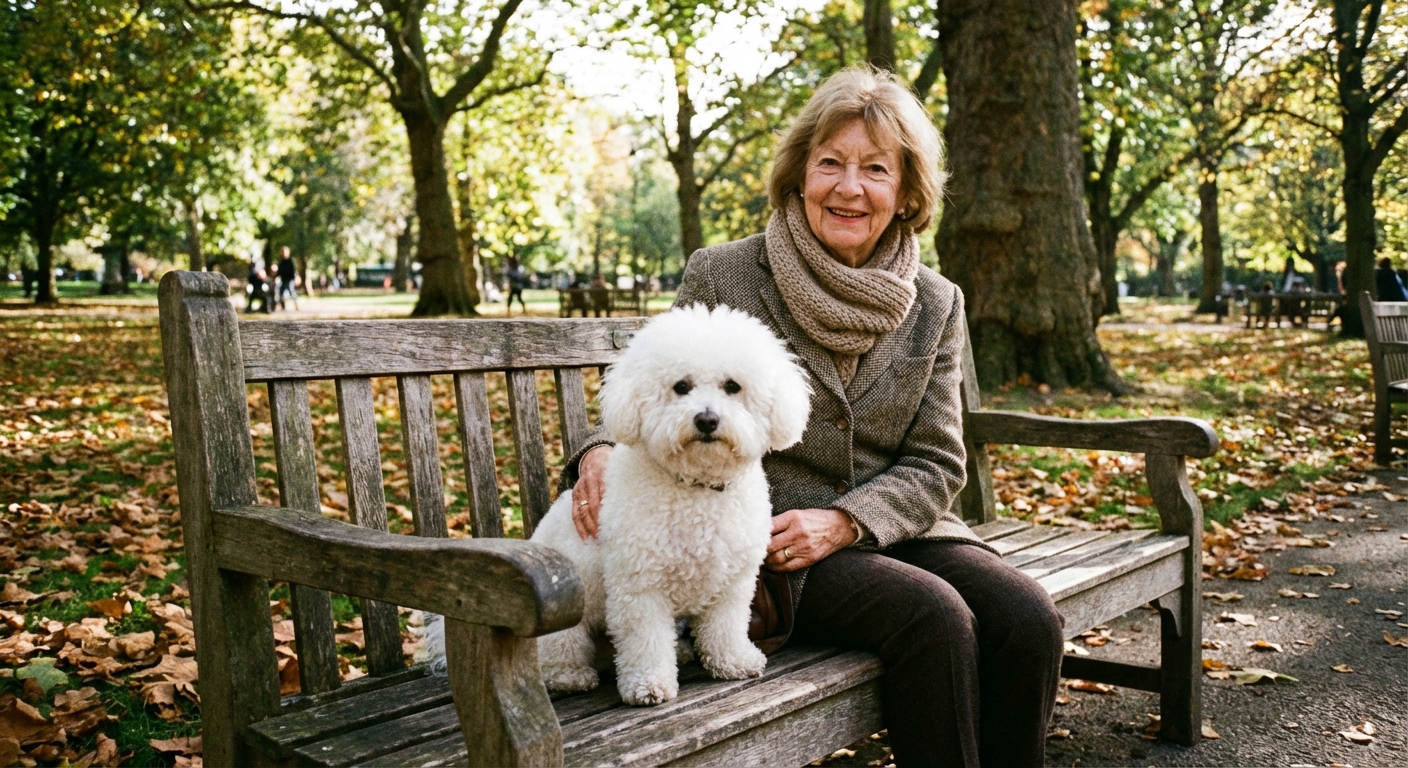
Bichon Frise
Small, friendly, and often a great choice for people who want a cheerful dog without intense exercise needs.
- Why seniors love them: Typically easygoing and social, good size for apartments.
- Keep in mind: Their curly coat needs consistent grooming. Many owners plan for professional grooming about every 4 to 8 weeks, depending on the clip and how much brushing you do at home. Also, “low-shedding” does not mean allergy-proof. Dander and saliva can still trigger allergies, and reactions vary by person.
Shih Tzu
Shih Tzus were bred to be companions, and it shows. They are often content with indoor time, brief walks, and a cozy routine.
- Why seniors love them: Affectionate, lower exercise needs, happy in smaller homes.
- Keep in mind: Coat care can be significant unless kept in a shorter “puppy cut.” Because they are short-nosed, some can be sensitive to heat and may have breathing or eye issues. They can also be a bit vocal if bored or under-stimulated, so a gentle training routine helps.
Pug
Pugs are charming, devoted, and usually happiest right near their person. Many are content with brief daily walks and light play, then a long nap nearby.
- Why seniors love them: Friendly temperament, not overly demanding in exercise.
- Keep in mind: Because they are brachycephalic (short-nosed), they can struggle in heat and may have breathing issues. Weight management is especially important. They are often very social and may dislike long periods alone.
Maltese
The Maltese is gentle, loving, and often thrives in calmer households. They can be playful in short bursts without needing long exercise sessions.
- Why seniors love them: Small and portable, strong companion traits.
- Keep in mind: Longer coat maintenance is real, though many owners keep the coat short for easier care. Like many small breeds, dental care can be a bigger “maintenance” item than people expect. Regular tooth brushing and dental checkups matter. Some Maltese can be vocal, especially if they are not taught quiet routines early.
Miniature or Toy Poodle
Poodles are intelligent and trainable, which can make daily life smoother. They are also often low-shedding, a plus for some households.
- Why seniors love them: Quick learners, can adapt to your routine, often easier for allergy-sensitive homes.
- Keep in mind: Grooming is ongoing. Mental enrichment is important because they are bright and can get bored. Also, “low-shedding” is not the same as “hypoallergenic.” If allergies are a concern, spend time with the breed first to see how your body reacts.
Havanese
Havanese are known for being affectionate, friendly, and well-suited to home life. Many prefer companionship and gentle walks over vigorous exercise.
- Why seniors love them: People-oriented, typically gentle, manageable size.
- Keep in mind: Coat care is needed, especially if kept long. They can be very attached to their people, so it is worth asking about separation anxiety if you are adopting. Some can also be alert barkers without consistent routines.
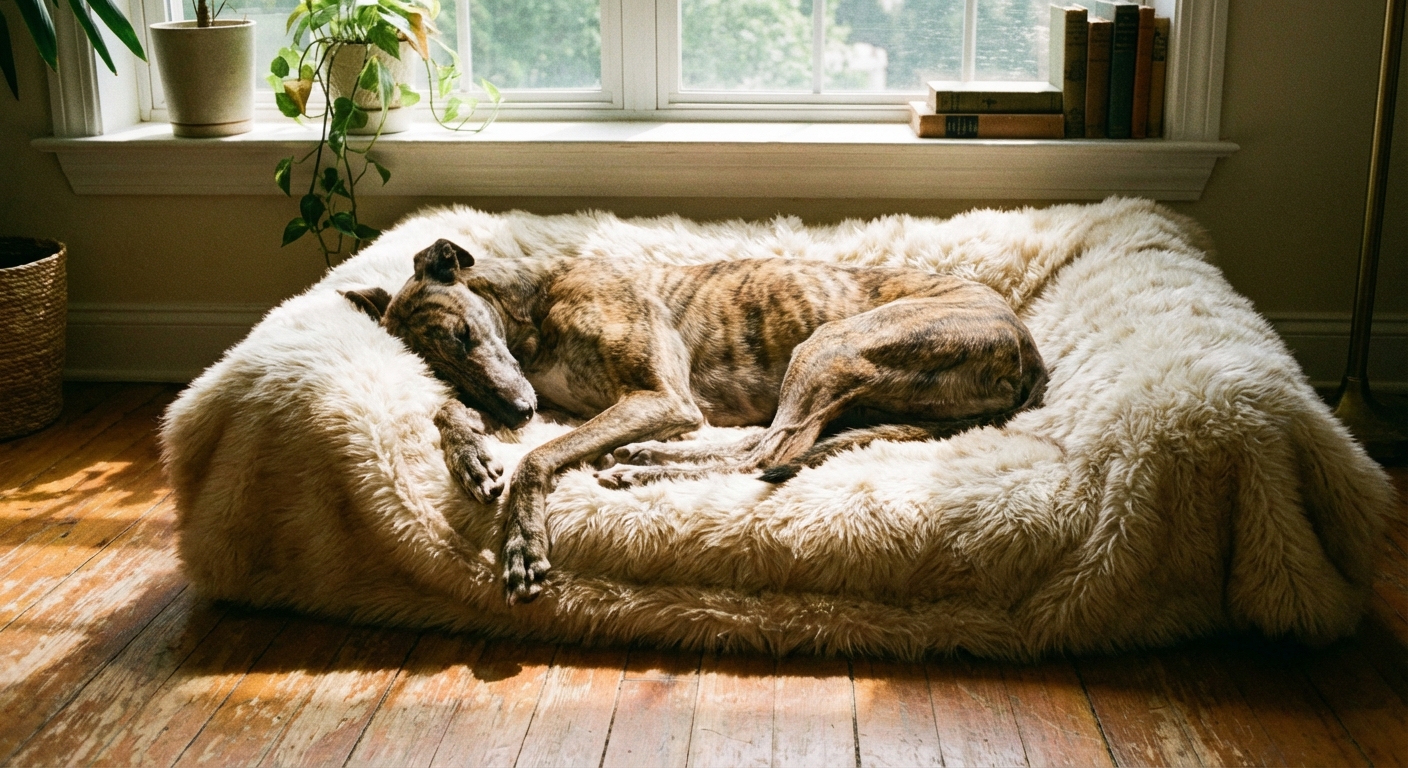
Greyhound (yes, really)
If you are open to a larger dog, retired racing Greyhounds can be surprisingly calm. Many are “45-mile-per-hour couch potatoes” with a strong love of naps and a steady routine. They still need daily walks and safe handling, but they are often easier indoors than people expect.
- Why seniors love them: Quiet indoors, short coat, generally low odor, typically content with a couple of daily walks.
- Keep in mind: They are large, so leash control matters. Prey drive can be strong, so secure leashing is important and off-leash time should only happen in a safely fenced area. Many Greyhound adopters use a martingale collar (or a well-fitted harness) for safety because their heads are narrow. A well-padded bed helps because they have lean bodies and can be bony at pressure points.
Whippet
Whippets share some of the Greyhound’s calm indoor style in a smaller package. They tend to be gentle, sensitive, and affectionate, and many love a soft blanket as much as a short stroll.
- Why seniors love them: Quiet at home, short coat, cuddly temperament.
- Keep in mind: They can be chilly and often appreciate sweaters in cooler climates. Reliable recall can be challenging due to prey drive, so secure leashing is important. A martingale collar is commonly recommended for sighthounds for safe, slip-resistant walks.
Breeds to approach with caution
This is not a “never” list, but these types often require more physical management, daily exercise, or grooming than many seniors want.
- High-energy herding breeds (like Border Collies or Australian Shepherds): brilliant but frequently need a job and lots of activity.
- Very large, powerful dogs (even sweet ones): can accidentally pull or knock someone off balance.
- Some terriers: can be vocal and strong-willed, with higher stimulation needs.
- Heavy-shedding double coats: more cleaning, more brushing, and seasonal shedding can be intense.
Puppy vs adult vs senior
Many people assume a puppy is the best place to start. In real life, puppies are adorable but demanding. They require frequent potty breaks, consistent training, and close supervision.
- Puppies: Highest energy and training needs. More biting, chewing, and nighttime interruptions.
- Adult dogs (about 2 to 7 years): Often the sweet spot. Temperament is clearer, and many already have basic training.
- Senior dogs: Often calm, grateful companions. Many are already house-trained and happy with shorter walks.
One nuance: “Senior” is not a fixed age. Many dogs are considered seniors around 7, but it varies by size and breed. Giant breeds often age sooner, while toy breeds may stay spry longer.
If you want low maintenance, consider adopting an adult or senior dog through a reputable rescue or shelter. Ask about leash manners, house training, barking, and how the dog behaves when left alone.
Health and cost reality
“Low maintenance” can also mean “predictable and affordable.” Before you choose, it helps to think about the most common cost drivers:
- Grooming costs: Low-shedding coats (Poodle, Bichon, Havanese, Maltese) usually trade shedding for regular grooming appointments and at-home brushing.
- Dental care: Many small breeds are prone to dental buildup, so tooth brushing and periodic dental cleanings can become part of the routine.
- Short-nosed breeds: Pugs and some Shih Tzus can have higher airway, eye, and heat-risk considerations, which can mean more vet visits over time.
- Breed screening: If buying a puppy, reputable breeders who perform health screening (such as heart screening for Cavaliers) can reduce risk, though it never eliminates it.
None of this is meant to scare you. It is meant to help you choose with eyes open so your dog stays a joy, not a stressor.
How to match your lifestyle
I encourage a simple “daily life” checklist before choosing a breed or individual dog:
- Mobility and balance: Do you feel steady on a leash? Would a small or medium dog feel safest?
- Home setup: Stairs, slippery floors, elevator access, and nearby potty areas all matter.
- Time alone: If you are out often for appointments or errands, look for a dog that can handle being alone calmly. Ask directly about separation anxiety.
- Budget: Food, grooming, preventive medications, and vet care add up.
- Support system: Who can help during illness, travel, or emergencies?
When you are honest about your routine, you set your future dog up for success and you protect your own wellbeing, too.
Tips for easy, safe care
Small choices can make dog ownership much more comfortable, especially as we age.
- Choose a harness over a collar for better control and less neck strain. A front-clip harness can reduce pulling for many dogs.
- Skip retractable leashes if you are concerned about balance. A standard leash gives steadier control and reduces trip risk.
- Use a lightweight leash with a comfortable grip to reduce hand fatigue.
- Keep treats handy with a small treat pouch and do short, friendly training sessions. Even 3 to 5 minutes at a time adds up.
- Use non-slip rugs or runners if your floors are slick, for both you and your dog.
- Set up a predictable routine for feeding, walks, and bedtime. Dogs thrive on consistency.
- Ask your vet about preventive care including dental health, vaccines, parasite prevention, and weight management.
Gentle reminder: A calm dog is often created, not just chosen. Daily routines, positive reinforcement training, and meeting basic exercise needs are what keep most dogs relaxed and well-behaved.
Questions to ask before adopting
- How does the dog behave on a leash, especially around other dogs, squirrels, or fast movement?
- Is the dog house-trained? How long can they comfortably hold it?
- Does the dog jump on people when excited?
- What is the dog like when left alone for an hour or two?
- How vocal is the dog at home or when someone comes to the door?
- What grooming schedule does the coat realistically require?
- Are there known medical issues or breed-related risks to plan for?
- What is the dog like with visitors, grandchildren, or other pets?
A reputable breeder, rescue, or shelter should welcome these questions and be honest about what they know.
Final thoughts
The best dog breeds for seniors tend to share the same qualities: calm energy, manageable care needs, and a strong desire to be close to their person. Whether you choose a cuddly Cavalier, a smart Miniature Poodle, or a surprisingly laid-back Greyhound, your goal is the same: a companion that supports your health, happiness, and daily rhythm.
If you would like, I can also help you narrow the best match based on your living situation, mobility level, and whether you prefer a dog that is more “lap companion” or “steady walking buddy.”