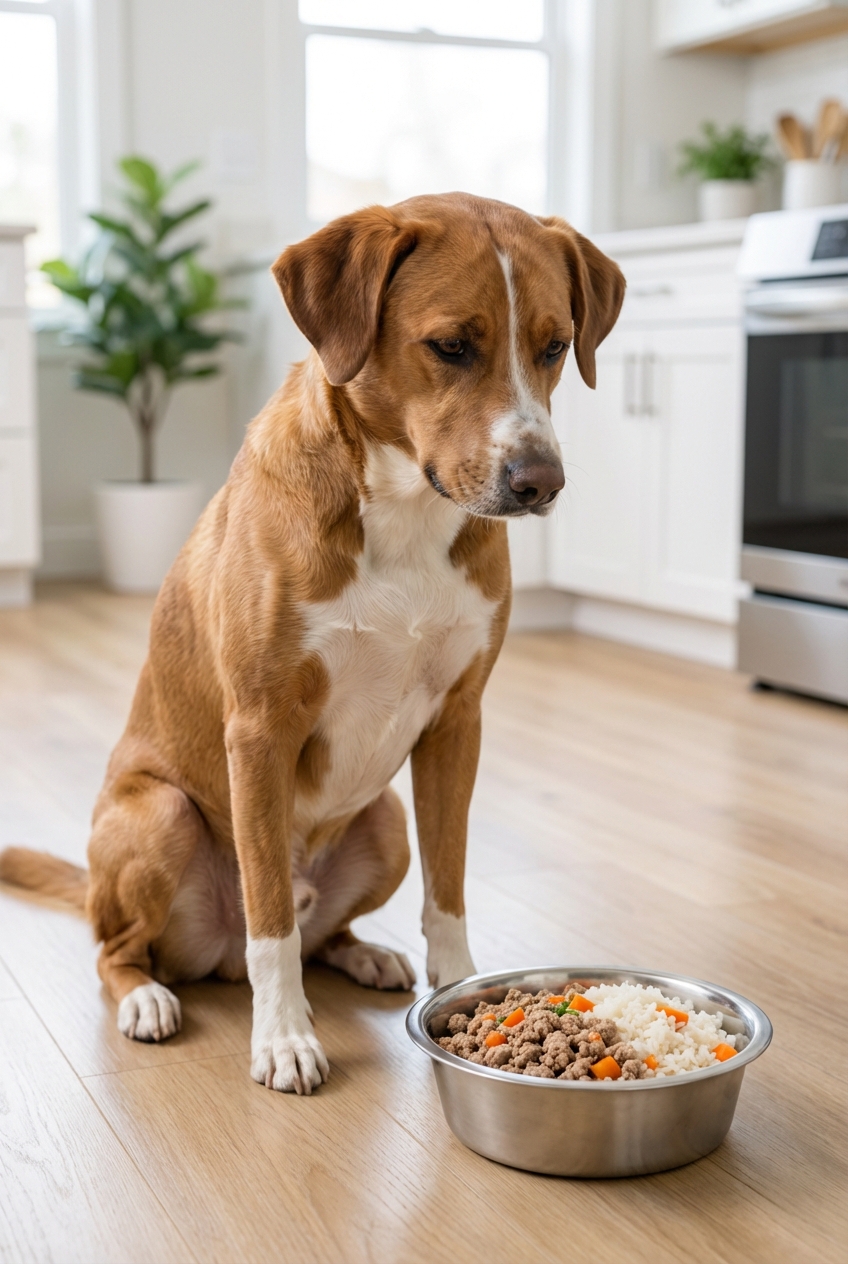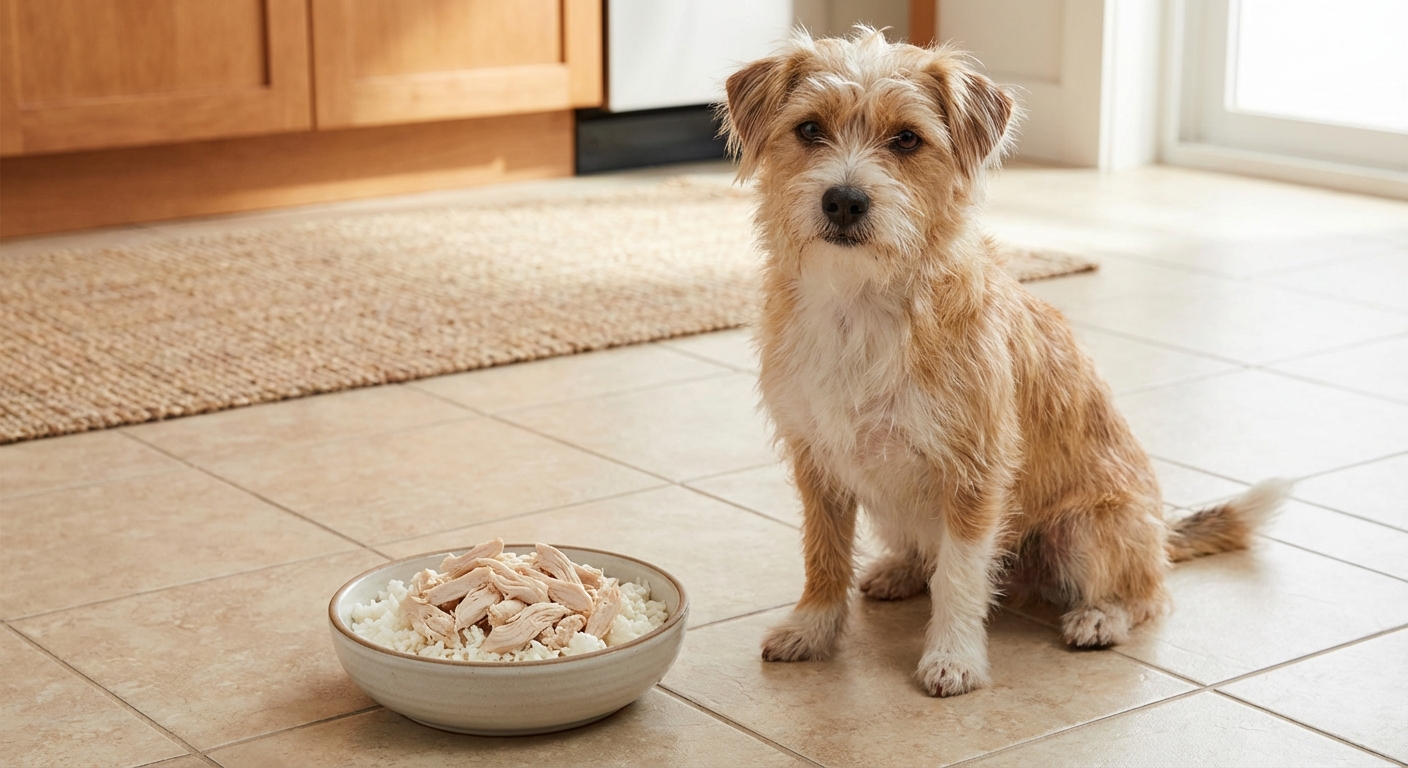
Help your dog feel better with gentle homemade meals for sensitive stomachs. Learn a 3-ingredient bland reset, easy recipes, transition steps, and what signs...
Article
•
Designer Mixes
Best Diet for Dogs With Liver Disease

Shari Shidate
Designer Mixes contributor
Liver disease can feel scary because the liver does so many jobs at once: filtering toxins, helping with digestion, storing nutrients, and supporting the immune system. The good news is that nutrition can make a meaningful difference for many dogs. With the right diet, we can often reduce symptoms, support healing, and improve quality of life.
Because “liver disease” is a big umbrella (hepatitis, chronic liver changes, bile duct issues, copper-associated disease, shunts, cancer, and more), the best diet is always the one that matches your dog’s diagnosis and lab work. Below, I’ll walk you through what most liver-supportive diets have in common, what to avoid, and how to build a plan with your veterinarian.

Start with the right diagnosis
In veterinary medicine, we use diet differently depending on the underlying cause. Before you overhaul meals, ask your veterinarian which category your dog fits into:
- Acute liver injury (toxins, infections, medication reaction)
- Chronic hepatitis or chronic liver disease
- Copper-associated liver disease
- Portosystemic shunt (congenital or acquired)
- Cholestasis (reduced bile flow, gallbladder issues)
- Hepatic encephalopathy (neurologic signs from toxin buildup, often ammonia)
If your dog has hepatic encephalopathy, diet choices can be more urgent and more specific, especially around protein type, fiber choices, and meal timing.
What a liver-friendly diet looks like
Most dogs with liver disease do best with a diet that is:
- Highly digestible to help them meet calorie and protein needs with less nausea, gas, or diarrhea
- Moderate, high-quality protein rather than very high protein or very low protein
- Calorie-appropriate for their body condition (some dogs need more calories if appetite is poor or weight is dropping)
- Lower in copper when copper accumulation is suspected or confirmed
- Balanced in zinc and antioxidants when recommended by your veterinarian
- Adjusted fat levels based on bile flow, pancreatitis risk, and GI tolerance
One of the biggest myths I see is “liver disease means no protein.” Dogs still need protein to maintain muscle, immune function, and healing. The goal is usually the right amount and the right type.
Protein: quality matters
How much protein?
In many stable chronic liver cases, veterinarians aim for moderate protein, adjusted based on labs, symptoms, body condition, and stool quality. Protein may be reduced temporarily if hepatic encephalopathy is present, but long-term over-restriction can cause muscle loss. Muscle is also helpful because it plays a role in handling ammonia.
Protein choices that often work well
- Eggs (highly digestible, excellent amino acid profile)
- Skinless chicken or turkey (lean and usually gentle)
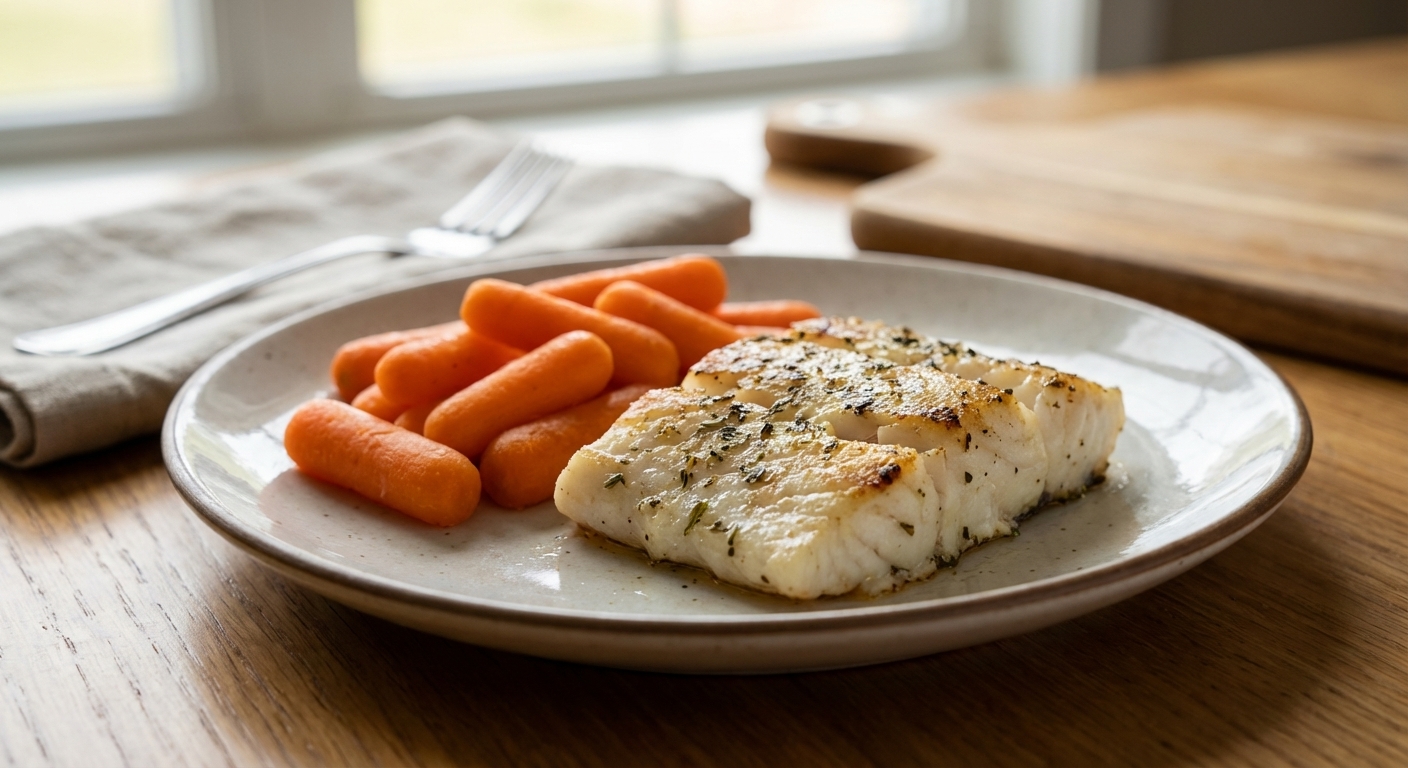
- White fish like cod or pollock (lean, easy to digest)
- Low-fat dairy such as cottage cheese in small amounts, if your dog tolerates dairy
When plant or dairy proteins may help
For some dogs with hepatic encephalopathy, veterinarians may use more vegetable-based proteins or rely more on egg and dairy proteins. In some cases, these options can be better tolerated and may help reduce ammonia-related flare-ups. This is very dog-specific and depends on digestibility and the full diet composition, so use your vet’s guidance.
A note on “mystery meats” and treats: foods with unclear ingredients can make it harder to control protein, copper, fat, and sodium, and it can be harder to troubleshoot reactions. For liver patients, simpler and clearly labeled is usually better.
Carbs and fiber
Carbohydrates are not the enemy in liver disease. In fact, they can provide easy-to-use energy so the body is less likely to break down protein for calories.
Gentle carb options
- White rice (often easiest during flare-ups)
- Oats (great for many dogs, introduce slowly)
- Barley (fiber-rich, steady energy)
- Sweet potato (nutrient-dense, watch portions for sensitive stomachs)
- Pumpkin (small amounts for stool quality)
Fiber can also support the gut, and a healthier gut can reduce toxin absorption. Your veterinarian may recommend specific fibers (like psyllium) depending on constipation, diarrhea, or hepatic encephalopathy risk.
Fats: find the sweet spot
Fat is calorie-dense, which can be helpful for dogs that are losing weight. But some liver patients, especially those with bile flow problems, pancreatitis history, or persistent nausea, do better with moderate fat.
Fat additions (with your vet’s OK)
- Fish oil (EPA/DHA) for inflammation support
- Small amounts of olive oil for palatability and calories
Introduce fats slowly. Loose stool, greasy stool, or vomiting can be a sign you need to scale back.
Copper: do not guess
Copper matters because some dogs accumulate it in the liver, which can worsen inflammation and damage. If your vet suspects copper-associated disease, diet may need to be lower in copper, and your dog may also need medication (chelation) and careful monitoring.
Important nuance: confirmation often requires a liver biopsy with copper quantification, or strong evidence based on breed risk and consistent lab and imaging trends. A single blood copper result is not usually enough to confirm or rule it out.
Foods often higher in copper to limit or avoid (in copper cases)
- Organ meats (especially liver)
- Shellfish
- Some seeds and nuts
- Cocoa (also toxic to dogs)
Ask your veterinarian if your dog’s breed, biopsy results, or lab trends point toward copper accumulation, and whether a therapeutic diet is the safest foundation.
Sodium: when it matters
Not every dog with liver disease needs aggressive sodium restriction. That said, if your dog has ascites (fluid in the belly) or signs of portal hypertension, your veterinarian may recommend limiting salt as part of the plan. Because needs vary a lot, sodium goals should be vet-directed.
Prescription vs homemade
This is where I try to be very practical. A prescription hepatic diet can be a wonderful tool because it is:
- Nutritionally complete for long-term feeding
- Designed for controlled protein and minerals
- Often lower in copper than standard diets
Your veterinarian may recommend a hepatic prescription diet specifically, or sometimes a highly digestible GI formula depending on the diagnosis and symptoms.
Homemade can also be an excellent option, but only if it is formulated. Liver disease is not the time for random recipes from social media. Unbalanced home cooking can quietly worsen deficiencies, especially in B vitamins, zinc, and fat-soluble vitamins, and it can throw off copper and sodium targets. If you want homemade, work with a board-certified veterinary nutritionist (or a vet-supervised formulation tool) and plan on regular lab monitoring.
A common middle path that works well for many families is 50/50: a veterinary hepatic diet plus carefully selected whole foods for variety, appetite, and gentle nutrition.
Supplements: use a plan
Depending on the cause of liver disease, your veterinarian may recommend supplements. The most common in clinical practice include:
- SAMe (supports glutathione production and liver cell health)
- Silybin or milk thistle extracts (antioxidant support, product quality matters)
- Vitamin E (antioxidant support when indicated)
- Zinc (sometimes used in copper-associated cases)
- Prescription probiotics or targeted gut support in encephalopathy-prone dogs
Evidence and results can vary by condition and product, and dosing matters. Zinc, for example, can cause GI upset and needs monitoring because it affects copper absorption. Please do not stack supplements without a plan. “Natural” can still be hard on the liver, and some products are contaminated or dosed incorrectly.
Meal timing and appetite help
Liver patients often feel nauseated, and they can become picky. These strategies can help:
- Feed smaller meals 3 to 5 times daily to support steadier energy and, in hepatic encephalopathy-prone dogs, potentially reduce post-meal symptom flare-ups
- Warm the food slightly to increase aroma
- Add moisture with warm water or low-sodium broth (no onion or garlic powder)
- Keep treats structured and count them as part of daily intake
- Track weekly weight and muscle condition, not just appetite
Simple treat ideas (ask your vet first)
- Egg white (cooked)
- Plain white rice in small bites
- A spoon of plain pumpkin
- Low-fat cottage cheese in small amounts if tolerated
Foods to avoid
These are common troublemakers for liver dogs:
- High-copper ingredients if copper disease is suspected (especially organ meats)
- Very high-fat foods like bacon, sausage, greasy leftovers
- High-salt foods especially if ascites is present (follow your vet’s sodium target)
- Raw diets in medically fragile dogs due to infection risk
- Xylitol (can cause severe low blood sugar and liver injury)
- Alcohol, grapes/raisins, and other known toxins
If your dog is on medications for liver disease, also ask your veterinarian before adding CBD, herbal blends, or essential oils.
Red flags
Call your veterinarian promptly if you notice:
- Yellow gums or eyes
- Vomiting that lasts more than 24 hours or repeated vomiting
- Black, tarry stool or blood in stool
- Confusion, staring, head pressing, wobbliness, or seizures
- Refusing food for a full day, especially in small dogs
- Swollen belly or rapid weight changes
Nutrition is powerful, but it works best alongside the right medical plan and follow-up labs. Your vet may track liver enzymes and other markers of liver function, plus bile acids or clotting tests when indicated.
A simple starting plan
If you are overwhelmed, start here and keep it simple:
- Choose a veterinary hepatic diet as the foundation, especially for moderate to severe disease.
- Add one gentle whole food for palatability, like a small amount of cooked egg white or a spoon of pumpkin.
- Feed 3 to 4 small meals daily.
- Recheck labs on your veterinarian’s schedule, then adjust.
The best liver diet is the one your dog will actually eat consistently, that is nutritionally complete, and that matches the cause of their liver disease.