Choosing a senior-friendly pet is about matching energy, mobility, budget, and space. Explore the best dogs, cats, birds, fish, and low-maintenance options�...
Article
•
Designer Mixes
Best Cat Breeds for Seniors

Shari Shidate
Designer Mixes contributor
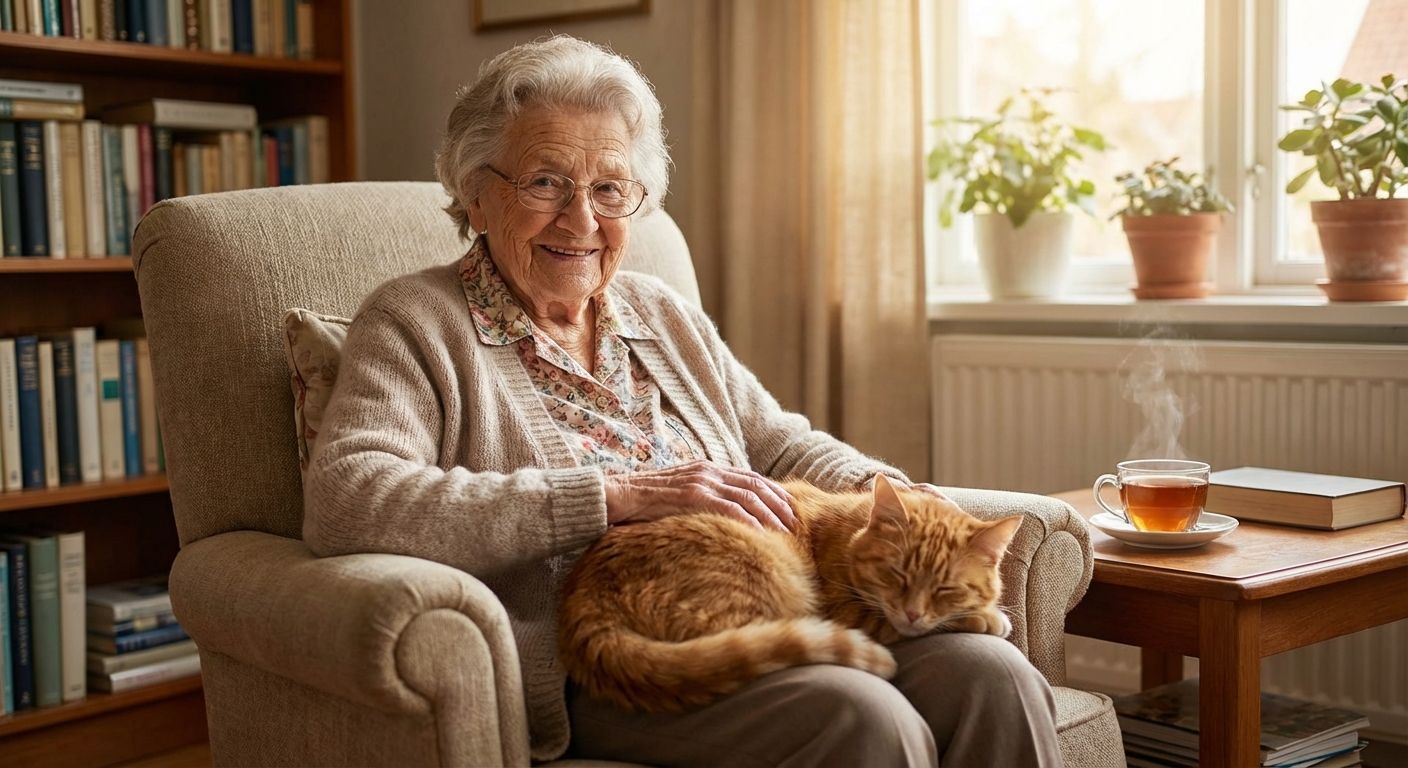
For many seniors, a cat is the perfect roommate: affectionate, independent, and happy to share quiet time. The “best” senior-friendly cat is usually not about a fancy pedigree. It is about a temperament that matches your daily routine, a coat you can realistically maintain, and a personality that feels calming, not demanding.
Below are breeds often recommended for seniors in quieter homes, plus practical tips to help you choose a companion that supports your comfort and safety.
What “low-maintenance” really means
As a veterinary assistant in a clinic, I see that most challenging cat situations are not caused by a cat being “bad.” They happen because a cat’s needs do not match the household. For seniors, low-maintenance typically means:
- Gentle temperament: affectionate but not overly clingy or high-energy
- Lower grooming demands: minimal matting, easy brushing, less shedding management
- Good litter box habits: consistent routines and fewer behavior issues
- Moderate activity level: content with play sessions that are short and predictable
- Manageable health needs: fewer breed-associated medical concerns, plus easy handling for checkups
One more important point: adult and senior cats are often the lowest-maintenance choice of all, regardless of breed. Kittens are adorable, but they can be busy, bitey, and chaotic for the first year or two.
Best cat breeds for seniors
Temperament varies from cat to cat, but these breeds are known for being calmer, people-oriented, and easier to live with in a quieter home.
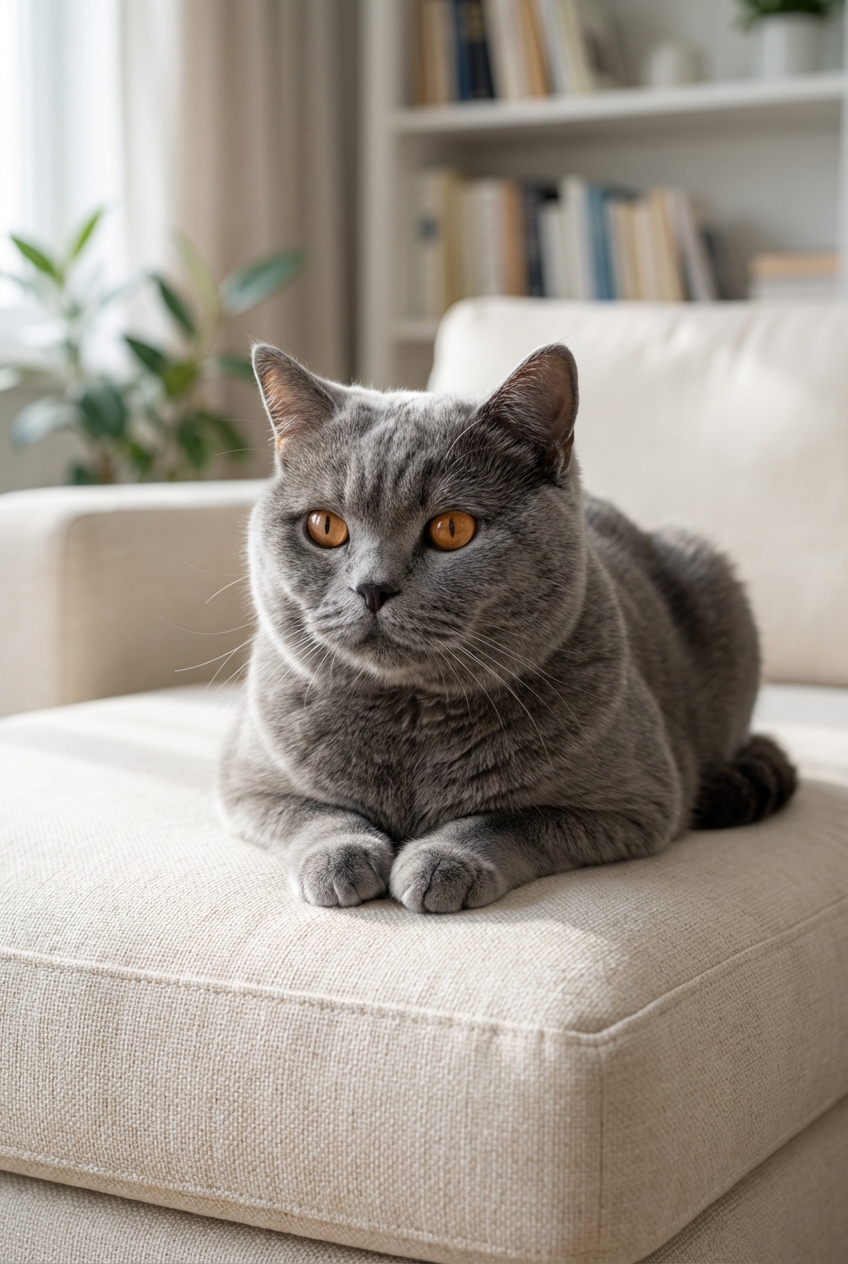
British Shorthair
British Shorthairs are famously easygoing. They often enjoy being near you without needing constant attention. Their plush coat does shed, but it is usually manageable with a weekly brush.
- Great for: calm homes, predictable routines
- Maintenance: weekly brushing, stocky build so watch portions to prevent weight gain
Ragdoll
Ragdolls are gentle, affectionate, and often enjoy being handled. They can be wonderful companions for seniors who want a cuddly cat, but their coat needs regular brushing to prevent tangles and mats.
- Great for: lap time, companionship, quieter households
- Maintenance: brushing several times a week, plus hairball prevention support
Persian (for seniors who enjoy grooming)
Persians are calm and home-loving, which sounds ideal. The tradeoff is coat and face care. Many Persians need daily grooming, and their flatter faces can be associated with eye discharge and breathing concerns.
- Great for: seniors who want a serene, gentle cat and truly do not mind grooming
- Maintenance: high grooming needs, regular veterinary monitoring
Scottish Fold (read this first)
Scottish Folds can be sweet and people-focused. However, the folded ears are linked to an inherited cartilage disorder (osteochondrodysplasia) that can cause painful, progressive joint disease. Health screening can help you understand a cat’s overall health, but it cannot remove the underlying genetic risk tied to the folded-ear trait. Many animal welfare organizations discourage breeding or purchasing Scottish Folds for this reason. If you love this general “gentle companion” vibe, consider a similar-temperament breed without the added risk, or adopt an adult cat whose comfort and mobility you can assess in person.
- Great for: gentle companionship (with careful, ethics-first decision-making)
- Maintenance: moderate day-to-day, but higher risk of orthopedic pain and long-term care needs
American Shorthair
American Shorthairs are steady, adaptable cats that generally do well in many environments. They tend to be friendly without being overly demanding and are typically easy to groom.
- Great for: first-time cat owners, seniors who want an easy keeper
- Maintenance: low, weekly brushing is usually enough
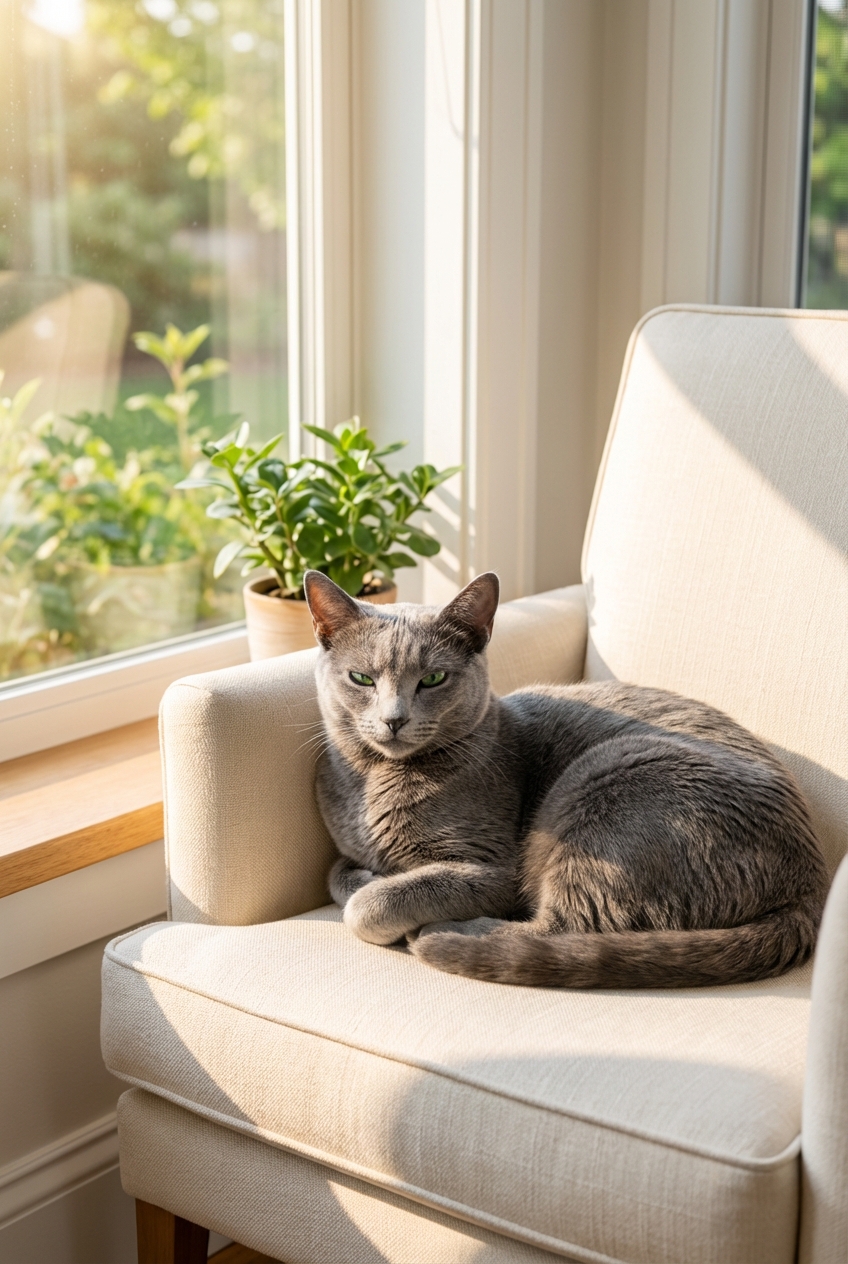
Russian Blue
Russian Blues are known for being quiet, tidy, and loyal. Many bond closely with their person and appreciate routines. They can be shy with strangers, but often become devoted companions in a calm home.
- Great for: quiet households, seniors who enjoy a calmer, more reserved cat
- Maintenance: low grooming, moderate play needs
Burmese
Burmese cats are affectionate and social, often described as “people cats.” They can be wonderful for seniors who want a cat that follows them from room to room. If you prefer a more independent companion, they may feel a bit too involved.
- Great for: seniors who want an interactive, loving cat
- Maintenance: low grooming, needs daily attention and play
Exotic Shorthair
Often called the “lower-maintenance Persian,” the Exotic Shorthair tends to have a similar calm temperament with less coat work. Their flatter face still means you should be mindful of eye and breathing issues.
- Great for: calm companionship with reduced grooming compared to Persians
- Maintenance: moderate, facial care may still be needed
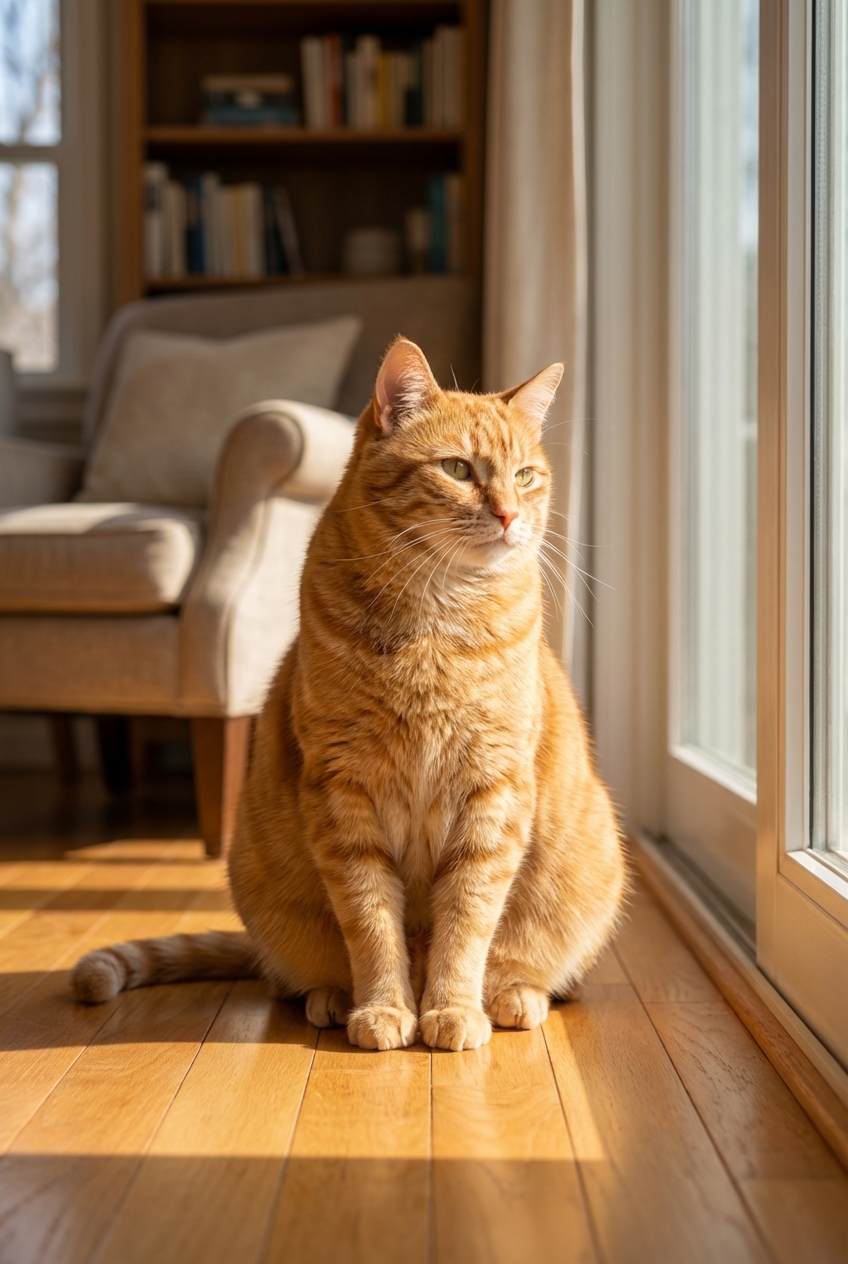
Domestic Shorthair (shelter favorite)
Domestic Shorthairs are not a breed, but they are often an excellent match for seniors because you can choose an adult cat with a known personality. Many shelters will tell you who is the “lap cat,” who is independent, and who is the gentle soul that wants a quiet home. Even so, it is normal for a cat’s behavior to shift during the first few weeks as they settle in.
- Great for: seniors who want a low-maintenance option with a more predictable adult temperament
- Maintenance: usually low, especially with a short coat
How to choose the right cat
Pick personality first
When you meet a cat, look for relaxed body language: slow blinking, soft eyes, neutral tail, and a willingness to sit near you without constant motion. Ask if the cat enjoys being brushed and handled, since that makes home care and vet visits much easier.
Consider an adult or senior cat
Adult cats often come with stable habits, established litter box routines, and a more predictable energy level than kittens. Many older cats are happy with a warm bed, a window view, and gentle play.
Think about your mobility
If bending is hard, choose a setup that reduces strain: a large, low-entry litter box, elevated food and water dishes, and a grooming station on a counter or table. A calmer cat that does not dart underfoot can also reduce fall risk.
Plan for veterinary care
Even low-maintenance cats need routine care. Many veterinarians recommend at least yearly wellness visits for adults, and often twice-yearly visits for senior cats, depending on health status. Ask about dental care, weight management, arthritis screening, and kidney health as cats age.
Budget and backup help
Before you commit, think through monthly costs (food, litter, parasite prevention) and routine care (vaccines, dental cleanings as recommended, labs for older cats). It is also wise to identify a backup caregiver for travel, illness, or hospital stays, even if it is just a neighbor who can check in.
Allergies and sensitivity
No cat is truly hypoallergenic. If allergies are a concern, spend time with the cat before adopting and consider fostering first if that is an option through your local shelter or rescue.
Make cat care easier
- Choose easy grooming tools: a soft slicker brush or grooming glove for short sessions a few times a week.
- Use a stable litter setup: place the box in a quiet, easy-to-reach spot. Scoop daily to keep odors down and prevent avoidance.
- Right number of litter boxes: a common guideline is one box per cat, plus one extra, placed in separate easy-access areas when possible.
- Support joints and comfort: add a step or ramp to a favorite chair, and provide non-slip rugs in high-traffic areas.
- Keep walkways clear: store toys in a bin and avoid leaving wand strings or small items where they can become trip hazards.
- Keep play gentle and predictable: 5 to 10 minutes with a wand toy once or twice a day is often plenty.
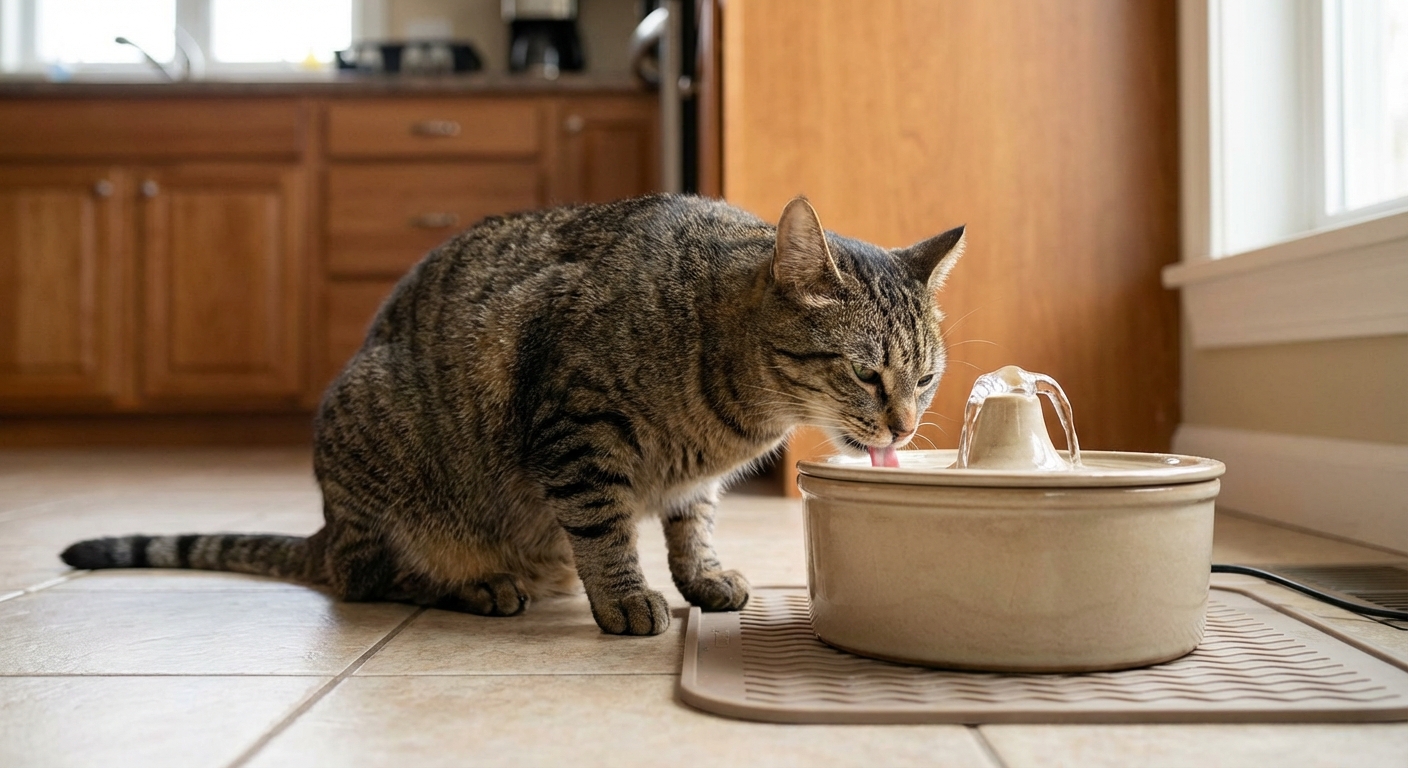
- Make hydration easy: many cats drink more from a water fountain, which may help encourage hydration and can support urinary tract health.
Health notes to know
As a veterinary assistant, I always encourage families to watch for subtle signs that a cat needs help. Cats are masters at hiding discomfort. Call your veterinarian if you notice:
- Changes in appetite, drinking, or weight
- Litter box changes such as straining, accidents, or constipation
- Bad breath, drooling, or dropping food (often dental pain)
- Less jumping, stiffness, or irritability (common with arthritis)
- Overgrooming, hair loss, or frequent vomiting
Tip: If you want the calmest, lowest-maintenance companion, ask a shelter or rescue for a “couch buddy” adult cat with a known temperament.
Bottom line
The best cat breeds for seniors tend to be calm, affectionate, and easy to groom, like the British Shorthair, American Shorthair, and Russian Blue. If you want the simplest path, consider adopting an adult Domestic Shorthair with a short coat and a personality that fits your pace of life.
With a little planning and the right match, a cat can bring daily comfort, routine, and companionship for years to come.