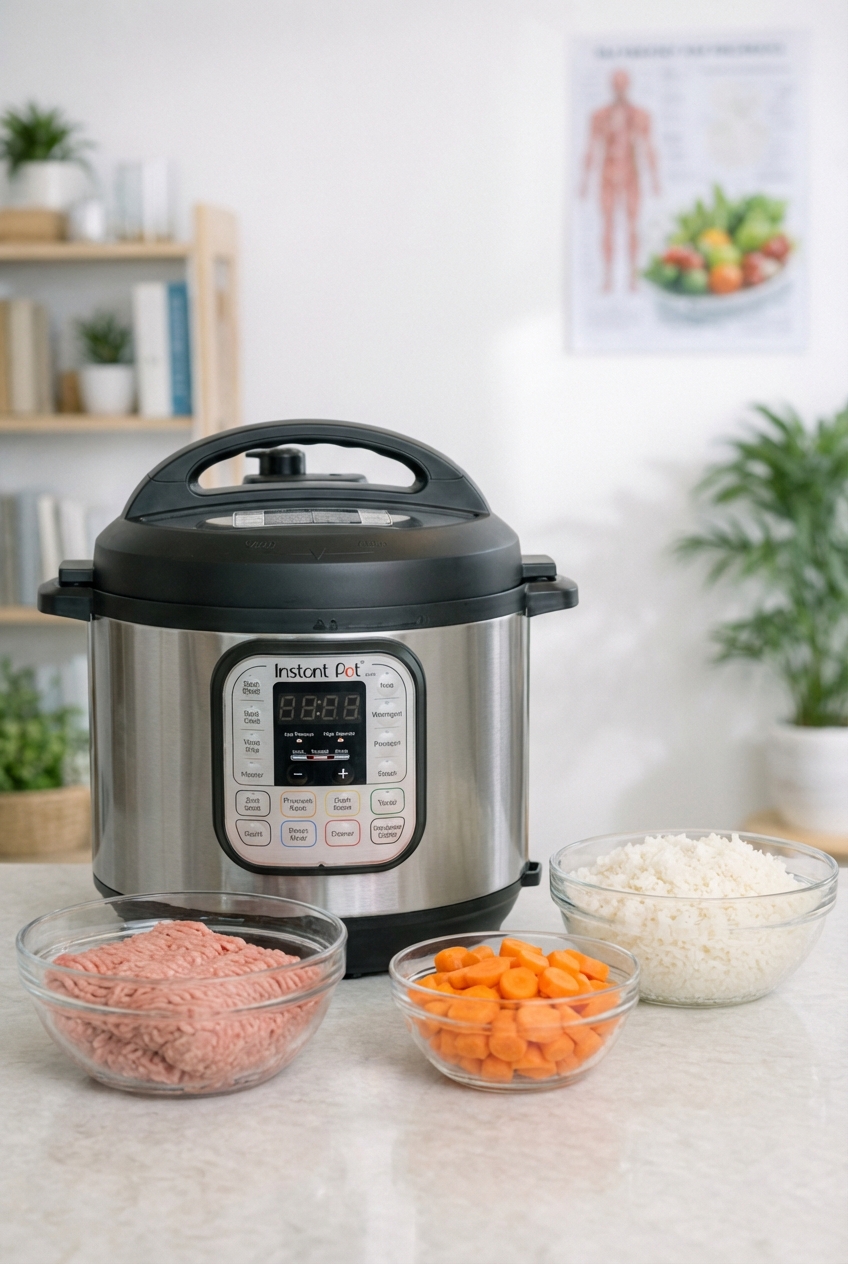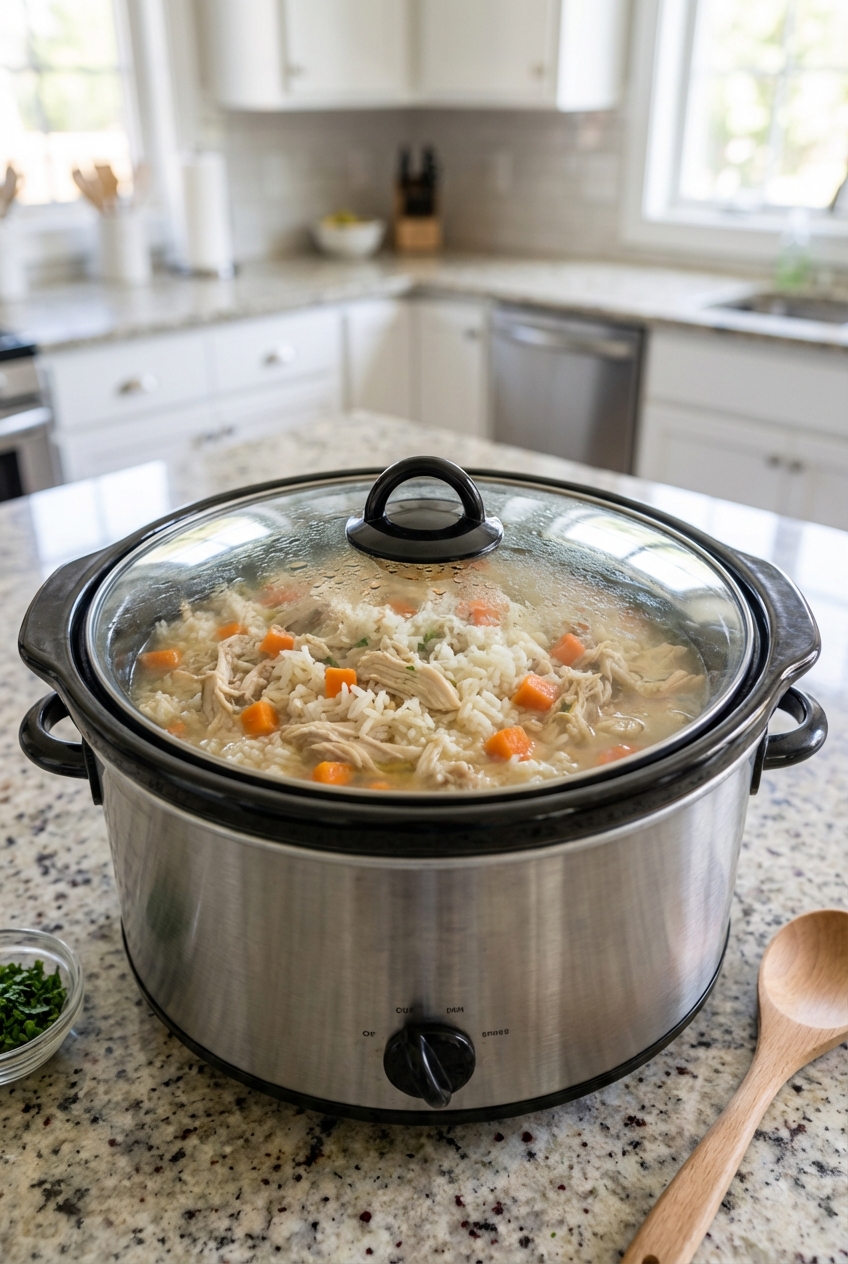
Hands-off slow cooker dog food for busy owners: 3 easy recipes (chicken/rice, turkey/sweet potato, beef/pumpkin) plus calcium guidance, safe ingredients, por...
Article
•
Designer Mixes
Best Carbs for Dogs: Rice, Potatoes, and Oats

Shari Shidate
Designer Mixes contributor
Carbs are not “bad” for dogs. In the right form and the right portion, they can be a gentle source of energy, fiber, and key nutrients. As a veterinary assistant here in Frisco, Texas, I see a lot of well-meaning pet parents swing from one extreme to the other, either loading up on starchy treats or avoiding carbs entirely. The sweet spot is balance.
In this article, we will break down three of the most common, dog-friendly carb choices (rice, potatoes, and oats), including when each one makes sense, how to serve them safely, and which dogs may do better with one over another.
Quick note: This is general education, not medical advice. If your dog has ongoing symptoms or a chronic condition, your veterinarian should guide the plan.

Do dogs need carbs?
Dogs do not have a strict nutritional requirement for carbohydrates the way they do for amino acids (protein building blocks) and certain fats. That said, carbs are commonly used in complete commercial diets, and they can be a perfectly appropriate part of a balanced meal for many dogs.
Carbs can be helpful for:
- Quick, usable energy for active dogs
- Digestive support through soluble and insoluble fiber
- Palatability that helps picky eaters accept balanced meals
- Cost and convenience when you are building a homemade or hybrid diet
The key is choosing whole-food carbs and serving them in appropriate amounts. If carbs crowd out protein and healthy fats, your dog can gain weight and miss out on essential nutrients.
Actionable rule of thumb: For many adult dogs, carbs work best as a smaller part of the meal, not the foundation. If your dog has health issues, ask your veterinarian for a personalized target.
How much is too much?
Carbs become a problem when they push out nutrient-dense foods. In many homemade bowls, I see the opposite of what we want: a mountain of rice or potato with a little protein on top.
Here are two practical guidelines that keep most dogs out of trouble:
- Toppers and extras: Keep added foods (including carbs) to less than 10 percent of your dog’s daily calories unless your veterinarian gives you a specific plan.
- Starting portion: If you are adding a cooked carb to a dog’s regular food, start with about 1 tablespoon per 10 pounds of body weight per day (split between meals). Adjust based on stool quality, weight, and your vet’s guidance.
If you are doing homemade long term, consider working with your veterinarian or a board-certified veterinary nutritionist (DACVN or ECVCN). Dogs need the right calcium to phosphorus balance, trace minerals, and essential fatty acids, and those details matter.
Safety quick list
If you only remember one section, make it this one.
- Never feed: rice or oatmeal with onion or garlic, flavored oatmeal packets, foods sweetened with xylitol, buttered or cheesy potatoes, fried potatoes (fries, chips), or any raw or green potato (including sprouts).
- Keep it plain: cooked, cooled, and unseasoned is the goal.
Rice for dogs
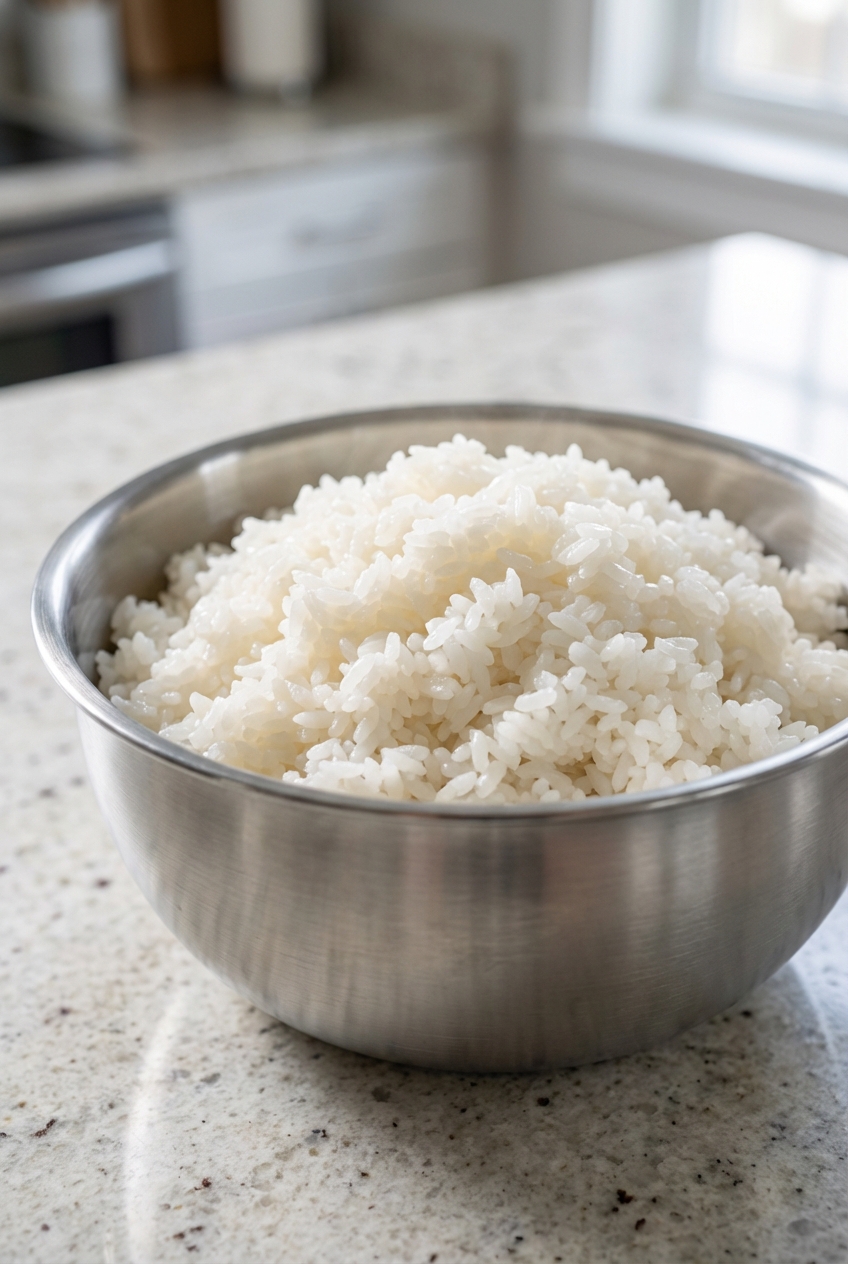
Rice is one of the most commonly used carbs because it is widely available, easy to cook, and generally gentle on the digestive tract. It is not a miracle food, but it can be useful in the right context.
Best uses
- Short-term tummy upset: plain, well-cooked white rice is often recommended alongside a lean protein as part of a temporary bland diet. If signs persist, your vet may prefer a therapeutic gastrointestinal diet or a different fiber strategy.
- Dogs who need a lower-fiber carb: white rice is lower in fiber than many other options
- Picky eaters: rice can make meals smell and taste appealing
White rice vs. brown rice
White rice is more processed, which can make it easier to digest. That is why it is often chosen when stool is loose.
Brown rice has more fiber and nutrients in the bran, but that extra fiber can be too much for some dogs with sensitive guts. Brown rice can be a solid choice for healthy dogs who tolerate it well.
How to serve rice safely
- Cook until soft, with no seasonings, onion, garlic powder, or heavy fats
- Let it cool before serving
- Introduce gradually, especially if your dog is not used to it
Rice note (for frequent feeding): Rice can contain arsenic, which is one reason I do not love it as an everyday “main” carb long term. If you feed rice often, keep portions modest, rotate with other carb sources, and talk with your vet about what makes sense for your dog.
Portion note: Rice should not dominate the bowl. If you are feeding homemade, the bulk of the meal should still be high-quality protein with appropriate fat, plus a vitamin and mineral plan.
Potatoes for dogs
Potatoes can be a nutritious, satisfying carb, but they need to be handled correctly. The biggest safety issue is that potatoes must be cooked and plain.
If rice is the classic bland option, potatoes tend to be the “hearty” choice, but they are not for every dog.
White potatoes vs. sweet potatoes
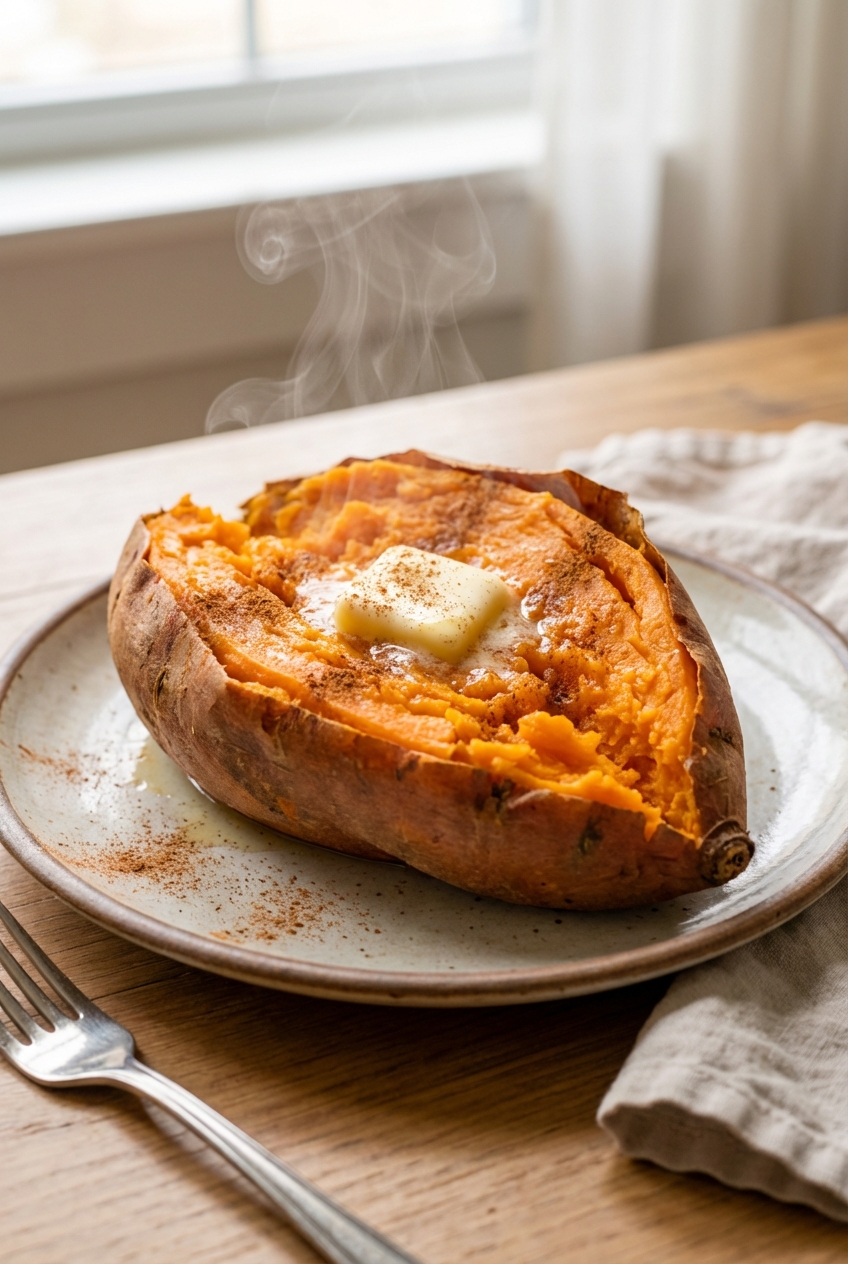
White potatoes are primarily starch. They can be helpful for energy, and they are commonly used in some commercial diets.
Sweet potatoes tend to be higher in fiber and naturally contain beneficial plant compounds. Many dogs do well with them, especially when you want a more fiber-forward option.
Important safety tips
- Always cook potatoes. Raw potato can upset the GI tract, and green potato skin or sprouts can contain higher levels of glycoalkaloids that are not safe.
- No butter, salt, or seasonings. Many “human-style” potato add-ons (especially dairy, butter, and cheese) can be too fatty or too salty for dogs.
- Avoid fried potatoes. Fries and chips add excess fat and salt and may increase pancreatitis risk, especially in dogs prone to it.
When potatoes may not be the best choice
- Dogs who gain weight easily: potatoes are starch-heavy and can add up quickly in calories when portions are large
- Dogs with diabetes: the starch load can affect glucose control, so talk with your vet first
- Dogs on certain prescription diets: follow your veterinarian’s plan
Oats for dogs
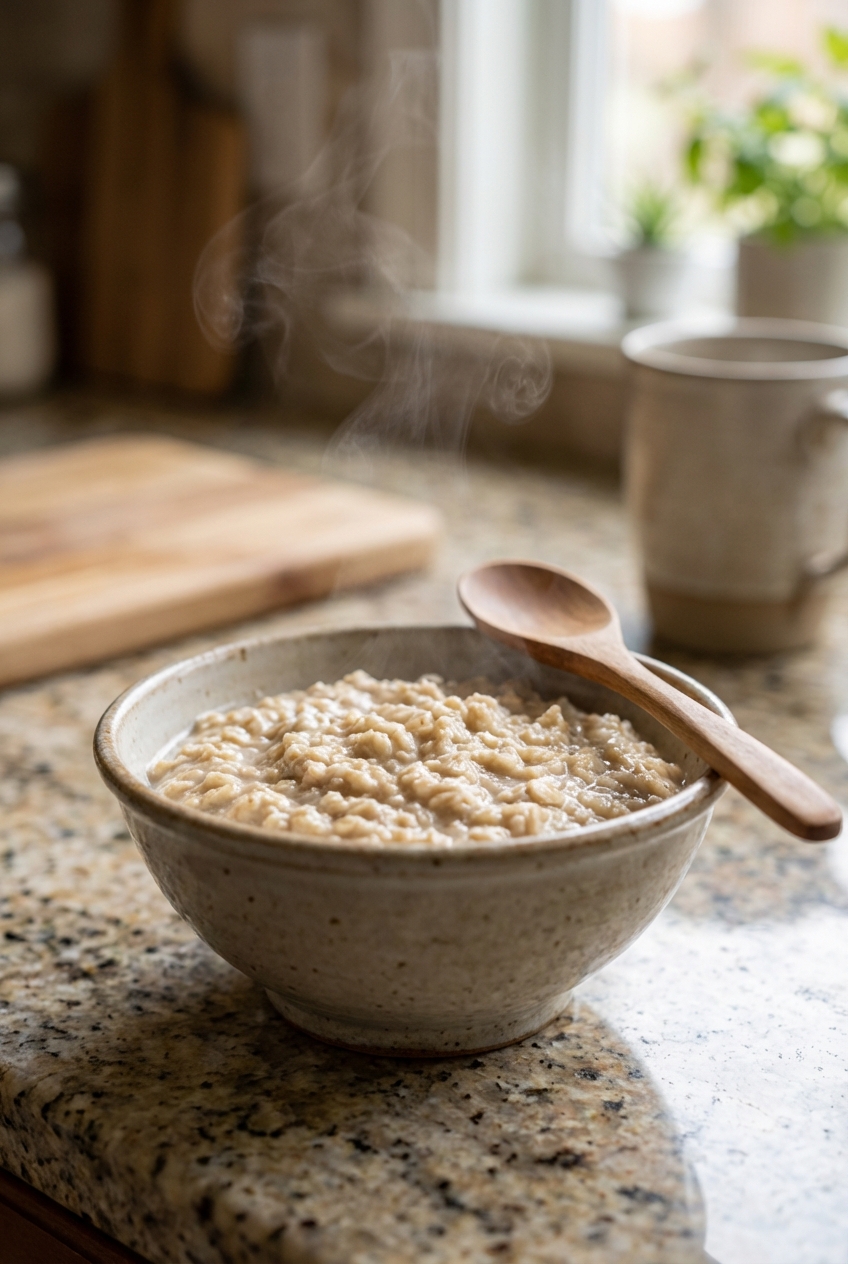
Oats are one of my favorite “quietly powerful” carbs. They are a whole grain with soluble fiber, and they can be soothing for some dogs, especially when prepared simply.
Why oats can help
- Soluble fiber (like beta-glucans) can support healthy stool and may help support a healthy gut environment
- Gentle energy that can feel steadier than very refined carbs
- Great texture for dogs who enjoy softer foods
Best ways to serve oats
- Use plain rolled oats or steel-cut oats, cooked in water
- Cook or soak only. Avoid feeding dry oats, since they can swell and may be harder on the gut.
- Let them cool fully before serving
- Keep portions modest, especially at first
Avoid flavored packets and anything with xylitol, raisins, chocolate, or added sweeteners.
Oats and grain sensitivities
True grain allergies are less common than many people think. Most diagnosed food allergies are to proteins (common examples include beef, dairy, and chicken), but sensitivities to grains can still happen. If you notice itchy skin, recurring ear infections, or chronic GI upset, your vet may recommend a structured elimination diet to identify triggers. Do not guess and swap ingredients randomly, because it can make the pattern harder to see.
Which carb is best?
Here is a simple, practical way to choose:
- For short-term bland meals: white rice is often the easiest on the stomach, but your vet may recommend a therapeutic GI diet depending on the situation
- For more fiber: sweet potato or oats can be good options
- For very sensitive digestion: start with small portions of one carb at a time and keep a stool and symptom log
- For active dogs needing energy: any of the three can work, with portion control and enough protein
Remember, the “best” carb is the one your dog tolerates well and that fits into a balanced overall diet.
Simple serving ideas
These are intentionally plain and easy. You can adjust portions to your dog’s size and needs.
Rice bowl starter
- Cooked white rice
- Plain boiled or baked chicken (no skin, no seasoning)
- Steamed carrots or spinach
Sweet potato mixer
- Mashed baked sweet potato
- Lean ground turkey, fully cooked and drained
- Lightly steamed green beans
Oat topper
- Plain cooked oats
- A spoon of plain yogurt (if tolerated)
- A few blueberries
If you are transitioning from kibble to fresh foods, go slow. A gradual change over 7 to 14 days is kinder to your dog’s gut.
When to call your vet
Diet changes should never cause prolonged discomfort. Contact your veterinarian if you notice:
- Vomiting or diarrhea lasting more than 24 hours
- Blood in stool
- Loss of appetite, lethargy, or signs of abdominal pain
- Unexplained weight loss or weight gain
And if your dog has pancreatitis history, diabetes, kidney disease, or food allergies, get guidance before making major changes.