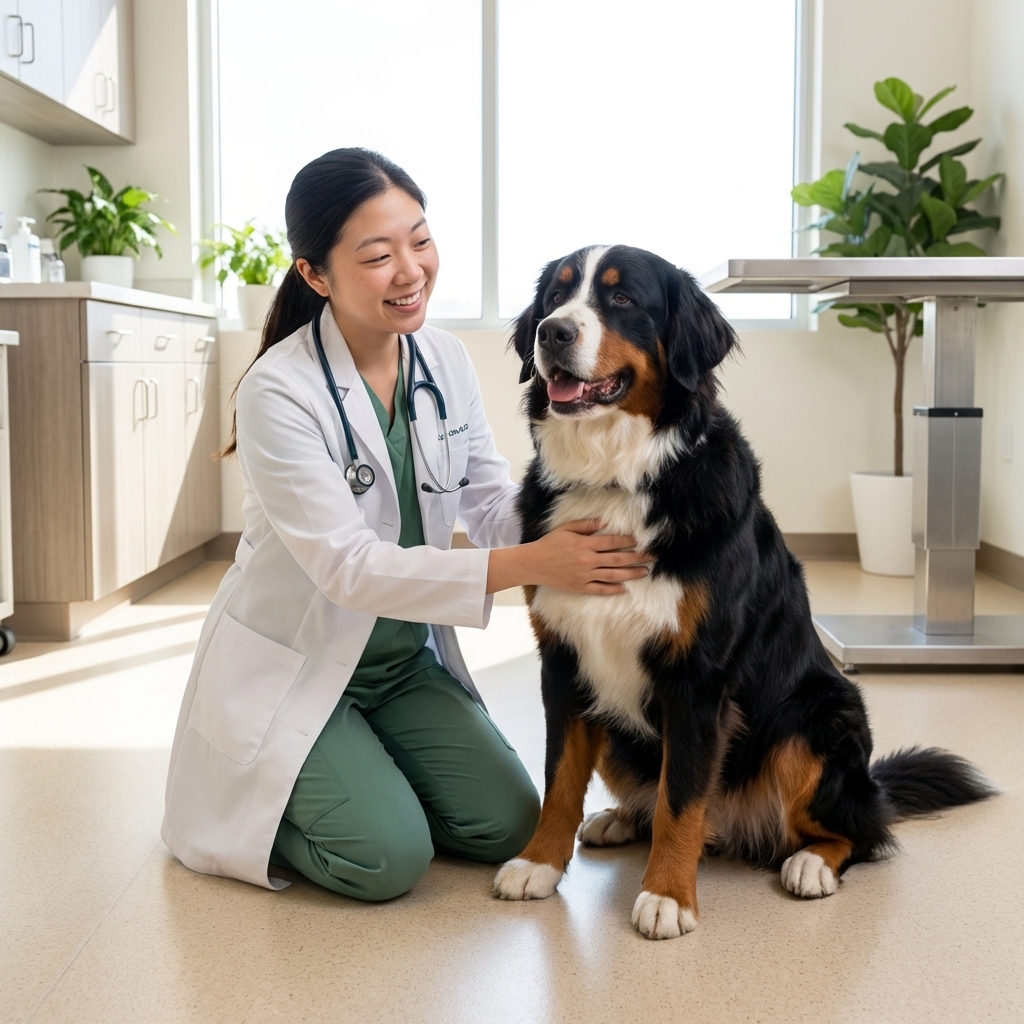
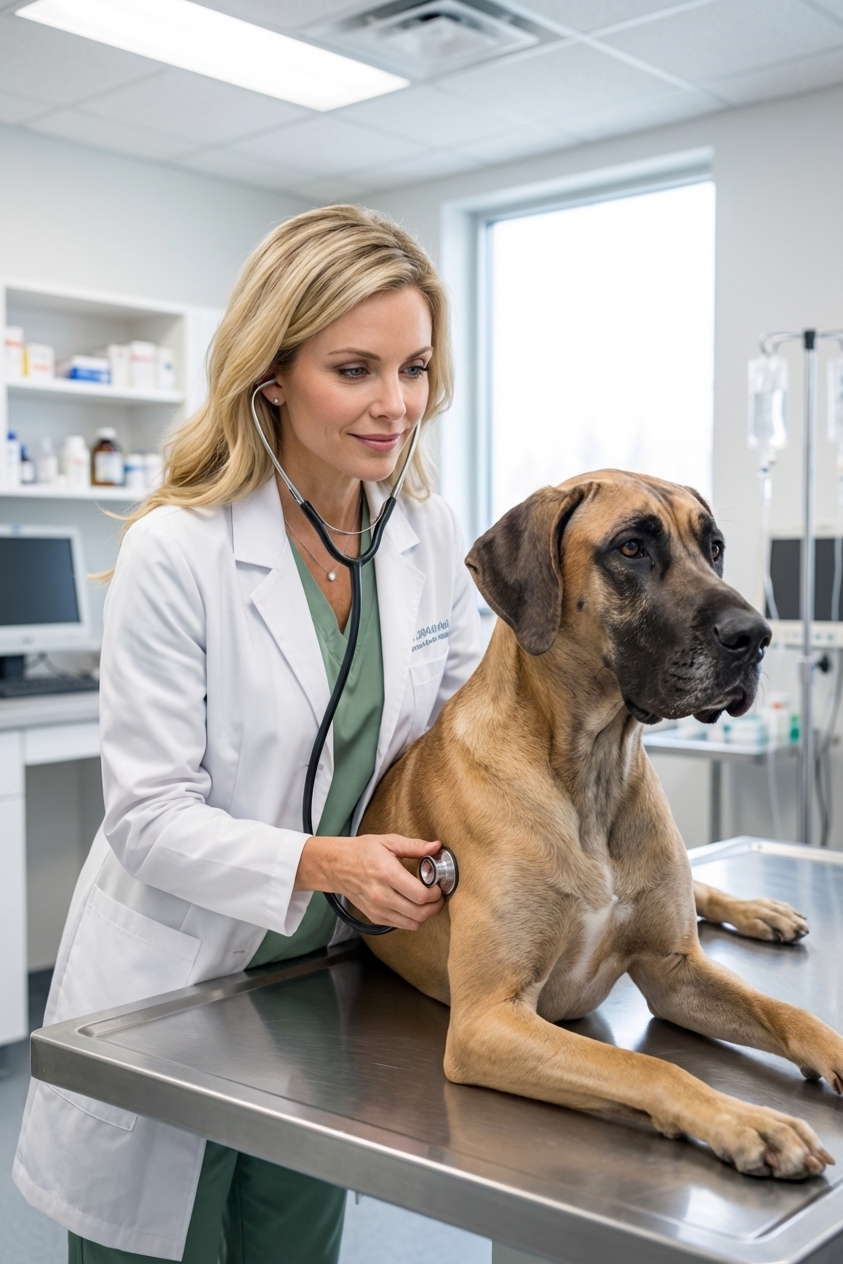
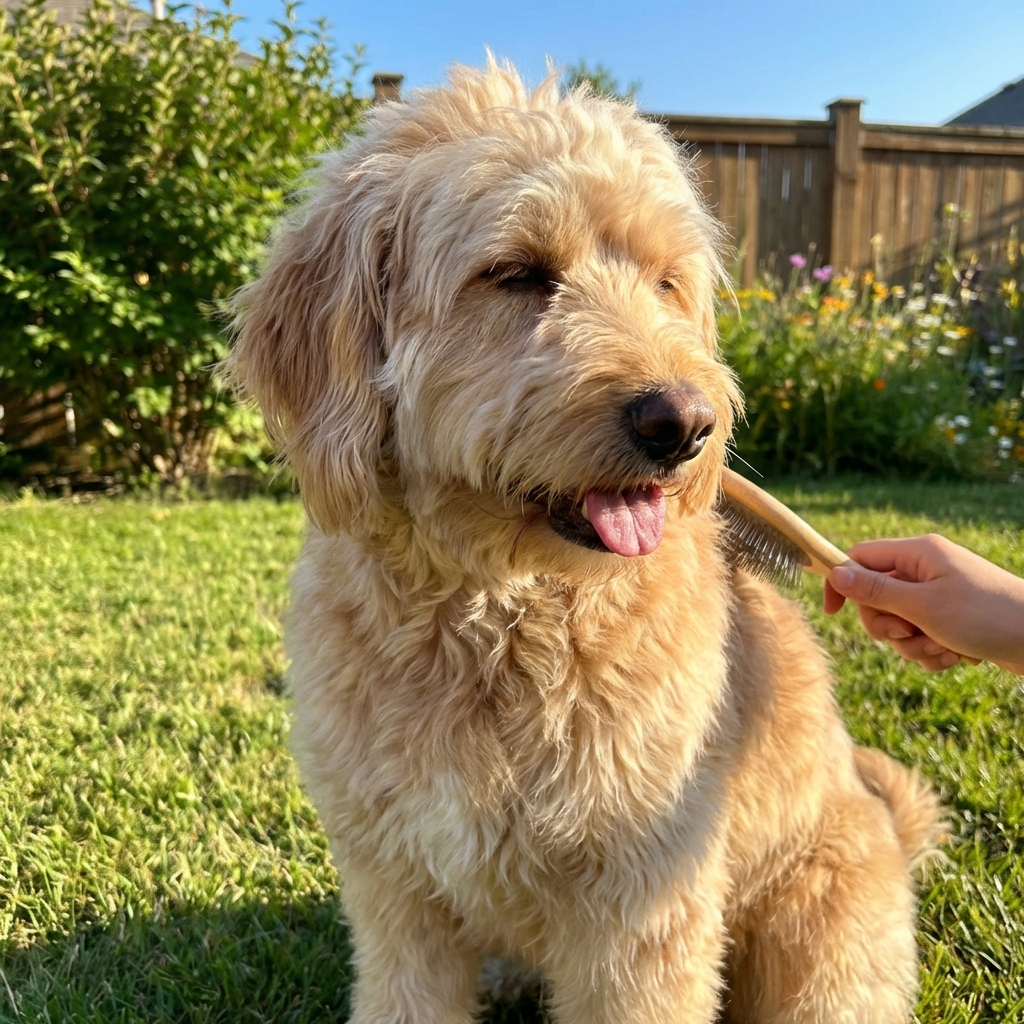
The Bernese Mountain Dog is one of those breeds that can stop you in your tracks. That tri-color coat, the gentle eyes, and the sturdy, “built for work” body are hard to forget. But before you fall in love with the look alone, it helps to understand what life with a Berner really feels like day to day: their temperament, how much they shed, and what you can realistically expect for lifespan and health.
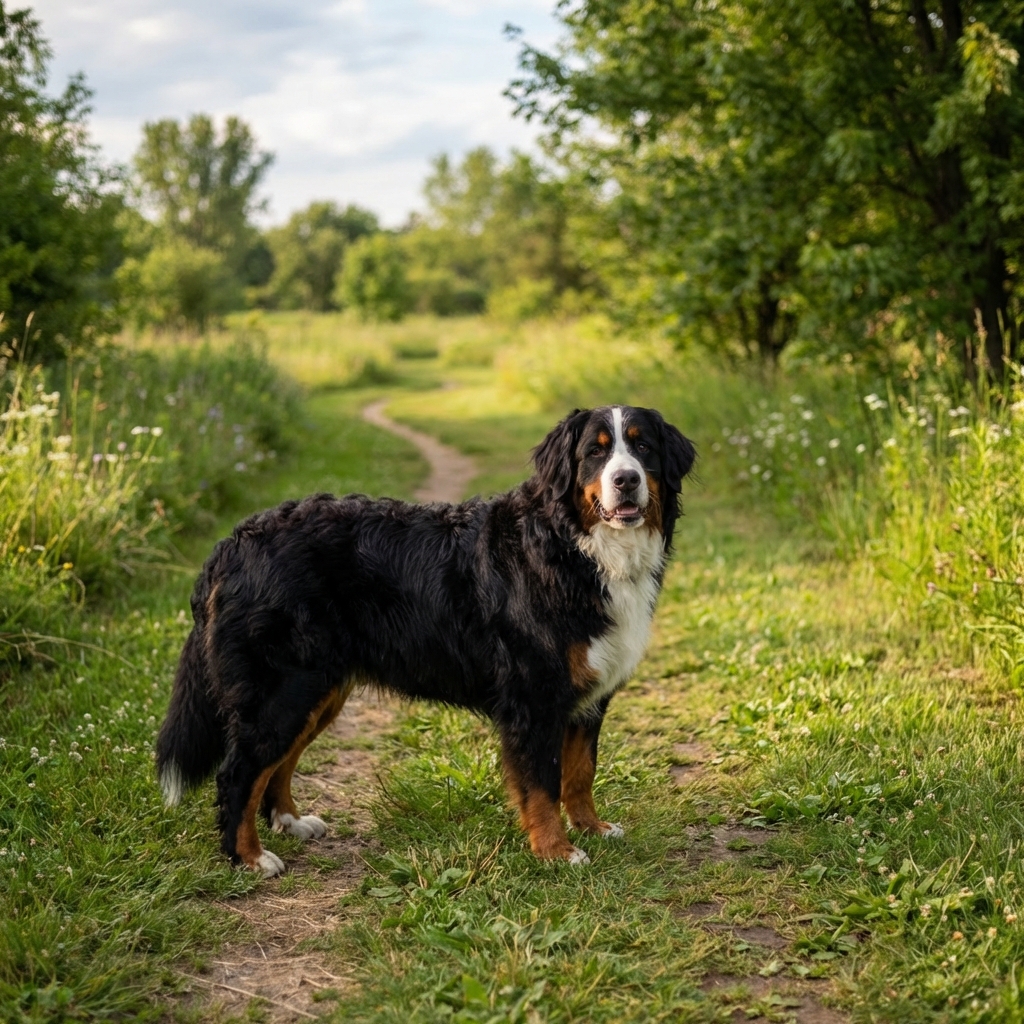
Temperament
Bernese Mountain Dogs were developed in Switzerland as farm dogs, meaning they were bred to work closely with people. That history shows up in the modern Berner as a devoted, family-oriented companion who typically wants to be wherever you are.
What Berners are usually like
- Affectionate and people-focused: Many Berners form deep bonds and prefer not to be left alone for long stretches.
- Gentle with families: With supervision and good manners training, they are often wonderful with children because they tend to be patient and tolerant.
- Friendly, but not always instantly social: Some are outgoing with strangers, while others are a bit reserved at first and warm up with calm introductions.
- Trainable, but sensitive: They generally respond best to positive reinforcement and a steady routine. Harsh corrections can shut them down.
- Alert, not typically “guardy”: Many will bark to let you know someone is at the door, but most are not intense watchdogs when well-socialized.
Energy and exercise
Berners are not typically high-octane dogs, but they are not couch ornaments either. Most do best with daily walks, low-impact play, and mentally engaging activities. Because they are a large, heavy-boned breed with orthopedic risk, structured exercise matters more than over-exercising.
- Many adults do well with one to two longer walks or two to three moderate walks per day, adjusted for age, weather, and joint health.
- They often enjoy hiking in cool weather, cart pulling, nose work, and obedience.
- Puppy note: Avoid repetitive high-impact exercise (long runs, lots of jumping) while joints are still developing. Your veterinarian can help you tailor a safe plan.
Good fit and not-so-good fit
Great match if you want a loyal, affectionate dog and you have the space, time, and budget for a large breed. Tougher match if you travel constantly, live in a very hot climate without solid cooling options, or want a low-maintenance coat and minimal drool (some Berners drool, especially around meals and water bowls).
Next, let’s talk about the part that surprises some first-time owners: the fur.
Shedding
Let’s be honest: Bernese Mountain Dogs shed. A lot. Their thick double coat is designed for cold climates, and that means you will have fur in your home no matter how much you love them.
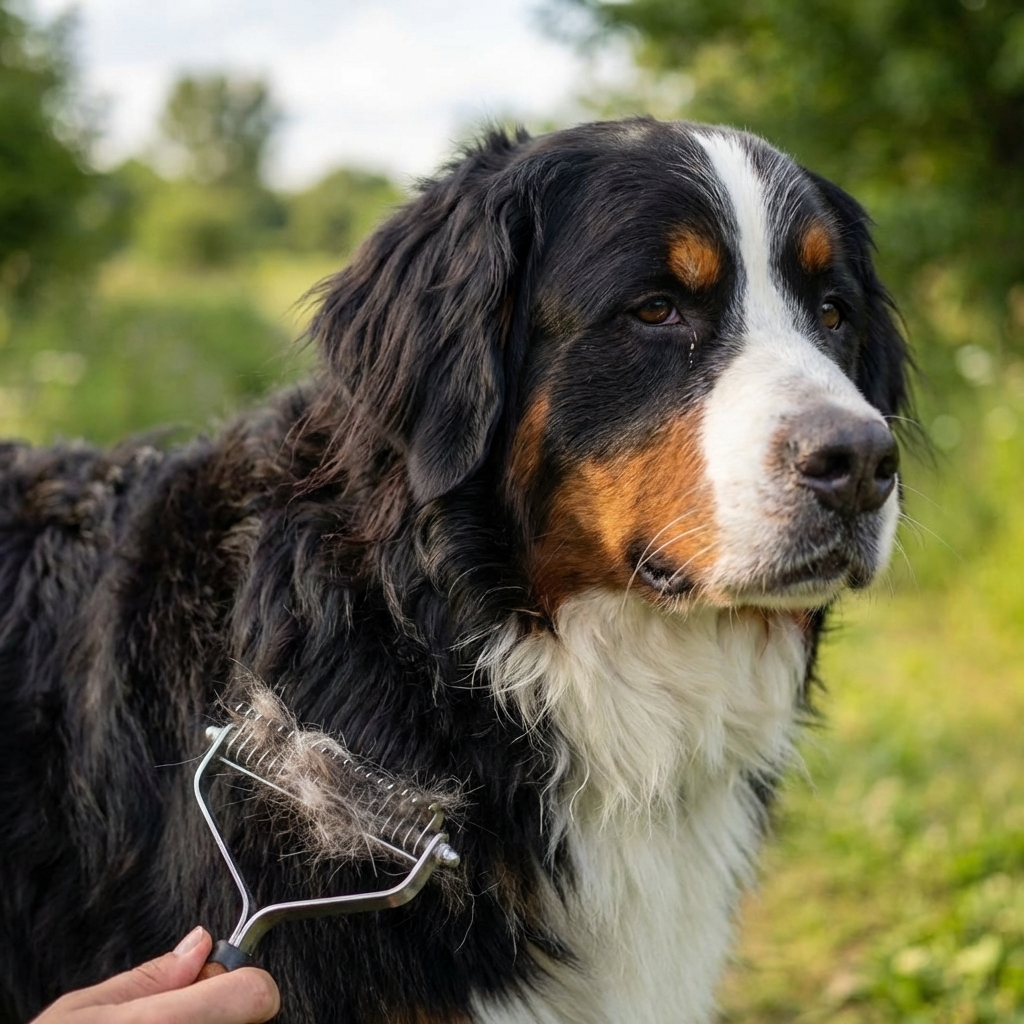
What to expect
- Year-round shedding: You will see a steady baseline of fur.
- Seasonal coat blow: Many Berners shed heavily in spring and fall as the undercoat shifts.
- Not a hypoallergenic breed: If allergies are a concern, spend time with the breed first and talk with an allergist.
Grooming routine that helps
- Brush 2 to 4 times per week most of the year, and more during heavy shedding seasons.
- Use the right tools: A slicker brush plus an undercoat rake or de-shedding tool can make a big difference when used gently.
- Bathing: Usually every 4 to 8 weeks, or as needed. Overbathing can dry the skin.
- Do not shave the double coat unless a veterinarian recommends it for a medical reason. The coat provides insulation and skin protection. Shaving can increase sunburn risk and, in some dogs, the coat may not grow back normally.
Skin and coat health basics
From a veterinary assistant perspective, a shiny coat and healthy skin are often a reflection of overall wellness. If you notice excessive dandruff, itching, recurrent ear infections, or a sudden change in coat texture, it is worth a vet visit. Allergies, parasites, endocrine issues, and diet imbalances can all show up on the skin first.
Shedding is manageable. Health is the bigger conversation, especially because Berners tend to have a shorter lifespan than many breeds.
Lifespan
Bernese Mountain Dogs are deeply loved, and it is also true that their average lifespan is shorter than many smaller breeds. Many Berners live around 7 to 9 years, and it is not unusual to see references closer to 6 to 8 years as an average range. Some reach 10+ years with excellent care and good genetics.
Common health concerns
No dog comes with guarantees, but it helps to go in with clear eyes. Some conditions that are more common in Bernese Mountain Dogs include:
- Cancer: Sadly, Berners have a higher risk of certain cancers compared with many breeds.
- Hip and elbow dysplasia: Developmental joint conditions that can lead to pain and arthritis.
- Bloat (GDV): A life-threatening emergency where the stomach fills with gas and can twist.
- Degenerative joint disease: Arthritis is common as they age, especially if weight creeps up.
- Eye issues: Depending on the line, conditions like entropion, cataracts, and progressive retinal atrophy can occur. Screening matters.
How to support a longer, healthier life
You cannot control genetics, but you can control many everyday factors that stack the odds in your dog’s favor.
- Choose an ethical breeder or rescue with transparency: Responsible breeders commonly screen breeding dogs for hips, elbows, and eyes, and may also screen for heart disease depending on their program. Ask what testing was done and look for OFA and CHIC results that match current breed recommendations.
- Keep your Berner lean: Extra weight is one of the biggest drivers of joint pain and reduced quality of life in large breeds.
- Feed a balanced diet: Talk with your vet about a large-breed appropriate food, especially during puppyhood when growth rate matters. If you are interested in homemade feeding, do it with a veterinary nutritionist so calcium and minerals are correct.
- Preventive vet care: Annual or twice-yearly exams (especially for seniors) help catch problems earlier. Ask about baseline bloodwork as your dog ages.
- Joint support and safe exercise: Controlled activity, traction-friendly floors, and vet-approved supplements can be helpful for some dogs.
- Bloat awareness: Learn the signs of GDV (unproductive retching, swollen abdomen, restlessness). Ask your veterinarian about whether gastropexy is appropriate for your dog.
If you take one thing from this section, let it be this: for a Berner, staying lean and staying proactive with vet care can make a meaningful difference in comfort and mobility.
Daily life
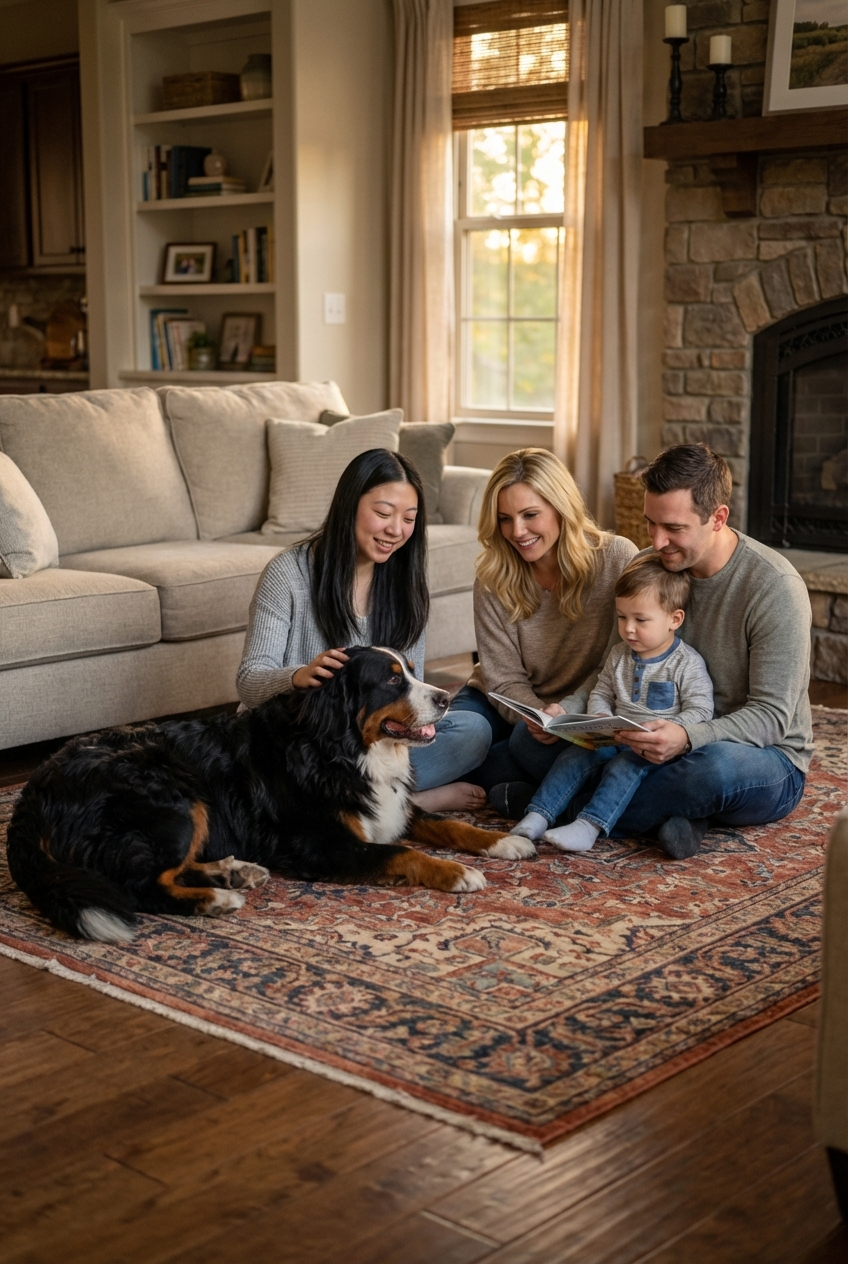
- Space: They can live in a home with a yard or in a larger apartment if exercise needs are met, but they do best when they are included in family life.
- Heat sensitivity: Their coat is made for cooler weather. Plan walks early or late in summer and provide strong indoor cooling.
- Size and strength: Training is not optional. A friendly 100-pound dog still needs leash manners.
- Drool and mess: Some Berners are fairly tidy, others are classic “big water bowl” dogs. Keep towels handy.
- Alone time: Many do not love long solo stretches. Build separation tolerance early with gradual departures, enrichment (food puzzles, sniffing games), and calm crate or pen training if it fits your household.
- Cost reality: Large dogs tend to cost more to feed, groom, and medically care for, especially when joint issues or advanced imaging come up.
Bottom line
Bernese Mountain Dogs are famously sweet, loyal companions with a calm, affectionate temperament. They also shed heavily and often have a shorter average lifespan than many breeds, so planning ahead is part of loving them well. If you can commit to grooming, training, and proactive health care, a Berner can be one of the most rewarding family dogs you will ever know.
Sources
This article is educational and not a substitute for veterinary care. For breed details, health testing guidance, and prevention resources, see:
- American Kennel Club (AKC) Bernese Mountain Dog breed information: https://www.akc.org/dog-breeds/bernese-mountain-dog/
- Bernese Mountain Dog Club of America (BMDCA), health resources: https://www.bmdca.org/health/
- Orthopedic Foundation for Animals (OFA), CHIC program overview and breed-specific testing: https://ofa.org/chic-programs/
- American College of Veterinary Surgeons (ACVS), bloat (GDV) overview: https://www.acvs.org/small-animal/gastric-dilatation-volvulus/