Worried about a new lump? Learn how mast cell tumors in dogs are diagnosed and graded, what staging means, treatment options from surgery to TKIs, and what a...
Article
•
Designer Mixes
Bernese Mountain Dog Health Issues

Shari Shidate
Designer Mixes contributor
Bernese Mountain Dogs are famously gentle, family-focused giants, and they also have a heartbreaking reality: they carry among the highest cancer burdens of any dog breed. As a veterinary assistant here in Frisco, Texas, I have seen how powerful it can be when families know what to watch for early, what to ask their vet about, and how to support joints and overall resilience at home.
This guide covers the big-ticket Bernese Mountain Dog health issues, especially histiocytic sarcoma, lymphoma, mast cell tumors, joint disease like hip and elbow dysplasia, and an eye condition called progressive retinal atrophy. I will also share practical prevention habits and early detection steps you can start today.
Quick note: This article is for education and planning. It is not a substitute for diagnosis or treatment from your veterinarian.
Average lifespan
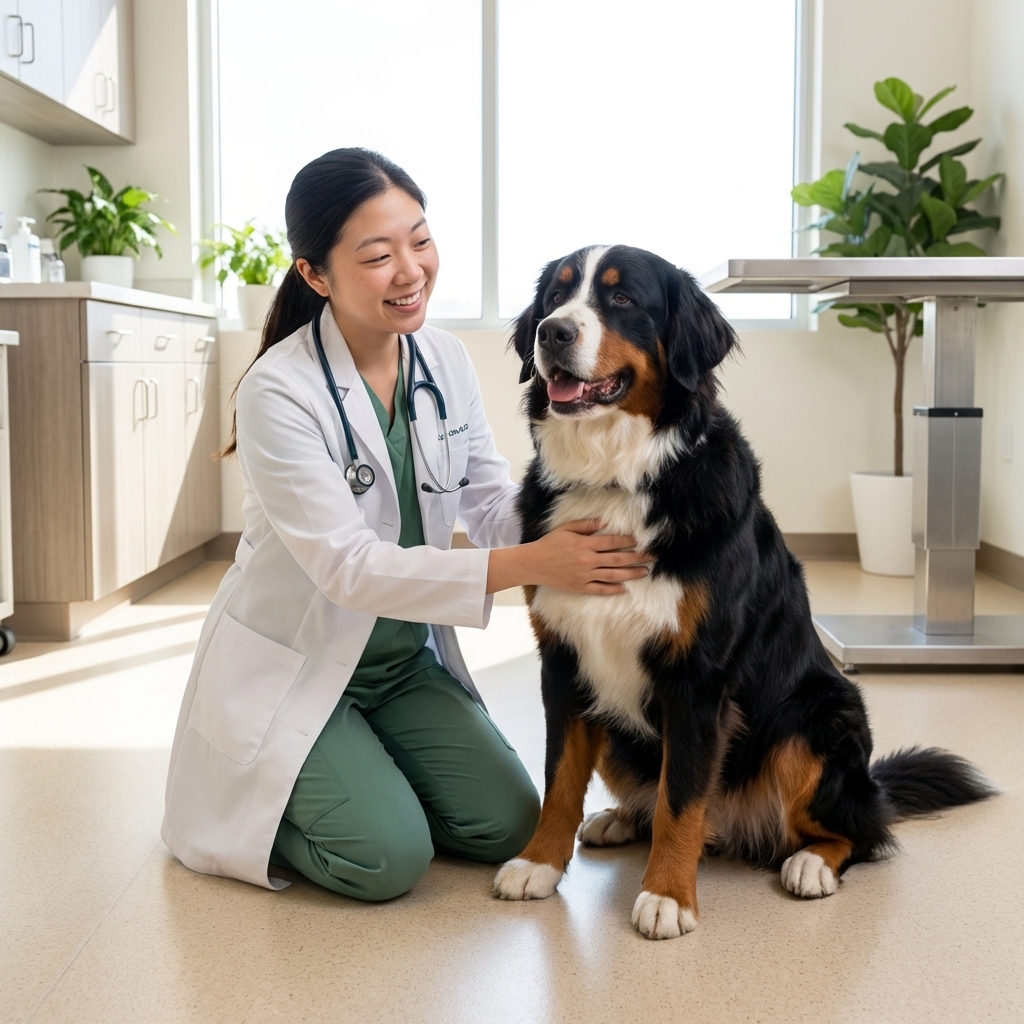
The average Bernese Mountain Dog lifespan is often reported around 7 to 10 years, depending on the dataset, country, and line. Some live longer, but sadly many are lost early due to cancer and orthopedic disease. Knowing this is not meant to scare you. It is meant to help you plan smart wellness care and make every year as comfortable and vibrant as possible.
What affects lifespan
- Cancer risk (especially histiocytic sarcoma and lymphoma) is a major driver of early loss in this breed.
- Joint disease can reduce mobility, muscle mass, and overall quality of life if not addressed early.
- Body weight matters. Even a little extra weight adds stress to hips and elbows.
- Breeder health testing and family history can influence risk.
- Early detection often means more options, even when we cannot prevent the disease entirely.
Cancer risks
Berners are predisposed to multiple cancers. The goal is simple: recognize early warning signs, schedule appropriate checkups with your veterinarian, and reduce avoidable risk where possible.
Histiocytic sarcoma
Histiocytic sarcoma is one of the cancers most strongly associated with Bernese Mountain Dogs. It can be localized (affecting one area) or disseminated (spread throughout the body). It may involve organs like the spleen, liver, lungs, lymph nodes, bone marrow, skin, or joints.
Possible early signs to report promptly:
- Sudden or progressive lethargy, decreased interest in walks or play
- Unexplained weight loss or decreased appetite
- Coughing, heavy breathing, or reduced stamina
- Lameness, swelling near a joint, or pain that does not match a minor injury
- Enlarged lymph nodes (lumps under jaw, in front of shoulders, behind knees)
- Recurring fevers or “just not acting right” episodes
Lymphoma
Lymphoma is a cancer of lymphocytes, and it often shows up as enlarged lymph nodes. Some dogs feel fine at first, which is why hands-on home checks matter.
Common signs:
- Enlarged lymph nodes that feel like firm, movable “marbles” under the skin
- Low energy, poor appetite, weight loss
- Increased thirst or urination in some cases
- Vomiting or diarrhea if the gastrointestinal tract is involved
Important: enlarged lymph nodes can also happen with infections, inflammation, dental disease, or immune conditions. The point is not to panic. The point is to have your vet check and sample when appropriate.
Mast cell tumors
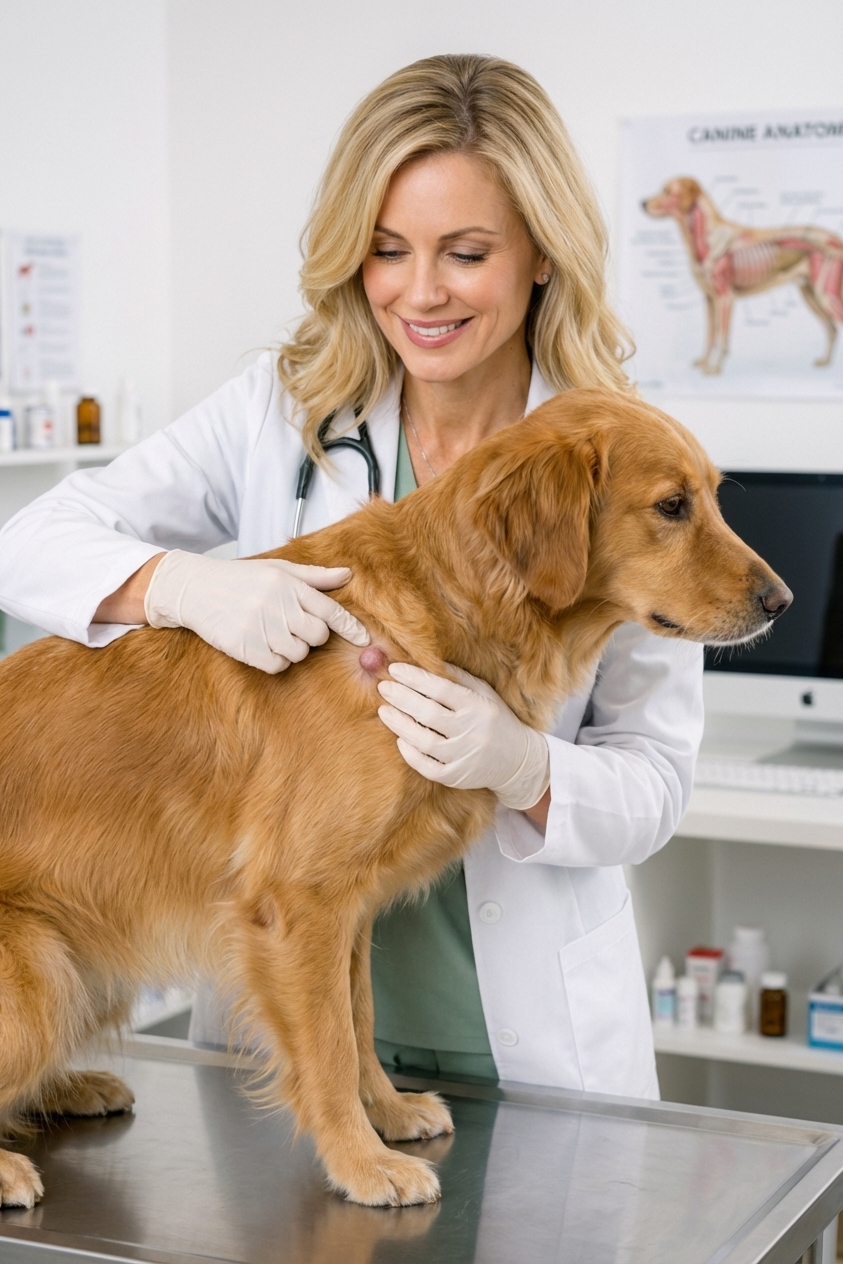
Mast cell tumors (MCT) are skin tumors that can look like almost anything. They might be small or large, raised or flat, hairless or irritated. Some change size from day to day. Because MCT can behave aggressively, any new lump should be taken seriously.
Red flags:
- A lump that grows quickly, changes shape, or becomes red and inflamed
- A lump that seems itchy or bothersome
- Multiple new lumps appearing over time
- Stomach upset episodes that coincide with a lump flaring up
Monthly lump check
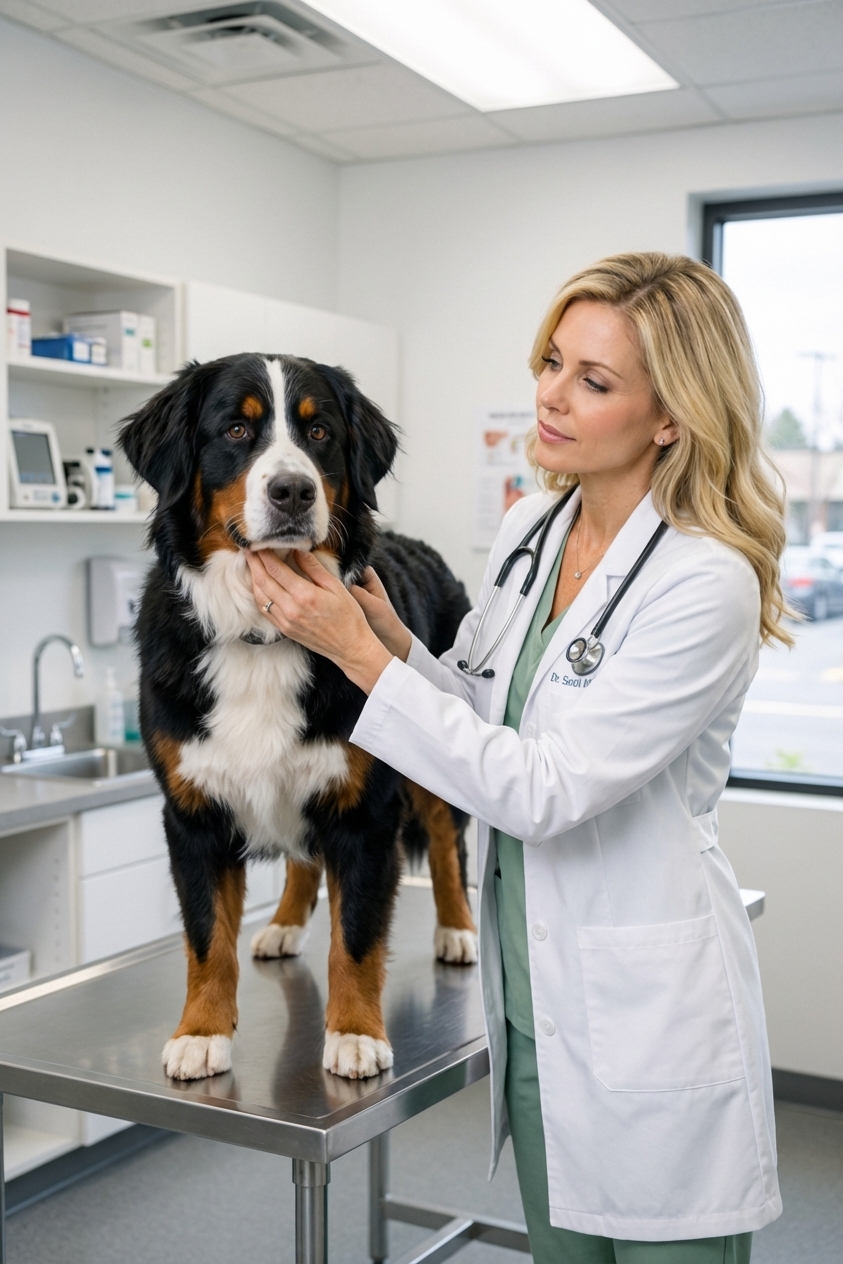
Once a month, run your hands slowly over your Berner from nose to tail. Feel legs, armpits, groin, and along the neck. If you find something new, take a clear photo and note:
- Location (for example, “right rib cage, two inches behind elbow”)
- Size (use a coin for scale in your photo)
- Texture (soft, firm, movable, fixed)
- Any skin changes (redness, scabbing, hair loss)
Then schedule a vet visit. In vet med we say, do not watch lumps, sample them. A quick needle sample called a fine needle aspirate (FNA) is often the fastest, least invasive first step.
What happens next: if the FNA is unclear, or if the lump looks concerning, your vet may recommend a biopsy for a more definitive answer. Many lumps are benign, but you cannot tell by looking or feeling alone.
Screening to discuss
There is no single perfect screening plan for every Berner. Broad cancer screening in healthy, symptom-free dogs is still an evolving area. That said, there are commonly recommended routines that can help catch problems earlier and establish a useful baseline.
Exam schedule
- Under 6 years: at least once yearly, sooner if any symptoms appear.
- 6 years and up: many veterinarians recommend every 6 months for senior giant breeds, especially Berners.
Baseline tests
- Bloodwork: CBC and chemistry panel to evaluate red and white cells, liver, kidneys, proteins, and more.
- Urinalysis: helps assess kidney function and screens for infection or other abnormalities.
- Physical exam with lymph node palpation: quick, low cost, and meaningful for catching changes that need follow-up.
- Weight and body condition scoring: essential for joint preservation.
When imaging helps
Your vet may suggest imaging based on age, family history, or symptoms:
- Chest radiographs for persistent cough, exercise intolerance, or before some surgeries
- Abdominal ultrasound for unexplained weight loss, anemia, recurrent GI issues, or concern for spleen or liver disease
- Joint radiographs if lameness, stiffness, or decreased mobility appears
Advanced options
Some clinics offer or can refer you for additional screening tools. Examples include senior screening ultrasounds in certain dogs, or newer blood-based cancer screening tests in select settings. These can be expensive and may have false positives or false negatives, so they work best as part of a thoughtful plan, not a stand-alone answer.
A helpful question to ask is, “Given my Berner’s age, symptoms, and family history, what screening plan gives us the most useful information?”
Joint problems
Bernese Mountain Dogs are heavy-boned and fast-growing, and that combination can be hard on developing joints. Hip dysplasia and elbow dysplasia can show up as intermittent limping, stiffness after rest, or reluctance to jump or climb.
Early signs
- Stiffness when getting up, especially in the morning
- “Bunny hopping” gait when running
- Front leg lameness (often elbow) or rear-end sway (often hip)
- Reluctance to jump into the car or onto furniture
- Decreased interest in long walks, stairs, or play
Daily joint care
- Keep your Berner lean: this is the most powerful joint protection tool you control.
- Use smart exercise: frequent, low-impact movement builds muscle that supports joints. Think steady walks, gentle hills, swimming, and controlled play.
- Avoid repetitive high-impact activity: constant jumping for balls, slick floors, and uncontrolled stair runs can aggravate sore joints.
- Support traction: rugs or runners on slippery floors can prevent strain and falls.
- Physical therapy: many dogs thrive with rehab, underwater treadmill, and targeted strengthening.
Puppies and young dogs
Dysplasia has a developmental component, so what you do early matters. Talk with your vet about a large-breed puppy diet, keeping growth steady (not fast), maintaining a lean body condition, and choosing controlled exercise over repetitive impact while joints are still developing.
Supplements
Supplements can be helpful, especially when paired with weight control and an appropriate exercise plan. Always confirm dosing and safety with your veterinarian, particularly if your dog is on other medications.
- Omega-3 fatty acids (EPA and DHA): often recommended for inflammation support and mobility. Many veterinary teams prefer fish oil products with clear EPA and DHA amounts listed.
- Glucosamine and chondroitin: widely used for cartilage support. Response varies by dog.
- Green-lipped mussel: a natural source of omega-3s and other joint-supporting compounds, used in some canine joint products.
- Undenatured type II collagen (UC-II): used for joint comfort in some dogs.
- MSM: sometimes included for additional anti-inflammatory support.
Important: supplements are not a substitute for pain control when pain is present. If your Berner is limping, slowing down, or struggling to rise, talk to your vet about a full arthritis plan. Many dogs do best with a combination of medication, rehab, and supplements.
PRA
Progressive retinal atrophy is an inherited condition that causes gradual degeneration of the retina and can lead to vision loss. PRA is painless, but it changes how a dog navigates the world.
Signs at home
- Hesitation in dim light or at night
- Bumping into objects in unfamiliar areas
- Increased anxiety in new environments
- Increased “eye shine” in certain lighting due to retinal thinning and increased tapetal reflection
What to do
If you suspect vision changes, schedule a veterinary exam. Your veterinarian may recommend referral to a veterinary ophthalmologist for specialized retinal evaluation. If your Berner is from a breeder, let them know. Responsible breeders track eye health and use genetic and ophthalmic screening to reduce risk over time.
Other issues
Berners can also be affected by other conditions. Not every dog will face these, but they are worth having on your radar:
- GDV (bloat): a life-threatening emergency in deep-chested breeds
- Cruciate ligament disease: hind leg limping, difficulty rising, or a sudden “three-legged” hop
- Hypothyroidism: weight gain, low energy, chronic ear or skin issues
- Degenerative myelopathy: progressive rear weakness in older dogs (less common, but important to know about)
Early detection checklist
If you only take one thing from this article, let it be this: small observations, done consistently, catch big problems sooner.
- Monthly lump check: photograph and measure anything new (see the lump check section above).
- Monthly weight check: track trends, not just the number. Sudden loss can be a red flag, and gradual gain stresses joints.
- Weekly mobility scan: note stiffness, new limps, slower sit-to-stand, or reluctance on stairs.
- Watch breathing: persistent cough, heavy panting at rest, or reduced stamina should be evaluated.
- Gums and belly: pale gums, sudden weakness, collapse, or a distended abdomen are urgent.
- Take “not right” seriously: Berners are stoic. Subtle changes can matter.
Reducing risk
We cannot change genetics, but we can influence overall inflammation, body condition, and how quickly we catch issues.
Nutrition and weight
- Keep meals consistent and high-quality: choose a diet that supports lean muscle and avoids unnecessary excess calories.
- Prioritize a healthy weight: your vet can help you choose a target weight and daily calorie goal.
- Use treats strategically: treats should be a small percent of daily calories. Consider using part of the regular meal as “treats” during training.
Joint-friendly exercise
- Two to three shorter walks are often better than one long weekend hike.
- Warm up gently before intense play and cool down after.
- Choose soft, grippy surfaces when you can.
Work with your vet
If your Berner is approaching senior years, ask about moving to twice-yearly exams and a proactive plan based on your dog’s history. It is one of the kindest things you can do for a breed that is so easy to love and so hard to lose.
Call the vet now
Please do not wait and see if you notice any of the following:
- A new lump that is growing, changing, or inflamed
- Sudden weakness, collapse, pale gums, or a distended abdomen
- Persistent lameness or pain, especially if it lasts more than 24 to 48 hours
- Significant appetite change, weight loss, or repeated vomiting or diarrhea
- Breathing difficulty, persistent cough, or exercise intolerance
GDV emergency signs
Because Berners are a deep-chested breed, I always like to include a bloat reminder. Seek emergency care right away if you see:
- Unproductive retching or trying to vomit with nothing coming up
- Sudden, painful, or enlarged abdomen
- Restlessness, drooling, pacing, rapid decline
Trust your instincts. If your Berner is acting “off,” you are not being dramatic by checking in with your veterinary team.
Sources to explore
- Bernese Mountain Dog Club of America (BMDCA) health resources and statements
- Peer-reviewed veterinary oncology and breed health studies on Bernese Mountain Dogs (histiocytic sarcoma, lymphoma, lifespan data)
- Large veterinary insurer datasets and epidemiology reports that summarize breed-related cancer and lifespan trends