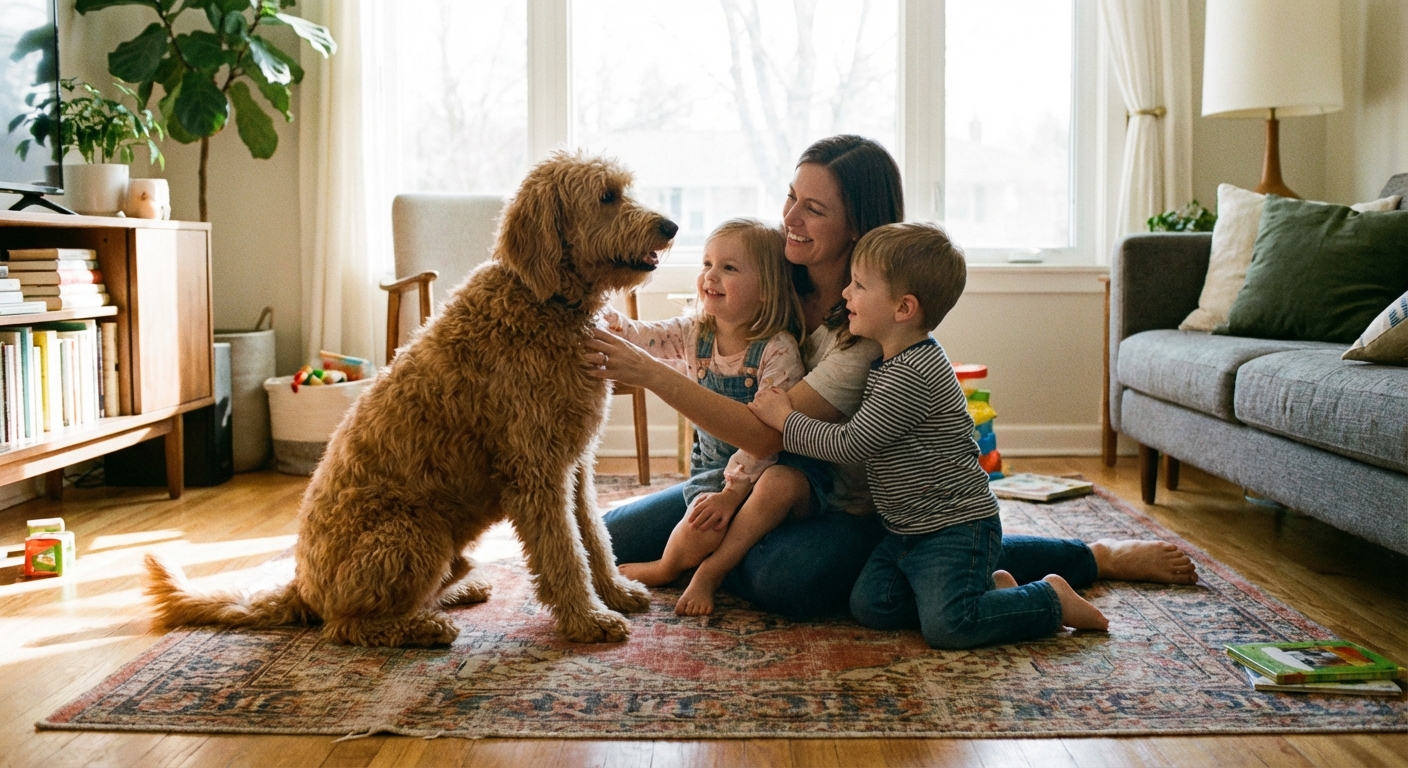
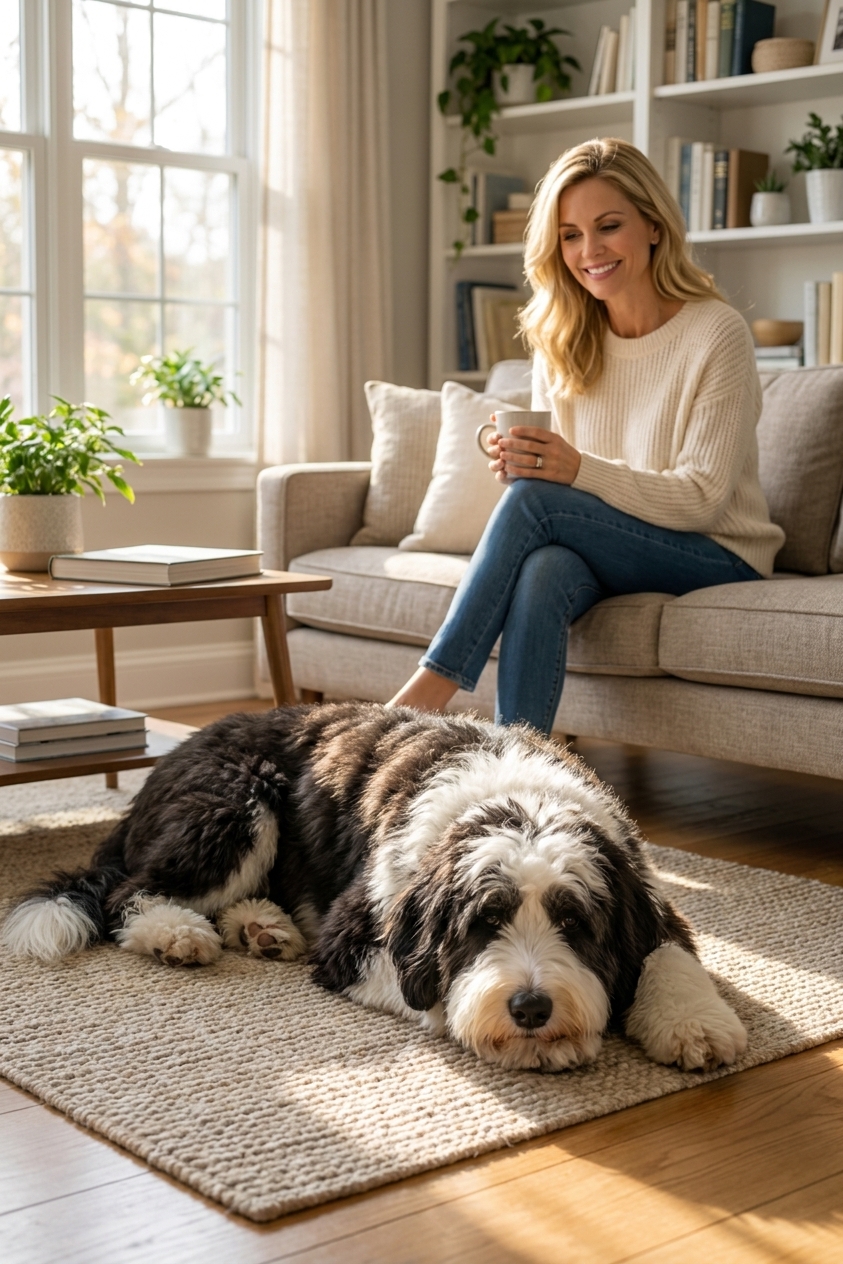
If you are deciding between a Bernedoodle and a Labradoodle, you are already asking the right questions. These mixes can look similar in photos, but in real life they often differ in adult size range, coat maintenance, energy level, and what kind of household they thrive in.
As a veterinary assistant, I always encourage families to choose the dog that fits their daily routine, not the dog that looks cutest online. Below is a side-by-side breakdown with practical, home-life details.
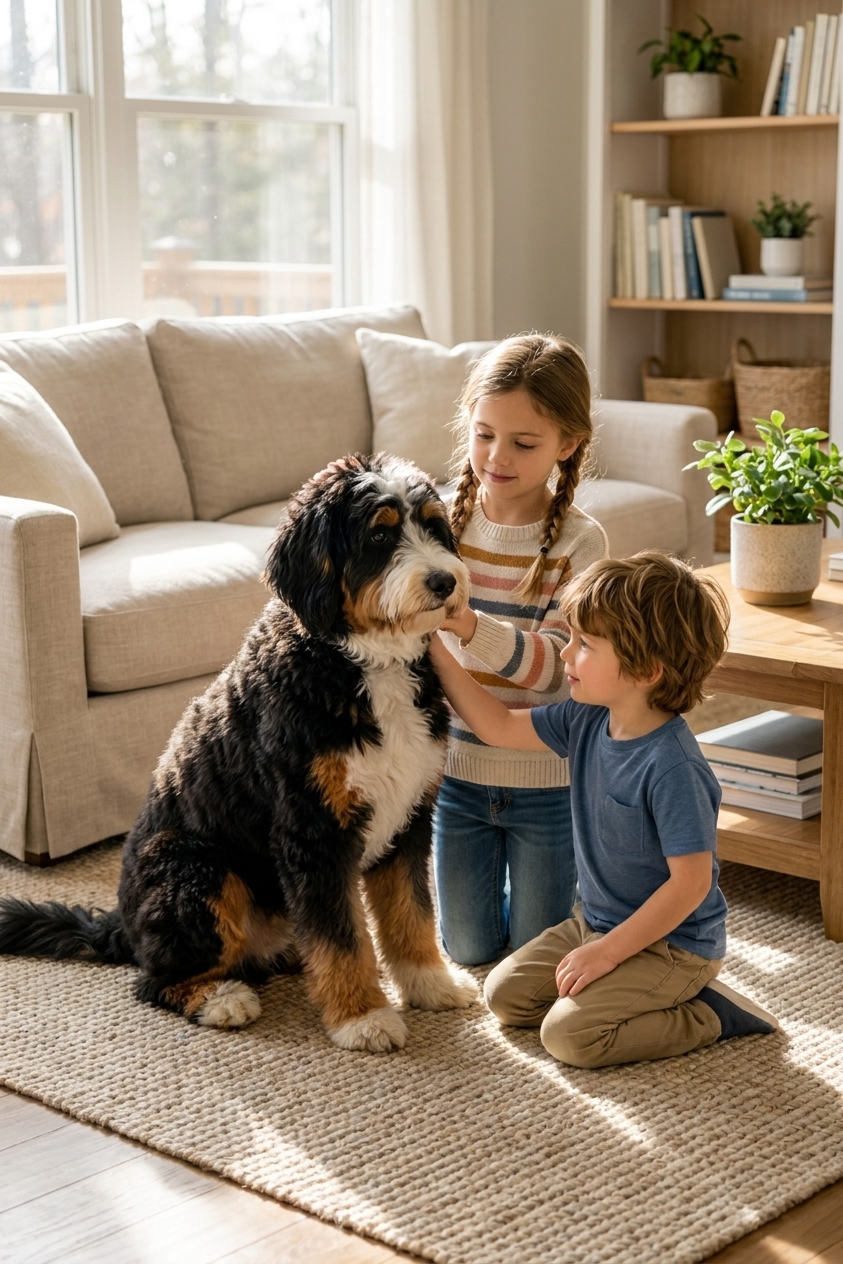
Quick comparison table
Both are Poodle mixes, so you will see wide variation. Breeder practices, generation (F1, F1B, multigen), and whether the dog is mini or standard all change outcomes. Also, labels like “mini,” “medium,” and “standard” are not standardized across breeders, so treat ranges as approximate.
| Trait | Bernedoodle (Bernese Mountain Dog × Poodle) | Labradoodle (Labrador Retriever × Poodle) |
|---|---|---|
| Typical adult size | Mini or Standard; Standard lines can be very large | Mini, Medium, or Standard; size can be more consistent when the breeder has clear adult history |
| Weight range (commonly seen) | Mini: often ~25 to 50 lb (can be smaller or larger); Standard: often ~50 to 90 lb (some can exceed 90 lb) | Mini: often ~20 to 40 lb; Medium: ~30 to 50 lb; Standard: ~45 to 75 lb (larger is possible) |
| Lifespan (general expectation) | Often shorter on average, especially in larger dogs; many fall in the ~8 to 12 year range | Often a bit longer on average; many fall in the ~10 to 14 year range |
| Shedding | Low to moderate depending on coat and generation; can shed more than people expect | Low to moderate; not reliably non-shedding |
| Grooming workload | Moderate to high, especially with wavy or curly coats | Moderate to high, especially with curly coats |
| Energy level | Moderate overall; many are playful but also enjoy downtime | Moderate to high; many need daily aerobic exercise and training games |
| Trainability | High, but can be sensitive; benefits from calm, consistent handling | High; often very food-motivated and eager to work |
| Best fit | Families wanting a larger, affectionate companion with moderate exercise needs | Active households, outdoorsy families, people who enjoy training and routine |
Size: what most families actually end up with
Size is where surprises happen, especially with doodles. The most important factor is not the breed name. It is the size of the Poodle parent, the Bernese or Lab parent, and how consistent the breeder has been over multiple generations. Even then, there is wiggle room.
Bernedoodle size notes
- Standard Bernedoodles can be big. Bernese Mountain Dogs are a large to giant breed, and many Standard Bernedoodles end up heavy-boned and tall.
- Some Bernedoodles are “tall but lean,” while others are “stocky and dense.” That bone and body type can matter for apartment living and for lifting into a car when older.
- Mini Bernedoodles vary widely. Many land in the 25 to 50 lb range, but smaller (or larger) adults can happen depending on lineage and how the breeder defines “mini.”
Labradoodle size notes
- Labradoodles are often offered in mini, medium, and standard more consistently, but definitions still vary by breeder.
- Even within “standard,” many land in a more manageable 45 to 75 lb range, though larger is possible.
- In general, predictability comes from breeder record-keeping and consistent pairings more than from the mix itself.
Practical tip: Ask for the adult weights of the parents and at least a few adult dogs from prior litters, not just “estimated size.”
Shedding and allergies: the honest answer
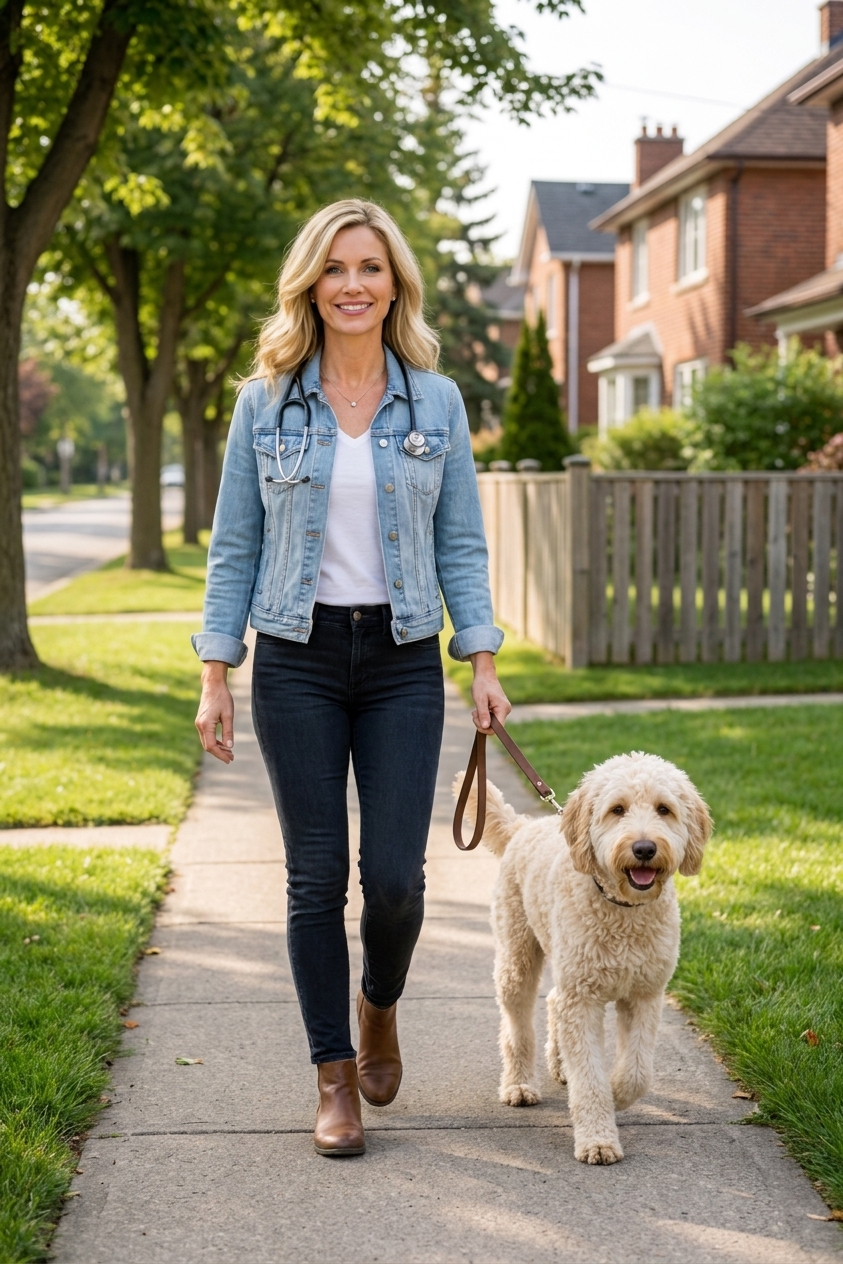
Neither mix is guaranteed non-shedding, and neither is truly “hypoallergenic” for everyone. Many allergy sufferers do better with lower-shedding dogs, but allergies can be triggered by dander and saliva proteins. Environmental allergens like pollen can also ride in on the coat and worsen symptoms, even though they are not the primary dog-allergen source.
What influences shedding most
- Coat type: straighter coats tend to shed more; curly coats tend to shed less but mat more.
- Generation: F1 (first cross) can be more variable. F1B (backcross to Poodle) often reduces shedding risk, but still not a promise.
- Grooming frequency: loose hair and dander build up if brushing and bathing are inconsistent.
If allergies are a big concern: spend time with the specific puppy’s parents when possible, and consider an adult dog from a rescue where coat and shedding are already known.
Coat care and grooming: where doodle ownership gets real
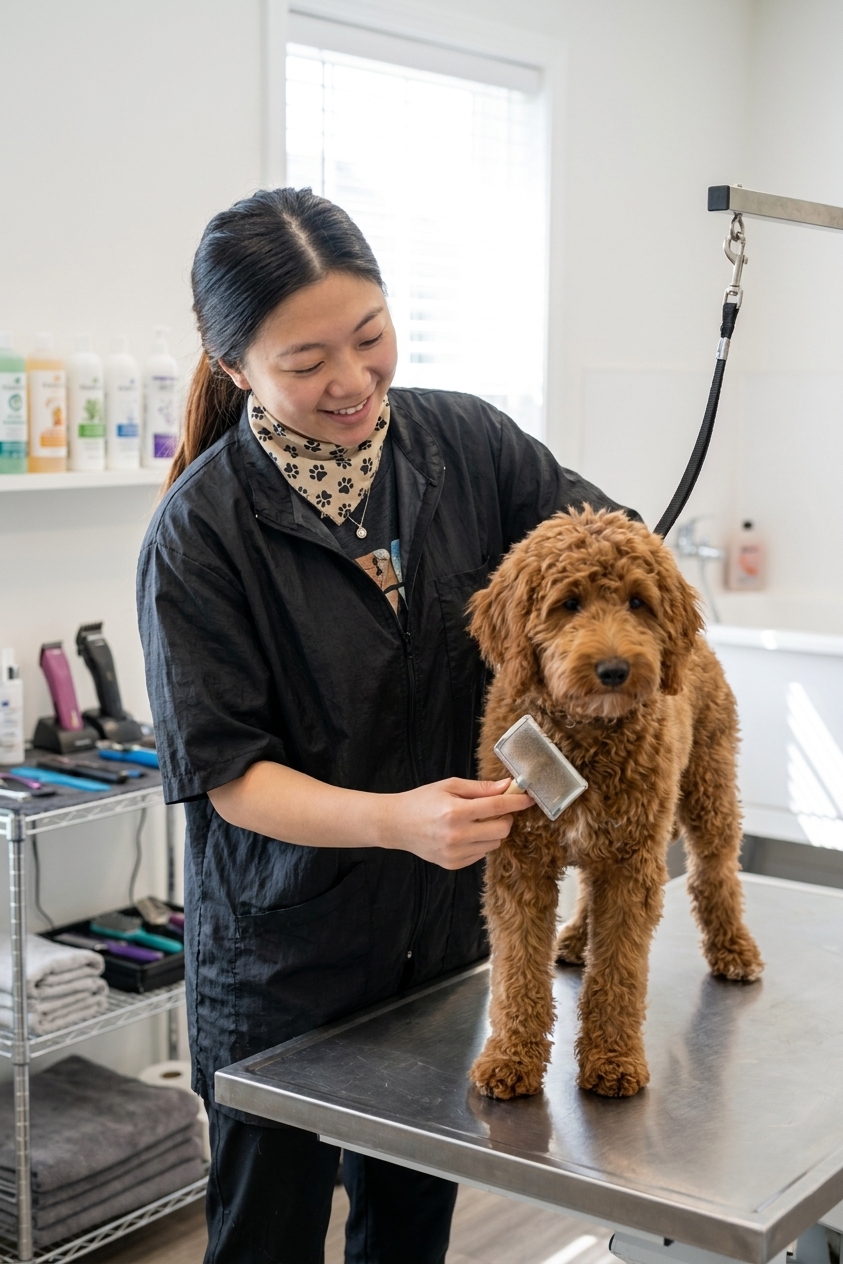
In clinic, I see more doodle coat problems from matting than almost anything else: tight mats behind ears, in armpits, and at the base of the tail. Mats are not just cosmetic. They pull on skin, trap moisture, and can hide infections or hot spots.
Typical grooming needs (both mixes)
- Brushing: 3 to 5 times per week for wavy coats, and often daily for curly or long coats.
- Professional grooming: about every 6 to 8 weeks for most family pets.
- Home maintenance: regular ear checks and drying after baths or swimming, nail trims, and keeping hair out of eyes.
Who tends to be higher maintenance?
It depends more on coat than on “Bernedoodle vs Labradoodle.” That said, Bernedoodles frequently have thick, plush coats that mat easily when long. Labradoodles also mat, but many lines have a slightly less dense coat.
Budget reality check: If you cannot commit time for brushing or funds for grooming, choose a shorter clip and stick to a schedule. A short, clean coat is kinder than a long, tangled one.
Exercise needs: apartment vs active family
Exercise is not just about burning energy. It is behavior prevention. Under-exercised dogs are more likely to develop nuisance behaviors like chewing, barking, counter-surfing, and leash pulling.
Bernedoodle activity pattern
- Often moderate energy: many families find a daily walk plus play and a little training is enough.
- Many enjoy hiking and games, but some are more content with family time and shorter bursts.
- Standards can be slower to mature and may need joint-friendly exercise while growing.
Labradoodle activity pattern
- Often moderate to high energy, especially in younger years.
- Many thrive with daily aerobic activity: longer walks, jogging (when fully grown), fetch, swimming, and structured training games.
- They can become restless without a predictable routine.
Apartment guidance
Best bet: a smaller Labradoodle (mini or medium) or a mini Bernedoodle, paired with a committed daily exercise plan.
- If you work long hours away from home, plan for a midday dog walker or daycare a few times a week.
- Prioritize quiet training: settle on mat, impulse control, and calm greetings to keep neighbors happy.
Active-family guidance
Best bet: Labradoodle for families who love activity and training, or a Standard Bernedoodle for families who want a big dog but not a constant endurance athlete.
- Choose Bernedoodle if you want a bit more “hang out with us” energy.
- Choose Labradoodle if you want a dog that is happiest with a job: fetch, scent games, agility basics, or long weekend adventures.
Trainability and temperament: what to expect day to day
Both mixes can be wonderful family dogs when properly socialized and trained. Their shared Poodle influence often brings intelligence and sensitivity. The other half of the mix shapes drive, confidence, and how “busy” the brain feels.
Bernedoodle tendencies
- Often affectionate and people-focused.
- Can be sensitive to harsh corrections. They usually do best with reward-based training and a calm voice.
- Some may be cautious with strangers at first and need thoughtful socialization (not forced interactions).
Labradoodle tendencies
- Often friendly, outgoing, and eager to engage.
- Many are highly food-motivated, which makes training easier for beginners.
- Can be mouthy as puppies and adolescents, which is normal but needs consistent redirection and chew outlets.
Actionable training starter pack: teach “sit,” “down,” “touch,” “leave it,” and “place” in the first month, and do short sessions daily. Five minutes twice a day beats one long session on weekends.
Family fit: kids, seniors, and multi-pet homes
With young children
- Size matters: Standard Bernedoodles can accidentally knock over toddlers. Supervision and calm greeting training are key.
- Labradoodles can be bouncy too, but many families find their “retrieve and run” style easier to channel with games.
With seniors or lower-mobility households
- A mini Bernedoodle or smaller Labradoodle may be more manageable.
- Prioritize leash manners and a predictable temperament over coat color or trending look.
With other pets
- Both can do well with dogs and cats when introduced properly.
- Labradoodles may have more chase enthusiasm due to higher play drive. Early impulse control helps a lot.
Pros and cons at a glance
Bernedoodle pros
- Often a great “family room” companion with moderate energy
- Can be deeply affectionate and bonded to their people
- Many do well with a predictable routine and steady training
Bernedoodle cons
- Standard size can be very large, which affects housing, travel, and cost
- Coat can mat easily, grooming costs add up
- Not reliably non-shedding
Labradoodle pros
- Often very trainable and eager to please
- Great match for active families and people who enjoy daily training
- Size options can be easier to match to your lifestyle
Labradoodle cons
- Can be high-energy and restless without daily exercise and enrichment
- Still not guaranteed low-shedding or allergy-friendly
- Adolescent phase can include jumping and mouthiness without consistency
Choosing the right one: a simple checklist
If you are torn, use these questions. They cut through the marketing and get to real-life fit.
- How much exercise can you reliably do most days? Many Labradoodles do best with longer daily activity and training. Many Bernedoodles are happy with a solid walk, play, and family time. Age and individual temperament matter a lot.
- How important is adult size predictability? Lean toward a reputable breeder with multi-generation lines and clear adult size history, regardless of mix.
- How do you feel about grooming? If brushing several times a week and routine professional grooming sounds like a chore, plan for a short clip and a strict schedule, or consider a different coat type entirely.
- Apartment or shared walls? Choose temperament and calmness, and do early settle training. Smaller size can help, but training matters more.
- Are you ready for the adolescent stage? Both mixes can be a lot between about 6 and 18 months. If you want the smoothest ride, budget time (or money) for training support and structured enrichment.
- How important is lifespan to your family? Larger dogs often live shorter lives on average, and Bernese lines are known for shorter lifespans. Ask what the breeder is seeing in their adult dogs and older dogs.
If I had to boil it down: pick a Bernedoodle if you want a big, affectionate companion with moderate energy. Pick a Labradoodle if you want a dog who thrives on activity, structure, and daily training games.
Health and breeder questions that protect your future self
No doodle mix is automatically healthier. The best safeguard is a breeder (or rescue) who is transparent and prioritizes stable temperaments and orthopedic health. If you want to get practical fast, ask to see proof of health testing through reputable registries (for example OFA results for hips and elbows when applicable), and ask what health issues they see in their older dogs.
Ask about
- Orthopedic screening: hips and elbows matter in both lines due to medium to large body size.
- Eye testing and relevant genetic screening based on parent breeds.
- Cardiac screening when recommended for the line.
- Temperament of the parents and how puppies are raised and socialized.
- Return policy or rehoming support if life changes.
Common risks to discuss with your vet or breeder
- Both mixes: ear infections (especially with floppy ears and swimming), skin allergies, GI sensitivity, and orthopedic issues if growth and weight are not managed well.
- Bernese influence: larger body size can mean more joint wear and tear, and the Bernese breed line is known for a higher cancer burden overall. This is one reason families should think about lifespan and long-term care planning.
- Lab influence: strong appetite and weight gain risk, plus certain inherited conditions seen in Labs in some lines (your breeder and vet can tell you what is relevant in your region and what is actually tested).
Lifespan note: This is a big decision point. Bernese Mountain Dogs, as a breed, tend to have shorter lifespans than Labrador Retrievers, and very large dogs often age faster. That does not mean every Bernedoodle will have a short life, but it is worth asking direct questions about longevity in the breeder’s lines.
Vet-clinic tip: Whatever you choose, invest early in preventative care: healthy weight, joint-friendly exercise during growth, dental care, and consistent grooming. Small habits now prevent big problems later.