A practical Bengal kitten care guide from baby to adult: home setup, feeding schedule, hydration, litter box basics, enrichment, grooming, socialization, and...
Article
•
Designer Mixes
Bengal Cat Breed

Shari Shidate
Designer Mixes contributor
Meet the Bengal
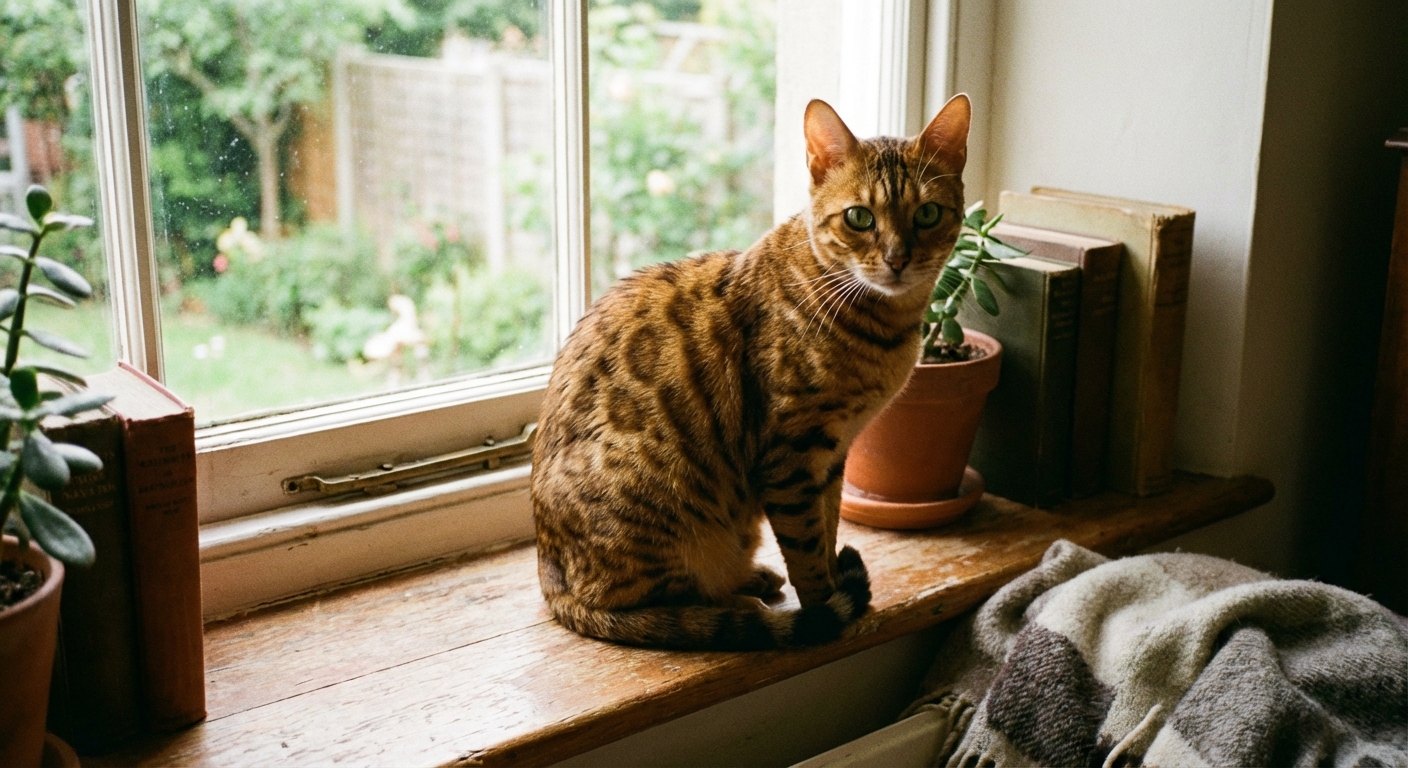
The Bengal cat is one of the most eye-catching breeds you will ever meet, known for a coat that looks like it belongs in the wild and a personality that is anything but boring. Bengals are athletic, intelligent, and deeply interactive with their people . They can make incredible companions in the right home, especially if you enjoy a cat that wants to be part of everything you do.
If you are considering a Bengal, it helps to understand where they came from, what they need day to day, and how to support their long-term health. Small, consistent habits compound into remarkable results over time, and that is especially true with energetic, high-drive cats like this .
Origin and Breed Background
Bengals trace their distinctive look back to crosses between domestic cats and the Asian leopard cat, a small wild cat species. However, the modern Bengal as a companion breed was established through selective breeding programs in the late 20th century, often associated with breeder Jean Mill. Today, most pet Bengals from reputable breeders are later-generation cats (often F4 and beyond), bred specifically for sociability, predictability, and life as a household companion.
Many Bengals are recognized by major cat registries, although recognition and standards can vary by registry and over time. Regardless, it is still important to work with breeders who prioritize health, temperament, and responsible placement. Early-generation Bengals can have more challenging behaviors, and in some regions there are legal restrictions around hybrid or early-generation cats, so it is wise to check local regulations before committing.
Appearance and Coat Types
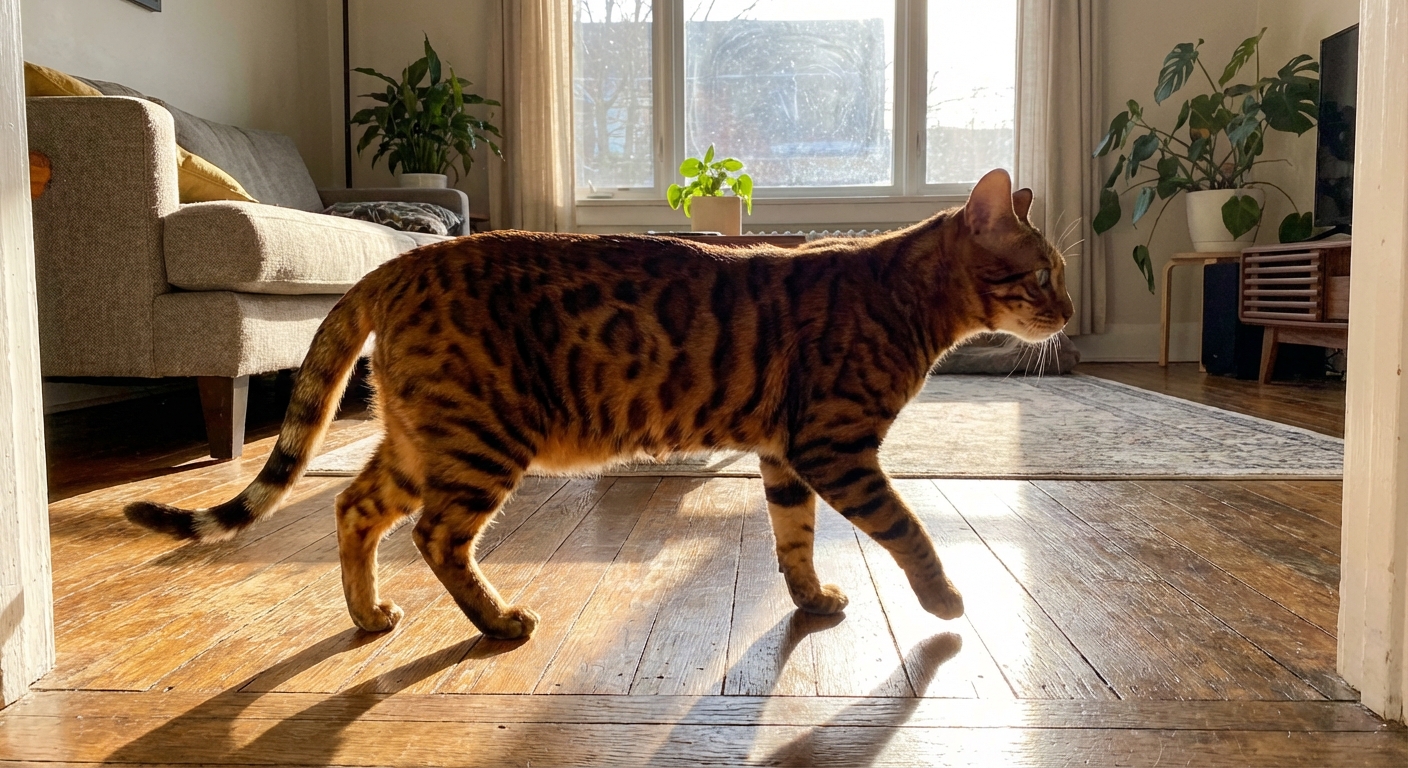
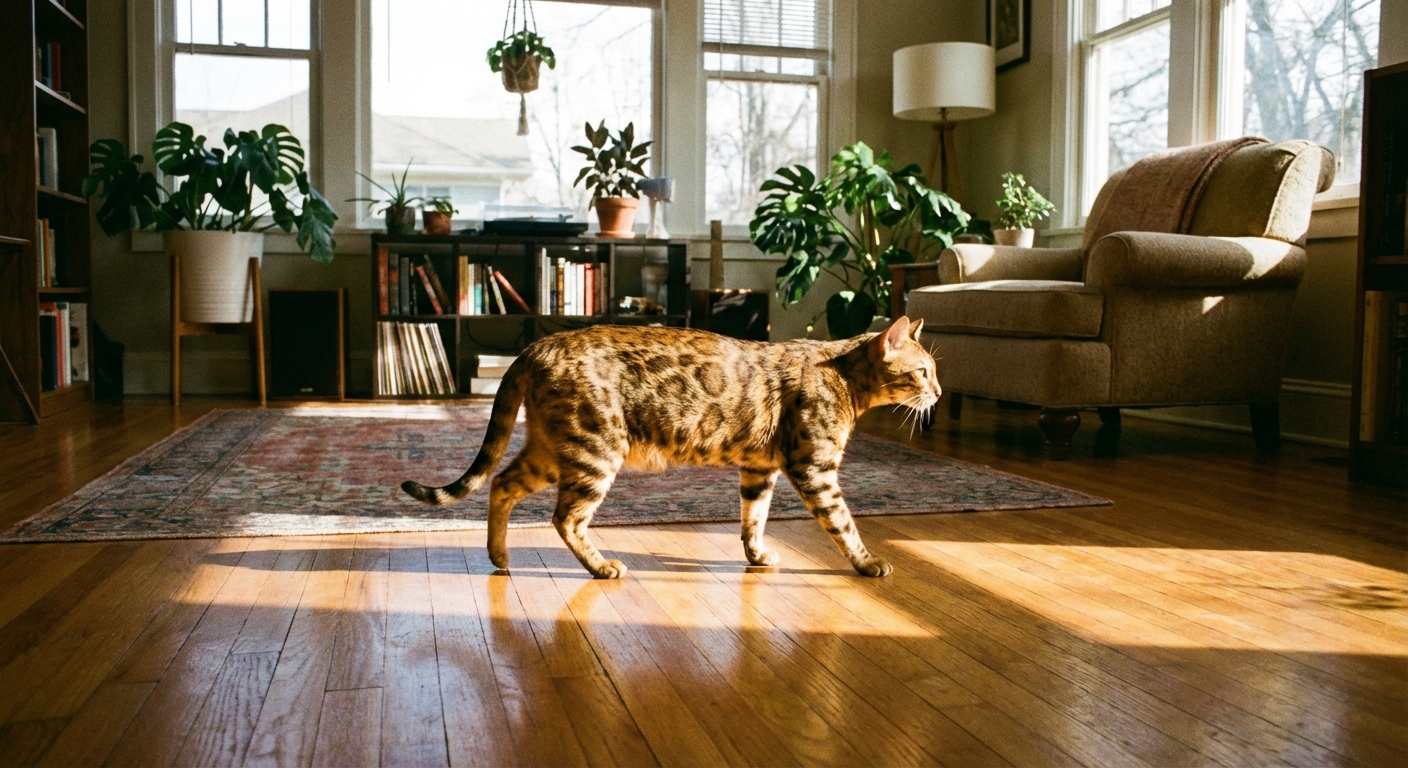
Bengals have a sleek, muscular build and a distinctive coat pattern. Their short coat is dense and often described as feeling plush or silky. Some Bengals have a subtle sparkle to the fur called glitter, which can catch the light beautifully.
Common patterns
- Spotted or rosetted: Spots can be solid or rosette-shaped, similar to big cats.
- Marbled: Swirling patterns that flow along the body.
Common colors
- Brown: Warm golden to deep brown tones, often with strong contrast.
- Snow: Lighter coats with variations like lynx, mink, or sepia.
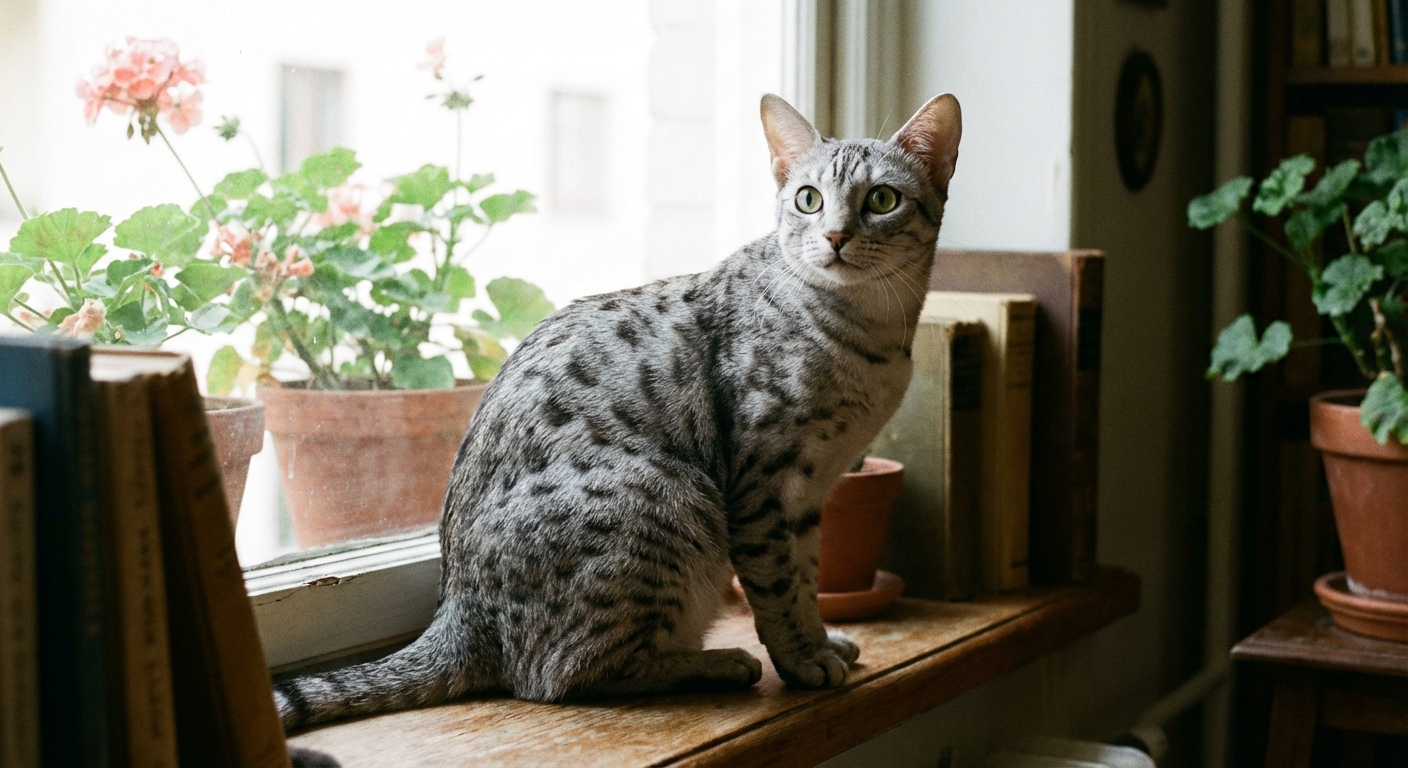
- Silver: Cool-toned coat with dark patterning.
Keep in mind that coat quality and pattern clarity vary widely, and appearance should never outrank health and temperament when choosing a kitten.
Temperament and Personality
Bengals tend to be confident, curious, and very people-focused. Many are highly vocal and communicate often. They are usually not the type of cat who will sleep all day and quietly keep to themselves. Think of a Bengal as a feline athlete with a clever mind.
What many owners love
- Playfulness: Bengals often keep their kitten-like energy for years.
- Intelligence: Many learn routines quickly and can be trained with positive reinforcement.
- Engagement: They may follow you from room to room and want to participate.
What can surprise new owners
- High activity needs: Without enough stimulation, Bengals can become destructive or develop nuisance behaviors.
- Strong prey drive: They may chase small pets and can be intense during play.
- Selective cuddling: Some Bengals are affectionate, but many prefer interaction and play over long snuggle sessions.
Is a Bengal a Good Pet for Your Home?
Bengals can be wonderful family pets, but they are not a universal fit. The best match is a home that enjoys active play, provides enrichment daily, and appreciates a cat with a bold personality.
Great fit for
- People who want an interactive, energetic cat
- Homes that can provide climbing space, toys, and routine play sessions
- Owners interested in training, puzzle feeders, and enrichment
May be a difficult fit for
- Households wanting a calm lap cat
- Very busy schedules with little time for play
- Homes with fragile decor or limited vertical space
If you are new to cats, consider adopting an adult Bengal from a rescue. Adult temperament is easier to gauge than kitten behavior, and many Bengals in rescue are loving cats who simply needed a better match.
Exercise and Enrichment Needs
Bengals thrive when their environment meets both physical and mental needs. A bored Bengal will often create their own entertainment, and you may not like what they choose.
Enrichment ideas that work well
- Daily interactive play: Aim for at least 20 to 40 total minutes per day, split into short sessions. Wand toys, chase games, and short training sessions work well.
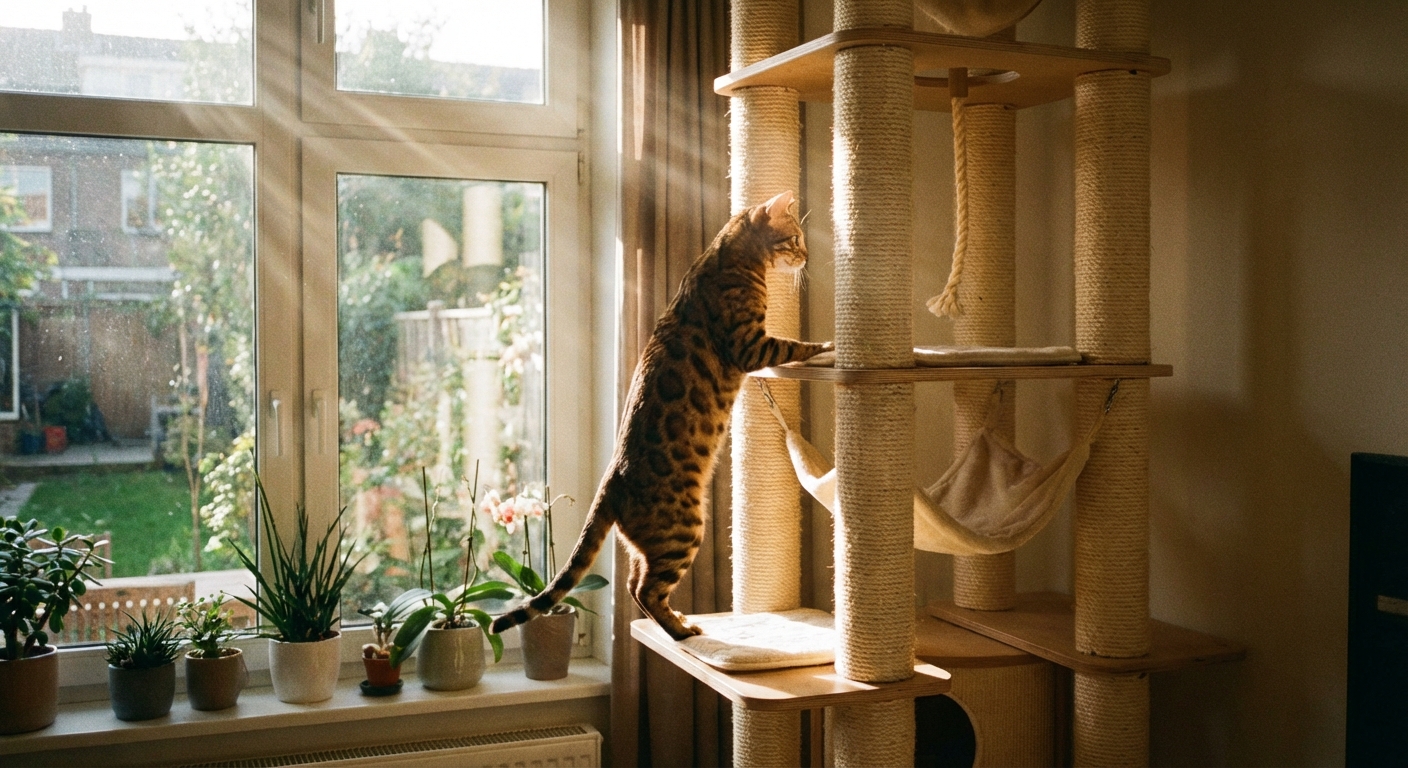
- Vertical territory: Tall cat trees, shelving, and window perches.
- Puzzle feeding: Slow feeders and treat puzzles to engage the brain.
- Rotating toys: Swap toys weekly to keep novelty high.
Some Bengals enjoy harness training and supervised outdoor time. If you go this route, start slowly, use a secure harness, and prioritize safety over speed.
Grooming and Routine Care
Bengals are relatively low-maintenance in grooming because of their short coat. Still, routine care helps reduce shedding, supports skin health, and prevents avoidable problems.
- Brushing: Once a week is often enough, more during seasonal shedding.
- Nails: Trim every 2 to 4 weeks depending on growth and scratching habits.
- Teeth: Brush regularly if possible, and ask your veterinarian about dental checkups.
- Ears: Check weekly for redness, odor, or debris.
Make grooming a positive experience. Short sessions paired with praise or a small treat usually go a long way with this intelligent breed.
Health Considerations
Bengals are generally robust, but like all purebred cats, they have some conditions that appear more commonly in the breed. Working with a reputable breeder who performs appropriate health screening is one of the most effective ways to reduce risk.
Conditions to be aware of
- Hypertrophic cardiomyopathy (HCM): A heart condition seen in many cat breeds. Screening of breeding cats matters, and many reputable programs use echocardiograms performed by a board-certified veterinary cardiologist on a regular schedule.
- Progressive retinal atrophy (PRA): An inherited eye condition. In Bengals, genetic testing often references the PRA-b (rdAc) mutation, depending on lineage.
- Pyruvate kinase deficiency (PK Def): An inherited condition that can cause anemia. Ask breeders about documented genetic screening, as it is commonly tested in Bengals.
- Patellar luxation: Kneecap instability that can affect mobility.
- Digestive sensitivity: Some individual Bengals have sensitive stomachs and do best with careful diet transitions and consistent feeding routines.
Schedule routine veterinary exams, keep vaccines and parasite prevention up to date, and talk with your vet promptly if you notice changes in appetite, activity, breathing, or litter box habits.
Nutrition Tips for a Healthy Bengal
When it comes to nutrition, I always come back to the basics: consistent, high-quality food supports energy, coat condition, and long-term health. Your veterinarian is still the best source for medical nutrition advice tailored to your individual cat. Many Bengals do well on a complete and balanced diet that prioritizes protein and appropriate calories for their activity level.
Practical feeding guidance
- Choose a complete and balanced diet: Look for foods that meet AAFCO or equivalent standards.
- Transition slowly: Mix new and old food over 7 to 10 days to reduce stomach upset.
- Measure portions: Weight gain can happen when indoor activity drops, even in cats that seem energetic.
- Support hydration: Fresh water daily and consider a cat water fountain if your cat drinks more from moving water.
If you are considering raw or home-cooked diets, do so only with veterinary guidance. Nutrient imbalances and food safety risks are common when recipes are not professionally formulated.
Training and Socialization
Bengals are often very trainable with positive reinforcement. Many learn to sit, come when called, and even fetch. Training is not just for fun; it is a powerful enrichment tool that can reduce stress and problem behaviors.
Simple training habits to start
- Use short sessions: Two to five minutes is plenty.
- Reward what you want: Treats, play, or praise depending on your cat.
- Provide appropriate scratching outlets: Offer both vertical and horizontal scratchers.
- Teach gentle play: Avoid using hands as toys to reduce biting.
Early socialization matters. Kittens should be gently exposed to normal household sounds, handling, and routine care to help them grow into confident adults.
Living With Other Pets and Children
Many Bengals do well with respectful children and other pets, especially when introductions are slow and supervised. Because Bengals can be intense and fast-moving, they may overwhelm shy cats or small animals.
Tips for smooth introductions
- Go slowly: Use separate spaces at first and swap scents with blankets.
- Watch body language: Stress signs include hiding, flattened ears, growling, and tail lashing.
- Provide escape routes: Vertical spaces help cats feel safe around kids and dogs.
If you have birds, rodents, or fish tanks, plan for secure enclosures and barriers. A Bengal’s prey drive is real, and management is part of responsible ownership.
How to Choose a Responsible Breeder or Rescue
A reputable source will be transparent, ask you questions, and prioritize lifelong welfare over fast sales. This is especially important with Bengals because temperament and health screening make a significant difference in how well a cat fits into a typical home.
Green flags
- Documented health screening appropriate for the breed, such as HCM echocardiograms (often performed periodically by a board-certified veterinary cardiologist) and relevant genetic tests
- Genetic testing documentation for commonly discussed Bengal risks, such as PRA-b (rdAc) and PK Def, when applicable to the line
- Clean living conditions and well-socialized kittens
- A contract that includes return policies and support
- No pressure tactics and realistic guidance about the breed’s needs
Red flags
- No health documentation or refusal to discuss lineage
- Kittens sent home too early
- Multiple litters available constantly without clear standards of care
Breed-specific rescues can also be a wonderful option and may help match you with a Bengal whose personality fits your household.
Bottom Line
The Bengal cat is a stunning, energetic companion with a big personality. When their needs are met with daily play, mental enrichment, and quality nutrition, Bengals can be affectionate, entertaining, and deeply bonded to their people. If you are ready for an active, clever cat who wants to be involved in your life, the Bengal may be a perfect match.