Vet-assistant guidance on Benadryl for dogs: when it can help mild itching or hives, dosing basics to confirm with your vet, side effects, interactions, and ...
Article
•
Designer Mixes
Benadryl for Dogs Dosage Chart by Weight

Shari Shidate
Designer Mixes contributor
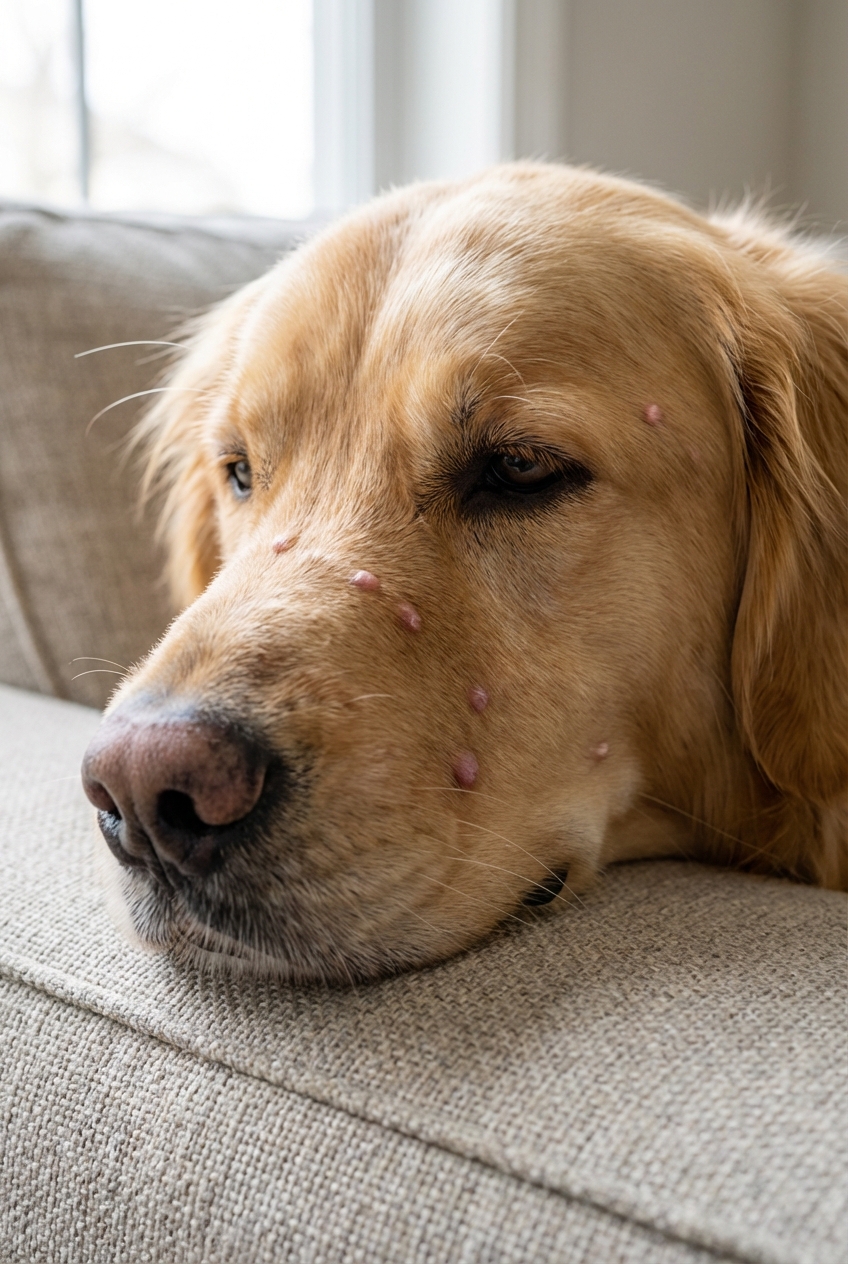
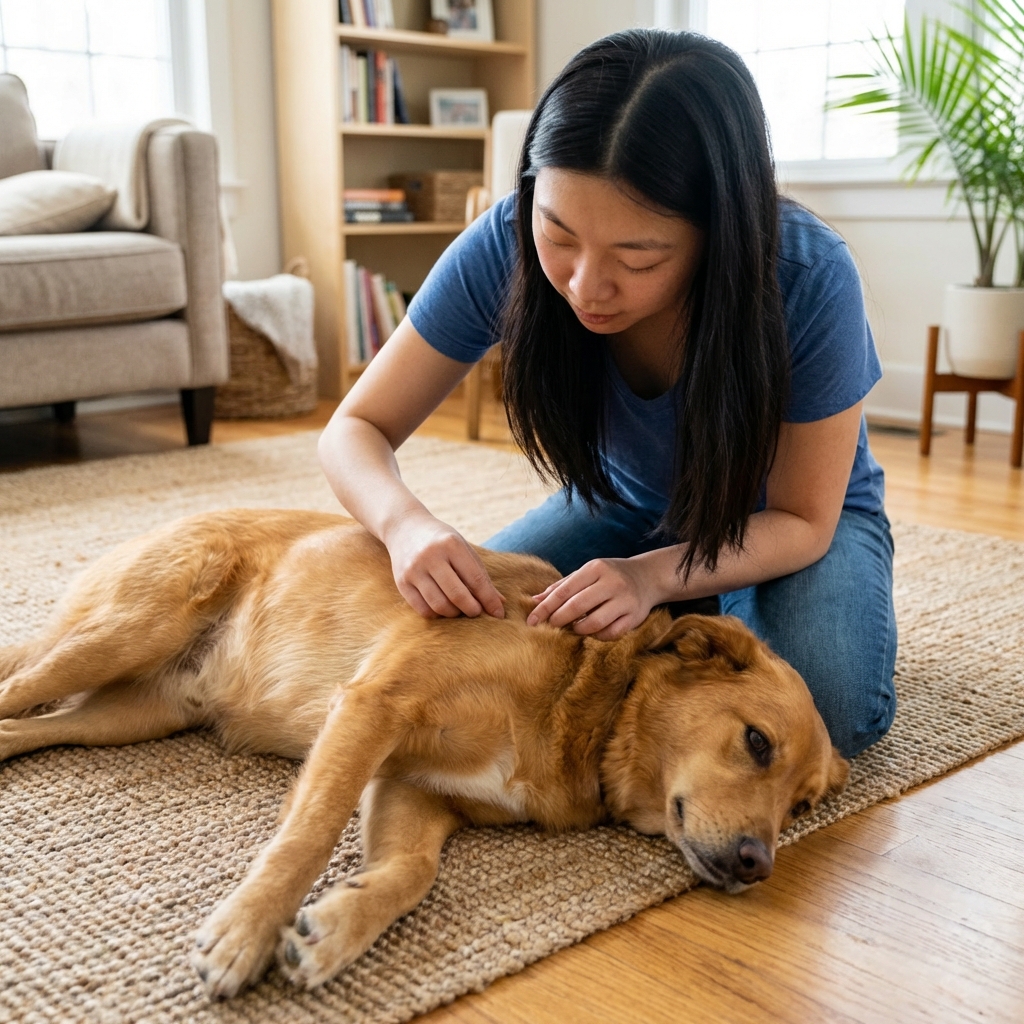
If your dog is itchy, has mild hives , or is having a seasonal allergy flare, it is very common for pet parents to ask about Benadryl. As a veterinary assistant here in Frisco, Texas, I can tell you this is one of the most discussed over-the-counter meds in clinics. The key is using the right dose, understanding when it is not appropriate, and knowing the red flags that mean you should skip the home treatment and call your veterinarian right away.
Important: Benadryl is a brand name. The ingredient you want for most dogs is diphenhydramine. Always read the label carefully because some “Benadryl” products contain added active ingredients that are not safe for dogs.
What Benadryl can help with
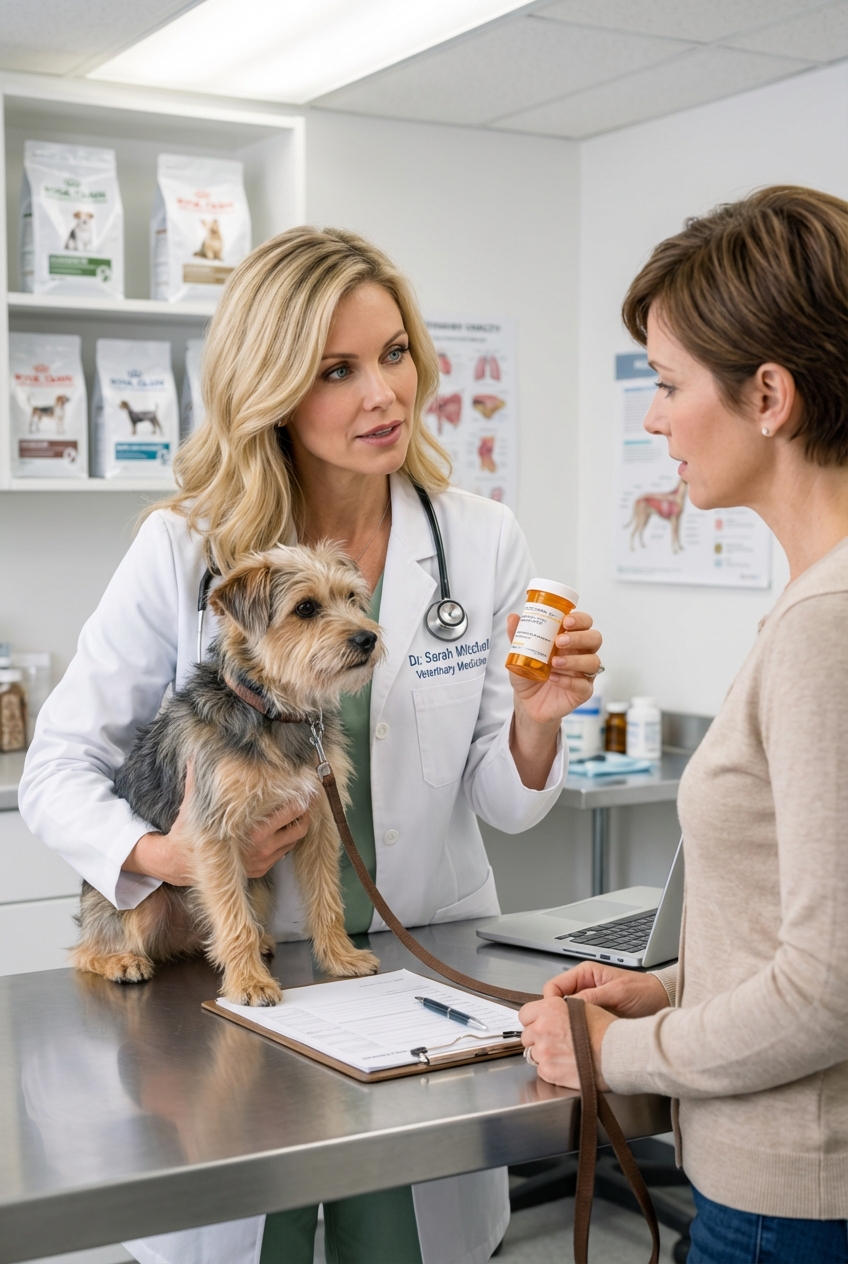
Diphenhydramine is an antihistamine. In dogs, veterinarians most commonly use it as a short-term option for:
- Mild allergic reactions (itching, mild hives, facial itchiness)
- Insect bites and stings (mild swelling or itch)
- Vaccine reactions (only under veterinary guidance, especially if your dog has reacted before)
- Motion sickness in some dogs (results vary, and dedicated prescription options like maropitant may be more effective)
Benadryl is not a cure for chronic skin disease. If your dog is itchy over and over, has ear infections , hot spots , or recurrent licking and chewing , the best next step is a vet visit to look for fleas, food allergies, environmental allergies, skin infections, or yeast.
Safe dosage guidelines
The commonly referenced general veterinary guideline for plain diphenhydramine is:
1 mg per pound (mg/lb) by mouth, every 8 to 12 hours
This is the same as about 2 mg/kg. Some veterinary references and situations use a broader range (often cited around 2 to 4 mg/kg). Your veterinarian may choose a different dose based on your dog’s health history, the reason you are giving it, and how your dog responds.
Typical maximum frequency: up to 3 times daily (every 8 hours). Many families start with every 12 hours to see how their dog responds.
Big dog caution: Do not assume “more is better.” For large dogs, the math can lead to high total milligrams per dose. That may be appropriate in some cases, but it is best to confirm the plan with your veterinarian before giving larger doses.
Benadryl dosage chart by weight (dogs)
This chart uses the guideline of 1 mg per pound per dose. Because tablets and liquids come in fixed strengths, the numbers below are targets, not a requirement to hit an exact milligram.
Common product strengths
- Tablets: 25 mg (most common), 50 mg (less common)
- Liquid: often 12.5 mg per 5 mL (2.5 mg/mL), but strengths vary by brand
Chart (target mg per dose)
- 5 lb: 5 mg
- 10 lb: 10 mg
- 15 lb: 15 mg
- 20 lb: 20 mg
- 25 lb: 25 mg (commonly 1 tablet of 25 mg)
- 30 lb: 30 mg
- 35 lb: 35 mg
- 40 lb: 40 mg
- 45 lb: 45 mg
- 50 lb: 50 mg
- 55 lb: 55 mg
- 60 lb: 60 mg
- 65 lb: 65 mg
- 70 lb: 70 mg
- 75 lb: 75 mg
- 80 lb: 80 mg
- 90 lb: 90 mg
- 100 lb: 100 mg
Rounding and real-life examples (25 mg tablets): Many dogs fall between tablet sizes, and that is normal.
- 10 lb target 10 mg: do not try to “eyeball” a crumb of a tablet. A liquid is usually safer for accuracy.
- 30 lb target 30 mg: many vets will suggest something practical like 25 mg (1 tablet) or 37.5 mg (1.5 tablets) depending on the situation.
- 45 lb target 45 mg: many vets will suggest 50 mg (2 tablets) or a liquid if they want closer dosing.
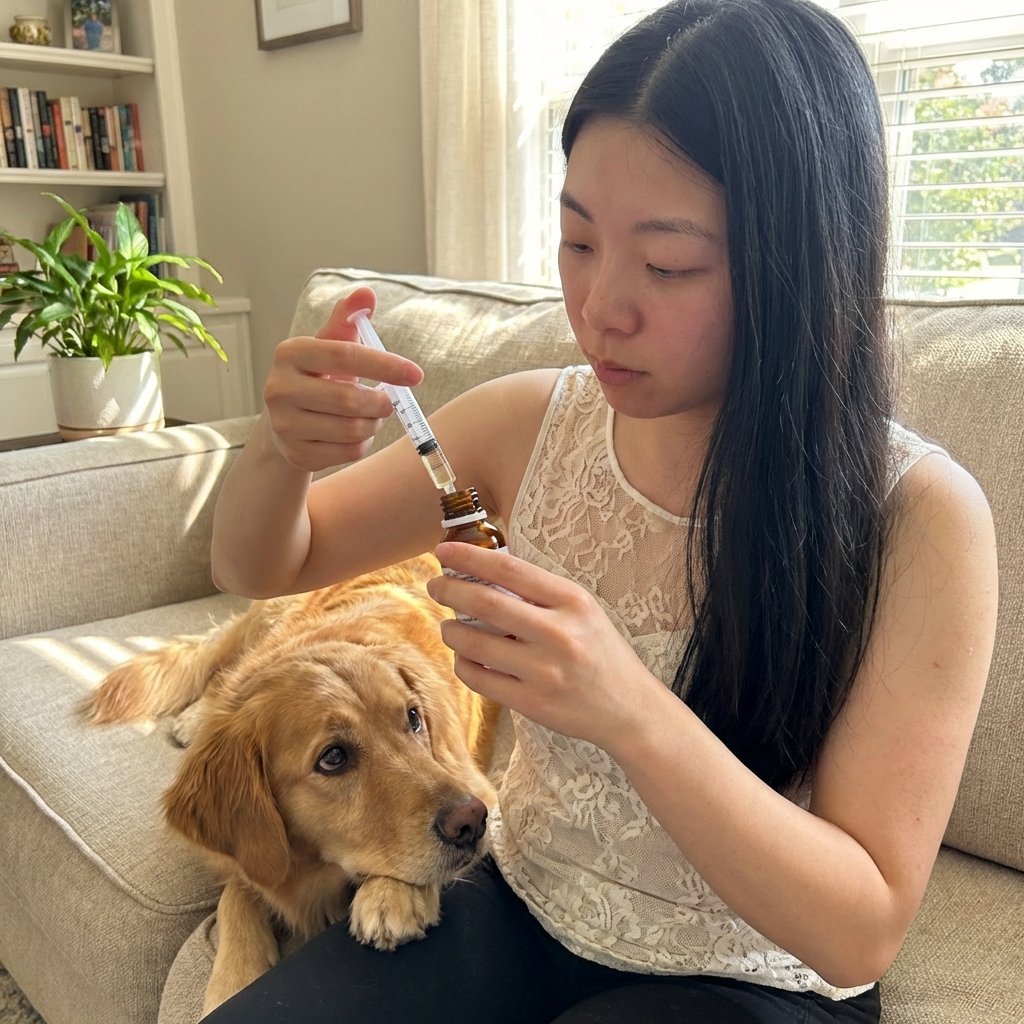
Tablet splitting tips: Some tablets are scored and split more cleanly than others. Gelcaps and extended-release products should not be split. When accuracy matters (especially for small dogs), a liquid measured with an oral syringe is often the safest option.
Choose the right product
This is where many accidental mistakes happen. When you pick a product, look for:
- Active ingredient: diphenhydramine HCl
- Single ingredient only: no added cold and flu medications
- Not time-release: avoid extended-release products unless your veterinarian tells you otherwise
Products to avoid
Do not give products that include other active ingredients unless your veterinarian specifically instructs you to. Examples to avoid include:
- Decongestants like pseudoephedrine or phenylephrine (often labeled “D” products, like Benadryl-D)
- Pain relievers like acetaminophen
- Cough suppressants or multi-symptom “cold” formulas
Liquid and chewable caution: Some liquids or chewables may contain alcohol, xylitol, or other sweeteners and flavoring agents. Many are fine, but you must read the label. Confirm the strength per mL and check inactive ingredients before giving any liquid or chewable product.
When Benadryl is not a good idea
Skip the Benadryl and contact your vet promptly if your dog has any of the following. Diphenhydramine can worsen certain conditions or interact with medications.
- Glaucoma
- Urinary retention or prostate disease
- Serious heart disease or uncontrolled high blood pressure
- Seizure history (ask your vet first)
- Pregnant or nursing dogs (vet guidance is essential)
- Liver disease or other significant chronic illness (ask your vet first)
- Thyroid disease or thyroid medications (less common to be an issue in dogs, but still worth a quick vet check)
- Dogs on other meds such as sedatives, certain antidepressants, or other drugs that can increase sedation or cause interactions
If your dog is a tiny breed, a senior, or has multiple health issues, please call your clinic before dosing. Getting the amount right matters more than most people realize.
Side effects to watch for
Many dogs tolerate diphenhydramine well, but side effects can happen. The most common ones include:
- Drowsiness or sleepiness
- Dry mouth
- Mild stomach upset
Some dogs do the opposite and get restless or agitated. If that happens, do not keep repeating the dose without veterinary advice.
Signs of overdose or serious reaction
Seek emergency veterinary care if you see:
- Severe lethargy, unresponsiveness, or collapse
- Vomiting that will not stop
- Shaking, tremors, or seizures
- Fast heart rate
- Difficulty breathing
- Severe confusion or extreme agitation

Emergency warning: anaphylaxis
If your dog has facial swelling (especially around the eyes and muzzle), widespread hives , vomiting after a sting, or any breathing changes, it can become serious quickly. Benadryl may be part of what a veterinarian uses, but it is not a substitute for emergency care when symptoms are significant.
Go to an emergency vet immediately if your dog has:
- Swelling of the face, tongue, or throat
- Noisy breathing, wheezing, or struggling to breathe
- Collapse, weakness, or pale gums
When in doubt, treat it like an emergency. I have seen reactions change quickly, and it is much better to arrive early than late.
When not to self-treat
Even if your dog is stable, Benadryl is not the best next step for every itchy dog. Call your veterinarian if you notice:
- Itching that lasts more than 24 to 48 hours or keeps coming back
- Open sores, hot spots , bleeding skin, or intense chewing
- Ear odor, head shaking, discharge, or painful ears
- Fleas, flea dirt, or a known exposure (itch from fleas often will not respond well to Benadryl)
- Lethargy, fever, loss of appetite, or your dog seems “off”
Practical dosing tips
- Weigh your dog if you can. Even a 5 to 10 pound difference changes the dose.
- Write it down: product strength, dose given, and time given.
- Give with a small meal if your dog gets an upset stomach easily (unless your vet says otherwise).
- Do not stack antihistamines (for example, Benadryl plus another allergy med) unless a veterinarian directs you.
- If symptoms persist after 1 to 2 doses, that is a clue this might not be a simple histamine reaction.
FAQs
How long does Benadryl take to work in dogs?
Many dogs show improvement in itching or hives within about an hour. Timing varies based on the dog, the trigger, and whether there is also swelling or skin infection involved.
How often can I give it?
Common guidance is every 8 to 12 hours. Do not increase frequency without checking with your veterinarian.
Is Benadryl safe for puppies?
Puppies are more sensitive to dosing errors. Please call your vet before giving Benadryl to a puppy, especially small breeds.
Can Benadryl replace Apoquel or Cytopoint?
Not usually. Benadryl may help mild allergy symptoms, but many dogs with moderate to severe environmental allergies need targeted therapies like Apoquel , Cytopoint, allergy testing, and strict flea control. Your veterinarian can help you build a plan that controls itching and protects the skin barrier long term.
The bottom line
Benadryl can be a helpful, short-term tool for some dogs, especially for mild allergic symptoms. The safest approach is to:
- Use plain diphenhydramine only
- Dose carefully using the 1 mg per pound guideline (or the dose your vet recommends)
- Round to a practical dose instead of trying to hit an exact number
- Watch for side effects and stop if your dog reacts poorly
- Seek urgent care for any breathing changes or significant facial swelling
If you are unsure, use this article as a checklist when you call your clinic. Ask what dose they want for your dog’s current weight, what product they recommend, and what symptoms would mean you should be seen right away.