
Vet-assistant tips to ease dog allergy itch safely at home: rinses, oatmeal baths, omega-3s, cool compresses, and lick prevention—plus remedies to avoid an...
Article
•
Designer Mixes
Benadryl for Dogs

Shari Shidate
Designer Mixes contributor
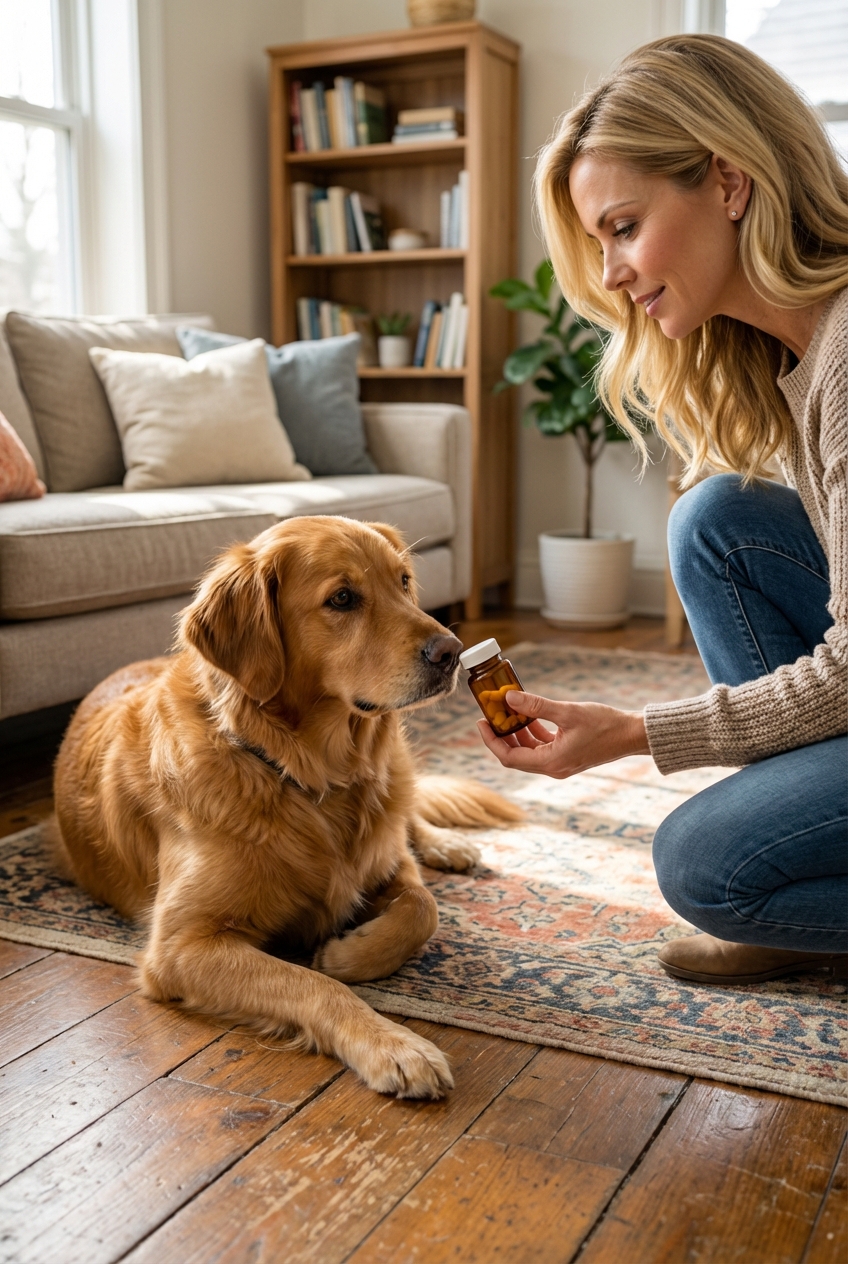
If you have ever watched your dog frantically scratch, break out in hives, or swell up after a bug bite, it is completely normal to wonder, “Can I give my dog Benadryl?” As a veterinary assistant, I hear this question all the time. The answer is sometimes yes, but the safest plan is to understand when Benadryl helps, when it does not, and how to dose it correctly with your veterinarian’s guidance.
Benadryl can be helpful in the right situation and risky in the wrong one. This guide walks you through practical, evidence-based basics so you can make calm, confident decisions.
What it is and why vets use it
Benadryl is the brand name for diphenhydramine, an antihistamine. In dogs, it is most often used to help with mild allergic reactions by blocking histamine, the chemical that drives itching, swelling, and hives.
In veterinary medicine, diphenhydramine is commonly used for:
- Itching and hives from environmental allergies or insect bites
- Mild facial swelling (for example, after a bee sting)
- Vaccine reactions (under veterinary direction)
- Motion sickness in some dogs, though it is not a first-line option compared with canine-labeled medications
It is not a cure for underlying allergies, and it is not always the best choice for chronic itch. Many dogs need a different allergy plan, including prescription options or targeted parasite control.
When it helps and when it does not
When it may help
- Sudden itching after being outdoors
- Hives or welts that appear quickly
- Bug bites or stings with mild swelling
- Sneezing and mild allergy signs (some dogs)
When it is usually not enough
- Severe skin infections (yeast or bacteria). These need diagnosis and treatment.
- Flea allergy dermatitis. The fix is aggressive flea control, not just antihistamines.
- Food allergies. These require a diet trial guided by your vet.
- Chronic itching. Diphenhydramine has mixed effectiveness for long-term allergic itch in dogs.
When it is an emergency
Benadryl is not a substitute for emergency care. Call an emergency vet clinic (ER) immediately if you see:
- Difficulty breathing, noisy breathing, or blue or pale gums
- Swelling of the tongue or throat
- Collapse, extreme weakness, or unresponsiveness
- Rapidly worsening facial swelling
- Widespread hives plus repeated vomiting or diarrhea
- Signs of shock (very pale gums, weakness, cold limbs)
These signs can occur with anaphylaxis or other serious conditions that need urgent treatment.
Benadryl dose for dogs
Many veterinarians use a weight-based dosing range for diphenhydramine in dogs. A commonly referenced starting point is:
About 1 mg per pound (2 mg/kg) by mouth, often every 8 to 12 hours, if advised by your veterinarian.
Depending on the reason for use and your dog’s health history, some veterinary references and clinicians use a higher range (often up to 2 to 4 mg/kg). This is exactly why I recommend confirming the dose with your veterinarian, especially for small dogs, senior dogs, and dogs with ongoing medical conditions.
How to calculate it
- Calculate by milligrams (mg) of diphenhydramine, not by “tablets.”
- Check the strength on the label every time (for example, 25 mg per tablet, 50 mg per capsule).
Quick examples (for understanding only)
- 10 lb dog: about 10 mg per dose (starting point)
- 25 lb dog: about 25 mg per dose (starting point)
- 50 lb dog: about 50 mg per dose (starting point)
Important: Many Benadryl tablets are 25 mg. That can be far too much for tiny dogs and may require a different formulation. Do not guess.

Which Benadryl is safe
If your veterinarian tells you to use diphenhydramine, choose a product with diphenhydramine as the only active ingredient.
Avoid these
- Benadryl-D (often contains pseudoephedrine, which can be dangerous for dogs)
- Combination cold or flu products (multiple active ingredients)
- Products containing acetaminophen or ibuprofen (not safe for dogs unless specifically prescribed, and they can show up in combination products)
Tablets vs. liquids
Liquid Benadryl can be tricky. Some liquids contain alcohol, and some sugar-free liquids may contain xylitol, which is extremely toxic to dogs. Ingredients change across products and over time, so check the label every time and confirm with your vet if you are not sure.
Topical products
Diphenhydramine creams, gels, or sprays are usually not recommended for dogs. They offer limited benefit, and many dogs will lick them off and swallow the medication.
Side effects
Most side effects are related to diphenhydramine’s antihistamine and anticholinergic effects.
- Drowsiness (most common)
- Dry mouth
- Urinary retention (more concerning in some dogs)
- Upset stomach (occasionally)
- Paradoxical excitement (some dogs get wired instead of sleepy)
Overdose or bad reaction signs
- Severe sedation or agitation
- Drooling, vomiting
- Fast heart rate
- Tremors, stumbling, seizures
If you suspect an overdose, contact your veterinarian, an ER clinic, or a pet poison helpline immediately.
Dogs who need vet approval
Diphenhydramine is not one-size-fits-all. Extra caution is needed if your dog has any of the following, or if you are not sure:
- Glaucoma
- Heart disease or high blood pressure
- Prostate enlargement or difficulty urinating (urinary obstruction risk)
- Seizure disorders
- Thyroid disease (usually a caution, not an automatic no, but your vet should guide you)
- Liver disease
- Breathing problems or significant lung disease
- Known sensitivity to antihistamines
Also tell your vet if your dog is pregnant, nursing, very young, or taking other medications. This includes other sedating medications, since stacking sedatives can be risky.
Do not use until you call your vet
- If your dog has had a previous reaction to diphenhydramine
- If your dog is already very sedated, weak, or having trouble breathing
- If your dog is taking other medications that cause sedation (ask before combining)
What to do for itching now
If your dog is uncomfortable and you are deciding what to do in the moment, here is a calm, practical sequence I use when owners call:
- Check for emergencies: breathing trouble, collapse, tongue or throat swelling, rapidly spreading swelling. If yes, go to an ER clinic.
- Look for the trigger: bee sting, ant bites, new shampoo, new treats, yard chemicals.
- Rinse the coat and paws: a quick lukewarm rinse can remove pollen or irritants.
- Prevent self-trauma: use an e-collar if needed to stop nonstop licking or chewing.
- Call your vet: ask if Benadryl is appropriate and what dose is right for your dog.
What to tell your vet
- Your dog’s current weight
- Symptoms and how fast they started
- Possible trigger (sting, new food, new medication)
- Any vomiting or diarrhea
- Current medications and supplements
- Known health conditions (especially heart, seizures, glaucoma, urinary issues)
If itching keeps coming back, that is a strong sign your dog needs a deeper allergy workup or parasite check. Relief matters, but long-term control is kinder and often more cost-effective.

Alternatives
Depending on the cause, your veterinarian may recommend options that work better than diphenhydramine for many dogs, including:
- Modern allergy medications tailored for canine itch (often more effective for chronic cases)
- Prescription anti-itch therapies for flare-ups
- Medicated shampoos or mousses for skin infections or inflammation
- Flea and tick prevention (critical if fleas are part of the problem)
- Diet trials for suspected food allergy
- Motion sickness medications made for dogs if car sickness is the main issue
Your best results usually come from treating the root cause, not just the itch.
FAQ
How long does it take to work?
Many dogs show some improvement within about an hour, though response varies based on the trigger and severity.
Can I use it for anxiety?
Benadryl may make some dogs sleepy, but it is not a true anxiety medication and can sometimes cause agitation. For travel stress or storm anxiety, talk with your veterinarian about safer, more reliable options.
Can I give it every day?
Daily use should be guided by a veterinarian. For ongoing allergies, there may be better long-term strategies than diphenhydramine alone.
Bottom line
Benadryl can be a helpful tool for mild allergic reactions in some dogs, but it is not always the right answer and it is not risk-free. Choose only products with diphenhydramine as the sole active ingredient, avoid combination formulas like Benadryl-D, and confirm dosing with your veterinarian, especially if your dog has any underlying health issues.
When in doubt, call your vet. I would always rather help you double-check a dose than see you dealing with a preventable emergency later.
Medical note: This article is for general information and is not a substitute for veterinary diagnosis or treatment.