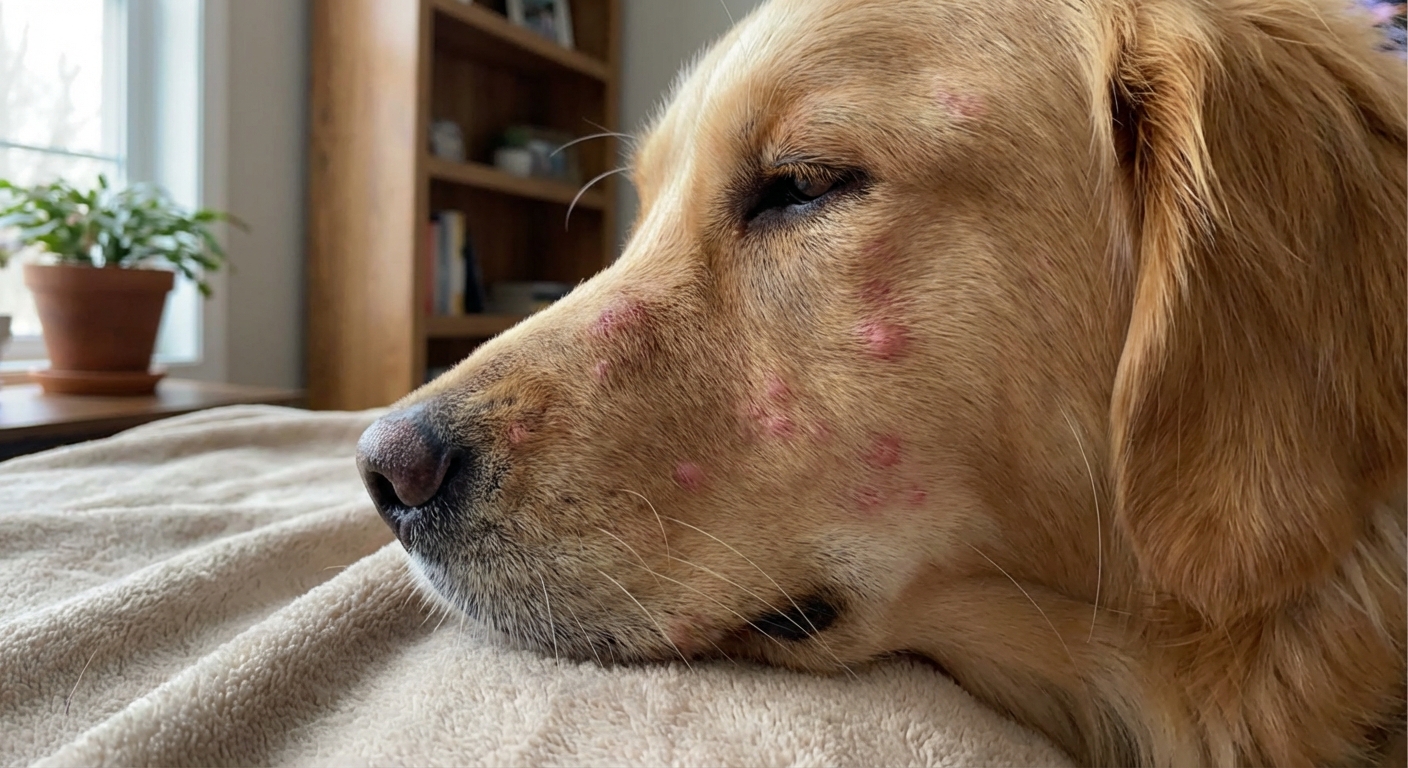
Is your dog licking paws or getting a red belly in spring or fall? Learn common symptoms, top triggers (pollen, grass, mold), easy home relief steps, and whe...
Article
•
Designer Mixes
Benadryl Dose for Dogs: Safety Tips

Shari Shidate
Designer Mixes contributor

Benadryl and dogs: what to know first
As a veterinary assistant here in Frisco, Texas, I hear this question a lot: Can I give my dog Benadryl? Sometimes, yes. Benadryl is the brand name for diphenhydramine, an antihistamine that many veterinarians use for mild allergic reactions in dogs.
But dosing matters, and so does the reason you are giving it. Benadryl can help with itchiness from environmental allergies, hives, or insect bites. It is not a cure for serious allergic reactions, and it will not treat the underlying cause of chronic itching, ear infections, or skin disease.
Safety note: Always call your veterinarian first if your dog is very young, very old, pregnant, has chronic health conditions, or is on other medications.
Common Benadryl dose for dogs
The commonly referenced veterinary guideline for plain diphenhydramine in dogs is:
- 1 mg per pound of body weight (about 2.2 mg per kilogram)
- Given by mouth every 8 to 12 hours as directed by your veterinarian
This is a general educational guideline, not a one-size-fits-all instruction. Your vet may adjust the dose or avoid diphenhydramine entirely based on your dog’s symptoms, medical history, and other medications.
Quick examples (using common tablets)
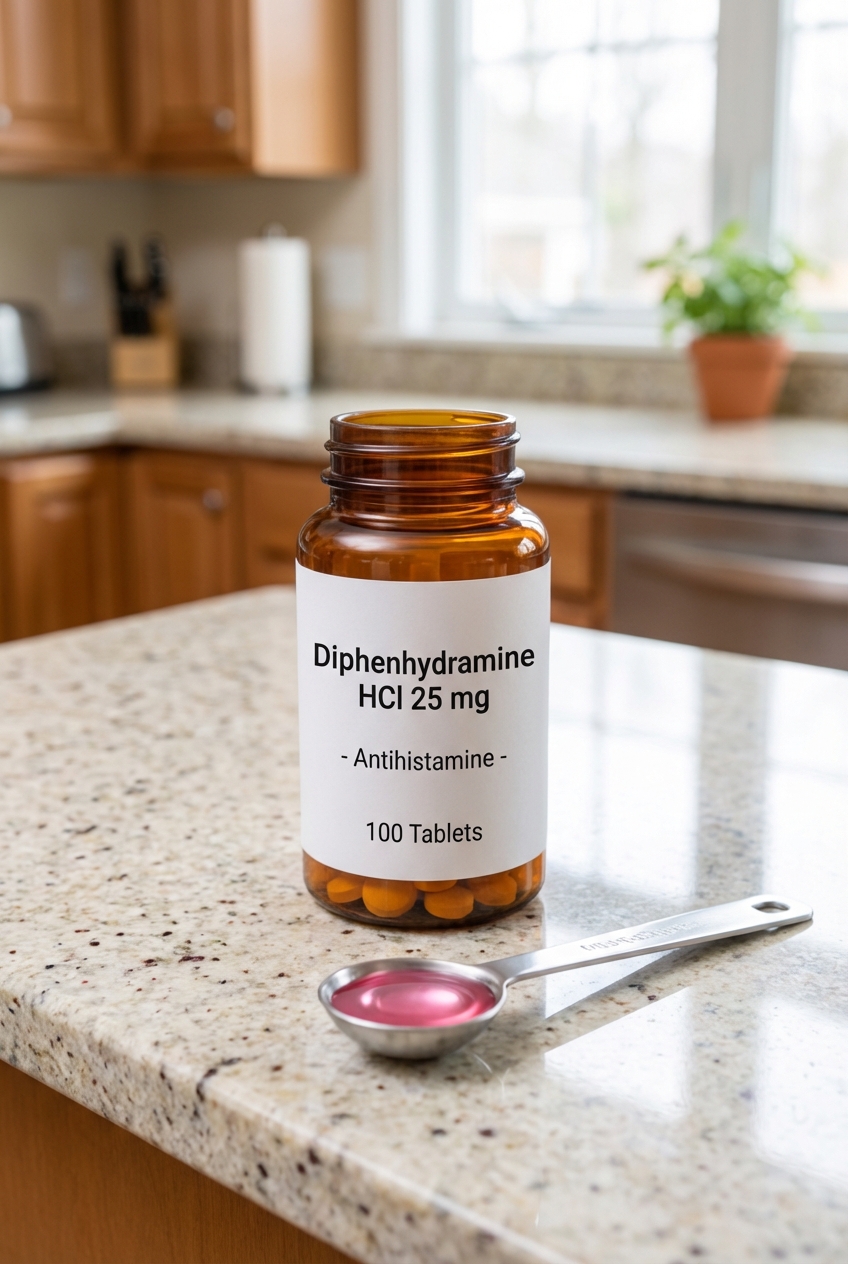
Many Benadryl tablets are 25 mg. Some are 12.5 mg (often children’s chewables). Always verify the strength on the package.
- 10 lb dog: about 10 mg per dose (in real life, that can be hard to measure from a 25 mg tablet). Many veterinarians may recommend a 12.5 mg option instead (like a children’s 12.5 mg chewable) when appropriate.
- 25 lb dog: about 25 mg per dose (often 1 tablet of 25 mg)
- 50 lb dog: about 50 mg per dose (often 2 tablets of 25 mg)
Do not “round up” casually, especially for small dogs. Tablets are not always easy to split accurately. If your dog is between doses, your veterinarian may prefer a different strength, a compounded option, or a safer plan.
Pick the right product (critical)
For dogs, veterinarians typically recommend plain diphenhydramine only.
Avoid these products
Many human allergy and cold products contain extra active ingredients that can be dangerous for dogs.
- Avoid: “Benadryl-D” (often contains pseudoephedrine)
- Avoid: multi-symptom cold and flu products
- Avoid: products with pain relievers like acetaminophen or ibuprofen
- Avoid: extended-release or long-acting products (often labeled 12-hour or 24-hour)
- Avoid: combination sleep aids or “PM” products unless your veterinarian specifically approves them
Liquid and chewable caution
Some liquid and chewable forms may contain ingredients dogs should not have. A big one to watch for is xylitol (also called birch sugar). Xylitol can be rapidly life-threatening to dogs, even in small amounts. Always check the inactive ingredients list and ask your vet before using liquids, dissolvables, or flavored chewables.
Some liquids may also contain alcohol or other additives. If your vet approves a liquid, use a veterinary-recommended formulation and measure carefully.
When Benadryl can help
Benadryl is most useful for mild, uncomplicated allergy symptoms.
- Mild itching from seasonal allergies
- Hives or minor facial puffiness after an insect bite
- Itchy skin while you are waiting for your vet appointment (with veterinary approval)
One thing I always like to set expectations on: antihistamines often help dogs less than people expect, especially with long-term atopic dermatitis.
If your dog has ongoing itching, recurrent ear infections, hot spots, or chewing at paws, it is worth investigating the root cause. Food sensitivities, fleas, mites, and skin infections can all look like “allergies,” and Benadryl may not touch them.
When to skip Benadryl and call a vet
Some situations are emergencies, and antihistamines are not enough. Benadryl is not a substitute for emergency treatment like oxygen support and veterinarian-administered medications (including epinephrine when needed).
Get urgent help now if you see:
- Trouble breathing, wheezing, or noisy breathing
- Severe facial swelling, especially around eyes or muzzle
- Repeated vomiting, collapse, weakness, pale gums
- Signs of anaphylaxis after a sting, bite, or new medication
Call your veterinarian first if your dog has:
- Glaucoma
- Heart disease or high blood pressure
- Prostate enlargement or trouble urinating
- Liver disease
- A seizure history (ask your vet first, since antihistamines can be a concern for some patients)
Side effects to watch for
Most dogs tolerate diphenhydramine reasonably well at veterinary-guided doses, but side effects can happen.
- Drowsiness is common
- Dry mouth and mild constipation can occur
- Some dogs get restless or hyper instead of sleepy
Possible overdose red flags
If too much is given, or if your dog gets into the bottle, call your vet or a pet poison hotline right away. Signs can include:
- Extreme sedation or agitation
- Fast heart rate
- Tremors, uncoordinated walking
- Seizures

Care tips while using Benadryl
If your veterinarian says Benadryl is appropriate, these simple steps make it safer and more effective.
- Weigh your dog as accurately as possible. Dosing depends on weight.
- Give with a small meal if your dog has a sensitive stomach.
- Limit rough play until you see how sleepy your dog gets.
- Provide fresh water. Antihistamines can be drying.
- Track symptoms in a note on your phone: itch level, swelling, energy, vomiting, stool.
Drug interactions and med safety
Tell your veterinarian about everything your dog takes, including prescriptions, over-the-counter meds, and supplements. Diphenhydramine can cause extra sedation when combined with other sedating medications, and some drug combinations are not a good idea without veterinary guidance.
Supportive itch relief (safe add-ons)
- Rinse paws and belly after outdoor time to remove pollen and grass residue
- Use a vet-approved oatmeal or hypoallergenic shampoo for flare-ups
- Strict flea prevention if fleas are even a possibility
Common questions
Can I give Benadryl to my puppy?
Sometimes, but puppies are more sensitive to medications. Please call your veterinarian for an age-appropriate dose and guidance first.
How long does Benadryl take to work in dogs?
Many dogs show effects within 30 to 60 minutes. Depending on the formulation and whether it is given with food, the peak effect can take longer. If symptoms are worsening quickly, do not wait. Seek veterinary care.
Will Benadryl knock my dog out?
It can cause drowsiness, but the effect varies. Some dogs get sleepy, some act normal, and a few get restless.
Can I use Benadryl for anxiety or fireworks?
Benadryl is not an anti-anxiety medication. If your dog struggles with noise phobia, your vet can recommend options that are safer and more effective.
What to have ready if you call
If you need to call your vet or poison control, having this info ready helps them help you faster:
- Your dog’s current weight
- The exact product name (and whether it is extended-release)
- Tablet strength or liquid concentration (mg per tablet or mg per mL)
- How much was given or possibly eaten
- What time it happened
- Any current meds or supplements
The bottom line
Benadryl can be a helpful tool for mild allergy symptoms when you use the right product and a vet-approved dose. If your dog’s reaction looks serious or your dog has underlying health issues, skip the guesswork and get professional help right away.
If you are ever unsure, call your veterinarian. It is one of the kindest, safest choices you can make for your dog.