Learn the vet-approved Benadryl (diphenhydramine) dose for dogs by weight, how often to give it, which products are safe, side effects to watch for, and emer...
Article
•
Designer Mixes
Benadryl Dose for a 15-Pound Dog

Shari Shidate
Designer Mixes contributor
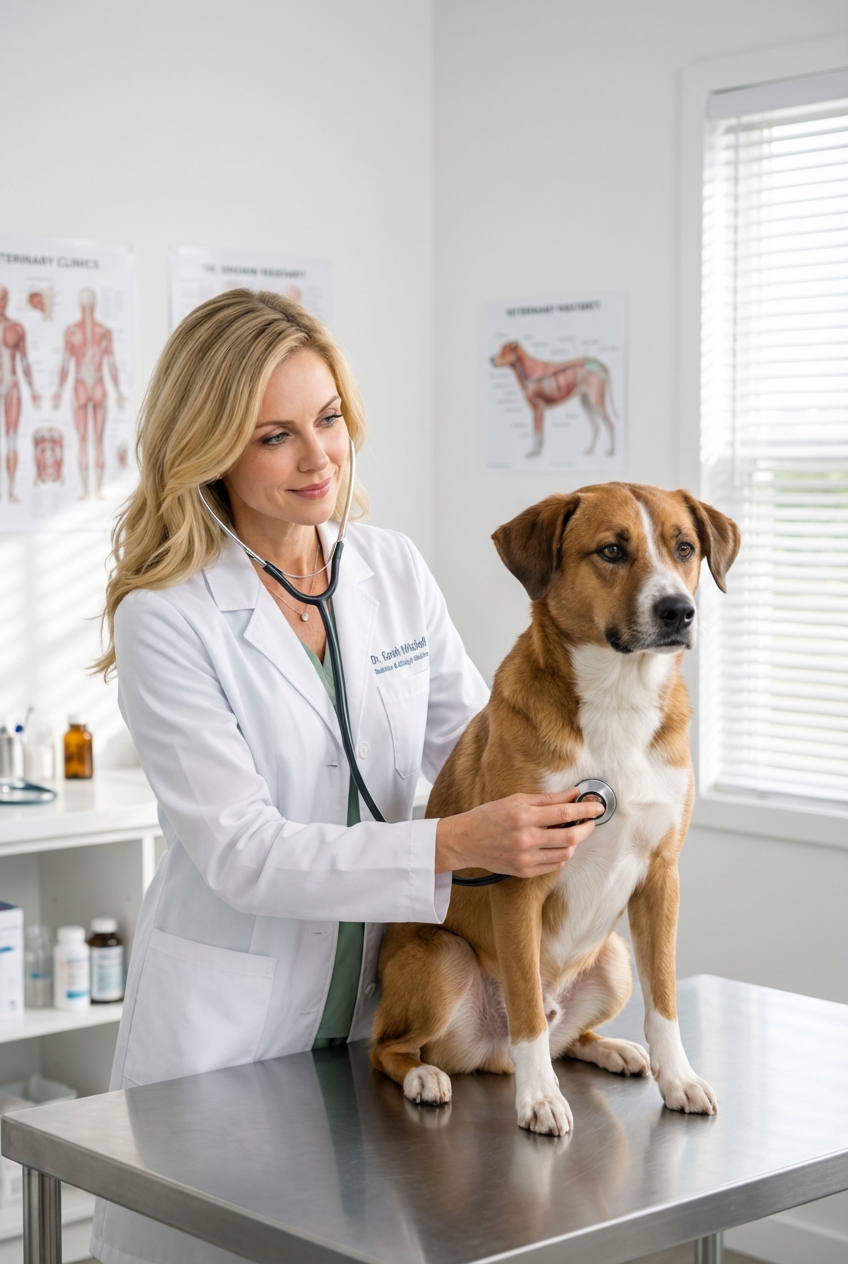
As a veterinary assistant here in Frisco, Texas, I get this question all the time: “How much Benadryl can I give my 15-pound dog?” Benadryl is a common, vet-approved antihistamine for certain situations, but it is still a real medication with real risks. Also, I am not a veterinarian, so please use this as general educational information and confirm dosing and suitability with your vet, especially if your pup has health conditions or takes other meds.
Important: This article is general educational information only. It is not a substitute for veterinary care or emergency care.
Quick dose for a 15-pound dog
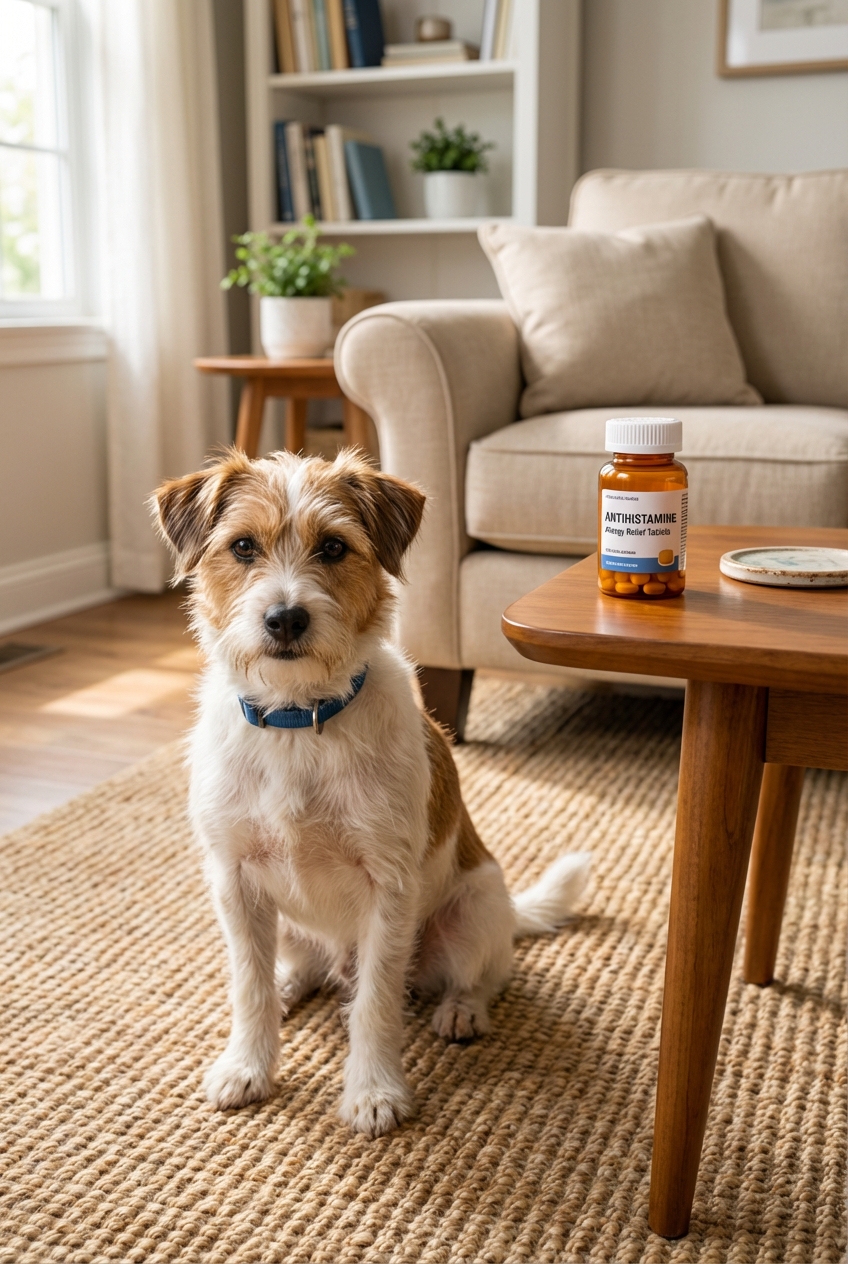
Grab-and-go dosing box
- Typical guideline: about 1 mg per pound (about 2 to 4 mg/kg), often given every 8 to 12 hours
- 15-pound dog: about 15 mg per dose (your vet may recommend a slightly lower or different dose)
- Do not use combo products: avoid “Benadryl-D” and multi-symptom cold meds
- Use diphenhydramine only: check the active ingredient label carefully
Many veterinarians use a general Benadryl (diphenhydramine) guideline of about 1 mg per pound of body weight, given every 8 to 12 hours as needed. That said, dosing is not universal. It can vary by veterinarian, by what you are treating, and by your dog’s health history.
- 15-pound dog: about 15 mg per dose
- Frequency: typically 2 to 3 times per day (every 8 to 12 hours)
Benadryl commonly comes as:
- 25 mg tablets/capsules: for a 15-pound dog, many families end up using half of a 25 mg tablet (12.5 mg) as a conservative, practical approximation when exact dosing is not possible. Your vet may advise 12.5 mg, 15 mg, or a different plan depending on the situation. Avoid casually jumping to a full 25 mg tablet.
- Children’s liquid: can be easier for small dogs, but dosing mistakes are common. Only use it if it is plain diphenhydramine with safe inactive ingredients and you have confirmed the concentration on the bottle.
Please do not “round up” casually. Small dogs can tip from helpful to too sedated quickly, and some dogs react with agitation instead of calm.
Liquid concentration caution: many children’s liquids are 12.5 mg per 5 mL, but not all are. Always read the label. As an example only, if a product is 12.5 mg/5 mL, then 15 mg would be about 6 mL. This is exactly why your vet’s guidance matters, and why using a proper oral syringe is important.
When it helps (and when it will not)
Common vet-approved uses
- Environmental allergies: itchy skin, mild hives
- Bug bites or stings: mild facial swelling or itchiness
- Vaccine reactions: only under veterinary direction
- Motion sickness: sometimes used, but results are mixed. Ask your vet about more reliable options, including prescription choices like maropitant.
Not a behavior medication
Benadryl may make some dogs sleepy, so families sometimes try it for anxiety, hyperactivity, or reactivity. The problem is that sedation is not the same as emotional relief. Some dogs get the opposite effect and become restless, vocal, or more wound up.
If your goal is behavior support, think of Benadryl as an allergy medication first. For anxiety, your vet can recommend safer, more reliable options and a training plan.
Safety checklist
1) Confirm diphenhydramine only
Use products where the active ingredient is diphenhydramine only. Avoid combination products that may include decongestants or pain relievers.
- Do not use: “Benadryl-D” or any diphenhydramine product with pseudoephedrine or phenylephrine.
- Do not use: products that include acetaminophen or ibuprofen.
- Also note: in some regions, “Benadryl” products may have different active ingredients. Always check the label for diphenhydramine.
2) Avoid toxic sweeteners and risky liquids
Some liquids contain ingredients that are not a good fit for dogs.
- Xylitol is dangerous for dogs. Double-check labels and call your vet if unsure.
- Some liquids contain alcohol or high sorbitol, which can upset stomachs.
- Concentration varies: measure carefully with an oral syringe to avoid dosing errors.
3) Check with your vet first for certain conditions
Benadryl may not be appropriate (or may require extra caution) for dogs with:
- Glaucoma
- Heart disease or high blood pressure
- Hyperthyroidism or thyroid dysfunction
- Prostate enlargement or urinary retention issues
- Liver disease
- Seizure history
4) Do not delay emergency care
Benadryl is not a substitute for urgent treatment if your dog is having a serious allergic reaction.
- Go to an emergency vet now for difficulty breathing, rapidly worsening facial swelling, collapse, pale gums, or severe weakness.
- Emergency signs after dosing can include severe lethargy, trouble waking up, extreme agitation, tremors, repeated vomiting, a fast heart rate, weakness, or disorientation.
If you suspect an overdose or your dog is worsening quickly, call your veterinarian, an emergency clinic, ASPCA Animal Poison Control (888-426-4435) (fees may apply), or Pet Poison Helpline (855-764-7661) (fees may apply).
How fast it works
In many dogs, Benadryl starts working in about 30 to 60 minutes. Drowsiness can show up around the same time. For itch or hives, you may see improvement within a couple of hours, but it is not always dramatic.
If symptoms are not improving, do not keep stacking doses. It may be the wrong tool for the job, or your dog may need a different medication.
Side effects
Common
- Sleepiness or “quiet” behavior
- Dry mouth
- Mild tummy upset
Less common but important
- Paradoxical excitement (hyper, pacing, whining)
- Urinary retention
- Incoordination or unsteady walking
Simple home tips
- Try a calm trial run: if your vet approves, test Benadryl on a quiet day at home before you ever use it for travel, visitors, storms, or fireworks.
- Keep kids hands-off: if your dog is sleepy or grouchy, let them rest. Overtired dogs can get snippy.
- Offer water: dry mouth is common.
- Skip rough play: a sedated dog can stumble, especially on stairs.

Behavior support (without Benadryl)
If your 15-pound pup struggles with anxiety, reactivity, or “busy” behavior, you will get better long-term results from a simple, consistent plan. Here are approaches I often see work well for families.
Set up a calm zone
- Use a cozy crate or bed in a low-traffic area.
- Add a fan or white noise during loud times.
- Use a lick mat or stuffed Kong to build positive associations.
Reward calm
When your dog naturally settles, quietly drop a small treat. This builds a habit of calm, instead of only rewarding “big” behaviors like jumping or barking.
Work the brain
- Snuffle mats
- 5-minute training sessions (sit, down, touch)
- Scatter feeding in the yard for sniffing
Storms and fireworks
Talk to your vet about options that actually target anxiety (and are safer and more predictable than hoping for sedation). Depending on the dog, this might include prescription medication, pheromone products, or specific supplements.
FAQ
Can I give my 15-pound dog 25 mg?
Many vets aim for about 15 mg for a 15-pound dog, so 25 mg may be more than needed. Some veterinarians may still approve different dosing depending on the situation and the dog’s health history, but do not assume 25 mg is automatically safe.
How often can I give it?
Common guidance is every 8 to 12 hours. Follow your veterinarian’s directions, and avoid giving extra doses if symptoms are not improving.
What if my dog is itching all the time?
Chronic itching is often driven by infections, fleas, food sensitivity, or environmental allergies that need targeted treatment. Benadryl may be too weak for many itchy dogs. Your vet may recommend newer antihistamines, prescription anti-itch meds, or allergy testing, plus skin and diet support.
Can I use this for other pets?
Do not use Benadryl for cats or other species unless your veterinarian specifically tells you to. Different pets can have different dosing needs and risks.
Bottom line
For a 15-pound dog, the typical Benadryl guideline is around 15 mg per dose, given every 8 to 12 hours, but the best dose for your dog depends on age, health conditions, what you are treating, and the specific product you have. If this is for behavior, remember that Benadryl is not a true anxiety medication and can sometimes backfire.
If you tell me your dog’s age, symptoms (itching, swelling, anxiety), and any other meds, I can help you build a list of questions to bring to your veterinarian so you feel confident and safe.