Veterinary assistant guidance on giving dogs Benadryl (diphenhydramine): when it can help, correct dose by weight, safe products, side effects, and emergency...
Article
•
Designer Mixes
Benadryl Dosage for Dogs

Shari Shidate
Designer Mixes contributor
As a veterinary assistant in Frisco, Texas, I hear this question all the time: “Can I give my dog Benadryl?” Sometimes the answer is yes, but only when you use the right product, the right dose, and you know when it is not safe. Benadryl is a brand name that commonly refers to diphenhydramine, an antihistamine that may help some dogs with mild allergy symptoms and itching.
This guide is based on common veterinary guidance and real-world clinic experience. It is meant to help you make safer choices at home and know when it is time to call your veterinarian or head to an emergency clinic.
What Benadryl can help with
Benadryl is most often used in dogs for allergy-related symptoms. In many cases it can reduce itching and mild swelling, but it is not a cure for the underlying cause.
- Environmental allergies (pollen, dust, grasses) causing itching, sneezing, watery eyes
- Mild hives (raised bumps, itchy skin)
- Insect bites or stings that cause mild swelling or itching
- Vaccine-related mild itchiness (your veterinarian may recommend a specific plan)
- Mild nausea or travel-related drowsiness in some dogs, although many vets prefer other options for true motion sickness
If your dog has chronic itching, recurring ear infections, paw licking, or year-round symptoms, Benadryl is often not enough. That is a sign you may need a deeper allergy plan with your vet.
Typical dosage
The commonly referenced dosing range for plain diphenhydramine in dogs is:
About 0.9 to 1.8 mg per pound of body weight (that is 2 to 4 mg/kg) by mouth, often every 8 to 12 hours, only if your veterinarian says it is appropriate.
Many clinics still start around 1 mg per pound for simple, mild cases, but the best dose and timing depends on your dog’s age, medical history, other medications, and how severe the reaction is.
Many Benadryl tablets are 25 mg (and some are 50 mg), so it is easy to accidentally give too much to small dogs. Always confirm the tablet strength before you do the math.
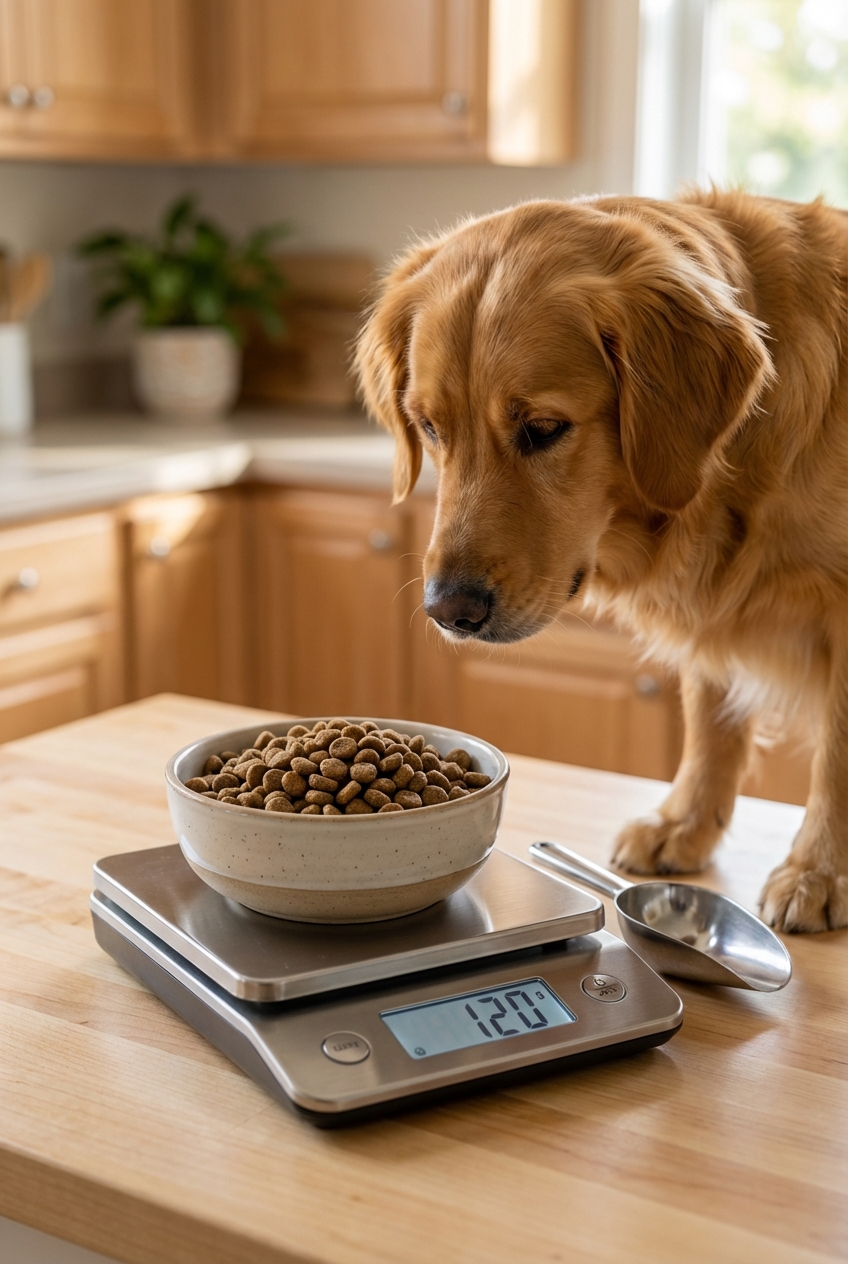
Quick examples
- 10 lb dog: about 9 to 18 mg per dose (ask your vet about a liquid option for accuracy)
- 25 lb dog: about 23 to 45 mg per dose (often close to one 25 mg tablet, depending on your vet’s plan)
- 50 lb dog: about 45 to 90 mg per dose (often two 25 mg tablets is within range, but confirm with your vet)
Important: These are general examples, not a prescription for your individual dog.
Choosing the right product
If your veterinarian says Benadryl is appropriate, product choice matters. Many “Benadryl” items for humans contain added ingredients that can be dangerous for dogs.
Look for
- Diphenhydramine as the only active ingredient
- Clear labeling of strength (mg per tablet or mg per mL)
- Tablets or capsules for simpler, more accurate dosing when possible
A quick label note
- Some products list different diphenhydramine forms (for example, HCl vs citrate). Do not guess. Use the mg of diphenhydramine shown on the label and confirm with your veterinarian.
- Benadryl is not the same as newer “non-drowsy” antihistamines. Do not swap medications without guidance.
Avoid or double-check with your vet
- Combination cold or flu products (often contain decongestants or pain relievers)
- Benadryl-D (contains pseudoephedrine, which can be dangerous for dogs)
- Liquid formulations that may contain xylitol, alcohol, or other sweeteners (always read active and inactive ingredients)
- Topical creams and gels, especially if your dog will lick the area (they can irritate skin and licking can lead to stomach upset or overdose)
When it is not the right choice
Benadryl can help with mild allergic discomfort, but it is not the correct home treatment for emergencies or serious illness.
Do not wait at home
- Difficulty breathing, noisy breathing, or rapid worsening swelling
- Swelling of the face, muzzle, or tongue that is progressing
- Collapse, weakness, pale gums, vomiting, diarrhea, or signs of shock
- A known or suspected anaphylactic reaction
In these cases, Benadryl alone is not enough. Your dog may need injectable medications, oxygen support, and monitoring at an emergency hospital.
Side effects
Even at appropriate doses, dogs can react differently. The most common side effect is sleepiness, but others can happen too.
- Drowsiness or sedation (very common)
- Dry mouth
- Urinary retention (more concern in dogs with urinary issues)
- Upset stomach (less common)
- Excitement or agitation instead of sleepiness (some dogs get “wired”)
If your dog seems extremely sedated, disoriented, unusually restless, or you see tremors, contact a veterinarian right away.
Extra caution
Please talk with your veterinarian before giving diphenhydramine if your dog has any of the following:
- Heart disease or high blood pressure
- Glaucoma
- Thyroid disorders, especially if there are heart rate or blood pressure concerns
- Seizure history
- Prostate enlargement or trouble urinating
- Liver disease (may affect how drugs are metabolized)
- Breathing conditions where sedation could be risky (ask your vet if you are unsure)
- Is pregnant, nursing, very young, or a senior with multiple medications
- Is taking other sedating medications or certain behavior or antidepressant medications (drug interactions matter)
If something goes wrong
If you gave too much
Call your veterinarian, an emergency clinic, or a pet poison hotline immediately. Have the following ready:
- Your dog’s weight
- The product name and strength (mg per tablet or mg per mL)
- How much was given and when
- Any symptoms you are seeing
Signs of overdose can include extreme sedation, agitation, panting, drooling, vomiting, tremors, fast heart rate, or seizures.
If you gave a dose and nothing happened
Benadryl is not effective for every dog or every type of itch. Do not keep escalating the dose at home. This is the point where your vet may recommend a different antihistamine, prescription itch control, flea prevention adjustments, diet trials, or testing for skin infections.
If symptoms are not improving within 24 to 48 hours, or they keep coming back, schedule a veterinary exam so you can treat the real cause.
Practical tips
- Weigh your dog if you can. Even a few pounds matters for small dogs.
- Use a consistent schedule only if your vet recommends it (many cases are short-term use).
- Give with a small snack if your dog tends to get an upset stomach.
- Monitor the response for 1 to 2 hours after the first dose, especially if your dog has never had it before.
- If using liquid, confirm the concentration (for example, mg per 5 mL) and use an oral syringe. Do not use kitchen spoons.
- Do not combine antihistamines unless your veterinarian tells you to.
- Keep a symptom note (itch level, hives improving, swelling, sedation). This helps your vet tailor the next steps.
How long it lasts
Many dogs show effects within about 30 to 60 minutes, with peak impact often around 1 to 2 hours. The effects often last about 6 to 8 hours, which is one reason veterinarians may recommend dosing every 8 to 12 hours depending on the situation.
If symptoms are worsening quickly, do not wait it out at home.
Root cause matters
I always tell pet parents this gently: recurring itching is rarely “just allergies.” Fleas, mites, yeast or bacterial skin infections, ear infections, environmental triggers, and food sensitivities can all look similar at home.
Benadryl can be a helpful short-term tool, but if your dog needs it often, it is time to work with your veterinarian on the bigger picture. The goal is comfort today and better health long-term.
FAQ
How long does Benadryl take to work in dogs?
Many dogs show effects within about 30 to 60 minutes, with peak impact often around 1 to 2 hours. If symptoms are worsening quickly, do not wait at home.
Can I give Benadryl to my puppy?
Sometimes, but puppies are more sensitive to dosing errors. Please ask your veterinarian first, especially for very small breeds.
Is Benadryl safe to use daily?
Some dogs take it for longer stretches under veterinary guidance, but daily long-term use can mask an underlying problem. If your dog needs frequent antihistamines, it is worth discussing safer and more effective long-term options.
Safety note: This article is educational and not a substitute for veterinary care. If your dog is having trouble breathing, has facial swelling that is progressing, collapses, or you suspect anaphylaxis, seek emergency veterinary help immediately.