Wondering if Zyrtec can help your dog’s itching? Learn when plain cetirizine may work, what to avoid (Zyrtec-D), dosing basics, side effects, and red-flag ...
Article
•
Designer Mixes
Benadryl Dosage for Dogs

Shari Shidate
Designer Mixes contributor
Benadryl is one of the most common “can I give this to my dog?” questions I hear as a veterinary assistant here in Frisco, Texas. And I get it. When your dog is itchy, swollen from a bug bite, or having allergy symptoms, you want relief fast.
But here is the important truth: Benadryl can be helpful for some dogs, but the safest dose and daily frequency depend on your dog’s weight, health conditions, and what else they take. This handbook will help you understand common dosing guidance, what is considered a safe daily amount, and when you should skip it and call your veterinarian instead.
Quick safety answer (the dose most vets use)
Typical Benadryl dose for dogs: Many veterinarians use 1 mg per pound (2.2 mg per kg) of your dog’s body weight per dose, given every 8 to 12 hours as needed.
Depending on the situation and the dog, some veterinarians may recommend a range (often around 1 to 2 mg per pound per dose). Do not increase the dose unless your veterinarian tells you to.
That means many dogs can safely take it up to 2 to 3 times per day under veterinary guidance.
Important: This is general educational information, not a substitute for veterinary care. If your dog has trouble breathing, facial swelling, repeated vomiting, collapses, or seems “off,” treat it as an emergency and seek immediate veterinary help. Benadryl is not a substitute for emergency treatment for a severe allergic reaction.
Benadryl dosage chart (common examples)
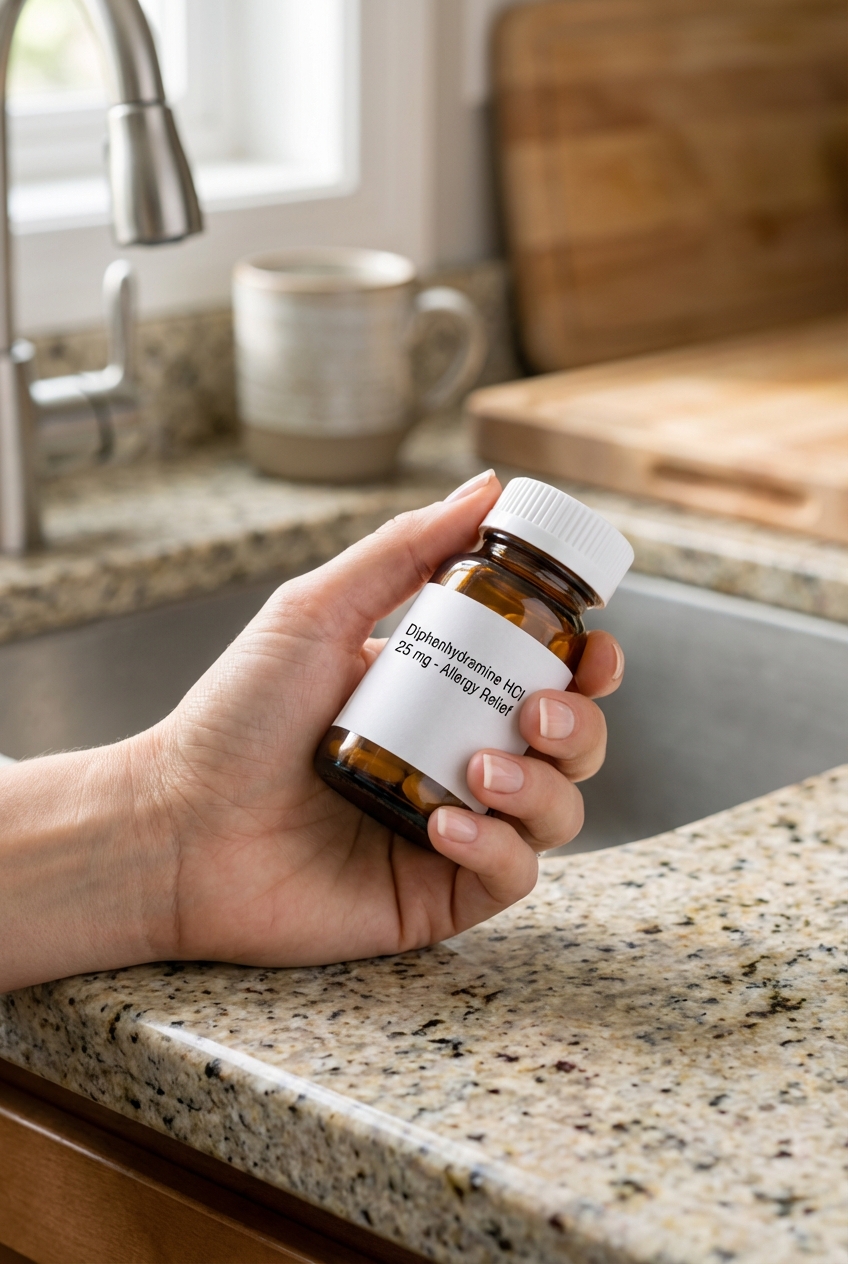
Most Benadryl tablets are 25 mg. Some are 12.5 mg (often marketed for children), and some are 50 mg. Always confirm the strength on the label before dosing. Also avoid extended-release or time-release products unless your veterinarian specifically directs you to use them.
- 10 lb dog: ~10 mg per dose (often easiest with a veterinarian-approved liquid, or by using a 12.5 mg tablet). If you split a tablet, know that pieces can be uneven, so be cautious.
- 20 lb dog: ~20 mg per dose
- 25 lb dog: ~25 mg per dose (commonly 1 tablet of 25 mg)
- 50 lb dog: ~50 mg per dose (often 2 tablets of 25 mg)
- 75 lb dog: ~75 mg per dose (often 3 tablets of 25 mg)
How many times per day? Many veterinarians advise dosing every 8 to 12 hours. That is typically morning and evening, and sometimes a third dose if needed and approved.
If you use liquid: measure in mL with an oral syringe or dosing device, not a kitchen spoon. And read the ingredient list carefully for dangerous additives (more on that below).
Daily limits (what “safe per day” means)
Once your veterinarian approves Benadryl (diphenhydramine) for your dog, the usual guidance many clinics follow is:
- 1 mg per pound per dose
- Every 8 to 12 hours (typically 2 to 3 doses per day)
In practical terms, that is often about 2 to 3 mg per pound per day total, divided into doses, when your veterinarian says it is appropriate.
Example: A healthy 25 lb dog might take ~25 mg per dose. If given twice daily, that is ~50 mg/day total. If given three times daily, that is ~75 mg/day total.
But “safe” is not just math. A dose that is fine for one dog can be risky for another due to:
- Heart disease or high blood pressure
- Glaucoma
- Prostate enlargement or urinary retention issues
- Liver disease
- Seizure history
- Drug interactions
What Benadryl helps with (and what it does not)
Common uses in dogs
- Mild allergy symptoms (itching, hives)
- Insect bites or stings (mild swelling, itch)
- Vaccine reactions (only under veterinary direction)
- Mild motion sickness in some dogs (results vary, and your vet may have better options)
When Benadryl may not help much
Benadryl is not a “fix everything” allergy medication. Many dogs with chronic itching actually have:
- Flea allergy dermatitis
- Environmental allergies that need prescription support
- Food sensitivities
- Skin infections (yeast or bacteria)
- Ear infections
Also, many dogs with long-term allergic skin disease (atopic dermatitis) get limited relief from antihistamines compared with newer veterinary prescription options. If your dog is itchy week after week, you will get better relief by treating the root cause with your veterinarian.
Which Benadryl is safe for dogs?
The ingredient most veterinarians reference for dogs is diphenhydramine. “Benadryl” products can vary by country and by product line, so do not assume every product called Benadryl is the same.
Safer choice (most common): diphenhydramine only, plain tablets or capsules.
Avoid multi-symptom products that may include additional ingredients that can be dangerous for dogs, such as:
- Decongestants (for example pseudoephedrine or phenylephrine)
- Acetaminophen
- Alcohol (some liquids)
- Xylitol (a sweetener that is highly toxic to dogs and can be in liquids or dissolvable tablets)
- Other “cold and flu” additives
Xylitol warning: Xylitol can cause a life-threatening drop in blood sugar and serious liver injury in dogs. If a liquid or “dissolve” product contains xylitol, do not use it. If you think your dog swallowed xylitol, seek emergency help immediately.
Benadryl cream or gel: ask your vet first. Topical products can be licked and accidentally ingested, and some dogs react to the topical base itself.
How to give Benadryl safely
Tips for dosing
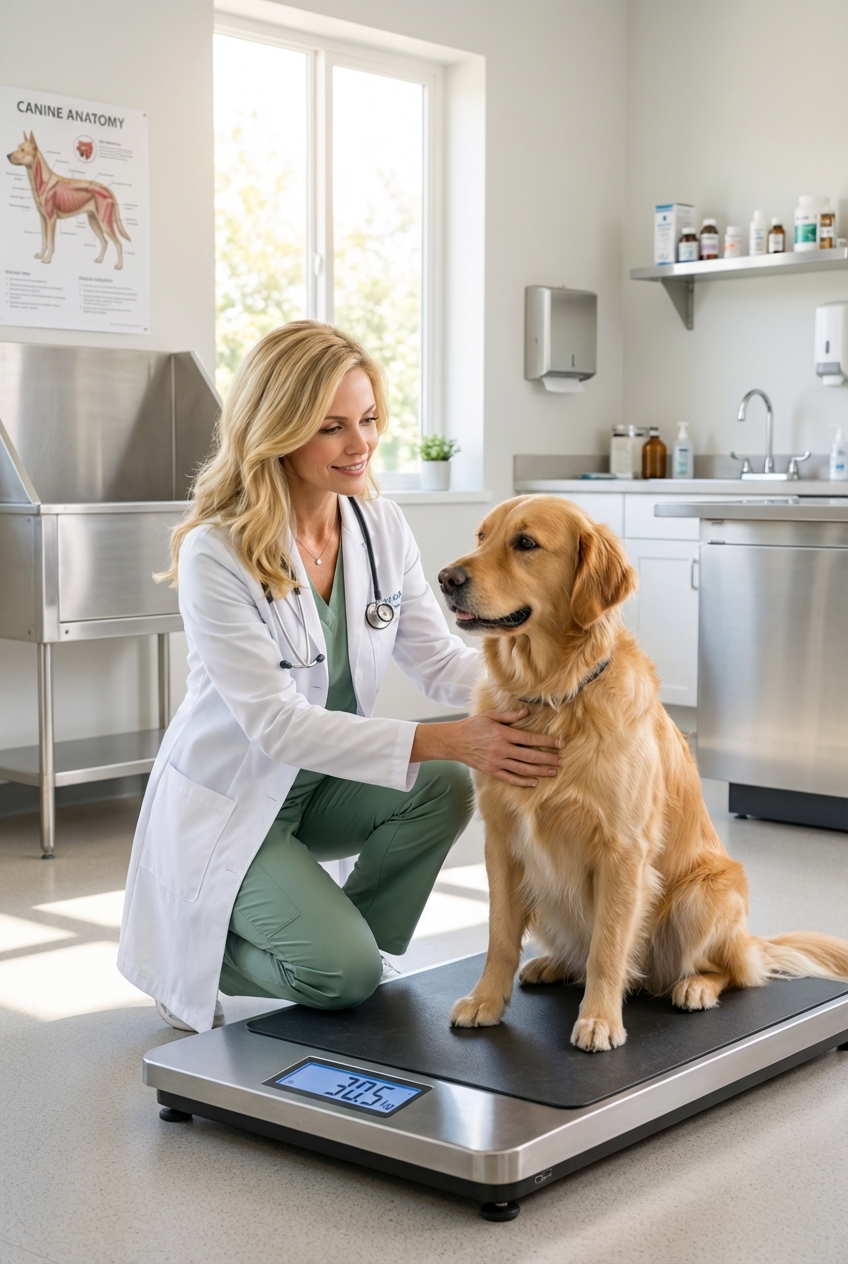
- Weigh your dog as accurately as you can.
- Confirm the mg strength per tablet or per mL if using liquid.
- Double-check the inactive ingredients, especially in liquids. Avoid products with xylitol or alcohol.
- Measure liquids with an oral syringe in mL, not a household teaspoon.
- Give with a small meal if your dog’s stomach is sensitive.
- Start low only if your vet has provided a safe range, and monitor closely (especially for seniors).
- Do not combine with other sedating meds unless your veterinarian says it is safe.
- Avoid extended-release products unless your veterinarian specifically instructs you to use them.
When it should start working
Many dogs show effects in 30 to 60 minutes. Sedation can happen quickly, especially in smaller dogs or dogs that are sensitive to antihistamines.
Side effects to watch for
Many dogs tolerate diphenhydramine well, but side effects can occur. Contact your veterinarian if you are concerned.
Common side effects
- Sleepiness or lethargy
- Dry mouth
- Mild GI upset
- Less coordination than usual
Less common but more concerning
- Agitation or hyperactivity (some dogs get “wired” instead of sleepy)
- Fast heart rate
- Significant drooling
- Difficulty urinating
Emergency signs
Get urgent veterinary help if you see:
- Trouble breathing
- Severe facial swelling
- Collapse or extreme weakness
- Seizures
- Very pale gums
Benadryl overdose in dogs
Too much diphenhydramine can be dangerous. Overdose signs can include severe sedation, agitation, tremors, rapid heart rate, vomiting, diarrhea, and seizures. You can also see “anticholinergic” signs like dilated pupils, very dry gums, and overheating.
If you suspect an overdose, contact your veterinarian, an emergency clinic, or a pet poison hotline right away.
Dogs who need veterinary guidance first
- Puppies and very small dogs (dosing mistakes are easier)
- Pregnant or nursing dogs
- Dogs with glaucoma
- Dogs with heart disease or high blood pressure
- Dogs with seizure disorders
- Dogs with liver disease
- Dogs with urinary retention or prostate issues
- Dogs on other medications that cause sedation
Benadryl alternatives for itchy dogs
If your dog’s itching is frequent, Benadryl may not give enough relief, especially for chronic allergy skin disease. Your veterinarian might recommend options that target allergies more effectively, such as:
- Prescription itch control medications
- Medicated shampoos or wipes
- Omega-3 fatty acid support (quality matters)
- Flea prevention if fleas are part of the itch picture
- Diet trials when food sensitivity is suspected
One of the kindest things you can do is keep a quick “itch journal” for a week or two: when symptoms flare, what your dog ate, where you walked, and any new products in the home. It helps your vet connect the dots.

Frequently asked questions
Can I give my dog Benadryl every day?
Some dogs are instructed by their veterinarian to take diphenhydramine daily for a period of time. But daily long-term use should not be a DIY decision. If your dog needs daily itch control, it is often a sign you should investigate the underlying cause and discuss more effective long-term options with your veterinarian.
Is 25 mg of Benadryl safe for dogs?
It depends on your dog’s weight and health. For a 25 lb dog, 25 mg is a common dose. For a 10 lb dog, 25 mg could be too much. Always dose by weight, and when in doubt, ask your veterinarian for an exact mg dose.
Can Benadryl help with anxiety?
Benadryl can make some dogs sleepy, but it does not treat anxiety at the root. For travel fear, separation anxiety, or noise phobias, ask your vet about behavior plans and medications that are designed for anxiety.
What about Benadryl for an allergic reaction?
Benadryl may help mild reactions like hives or itchiness. But if your dog has facial swelling, vomiting, weakness, collapse, or breathing changes, that is not a “wait and see” moment. Get emergency care right away.
The bottom line
For many dogs, the commonly referenced dose is 1 mg per pound of diphenhydramine, given every 8 to 12 hours as needed, with veterinary approval. Some vets use a dosing range depending on your dog and the reason for use.
Use diphenhydramine-only products, avoid extended-release forms unless directed, and always check inactive ingredients in liquids for xylitol and alcohol.
If you are ever unsure, call your veterinarian and ask for an exact dose in mg and how many times per day. That quick phone call can prevent a scary situation and help your pup feel better faster.