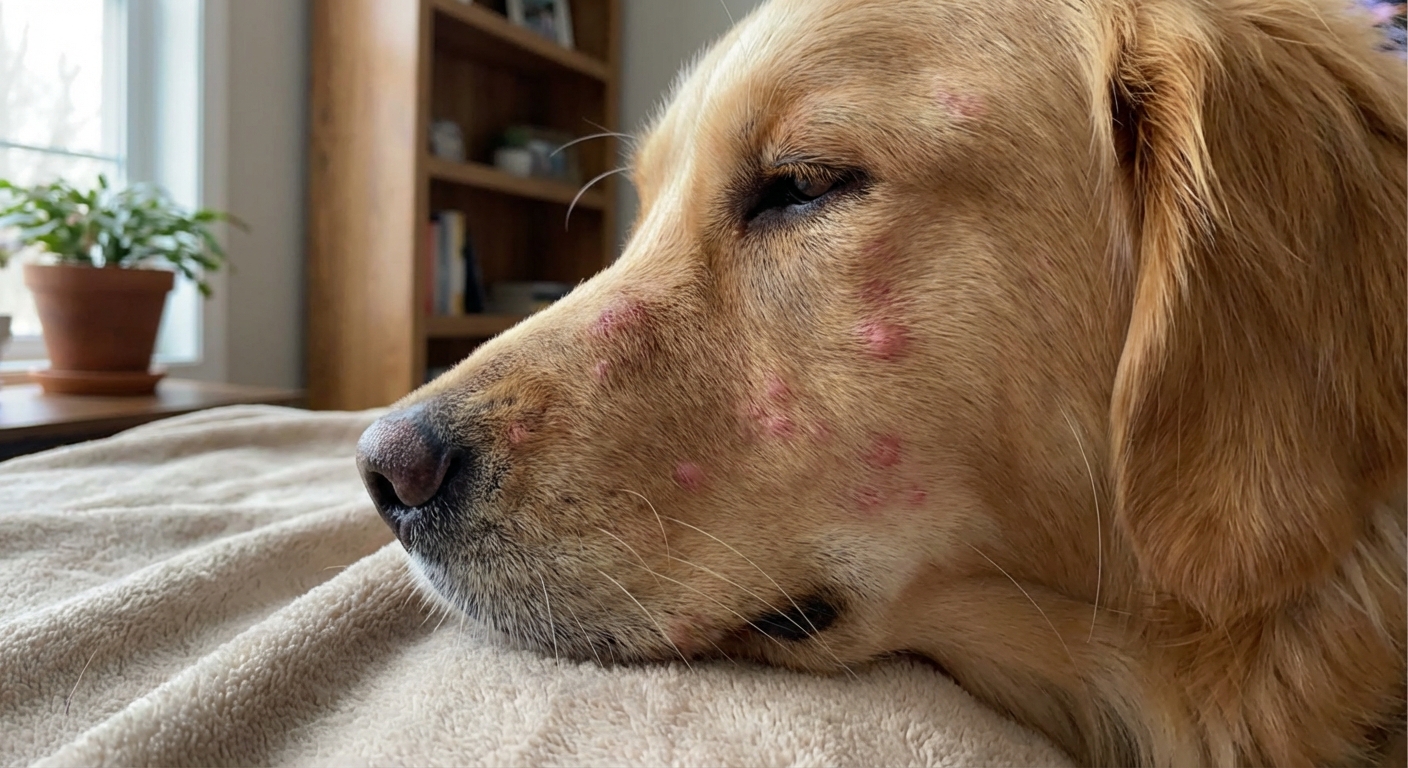
Wondering if Zyrtec can help your dog’s itching? Learn when plain cetirizine may work, what to avoid (Zyrtec-D), dosing basics, side effects, and red-flag ...
Article
•
Designer Mixes
Benadryl Dosage for a 10 lb Dog

Shari Shidate
Designer Mixes contributor
As a veterinary assistant in Frisco, Texas, I hear this question all the time: “How much Benadryl can I give my 10 lb dog?” Benadryl can be helpful in certain situations, but dosing needs to be careful, and it is not the right choice for every dog or every “itch.”
Important: This article is general education, not a substitute for your veterinarian’s advice. If your dog is having trouble breathing, facial swelling, repeated vomiting, collapse, or severe hives, treat that as an emergency and seek care immediately.
What Benadryl is
Benadryl is the brand name for diphenhydramine, an antihistamine. In dogs, veterinarians may recommend it for:
- Mild allergic reactions such as mild hives or itching
- Bug bites or stings (for mild reactions)
- Environmental allergies (sometimes, though results vary)
- Motion sickness in some dogs (sedation can help, but it is not the top choice for every pet)
Benadryl is not a great tool for every type of itch. Many itchy dogs have fleas, skin infections (bacteria or yeast), food sensitivities, or underlying inflammation that Benadryl will not fix.
How much for a 10 lb dog?
A commonly used veterinary guideline for plain diphenhydramine is:
About 1 mg per pound of body weight per dose, often given every 8 to 12 hours, only if your veterinarian says it is appropriate.
So for a 10 lb dog, the math is straightforward:
- 10 lb dog × 1 mg/lb = 10 mg per dose
Practical example: Many Benadryl tablets are 25 mg. A 10 mg dose is not a perfect split of a 25 mg tablet. This is one reason I recommend calling your vet for the best product and measurement for your dog.
A practical option for small dogs: Many veterinarians suggest using a children’s diphenhydramine product (often 12.5 mg) for small dogs, because it can be easier to dose than a 25 mg tablet. That said, you still need your veterinarian’s guidance on the right dose and schedule, and you must check the inactive ingredients carefully.
Liquid Benadryl note
Liquid formulations can be tricky because concentrations vary and some contain ingredients that are dangerous for dogs. Avoid any product that contains xylitol (it can be lethal to dogs) and avoid products that contain alcohol. Also avoid combination products. Always confirm the exact product and strength with your veterinarian before using a liquid.
Use plain Benadryl only
If your veterinarian approves diphenhydramine, make sure the product is diphenhydramine only. Avoid combination products, especially:
- Benadryl-D (often contains pseudoephedrine, which can be dangerous for dogs)
- Cold and flu combination products
- Products with added pain relievers
When in doubt, check the active ingredients label and call your vet or pharmacist before giving it.
When it is not enough
Benadryl is best suited for mild allergy symptoms. It may not help much when:
- Your dog has flea allergy dermatitis (flea control is the real solution)
- There is a hot spot or skin infection (often needs prescription treatment)
- Your dog has ear infections (itchy ears often need an exam and medicated drops)
- Your dog is dealing with chronic allergies (many dogs do better with vet-directed allergy plans)
If your 10 lb dog is itchy enough to keep you up at night, that is a sign to schedule an exam. Chronic itching is not “normal,” and getting to the cause is the fastest path to relief.
Who should not take it?
Please call your veterinarian first if your dog has any of the following:
- Heart disease or high blood pressure
- Glaucoma
- Prostate problems or urinary retention concerns
- Liver disease
- Seizure history
- Pregnant or nursing
- Takes other medications (possible interactions)
Also, very small dogs can be more sensitive to dosing errors, which is another reason a quick vet check is worth it.
Side effects to watch for
Most side effects are mild, but you should still monitor closely, especially the first time.
Common side effects
- Drowsiness (very common)
- Dry mouth
- Mild stomach upset
Concerning side effects (call a vet)
- Agitation, restlessness, or hyperactivity (some dogs react this way instead of getting sleepy)
- Fast heart rate
- Vomiting or diarrhea that is significant
- Wobbliness, weakness, or unusual behavior
Emergency signs
- Trouble breathing
- Facial swelling that is progressing
- Collapse
- Seizure
If you suspect an overdose or your dog got into the bottle, call your veterinarian, an emergency clinic, or a pet poison hotline right away.
How to give it safely
- Weigh your dog if possible. “10 pounds” can be 8.8 lb or 12 lb in real life, and that changes dosing.
- Use plain diphenhydramine only and confirm the product strength.
- Check inactive ingredients, especially with liquids and children’s products. Avoid xylitol and alcohol.
- Do not stack sedatives. Avoid combining with other meds that cause drowsiness unless your vet directs you.
- Recheck if symptoms persist. If your dog still seems miserable after a dose or two, your dog likely needs a different plan, not more Benadryl.
Quick recap
- A commonly used guideline is about 1 mg per pound.
- For a 10 lb dog, that is about 10 mg per dose.
- Many tablets are 25 mg, so precise dosing is not always convenient at home.
- Some vets prefer children’s diphenhydramine (often 12.5 mg) for small dogs, but you must confirm the correct dose and avoid products with xylitol or alcohol.
- Use plain diphenhydramine only and avoid combo products.
- For severe symptoms or breathing issues, skip home dosing and get emergency care.
If you are planning to call your veterinarian, it helps to have a quick list ready: your dog’s current weight, the symptoms you are seeing (itching, hives, swelling, a suspected sting, etc.), any medications or supplements your dog takes, and the exact Benadryl product you have at home (including the active and inactive ingredients).