Deciding between a Belgian Malinois and a German Shepherd? Compare energy, temperament, exercise needs, trainability, shedding, health risks, and family fit�...
Article
•
Designer Mixes
Belgian Malinois: Temperament, Training, and Care

Shari Shidate
Designer Mixes contributor
The Belgian Malinois is athletic, brilliant, and intensely driven. In the right hands, they are one of the most capable working dogs on the planet. In the wrong home, they can become anxious, destructive, and difficult to manage and, in some situations, unsafe. As a veterinary assistant, I have seen both outcomes, and the difference is not “love” or “good intentions.” It is daily routine, appropriate outlets, and skilled handling.
If you are considering a Malinois, this guide will help you understand their temperament, training needs, exercise requirements, grooming, health risks, and whether this breed is truly a fit for your household.
Quick facts
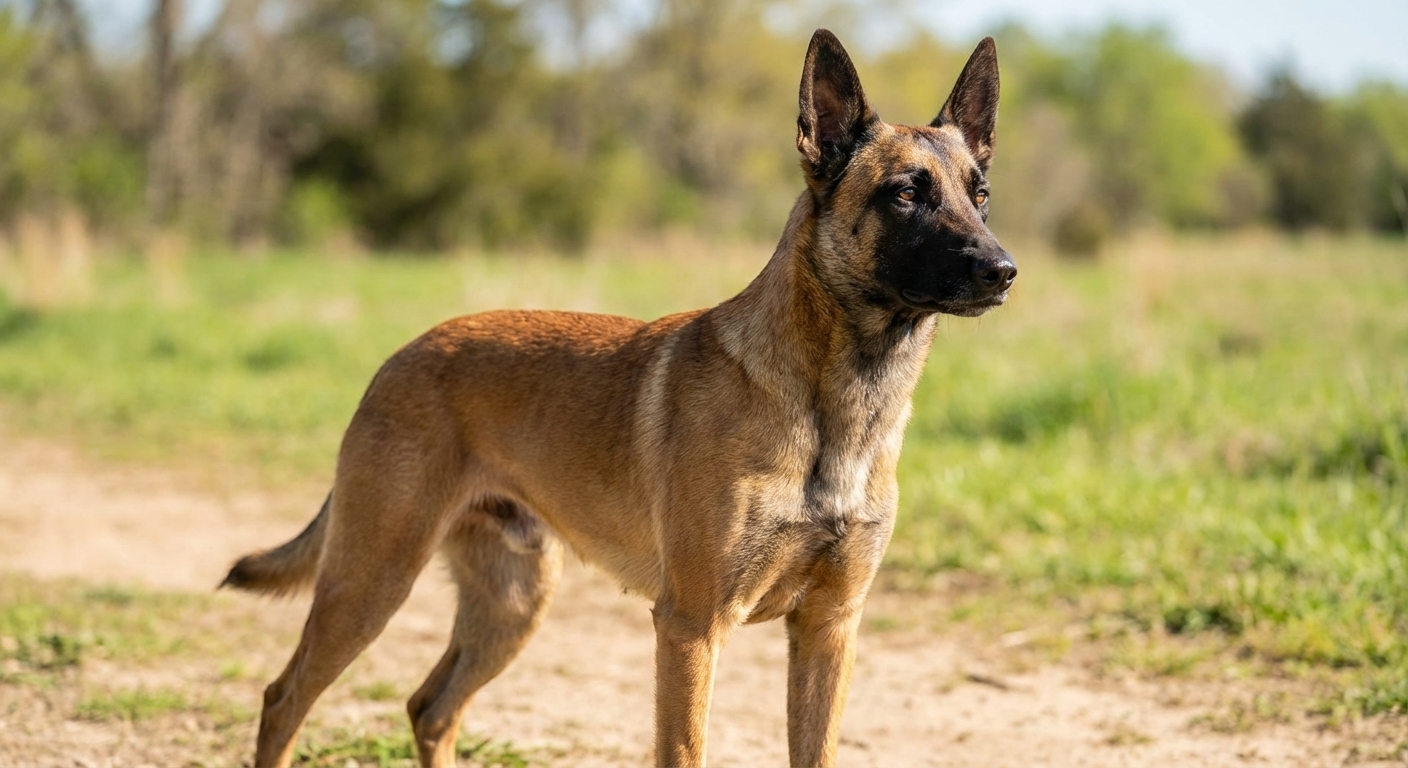
- Breed group: Herding in many registries (group names vary by organization)
- Size: Medium to large, lean and athletic
- Coat: Short, dense double coat
- Typical lifespan: Often about 12 to 14 years (varies by genetics, lifestyle, and medical care)
- Best fit: Experienced, active owners who enjoy training and structured daily routines
- Not ideal for: First-time dog owners, low-activity households, or homes without time for daily training and enrichment
Temperament: intense, sensitive, and loyal
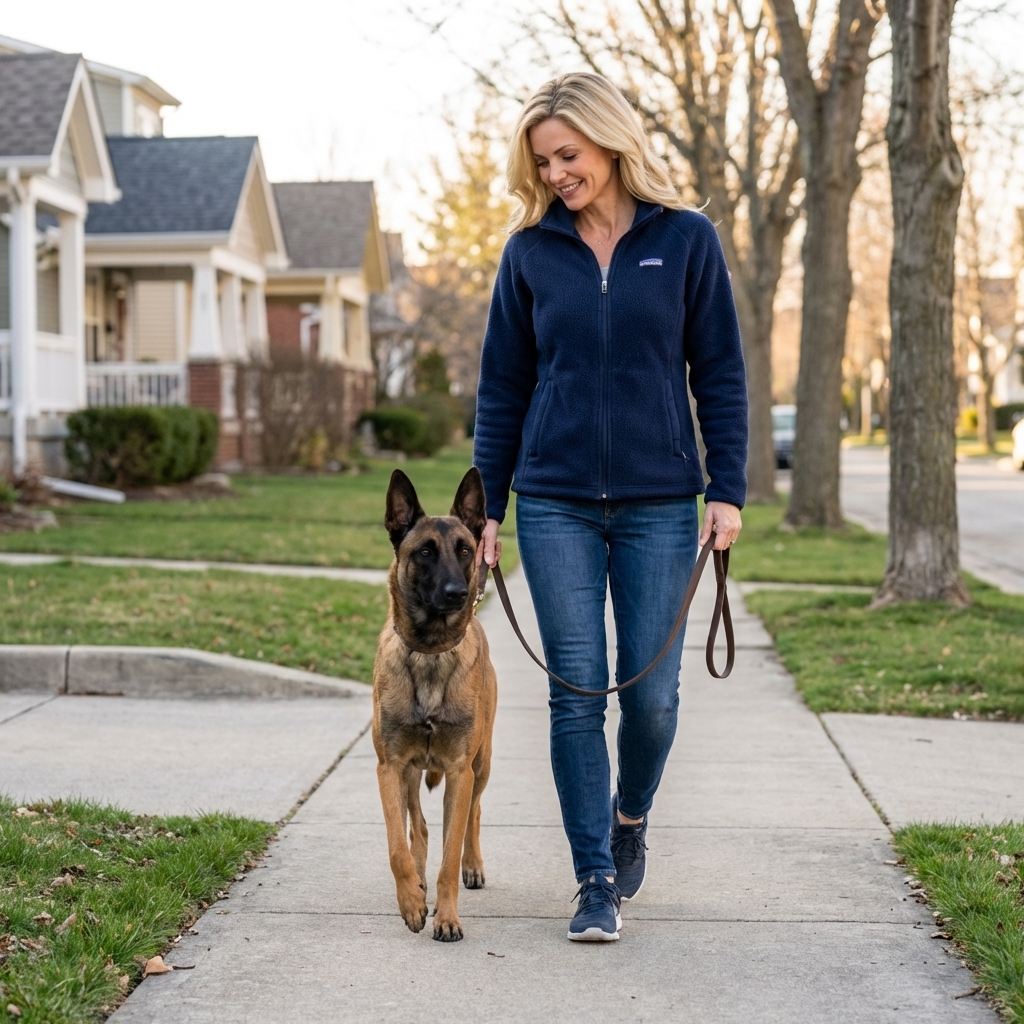
Belgian Malinois are often described as “all gas, no brakes,” and while that is a little humorous, it captures an important truth. Many Malinois live in a constant state of readiness. They notice everything and they respond fast.
Common temperament traits
- Highly intelligent: Learns quickly, including bad habits if boundaries are inconsistent.
- High energy and high drive: Needs daily physical exercise plus mental work.
- People-oriented: Often bonds tightly to one or a few people and wants to be involved.
- Environmentally aware: Alert and may become reactive if not properly socialized and trained.
- Sensitive: Many do poorly with harsh corrections or chaotic routines. They tend to thrive with clear, calm, consistent handling.
With a well-matched owner, these traits create an amazing partner. Without consistent management, those same traits can lead to constant pacing, vocalizing, jumping, nipping, guarding behaviors, and stress.
One clinic reality I see often: a dog labeled “stubborn” or “aggressive” is sometimes simply exhausted, overstimulated, or in pain, and their behavior improves dramatically once we address routine, rest, and medical comfort.
Working line vs. show line
This is one of the most important distinctions for anyone shopping for a Malinois.
Working line Malinois
Working lines are typically bred for performance traits like drive, stamina, intensity, and willingness to engage in challenging tasks. These dogs are commonly seen in police K9 work, military roles, detection sports, protection sports, and high-level competition.
- Often higher prey drive and higher arousal
- May be more reactive without extensive socialization and training
- Can be too much dog for a typical pet home
Show line Malinois
Show lines are generally bred with conformation standards in mind and may have a slightly “softer” edge compared to intense working lines, but they are still an active, smart breed.
- Often more moderate in drive, though still energetic
- May be easier to live with for experienced pet owners
- Still needs structured exercise and training
Important: Individual temperament matters more than labels. Always meet the parents when possible, ask about the breeder’s goals, and be honest about your lifestyle.
Why they are hard for beginners
Malinois are not “bad” beginner dogs. They are simply too demanding for many people who are still learning basic canine behavior and training timing.
- They need daily training, not occasional practice. If training is inconsistent, they will fill in the gaps.
- They are fast learners. That includes learning how to open doors, counter-surf, jump fences, and rehearse unwanted behaviors.
- They can be mouthy and intense. Nipping and grabbing can become a serious problem without early, skilled training.
- They often need advanced enrichment. Walks alone are rarely enough.
- Protective instincts require management. Poor socialization can turn “protective” into “suspicious and reactive.”
If you are new to dogs but love the Malinois look and athletic vibe, consider volunteering with a dog sport club first, fostering through a breed rescue, or choosing a more beginner-friendly breed while you build training skills.
Exercise needs: daily work
Malinois need more than exercise. They need a purpose. A bored Malinois is creative, and that creativity often shows up as shredded couches, fence running, spinning, nonstop barking, or obsessive behaviors.
How much is enough?
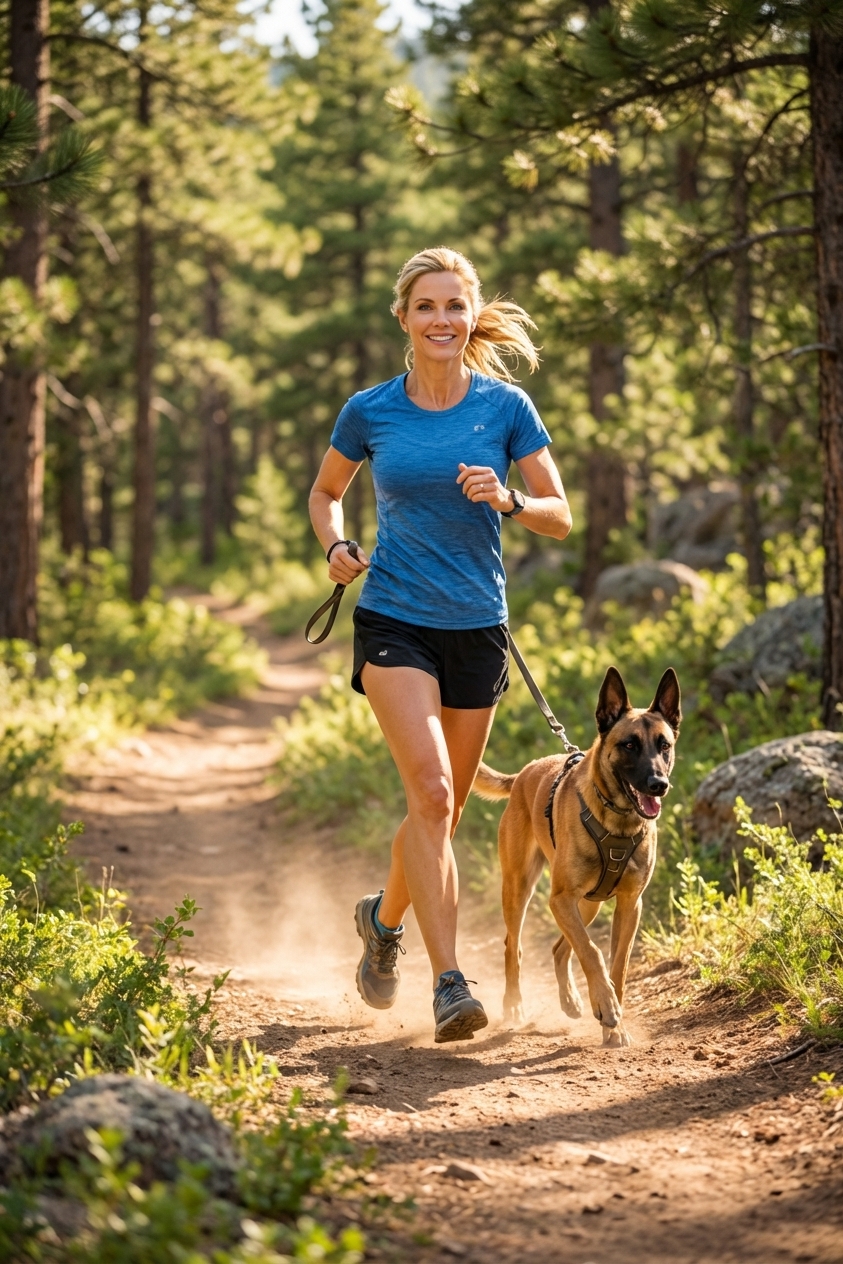
Many adult Malinois, especially high-drive individuals, do best with roughly 1.5 to 3 hours a day of combined physical activity and mental work. Some need less, some need more, and the right mix matters as much as the total time. Age, line, training level, and health all change the number.
Activities they often thrive on
- Structured running (after growth plates close and your vet clears it)
- Hiking and trail work with training built in
- Fetch with rules (impulse control, release cues, drop it)
- Agility, dock diving, rally, and obedience
- Nose work and tracking games
- Flirt pole with clear start and stop cues
A note from the clinic side: Over-exercising a young dog can increase injury risk. Ask your veterinarian about safe activity levels for your dog’s age and growth stage, especially for repetitive jumping or long-distance running.
Training needs: consistency
The Malinois is famously trainable, but trainability is not the same as ease. These dogs do best with a plan and a confident handler who can stay calm.
Training priorities
- Early socialization: Safe, positive exposure to people, dogs, surfaces, sounds, and environments.
- Impulse control: Sit to greet, wait at doors, leave it, place, settle.
- Recall: A reliable “come” can prevent accidents.
- Leash skills: Loose leash walking plus structured heeling when needed.
- Body handling: Calm acceptance of nail trims, ear checks, brushing, and vet exams.
- Quiet and off-switch behaviors: Teaching relaxation is as important as teaching work.
Reward-based approach
Modern reward-based training is well-supported for building reliable behaviors while protecting the human-animal bond. For many Malinois, pairing rewards with clear boundaries and predictable routines helps them feel secure and focused.
If you want bite sports or protection work, work only with reputable, ethical trainers who prioritize temperament, control, and safety. Poor training in this area can create dangerous behavior and legal risk.
Puppies and adolescence
This is the stage that surprises people the most. Malinois puppies are often busy, grabby, and always looking for something to do. Adolescence can also bring a wave of selective hearing and bigger emotions, even if puppy training was solid.
Common challenges
- Teething and mouthiness: Expect a lot of biting and grabbing in the early months. Plan to redirect to appropriate chew items and reinforce calm, gentle interaction.
- Jumping and body slamming: Teach a default sit for greetings early. Your future knees will thank you.
- Adolescent regression: Around the teen stage, you may see more pulling, ignoring cues, and reactivity. This is normal, but it is not something to wait out.
- Arousal management: Build an off-switch with mat work, calm crating, and short training sessions that end before your dog spirals into frantic mode.
If you feel like your young Malinois is “getting worse,” it often means you need more structured rest, clearer criteria, and better outlets, not harsher handling.
Home life: day to day
Malinois tend to do best in homes that treat them like an athlete in training. That means planned activity, planned rest, and clear rules.
Good home setups
- Active owners who enjoy training as a hobby
- Secure fencing and supervision outdoors
- Crate training and safe confinement plans
- Regular enrichment when you are busy, like food puzzles and scent games
Common challenges
- Separation-related behaviors if left without adequate exercise and training
- Reactivity if under-socialized or frequently overstimulated
- Mouthiness and herding-style nipping, especially in young dogs
- Same-sex dog conflict in some individuals
They can be wonderful with children in the right household, but supervision is non-negotiable. Their speed, intensity, and mouthy play style can overwhelm kids quickly.
Grooming: easy, sheds
Belgian Malinois have a short double coat that is fairly easy to maintain, but you will notice seasonal shedding, and some dogs shed year-round.
Basic grooming routine
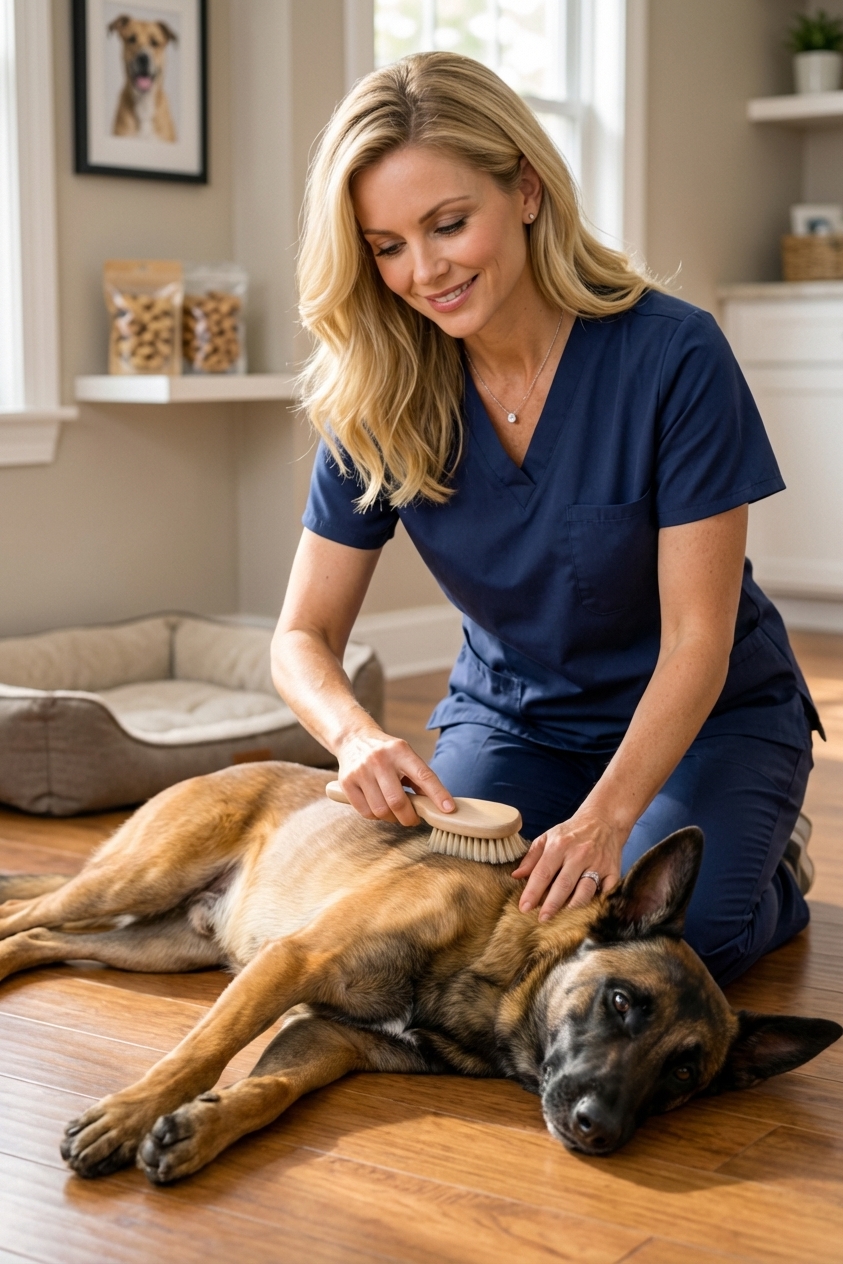
- Brushing: 1 to 2 times per week, more during heavy shed seasons
- Bathing: As needed. Many Malinois do fine with infrequent baths unless they get into something messy or have a skin issue.
- Nails: Every 2 to 4 weeks depending on wear
- Ears: Check weekly, clean only if needed
- Teeth: Daily brushing is ideal, plus vet-recommended dental care
From what I see in practice, early body-handling training makes grooming and vet visits dramatically easier. A Malinois that calmly accepts nail trims is a joy for everyone, including your dog.
Health issues to know
Belgian Malinois are generally sturdy, but like all breeds, they have patterns of inherited risk. Not every line carries every problem, so this is exactly why breeder transparency and health testing matter.
Concerns seen in the breed
- Hip dysplasia and elbow dysplasia
- Eye conditions (some lines have higher risk for issues like PRA)
- Degenerative myelopathy (DM) (risk varies by lines and ancestry)
- Epilepsy in some lines
- Allergies and skin sensitivities
- Injuries related to high activity, like sprains, paw pad tears, and repetitive strain
Health testing to ask for
- Hips and elbows: OFA or PennHIP style evaluations (ask what the breeder does and request proof)
- Eyes: Current exam through a recognized screening program (often listed as CAER in the US)
- DNA tests: Ask what is relevant in that line, which may include DM and other inherited risks
- Family history: Talk openly about seizures, orthopedic issues, and behavioral stability in relatives
Preventive care that matters
- Keep a lean body condition to protect joints
- Use year-round parasite prevention based on your veterinarian’s recommendations
- Schedule routine wellness exams and discuss activity-related injury prevention
- Ask your vet about nutrition that supports muscle and joint health
If you notice: sudden behavior changes, exercise intolerance, limping, seizures, or new reactivity, schedule a veterinary visit promptly. Medical discomfort can look like a training problem.
Feeding and weight
Most Malinois do best when they are kept lean with visible definition and an easy-to-feel ribcage under a light fat layer. Extra weight can stress joints and reduce stamina.
Smart feeding tips
- Choose a high-quality diet appropriate for your dog’s age and activity level.
- Measure meals and adjust based on body condition, not just the bag label.
- Use training treats strategically: count them as calories and consider using part of the daily kibble ration for training.
- Consider enrichment feeding: puzzle feeders and scatter feeding can burn mental energy.
If you are interested in adding fresh foods, do it gradually and talk with your veterinarian, especially if your dog has a sensitive stomach or allergies.
Rescue and adoption
Many Malinois in rescue are working-line dogs or mixes with real drive and real needs. Adoption can be a great choice, but go in with eyes open and a plan.
What to ask and look for
- Behavior history: reactions to strangers, dogs, handling, confinement, and noise
- Any bite history: details matter, including context and severity
- Training foundation: crate training, leash skills, recall, ability to settle
- Trial period: if available, a foster-to-adopt setup can be invaluable
If you adopt an adult Malinois with unknown background, assume you will need professional training support and extra management at first. That is not pessimism, it is responsible planning.
Is a Malinois right for you?
A Malinois can be an incredible partner if you want a dog that truly works with you every day. But they are rarely happy as a “weekend adventure dog” with little routine Monday through Friday.
You may be a good match if you:
- Enjoy daily training and want an ongoing project
- Have time for structured exercise and enrichment every single day
- Can commit to socialization and management
- Are comfortable working with a qualified trainer when needed
Consider another breed if you:
- Want a more laid-back companion
- Work long hours without a clear plan for training and enrichment
- Have limited tolerance for shedding, vocalizing, or high-intensity play
- Are a first-time dog owner hoping this breed will “grow out of it”
The Belgian Malinois is not too much dog for the right person. They are too much dog for the wrong routine.
Protection training: safety
If you are drawn to protection work, treat it like a serious sport with serious responsibility. Prioritize trainers who screen temperament, require strong obedience foundations, and put control first.
- Know your local laws and restrictions related to training, containment, and liability.
- Plan for risk management including secure handling equipment, training protocols, and realistic boundaries at home.
- Consider insurance and talk with your veterinarian and trainer about safety.
This is not the place for shortcuts or social media trends.
First month plan
If you bring home a Malinois, start with structure from day one. It is easier to build good habits than to undo rehearsed chaos later.
Week 1
- Establish a daily schedule: potty, meals, training, rest
- Begin crate training and calm settling on a mat
- Short training sessions: name recognition, sit, down, touch, leash basics
Weeks 2 to 4
- Increase controlled socialization and environmental exposure
- Add impulse control games: wait, leave it, place
- Start nose work games at home
- Book a session with a qualified trainer if this is your first high-drive breed
The goal is not perfection. The goal is building a dog who can relax, focus, and live safely in the human world.