
A practical, vet-informed plan to help your dog lose weight safely: check Body Condition Score, measure meals, set calories, manage treats, add gentle walks,...
Article
•
Designer Mixes
Beagle Lifespan and Common Health Issues

Shari Shidate
Designer Mixes contributor
Beagles are the kind of dogs who make you smile just by walking into the room. They are friendly, food-motivated, and always ready to follow an interesting scent. As a veterinary assistant, I can tell you that most Beagles are hardy little hounds, but they do have a few predictable health issues that owners should watch for.
In this guide, we will talk about the typical Beagle lifespan, the most common health concerns, and simple, evidence-based habits that can add healthy years to your dog’s life.

Beagle lifespan: what to expect
Most Beagles live about 12 to 15 years, with some living longer. Many reach the higher end of that range with good preventive care, healthy weight management, and timely care for chronic issues like ear infections or dental disease.
Lifespan is influenced by several factors:
- Genetics: responsible breeding and screening can reduce inherited disease risk.
- Body weight: staying lean is one of the most impactful modifiable factors for long-term health.
- Dental health: periodontal disease is extremely common and has been associated with systemic inflammation that may affect overall health.
- Parasite prevention: heartworm and tick-borne illnesses can shorten lives and are often preventable.
- Early detection: routine exams and baseline bloodwork help catch problems before they become emergencies.
Common Beagle health issues
Beagles are generally robust, but they are prone to several issues that show up regularly in veterinary clinics. Knowing the early signs can help you get ahead of problems and avoid unnecessary suffering.
Obesity and related complications
If there is one health risk Beagles are famous for, it is weight gain. Beagles love food and can be very persuasive about getting it. Extra weight puts stress on joints, can worsen breathing, increases anesthesia risk, and contributes to long-term wear and tear on the body.
Common signs your Beagle may be overweight:
- You cannot easily feel ribs with light pressure.
- There is little to no “waist” when viewed from above.
- Your dog tires quickly on walks.
- Your dog is less willing to jump or climb stairs.
Why it matters: Obesity contributes to arthritis, decreased mobility, heat intolerance, and shorter lifespan.
Ear infections (otitis externa)
Beagles have adorable floppy ears, but those ears can trap moisture and reduce airflow. That can create the perfect environment for yeast and bacteria. In clinic, ear infections are one of the most frequent Beagle problems I see.
Watch for:
- Head shaking or ear scratching
- Redness, odor, or discharge
- Sensitivity when you touch the ears
- One ear worse than the other
Ear infections can also be linked to allergies, so recurring cases often need a bigger plan than just ear drops.

Allergies (environmental and food-related)
Beagles can be prone to allergic skin disease. Many owners first notice constant licking, chewing paws, or recurrent ear infections. Allergies are not just “itchy skin.” They are an immune-driven condition that often requires a long-term management approach.
Common allergy signs:
- Itching, especially paws, belly, and ears
- Recurrent ear infections
- Red, inflamed skin or hotspots
- Frequent licking or rubbing the face
What helps: flea prevention year-round, vet-directed allergy medications when needed, and sometimes a prescription diet trial to rule out food allergy.
IVDD and back pain
Beagles are not as classically “at risk” as Dachshunds, but they can still experience spinal and disc issues, especially if they are overweight or frequently jumping off furniture.
Seek urgent veterinary care if you notice:
- Sudden pain yelps when picked up
- Reluctance to walk, jump, or climb stairs
- Weakness in the back legs
- Wobbliness or dragging paws
- Loss of bladder control
Back pain is not something to “wait out.” Early treatment can make a huge difference.
Hip dysplasia and arthritis
Like many medium-sized breeds, Beagles can develop hip issues or arthritis as they age. Keeping them lean is the single most helpful intervention for joint health.
Early arthritis signs:
- Stiffness after rest
- Slower on walks
- Hesitating before jumping
- Muscle loss in the hind end
Veterinarians often recommend a multi-modal approach: weight management, appropriate exercise, pain control, and joint-support options tailored to the dog.
Dental disease
Think of it as a “silent” problem: many dogs keep eating even when their mouth hurts. Beagles are no exception. Dental disease is extremely common and can contribute to chronic inflammation and infection.
Signs to watch for:
- Bad breath
- Tartar buildup
- Red or bleeding gums
- Dropping food or chewing on one side
- Pawing at the mouth
Eye conditions
Beagles may develop issues such as dry eye, cherry eye, glaucoma, or age-related changes like cataracts. Eye problems can progress quickly, so any squinting, cloudiness, or redness deserves prompt attention.
Call your vet if you notice:
- Squinting or keeping an eye closed
- Excessive tearing or thick discharge
- Redness, swelling, or visible tissue in the corner of the eye
- Cloudy or bluish appearance
Hypothyroidism
Hypothyroidism happens when the thyroid gland does not produce enough hormones. It is treatable, but it is often overlooked because the symptoms can look like “normal aging.”
Possible signs:
- Weight gain without an increase in food
- Low energy
- Thinning coat or recurrent skin infections
- Heat-seeking behavior and intolerance to cold
A simple blood test can help diagnose it, and treatment is usually a daily medication with monitoring.
Epilepsy and seizures
Some Beagles experience seizures, including idiopathic epilepsy. A seizure is scary to watch, but many dogs do well with proper diagnosis and medication when indicated.
If your Beagle has a seizure:
- Keep them safe from stairs and sharp edges.
- Do not put your hand near their mouth.
- Time the seizure and record details.
- Call your veterinarian for next steps.
Emergency care is needed if a seizure lasts more than 5 minutes, if they have cluster seizures (more than one seizure in 24 hours), or if they do not recover normally afterward.
Beagle pain syndrome (SRMA)
Another condition owners may hear about is Beagle pain syndrome, also called steroid-responsive meningitis-arteritis (SRMA). It is not common, but it is breed-associated and important to recognize.
Watch for: sudden neck pain, a stiff posture, fever, and a Beagle who seems unusually uncomfortable or does not want to move. These signs deserve a same-day veterinary call.
Limber tail
Beagles that swim, hunt, or have a big weekend of activity can sometimes get limber tail (cold tail). The tail may hang limp and the dog can seem sore at the base of the tail. It is usually self-limiting, but because tail pain can have other causes, check in with your vet if your dog is very painful or not improving.
Scavenging and foreign body risk
Beagles are talented scavengers. I have seen plenty of “mystery vomiting” cases that turned out to be trash raids or swallowed objects. Keep an eye out for corn cobs, bones, toys, socks, and anything that can cause an intestinal blockage. Also keep common toxins secured, including xylitol (birch sugar), chocolate, grapes and raisins, and certain medications.
Prevention: simple habits that protect Beagle health
You cannot control every health outcome, but you can stack the odds in your dog’s favor. These are the habits I see making the biggest difference over time.
1) Keep your Beagle lean
Weight control is a health tool, not a cosmetic goal. Ask your veterinarian to help you confirm your dog’s body condition score and daily calorie target. Beagles often do best with measured meals, a kitchen scale or measuring cup, and lower-calorie treats.
2) Build an ear-care routine
If your Beagle is prone to ear infections, talk to your vet about an appropriate ear cleaner and how often to use it. Many dogs benefit from gentle cleaning after swimming or bathing.
3) Prioritize dental care
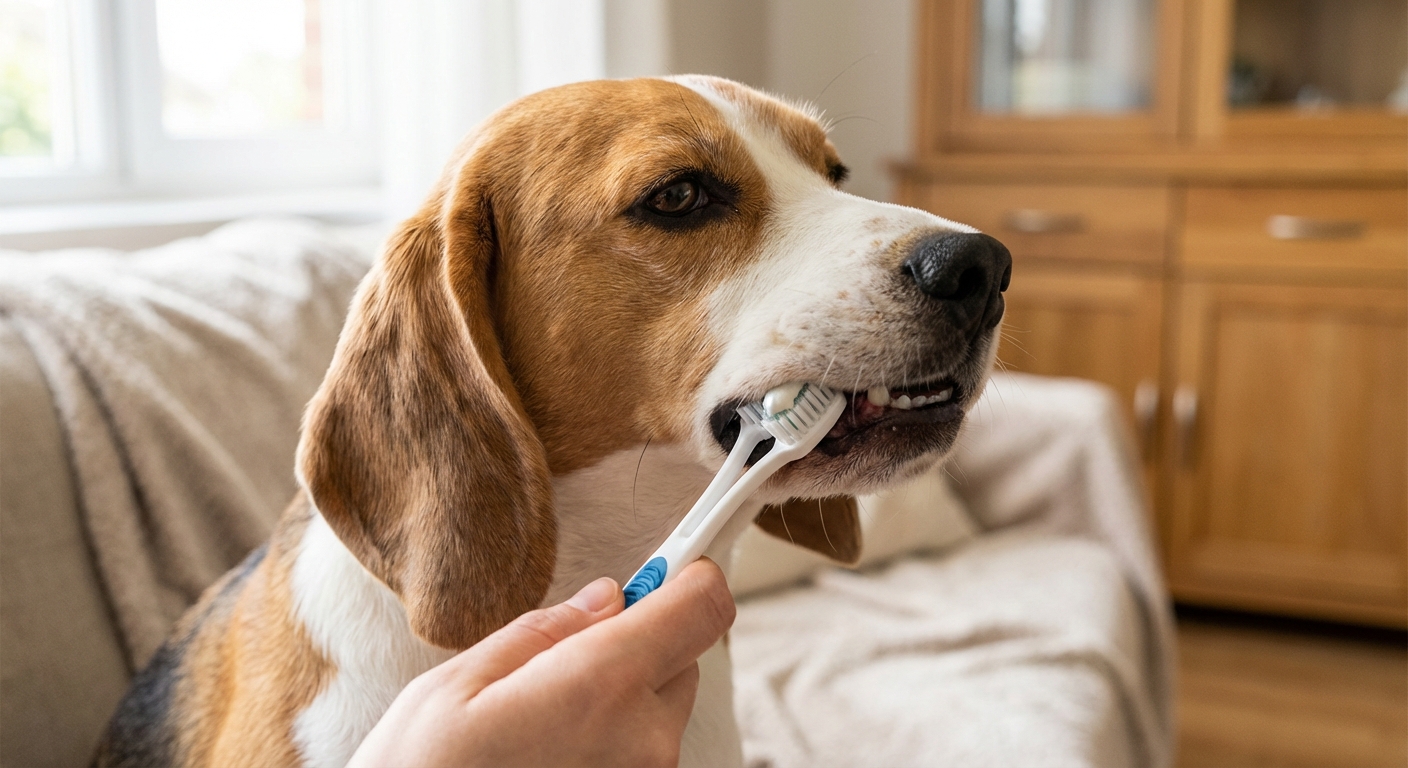
At-home toothbrushing is one of the most effective tools you have. Aim for daily brushing if possible, or at least a few times a week. Pair that with vet-recommended dental cleanings as needed. Dental pain is real, and prevention is far easier than extractions.
4) Keep up with routine care
Annual exams for adults and twice-yearly exams for seniors often catch issues like thyroid changes, early kidney disease, or dental problems before they become major. Staying current on vaccines, parasite prevention, and microchipping is also part of a solid long-term plan.
5) Safe exercise and enrichment
Beagles need daily activity, but their noses can get them into trouble. Use secure fences, leashes, and scent games at home. Consistent, moderate exercise supports joint health, weight control, and mental well-being.
6) Nutrition that supports long-term health
Feed a balanced diet appropriate for your Beagle’s life stage, activity level, and medical needs. If you are interested in adding fresh foods or transitioning to homemade meals, do it gradually and involve your veterinarian or a veterinary nutritionist so the diet stays complete and balanced.
Small changes add up. Even modest weight loss and better dental care can improve comfort, energy, and long-term health in Beagles.
When to call the vet right away
Trust your instincts. Beagles can be tough and food-motivated, so they may act “fine” even when something is wrong. Contact your veterinarian promptly if you notice:
- Labored breathing, pale gums, or collapse
- Sudden weakness, wobbliness, or trouble using the back legs
- Repeated vomiting or diarrhea, signs of dehydration, or bloated abdomen
- Swollen, painful ear with foul odor or head tilt
- Eye redness with squinting or a cloudy appearance
- Seizures, especially first-time seizures
- Refusal to eat for more than a day, especially with lethargy
- Sudden neck pain, fever, or a stiff, hunched posture
- Possible toxin exposure or a suspected swallowed object
Helping your Beagle live a long, happy life
Beagles are joyful, affectionate companions, and most of them can enjoy many healthy years. The biggest gifts you can give your Beagle are simple: a healthy weight, consistent preventive care, timely treatment for ear and skin issues, and dental support.
If you are ever unsure whether a symptom is serious, it is always okay to call your veterinary clinic and ask. Early care is kinder, and it is often more affordable too.