
Basenji: Yodeling, Prey Drive, and “Barkless” Truths

If you have ever heard someone say, “Basenjis don’t bark,” you might picture a quiet, easygoing dog who will never annoy the neighbors.
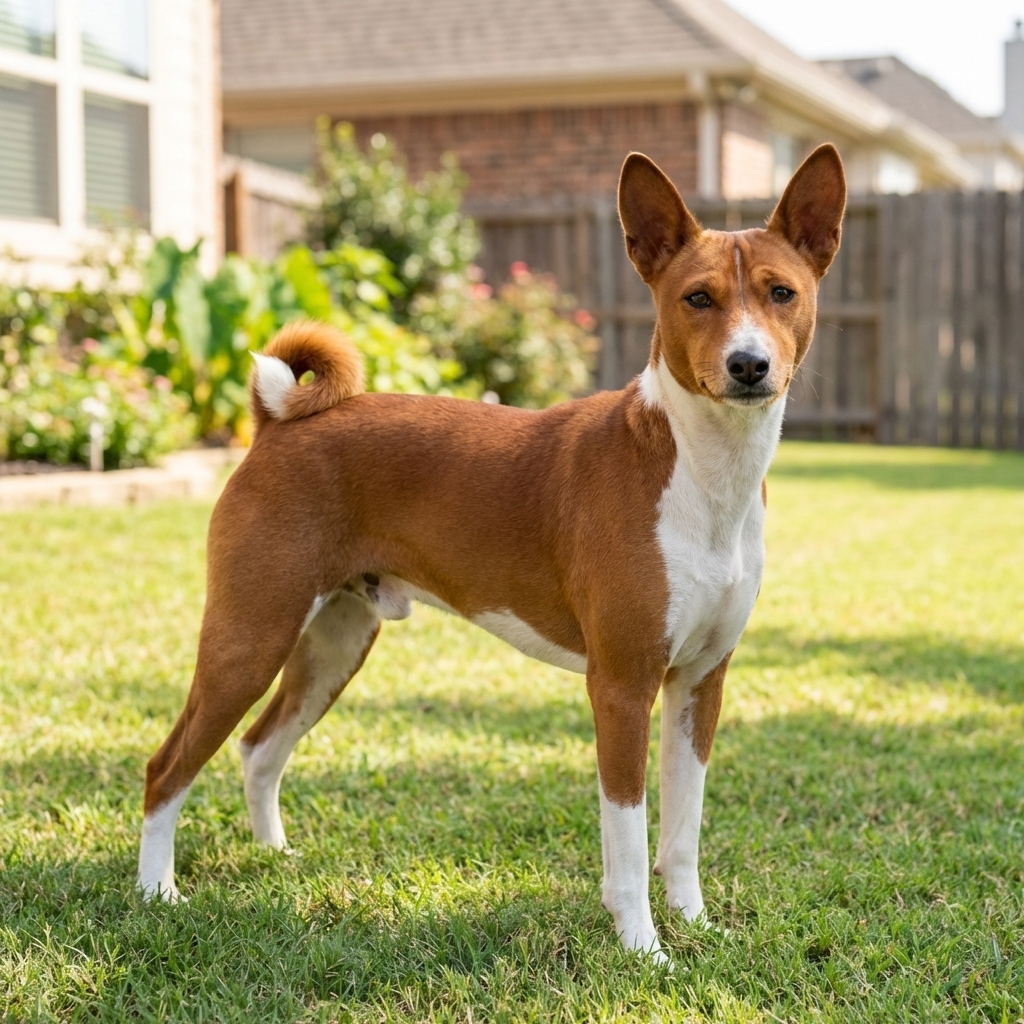
Basenjis do have a reputation for being “barkless,” but here is the honest truth: they are not silent dogs. They simply communicate differently. They can yodel, whine, growl, howl, and make a piercing scream that can surprise first-time owners.
This page will help you understand what Basenji vocalizations really mean, how prey drive changes life in homes with cats or small pets, why fencing is a safety issue, and what is unique about Basenji females and their heat cycles.
What “barkless” really means
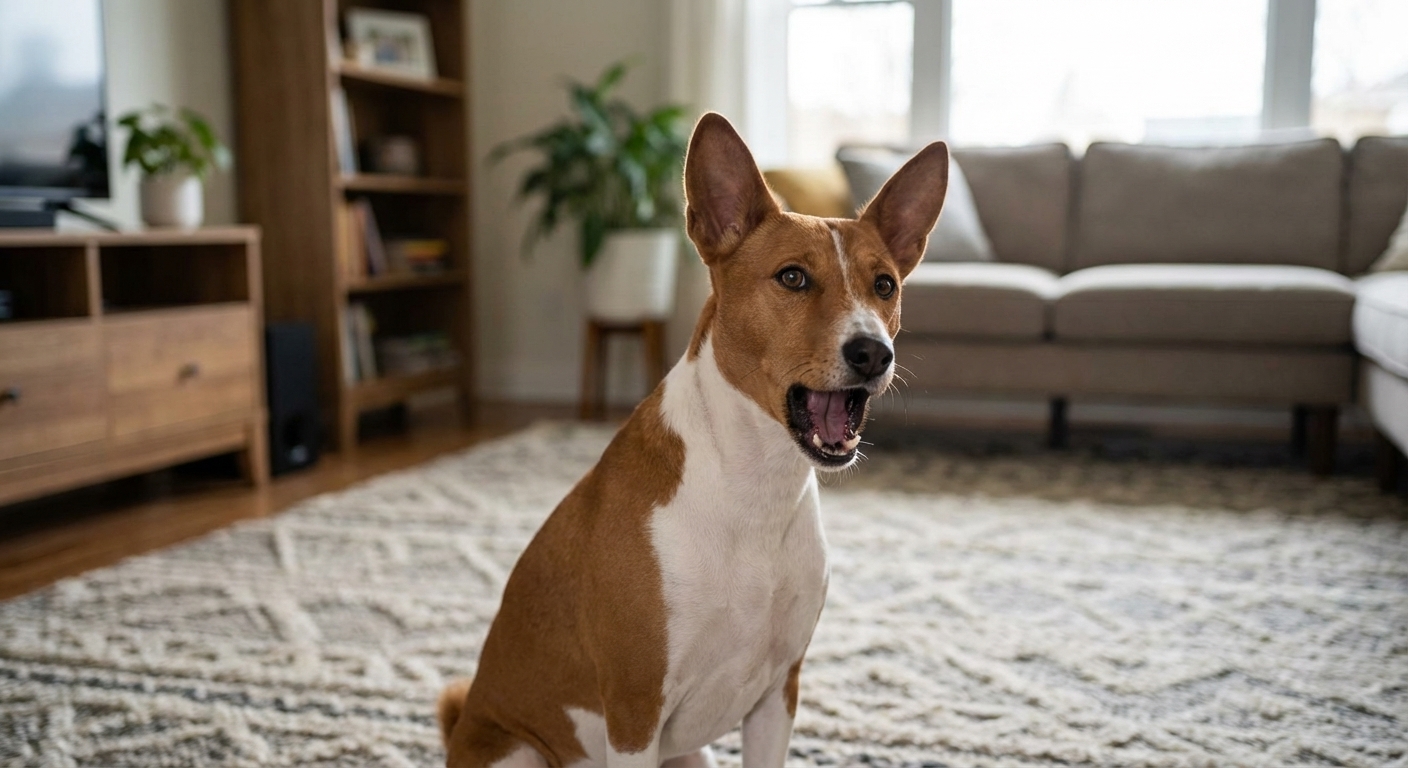
Basenjis can bark, and some individuals do bark more than expected. The difference is that many Basenjis do not bark frequently in the repetitive way many breeds do. Instead, they are famous for a sound called a baroo, often described as a yodel.
The baroo is often attributed to Basenji laryngeal anatomy and the way they produce sound. In other words, it is not that they cannot vocalize, it is that their “default” vocal style is different.
Common Basenji sounds you may hear
- Baroo or yodel: often when excited, greeting you, or responding to other sounds
- Chortles and “talking”: softer, conversational noises when engaging with their people
- Whining: especially when bored, wanting something, or frustrated
- Howling: sometimes in response to sirens or other dogs
- Screaming: a high-pitched distress sound that can happen with fear, pain, or intense frustration
That scream is worth calling out because it can sound like an emergency even when it is not. Still, treat any sudden or repeated screaming like a clue to investigate. If it shows up with limping, hiding, panting, swelling, or a behavior change, get your dog checked promptly.
Prey drive: plan for it
Basenjis are Central African hunting dogs. They are often described as “sighthound-like,” and in practice many use sight, scent, and hearing to locate and pursue moving targets. That heritage shows up today as a strong instinct to chase fast-moving, small animals.
Training helps, but prey drive is not a behavior problem you can fully erase. It is a management and safety issue you plan for.
Why it matters day-to-day
- Off-leash realism: many Basenjis should not be trusted off-leash in unfenced areas, even with good training
- Door and gate safety: they can bolt quickly if they spot a squirrel, rabbit, or loose cat
- Backyard risk: if your fencing is not secure, prey drive can turn into roaming in seconds
Basenjis with cats and small pets
Some Basenjis can live peacefully with cats, especially when raised with a cat from puppyhood and carefully managed. But it is not a promise you can make based on social media stories. A Basenji may coexist calmly indoors and still chase outdoors.
For rabbits, guinea pigs, rats, hamsters, ferrets, or backyard chickens, assume the risk is high. Even a “friendly” dog can injure a small pet in a single moment of instinctive chase or grab.
If you have a cat and want a Basenji
- Choose carefully: a reputable breeder or rescue that truly knows the dog’s history matters
- Use barriers: baby gates, cat-only rooms, and tall cat trees give cats escape routes
- Slow introductions: leash, distance, and short sessions over days to weeks
- Do not rely on verbal control outdoors: use leashes, long lines, or secure fencing
If you ever see stalking posture, intense fixation, trembling excitement, or repeated attempts to chase, that is information. Listen to it and tighten management.
Training essentials
Basenjis are intelligent and independent. That can make training fun, but it also means reliability is earned slowly and maintained with practice.
What helps most
- Reward-based recall: practice in low-distraction areas first, then gradually add difficulty. Even with training, many owners treat recall as “nice to have” and still use containment for safety.
- Long lines: a 15 to 30 foot long line can give your dog freedom to sniff while keeping wildlife-chase moments from becoming emergencies.
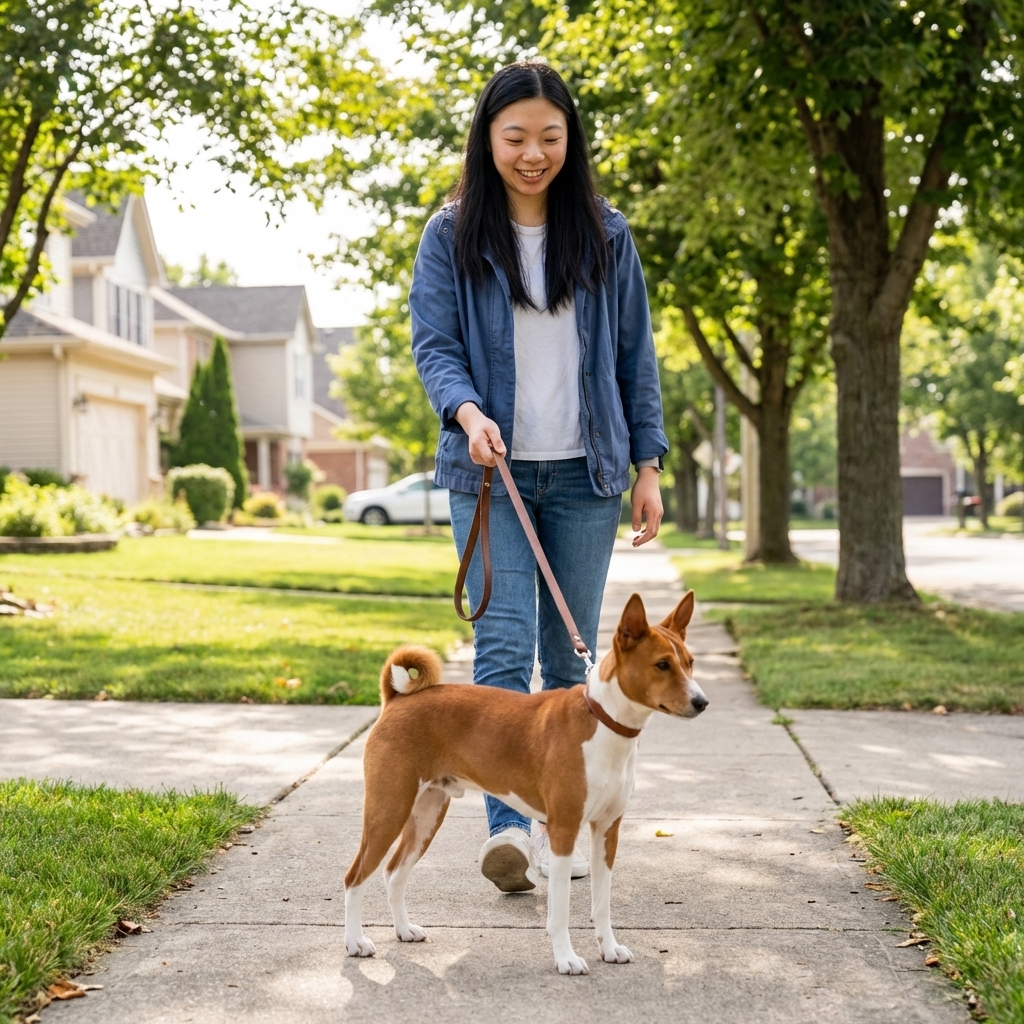
- Secure walking gear: many Basenji owners prefer a properly fitted harness or a martingale collar (with correct fit) because some individuals can slip standard collars when startled or excited.
- Impulse control: simple games like “leave it,” “wait,” and pattern walks can reduce lunging, but they do not replace physical barriers and leash safety.
Fence and escape risk
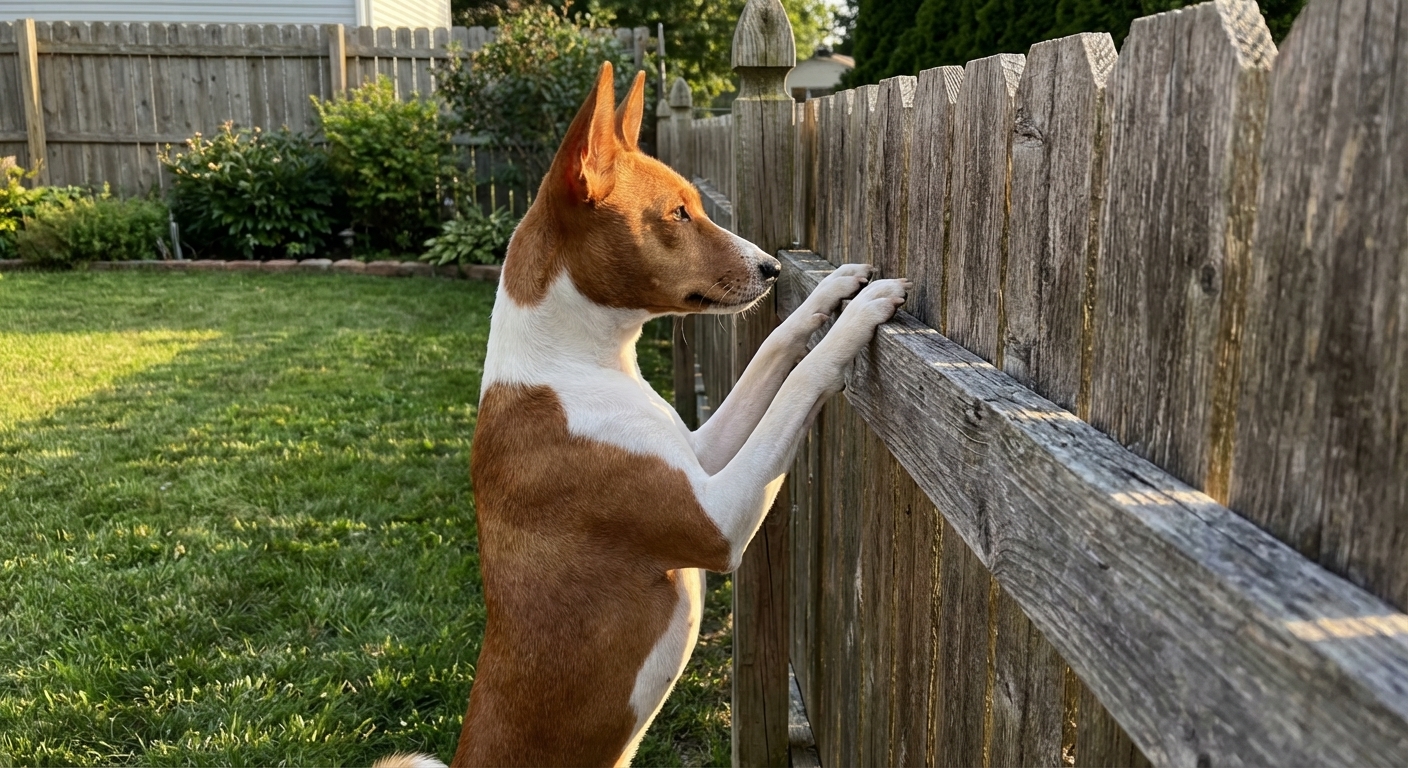
Basenjis are smart, agile, and motivated. If something on the other side of the fence looks fun, they may try to climb, jump, or problem-solve their way out. This is one of the biggest surprises for new owners.
What a secure yard often means
- Fence height: many owners aim for 6 feet, sometimes higher depending on the individual dog
- No launch points: keep patio furniture, wood piles, planters, and AC units away from fences
- Dig prevention: some Basenjis dig, so consider buried wire, concrete edging, or supervised outdoor time
- Gate discipline: self-closing hinges and secure latches reduce accidental escapes
Options for serious climbers
- Inward-angled toppers: makes the “last step” up and over much harder
- Coyote rollers: can reduce the ability to get traction at the top of a fence
- Covered runs: a roofed dog run can be a safer solution for some homes
Even with a great fence, supervision is still important. A determined dog can exploit weak boards, gaps, or a gate left cracked open.
Mental enrichment
Basenjis tend to be clever and independent. That combination is part of their charm, and it is also why boredom can turn into mischief fast. Many behavior complaints are really under-stimulation.
Signs your Basenji needs more enrichment
- Chewing household items
- Digging or fence running
- Restlessness in the evening
- Excessive whining or attention demands
- “Selective hearing” that gets worse when they are bored
Enrichment that typically works well
- Scent games: hide treats around one room and let them “hunt”
- Food puzzles: snuffle mats, puzzle feeders, stuffed Kongs
- Short training sessions: 3 to 5 minutes, multiple times a day, using high-value rewards
- Appropriate chase outlets: flirt pole play in a safe, enclosed area
- Structured walks: allow sniffing time, not just marching miles
One helpful mindset shift is this: exercise alone is not enough for many Basenjis. A long walk can still leave a dog mentally “hungry.” Combine movement with problem-solving.
Female heat cycles
Basenjis are known for having a more seasonal reproductive cycle than many other breeds. While many dogs come into heat about twice a year, Basenji females typically cycle once per year, often in the fall. Individual variation is normal, and not every Basenji follows the same schedule.
Why owners should know this up front
- Breeding prevention: fewer cycles does not mean “no risk.” One cycle is enough for an accidental pregnancy.
- Behavior changes: restlessness, clinginess, or changes in appetite can happen.
- Male attention: intact males may show up in your yard or become intensely interested on walks.
If you are not planning to responsibly breed, talk with your veterinarian about the best spay timing for your individual dog. The recommendation can vary based on age, health, lifestyle, and evolving research.
When to call your veterinarian
If your female dog is in heat and you notice lethargy, vomiting, fever, loss of appetite, excessive thirst, or a foul-smelling discharge, contact your vet urgently. These can be signs of serious reproductive tract problems, including pyometra in intact females.
Myth-busting FAQ
“A Basenji is perfect for apartments because they don’t bark.”
Sometimes yes, sometimes no. Basenjis may bark less, but they can yodel, whine, and scream. Apartment success usually depends on enrichment, routine, soundproofing realities, and your dog’s individual temperament.
“If I socialize early, prey drive won’t be an issue.”
Early socialization is wonderful, but it does not erase genetics. Think of socialization as improving flexibility and recovery, not removing instinct.
“A shock collar will stop chasing.”
Aversive tools can increase anxiety and can create fallout like fear, avoidance, and redirected aggression. For prey drive, the safest approach is management plus reward-based training: secure fencing, leashes, long lines, recall practice, and structured outlets for chase behavior.
“Basenjis are low maintenance.”
They can be low odor and relatively easy to groom, but many are high maintenance mentally. If you enjoy a clever dog who keeps you engaged, that is a great match. If you want a dog who is happy with minimal interaction, it can be a struggle.
Is a Basenji right for your home?
Basenjis can be wonderful companions for the right household: people who enjoy training, can provide enrichment, and can manage prey drive safely. They are often affectionate with their people, tidy, and full of personality.
Before you commit, ask yourself:
- Can I commit to secure containment and leash safety?
- Do I have cats or small pets, and am I comfortable with strict management if needed?
- Do I enjoy daily enrichment activities, not just exercise?
- Am I prepared for unusual vocalizations, including yodeling and screaming?
If you answer “yes,” you may absolutely fall in love with this one-of-a-kind breed. And if you answer “not right now,” that is wisdom, not failure. The best matches protect both people and pets.
Quick safety checklist
- Leash, long line, or fenced area for outdoor time, especially around wildlife
- Secure fence and gate routine, plus remove climbable objects near fence lines
- Optional anti-climb upgrades like rollers, angled toppers, or a covered run for escape artists
- Cat and small-pet management with barriers and supervised introductions
- Daily mental enrichment through scent work, puzzles, and training
- Discuss spay timing and heat-cycle planning with your veterinarian
When you understand what “barkless” really means and you respect the Basenji’s instincts, you can set everyone up for success from day one.
Sources and further reading
- Basenji Club of America (breed traits and health resources)
- Veterinary reproductive health resources (heat cycles, spay timing, pyometra)
- Veterinary behavior and humane training resources (prey drive, recall, and enrichment)