A practical guide to caring for hairless cats: skin checks, warming and bedding, wipe-downs, bathing routines, ear/nail/teeth care, sun safety, and when to c...
Article
•
Designer Mixes
Bambino Cat Breed

Shari Shidate
Designer Mixes contributor
Meet the Bambino: A Big Personality in a Small Package
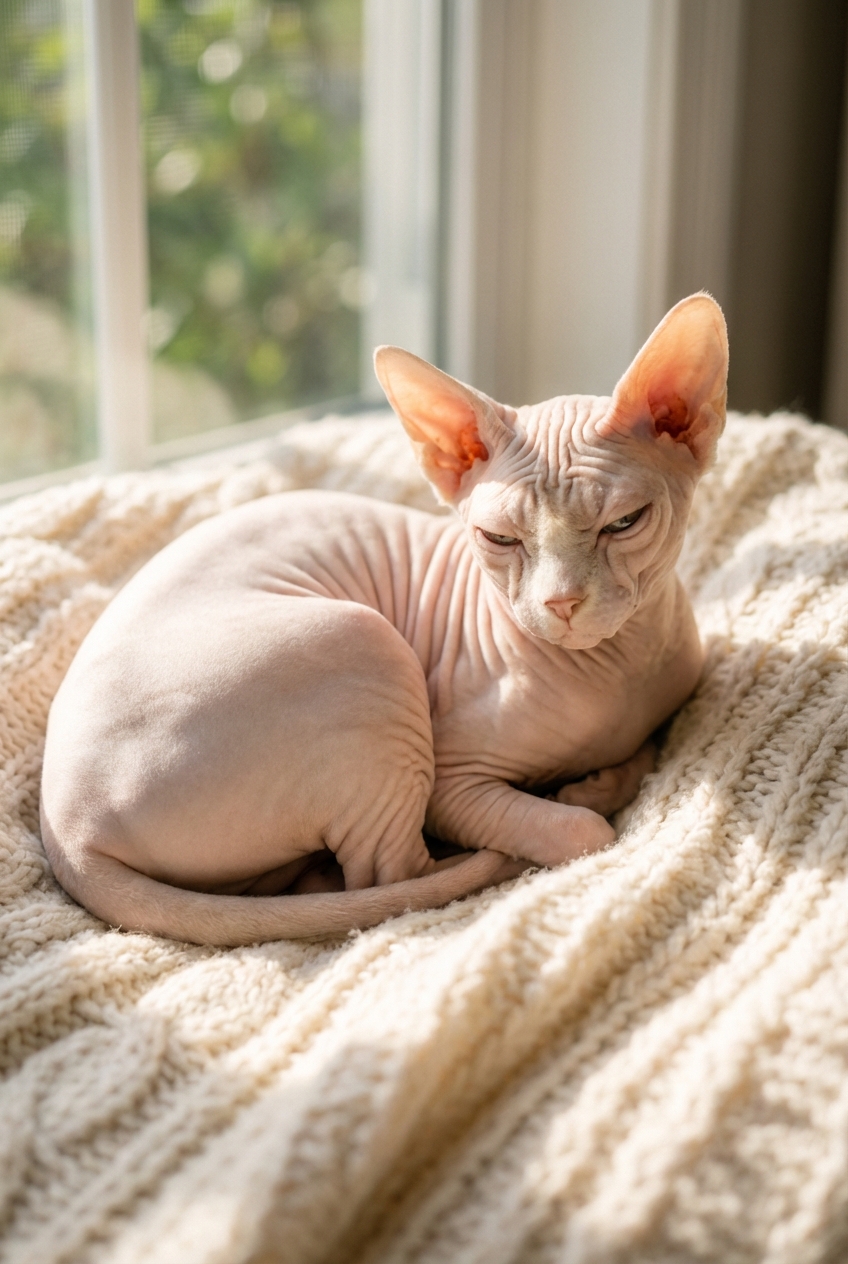
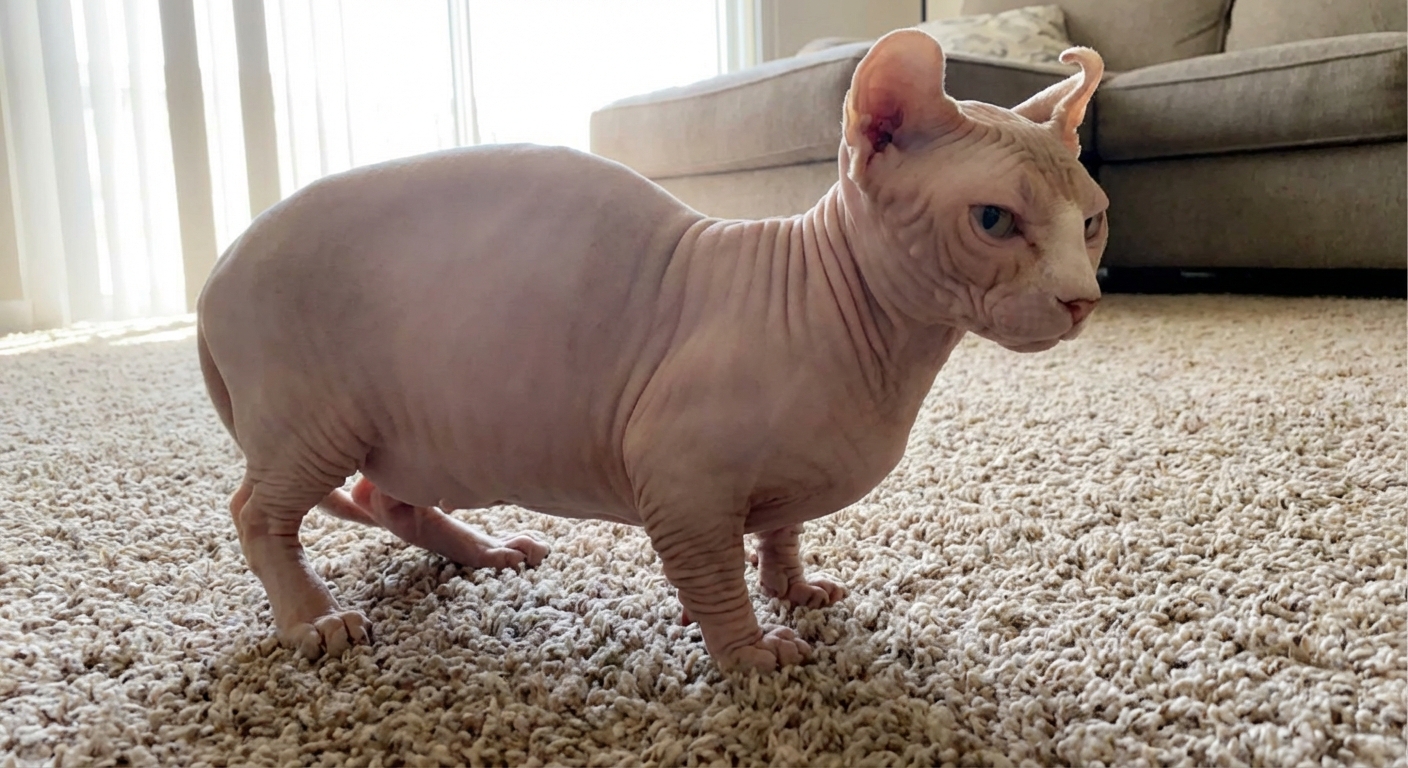
The Bambino cat is a rare, attention-grabbing breed known for two signature traits: a hairless or nearly hairless body and very short legs. The name “Bambino” means “baby” in Italian, and it fits. These cats often keep a kitten-like look well into adulthood, with wide eyes, a warm-to-the-touch skin feel, and a compact, low-to-the-ground build.
Coat can vary more than many people expect. While many Bambinos are truly hairless or have a fine peach fuzz, some individuals may develop a slightly more noticeable coat, depending on genetics and lineage.
Even more memorable than their appearance is their temperament. Bambinos are typically people-oriented, playful, and happiest when they are included in daily life. If you love an affectionate cat that wants to be where you are, the Bambino may feel like a perfect match.
Origin and Breed Background
The Bambino is a newer breed developed in the United States in the early 2000s. It was created by crossing the Sphynx, known for its hairless coat, with the Munchkin, known for its shortened legs. The goal was a cat with the Sphynx’s friendly, social nature and hairless skin, combined with the Munchkin’s distinctive stature.
Because the Bambino is relatively new and uncommon, registry recognition varies. For example, TICA (The International Cat Association) has listed Bambino cats in its registration system (status can vary by era and program), while CFA (the Cat Fanciers’ Association) is not known for recognizing the Bambino as a championship breed. Registry rules can change, so if formal recognition matters to you, confirm the current status directly with the registry and the breeder.
It is also worth noting that hairlessness and dwarfism can be controversial in the cat world, which is why breeder ethics matter so much. If you are considering one, work with an ethical breeder who prioritizes health testing, transparency, and kitten welfare over novelty.
Appearance: What a Bambino Looks Like
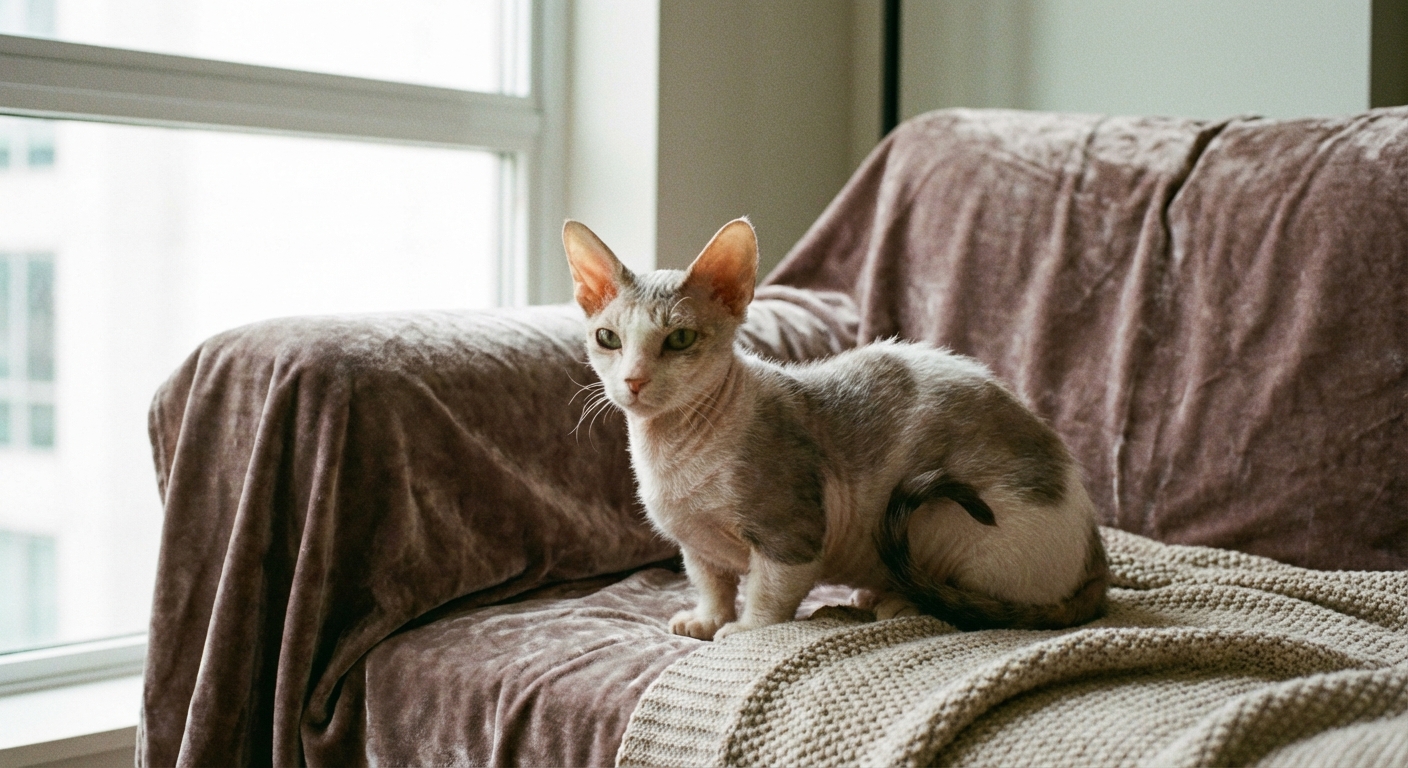
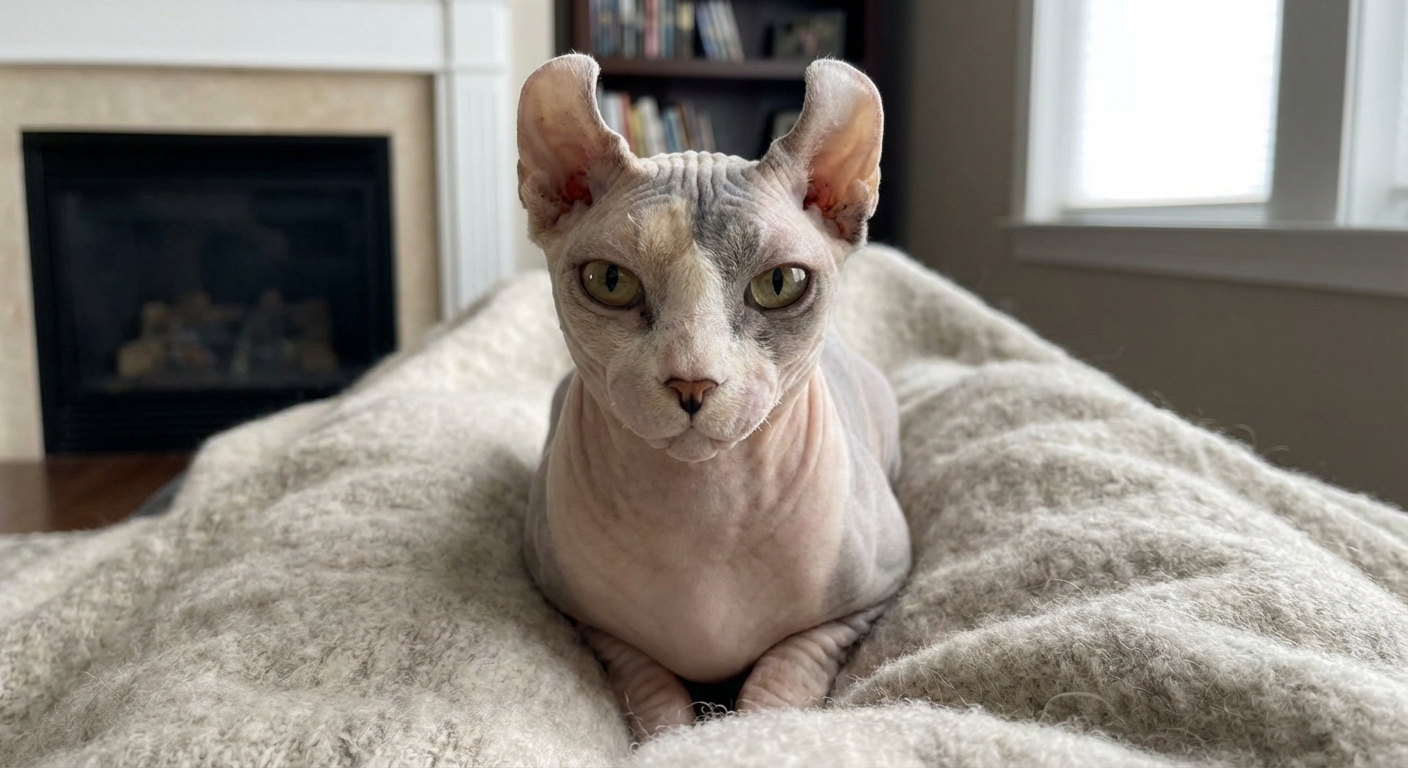
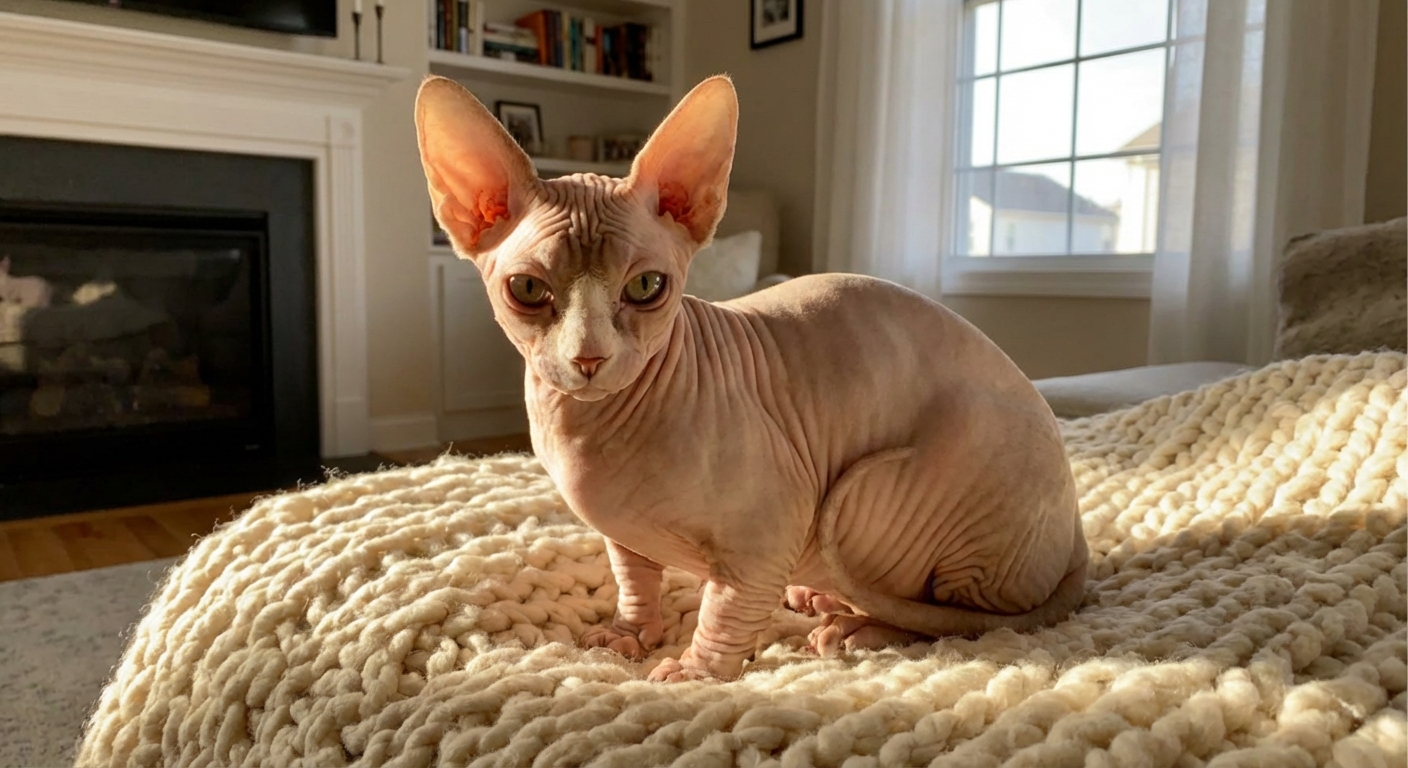
Bambinos are generally small to medium in size, with a muscular, rounded body and short legs. Many have prominent cheekbones, large ears, and expressive eyes. While they are often described as “hairless,” many Bambinos have a fine peach fuzz that is barely visible but can be felt when you pet them.
Typical size and lifespan
- Adult size: Small to medium; many fall roughly in the 5 to 9 pound range, though individuals vary.
- Lifespan: Often comparable to other domestic cats (commonly 12 to 15 years), with genetics, preventive care, and screening playing a big role.
Common physical features
- Coat: Hairless or nearly hairless, sometimes with a soft fuzz
- Skin: Warm, slightly oily feel that requires routine care
- Legs: Short, with normal mobility for most cats but less jumping height
- Colors and patterns: A wide range, visible on the skin like markings
Temperament and Personality
Bambinos are often described as affectionate, curious, and outgoing. Many enjoy greeting visitors, following their people from room to room, and snuggling under blankets. They tend to thrive on interaction and can become lonely if left by themselves for long stretches.
What daily life can feel like
- Social: Often enjoys company, including gentle kids and respectful pets
- Playful: Likes interactive toys and short bursts of activity
- Cuddly: Seeks warmth and may sleep pressed against you
- Smart: Can learn routines quickly and may enjoy puzzle feeders
Temperament matters just as much as looks. If you want a cat who is independent and hands-off, the Bambino is usually not that personality type.
Is a Bambino a Good Pet for You?
The Bambino can be a wonderful companion in the right home, especially for people who enjoy an interactive, indoor-only cat. Because they lack a normal coat, Bambinos are more sensitive to temperature changes, sun exposure, and skin irritation. That means they need a bit more hands-on care than many other breeds.
Bambinos often do best with
- Indoor homes with stable, comfortable temperatures
- Families who enjoy daily handling, grooming, and playtime
- People who work from home or have another friendly pet for company
- Owners who can commit to regular veterinary care and monitoring
They may be a poor fit if
- You want a low-maintenance cat with minimal grooming needs
- Your home is frequently cold, drafty, or extremely sunny indoors
- You travel often and the cat would be alone for long periods
Health Considerations to Know
All breeds can have health risks, and Bambinos have a few important ones to discuss openly. The combination of hairlessness and short legs can bring unique needs, and responsible breeders should be candid about what they are screening for.
Potential concerns
- Skin issues: Hairless cats can develop clogged pores, blackheads, yeast overgrowth, or irritation if the skin is not cleaned regularly.
- Temperature sensitivity: Without fur, they can get chilled easily and can also overheat if exposed to hot sun or overly warm rooms.
- Sunburn risk: Direct sunlight through windows or outdoors can burn exposed skin. Focus on shade, UV-filtering window film, and supervised sun time. If sunscreen is ever recommended, use only a veterinarian-approved pet sunscreen. Never use human sunscreen products that may contain zinc oxide or salicylates.
- Dental disease: Like many cats, they can be prone to plaque buildup, so at-home dental care helps.
- Breed-related heart disease: Sphynx lines may have increased risk of hypertrophic cardiomyopathy. Ethical breeders often use cardiac screening, and your vet may recommend periodic heart evaluation depending on family history.
- Orthopedic considerations: Short-legged lines can be associated with dwarfism-related structural differences, which may increase the risk of joint stress or spinal issues in some individuals. Most Bambinos move well, but it is worth discussing joint and spine history, mobility, and any orthopedic evaluations with the breeder and your veterinarian.
If you are adopting a Bambino, ask for documentation of health testing, veterinary records, and a clear plan for follow-up care. Prevention is always easier than treatment.
Care and Grooming: The Reality of Hairless Skin
Bambinos are not “no grooming” cats. Their skin produces natural oils that would normally be absorbed by fur, so routine cleaning is essential to reduce odor, buildup, and irritation.
Skin and bathing
- Wipe the skin with a soft, damp cloth as needed, especially in skin folds.
- Many Bambinos do well with regular baths, often every 1 to 2 weeks, but frequency can vary. Follow your veterinarian’s or breeder’s guidance based on your cat’s skin condition.
- Dry thoroughly and keep them warm after bathing.
Ear and nail care
- Hairless cats often accumulate more earwax. Check and clean ears gently with vet-approved products.
- Trim nails regularly, and clean the nail beds, since oil can collect there.
Warmth and comfort
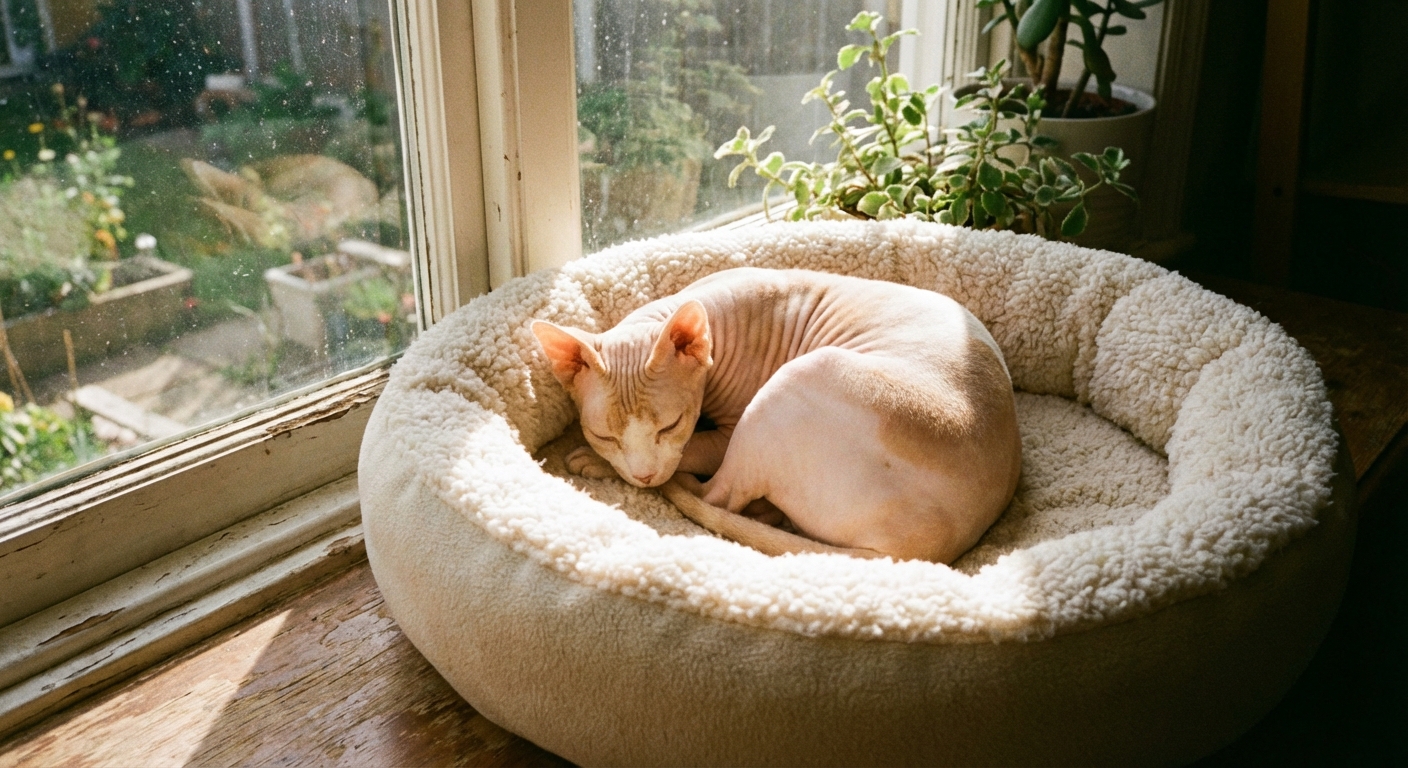
- Provide cozy beds, heated pads designed for pets, and soft blankets.
- Use sweaters only if your cat tolerates them and the fabric does not irritate the skin.
Feeding and Healthy Weight
Because Bambinos may burn more energy staying warm and tend to be active, many have a healthy appetite. The goal is to support lean muscle while preventing excess weight that could strain joints.
Nutrition tips
- Choose a complete and balanced cat food appropriate for your cat’s life stage.
- Prioritize high-quality protein sources and avoid excessive treats.
- Use measured meals rather than free-feeding if weight gain becomes an issue.
- Encourage movement with short play sessions throughout the day.
Small, consistent habits compound into real results over time. A few minutes of play, routine meals, and gentle grooming done consistently can help keep a Bambino thriving.
Exercise, Enrichment, and Training
Bambinos are often confident explorers. They may not jump as high as long-legged cats, but they still enjoy climbing and interactive play. Set up your home to support safe movement and mental stimulation.
Enrichment ideas
- Cat trees with lower steps or ramps for easy access
- Interactive wand toys and short chase games
- Puzzle feeders to slow eating and engage the brain
- Window perches with shade to reduce direct sun exposure
Many Bambinos respond well to positive reinforcement and can learn simple cues, carrier comfort, and gentle handling routines. This makes grooming and vet visits much less stressful.
Living With Children and Other Pets
With proper introductions, Bambinos often do well in families. Their friendly nature can make them a great match for calm, respectful children and social dogs or cats.
Household tips
- Teach children to handle gently and avoid grabbing legs or skin.
- Provide a quiet retreat area where your cat can rest undisturbed.
- Introduce new pets slowly, using scent swapping and supervised time.
- Monitor rough play to protect sensitive skin.
Are Bambino Cats Hypoallergenic?
This is a common question. No cat is truly hypoallergenic. Even without fur, Bambinos still produce allergens, primarily a protein found in saliva and skin secretions. Some people with allergies do better with hairless cats because there is less fur to trap dander, but others still react.
If allergies are a concern, spend time with the breed before committing, and talk with an allergist about practical strategies for your home.
Choosing a Responsible Breeder or Rescue
Because Bambinos are uncommon and visually distinctive, they can attract irresponsible breeding practices. Your best protection is asking good questions and being willing to walk away if answers feel vague.
What to look for
- Transparent health screening practices and veterinary records (including cardiac screening where appropriate)
- Kittens raised in the home with socialization and handling
- A contract that prioritizes the kitten’s welfare, including spay-and-neuter terms when appropriate
- A breeder who asks you questions too, including lifestyle and care plans
Breed-specific rescues and Sphynx-focused rescues sometimes have Bambino mixes. Adoption can be a wonderful option if you are prepared for the same skin and warmth needs.
Cost and Ownership Expectations
It is smart to plan for higher ongoing costs than you might expect with a typical coated cat. Between routine skin care supplies, potential specialty grooming products, and recommended preventive vet care (including possible periodic heart screening), expenses can add up. Pet insurance is worth considering, especially for breeds with known breed-line health risks.
Bottom Line
The Bambino is an affectionate, lively companion with a standout look and a very human-focused personality. In the right home, they can be deeply rewarding, but they are not a low-effort cat. Their skin care, warmth needs, and potential breed-related health considerations make informed ownership essential.
If you love a cuddly, social cat and you are ready for consistent routines, the Bambino can be a truly special addition to your household.