
Build healthier homemade dog meals with a simple cooked-food ratio, plus tips to avoid common gaps like calcium, omega-3s, and key vitamins/minerals. Include...
Article
•
Designer Mixes
Balanced Homemade Dog Food Without Supplements

Shari Shidate
Designer Mixes contributor
If you are drawn to homemade dog food because you want real ingredients you can recognize, you are in good company. I am a veterinary assistant in Frisco, Texas, and I love seeing dogs thrive on thoughtfully prepared meals made from human-food ingredients.
One quick note before we begin: this is general education, not medical advice for your individual dog. Homemade diets can be a great option, but they need to be approached with the same seriousness as any other health decision.
But here is the honest truth up front: creating a fully balanced homemade diet without a commercial vitamin and mineral supplement can be done, but it is hard to do reliably long term unless the recipe is carefully calculated, measured, and consistently followed. Many well-meaning homemade plans end up short on key nutrients, especially calcium, iodine, vitamin D, vitamin E, zinc, copper, selenium, and choline.
This article will show you how to do it as safely as possible using whole-food building blocks, where the common gaps are, and when a supplement is still the kinder, safer choice.

Can homemade be balanced without supplements?
Sometimes, but it takes more structure than most people expect. “Balanced” means your dog is consistently getting the right amounts of:
- Protein and essential amino acids
- Fat and essential fatty acids (including omega-3s)
- Calcium and phosphorus in the right ratio
- Vitamins (A, D, E, K, and B vitamins)
- Minerals (iodine, zinc, copper, manganese, selenium)
- Other essentials like choline
The challenge is that many of these nutrients are difficult to hit with muscle meat and vegetables alone. If you are avoiding commercial supplements, you typically need specific “anchor” ingredients like a measured calcium source (more on that below), oily fish, organ meats, and a consistent iodine plan.
Important: puppies, pregnant or nursing dogs, dogs with kidney disease, pancreatitis, food allergies, heart disease, or a history of bladder stones should not be put on a DIY plan without direct guidance from a veterinarian or a board-certified veterinary nutritionist (ACVN in the US). And even for healthy adult dogs, I am not a veterinarian or a nutritionist. I can help you think through safer choices, but diet formulation is still best done with your veterinary team.
The non-negotiables
1) Calcium has to be right
Meat is naturally high in phosphorus and low in calcium. If you feed meat-heavy meals without enough calcium, the body pulls calcium from bones over time. That is especially risky for growing puppies.
Calcium note: Some people call eggshell or bone “whole food,” but functionally it still acts like supplementation because it is added specifically to meet a nutrient requirement. That is not a bad thing. It is often the safest way to fix the biggest homemade diet gap.
Whole-food style options for calcium:
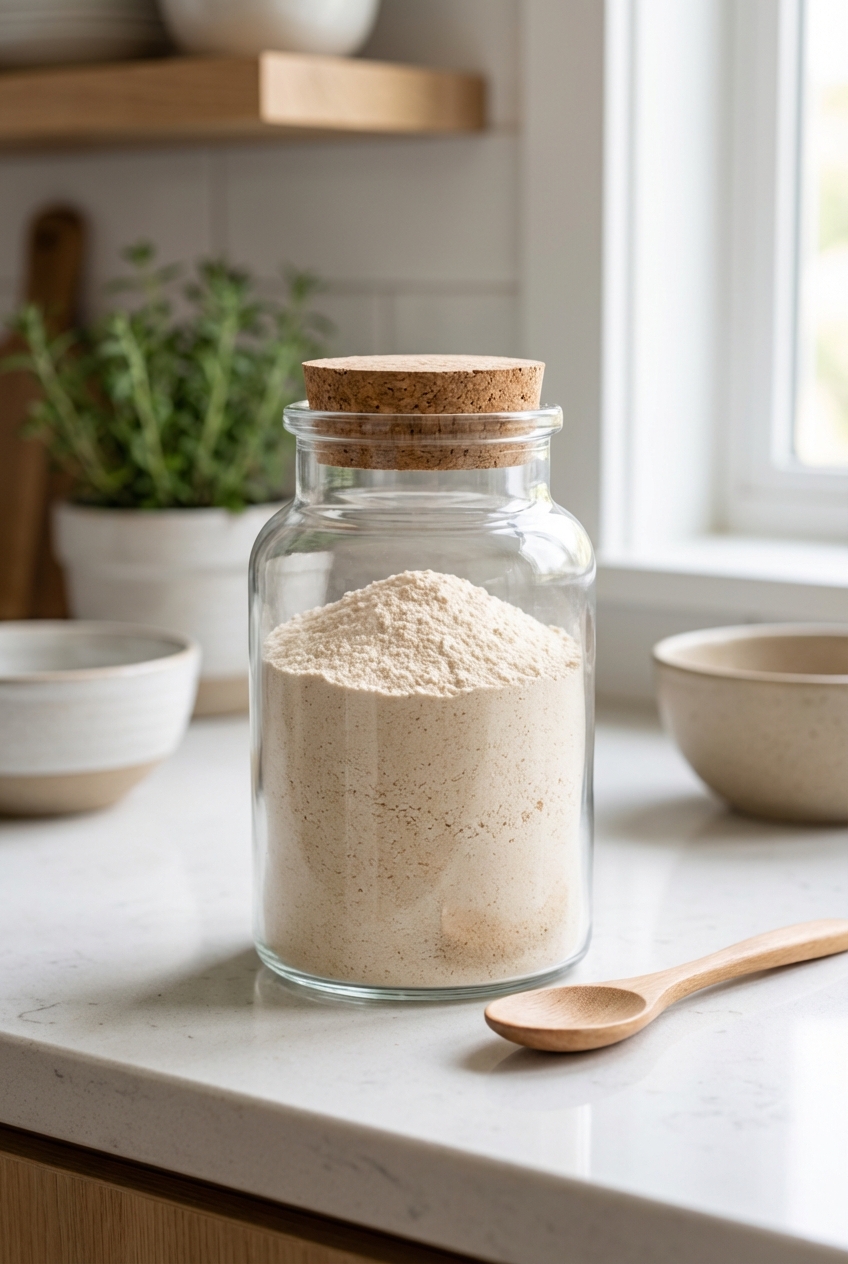
- Finely ground eggshell powder (made from baked, clean shells ground to a fine powder)
- Canned fish with soft, edible bones (sardines or canned salmon in water). Canned salmon is already cooked in the can, and the bones are typically soft and edible.
- Edible bone in raw meaty bones only if your veterinarian agrees and you have experience, due to choking, tooth fracture, obstruction, and perforation risks
Eggshell provides calcium but not phosphorus. That can be perfectly fine for correcting the calcium to phosphorus ratio in meat-based meals, but it is not the same mineral profile as bone.
Bone safety: Never feed cooked bones. Cooked bones splinter and are much more likely to cause injury. If you choose to use raw meaty bones, talk with your veterinarian first and supervise closely.
How to measure calcium safely (practical next step): If you want to avoid a commercial supplement, you still need a calculated calcium plan. The safest path is to (1) ask your veterinarian for a homemade recipe that includes a calcium source with a specific amount in grams, or (2) schedule a recipe formulation or analysis with an ACVN nutritionist. You can also ask your vet for a target like “how much calcium per 1,000 kcal for my dog,” then have the recipe checked so the math matches your dog’s calories and ingredients.
2) Omega-3s and vitamin E often go together
Many homemade diets end up heavy in omega-6 fats and short on omega-3s. A practical food-based fix is adding oily fish.
- Sardines (in water, no added salt when possible). If you cannot find no-salt-added, be mindful of sodium, especially for dogs with heart or kidney disease.
- Salmon and trout: avoid feeding raw. Cook thoroughly to reduce the risk of parasites and illnesses like salmon poisoning disease in certain regions. Canned salmon is already cooked.
One more nuance: when you increase polyunsaturated fats (like fish), vitamin E needs can rise. Vitamin E is a common gap in home-prepared diets, so this is one of the places where a measured supplement is often the simplest safety net. If you are avoiding supplements, ask your vet or nutritionist how to cover vitamin E appropriately for your dog.
Fat caution: oily fish can raise total fat intake. If your dog has had pancreatitis or struggles with high-fat foods, talk with your vet before adding fish regularly, and consider smaller portions or lower-fat options.
3) Organs matter (small amounts)
Organ meats provide nutrients that are tough to replace, including vitamin A, copper, and several B vitamins. The key is portion control.
- Liver: nutrient dense, use small amounts
- Other organs (kidney, spleen): add variety when available
Practical guardrail: liver should be a small part of the overall diet, not a daily “main protein.”
Safety note: Too much liver can push vitamin A too high and can also contribute to loose stool. This is another area where “more” is not better.
4) Iodine is easy to miss (and easy to overdo)
Iodine supports thyroid function, and many homemade diets are iodine-poor unless you intentionally include a source.
- Seaweed can provide iodine, but amounts vary widely between products and species. Kelp, in particular, tends to be very high.
- Whole fish helps a bit, but may not reliably meet needs alone
Because seaweed iodine is so variable, it is possible to overdo iodine and create thyroid problems over time. Both deficiency and excess can be an issue. If you want to stay commercial-supplement-free, talk with your vet about a consistent, tested iodine source and a safe amount.
5) Vitamin D is a common sticking point
Vitamin D is important for bone health and many body systems, and it is hard to meet consistently with whole foods alone without overshooting calories or risking imbalance. Fatty fish can help, but for many dogs, reliably meeting vitamin D needs is one reason veterinary nutritionists recommend a measured supplement or a professionally formulated recipe.
A simple plate method
Instead of guessing each meal, think in weekly building blocks. Some nutrients can average out over time, but others should be steady.
Key nuance: calcium should be consistent day to day in adult dogs, and it is especially critical in growing dogs. A few vitamins and trace nutrients can be balanced over a week, but do not treat calcium like a weekly average.
Core structure (adult dogs)
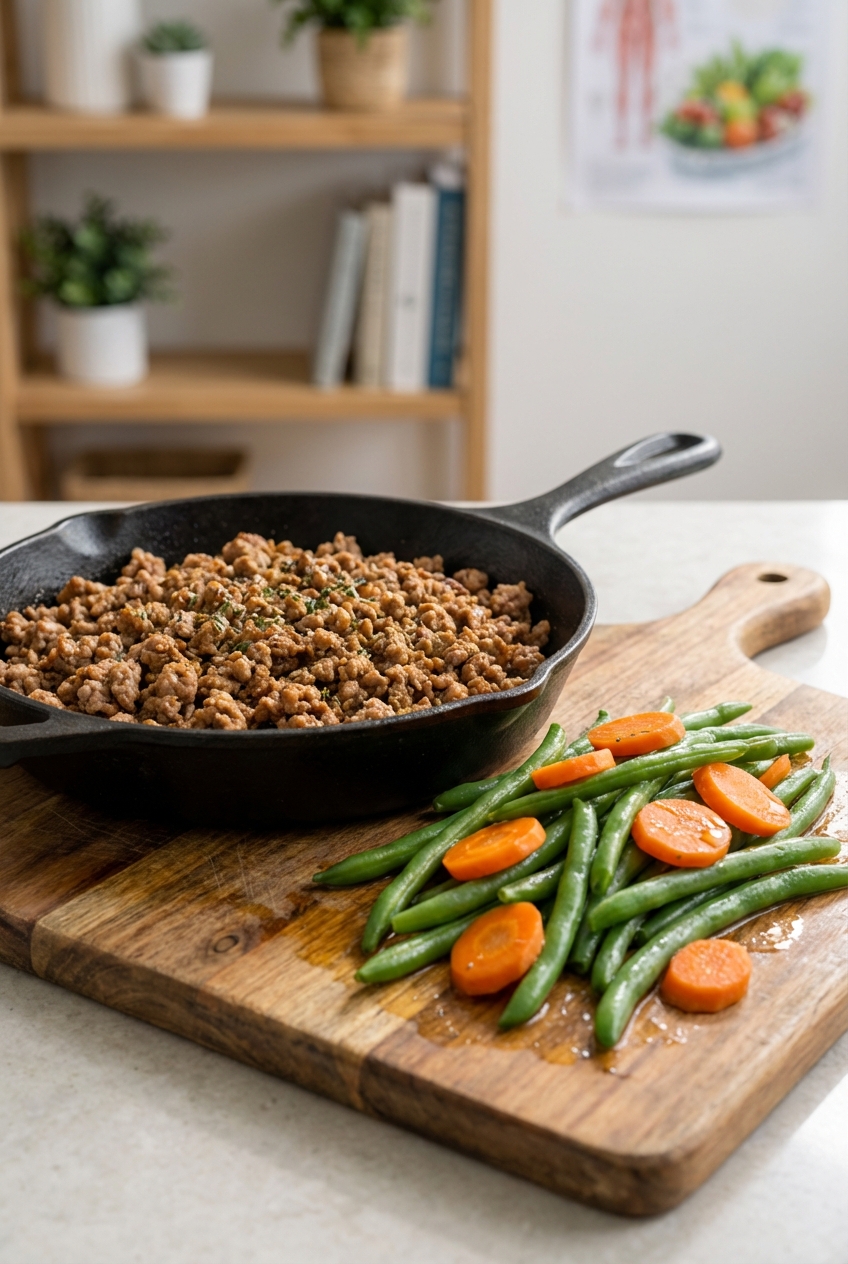
- Protein base: cooked lean meat (chicken, turkey, beef, pork, or cooked eggs)
- Calcium source: measured eggshell powder or bony canned fish
- Vegetables: lightly cooked and chopped or pureed for better digestion
- Healthy carbs (optional, but helpful for many dogs): rice, oats, quinoa, or sweet potato
- Omega-3: sardines or cooked salmon a few times per week
- Organ meat: small servings weekly
Vegetables that tend to be well tolerated
- Carrots
- Zucchini
- Green beans
- Broccoli (small amounts)
- Spinach (small amounts)
- Pumpkin
Carbs that work well for many dogs
- White or brown rice
- Oats
- Quinoa
- Sweet potato
Tip from the clinic: sudden fiber changes can cause soft stool. Start with small veggie amounts and increase slowly.
Example week framework
This is a framework, not a medical prescription and not formulated to meet AAFCO or NRC targets for every dog. Portion sizes and nutrient needs vary by age, ideal weight, activity level, and health status. If you want a truly “complete and balanced” homemade plan, ask your vet about an ACVN-formulated recipe or a recipe analysis.
Plain-language warning: even if you follow this framework perfectly, it can still be deficient or excessive without calculated amounts and a nutrition review.
3 to 4 days per week
- Cooked muscle meat (rotating proteins)
- Cooked veggie mix
- Cooked grain or potato (optional)
- Measured calcium source mixed in after cooking (eggshell powder or bony canned fish)
2 days per week
- Replace part of the meat with sardines or cooked salmon (or canned salmon)
1 to 2 days per week
- Add a small amount of liver plus another organ if available
What makes this approach stronger than a random recipe is that it intentionally covers calcium, omega-3s, and organ-based micronutrients. The remaining “hard” nutrients are often iodine, vitamin D, vitamin E, zinc, selenium, and choline, which is why many dogs do best with a veterinary-formulated recipe or a measured supplement plan.
Portioning basics
I cannot give one portion that fits every dog, but you can use a simple, practical method:
- Start with your dog’s ideal weight, not always their current weight.
- Track body condition weekly (ribs should be easy to feel with a light fat cover).
- Adjust by 5 to 10 percent if your dog is gaining or losing too fast.
- Count treats. Treat calories add up quickly and can throw off balance if they replace too much of the meal.
If you want more precision, your vet can help estimate daily calories (RER and MER) and translate that into grams of your chosen recipe.
Food safety tips
- Cook meats thoroughly to reduce pathogen risk, especially in homes with kids, seniors, or immunocompromised family members.
- Cool quickly and store safely: refrigerate within 2 hours, freeze extra portions in meal-sized containers.
- Avoid toxic foods: onions, garlic, grapes, raisins, macadamia nuts, and xylitol-containing products.
- Go slow on rich foods (fatty cuts, too much liver, frequent oily fish) to avoid GI upset and pancreatitis flares.
- Watch salt: avoid heavily salted meats, broths, and canned items with added sodium.
When no supplements is not worth it
I love whole foods. I also love dogs too much to pretend every dog can thrive on a plan that avoids supplements completely.
Consider using a veterinarian-recommended supplement or a veterinary-formulated recipe if:
- Your dog is a puppy or a large-breed puppy
- Your dog is pregnant or nursing
- Your dog has kidney disease, pancreatitis, heart disease, or bladder stones
- You cannot commit to measuring key ingredients (especially calcium and iodine sources)
- Your dog is picky and you cannot keep the plan consistent
- You are trying to manage a medical issue (itching, ear infections, GI disease) without veterinary guidance
Homemade food should reduce stress, not create it. If a tiny scoop of a measured supplement makes the whole diet safer and more complete, that is still a win for your dog.
How to tell it is working
Your dog will tell you a lot if you know what to watch:
- Body condition: you should be able to feel ribs easily with a light fat cover
- Stool quality: firm, easy to pick up, not overly large
- Coat and skin: less dandruff, less itch, good shine
- Energy: steady energy, not hyper then crashing
- Vet checkups: ask your vet if periodic bloodwork is appropriate
If something seems off, do not push through. Adjust slowly, and loop in your veterinary team.
Bottom line
Balanced homemade dog food without commercial supplements is not about trendy ingredients. It is about covering the nutritional basics with whole-food building blocks, especially calcium, omega-3s, and organs, while also having a realistic plan for harder nutrients like iodine, vitamin D, vitamin E, zinc, selenium, and choline.
If you want to try it, start simple, measure carefully, rotate intentionally, and check in with your veterinarian before making big changes. A calm, steady approach is how you build a diet that supports real health and longevity.