Learn a safe, slow approach to feline weight loss with homemade cooked meals. Get vet checklists, calorie basics, transition tips, portion control, and balan...
Article
•
Designer Mixes
Balanced Homemade Cat Food for Weight Loss

Shari Shidate
Designer Mixes contributor
If your cat needs to slim down, diet is usually the biggest driver you can control. And here is the part I love as a veterinary assistant: weight loss does not have to mean “less joy” or a hungry, cranky kitty. With a balanced homemade plan, you can keep meals high in protein, moderate in fat, low in unnecessary carbs, and portioned precisely so your cat loses weight safely.
Important note: Homemade diets are higher-effort, and small mistakes are common (and can add up fast). A homemade diet can work beautifully, but it needs to be balanced and guided by your veterinarian or a board-certified veterinary nutritionist, especially if your cat has diabetes, kidney disease, urinary crystals, pancreatitis, hyperthyroidism, or is on any medication.
Why cats gain weight
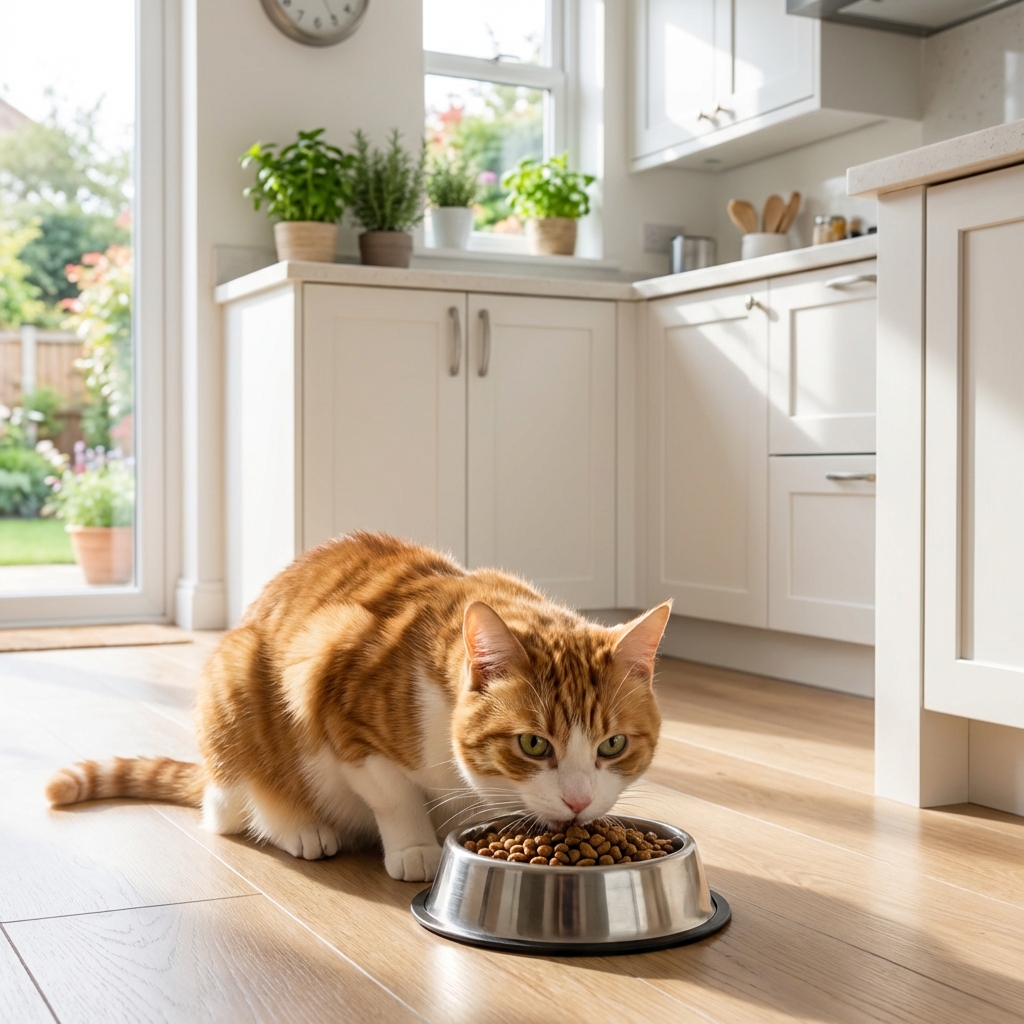
Most indoor cats are built for short bursts of hunting, not constant grazing. When calories stay high but activity stays low, weight creeps up. Common real-life culprits include free-feeding kibble all day, generous treats, “just a bite” of people food, and multi-cat homes where one cat eats everyone’s leftovers.
Extra pounds in cats are more than cosmetic. Obesity increases risk for diabetes, arthritis and pain, skin issues, and a higher risk of lower urinary tract issues in some cats. It also raises the risk for a potentially life-threatening condition called hepatic lipidosis (fatty liver), especially if a cat stops eating.
The goal is not a crash diet. The goal is slow, steady fat loss while protecting lean muscle, hydration, and essential nutrients.
What “balanced” means
Cats are obligate carnivores. Their bodies are designed to run on animal-based protein and fat, with minimal carbohydrate. But “high protein” alone is not the same as “complete and balanced.” For weight loss, you still must provide key nutrients every day, including:
- Taurine (critical for heart, eyes, and reproduction)
- Calcium and phosphorus in the correct ratio (especially if you feed boneless meat)
- Vitamin A in the correct form and dose (cats cannot convert plant beta-carotene efficiently)
- B vitamins, including niacin and thiamine
- Essential fatty acids (like arachidonic acid, plus omega-3s for inflammation support)
- Iodine and trace minerals (zinc, copper, manganese, selenium)
That is why most veterinary nutritionists recommend using a formulated feline supplement “completer” designed for homemade diets, rather than trying to DIY vitamins with guesswork.
Safe weight loss goals
Safe weight loss is often about 0.5% to 1% of body weight per week. Some cats may be managed up to 2% per week under close veterinary supervision. Going too fast can increase the risk of hepatic lipidosis, particularly in overweight cats.
To keep your plan safe and measurable:
- Weigh your cat weekly on a baby scale or a human scale (weigh yourself, then weigh yourself holding the cat).
- Have your veterinary team check body condition score (BCS) every 2 to 4 weeks to confirm progress.
- Never let an overweight cat fast. If your cat will not eat at all, call your veterinarian the same day. If your cat refuses food for 24 hours (or is eating significantly less), treat it as urgent.
- Track progress you can see. Monthly photos from above and from the side, or a simple girth measurement, can help when day-to-day changes are hard to notice.
How homemade helps
When done correctly, homemade meals can support weight loss because you control:
- Portion size to the gram
- Protein quality to protect lean muscle
- Moisture (wet-style meals can help cats feel fuller and support urinary health)
- Ingredient simplicity if food sensitivities or GI upset are part of the picture

Calorie targets
Most people eventually ask, “How many calories should I feed?” This is where your veterinarian can help you do it safely. Many clinics use a resting energy requirement (RER) estimate, then set a controlled weight-loss target based on your cat’s current weight, goal weight, age, activity level, and medical history.
Two practical tips that keep you out of trouble:
- Do not guess based on volume. Homemade food density varies a lot, so measuring cups can mislead you.
- Plan treats into the total. If treats are not counted, weight loss often stalls.
Best proteins for slimming
For weight loss, we usually focus on lean, animal-based proteins that your cat tolerates well. Common options include:
- Skinless chicken breast or thighs (thighs are a bit higher fat)
- Turkey (often lean and well accepted)
- Rabbit (great for some sensitive cats, but can be pricier)
- Lean beef cuts in moderation
Fish can have a place, but it is usually best as an occasional ingredient rather than the daily foundation. Depending on the type and preparation, concerns can include contaminants (like mercury in some species), higher phosphorus or sodium in some products, and nutrition problems if a cat is fed fish-heavy or fish-only diets. Also, raw fish can contain thiaminase, which can contribute to thiamine deficiency. If you want fish in the rotation, ask your veterinarian what makes sense for your cat.
Carbs and fiber
Most cats do not need carbohydrate-heavy ingredients for healthy weight loss. Cats can digest some cooked carbs, but carbs are not a nutritional requirement for them.
Small amounts of low-starch fiber can help some cats feel fuller and improve stool quality. Options your vet may approve include:
- Psyllium husk (tiny amounts can go a long way)
- Plain canned pumpkin (not pumpkin pie filling)
Always introduce fiber slowly and monitor stool and appetite. Too much fiber can reduce calorie absorption unpredictably or cause GI upset.
Use a feline completer
If you feed cooked, boneless meats (which most people do for convenience and food safety), you must add vitamins and minerals to make the recipe complete. The easiest evidence-based path is to:
- Choose a vet-recommended homemade diet supplement formulated for cats.
- Follow the label recipe precisely, including the exact meat amount and whether it is cooked or raw.
- Use a kitchen scale for accuracy.
This approach is also helpful for weight loss because you can keep recipes consistent and adjust calories in a controlled way rather than constantly changing ingredients.
Sample meal framework
Because every cat’s needs are different, I cannot safely give a one-size-fits-all complete recipe without your cat’s weight, health history, and calorie target. But here is a practical framework you can review with your veterinarian or nutritionist:
- Base: cooked lean animal protein (measured by weight)
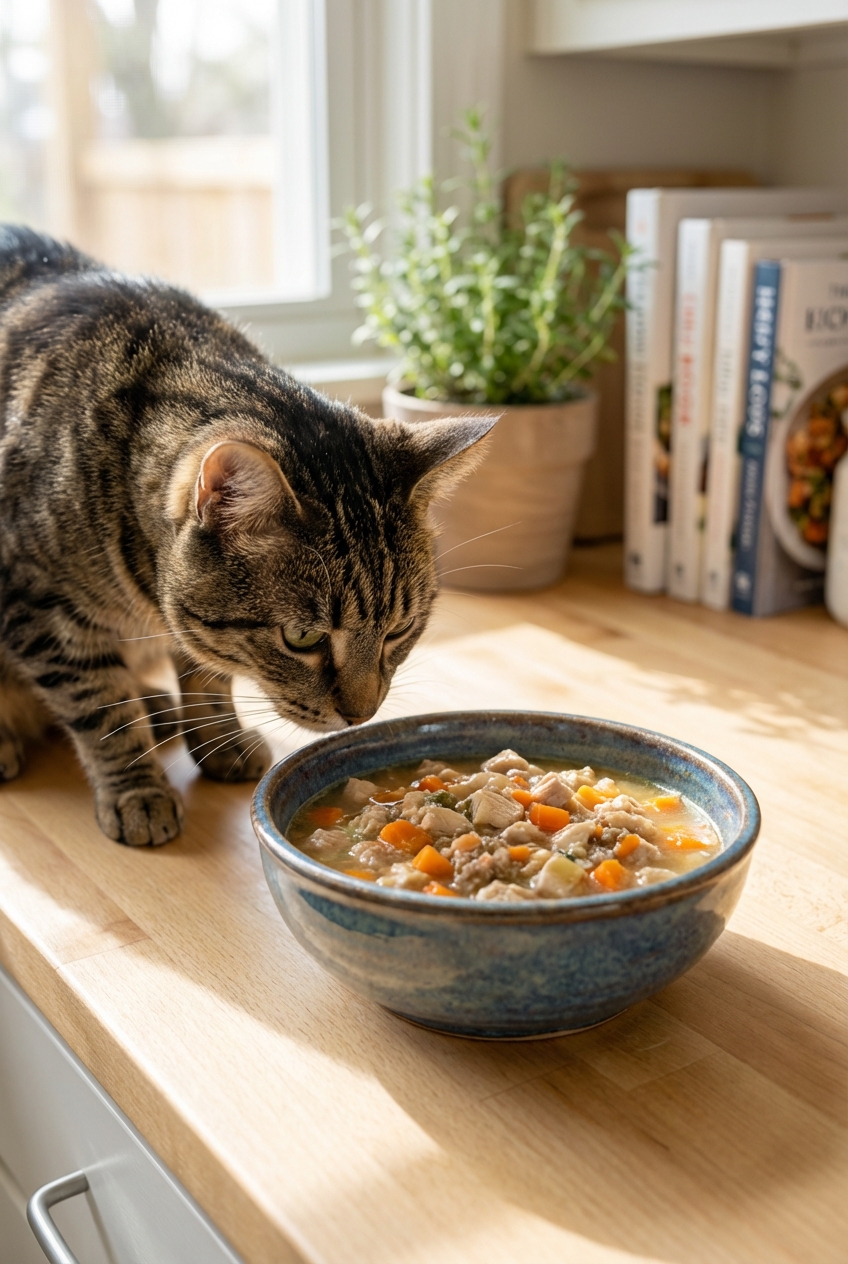
- Moisture: add warm water or unsalted broth (onion, garlic, and powder-free) to make a soft, wet texture
- Balance: a feline completer supplement mixed in after cooking and cooling slightly, per label directions
- Optional fiber: tiny amount of psyllium or pumpkin if your vet recommends it
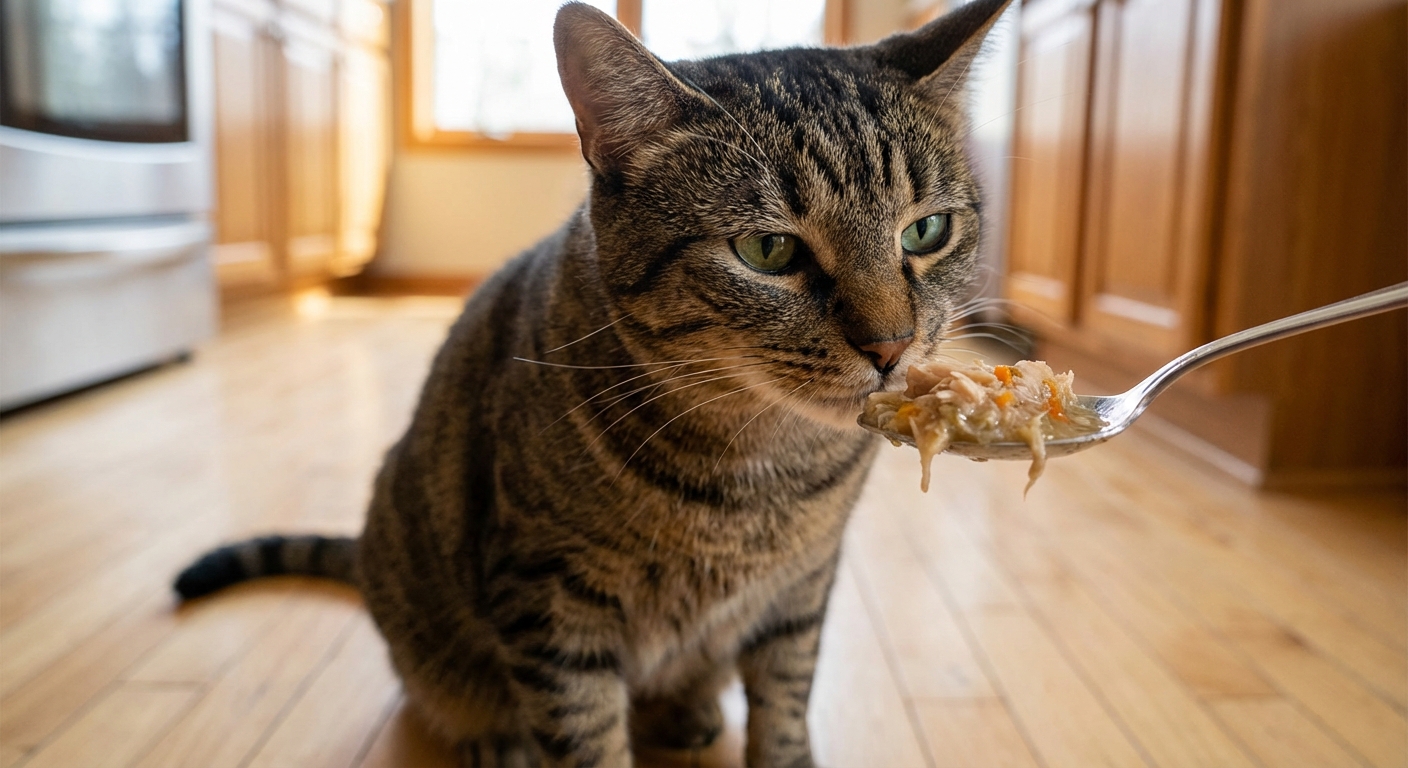
Portion into multiple small meals per day. Many cats do best with 3 to 6 mini-meals, which can reduce begging and help with steady energy.
Cooked vs raw safety
For most households, I focus on cooked homemade diets for safety and consistency unless your veterinarian specifically directs otherwise. If you handle raw ingredients at all, be strict about hygiene (handwashing, disinfecting surfaces, safe storage) to reduce risk to your cat and your family.
Transition slowly
Cats can be very opinionated about food changes. A gradual transition protects their gut and lowers the risk of refusal.
- Days 1 to 3: 75% current food, 25% new homemade
- Days 4 to 6: 50% current food, 50% new homemade
- Days 7 to 10: 25% current food, 75% new homemade
- Day 11+: 100% new homemade if stool and appetite are stable
If your cat has a history of vomiting, diarrhea, inflammatory bowel disease, or food allergies, go even slower and check in with your vet sooner rather than later.
Portion control
For weight loss, portioning matters as much as ingredient quality. Here are the habits I see succeed again and again:
- Feed by grams, not “scoops.” A digital kitchen scale is your best friend.
- Calculate treats into the daily calories. Treats should usually be no more than 10% of calories.
- Use puzzle feeders for part of the meal to slow eating and increase activity.
- Track weekly weight and adjust portions with your veterinary team if loss is too fast or too slow.
Smarter treat options
Treats do not have to sabotage your plan. A few lower-calorie options many cats love:
- Use a small portion of your cat’s daily ration as “treats”
- Freeze-dried meat treats, crumbled into tiny pieces
- A teaspoon of the same balanced homemade food, offered as a reward
Avoid fatty table scraps, dairy, and high-calorie people food. These are easy to overdo, and some ingredients are unsafe for cats.
Activity helps too
Diet does the heavy lifting, but a little more movement makes weight loss easier to maintain. Aim for short, realistic wins:
- Two to three 5-minute play sessions daily (wand toys, chase games)
- Encourage climbing (cat trees, window perches)
- Use food puzzles and scatter feeding to add “hunt time” back into the day
Common mistakes
- Feeding only meat. This is one of the fastest ways to create dangerous deficiencies (especially taurine and calcium).
- Guessing at supplements. More is not better. Some vitamins can be harmful in excess.
- Too rapid calorie cuts. Cats should not crash diet.
- Using broth with onion or garlic. Both can be toxic to cats, including in powdered form.
- Not considering medical causes. If weight is changing unexpectedly, rule out thyroid disease, diabetes, and other issues.
Call your vet now
Please call your veterinarian promptly if your cat:
- Stops eating or eats significantly less (especially if overweight)
- Vomits repeatedly, has watery diarrhea, or shows signs of dehydration
- Seems painful, lethargic, or is hiding more than usual
- Has rapid weight loss, even if weight loss is the goal
Healthy weight loss should look boring. Steady appetite, steady energy, gradually improving body shape.
The bottom line
Balanced homemade cat food can be a wonderful tool for weight loss when you do three things consistently: keep protein high, keep portions precise, and keep the recipe nutritionally complete. Start slow, measure carefully, and partner with your veterinarian so your cat loses fat safely while keeping muscle, energy, and that wonderful cat sparkle.