Periodontal disease is common and often hidden. Learn the 4 stages, at-home warning signs, how dental cleanings work, typical costs, and prevention steps to ...
Article
•
Designer Mixes
Bad Breath in Dogs: Facts Every Owner Should Know

Shari Shidate
Designer Mixes contributor
If your dog’s breath could peel paint, you are not alone. As a veterinary assistant in Frisco, Texas, I hear this concern all the time. The good news is that “dog breath” is not something you just have to live with. Bad breath is often a clue that something in your dog’s mouth, gut, or overall health needs attention.
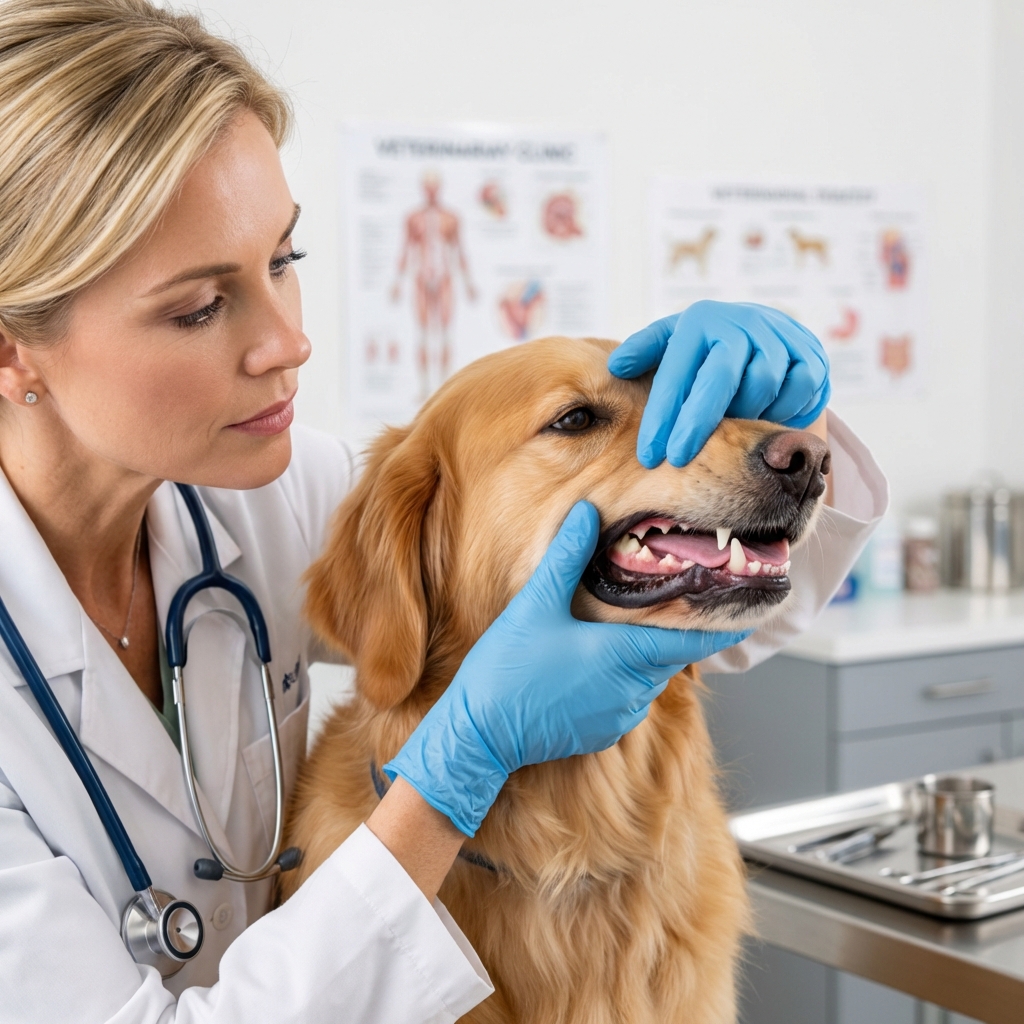
First fact: Most bad breath starts in the mouth
In most cases, especially in adult dogs, persistent bad breath (halitosis) is linked to dental disease. Plaque builds up, hardens into tartar, and bacteria thrive along the gumline. Those bacteria produce odor, and over time they can cause gingivitis, pain, loose teeth, and infection.
What it can look like at home
- Yellow or brown tartar on teeth, especially the back molars
- Red, puffy, or bleeding gums
- Drooling, pawing at the mouth, or chewing on one side
- Reluctance to eat crunchy food or toys that were once “favorites”
Why this matters: dental disease is not just a cosmetic issue. Oral bacteria and inflammation may affect the whole body, and dental pain often goes unnoticed. Treating dental problems early is one of the most impactful ways to improve comfort and long-term health.
Another quick mouth check
- Something stuck between teeth (hair, string, a small piece of stick)
- A sore, cut, or irritated spot on the gums
Second fact: A fishy smell can be anal glands
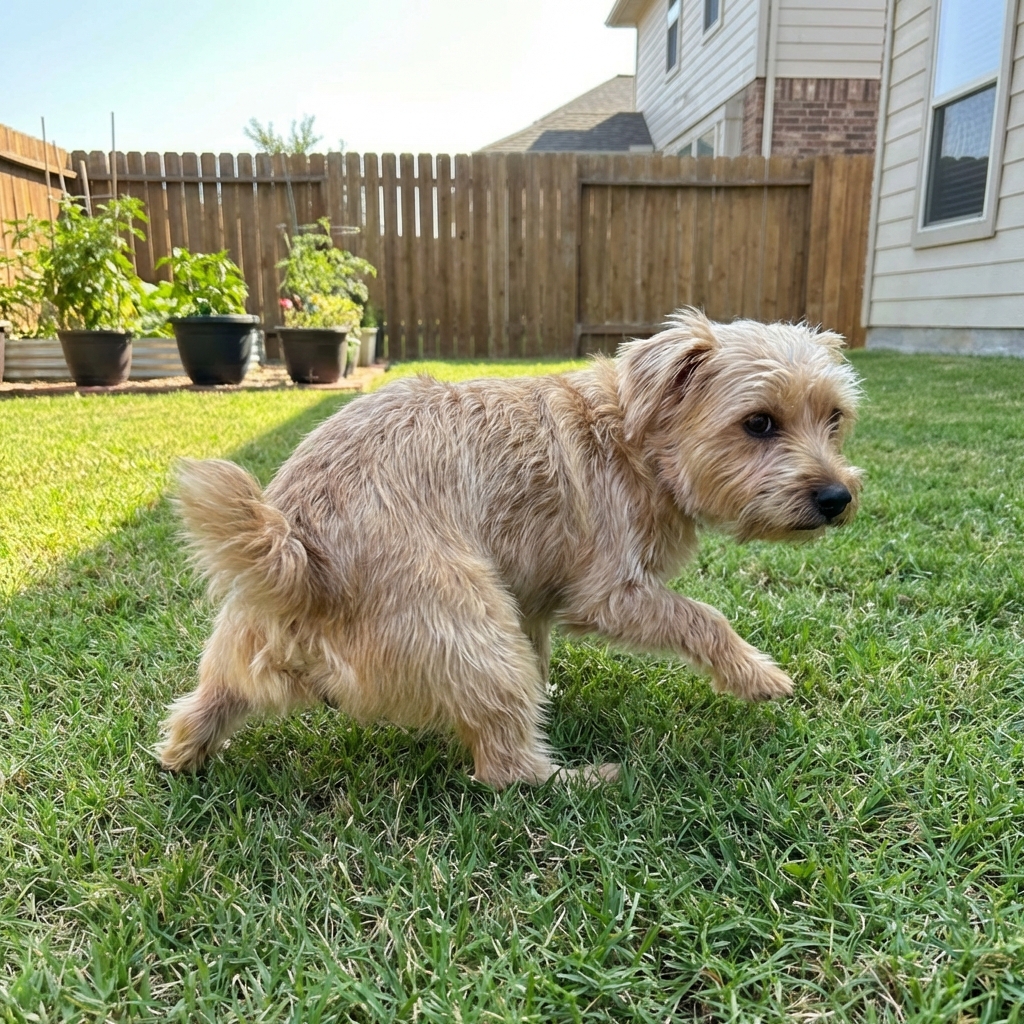
If the smell is more fishy or metallic than “rotting teeth,” many owners are surprised to learn it can be related to anal glands. The smell is often noticed on your dog’s body, and sometimes on the breath after they lick the area. Dogs may lick the rear, scoot, or suddenly have a strong odor that comes and goes.
Anal gland issues are common, and they can worsen when stool is consistently soft. Firmer, well-formed stools help naturally express glands during bowel movements.
Third fact: Breath can reflect the gut
Some dogs have bad breath tied to gastrointestinal causes, such as reflux, dietary intolerance, or eating things they should not. If your dog’s breath is worse in the morning, worsens after meals, or is paired with frequent licking, gulping, burping, or vomiting, it is worth discussing with your vet.
Common contributors
- Eating stool (coprophagia) or scavenging outdoors
- Very rich treats, strongly scented fish-based treats, or abrupt diet changes
- Chronic nausea or reflux
Actionable tip: if you are transitioning foods, go slow over 7 to 14 days and watch stool quality. A stable gut often means a fresher mouth.
Fourth fact: Some odors are red flags
Most bad breath is dental, but certain smells raise concern for systemic illness. Breath alone cannot diagnose a condition, but it can tell you it is time to book an exam.
Odors you should not ignore
- Sweet or acetone-like: can be associated with diabetes or ketosis
- Ammonia or urine-like: can be associated with kidney disease
- Foul and “rotting” with mouth pain or swelling: possible tooth root infection or oral mass
If you notice increased thirst, weight loss, decreased appetite, lethargy, vomiting, or changes in urination along with bad breath, please schedule a veterinary visit promptly.
Fifth fact: Some dogs are higher risk
Many families in the Designer Mixes community have small breeds or brachycephalic pups (short-nosed dogs). These dogs are adorable, but their anatomy often makes dental disease more likely. Crowded teeth and abnormal tooth alignment trap plaque, and that can accelerate periodontal disease.
Bottom line: if you have a small dog, do not wait for “stinky breath” to start. A prevention routine early in life is much easier than catching up later.
What helps bad breath
You do not need to do everything at once. Choose one or two steps and build from there. Consistency beats perfection.
At-home steps with the best payoff
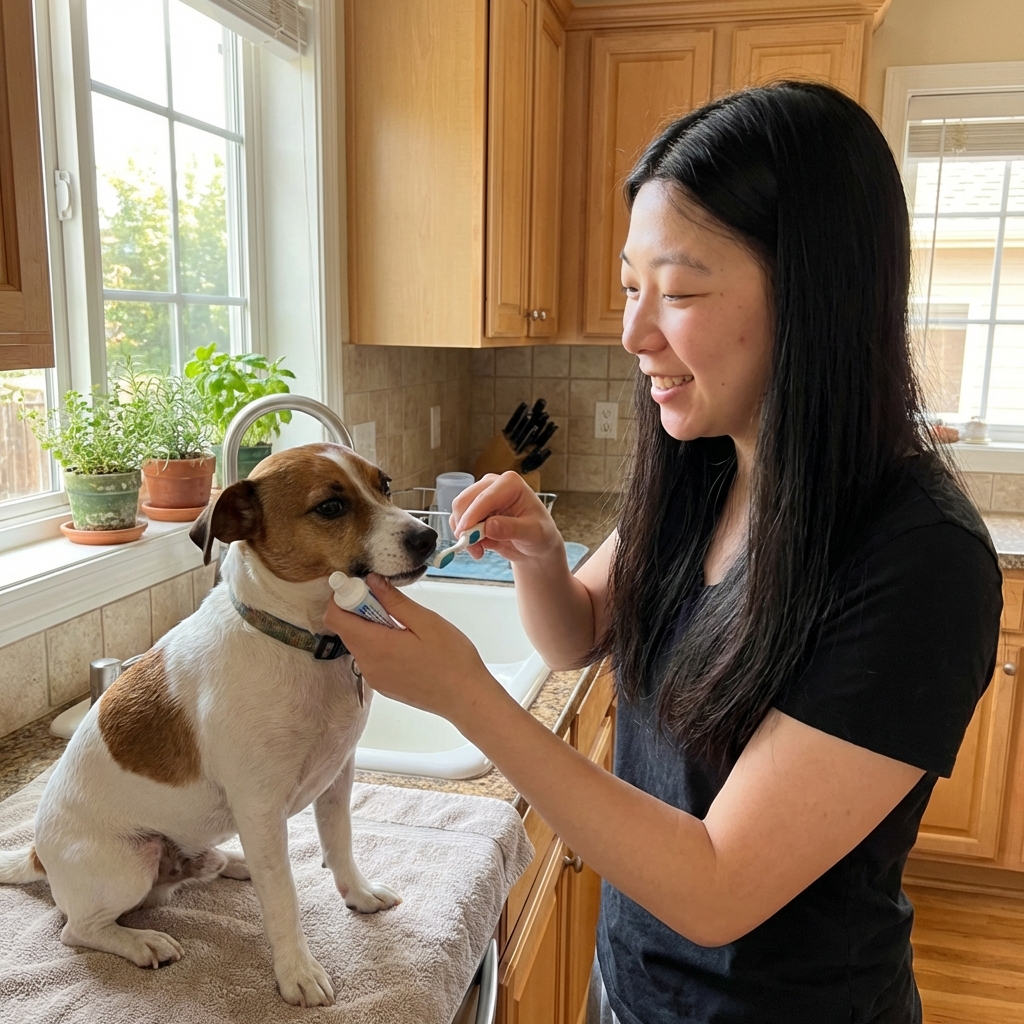
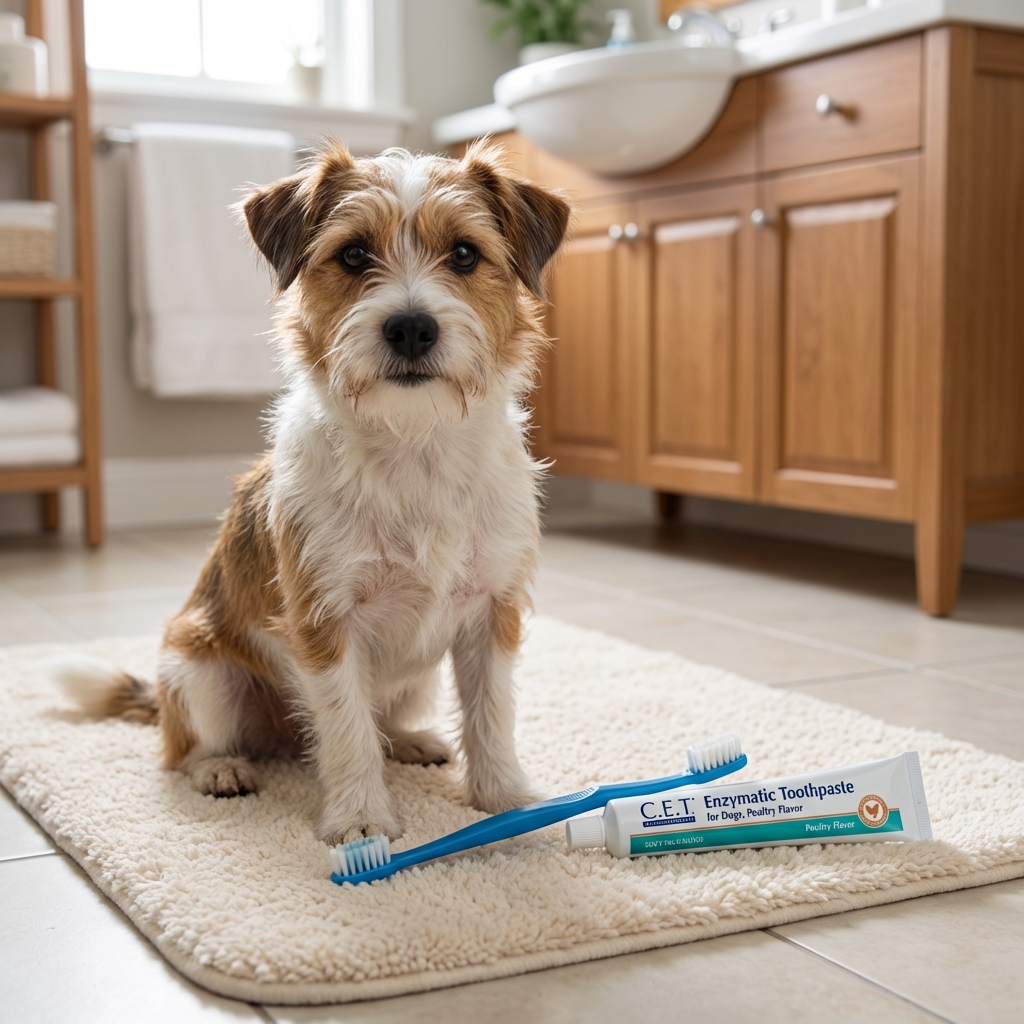
- Brush teeth: ideally daily, but even 3 to 4 times per week helps. Use dog-safe toothpaste only.
- Use VOHC-accepted products: the Veterinary Oral Health Council seal means evidence supports plaque and tartar reduction.
- Schedule professional dental cleanings when needed: brushing cannot remove tartar under the gumline.
- Support chewing safely: choose dental chews and toys that do not crack teeth. As a rule of thumb, if you cannot indent it with a fingernail, it may be too hard.
- Feed for gut and stool quality: a well-tolerated diet with appropriate fiber can help both breath and anal gland health.
About professional cleanings
This comes up in our clinic all the time, so I like to say it plainly. A thorough dental cleaning is typically done under anesthesia so the team can clean below the gumline, take dental x-rays when needed, and treat painful teeth safely. If you ever see “anesthesia-free dentistry,” ask your vet what is included, since it is not the same as a complete dental procedure.
Brushing starter plan
- Days 1 to 3: let your dog lick toothpaste from your finger
- Days 4 to 6: rub the outer gums and teeth with your finger
- Days 7 to 14: introduce a soft brush and do short sessions
If your dog shows pain, pulls away suddenly, or yelps, stop and schedule an oral exam. Resistance is not always “stubbornness.” It can be discomfort.
What to avoid
- Human toothpaste (it can contain ingredients that are unsafe for dogs)
- Hydrogen peroxide rinses unless your vet specifically instructs you
- Essential oils or DIY “breath fresheners” unless vet-directed
When to call the vet
Bad breath that lasts more than a week or two, especially with visible tartar or gum redness, deserves a professional look. Call sooner if you notice any of the following:
- Bleeding gums, facial swelling, or a lump in the mouth
- Dropping food, chewing oddly, or refusing kibble
- Vomiting, diarrhea, or appetite changes along with odor
- Sweet, ammonia-like, or suddenly extreme breath changes
Bad breath is information. When we listen to it early, we can often prevent pain, tooth loss, and bigger health issues later.
Quick takeaway
Most bad breath comes from dental disease, and that means it is treatable and preventable. Start small: a brushing routine, evidence-based dental products, and timely vet care can make a dramatic difference in comfort and freshness.