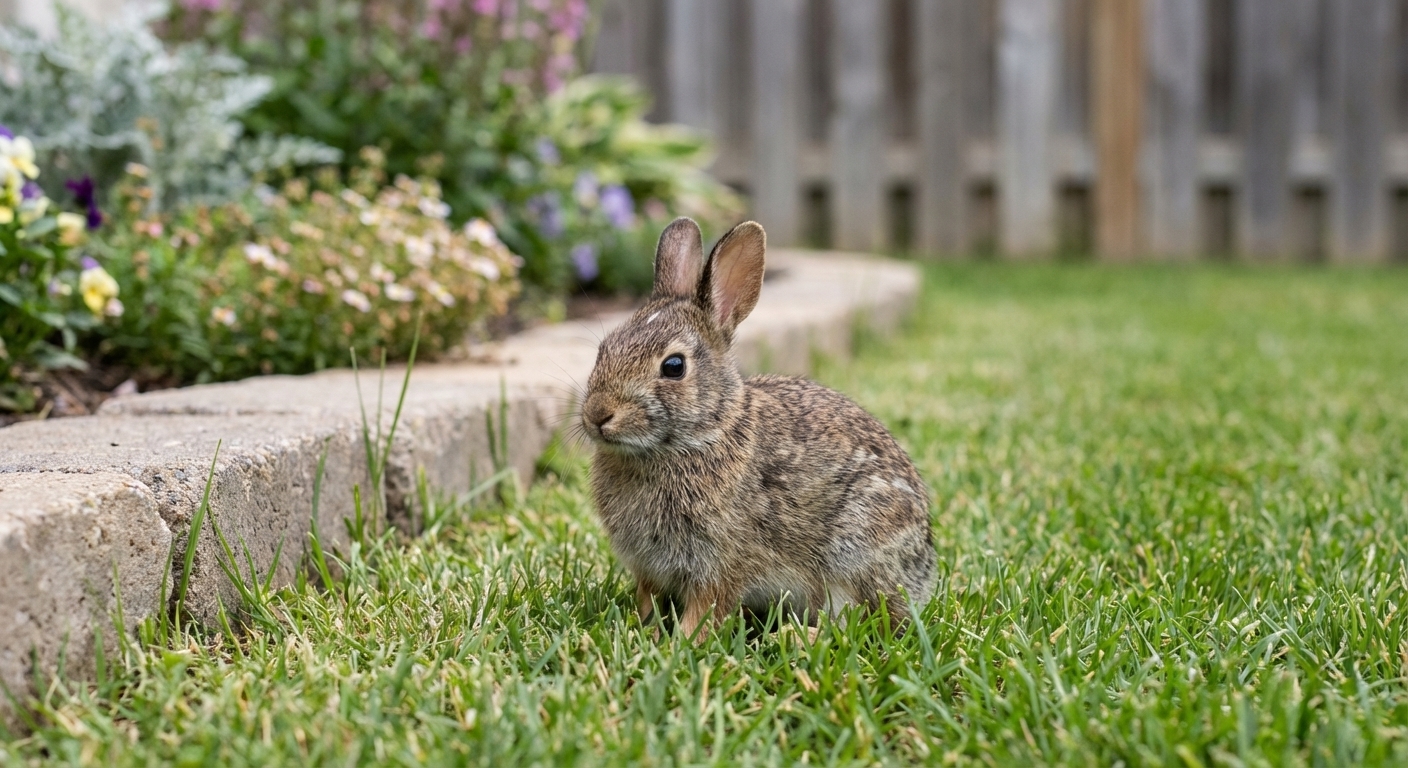
Baby Bunny Care

Baby bunnies are tiny, quiet, and surprisingly delicate. Whether you have a pet rabbit litter in a nest box or you just found a “baby bunny” outdoors, the first weeks are all about doing the least harm while meeting very specific needs: warmth, safe feeding (when truly needed), clean housing, and a timely veterinarian check.
As a veterinary assistant here in Frisco, Texas, I have seen well-meaning people accidentally worsen a kit’s chances by feeding the wrong thing or handling too much. So let’s walk through what to do, step by step, with special notes for wild bunnies versus pet rabbits.
Scope note: This is general guidance, not a substitute for hands-on veterinary care or wildlife rehabilitation advice. When in doubt, call a rabbit-savvy veterinarian or a licensed wildlife rehabilitator.
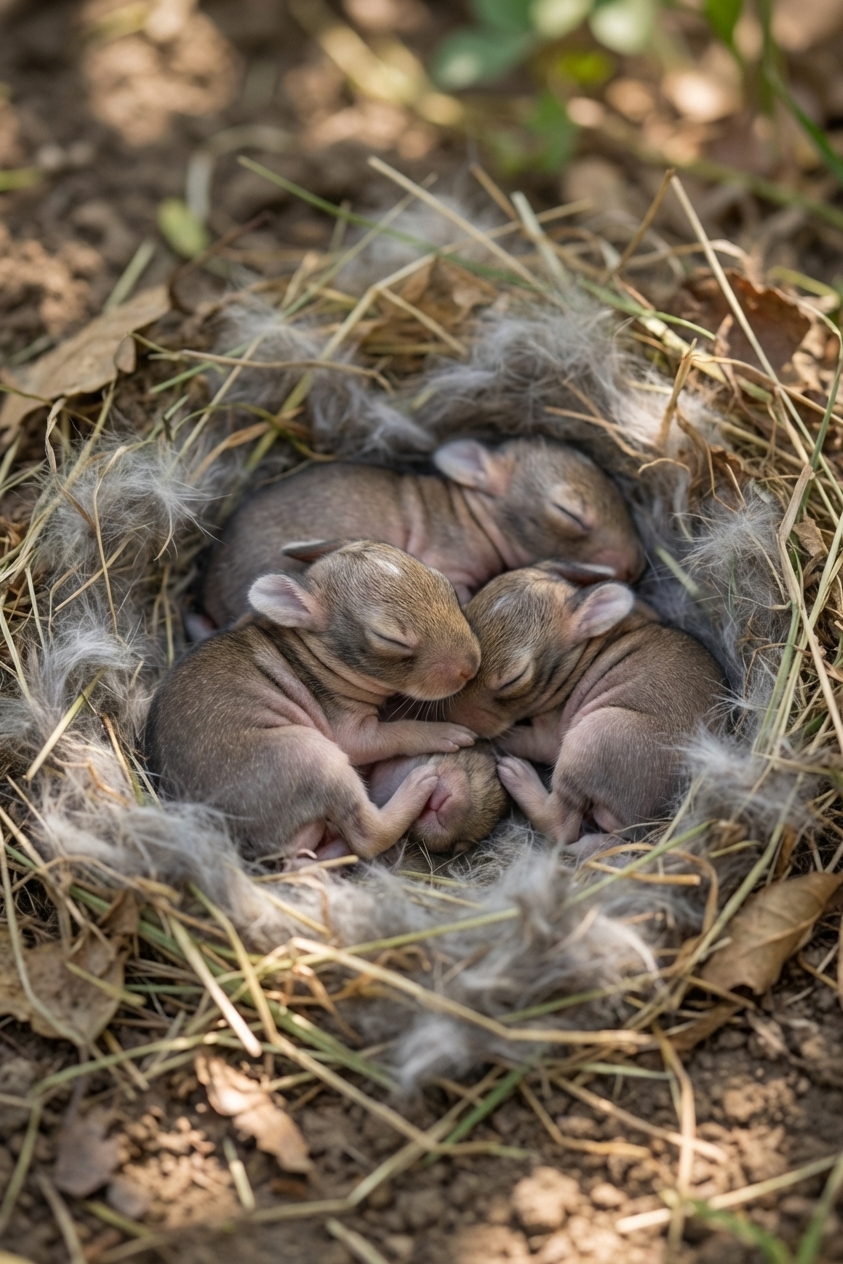
First question: Wild or pet?
Care is different because wild rabbits (especially cottontails) are stressed by human contact and are hard to raise safely. Pet rabbits are domestic and usually do best staying with mom under calm, clean conditions.
If you found a baby bunny outdoors
- Do not assume it is abandoned. Wild moms visit the nest very briefly, usually at dawn and dusk, and stay away the rest of the time to avoid attracting predators.
- Put it back if you can. If the kit is warm and uninjured, return it to the exact spot you found it. The mother usually will not reject babies due to human scent.
- Check the nest the right way. Place two pieces of string or dental floss in an “X” over the nest. Check 12 to 24 hours later. If the “X” is disturbed, mom likely returned.
- Call a licensed wildlife rehabilitator if the kit is injured, cold, covered in flies, attacked by a cat or dog, or you confirm the mother is not returning.
If you have a pet rabbit litter
- Keep the nest calm, warm, and dry. Stress can reduce nursing and cause nest disruption.
- Limit handling to quick health checks and necessary cleaning.
- Let mom do her job. Many healthy pet rabbit moms nurse once or twice daily, and babies can still thrive.
Important: If you are in the U.S., raising wild rabbits without permits is often illegal. More importantly, it can be deadly for the kit without expert support. When in doubt, contact a rehabilitator.
Age guide
Knowing the rough age helps you decide what to do next. These milestones are general and can vary by species and breed.
- Newborn to 1 week: eyes closed, ears folded, mostly hairless at first, stays in nest.
- About 10 to 12 days: eyes open, more fur, more movement.
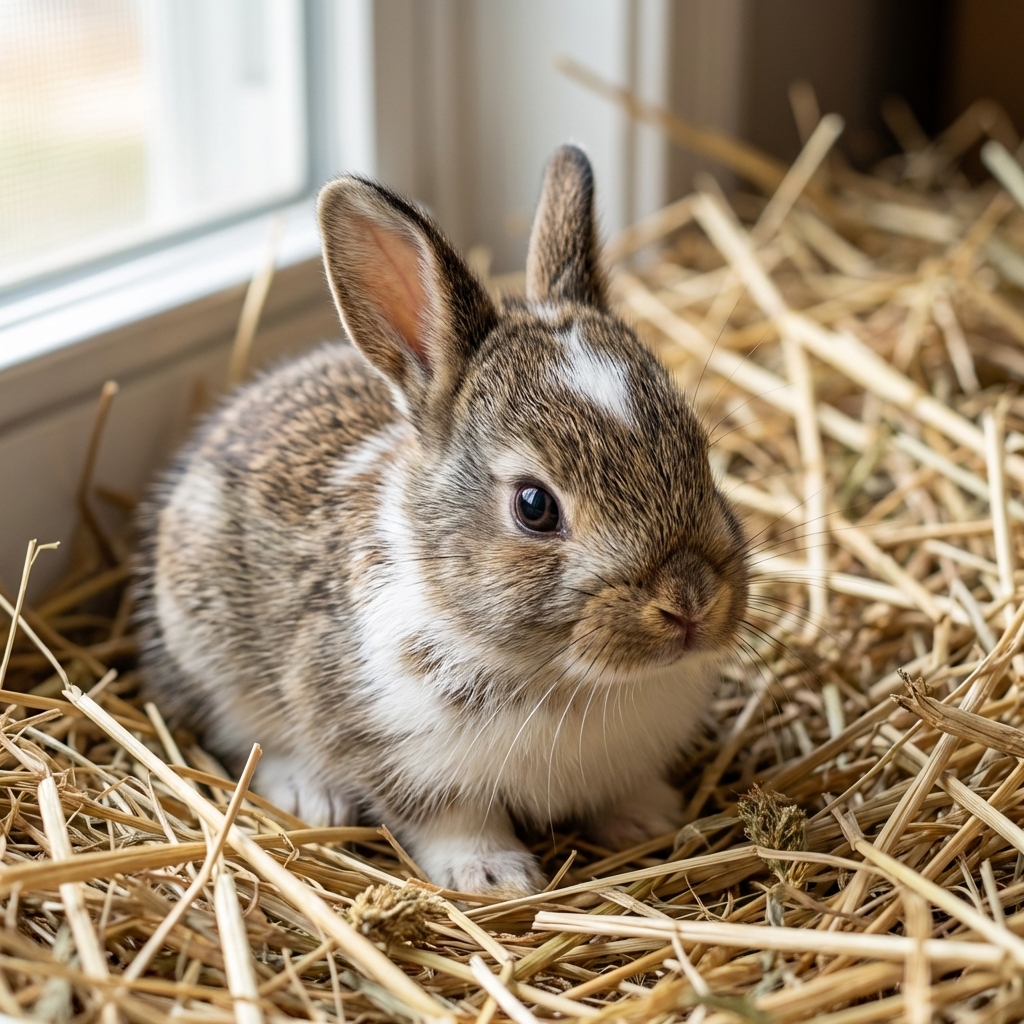
- About 2 to 3 weeks: starts nibbling hay, looks like a tiny adult, may wander from nest.
- About 3 to 4 weeks (many wild cottontails): often independent when fully furred with eyes open and ears up. A common size clue is “about tennis-ball sized,” but size varies, so use behavior and body condition too.
- About 4 to 8 weeks (many domestic rabbits): weaning period, steadily eating solid foods.
Warmth and safety
Baby bunnies cannot regulate body temperature well, especially in the first days. A cold kit will not digest food properly and can crash quickly.
Safe warming basics
- Warm before feeding. If a kit feels cool to the touch, warm it gradually before offering any formula.
- Use gentle heat. A heating pad on low under half the box, or a warm water bottle wrapped in a towel, creates a warm zone and a cooler zone.
- Avoid overheating. Kits should be warm, not hot, and able to move away from heat.
Housing setup
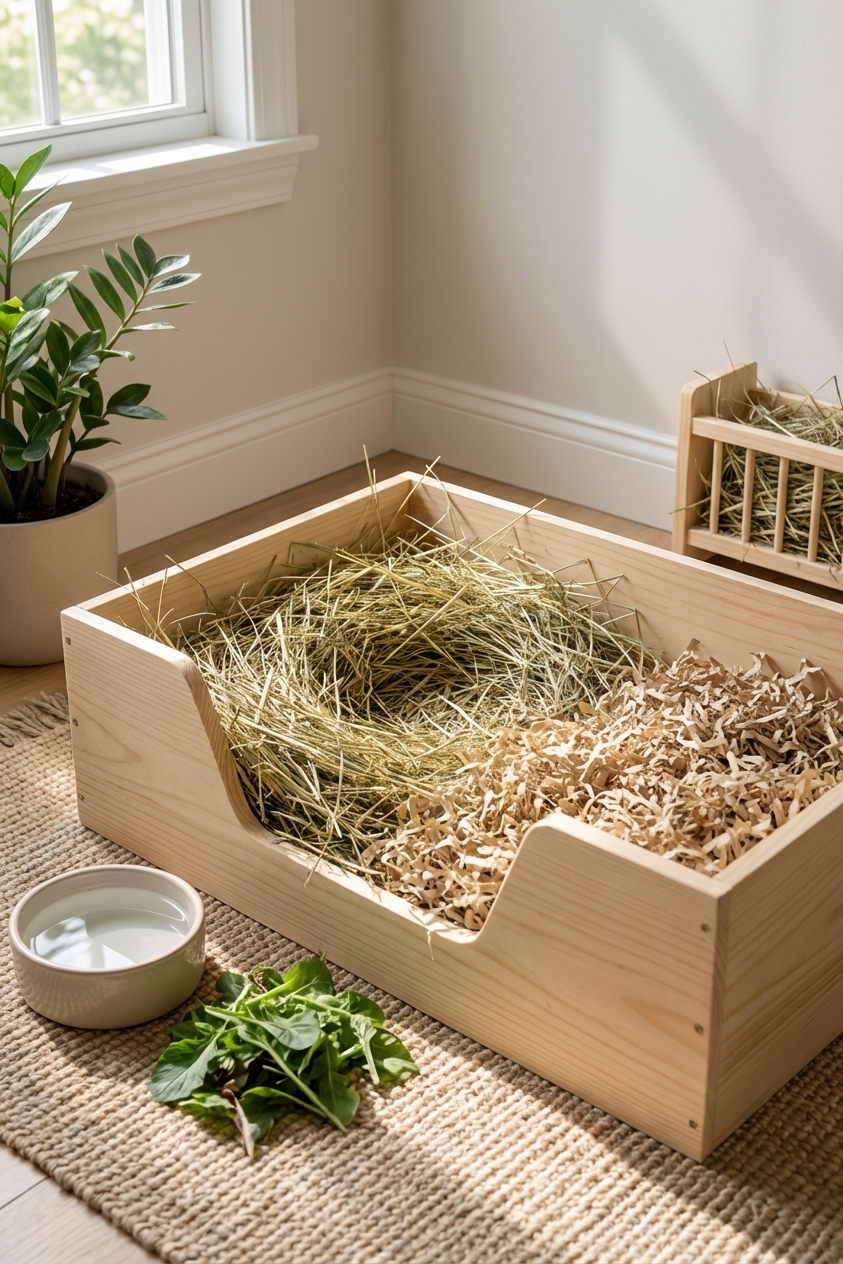
- Container: a box or bin with high sides to prevent drafts.
- Bedding: clean hay topped with soft paper bedding or a fleece layer. Avoid loose strings and anything that frays.
- Keep it dry. Damp bedding chills kits and irritates skin.
- Quiet location: away from kids, dogs, and loud activity.
Feeding
Feeding is where people accidentally cause the most harm. Aspiration (milk going into the lungs), diarrhea, and bloat can happen fast. That is why wild babies should go to a rehabilitator whenever possible.
Pet rabbit kits: nursing is best
If mom is present, healthy, and not aggressive, the best food is her milk. Domestic rabbit moms often nurse only briefly, so you might not “catch” it happening.
Signs kits are getting enough milk:
- Round, full bellies after nursing
- Warm bodies and good muscle tone
- Steady weight gain (a small gram scale helps)
- Quiet and settled in the nest most of the time
Signs you need help quickly:
- Wrinkled skin, sunken belly, or constant crying
- Cool body temperature
- Weakness, limpness, or separation from the group
- Diarrhea or bloated belly
Orphaned kits: formula basics
Use this section only if you truly have an orphan and cannot reach a rehabilitator or rabbit-savvy veterinarian immediately. If you can, call first and follow their directions.
- Commonly used milk replacers: kitten milk replacer (KMR) is often used in rescue settings. Rabbit milk is richer than KMR, so many protocols use species-specific adjustments.
- Do not DIY recipe changes. Do not add cream, change ratios, or improvise “boosters” unless a rehabilitator or veterinarian gives you exact instructions for that kit.
- No cow’s milk. It can cause serious GI upset.
- Do not force-feed. Pushing fluid from a syringe is a major aspiration risk. Technique matters.
General feeding frequency: Many rabbit kits are fed 1 to 2 times per day, not every few hours like puppies or kittens. Overfeeding can be dangerous. Your rehabber or vet should set the exact amount for the kit’s age and weight.
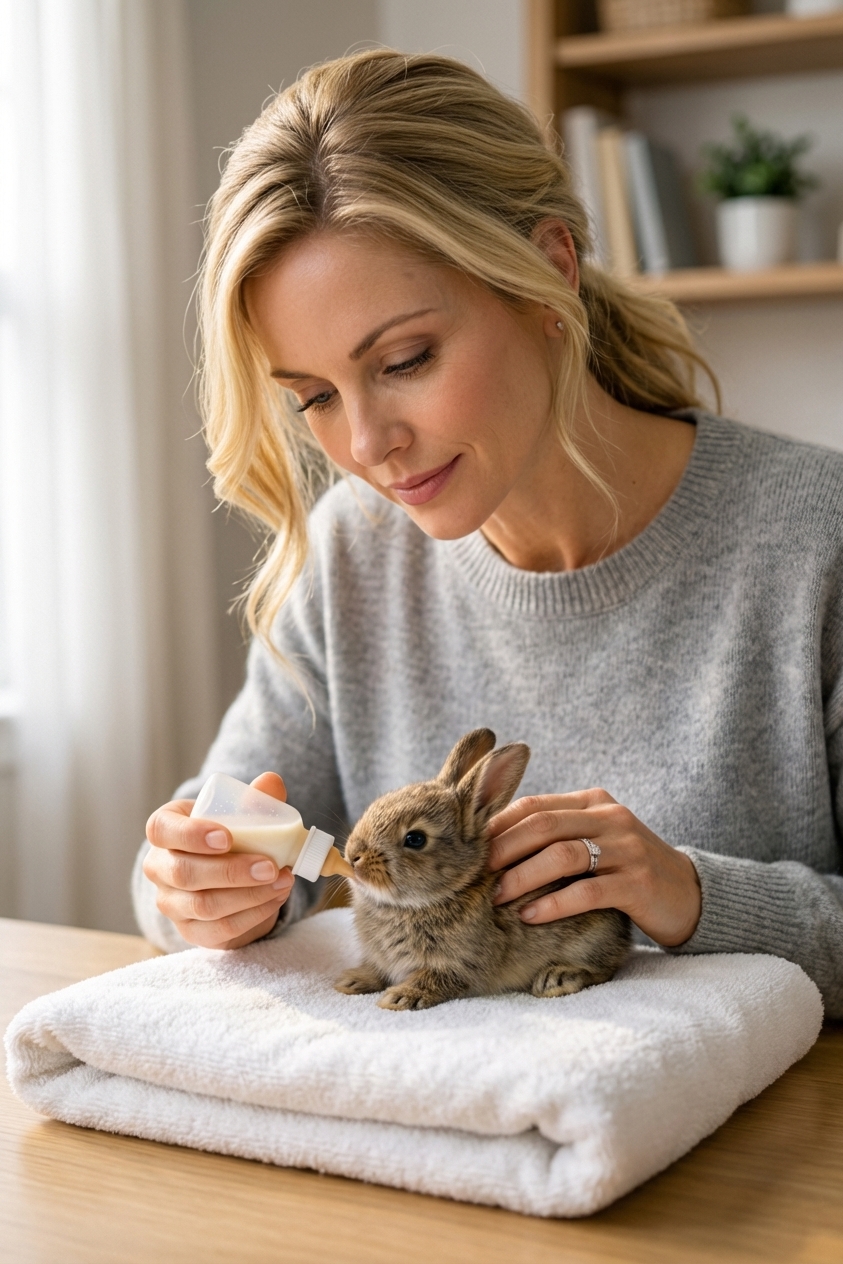
Safer feeding technique (only if instructed)
- Position: belly down, natural posture. Never on the back like a human baby.
- Pace: let the kit lap or take tiny amounts. Do not push fluid in.
- Cleanliness: wash hands, keep nipples and syringes clean, discard mixed formula as directed.
- After feeding: gently wipe the face and check for milk bubbles around the nose, which can indicate aspiration risk.
When it comes to baby bunnies, “more” is not better. Warmth, correct formula, and correct technique are what save lives.
Potty and digestion
Very young orphaned kits may need gentle stimulation to urinate after feedings, but it is not universally required the way it is for kittens. Follow rehabilitator or veterinarian guidance for your specific kit. For pet rabbit kits with mom present, this is usually not necessary.
- If you are instructed to stimulate: use a warm, damp cotton pad and gently stroke the genital area.
- Be gentle. Excess pressure can injure delicate tissue.
- Track output. No urine, diarrhea, or straining are all reasons to call a vet or rehabber.
Quick note on cecotropes
New rabbit owners often panic the first time they see cecotropes. These are soft, shiny, grape-like clusters that rabbits usually eat directly from the body. They are normal and important for gut health. If you find a few in the bedding, that can happen, especially during diet changes or weaning. Watery stool, foul-smelling liquid, or a messy, constantly soiled rear is more concerning and warrants a call.
Hay, pellets, and greens
Solid foods come in gradually. The goal is to support a healthy gut while the kit transitions from milk to fiber-based foods.
Hay
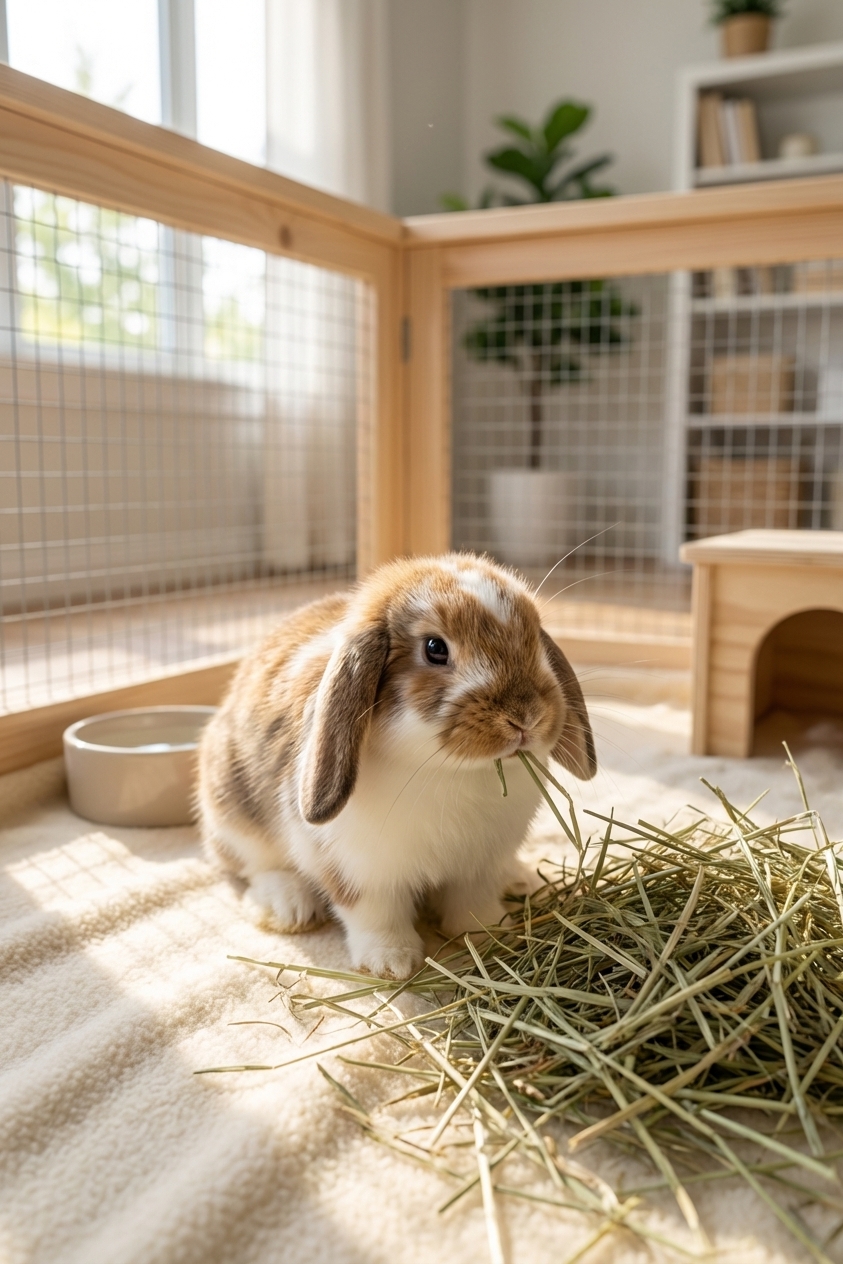
- Offer grass hay early once they start nibbling (often around 2 to 3 weeks). For pet rabbits, unlimited grass hay is the long-term foundation.
- Alfalfa hay is commonly used for growing domestic rabbits because it is higher in calories and calcium, but your rabbit-savvy vet can advise based on breed and health.
Pellets
- Small amounts of a high-quality pellet can be introduced as they begin eating solids.
- Avoid mix-style feeds with colorful bits and seeds. They encourage picky eating and can upset the gut.
Greens
- A helpful benchmark: many rabbit-savvy vets recommend waiting until about 10 to 12 weeks to start leafy greens in meaningful amounts, especially for domestic kits, because earlier introductions can trigger GI upset.
- If your vet recommends earlier micro-tastes: do one new green at a time in tiny portions and watch stool closely.
- Avoid sugary fruits in young bunnies. Save treats for later, and keep them minimal.
Weaning
Weaning is not a single day, it is a process. For domestic rabbits, kits typically wean over several weeks. If you have a pet litter, the best approach is usually to let mom gradually reduce nursing as the kits increase hay and pellet intake.
- Keep diet steady. During weaning, sudden diet changes can trigger diarrhea or dangerous GI slowdown.
- Monitor weights weekly so you catch problems early.
- Separate by sex on time. Domestic rabbits can reach sexual maturity surprisingly early. Ask your veterinarian to confirm sex, and plan to separate males and females by 10 to 12 weeks at the latest. Some individuals may need separation earlier.
Safe handling
Baby bunnies can be injured by a simple fall. They also stress easily, especially wild kits. Your goal is steady support and short sessions.
Handling rules
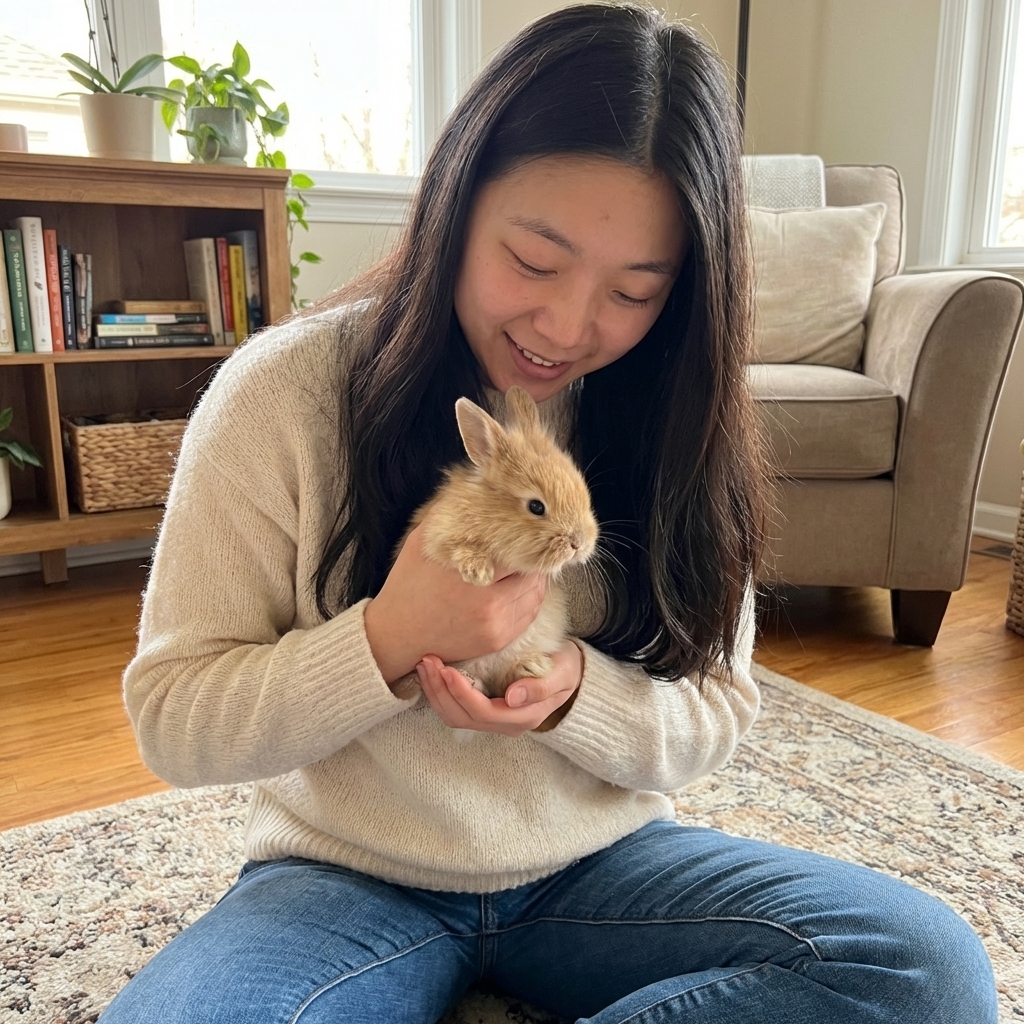
- Handle low to the ground over a towel or rug.
- Support the whole body: one hand under the chest, the other supporting the hindquarters.
- Never pick up by ears or scruff.
- Keep sessions brief and return the kit to warmth quickly.
- Watch for stress: frantic kicking, freezing, teeth grinding, or rapid breathing means stop and give space.
What not to do
- Do not bathe a baby bunny unless a professional instructs you. Chilling is a real danger.
- Do not give cow’s milk, bread, crackers, or cereal.
- Do not offer water by dropper to newborns. Aspiration risk is high. Hydration issues need professional guidance.
- Do not keep wild rabbits as pets. They do poorly in captivity and need licensed rehab care.
- Do not use seed mixes or “trail mix” feeds for kits or adults.
Clean housing
Cleanliness prevents coccidia, bacterial overgrowth, and skin irritation, but harsh disinfectants and frequent nest disruption can also be stressful. Aim for balanced, gentle care.
- Spot-clean daily: remove soiled bedding and replace with fresh.
- Deep clean weekly for pet enclosures, using rabbit-safe cleaners and rinsing well.
- Keep flies away. Flystrike is a medical emergency, especially in warm climates.
- Limit drafts and keep humidity reasonable to protect respiratory health.
First vet visit
If you have a pet bunny litter, it is smart to establish care with a rabbit-savvy veterinarian early. If you found a wild bunny and cannot reach a rehabilitator, a vet can at least assess for injuries and advise next steps.
Bring this info
- Estimated age and how you determined it (eyes open, fur, mobility)
- Current diet and feeding schedule
- Stool description and frequency
- Weekly weights if available
- Any symptoms: sneezing, nasal discharge, diarrhea, bloating, lethargy
- Exposure history: cat or dog contact, outdoor found, insect exposure
Ask your vet about
- Healthy weight gain targets
- Weaning plan and diet (hay type, pellet type, greens timing)
- Parasite screening if indicated
- Sexing the kits and separation timing
- Spay and neuter timeline
Emergency signs
Baby rabbits can go downhill quickly. Seek urgent veterinary help or a licensed rehabilitator if you notice any of the following:
- Cold body temperature
- Labored breathing, clicking sounds, or milk coming from the nose
- Injury, bleeding, swelling, or limping
- Diarrhea, bloated belly, or refusal to eat
- Weakness, collapse, or seizures
- Fleas on a very young kit, maggots, or any sign of flystrike
- Any kit that was in a cat’s mouth or pawed by a cat, even without visible wounds. Infection can set in quickly and antibiotics are often time-sensitive.
Trust your instincts. If something feels “off,” it is worth a call.
Quick outdoor guide
If you only read one section, make it this one.
- Furred, eyes open, hopping, ears up: often a juvenile rabbit that does not need rescue. Keep pets inside and leave it alone.
- Eyes closed or very tiny: return to nest if warm and uninjured, then monitor with the string “X” method.
- Injured, cold, wet, attacked by a pet, or covered in flies: contact a wildlife rehabilitator or emergency vet immediately.