A vet assistant’s guide to the Aussiedoodle: adult size ranges, personality, exercise needs, training and socialization, grooming and shedding, plus key he...
Article
•
Designer Mixes
Australian Shepherd: Intelligence, Energy, and Care

Shari Shidate
Designer Mixes contributor
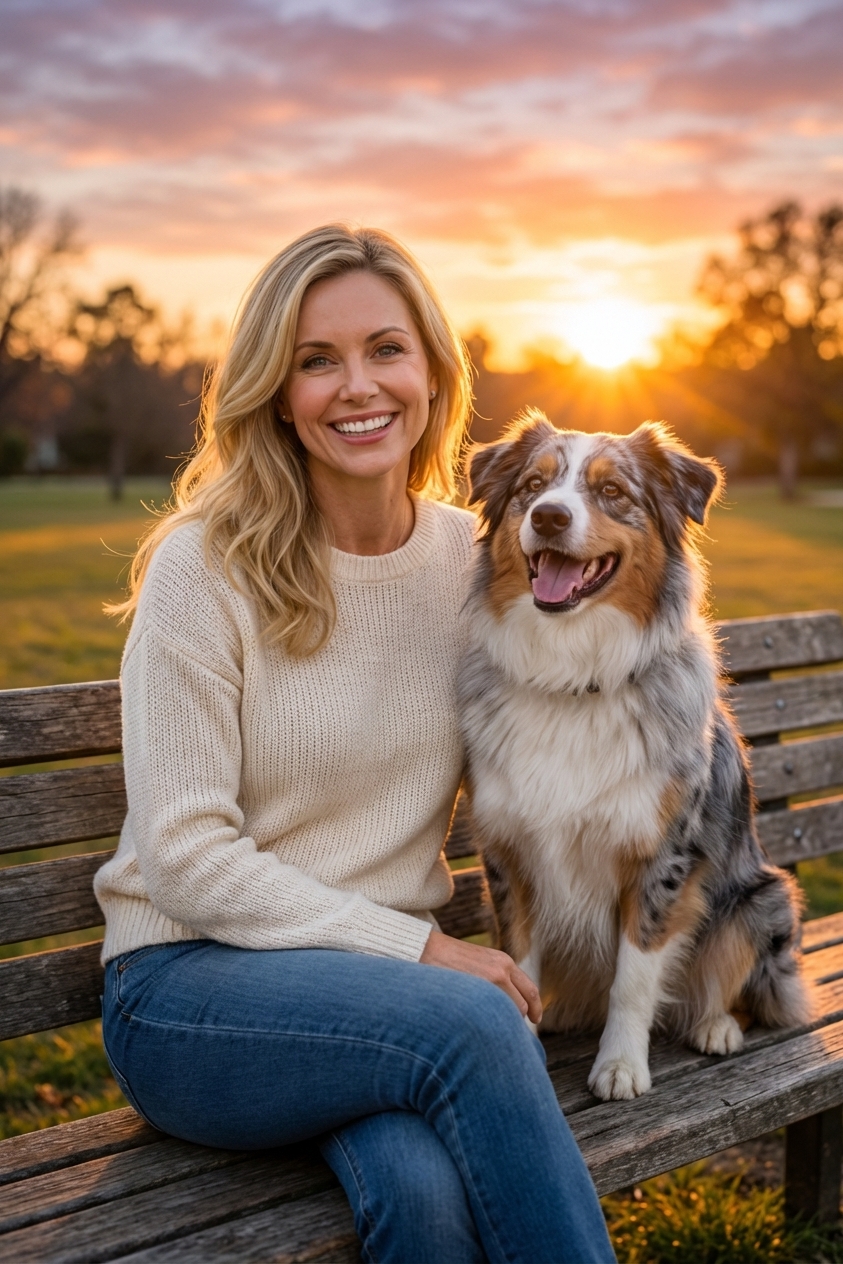
The Australian Shepherd, or Aussie, is one of those breeds that makes people say, “Wow, what a smart dog.” And it is true. Aussies are brilliant, athletic, and intensely devoted. They are also a working herding breed with strong instincts and big daily needs. If you meet those needs, you get an incredible companion. If you do not, an Aussie will usually create their own job, and you might not love the result.
Below is a practical, vet-informed guide to the Aussie’s temperament, exercise and mental stimulation requirements, coat care, health risks, and realistic lifestyle fit.
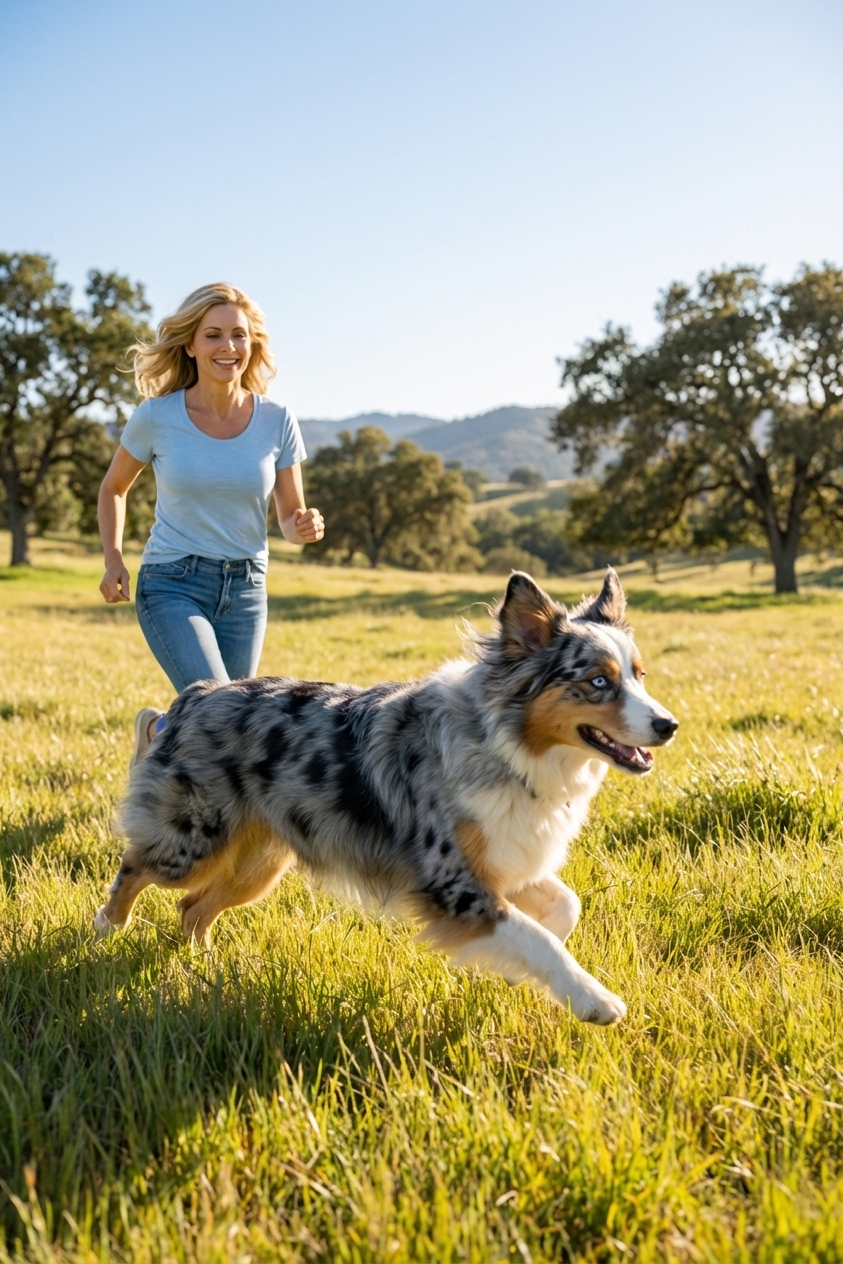
Quick Australian Shepherd snapshot
- Breed type: Herding dog
- Size: Medium, typically 40 to 65 lb (varies by sex and lines)
- Lifespan: Often 12 to 15 years
- Personality: People-focused, eager to work, can be intense
- Energy level: Very high
- Trainability: Excellent, but easily bored without variety
- Coat: Medium-length double coat that sheds
- Common health concerns: MDR1 drug sensitivity, hip and elbow dysplasia, eye disease
Origin and name
The name trips a lot of people up. Despite “Australian” in the name, the Australian Shepherd was developed primarily in the United States, with strong ties to Western ranch and stock work. The breed’s history is a little messy and regional, but the short version is that the Aussie is an American-made working dog with a misleading name.
Aussie vs Mini Aussie
You may also see “Miniature Aussie” online. The officially recognized breed is the Miniature American Shepherd. They are closely related and often similar in drive and intelligence, but they are a separate breed with their own standard and typical size range. If you are researching breeders or rescues, asking which breed is actually being offered can prevent surprises.
Temperament and herding instincts
Aussies were developed to help move livestock. That heritage still shows up in family life.
What herding instinct can look like at home
- Movement control: Your Aussie may try to “manage” kids running, bikes, squirrels, or guests walking in the door.
- Nipping and heel-chasing: Not aggression, but a breed-typical behavior that must be redirected early.
- Alert barking: Many Aussies are vocal when they notice change, such as delivery drivers or neighborhood activity.
- Intense focus: They can lock in on a toy, a task, or a moving target.
Many Aussies are also naturally reserved with strangers, which can look like watchfulness or standoffishness. Early, positive socialization helps them feel confident without pushing them into overwhelming situations.
With kind, consistent training and enough daily outlets, those instincts can be channeled into fun activities like agility, obedience, rally, scent work, or herding lessons.
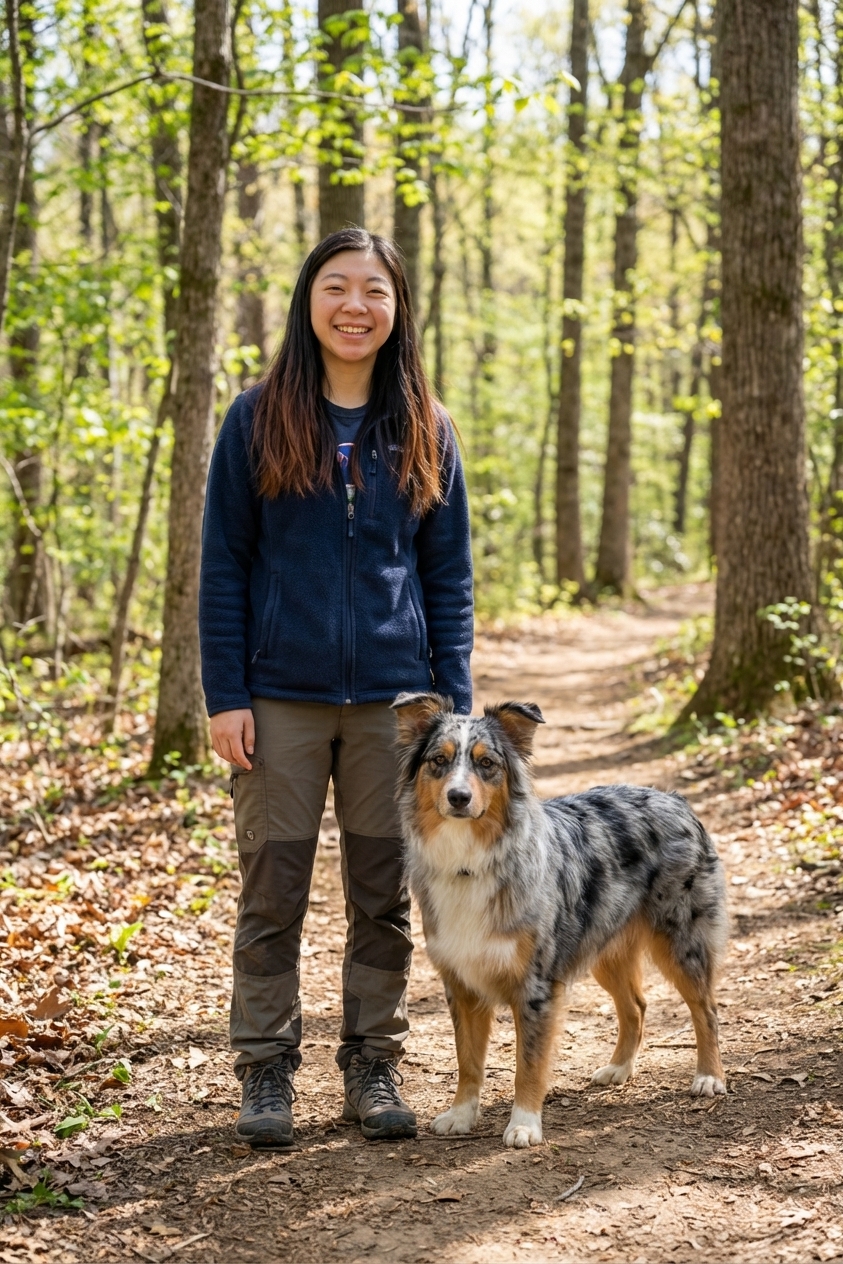
Exercise needs: a walk is not the whole answer
Most adult Aussies need about 60 to 120 minutes of purposeful activity daily, with big variation based on age, health, and whether they come from working or show lines. A slow neighborhood stroll is great for sniffing and decompression, but it usually does not meet the exercise needs of this breed by itself.
Better daily exercise ideas
- Fast-paced walks or jogging (once your vet confirms joint maturity and fitness)
- Fetch with rules (short bursts, breaks, and a clear “all done” cue)
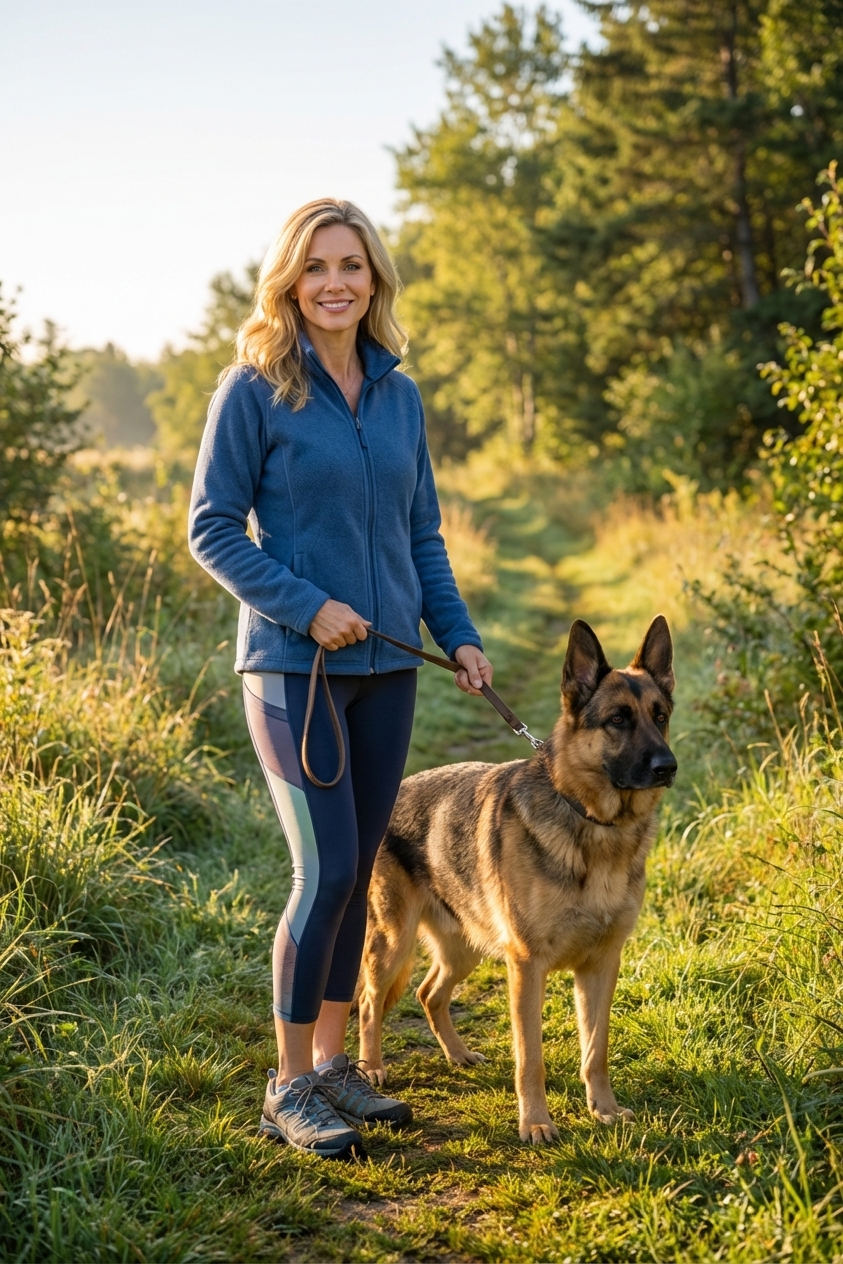
- Hiking with plenty of sniff time and water breaks
- Flirt pole play in a yard or open area, done safely and not to exhaustion
- Structured playdates with well-matched dogs
Puppies and growth plates
For puppies, prioritize training, sniff walks, and short play sessions over forced mileage. Avoid repetitive high-impact exercise and sustained jogging until your veterinarian confirms your dog is ready, since growth plates and soft tissues need time to mature.
Watch for the super athlete trap
Aussies can get highly conditioned very quickly. If you only add more and more physical exercise, you can accidentally build a dog that needs marathon-level activity to feel calm. The sweet spot is balanced physical exercise plus daily mental work.
Mental stimulation: the non-negotiable
Physical exercise is only half the equation. Aussies tend to struggle most when their brain has nothing useful to do.
In my experience as a veterinary assistant, a large portion of “problem behaviors” in smart herding breeds are really unmet needs: boredom, frustration, and lack of predictable outlets. Aussies thrive when you give them a job. If you are dealing with sudden behavior changes, or anything that looks like pain, anxiety, or aggression, partner with your veterinarian and a qualified trainer.
Easy ways to work your Aussie’s brain
- Training sessions: 5 to 10 minutes, 2 to 4 times per day. Rotate skills.
- Food puzzles: Kongs, snuffle mats, puzzle feeders, scatter feeding in grass.
- Scent games: Hide treats in boxes or under cups, then let your dog “find it.”
- Life skills: Place cue, polite greetings, leash manners, settle on a mat.
- Canine sports: Agility, rally, disc, dock diving, nose work.
If you want a calmer Aussie, do not just aim for tired. Aim for satisfied.
Common challenges in this breed include reactivity, frustration barking, and separation distress. The best prevention is early socialization, teaching an off switch, and gradually building comfort with alone time.
Apartment vs. house
Yes, some Aussies can do well in apartments, but it depends more on your schedule and commitment than on square footage.
Apartment life can work if
- You can reliably provide daily exercise and training, even in bad weather.
- You are prepared to manage barking and reactivity with training.
- You have nearby parks, trails, or open spaces for running and sniffing.
- Your dog has a calm “off switch,” or you are willing to train one.
A house with a yard helps, but it is not a substitute
A yard is convenient, but many Aussies will stand outside and wait for you unless you engage them. They want interaction, direction, and a job.
First-time owner advice
Aussies can be wonderful for first-time dog owners who love training and structure. They can also overwhelm someone who wants a low-maintenance companion.
You will likely enjoy an Aussie if you want
- A highly trainable dog that learns quickly
- A partner for active hobbies
- A dog that bonds closely with the family
- A lifestyle that includes daily routines and enrichment
You may want a different breed if
- You work long hours away from home most days
- You want a laid-back dog without much training
- You are not comfortable with shedding and grooming
- You cannot provide daily exercise and mental tasks
If you are committed, I recommend early puppy classes, a plan for daily enrichment, proactive socialization, and teaching a settle behavior from day one.
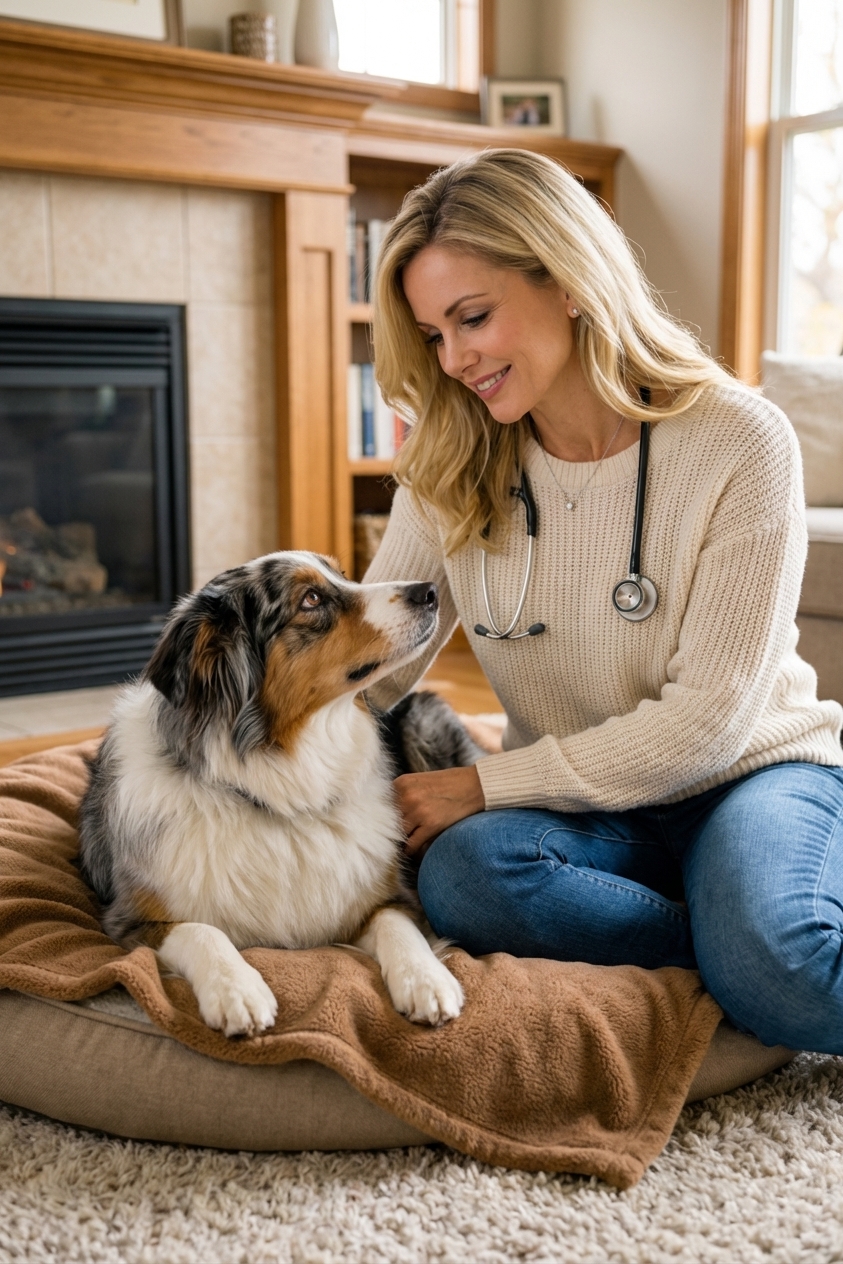
Coat care
Aussies have a weather-resistant double coat. They shed year-round and typically have heavier seasonal shedding.
Brushing and bathing
- Brush 2 to 3 times per week for most coats. During shedding season, daily brushing helps.
- Use a slicker brush and a metal comb to check for tangles behind ears, in the armpits, and around the pants and tail.
- An undercoat rake or deshedding tool can help during heavy sheds, but use it gently and do not scrape the skin.
- Bathe as needed, often every 4 to 8 weeks, using a dog-safe shampoo. If your dog has sensitive skin, less frequent bathing and a vet-approved conditioner can be kinder.
- Avoid shaving the coat unless medically necessary or severe matting leaves no humane option. Shaving can increase sunburn risk and can change how the coat grows back.
Routine maintenance
- Nails: Every 2 to 4 weeks
- Ears: Check weekly, especially if your dog swims
- Teeth: Brush several times a week, ideally daily
Health risks to know
Most Aussies are robust dogs, but there are a few important, breed-linked health concerns. Choosing a responsible breeder, doing appropriate screening, and partnering with your veterinarian go a long way.
MDR1 gene mutation (drug sensitivity)
The MDR1 (ABCB1) mutation can make some dogs unusually sensitive to certain medications. This mutation is seen in several herding breeds, including Australian Shepherds.
Why it matters: Dogs with the mutation may have serious adverse reactions to specific drugs at typical doses.
Commonly cited examples include ivermectin at high doses, loperamide (Imodium), and some chemotherapy agents. Not every medication is a problem, and many preventives are safe at labeled doses, so this is a “work with your vet” topic, not a DIY one.
- Action step: Ask your vet about MDR1 testing, especially before starting new medications.
- Action step: Use parasite prevention prescribed or recommended by your veterinarian, not random products.
Hip and elbow dysplasia
Hip dysplasia and elbow dysplasia are developmental joint conditions that can lead to arthritis over time.
- Signs to watch for: bunny-hopping, stiffness after rest, reluctance to jump, decreased activity
- Support: keep your Aussie lean, avoid repetitive high-impact exercise during growth, and discuss joint supplements or rehab options with your vet if appropriate
- Breeder screening: OFA and or PennHIP evaluations on breeding dogs
Eye conditions
Aussies can be predisposed to inherited eye disorders. These may include cataracts, progressive retinal atrophy (PRA), and collie eye anomaly (CEA) in some lines.
- Action step: Schedule routine veterinary eye checks and follow up quickly if you notice squinting, cloudiness, bumping into things, or sudden hesitation in dim light.
- Breeder screening: Eye exams by a veterinary ophthalmologist and appropriate genetic testing where available.
Merle color and responsible breeding
Merle coloring is popular, but it comes with an important breeding caveat. Breeding merle to merle increases the risk of puppies with serious vision and hearing problems. If you are buying a merle Aussie, ask the breeder to explain their color genetics and health testing clearly.
Other conditions you may hear about
Depending on lineage, some Aussies may also have issues like epilepsy, allergies, autoimmune conditions, or thyroid disease. This is one reason health-tested breeding and a thorough puppy history matter.
Feeding and weight management
Aussies are athletic, but they can still gain weight if their calories exceed activity, especially after spay or neuter or if exercise drops. Extra pounds worsen joint wear and can affect endurance.
- Choose a quality diet that fits your dog’s life stage and activity level.
- Measure meals and adjust based on body condition, not just the bag guidelines.
- Use treats strategically during training. Break treats into tiny pieces and consider using part of the daily kibble as rewards.
If you are considering homemade food, talk with your veterinarian or a board-certified veterinary nutritionist so the diet is complete and balanced.
Training tips
Because Aussies are smart, you will get the best results with positive reinforcement, consistency, and clear structure.
Top skills to teach early
- Settle on a mat for calm behavior inside
- Leave it and drop it for safety
- Recall with high-value rewards
- Loose-leash walking to prevent pulling habits
- Polite greetings to reduce jumping and mouthiness
If your Aussie nips at heels, redirect immediately to a toy, ask for an alternate behavior like sit, and reward calm. For ongoing nipping, reactivity, or separation distress, a qualified trainer can help you build a plan that fits your household.
Is an Australian Shepherd right for you?
An Aussie is a fantastic choice for active people who enjoy training and want a dog that truly participates in life. They are less ideal for households wanting an “easy mode” pet.
Before you commit, ask yourself: Can I provide daily exercise, daily mental stimulation, and ongoing training for the next 12 to 15 years?
If the answer is yes, an Australian Shepherd can be one of the most rewarding companions you will ever have.