If you have been browsing puppy listings, you have probably seen labels like Labradoodle, Australian Labradoodle, ALD, multigen, F1, or F1B. And if you are thinking, “Wait, are these different dogs or just marketing?” you are asking exactly the right question.
As a veterinary assistant, I love when buyers slow down and get curious. The best matches happen when you understand what the terms actually mean, what is realistic for coat and temperament, and how to spot programs that prioritize health and lifelong support.
Quick terms: Labradoodle
Labradoodle is a broad umbrella term for a dog with Labrador Retriever and Poodle ancestry. In everyday use, it can refer to many different breeding “recipes,” including first-generation crosses and multigenerational lines.
Common listing terms you might see include:
- F1: First generation cross (typically Labrador Retriever x Poodle). Coat outcomes can be highly variable, even within the same litter.
- F1B: Often an F1 Labradoodle bred back to a Poodle. This is frequently done to increase curl and reduce shedding, but results still vary.
- F2, F2B, multigen (multigenerational): Later-generation Labradoodles. These are often bred for more predictability in coat and temperament, but “multigen” alone does not guarantee consistency.
Important note: these terms describe ancestry, not quality. They are also not consistently regulated across the market. Some registries and breed clubs define generation terminology and require documentation, but the average online listing does not come with enforcement or verification built in.
What is an Australian Labradoodle?
Australian Labradoodle usually refers to a Labradoodle developed through a specific multigenerational breeding approach. Historically, some foundation lines included additional breeds beyond Labrador and Poodle, commonly Cocker Spaniel, and in some accounts Irish Water Spaniel (and other influences depending on the line).
Two things can be true at the same time:
- Some Australian Labradoodle programs have worked for generations to improve coat consistency and family-friendly temperaments.
- The term can also be used loosely in online listings. Not every dog labeled “Australian Labradoodle” comes from a well-documented, multigenerational program with transparent health testing.
If a breeder uses “Australian Labradoodle,” you are allowed to ask: What does that mean in your program? A reputable breeder will explain their line, their goals, and their documentation without getting defensive.
If your publication requires sourcing: the ALAA and WALA background pages are commonly referenced starting points for how different organizations describe Australian Labradoodle history and documentation expectations.
Coats: expectations vs reality
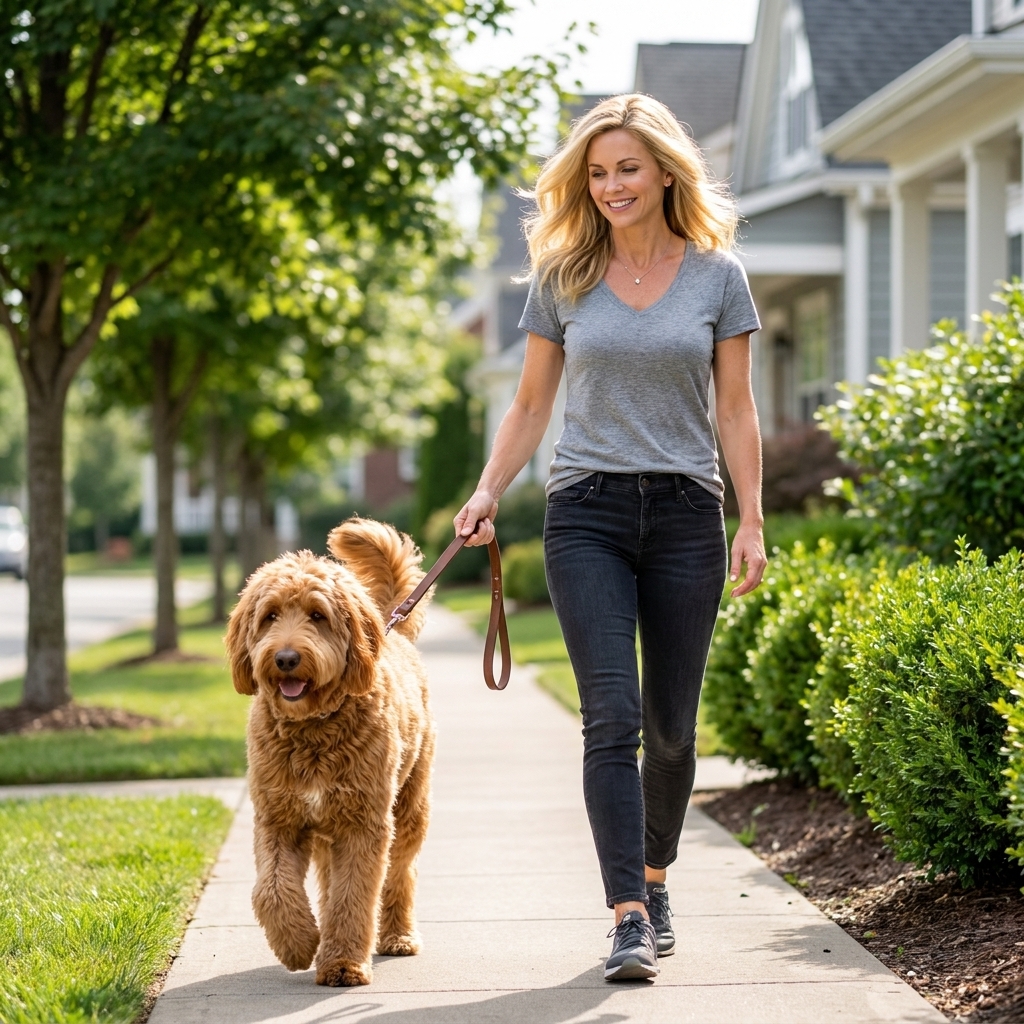
Most families shopping for doodles are hoping for a coat that is low-shedding, easy on allergies, and adorable without being high-maintenance. Let’s gently reality-check that.
Common coat types
These coat labels are colloquial categories used by breeders and groomers, not standardized AKC or genetics terms. They are still useful for setting expectations.
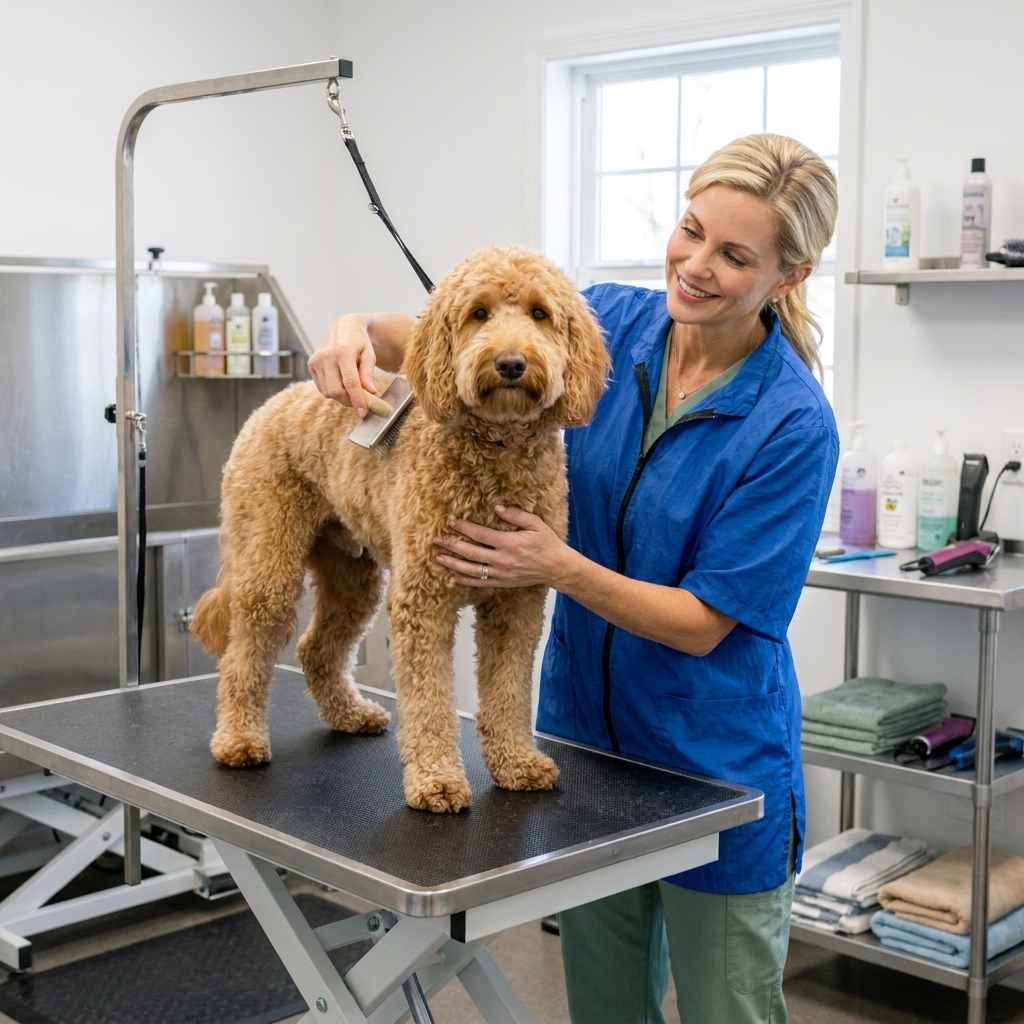
- Fleece (wavy, silky): Often the “teddy bear” look. Can mat if not brushed thoroughly to the skin. Shedding is often lower, but not guaranteed.
- Wool (curly, more poodle-like): Often lower shedding in practice, but typically higher grooming needs. Matting risk is real if coat care slips.
- Hair (more lab-like): Can shed more and may have that classic retriever coat feel.
Even within multigenerational lines, coat outcomes can vary. The difference is that many established multigen programs aim for better odds of consistent coat traits.
Allergies and the “hypoallergenic” promise
No dog is truly non-shedding, and no dog is truly hypoallergenic. Allergies are usually triggered by proteins in dander and saliva, not just hair. Some individuals do better with a curlier coat and diligent bathing and grooming, but it is never a guarantee.
Actionable tip: If allergies are a concern, ask to visit the breeder, spend time with adult dogs from the same lines, and consider speaking with your allergist about practical next steps for your household.
Multigen: what it changes
When buyers hear “multigen,” they often assume coat predictability is locked in. In reality, “multigen” means there have been multiple generations of doodle-to-doodle breeding, which can improve consistency, but does not eliminate variation.
Here is what tends to become more predictable in well-managed multigenerational programs:
- Coat texture (more fleece and wool, fewer flat hair coats)
- Adult size range (when breeders track mature weights across generations)
- Temperament trends (when they select breeding dogs with stable, people-friendly behavior)
Here is what is still variable, even with excellent breeding:
- How much a specific dog sheds
- Whether a dog triggers a specific person’s allergies
- How the coat changes from puppy coat to adult coat
- Grooming tolerance and matting tendency based on lifestyle and handling
Temperament basics
Both Labradoodles and Australian Labradoodles are commonly marketed as friendly, social, and great family dogs. Many are. But temperament is shaped by genetics, early handling, socialization, and training.
What you can generally expect
- High social motivation: Many doodles love being near their people and can struggle if left alone too long without training and enrichment.
- Trainability: Often smart and responsive, especially with positive reinforcement.
- Energy needs: Commonly moderate to high. A “calm doodle” is usually a doodle whose exercise and mental needs are met.
Challenges to plan for
- Adolescent “busy brain”: Teen months can bring jumping, mouthiness, and selective hearing.
- Over-friendly greetings: Sweet, but needs polite-leash training.
- Sensitivity: Some lines produce dogs that are more sensitive to harsh correction or chaotic environments.
Best buyer mindset: choose a breeder who matches temperament to your household, not just color and coat. Ask how they evaluate puppies and how placements are decided.
Size: why listings can be inconsistent
You will also see size labels like mini, medium, and standard. Those labels are not consistently defined across the doodle world. Even with careful breeding, mixed ancestry and multi-generation variation can make adult size harder to predict than buyers expect.
What helps: ask for the parents’ current weights, the typical mature range the breeder sees in that specific line, and whether they track adult outcomes from past litters.
Health: what to ask for
If you only ask one thing, ask this: “Can you explain your line and how you breed for health and temperament?” Then listen for specifics.
Questions about lines
- What does “Australian Labradoodle” mean in your program? What breeds are in your foundation?
- Are your dogs registered with a breed club or organization? If yes, which one, and what does membership require?
- How many generations are documented in your program?
Questions about coats and grooming
- What coat types have you produced from this pairing in past litters?
- What is your recommended grooming schedule and at-home brushing routine?
- Do you introduce puppies to handling, brushing, and the sound of clippers or dryers?
Questions about health testing
- What health tests do you run on the parents, and can I see proof from the testing organization or lab?
- How do you track health outcomes in your puppies as they mature?
- What is your policy if a dog develops a serious inherited condition?
Health testing varies by line, size, and ancestry, but you want to hear about orthopedic evaluations and eye testing at minimum. Examples you can ask about include OFA hips and elbows (or PennHIP) and a current CAER eye exam (performed by a veterinary ophthalmologist).
You can also ask how they tailor DNA testing panels to the dogs behind the pedigree. Depending on ancestry, programs may screen for conditions seen in Labs, Poodles, and Spaniels, such as PRA, EIC, vWD, degenerative myelopathy (DM), and other breed-linked risks. A trustworthy breeder will be transparent and will not promise “zero health issues.”
Red flags and green flags
If your gut is uncomfortable, pay attention. Here are common red flags I recommend taking seriously:
- Health guarantees that sound absolute: Any promise like “no genetic issues” or “guaranteed hypoallergenic” is not evidence-based.
- No proof of health testing: “Vet checked” is not the same as formal screening tests.
- Always-available puppies: This may indicate volume breeding, especially when combined with vague testing claims or lots of litters at once. On its own, availability is not proof of anything.
- Reluctance to show where dogs live: You should see clean, safe environments and well-socialized adults.
- Pressure tactics: “Someone else is buying today” pressure is not a good sign.
- No questions for you: Ethical breeders interview buyers. If they do not care where the puppy goes, that is a problem.
- Vague language about generations: Terms like “multigen” or “Australian” used without documentation or clarity.
And one of my favorite green flags: a clear, written lifetime take-back or rehoming policy. Good breeders do not want their dogs ending up in limbo if life changes.
Which is best?
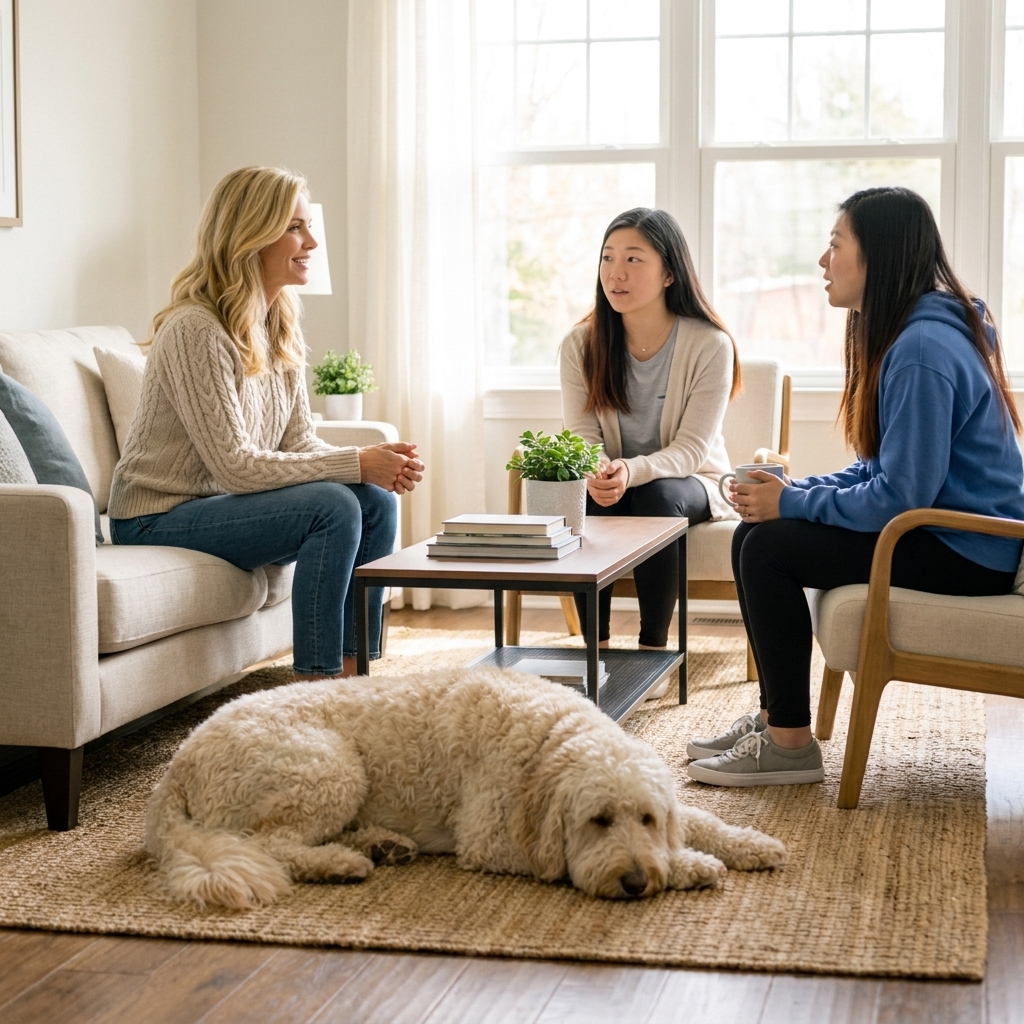
The most honest answer is: it depends on the specific line, the individual parents, and the quality of the breeder’s practices.
- If your priority is predictability for coat and temperament trends, a well-documented multigenerational Australian Labradoodle program may offer better odds.
- If you are open to more coat variety and you find an excellent breeder producing Labradoodles with transparent health testing and strong puppy-raising practices, a Labradoodle can be a wonderful choice.
Either way, the “best” puppy is the one whose breeder can show you proof, talk you through realistic outcomes, and support you long after pickup day.
Bottom line
- Terms like F1, F1B, multigen, and Australian Labradoodle can be useful, but they do not replace documentation.
- Coat and allergy outcomes are about odds, not guarantees.
- Health testing and breeder transparency matter more than trendy labels.
My favorite buyer plan is simple: verify health testing, meet the dogs when possible, ask about coat care, and choose the breeder who feels transparent and steady, not flashy.
Takeaway checklist
If you are sorting through listings this week, keep this quick checklist handy:
- Define the term: Ask what “Australian Labradoodle” means in that specific program.
- Ask for proof: Request documentation of health testing, not just verbal assurances.
- Expect grooming: Low shedding often comes with higher grooming needs.
- Avoid absolutes: Be cautious with “guaranteed hypoallergenic” or “never sheds.”
- Watch the process: Ethical breeders screen buyers, provide contracts, and offer lifetime take-back policies.
If you want, I can also help you draft a short message you can copy and paste to breeders that asks the right questions without sounding confrontational.