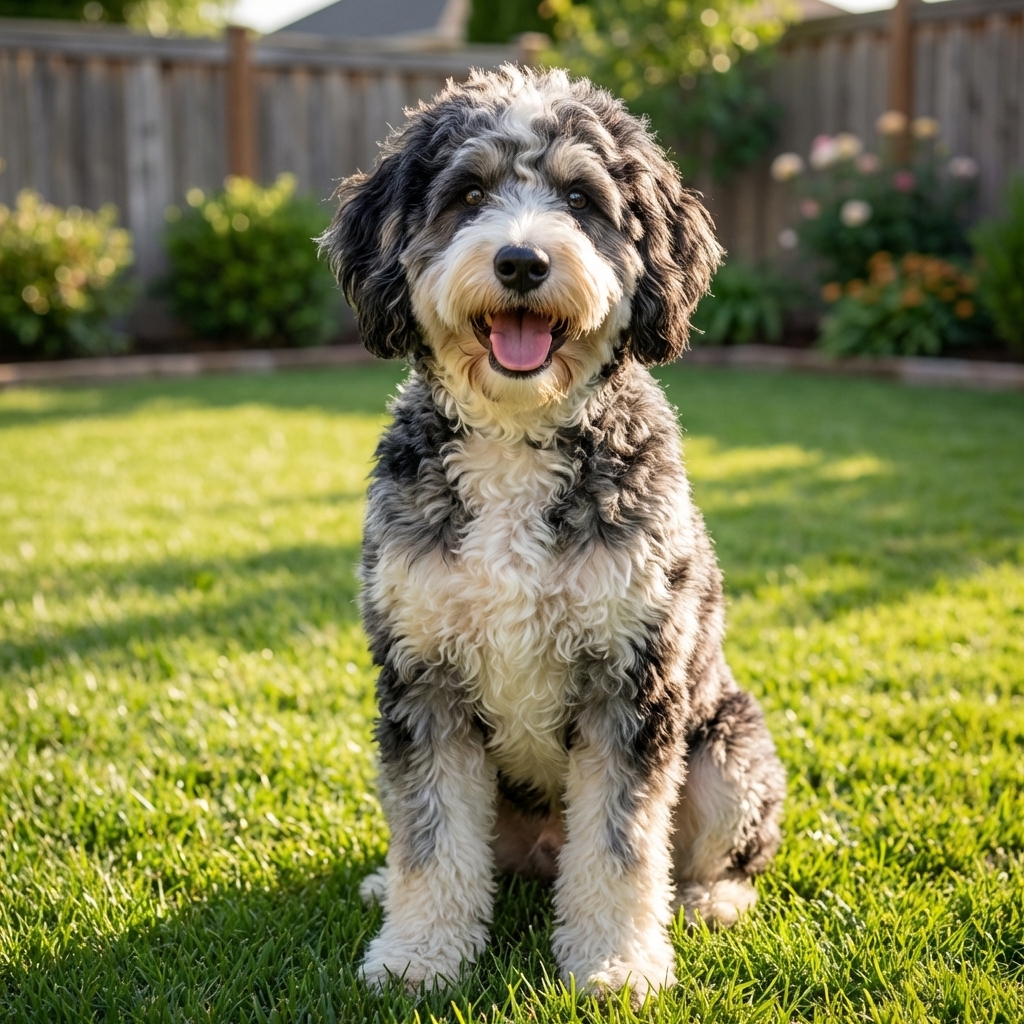
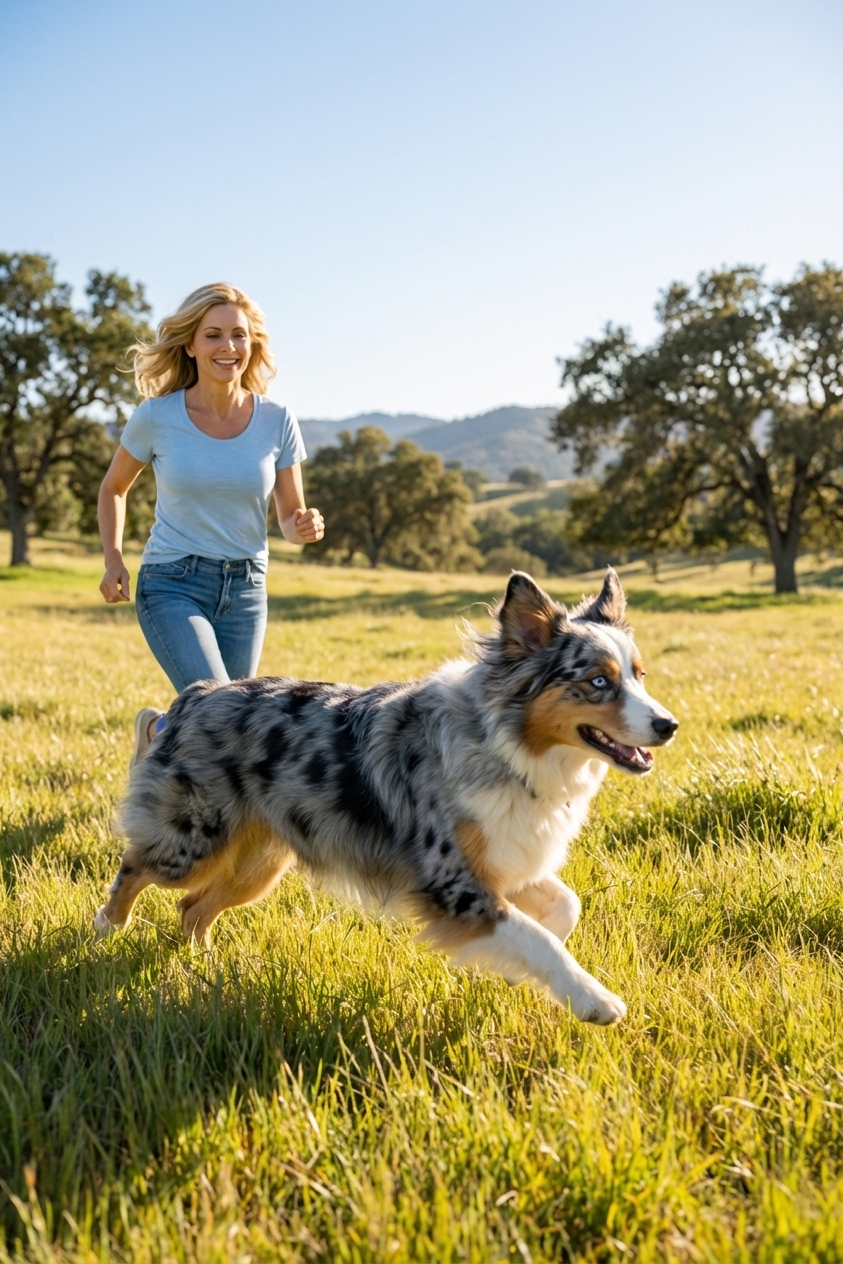
If you are choosing between an Aussiedoodle (Australian Shepherd + Poodle) and a Labradoodle (Labrador Retriever + Poodle), the biggest differences usually show up in energy style, instincts, and how they learn. Both mixes can be wonderful family dogs, but they tend to thrive in different day-to-day rhythms.
As a veterinary assistant, I always tell families to think beyond looks. A cute coat does not burn off mental energy. These are smart, people-focused mixes, and they do best with a plan for exercise, training, and enrichment.
Quick note: This is general education, not individualized medical or behavior advice. Your dog’s age, size, health, and temperament should guide the final plan, ideally with your veterinarian and a qualified trainer.
At-a-glance comparison
| Topic | Aussiedoodle | Labradoodle |
|---|---|---|
| Overall vibe | Observant, task-oriented, can be intense | Social, upbeat, often more easygoing |
| Common instincts | Herding behaviors, motion sensitivity, alerting | Retrieving and carrying, friendly greetings |
| Exercise needs | Often higher and more “brain work” dependent | Often steady, with a strong play and walk routine |
| Training focus | Impulse control, settle skills, channeling drive | Manners, jumping, leash skills, recall |
| Grooming | High, varies by coat and generation | High, varies by coat and generation |
| Common challenges | Over-arousal, herding nips, vocal alerting | Jumping, adolescent mouthiness, chewing |
Quick temperament snapshot
Aussiedoodle
Aussiedoodles often inherit the Australian Shepherd tendency to notice everything and try to manage it. That can look like shadowing you from room to room, intense focus during play, and occasionally herding behaviors like circling, body blocking, or nipping at heels, especially in busy homes.
Labradoodle
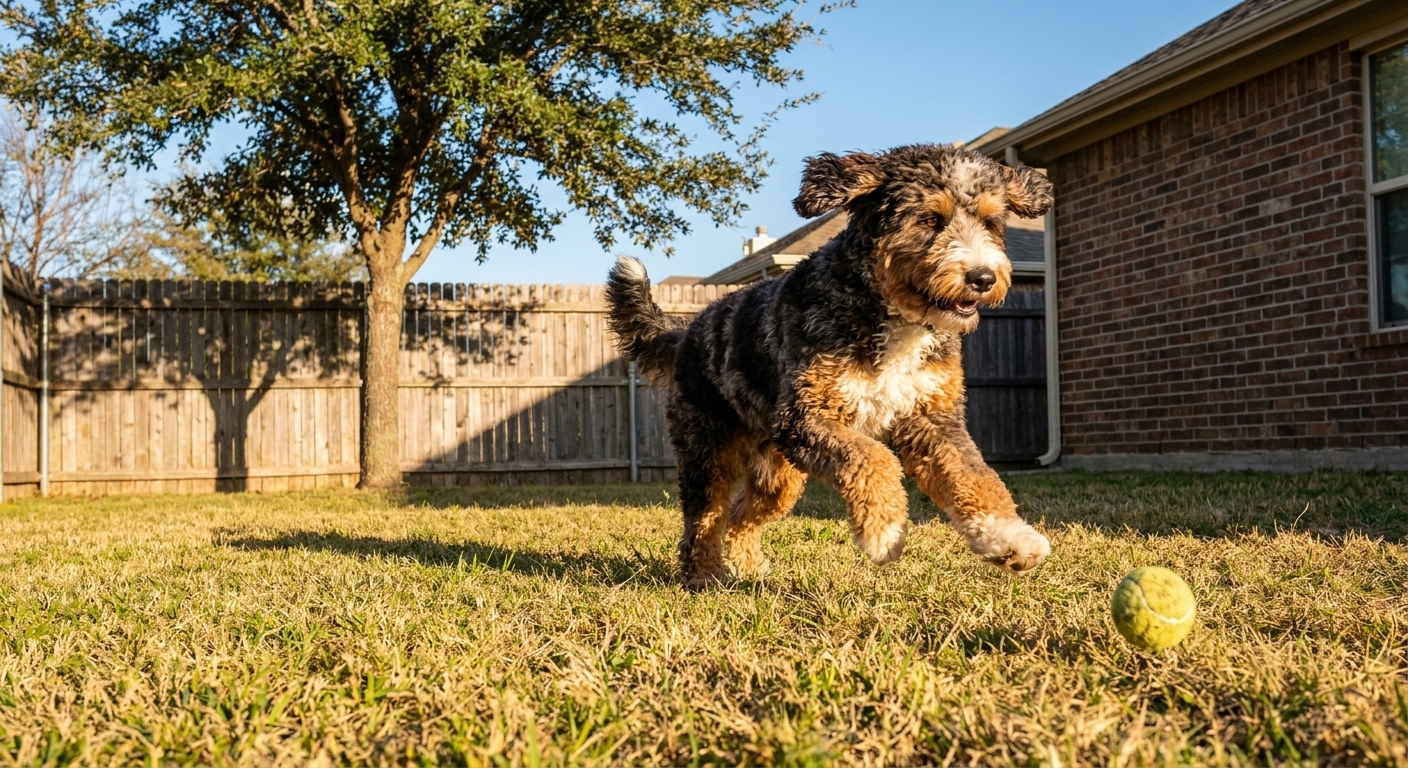
Labradoodles often lean into the Labrador side with a more social, outgoing vibe and retrieving instincts. Some may inherit a softer mouth tendency, but many individuals are still mouthy during adolescence. They usually want to be included in family life, sometimes to the point of being a little too enthusiastic at greetings.
Important: Because these are mixes, individual puppies can vary a lot. Early socialization and the temperament of the parents matter as much as the breed labels.
Size and weight range
This is the missing puzzle piece for a lot of families. Poodle mixes can vary wildly in size depending on the Poodle used and the breeding goals. That impacts living arrangements, exercise limits, and even grooming time.
- Standard: can range from medium to very large. Many end up roughly 45 to 75+ pounds.
- Mini: often land in the 20 to 45 pound range.
- Toy: less common in these mixes, but when it happens, dogs may be 10 to 20 pounds or smaller.
Reality check: Size is not just a number. A smaller doodle may still have a big engine, and a larger doodle may have joint limitations. Ask for adult weights of related dogs, not just puppy estimates.
Herding traits and prey drive
Aussiedoodle instincts
Australian Shepherds were developed to work livestock. In a pet home, that can translate into:
- Herding behaviors: chasing kids who run, cutting off movement in hallways, or guiding other pets
- Motion sensitivity: bicycles, skateboards, squirrels, and activity at the door (deliveries and visitors) can be very exciting
- Vigilance: often more likely to be vocal or alert than many retriever-type dogs
That does not mean an Aussiedoodle is aggressive. It usually means their brain is looking for a job. With training and outlets, many channel these instincts beautifully into sports.
Labradoodle instincts
Labrador Retrievers were developed to retrieve game and work closely with people. In a home, that often looks like:
- Retrieving and carrying: toys, socks, or anything they can proudly present
- Friendliness with strangers: more likely to approach than to monitor from a distance
- Chase interest: some will chase birds or squirrels, but herding-style control is usually less common
Daily exercise
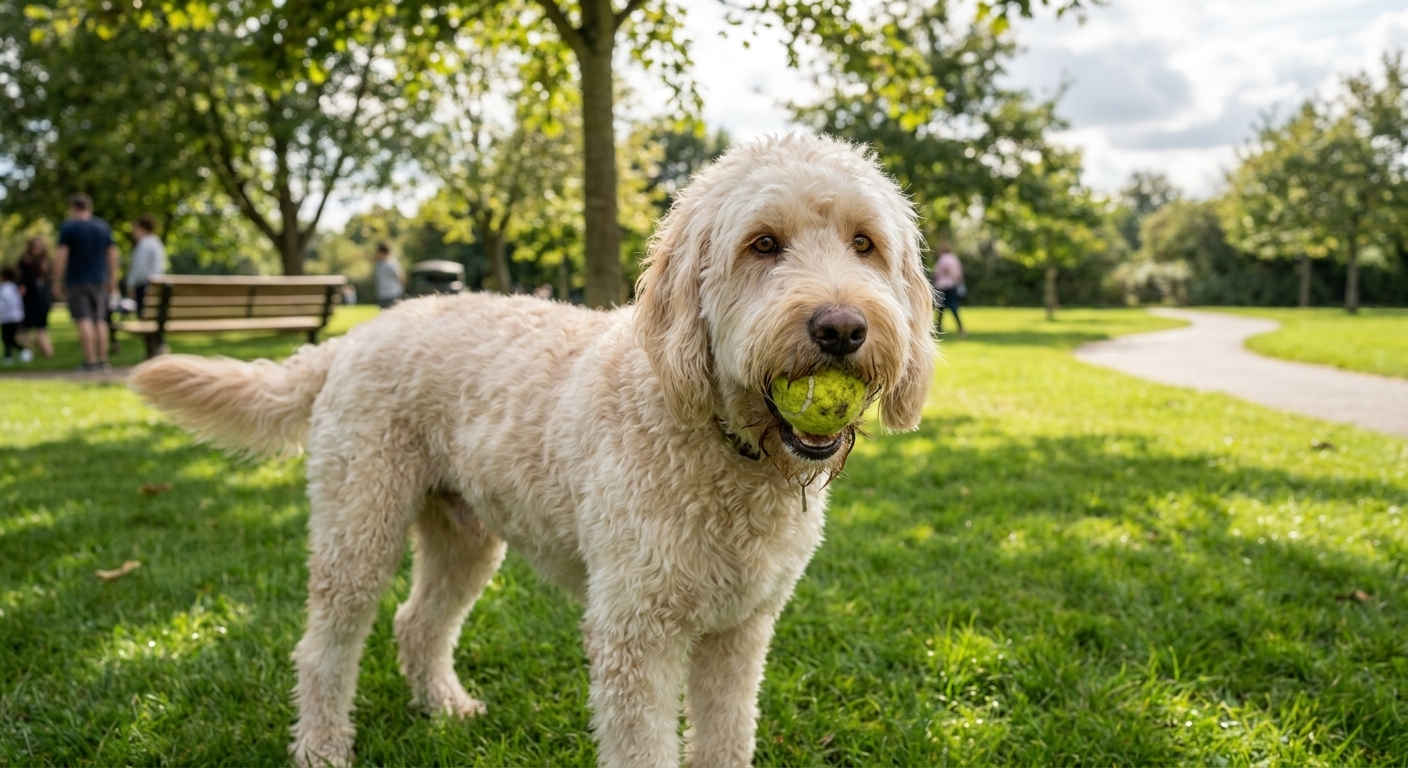
Both mixes need more than a quick potty walk. The difference is often how they like to spend energy, and how much they need depends on size, age, and individual drive.
Aussiedoodle exercise target
- Adults: many do well with 60 to 120+ minutes/day total, split between physical activity and training or brain games
- Style: structured activity plus mental work (training games, scent work, agility foundations)
- Common pitfall: only increasing physical exercise can create an endurance athlete who still feels bored
Labradoodle exercise target
- Adults: many do well with 45 to 90+ minutes/day total, with extra during adolescence or for high-drive lines
- Style: brisk walks, fetch, swimming when available, plus short training sessions
- Common pitfall: not teaching calm behavior indoors, especially during adolescence
Puppy note: Growing joints need protection. Avoid repetitive high-impact exercise (like nonstop jumping for balls) and use short, age-appropriate play sessions. Your veterinarian can help you tailor activity to size and growth stage.
Training style
Aussiedoodle training
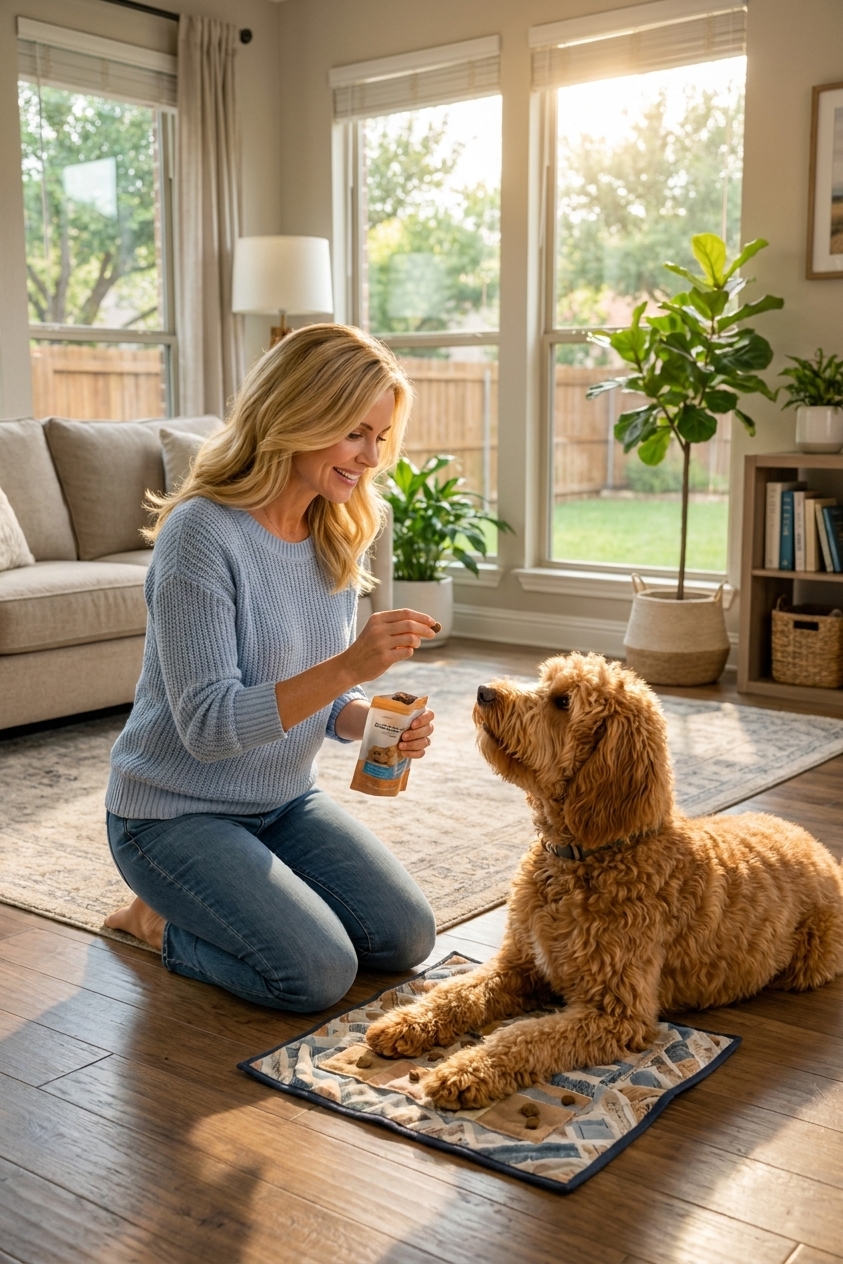
Aussiedoodles often learn fast and may be very handler-oriented, but they can also be sensitive and prone to overstimulation. The most effective approach is typically:
- Short, frequent sessions with clear goals
- Positive reinforcement and calm repetition
- Impulse control as a life skill (wait at doors, settle on a mat, leave it)
- Early socialization to sounds, movement, people, and environments
If herding behaviors show up, focus on teaching alternative behaviors like a solid recall, hand target, and “go to place” rather than punishing the instinct.
Labradoodle training
Labradoodles are often food-motivated and people-loving, which makes training fun. The main work is usually:
- Polite greetings (no jumping, no bulldozing guests)
- Loose-leash walking during adolescent excitement
- Recall around distractions
- Gentle mouth habits, especially if they love to carry things (and yes, many are mouthy as teens)
Because many Labradoodles have a soft, eager-to-please side, harsh corrections can backfire. Consistent reward-based training and clear boundaries tend to work best.
Best activities
Aussiedoodle
If you love a schedule and want a dog that enjoys learning skills, Aussiedoodles often shine in:
- Agility
- Flyball
- Disc (with joint-safe training progression)
- Scent work and nose games
- Rally and advanced obedience
- Hiking with training breaks and decompression sniffing
Labradoodle
Labradoodles often do very well in:
- Obedience and rally
- Dock diving and swimming activities (many love water, though not all)
- Scent work (great for most dogs, including retriever types)
- Canicross or jogging once fully grown and cleared by your vet
- Therapy work for the right individual temperament and training (certification also depends on the organization’s requirements)
Coat and grooming
Coat is one of the most misunderstood parts of doodle mixes. There is no guarantee of “non-shedding,” and coat care is a lifestyle choice.
Coat generations matter
If you are talking to a breeder or rescue, ask what generation the dog is, because it can affect predictability of coat and shedding:
- F1: first-generation cross (one purebred parent of each breed). Coats can be very variable.
- F1b: often an F1 crossed back to a Poodle. This can increase the chance of curl and lower shedding, but nothing is guaranteed.
- Multigen: doodle to doodle breeding over multiple generations. Coat predictability may improve in some lines, but it depends heavily on selection and testing.
Aussiedoodle coats
- Common types: wavy fleece, curly, or sometimes a looser, more Aussie-influenced coat
- Shedding: varies widely, some shed noticeably
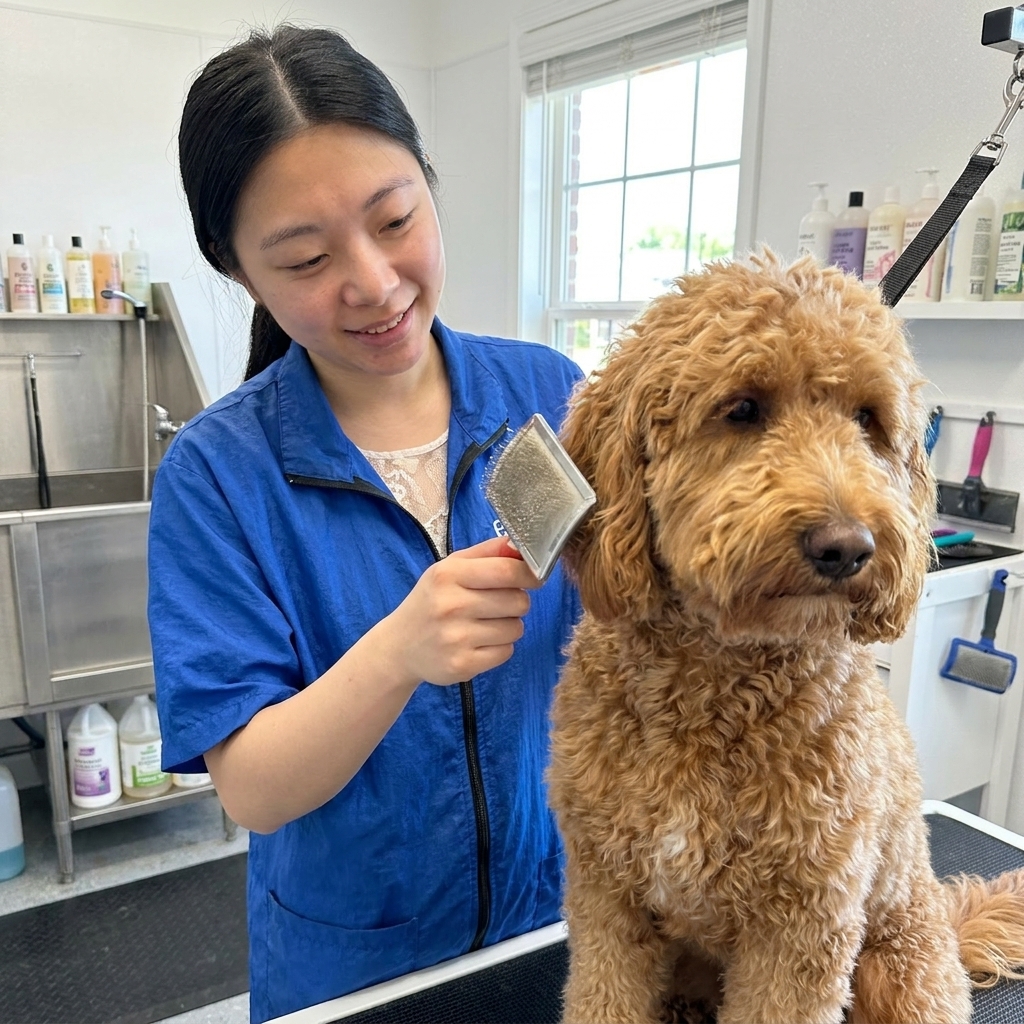
- Grooming needs: brushing several times per week, plus professional grooming roughly every 6 to 10 weeks depending on coat length
Labradoodle coats
- Common types: wavy fleece and curly coats are common, but straighter coats happen too
- Shedding: varies. Some shed quite a bit if they inherit more Labrador coat traits.
- Grooming needs: similar schedule, with extra attention to ears
Ear tip from the clinic: Doodles can be more likely to develop ear irritation or infections if moisture and hair build up and airflow is limited, especially in swimmers. Have your vet or groomer show you safe ear care and ask how often ears should be checked for your individual dog.
Practical tip: Ask breeders or rescues what grooming schedule the dog is currently on, and request a video of the coat being brushed to see how dense it really is.
Quieter suburbs vs active homes
Quieter suburbs
In many quieter suburban homes, a Labradoodle can be the smoother fit because their energy is often easier to satisfy with a reliable walk-and-play routine, and they are typically less likely to try to manage every movement in the environment.
That said, a calm suburban life still needs structure: daily exercise, training, and enrichment. Without it, Labradoodles can become bouncy, mouthy, and mischievous.
Very active homes
If your family loves training, weekend adventures, and dog sports, an Aussiedoodle may feel like an amazing teammate. Many do best when they have:
- a daily plan for both physical exercise and brain work
- consistent rules and boundaries
- intentional downtime training so they can relax in the house
In a high-traffic home with kids coming and going, Aussiedoodles can do well, but you may need to proactively manage herding behaviors and teach calm routines.
Common challenges
Aussiedoodle watch-outs
- Herding nips: redirect to tug toys, teach “go to place,” reward calm watching instead of chasing
- Alert barking: increase enrichment, teach a cue like “thank you” then reward quiet
- Over-arousal: build daily decompression walks where sniffing is the goal
Labradoodle watch-outs
- Jumping and pulling: reward four-on-the-floor, use a front-clip harness, practice greetings
- Chewing: provide legal chew outlets and rotate enrichment toys
- Separation stress: teach alone-time slowly with short departures and calm returns
If you want the best version of either mix, teach two skills early: a reliable recall and a true settle. Those two behaviors protect your dog in the real world and make home life peaceful.
Health notes
Every dog is an individual, but these are a few health topics I see families surprised by with Poodle mixes and the parent breeds:
- Joint health: hip and elbow dysplasia risk exists in both breed lines. Keep puppies lean and avoid repetitive impact while growing.
- Eyes: eye conditions can occur in the parent breeds, so eye testing in breeding dogs matters.
- Ears and skin: some dogs deal with allergies or recurrent ear and skin irritation. Early vet guidance helps.
- Weight: Lab-leaning dogs can be very food-motivated. Obesity quietly worsens joint and health outcomes.
- Knees and cruciate: active dogs can be at risk for cruciate ligament injury. Conditioning and maintaining a healthy weight help.
Breeder note: reputable breeders typically provide proof of orthopedic and eye testing (often OFA-based in the US), relevant genetic testing, and a clear take-back policy.
Which one should you choose?
Here is a simple way to decide:
Choose an Aussiedoodle if you want
- a dog that loves having a job and learning complex skills
- a sport partner for agility, flyball, rally, or scent work
- a higher-energy companion and you enjoy daily training
Choose a Labradoodle if you want
- a friendly family dog with a more classic retriever vibe
- a dog that can match an active lifestyle without needing constant “work”
- a great walking buddy, fetch fan, and potential therapy candidate (for the right temperament and certification)
My veterinary-assistant reality check: Meet adult relatives when possible, ask about typical barking and impulse control, and be honest about your schedule. The best match is the one you can meet every day, not just on weekends.
Questions to ask breeders and rescues
- What are the parents like in everyday life, not just in photos?
- What adult sizes do you typically see from this pairing?
- What generation is this litter or dog (F1, F1b, multigen), and what coats have you seen from similar pairings?
- Has the dog shown herding behaviors, chase behaviors, or noise sensitivity?
- What is the current daily exercise and training routine?
- What coat type does this dog have right now, and what grooming schedule is required?
- What health testing was done on the parents (hips, elbows, eyes, and relevant genetic testing for both breed lines)?
- What early socialization program was used (surfaces, sounds, handling, car rides, crate basics)?
- How does the dog handle being alone for 2 to 4 hours?
- For breeders: do you have a take-back policy if the placement is not working out?
If you would like, tell me your household activity level, yard situation, and whether you have kids or other pets, and I can help you think through which mix is more likely to fit your day-to-day life.