
Aspiration Pneumonia in Dogs

If your dog has ever vomited, regurgitated, or had a neurologic episode and then started coughing or breathing fast, it can feel scary and sudden. One condition we take very seriously in veterinary medicine is aspiration pneumonia, which happens when material from the mouth, stomach, or esophagus is breathed into the lungs.
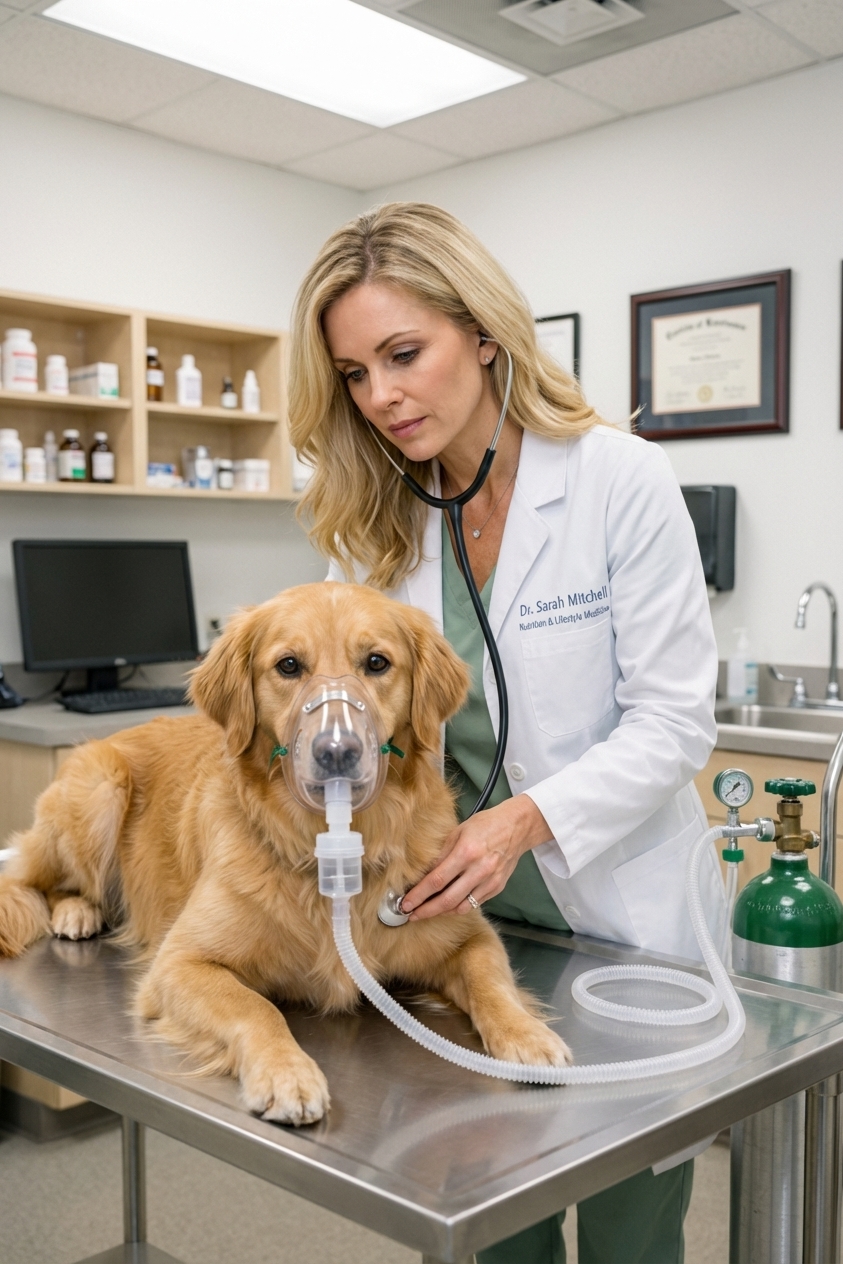
As a veterinary assistant here in Frisco, Texas, I want you to feel informed, not overwhelmed. Let’s walk through what aspiration pneumonia is, how it is different from other lung problems, who is at higher risk, what warning signs to watch for, how it is diagnosed, and the habits that can lower risk at home.
What aspiration pneumonia is (plain language)
Aspiration means inhaling something into the airway that should have gone down the esophagus. When that material causes inflammation and brings bacteria into the lungs, it can lead to aspiration pneumonia.
Dogs can aspirate:
- Vomit (stomach contents)
- Regurgitated food or water (material that comes back up without retching)
- Saliva (especially if swallowing is weak)
- Medication or liquids (for example, syringing water too quickly)
The lungs are delicate. Even a small aspiration event can irritate airways. In some cases, aspiration starts as chemical irritation (aspiration pneumonitis) first, and then a bacterial infection can follow over the next 24 to 72 hours. That is one reason some dogs seem worse a day or two after the initial vomiting or regurgitation episode.
Aspiration pneumonia vs other lung issues
“Pneumonia” generally refers to inflammation of the lung tissue. It is often infectious, but not always. The underlying cause matters because it changes risk factors, treatment decisions, and prevention.
Aspiration pneumonia
- Trigger: Inhaling vomit, regurgitated food, saliva, or liquid
- Clues: Recent vomiting or regurgitation, anesthesia, neurologic disease, trouble swallowing, megaesophagus
- Pattern: Often affects the dependent (lowest) parts of the lungs. In plain language, that means the areas that were most “downhill” based on how your dog was positioned when aspiration happened. In dogs, this is often the cranial and ventral lobes, commonly right-sided, especially the right middle (your vet confirms distribution on X-rays).
Infectious (community-acquired) pneumonia
- Trigger: Primary infection from bacteria, viruses, or fungi
- Clues: Exposure to sick dogs, kennel or daycare outbreaks, fever, nasal discharge
- Pattern: Can vary widely depending on organism and severity
“Kennel cough” and tracheobronchitis
- Trigger: Upper airway infection and irritation (often involves multiple organisms)
- Clues: Hacking cough, but many dogs still have normal energy and appetite
- Important: It can occasionally progress to bronchopneumonia, but most cases are not aspiration pneumonia
If your dog coughs after a vomiting or regurgitation episode, aspiration rises on the list quickly, and that is worth a prompt veterinary call.
High-risk situations we watch closely
Aspiration pneumonia is not random. It usually happens when a dog cannot protect the airway well, or when a large volume of material comes up unexpectedly.
1) Vomiting vs regurgitation
Vomiting involves abdominal effort and retching. Regurgitation is more passive, often looks like food or water just “falls out,” and can happen shortly after eating or hours later.
Regurgitation often points to an esophageal problem, and esophageal problems are strongly linked to aspiration risk.
2) Megaesophagus
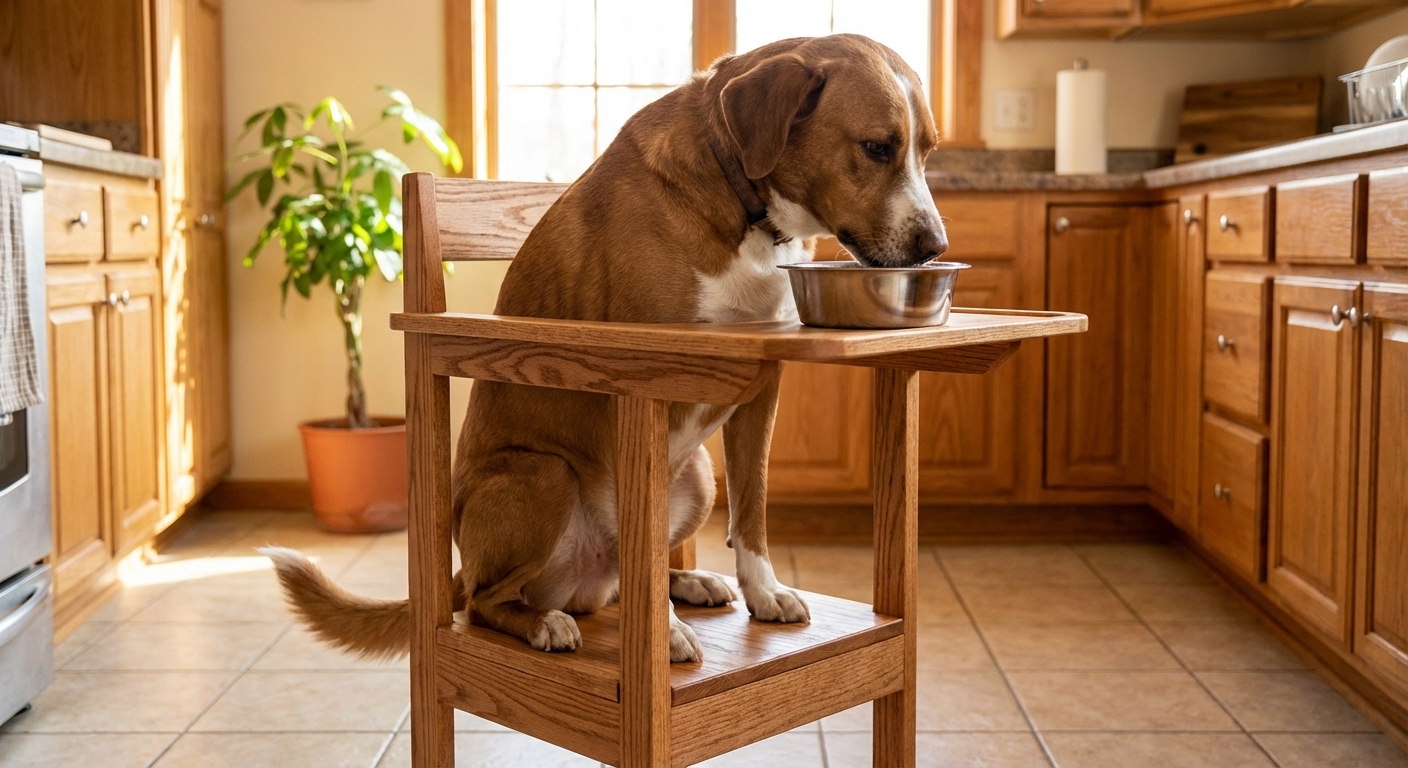
Megaesophagus means the esophagus is enlarged and does not push food down normally. Food and liquid can sit there and come back up, especially when a dog changes position. This is one of the highest risk conditions for aspiration pneumonia.
3) Sedation, anesthesia, and procedures
Any time a dog is sedated, the protective swallowing and cough reflexes can be dulled. Aspiration risk is higher:
- During anesthesia and recovery
- After dental procedures (blood, water, saliva)
- If a dog vomits or refluxes while sleepy
This is why clinics take fasting instructions so seriously, and why post-op monitoring matters.
4) Neurologic disease and swallowing problems
Dogs with certain neurologic conditions can have poor coordination of swallowing and airway protection, including:
- Laryngeal dysfunction or paralysis
- Neuromuscular diseases (for example myasthenia gravis)
- Stroke-like events, seizures, vestibular disease episodes
- General weakness or poor gag reflex
Practical safety tip: If your dog is vomiting or having a seizure while lying down, do not put your hands near the mouth. If it is safe to do so, try to keep the head and neck slightly forward and angled downward so material can drain out rather than be inhaled. If your dog is actively seizing or you are unsure, focus on safety first and seek veterinary guidance as soon as you can.
5) Breed and body factors
Breed alone does not “cause” aspiration pneumonia, but some dogs have anatomy or inherited risks that can make airway protection harder.
- Brachycephalic dogs (French Bulldogs, English Bulldogs, Pugs) can have airway resistance and reflux tendencies, and may struggle more during regurgitation episodes.
- Giant and large breeds are overrepresented in some esophageal disorders, including megaesophagus.
6) Tube feeding, force-feeding, and syringing liquids
Well-meaning home care can accidentally increase aspiration risk. If you have been instructed to syringe-feed, give tiny amounts slowly, allow swallowing, and stop immediately if your dog coughs or gags. If your dog cannot swallow reliably, ask your vet about safer alternatives.
Warning signs to watch for
Aspiration pneumonia can start subtly. Some dogs look “a little off” at first. Others crash quickly, especially after a big aspiration event.
Common symptoms
- Coughing, often starting within hours to a few days after vomiting or regurgitation
- Fast breathing or working harder to breathe (more belly movement, flared nostrils)
- Lethargy, weakness, less interest in activity
- Fever (not always present)
- Reduced appetite
- Nasal discharge or noisy breathing in some cases
- Crackly lung sounds (crackles) your veterinarian may hear on exam
A simple at-home check
When your dog is resting or sleeping, you can count breaths (one rise and fall of the chest is one breath). Many healthy resting dogs are under 30 breaths per minute. A consistent resting rate over 30, or any obvious effort to breathe, is worth a same-day call. If your dog looks distressed, skip the counting and go in.
Emergency signs (go now)
- Gums or tongue look blue, gray, or very pale
- Open-mouth breathing in a dog that does not normally do that
- Breathing rate stays very high at rest, or your dog cannot settle
- Collapse or extreme weakness
If you are unsure, it is absolutely appropriate to call an emergency clinic and describe the timeline: “vomiting or regurgitation happened at X time, and coughing or breathing changes started at Y time.” That history helps the team triage appropriately.
How vets diagnose it
Diagnosis is a combination of history, physical exam, imaging, and sometimes lab work.
1) History and exam
Your veterinarian will ask about vomiting vs regurgitation, anesthesia, neurologic events, and how quickly signs started. On exam, they will check temperature, hydration, gum color, oxygenation, and listen for abnormal lung sounds.
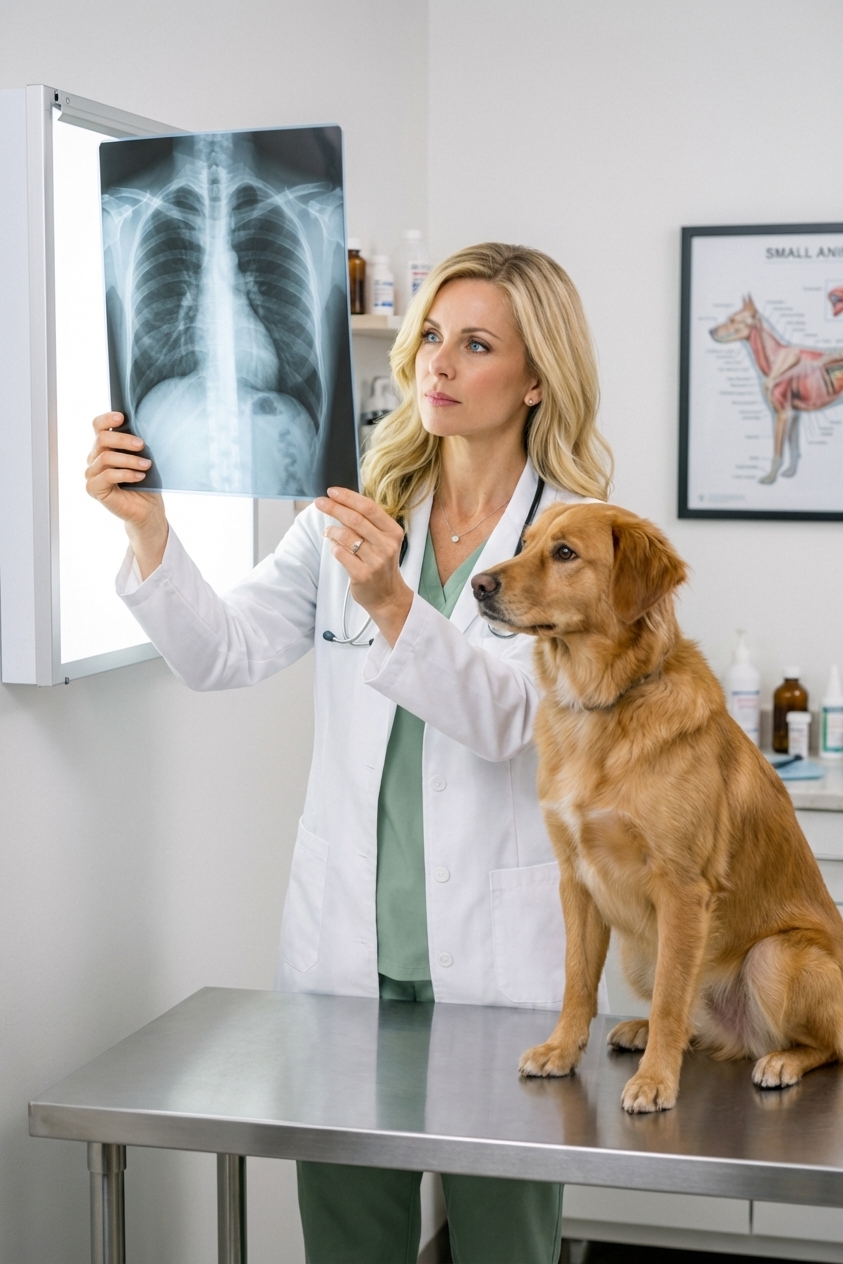
2) Chest X-rays
Chest radiographs are the most common first test. They can show lung patterns consistent with pneumonia and help determine severity and distribution.
3) Pulse oximetry and oxygen support
A simple sensor can estimate oxygen levels. If oxygen is low, your dog may need oxygen therapy right away while diagnostics continue.
4) Lab work
Bloodwork can help assess infection and inflammation, hydration status, and organ function, especially before starting certain medications.
5) Airway sampling (selected cases)
In more severe, recurrent, or non-responding cases, a vet may recommend a tracheal wash or bronchoalveolar lavage to identify bacteria and choose the most appropriate antibiotic. Not every dog needs this, and it depends on stability and risk.
6) Finding the underlying cause
If aspiration pneumonia happened after regurgitation, the bigger long-term win is finding out why regurgitation is occurring. That can include:
- Esophagus evaluation (X-rays, contrast studies, endoscopy depending on the case)
- Testing for myasthenia gravis if megaesophagus is suspected
- Assessment for reflux, hiatal hernia, laryngeal function, or other contributors
7) Follow-up
Many dogs need rechecks, and sometimes repeat X-rays. Often, a dog can look clinically better before the lungs look fully “cleared” on imaging, so follow your vet’s timeline for re-evaluation.
What treatment can involve (overview)
Treatment is individualized, but aspiration pneumonia often requires more than “a cough medicine.” In fact, cough suppressants are not appropriate for many pneumonia cases because coughing helps clear airways.
Your veterinarian may recommend:
- Antibiotics when bacterial infection is suspected or confirmed
- Oxygen therapy if oxygen levels are low
- IV fluids if dehydrated, with care not to overload the lungs
- Nebulization and coupage (airway humidification plus gentle chest percussion) to help mobilize secretions
- Anti-nausea or anti-reflux medications if vomiting or reflux is part of the cause
- Hospitalization for monitoring in moderate to severe cases
Important: Avoid giving human cough medicines or over-the-counter cold medications unless your veterinarian tells you to. Some are unsafe for dogs, and others can mask signs we need to track.
Most importantly, treatment includes a plan to reduce the chance of another aspiration event.
Prevention habits that help
You cannot control everything, but you can reduce risk, especially for dogs prone to regurgitation or with neurologic disease.
Feeding strategies for regurgitation and megaesophagus
- Upright feeding (Bailey chair or upright support) and keep your dog upright 10 to 30 minutes after meals, or as your veterinarian recommends.
- Smaller, more frequent meals can reduce volume sitting in the esophagus.
- Experiment with texture only with veterinary guidance. Some dogs do better with meatball-style foods, others with a slurry, and some with specific canned diets.
- Elevate water or offer thickened liquids if recommended. Water can be a common trigger for regurgitation in megaesophagus dogs.
Medication and supplement safety
- Give pills with a small “chaser” of food if appropriate for your dog.
- Avoid syringing water quickly into the mouth. If you must syringe, go slow and allow full swallows.
- Ask your veterinarian if any sedating medications might increase risk for your dog.
After anesthesia or sedation
- Follow fasting instructions exactly, even if your dog gives you the sad eyes.
- Keep your dog calm and supervised during recovery.
- Call your vet if vomiting, repeated swallowing, lip-licking, or regurgitation occurs after a procedure.
For neurologic dogs
- Feed when your dog is most alert and coordinated.
- Avoid rushing meals.
- Ask about a swallow evaluation if coughing happens during eating or drinking.
Healthy home monitoring
If your dog has known regurgitation, megaesophagus, or aspiration history, a simple routine can help you catch changes early:
- Track episodes: time, food type, body position, and amount
- Know your dog’s resting breathing rate when healthy
- Watch for “new cough” after any vomiting or regurgitation event
When to call your vet (and what to say)
If your dog coughs, breathes faster, seems lethargic, or will not eat after vomiting or regurgitation, call your veterinarian the same day. If breathing looks labored, treat it as urgent.
Helpful details to share:
- Was it vomiting or regurgitation?
- When did it happen, and how many times?
- When did coughing or breathing changes start?
- Any recent anesthesia, seizure, or new medication?
- Any known megaesophagus, reflux, or neurologic diagnosis?
If your gut says “this is different,” trust that instinct. Aspiration pneumonia is often more treatable when caught early, and much harder when a dog is already struggling to oxygenate.
Long-term management: diet changes
Once the immediate crisis is addressed, the long-term goal is to reduce future vomiting or regurgitation episodes, since those are major aspiration triggers.
It is worth being careful with sudden diet switches, rich treats, and fatty table foods. If you want to add fresh foods or transition toward homemade meals, go slowly and keep portions consistent.
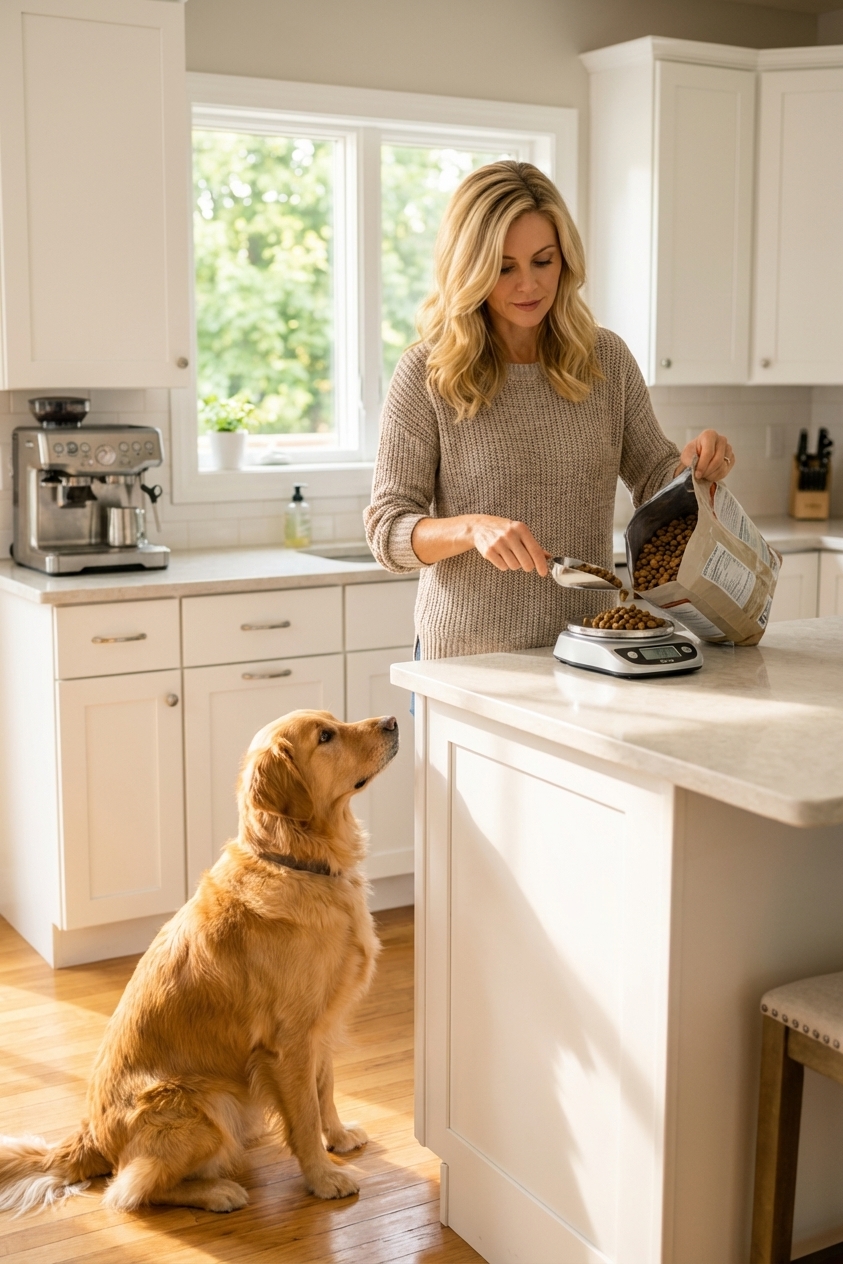
For dogs with a history of regurgitation or megaesophagus, always talk with your veterinarian before changing texture, moisture level, or feeding setup. In these dogs, “healthy” is not just about ingredients. It is also about delivery, posture, and consistency.
Key takeaways
- Aspiration pneumonia often follows vomiting, regurgitation, sedation, or neurologic disease.
- Regurgitation is a major clue because it suggests esophageal dysfunction and higher aspiration risk.
- Watch for new cough, fast breathing, lethargy, fever, and reduced appetite.
- Diagnosis usually starts with exam plus chest X-rays, with oxygen assessment and lab work as needed.
- Prevention is very real: upright feeding, smaller meals, careful post-anesthesia monitoring, and safe medication administration can reduce risk.
Medical disclaimer
This article is for general education and is not a substitute for veterinary diagnosis or treatment. If your dog is having trouble breathing, is very weak, or has blue or pale gums, seek emergency veterinary care immediately.