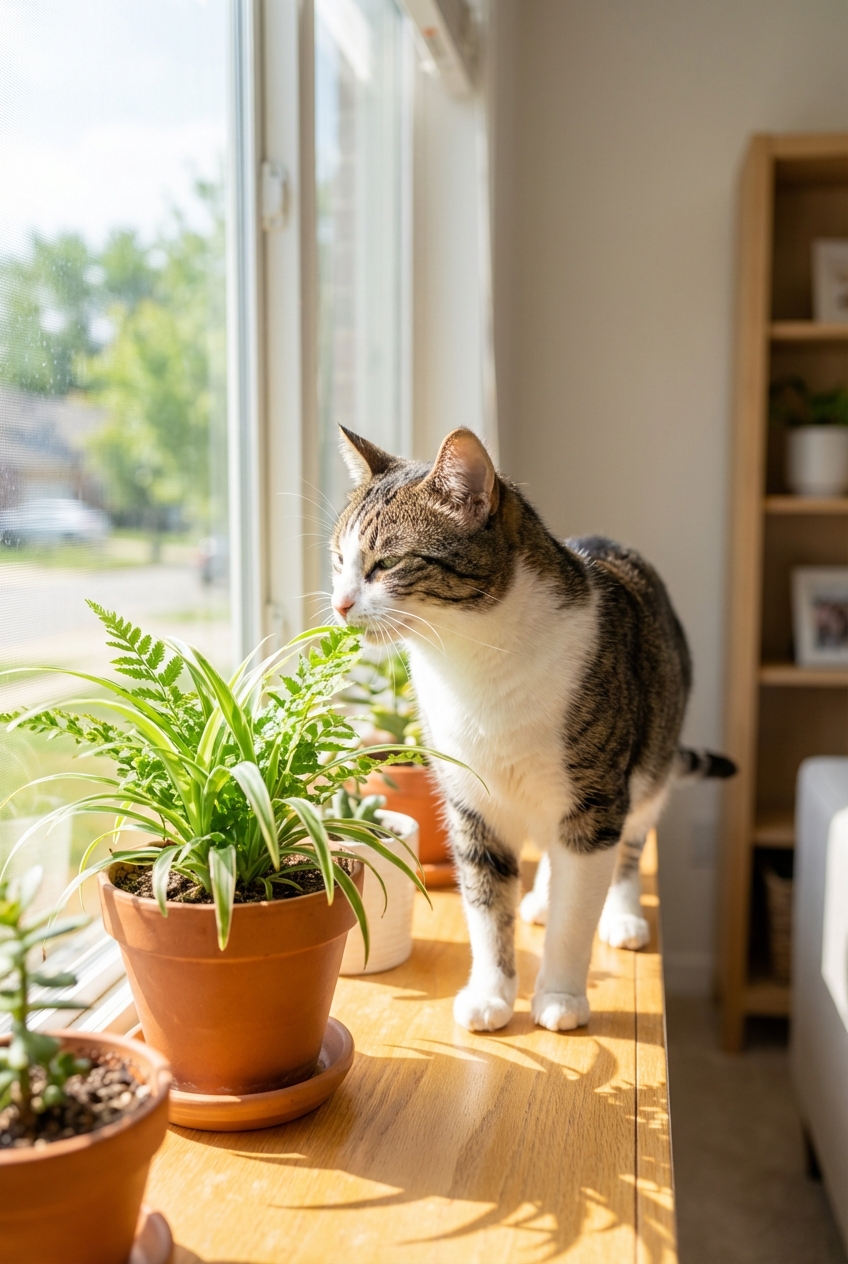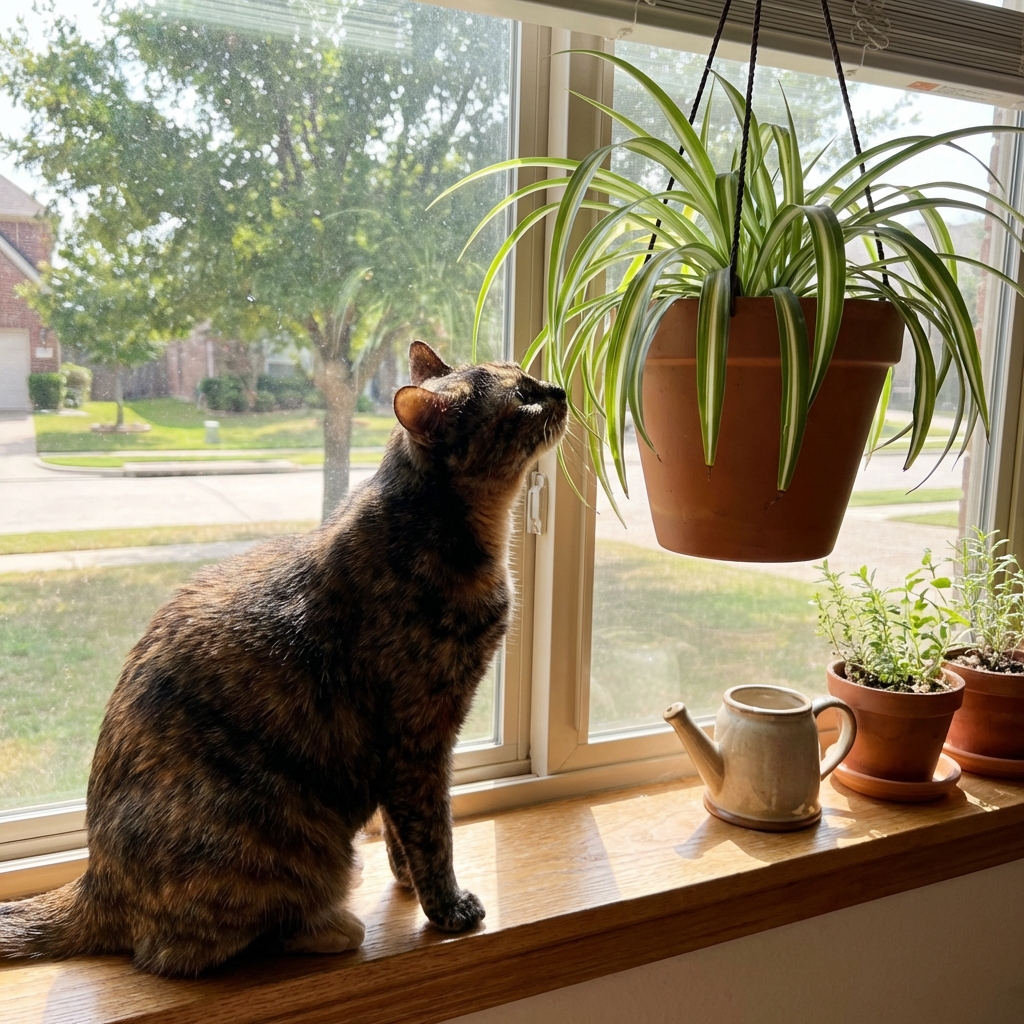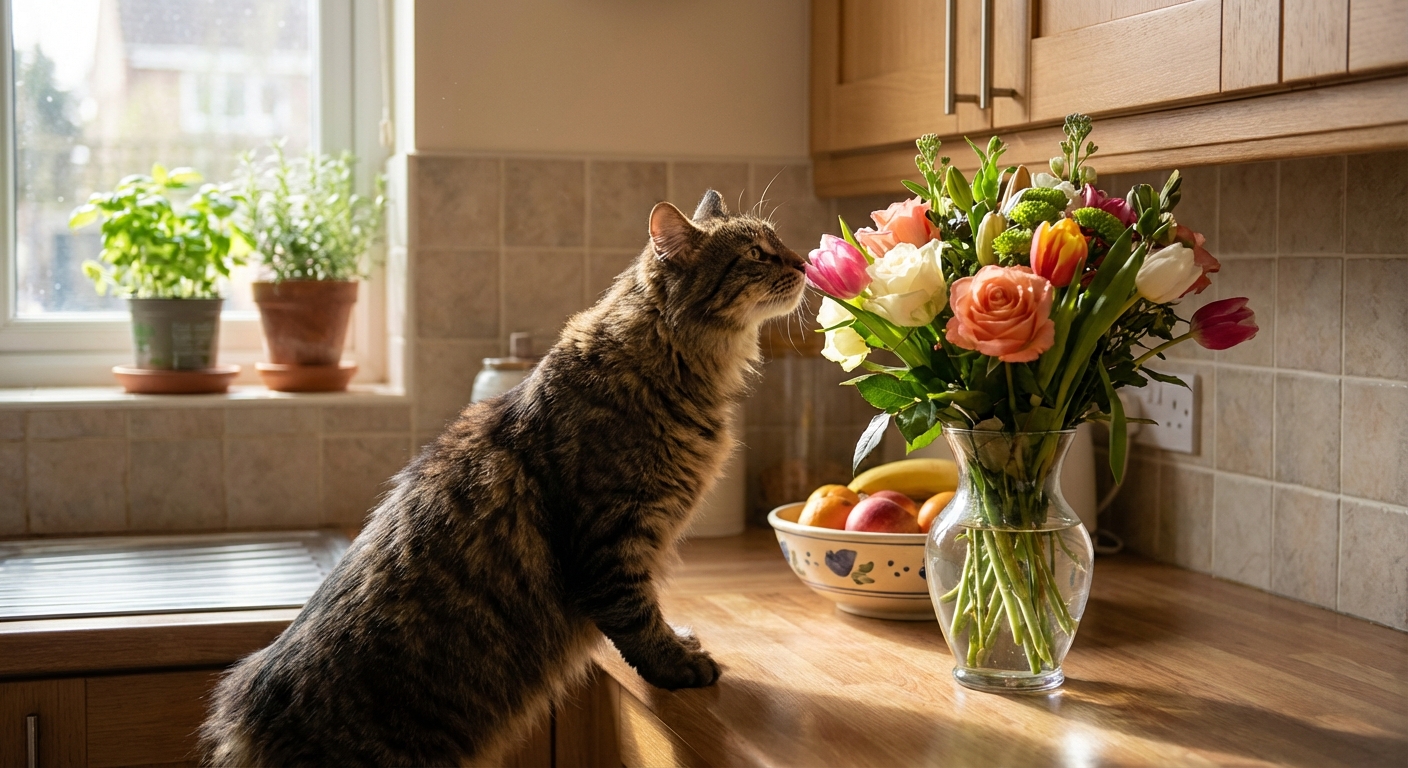
Many popular bouquet flowers are dangerous to cats—especially true lilies, which can cause rapid kidney failure. Learn the top toxic blooms, warning signs,...
Article
•
Designer Mixes
Are Roses Toxic to Cats?

Shari Shidate
Designer Mixes contributor
If you share your home with a cat and you love gardening, you have probably asked the big question: are roses toxic to cats? The reassuring answer is that true roses (genus Rosa) are generally considered non-toxic to cats. For example, they are commonly listed as non-toxic by reputable pet poison resources such as the ASPCA Animal Poison Control and Pet Poison Helpline. But there is an important catch: while the plant itself is not known for causing true poisoning, roses can still hurt cats through thorns, mild stomach upset from chewing, and exposure to florists’ chemicals and pesticides.
As a veterinary assistant, I always tell pet parents this: with cats, “non-toxic” does not mean “risk-free.” Let’s walk through what is safe, what is not, and how to keep your curious kitty protected.
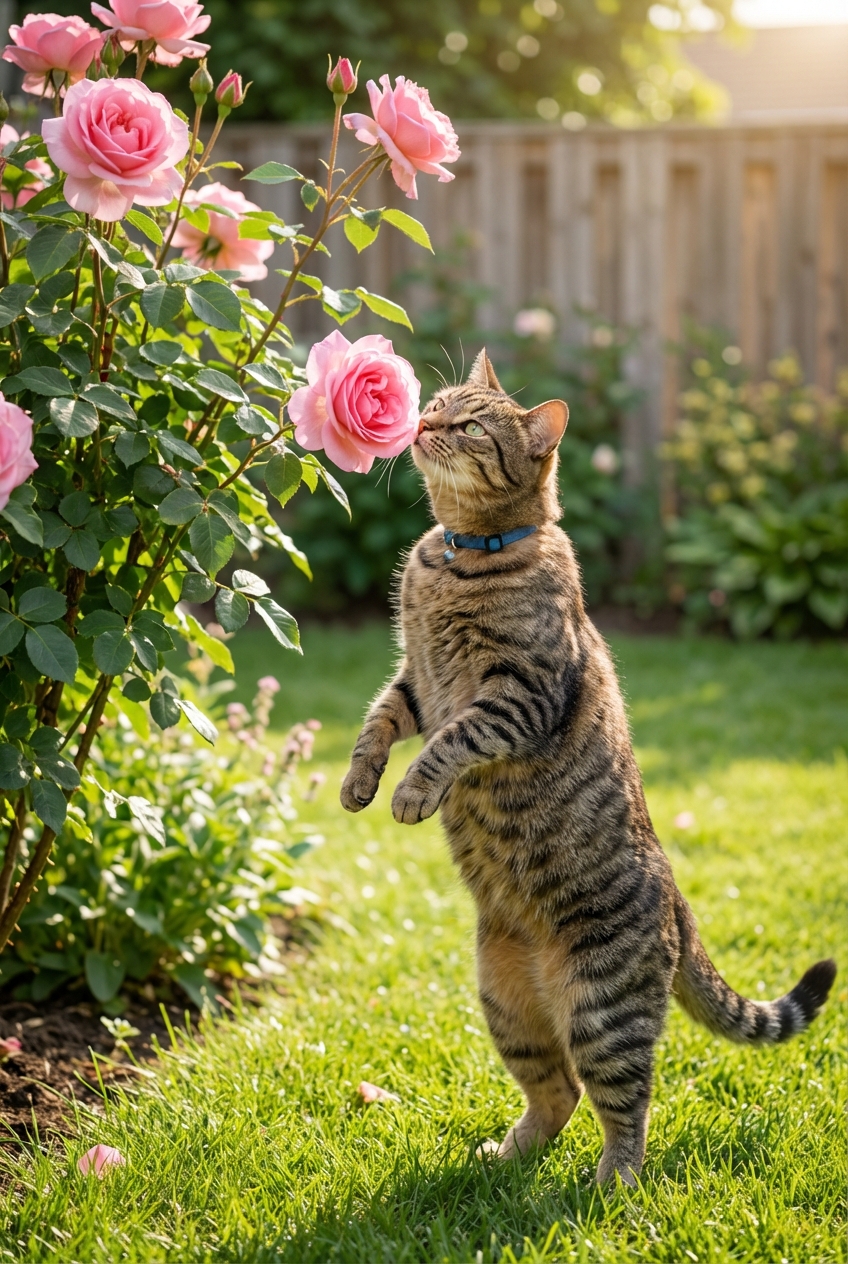
Quick answer: are roses poisonous to cats?
True roses (Rosa species) are not considered poisonous to cats. Reputable pet poison resources commonly list roses as non-toxic. If your cat nibbles a petal or leaf, you are more likely to see mild gastrointestinal upset than true toxicity.
That said, there are three common rose-related problems we see:
- Mouth or eye injuries from thorns.
- Vomiting or diarrhea after chewing stems, leaves, or petals (this may happen, but it is not guaranteed).
- Exposure to pesticides or floral preservatives on store-bought bouquets.
Symptoms if a cat eats roses
If your cat takes a bite of a rose, symptoms are usually mild and short-lived. Watch for:
- Drooling or lip smacking (especially if a thorn poked the mouth)
- Vomiting
- Diarrhea
- Decreased appetite for a meal or two
- Pawing at the mouth
Call your veterinarian right away if you notice any of the following, since they can signal an injury or a bigger issue than “just a nibble”:
- Repeated vomiting or diarrhea
- Blood in saliva, vomit, or stool
- Swelling of the face or mouth
- Squinting, watery eye, or holding an eye closed (possible thorn injury)
- Lethargy or hiding that is unusual for your cat

Thorns are the bigger risk
Thorns can cause:
- Small punctures to lips, gums, tongue, or paws
- Eye injuries if a cat rubs its face near a thorny stem
- Skin infections if a thorn breaks off under the skin
In clinics, this is the rose issue we most often worry about, especially when a cat gets a thorn in the mouth or near the eye. If you suspect a thorn injury, avoid digging around in the mouth or eye at home. Cats can bite when they are hurting, and eyes are especially delicate. A quick vet visit can prevent a minor injury from turning into a major one.
Garden vs. bouquet roses
Garden roses
Roses grown in your yard may be safer if you can confirm they have not been treated with chemicals that are unsafe for pets. The plant is still physically risky because of thorns, but the toxicity concern is usually low.
Florist or grocery store bouquets
Store-bought roses can come with extra hazards:
- Pesticide residues or post-harvest treatments on petals and leaves
- Floral preservatives added to vase water
- Mixed bouquets that include truly toxic plants (more on that below)
If your cat drinks vase water, it can trigger stomach upset. Vase water may contain preservatives, sugars, and bacteria as it sits. Effects vary, but it is worth taking seriously, especially if your cat drank a lot. The safest approach is simple: keep bouquets in a closed room or use a location your cat cannot access.

Toxic plants with “rose” in the name
One reason roses get a bad reputation is that several toxic plants have “rose” in the name, but are not true roses. Here are a few to know:
- Christmas rose (often Helleborus)
- Desert rose (Adenium)
- Primrose (especially Primula species, which can cause GI upset and sometimes skin irritation)
And if you only remember one flower to avoid around cats, make it this: lilies (Lilium species) and daylilies (Hemerocallis species) are extremely dangerous to cats . Even small exposures can be life-threatening.
If your bouquet has “filler” flowers and greenery and you are not 100% sure what they are, treat it like a risk and place it out of reach. Common bouquet add-ins that can be problematic for cats include lilies, tulips, and chrysanthemums.
Keeping cats safe around roses
You do not have to give up roses to protect your cat. A few practical steps go a long way.
In the garden
- Fence off rose beds or use raised planters to limit access.
- Prune thoughtfully and clean up clippings right away. Stems left on the ground are tempting.
- Avoid pet-toxic pesticides. If you treat for pests, ask your vet or a local garden center about pet-safer options and follow all label directions.
Inside the home
- Keep bouquets in cat-free zones (closed office, guest room, or a truly inaccessible spot).
- Do not let cats drink vase water. Use a heavy, tip-resistant vase and block access.
- Provide safe alternatives like cat grass or a vet-approved chew option to satisfy nibbling.
If your cat chewed a rose
Stay calm and do a quick check.
- Remove the plant from your cat’s reach.
- Look for signs of a thorn injury around the lips, face, paws, and eyes. If your cat is stressed, painful, or you suspect an eye injury, stop and call your vet.
- Offer a small amount of water to drink, if your cat is interested, to help clear the mouth naturally. Do not force water into the mouth and do not try to “flush” the mouth with a syringe.
- Monitor for 24 hours for vomiting, diarrhea, drooling, or appetite changes.
- Call your veterinarian if symptoms persist, worsen, or if you suspect pesticides, preservatives, or a mixed bouquet plant was involved.
If you are unsure what your cat chewed, take a clear photo of the plant and the bouquet tag, if available. That can help your veterinary team make faster decisions. For possible pesticide exposure, unknown plants, or significant vase-water intake, your vet may also recommend calling a pet poison hotline (ASPCA Animal Poison Control or Pet Poison Helpline) for case-specific guidance.
Bottom line
True roses are generally non-toxic to cats , but they can still cause problems due to thorns, mild GI upset, and chemical exposure. If you garden or keep bouquets, the safest plan is to prevent chewing, keep arrangements out of reach, and be extra cautious with mixed bouquets and treated flowers.
Your cat can live in a beautiful home and you can still enjoy roses. A little setup and awareness keeps everyone safe.