Make meals more tempting and nutritious with simple dog food toppers: bone broth, cooked eggs, sardines, pumpkin, and steamed veggies—plus portions, storag...
Article
•
Designer Mixes
Are Raw Eggs Good for Puppies?

Shari Shidate
Designer Mixes contributor
Puppies are basically tiny nutrition detectives. They can sniff out anything you are cooking, and they can also get into trouble fast if a food is unsafe or unbalanced. Eggs are one of those topics that sounds simple, but the real answer is more nuanced.
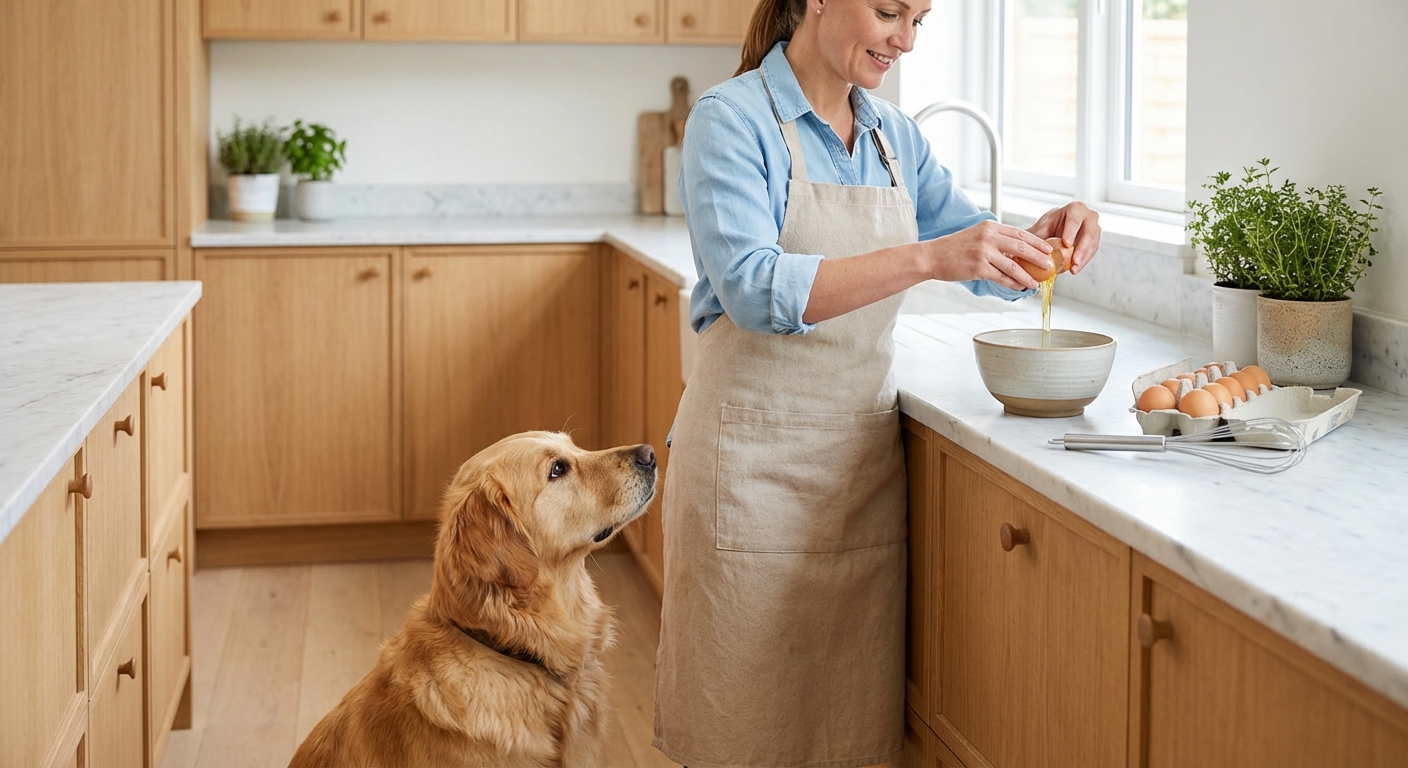
In general, raw eggs are not the best choice for puppies, especially as a regular add-in. Puppies have developing immune systems, they are growing fast, and they need reliable nutrition. That means the safest and most evidence-based approach is to cook eggs if you want to share them.

Quick answer: raw vs. cooked
Cooked eggs can be a puppy-friendly topper in small amounts. They provide highly digestible protein and helpful nutrients.
Raw eggs come with two main concerns:
- Bacterial risk (like Salmonella), which can cause diarrhea, vomiting, dehydration, and more serious illness. Risk varies by region and handling, but it is not zero.
- Biotin interference from a raw egg white protein called avidin, which can bind biotin (a B vitamin). This is mostly a concern with frequent feeding of raw whites over time. Cooking denatures avidin, which is one reason cooked is the easier choice.
If you are deciding between the two, cooked wins for most families because it is safer and still nutritious.
Why puppies are different
Adult dogs can sometimes tolerate food choices that are a little riskier, but puppies are different. They are building their gut microbiome, their immune system is still maturing, and one rough bout of diarrhea can dehydrate a small body quickly.
When I think about puppy nutrition, I also think about the “cost” of a mistake. With puppies, the cost can be high. That is why many veterinarians and public health bodies caution against feeding raw animal products, especially for puppies and high-risk households.
What guidance suggests
Most veterinary public health guidance focuses on reducing exposure to foodborne pathogens in pets and the household. Raw animal products can carry bacteria, and dogs can shed those organisms in their stool even if they seem fine. That matters if you have kids in the home, anyone immunocompromised, or a puppy still learning good potty habits.
Also important: eggs are not a complete puppy food. Puppies need carefully balanced calcium, phosphorus, fatty acids like DHA, and appropriate calories for growth. Eggs can be a bonus item, but they should not crowd out a complete and balanced puppy diet.
Benefits of eggs
Eggs are genuinely nutritious. When cooked and offered in appropriate portions, they can provide:
- High-quality protein to support growth
- Fat-soluble vitamins like vitamin A (and small amounts of vitamin D)
- Choline which supports brain and cell function
- Healthy fats that can help with energy and coat health
The key is using eggs as a treat or topper, not a main food.
Risks and considerations
1) Salmonella and other bacteria
Raw eggs can carry bacteria. Puppies may show stomach upset like vomiting or diarrhea, and in some cases they can become very ill. Even if your puppy does not get sick, bacteria can still spread around your home through saliva, bowls, and stool.
2) Biotin issues with frequent raw whites
Raw egg whites contain avidin, which can bind biotin and reduce absorption. Occasional raw egg exposure is unlikely to cause a true deficiency, but regularly feeding raw whites is not a smart growth strategy for a puppy. Cooking inactivates avidin.
3) Calories can crowd out balanced nutrition
This part applies to eggs in any form. Puppies grow best on diets formulated for growth. Too many “extras” can push out balanced nutrition or add calories quickly, which can be a problem especially for large-breed puppies that need controlled growth.
How to serve eggs safely
If you want to share eggs with your puppy, here is the approach I recommend most often:
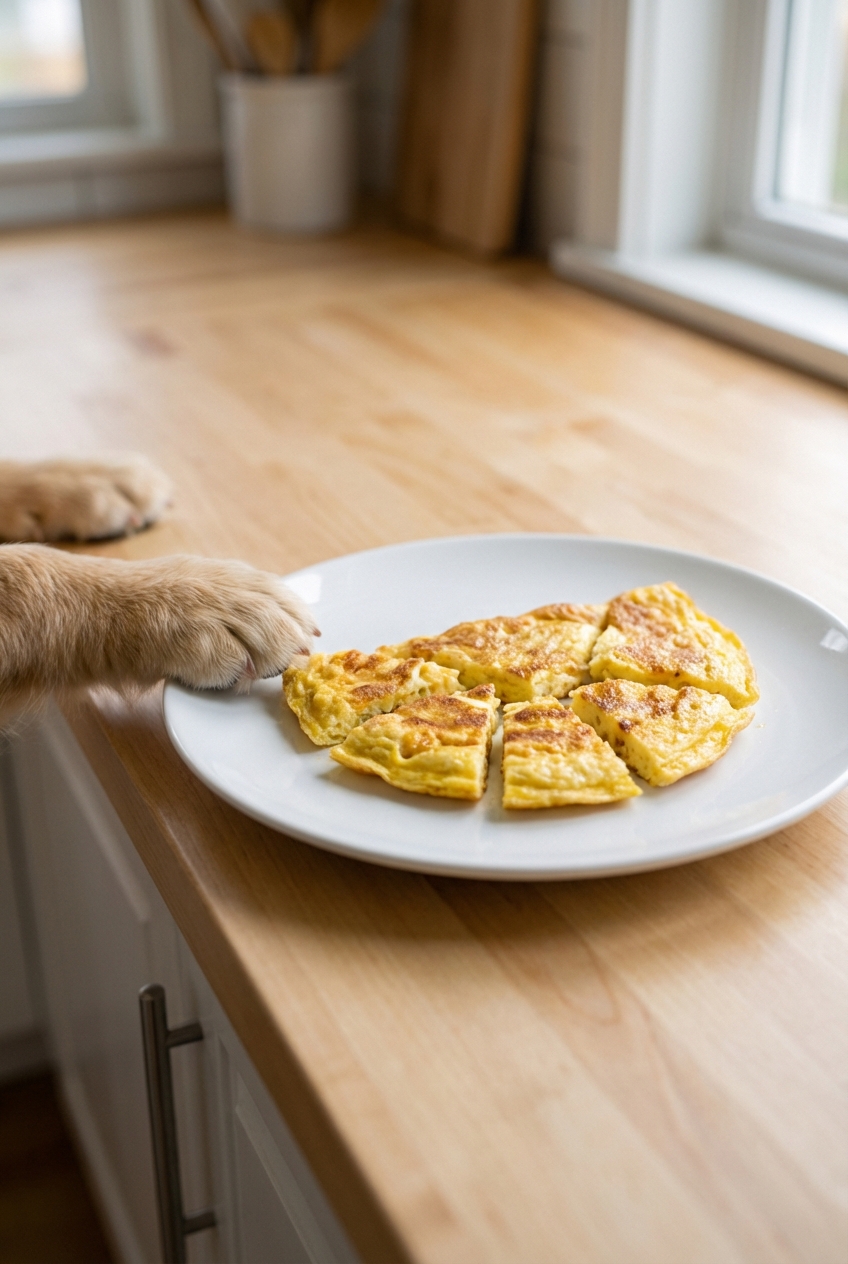
- Cook thoroughly: aim for fully set whites and yolk (hard-boiled, scrambled, or an omelet are all fine).
- Keep it plain: no onion, no garlic, no spicy seasonings, and skip added salt.
- Go easy on fat: cook with minimal or no butter or oil.
- Start small: begin with a bite or two and see how your puppy does.
- Use as a topper: mix a small amount into their regular puppy food rather than replacing a meal.
Simple portion examples (just a starting point, not a rule):
- Toy/small puppies: 1 to 2 teaspoons
- Medium puppies: 1 to 2 tablespoons
- Large puppies: 2 to 4 tablespoons
Helpful rule of thumb: treats and toppers should generally stay under about 10 percent of daily calories. If you are unsure, your veterinarian can help you estimate a safe amount for your puppy’s size and age.
About eggshells: you may see advice online about adding ground eggshell for calcium. For puppies, calcium balance is delicate, and eggshell also raises contamination and choking concerns if it is not prepared correctly. It is best to skip eggshell unless your veterinarian specifically tells you to use it.
When to avoid eggs
Check with your veterinarian before feeding eggs in the following situations:
- Very young puppies that are newly weaned
- Puppies with a history of stomach upset or chronic soft stool
- Known or suspected food allergies (egg can be a trigger for some dogs)
- Dogs with a history of pancreatitis or those on a prescribed low-fat diet (egg yolks are higher in fat)
- Homes with high-risk humans (young kids, elderly, pregnancy, immunocompromised), where minimizing raw-food bacteria exposure is especially important
Signs your puppy did not tolerate eggs
If you introduce eggs and notice any of the following, pause and reach out to your vet if symptoms are persistent or severe:
- Vomiting
- Diarrhea or mucus in stool
- Itchy skin or ear irritation (possible allergy clue)
- Loss of appetite or lethargy
For very small puppies, dehydration can happen quickly. If your puppy is vomiting repeatedly, has watery diarrhea, or seems weak, it is best to call your veterinarian the same day.
Bottom line
Raw eggs are not “always bad,” but for puppies they are usually not worth the risk. If you want the nutritional perks of eggs, you can get them with far fewer downsides by offering plain cooked egg in small portions.
My favorite mindset for puppy nutrition is simple: safe, consistent, and balanced first. Fun toppers like egg come second.