Macadamia nuts are toxic to dogs and can cause weakness, tremors, vomiting, and fever within hours. Learn dangerous amounts, what to do now, and when it’s ...
Article
•
Designer Mixes
Are Pistachios Harmful to Dogs?

Shari Shidate
Designer Mixes contributor
As a veterinary assistant here in Frisco, Texas, I get this question a lot: Can my dog have a pistachio? The evidence-based answer is that pistachios are not recommended for dogs. The shelled nut itself is not considered “toxic like grapes,” but pistachios come with enough common hazards that a “quick treat” can turn into a stressful night, or an urgent vet visit.
Quick answer
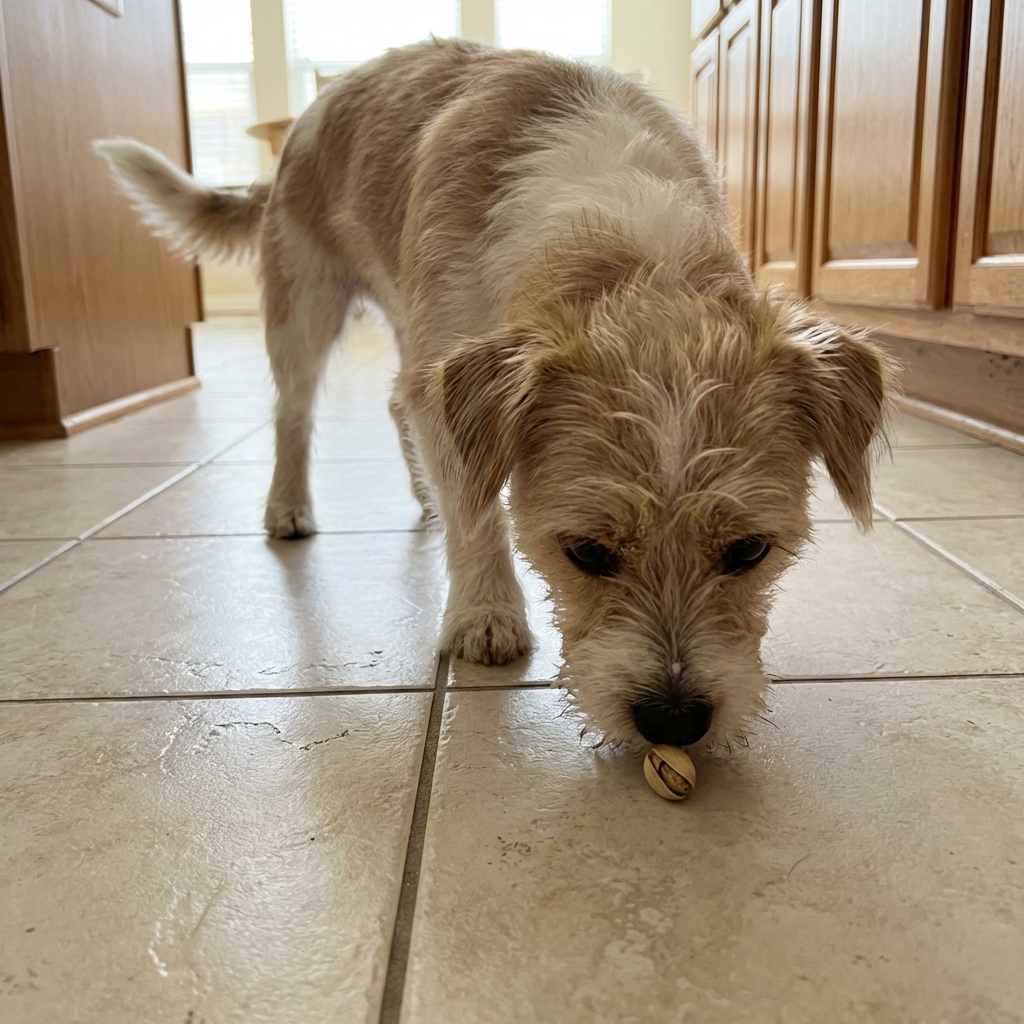
Plain pistachio meat (the shelled nut) is not known to be inherently toxic to dogs the way grapes or raisins can be. But pistachios are still a higher-risk snack because they are fatty, often salty or seasoned, can rarely be mold-contaminated, and the shells are a choking and blockage hazard.
- Best choice: Skip pistachios and use dog-safe treats instead.
- If your dog already ate some: Monitor closely and call your vet if you notice vomiting, diarrhea, belly pain, lethargy, repeated drooling, coughing or gagging, or straining to poop.
If you are unsure what your dog ate or how much, you can also contact resources like ASPCA Animal Poison Control or Pet Poison Helpline for guidance (fees may apply).
Why pistachios can be a problem
1) High fat can trigger stomach upset and pancreatitis
Pistachios are calorie dense and high in fat. Some dogs handle a small amount, but others develop stomach upset, and in more sensitive dogs, a fatty snack can contribute to pancreatitis, which is a painful inflammation of the pancreas. Pancreatitis often shows up as vomiting, diarrhea, loss of appetite, lethargy, and abdominal discomfort.
2) Salt and seasonings add risk
Most pistachios in our homes are salted, flavored, or seasoned. Garlic and onion powders are especially concerning. Salt at typical snack amounts is more likely to cause thirst or stomach upset, but it can worsen underlying heart or kidney disease, and very large salt exposures can be dangerous.
3) Mold contamination and aflatoxins (uncommon, but possible)
Pistachios, like other nuts, can be contaminated with molds that produce aflatoxins. In regulated human food supplies this is not common, but it is still possible, especially with old, improperly stored, or visibly stale nuts. Aflatoxins can cause serious illness because they can affect the liver, and it is not something you can reliably “see” at home.
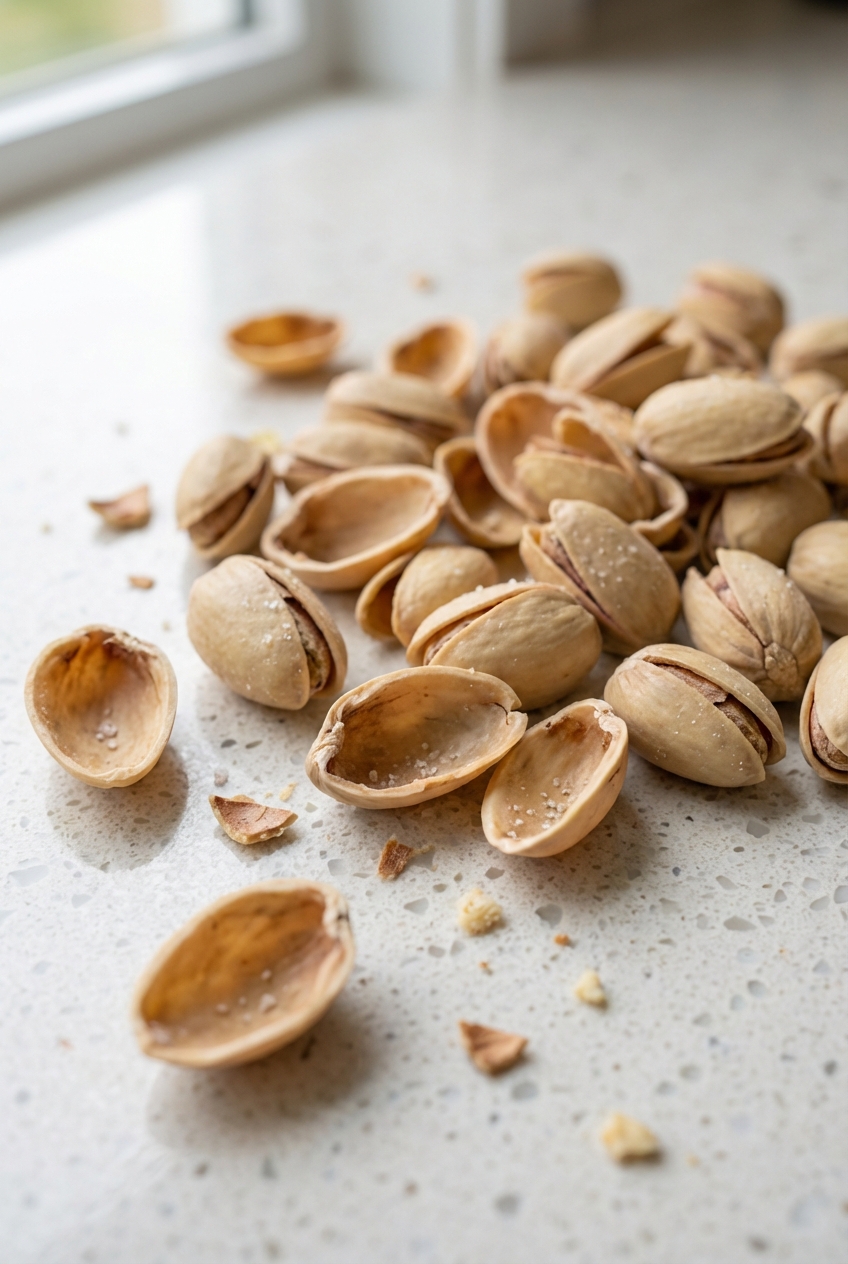
4) Shells can choke or cause an intestinal blockage
The most immediate hazard I see in real life is the shell. Dogs gulp. Shells can cause:
- Choking
- Mouth or throat injury
- Esophageal irritation
- GI obstruction (blockage), especially in small dogs or dogs that ate multiple shells
What if my dog ate pistachios?
Try to stay calm and gather details. A few immediate, practical steps:
- Remove access to the pistachios and any shells on the floor.
- Save the packaging (your vet may ask about ingredients like garlic, onion, high sodium, or sweeteners).
- Offer fresh water and avoid giving additional rich treats.
- Do not induce vomiting unless a veterinarian instructs you to. With sharp shells, inducing vomiting can sometimes increase the risk of injury on the way back up.
Your vet or a pet poison hotline will usually ask:
- Approximate amount eaten
- Were they in the shell or shelled?
- Were they salted or flavored (chili, garlic, onion, etc.)?
- Your dog’s weight, age, and any health conditions
- Current symptoms
Go to the ER now
- Any choking, gagging, trouble breathing, or blue or pale gums
- Repeated unproductive retching, severe bloating, or sudden intense abdominal pain
- Collapse, extreme weakness, or unresponsiveness
- Persistent vomiting, especially with lethargy or signs of pain
Call your vet right away
- Vomiting more than once, or vomiting plus lethargy
- Painful belly, “prayer position,” whining when picked up
- Diarrhea that is frequent, bloody, or accompanied by weakness
- Straining to poop or no stool after known shell ingestion
- Large ingestion, especially in a small dog
How many pistachios are too many?
There is no perfect number because risk depends on the dog and the situation. In general:
- One plain, shelled pistachio might cause no symptoms or mild stomach upset.
- A handful raises concern for GI upset, pancreatitis risk, and salt load if seasoned.
- Any amount of shells is a bigger red flag because of choking and obstruction.
If your dog is tiny, has a history of pancreatitis, has inflammatory bowel disease, or is on a prescription diet, even small amounts can cause a bigger reaction.
For context, macadamia nuts are the classic nut we worry about for true toxicity in dogs. Pistachios are more of a “higher-risk snack” due to fat, salt, seasonings, and physical hazards.
Safer snack swaps
I love helping families find treats that feel special but are gentler on the gut. Here are a few simple swaps that most dogs do well with, in small portions:
- Crunchy: baby carrots, cucumber slices
- Fruity: blueberries, a small slice of apple (no seeds)
- Protein treat: plain cooked chicken breast pieces
- Training treats: single-ingredient freeze-dried treats (check sodium and additives)
If your dog has food allergies or a sensitive stomach, introduce any new food slowly and keep treats under about 10% of daily calories.

Pistachio butter and pistachio ice cream
These are more likely to cause trouble because they are concentrated and often contain sugar, salt, or other additives. Avoid:
- Pistachio butter (high fat, sometimes salted)
- Pistachio ice cream (dairy can upset many dogs’ stomachs, plus sugar)
- Any product that may contain xylitol (also called birch sugar), which is extremely dangerous to dogs. It is not in every product, so always check the label.
Bottom line
Pistachios are not the worst thing a dog could steal, but they are also not worth the risk, especially with shells, salt, and the potential for pancreatitis or blockage. If your pup got into pistachios, watch closely and call your veterinarian if you see any concerning signs. And going forward, keep pistachios in a sealed container and out of reach, because most dogs treat an open snack bowl like a personal invitation.
This article is for general education and is not a substitute for veterinary diagnosis or treatment. When in doubt, call your veterinarian.